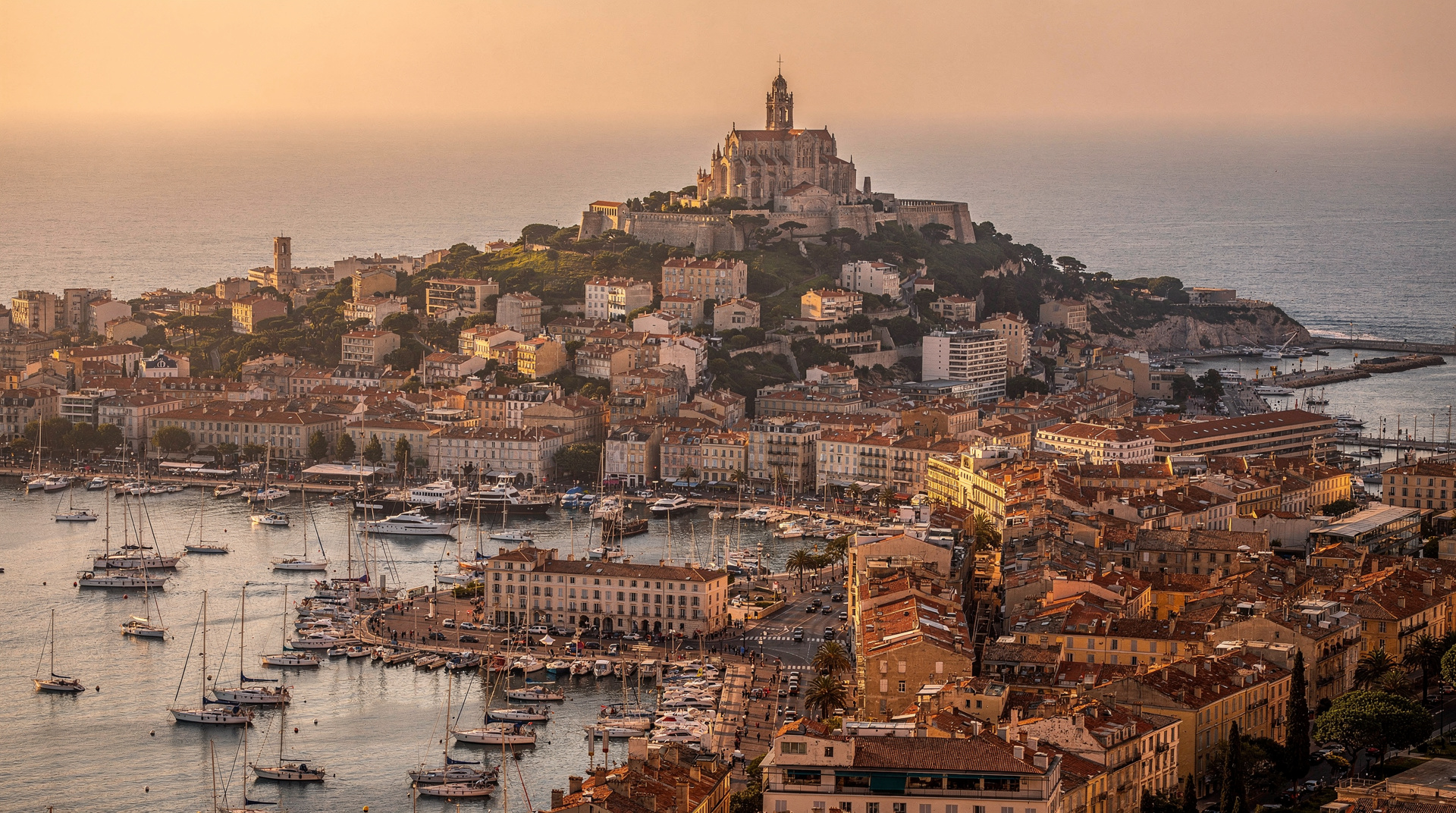
Marseille and Provence in 5 days: the culture itinerary
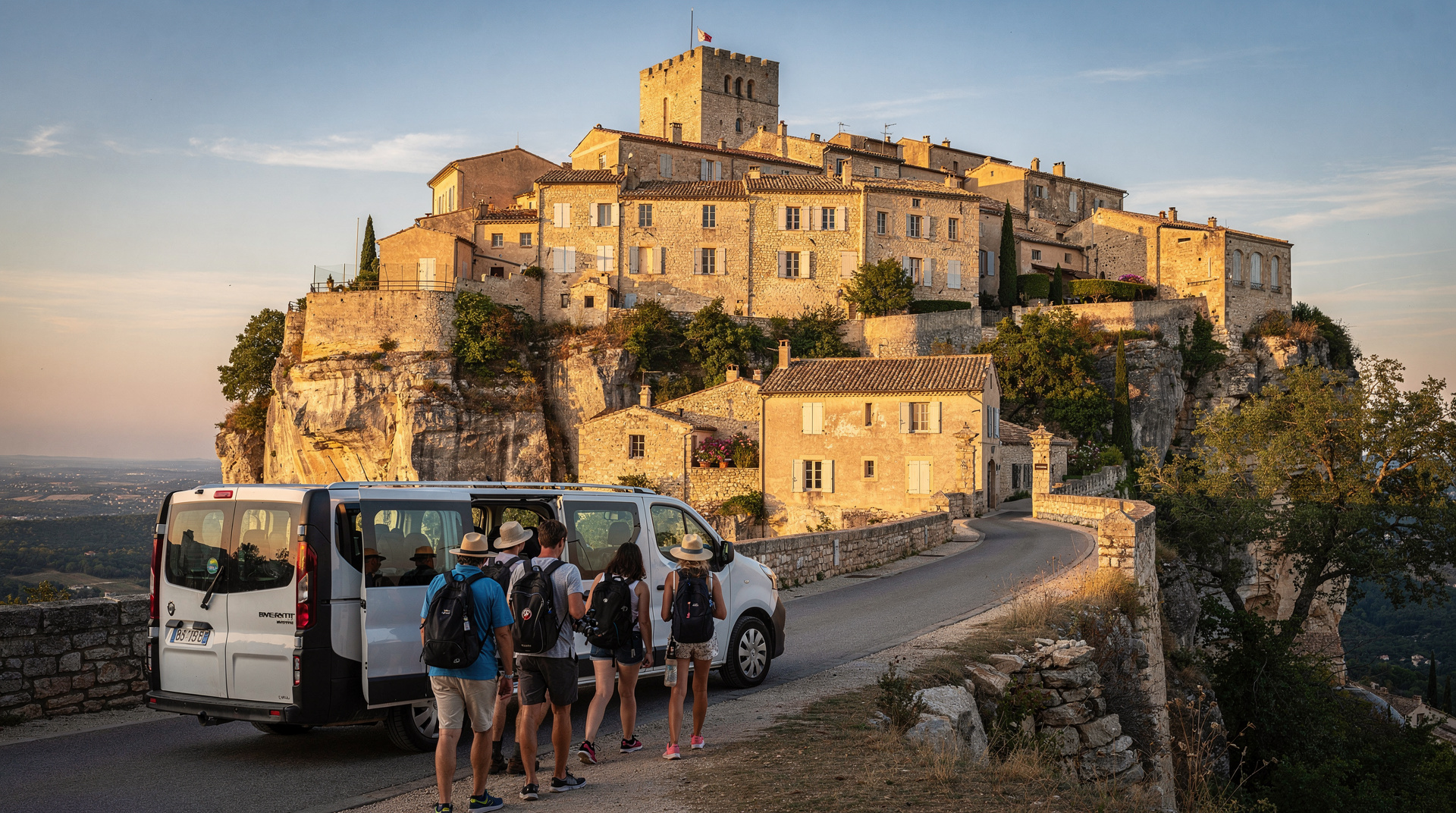
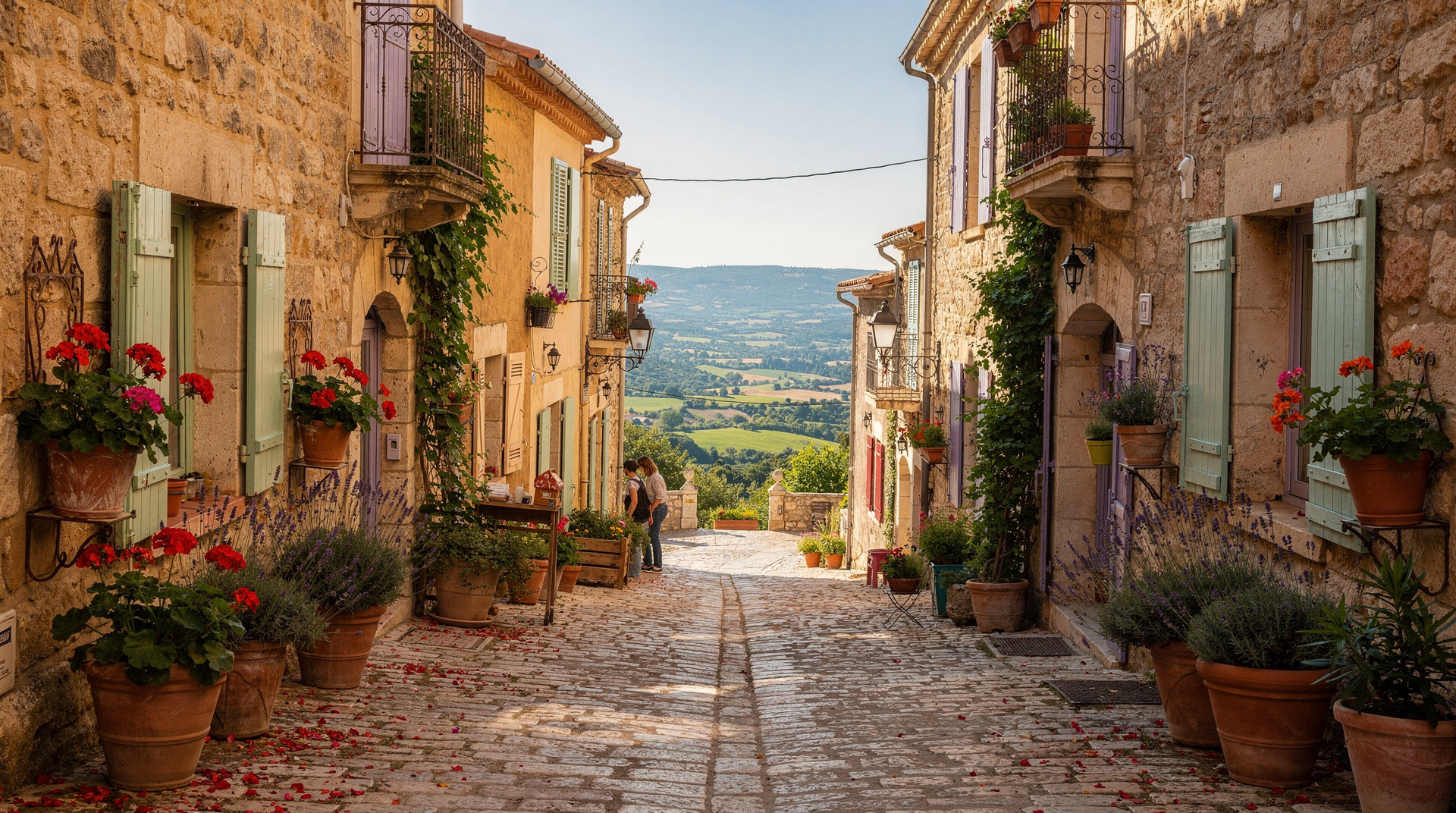
From Marseille: the most beautiful villages of the Luberon
Duration: 8 hours
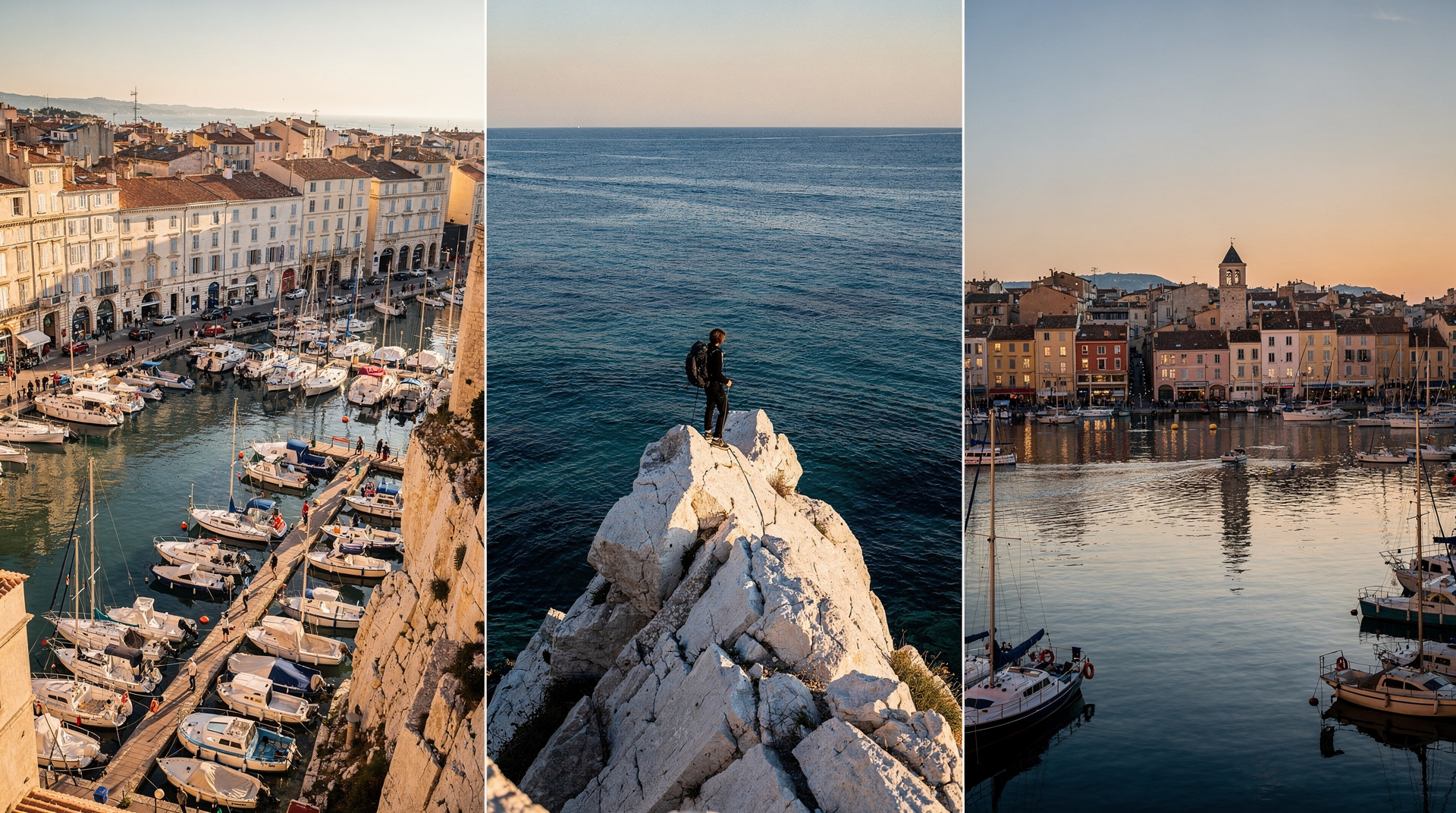
Five days covers the essential Provence circuit properly: Marseille as the urban counterpoint, the Calanques as the wilderness experience, Cassis as the coastal transition, Aix-en-Provence as the cultured inland city, and the Luberon plateau as the archetypal Provençal countryside. This is not a rush-through itinerary — each destination gets genuine time rather than a rushed morning stop.
The structure: Days 1–3 are car-free, based in Marseille with day trips by train and boat. Days 4–5 require a car for the Luberon and the perched villages. You can rent a car from Marseille city for days 4–5 and return it before departure, or arrange a rental from Aix-en-Provence on Day 4 morning.
A note on the Luberon: the villages of Gordes, Roussillon, Bonnieux, and their surroundings are genuinely inaccessible without a car. There are no useful public transport links from Marseille or Aix to these villages. Guided day tours from Marseille (see below) solve this for travellers without a driving licence, but self-drive gives the most flexibility.
| At a glance | |
|---|---|
| Where | Marseille (Days 1–3), Aix-en-Provence and the Luberon (Days 4–5) |
| Cost | Around 1,500–2,500 EUR for two, excluding flights (see full budget table below) |
| Time needed | 5 days; car only needed for Days 4–5 |
| Getting there | Marseille-Provence Airport or Gare Saint-Charles (TGV from Paris around 3h15) |
| Best time | Mid-June to mid-July for lavender at Sénanque; May, June, or September for lighter crowds overall |
For the car-free version of the early days, see the 3-day Marseille, Aix and Cassis itinerary; for whether you even need a car for the Luberon leg, our car-in-Provence guide lays out the honest trade-offs.
Day 1: Marseille arrival and orientation
Afternoon arrival in Marseille (13:00–18:00)
If arriving at Marseille Provence Airport (MRS), take the Navette Airport Express bus to Gare Saint-Charles (approximately 30 minutes, 10 EUR) or the TER train from Vitrolles-Aéroport-Marseille-Provence (30 minutes). See the airport-to-city guide for full logistics.
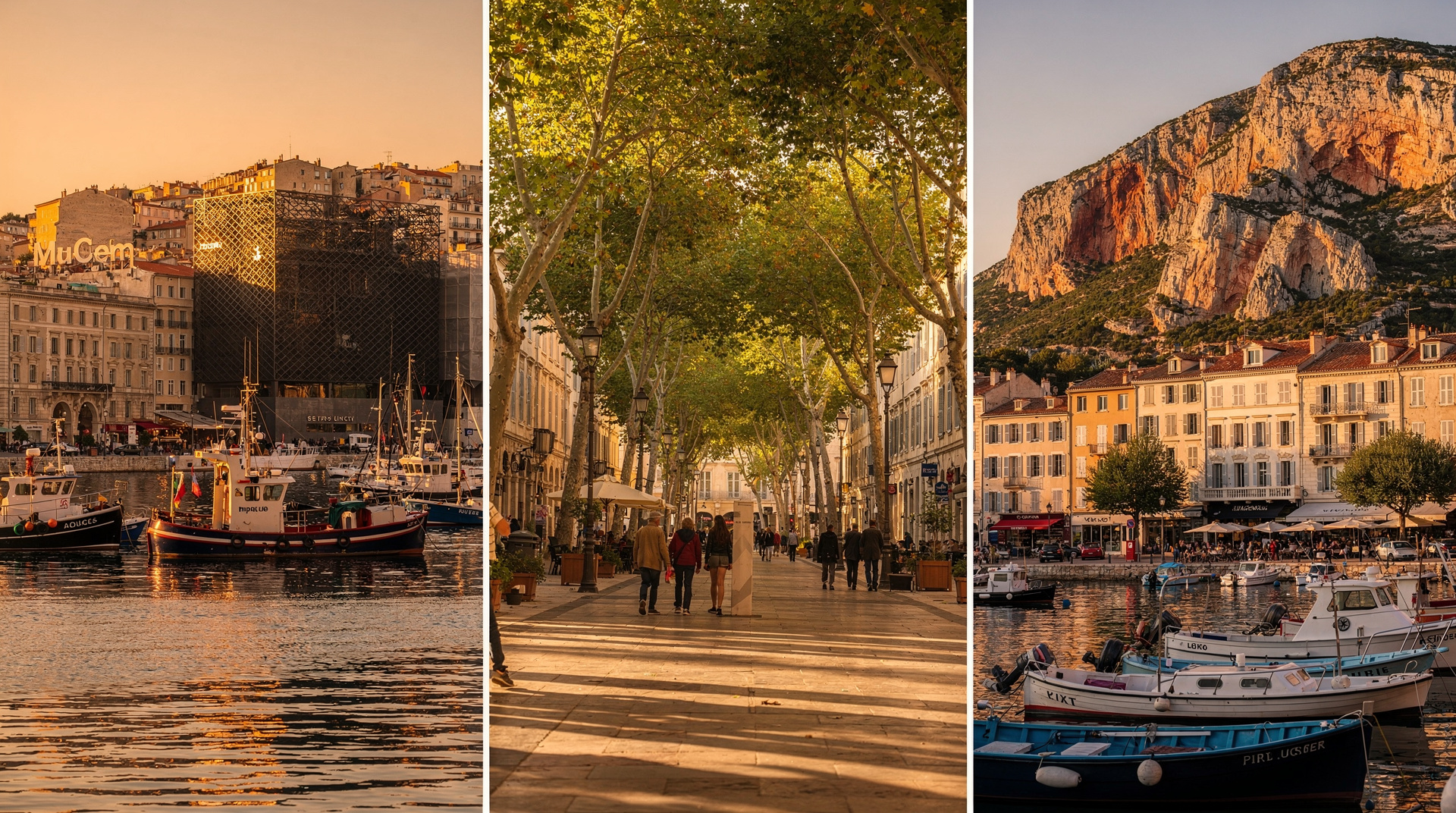
From Gare Saint-Charles, take metro line 1 to Vieux-Port (3 stops, approximately 5 minutes). Check in to accommodation, then walk to the Vieux-Port for orientation: the harbour, the ferry to the north quai, the sight of Notre-Dame de la Garde on the hill above. This is enough for an arrival afternoon — absorb the scale and pace of the city.
Evening: Cours Julien introduction (19:00–22:00)
Walk east from the Vieux-Port to Cours Julien — Marseille’s most characterful neighbourhood. Have a drink on a terrace, then dinner in one of the independent restaurants in the streets around the square. Budget 25–40 EUR per person.
Day 2: Marseille city in full
Morning: Vieux-Port, Le Panier, MuCEM (8:00–12:30)
Start at the Quai des Belges for the fish market by 8:30. Walk the north quai to MuCEM — 45 minutes on the fort terraces (free). Enter MuCEM if interested in Mediterranean cultural exhibitions (11 EUR, 1.5 hours), or proceed uphill into Le Panier for 90 minutes: Vieille Charité, street art lanes, Place des Moulins.
Afternoon: Notre-Dame de la Garde and the Corniche (13:30–19:00)
After lunch, take the petit train to Notre-Dame de la Garde (12–15 EUR round trip) — the 154-metre hilltop basilica with the city’s best panorama. Understanding the geography from above makes the subsequent days more legible: you can see the Calanques massif to the southeast, Cassis in the distance, the Frioul Islands offshore.
Walk or take bus 83 south along the Corniche Kennedy to Vallon des Auffes — the tiny fishing cove below the promenade. Continue south on the bus to the Prado beaches for a late afternoon swim if the season permits.
Evening: dinner in Noailles (North African food at honest prices) or Cours Julien (more varied options). Budget 25–45 EUR per person.
Day 3: Calanques and Cassis
Morning: Calanques boat tour (8:30–12:30)
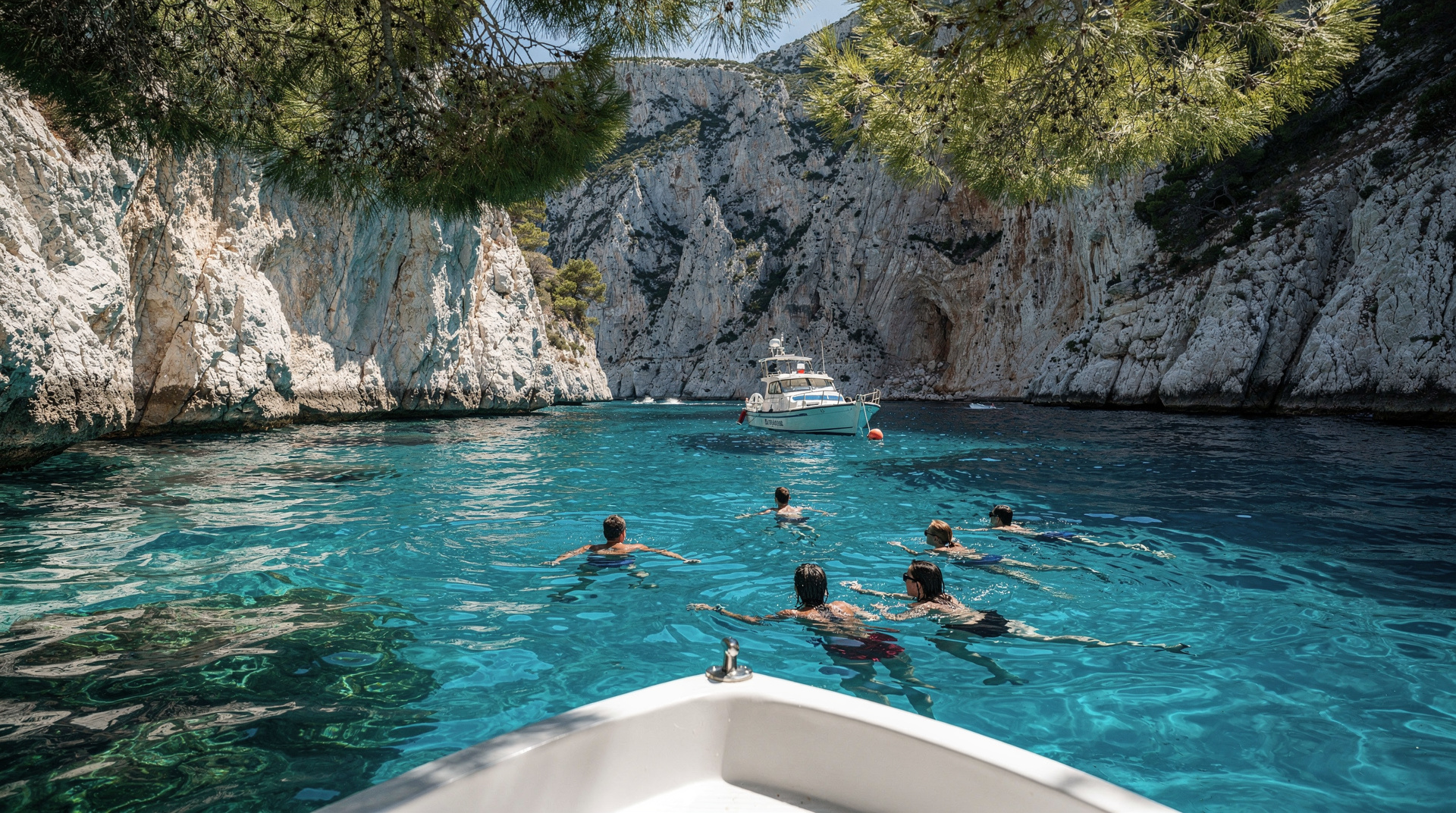
Book a half-day Calanques boat tour from the Vieux-Port departing 8:30–9:00. A 3–4.5 hour tour covers 4–6 calanques with swimming stops — the most time-efficient way to experience the Calanques National Park on a five-day itinerary. The boat access is not affected by fire risk closures (relevant in summer), making this the reliable option.
Return to the Vieux-Port by 12:30–13:00.
Afternoon: TER to Cassis (14:00–18:30)
After a quick lunch near the Vieux-Port, take the 14:00 TER from Gare Saint-Charles to Cassis (22 minutes). The Marcouline shuttle (Ligne M1) connects to the port in 10 minutes.
Afternoon in Cassis: walk the port, take the coastal path to Port-Miou (1.5 km, flat), have a glass of AOC Cassis white wine at a port terrace. This is a taste of Cassis rather than a full day — the town makes an impression in 4 hours. The boat tour and the wine are the essentials.
Return TER to Marseille approximately 18:00. Dinner in Marseille.
Day 4: Aix-en-Provence and beginning the Luberon
Morning: TER to Aix-en-Provence (9:00–13:00)
TER from Gare Saint-Charles to Aix-en-Provence Centre (35–45 minutes). Morning in Aix:
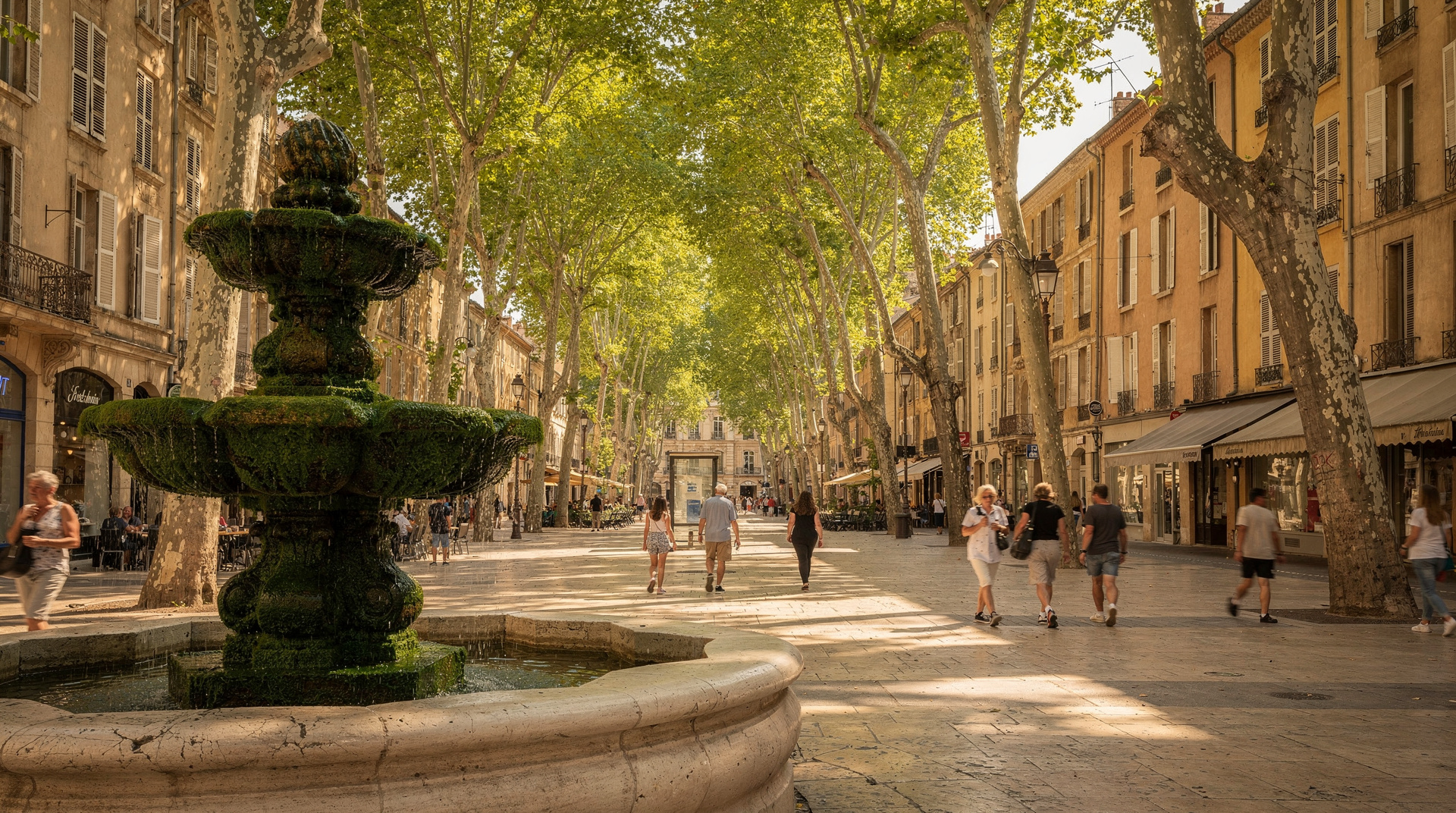
Aix-en-Provence is best on a Tuesday, Thursday, or Saturday for the morning market (Place des Prêcheurs). The core morning sequence: Cours Mirabeau for the café terraces and the 17th-century mansions, the market squares north of the cours, the Atelier Cézanne (45 minutes, 7.50 EUR, the studio preserved exactly as he left it in 1906).
Afternoon: pick up car and drive to Luberon (13:00–18:00)
Pick up the rented car from the Aix-en-Provence Centre area (or from Marseille if it is easier to pick up from the city on this morning) and drive north into the Luberon.
Route: Aix → D96 east → D543 north → Pertuis (crossing point) → Lourmarin → Bonnieux → overnight in Bonnieux or Ménerbes area.
Lourmarin (45 minutes from Aix): the most accessible Luberon village, with a 15th-century château (open for visits, approximately 8–10 EUR), a good main street for lunch, and a relaxed scale. The drive from Lourmarin north to Bonnieux along the D36 through the valley is one of the most beautiful in Provence — lavender fields in early July, vineyards, cherry orchards, stone walls.
Bonnieux (30 minutes from Lourmarin): a steep perched village with one of the finest views across the Luberon valley. Walk up to the old church at the top for the panorama. The village bakery (closed Monday) produces excellent bread.
Overnight in Bonnieux, Ménerbes, or the surrounding area. Accommodation options range from farm chambre d’hôtes (60–100 EUR per room) to boutique hotels (150–250 EUR). Book well ahead in July–August.
Evening: dinner in the Luberon (19:30–22:00)
Luberon village restaurants require advance booking in high season. Options in Bonnieux (2–3 restaurants), Lacoste (the village above the Marquis de Sade’s château), or Ménerbes (a 15-minute drive). Expect 40–60 EUR per person for dinner.
Day 5: Gordes, Roussillon and return to Marseille
Morning: Gordes and Sénanque Abbey (9:00–12:00)
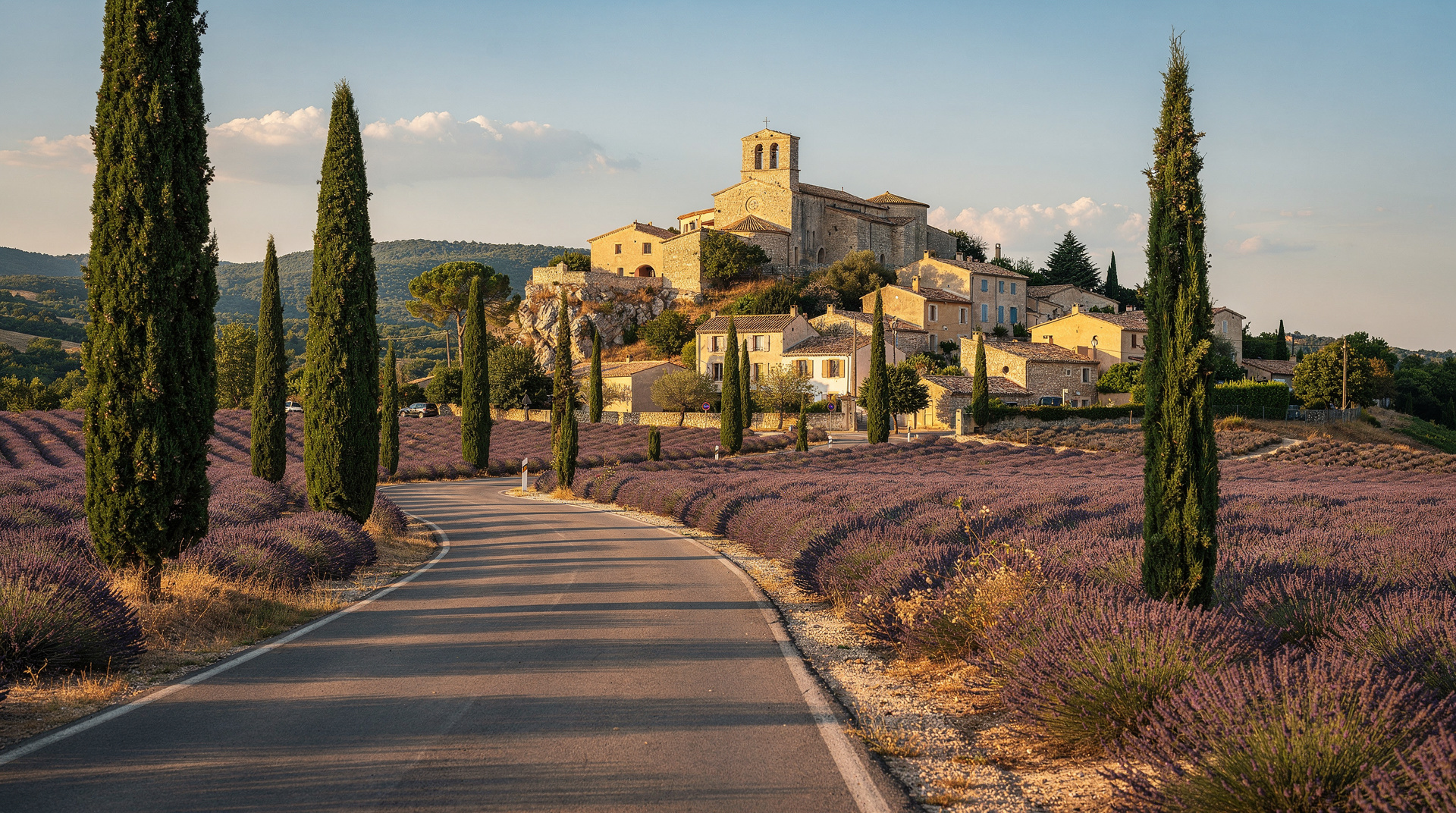
Gordes (30 minutes from Bonnieux): the most famous and most photographed village in the Luberon. The village rises on a steep rock face above the valley — the sight of it from the D15 approach road is the stereotypical Provence image. The village itself is genuinely beautiful but extremely crowded in summer: arrive before 9:30 to walk the lanes with some calm. The 16th-century château at the top of the village houses a contemporary art collection (entry approximately 7 EUR).
Abbaye de Sénanque (4 km north of Gordes via D177): a 12th-century Cistercian abbey still occupied by monks, surrounded by lavender fields (peak mid-June to mid-July). In lavender season, this is the Provence postcard made real. Outside lavender season, the abbey is a serene and beautifully preserved medieval building. Guided visits available (approximately 7.50 EUR). Photography of the lavender fields from the road is permitted without entering the abbey.
Late morning: Roussillon (12:00–15:00)
Roussillon (20 minutes east of Gordes): a village built on and from ochre — the natural iron-oxide pigment that turns the cliffs, buildings, and roads every shade of orange, red, and yellow. The contrast with the blue Provence sky and green vegetation is extraordinary. The Sentier des Ocres (Ochre Trail, 8 EUR entry) is a 30–45 minute walking circuit through the ochre quarry landscape — genuinely unique and worth the time. The village itself is smaller than Gordes and easier to navigate quickly.
Lunch in Roussillon — several terrasse restaurants in the village square, with views over the ochre valley. Expect 20–30 EUR per person for a lunch with local rosé.
Afternoon return to Marseille (15:00–18:00)
Route Roussillon → D104 → Pertuis → A51 south → Marseille. The drive from Roussillon to Marseille takes approximately 1.5–2 hours depending on traffic. Return the rental car to Marseille. Alternatively, if departing by air, the route Roussillon → A51 → Airport MRS is approximately 1.5 hours.
If staying one more night in Marseille: an early evening walk on the Corniche, a final pastis at the Vieux-Port, and dinner in Cours Julien.
What to book in advance
- Calanques boat tour (Day 3 morning) — book 1–2 weeks ahead in summer.
- Car rental (Days 4–5) — book from Marseille or Aix-en-Provence. Aix city pickup is convenient for the Luberon start. Returns to Marseille airport work well for departures.
- Luberon overnight accommodation — book 2–4 weeks ahead in July–August, especially Gordes and Bonnieux. The good places fill quickly.
- Sénanque Abbey guided visit — book online at senanque.fr if you want a specific timed entry. Walk-in access to the exterior is always possible.
- TER trains (Days 2, 3) — no reservation required; check sncf-connect.com.
- Fire risk check for Calanques (Day 3 boat tour is fine regardless; affects hiking only) via calanques-parcnational.fr.
Variations
Without a car: Replace Days 4–5 with guided day tours from Marseille. The day trips guide covers available organised tours to the Luberon (departing Marseille, full day, 50–80 EUR per person). You see the villages but lose flexibility on timing and number of stops.
Lavender extension (mid-June to mid-July): Replace Day 5 with Valensole plateau — add the lavender route itinerary for how to combine it. Valensole is 2 hours from Marseille by car (via A51 north and D4) and the plateau is the largest and most accessible lavender landscape in France.
Shorter version (3 days): Cut Days 4–5 (Luberon requires a car and overnight — skip it if car-free). See Marseille, Aix and Cassis in 3 days for the car-free version.
Extend to 7 days: The 7-day Marseille and Provence itinerary adds Avignon, Arles, Valensole, and Verdon to this base structure.
Practical notes for this 5-day itinerary
The car logistics explained
The transition from car-free (Days 1–3) to car (Days 4–5) requires planning. The simplest approach is to pick up the rental car in Aix-en-Provence on Day 4 morning — take the TER from Marseille to Aix Centre (35–45 minutes), pick up the car in Aix, and drive directly into the Luberon from there. On Day 5, return the car in Marseille city (or at Marseille Provence Airport if departing by air) and transition back to public transport for any final city time.
Car rental in Aix-en-Provence city: most major operators (Europcar, Hertz, Avis, Enterprise) have offices near the Aix Centre train station. Book in advance — the selection is smaller than at the airport and popular categories sell out in summer.
Driving in the Luberon: The roads between Luberon villages are narrow, winding, and in July particularly, very busy. Larger vehicles and motorhomes have difficulty navigating some of the tighter village access roads. A compact car (Peugeot 208, Citroën C3, or equivalent) is the right choice — not an SUV. Many village parking areas have height restrictions. The D15 approach to Gordes from Cavaillon and the D943 through the southern Luberon valley are the main arterial routes; the village access roads off them are where to slow down.
Where to sleep in the Luberon
The most desirable accommodation in the Luberon fills months in advance in July–August. For a Night 4 in the Luberon:
Bonnieux has the best balance of atmosphere and accessibility — village restaurants within walking distance, views south over the valley, good B&Bs and one or two small hotels. Expect 100–200 EUR per room.
Gordes has the most hotel options and the most famous views but is the most expensive and most crowded. A room in Gordes costs 200–400 EUR in July; the village restaurants require booking well ahead. Reserve 6–8 weeks in advance for July.
Ménerbes and Lacoste are quieter alternatives with fewer beds — better for chambre d’hôtes (farm B&B) style stays if you prefer less infrastructure and more authentic countryside immersion.
The breakfast at a Luberon chambre d’hôtes — local honey, goat cheese, Provence tomatoes, fresh bread — is one of the most genuinely Provençal experiences on the route. Do not rush through it.
Understanding the Luberon villages: a guide to priorities
Five days only gives two partial days in the Luberon (Day 4 afternoon and Day 5 morning). These are the priorities:
Essential: Gordes (view and village) + Sénanque Abbey (with or without lavender). The combination of these two within 4 km of each other is the defining Luberon experience.
Second tier: Roussillon (ochre, unique, 20 minutes from Gordes). The Sentier des Ocres (30 minutes, 8 EUR) is worth doing.
Third tier: Bonnieux (panorama, bakery), Lourmarin (château, gracious scale), Ménerbes (views, Peter Mayle associations), Lacoste (de Sade château, Pierre Cardin village). These are all excellent but require more time per village than a 5-day itinerary allows.
Skip for this trip: Fontaine de Vaucluse (1 hour from Roussillon, interesting but not essential on a 5-day visit), Les Baux-de-Provence (in the Alpilles, not the Luberon, and a separate trip in its own right).
Budget for this 5-day itinerary
Approximate budget for two people (excluding flights):
| Item | Cost |
|---|---|
| Accommodation (5 nights): 2 in Marseille + 1 Luberon + 2 variable | 800–1,400 EUR |
| Calanques boat tour (Day 3) | 80–180 EUR for two |
| Car rental (Days 4–5, 2 days) | 80–160 EUR |
| Toll roads (A51, A7 segments) | approximately 15–25 EUR |
| TER trains (Days 1–3) | approximately 50–60 EUR for two |
| Meals (5 days, mid-range) | 400–600 EUR for two |
| Entrance fees (MuCEM, Sénanque, Ochre trail, etc.) | 50–80 EUR for two |
Total: approximately 1,500–2,500 EUR for two, excluding flights. The Luberon overnight is the main cost driver — the accommodation in villages like Gordes is significantly more expensive than Marseille base.
Day-by-day summary
| Day | Focus | Car needed |
|---|---|---|
| Day 1 | Arrival, Vieux-Port orientation, Cours Julien | No |
| Day 2 | Marseille city: Le Panier, MuCEM, Notre-Dame de la Garde, Corniche | No |
| Day 3 | Calanques boat tour, Cassis by TER | No |
| Day 4 | Aix-en-Provence morning, drive into the Luberon (Lourmarin, Bonnieux) | Yes |
| Day 5 | Gordes, Sénanque Abbey, Roussillon, return to Marseille | Yes |
Should you swap Cassis for a Luberon night instead?
Some travellers with only five days wonder whether it is better to drop Cassis (Day 3 afternoon) and add a second overnight in the Luberon instead. This is a reasonable trade if the Luberon villages, lavender, and countryside pace matter more to you than the coast. Dropping Cassis frees up roughly four hours that could become a slower Day 5 with time for Ménerbes or Lacoste in addition to Gordes and Roussillon. The itinerary as written favours variety — coast, city, and countryside in five days — but if you already know you are a “one landscape done properly” traveller rather than a “see it all” traveller, this swap is worth considering before you book accommodation.
Frequently asked questions about Marseille and Provence in 5 days
Do I need a car for the whole 5-day itinerary?
No — only for Days 4–5 in the Luberon. Days 1–3 in Marseille and Cassis are entirely car-free, using metro, bus, TER trains, and the Calanques boat tour.
Is 5 days enough to see the Luberon properly?
Five days gives you two partial days (Day 4 afternoon and Day 5 morning) in the Luberon, which is enough for the essential villages (Gordes, Sénanque, Roussillon) plus one more (Lourmarin or Bonnieux) but not the full village-hopping some travellers imagine. For a fuller Luberon experience, extend to the 7-day itinerary or add a second Luberon night.
Top experiences
Bookable activities with verified prices and instant confirmation on GetYourGuide.