Corniche and Prado beaches, Marseille
The Corniche Kennedy, Prado beaches, Catalans, and Endoume — Marseille's coastal road and swimming spots. Best beaches, access, and family tips.
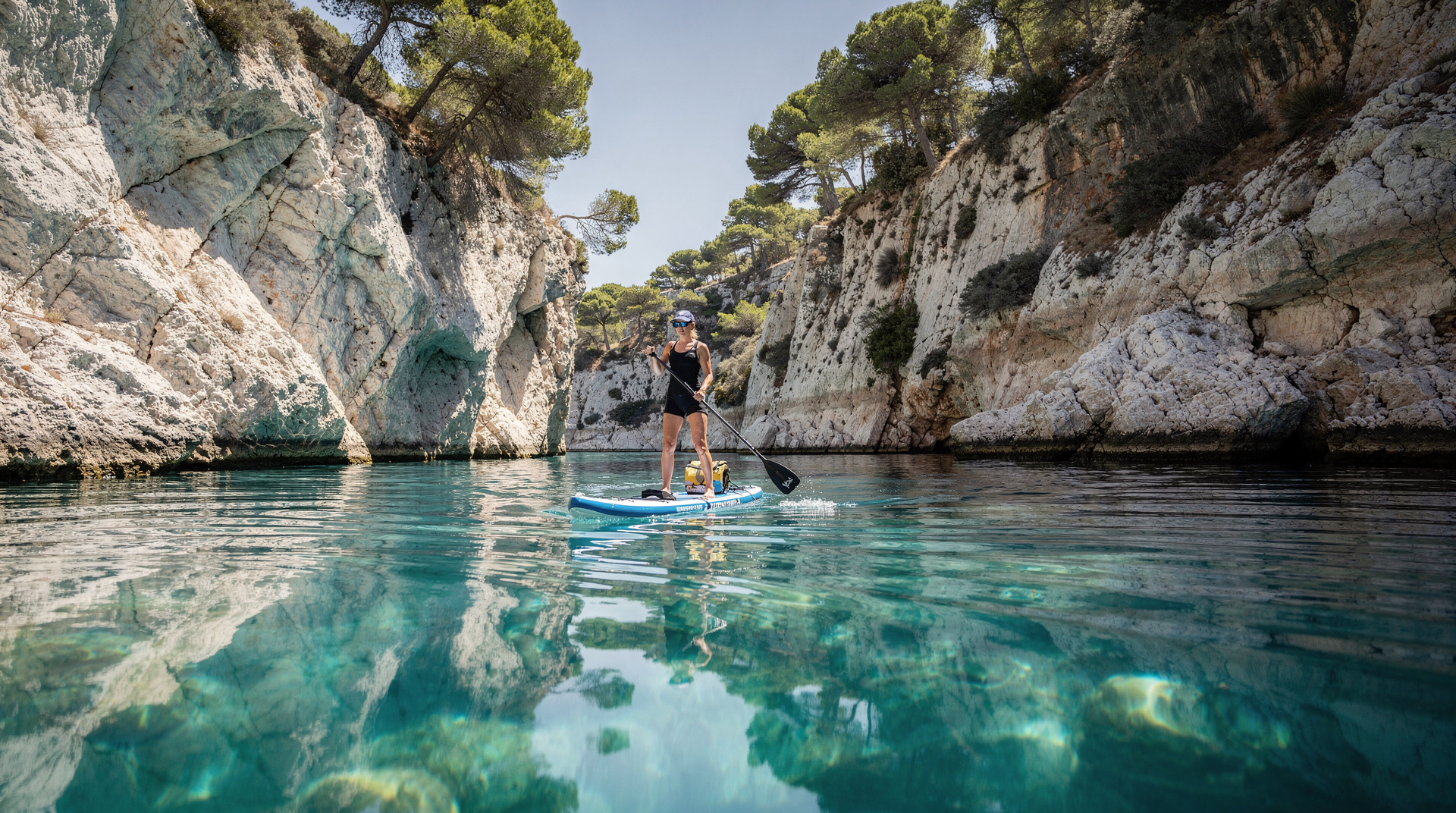
Marseille: stand-up paddle tour — Les Goudes to the Calanques
Duration: 2 hours
Quick facts
- Corniche length
- ~5 km from the Vieux-Port to Les Goudes direction
- Prado beaches
- Artificial beaches, open daily, free access
- Catalans beach
- Oldest beach in Marseille, near the Vieux-Port
- Getting there
- Bus 83 along the Corniche; bus 19 to Prado; tram T2
- Water quality
- Generally good; EU Blue Flag at some Prado beaches
Marseille’s seafront: not what you expect
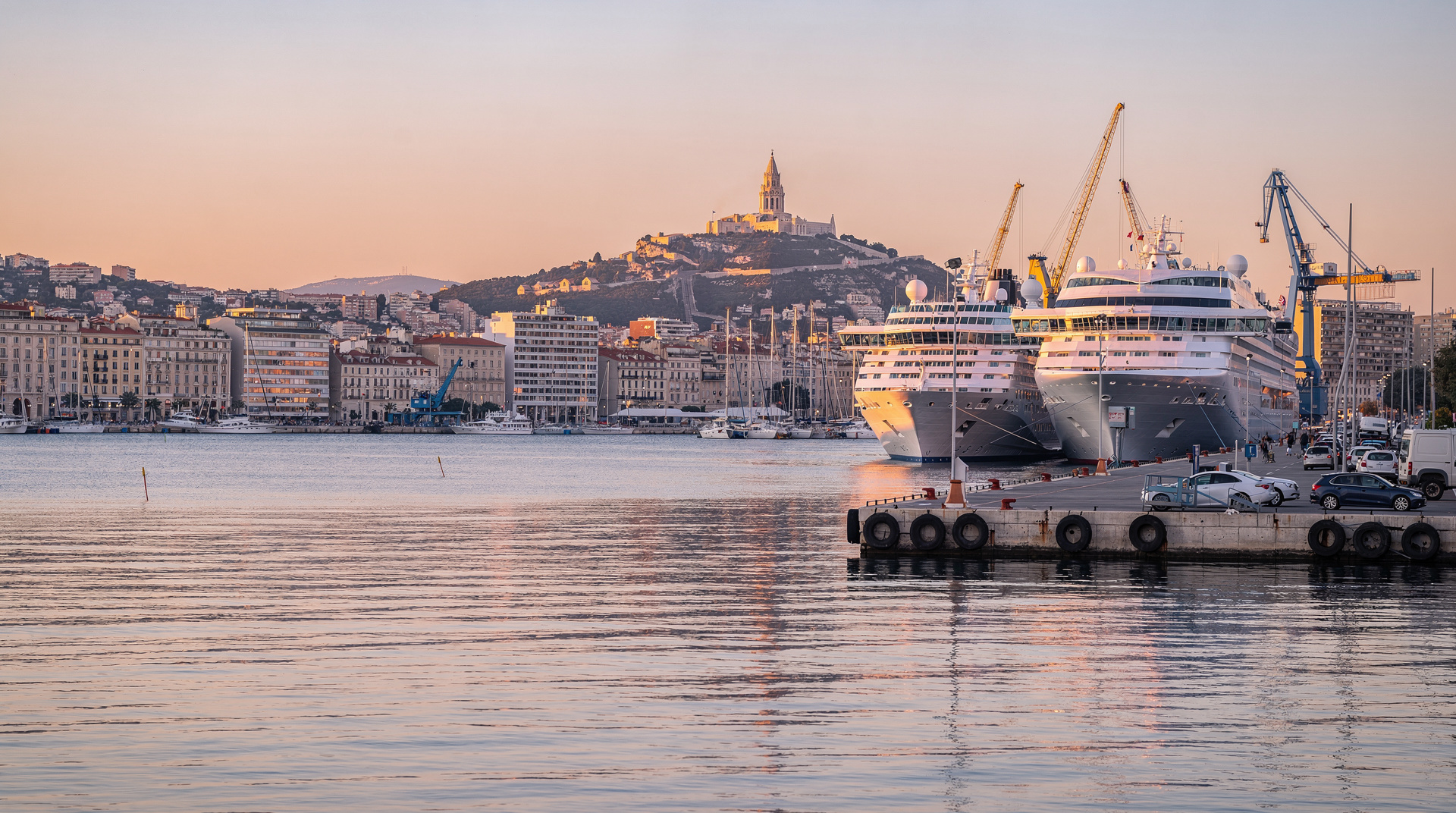
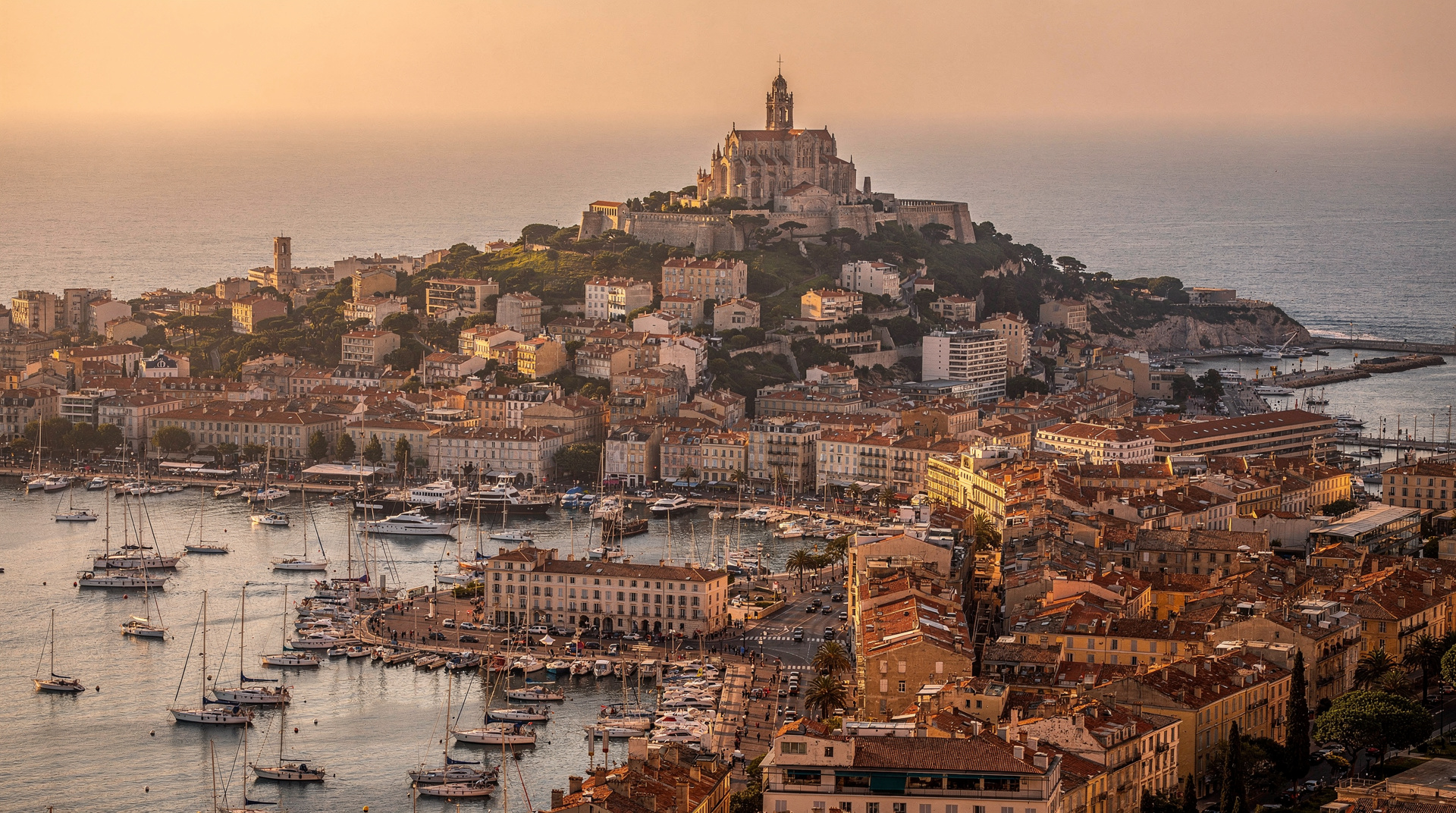
Most visitors spend their Marseille time between the Vieux-Port and Notre-Dame de la Garde, and leave without realising that the city has 5 kilometres of coastal road and a string of beaches that residents actually use. The Corniche Kennedy — named after the American president following his 1961 visit — runs along the rocky coastline south of the Pharo headland, curves past the Vallon des Auffes and the Endoume district, and opens out onto the broad Prado beach zone before continuing toward Les Goudes and the beginning of the Calanques.
This is where Marseille people actually swim. Not in the Calanques (which requires planning and effort), and not near the Vieux-Port (which is a harbour). The Corniche and Prado beaches are the city’s daily waterfront — used on weekday lunchtimes and packed every summer weekend.
At a glance
| Where | South of the Vieux-Port, roughly 5 km of coastal road to Les Goudes |
| Cost | Free access to all beaches; SUP/kayak rental around €15–25 for a half-day |
| Time needed | 2–3 hours for a beach visit; a full day combined with cycling or a Calanques SUP trip |
| Getting there | Bus 83 along the Corniche, bus 19 or tram T2 to Rond-Point du Prado |
| Best time | June–September for swimming; May and October for walking or cycling |
Plage des Catalans
The oldest swimming beach in Marseille and the closest to the Vieux-Port (about 1.5 km south, walkable in 20 minutes along the coast). It dates from the 19th century when Catalan fishermen from the nearby village settled here. The beach is narrow, with a mix of sandy and rocky sections, a beach volleyball court, a lifeguard post in summer, and several beach restaurants and cafés that have operated in various forms for generations.
Catalans is the right choice if you want to swim without going far from the Vieux-Port. The water quality is generally good; the crowd is local. It gets genuinely busy on summer weekends. No parking directly adjacent, which keeps the day-tripper pressure lower than the Prado.
Vallon des Auffes to Endoume
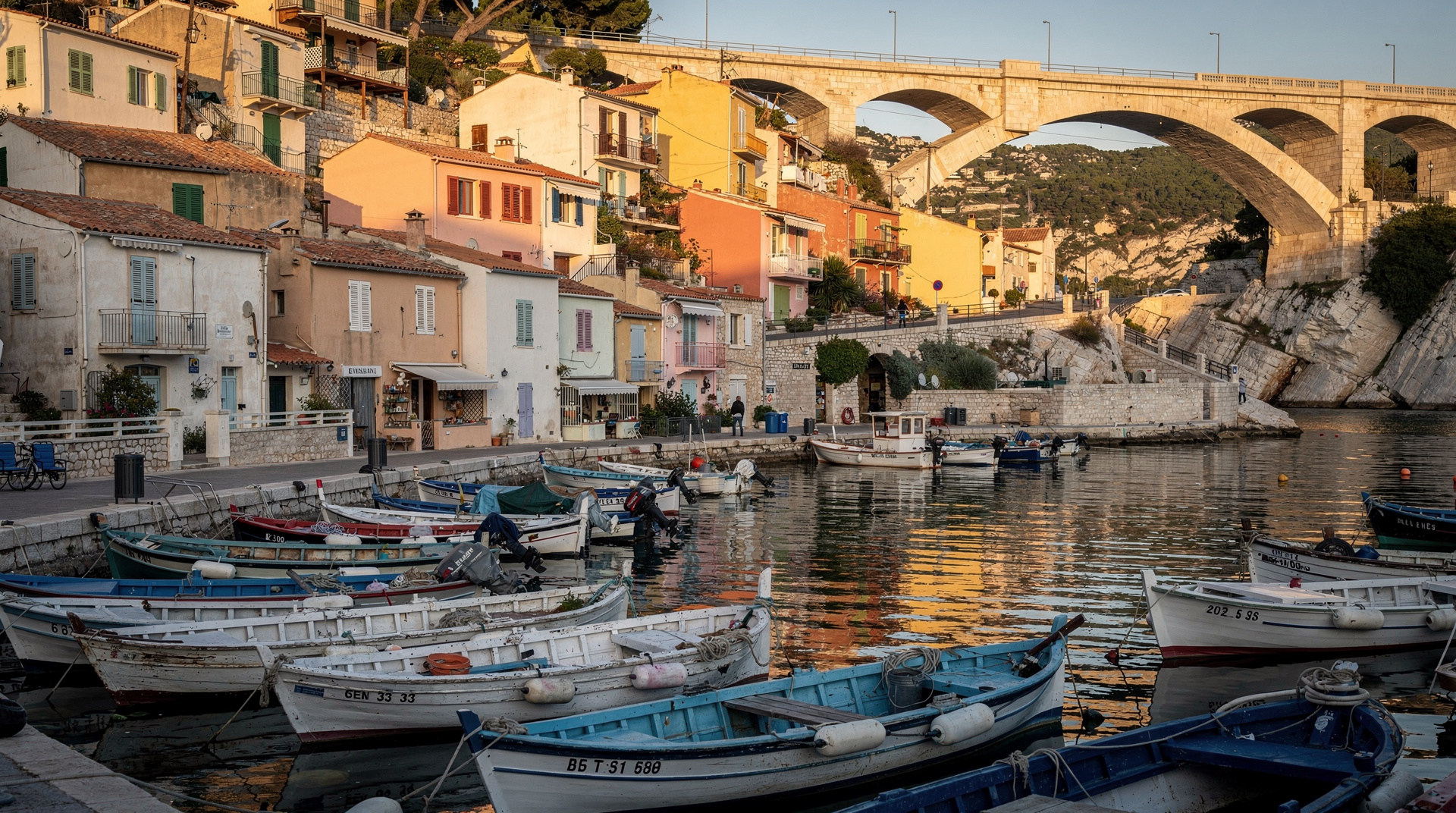
Walking south from Catalans, the Corniche passes over a stone bridge that spans the tiny inlet of Vallon des Auffes — a handful of fishing boats, restaurant terraces, and one of the most picturesque corners of the city. Just south of the Vallon, several rocky platforms along the Corniche are used for jumping and swimming; the water is clear over a rock bottom, and the depth drops quickly. No facilities, no lifeguards, but calm in fair weather.
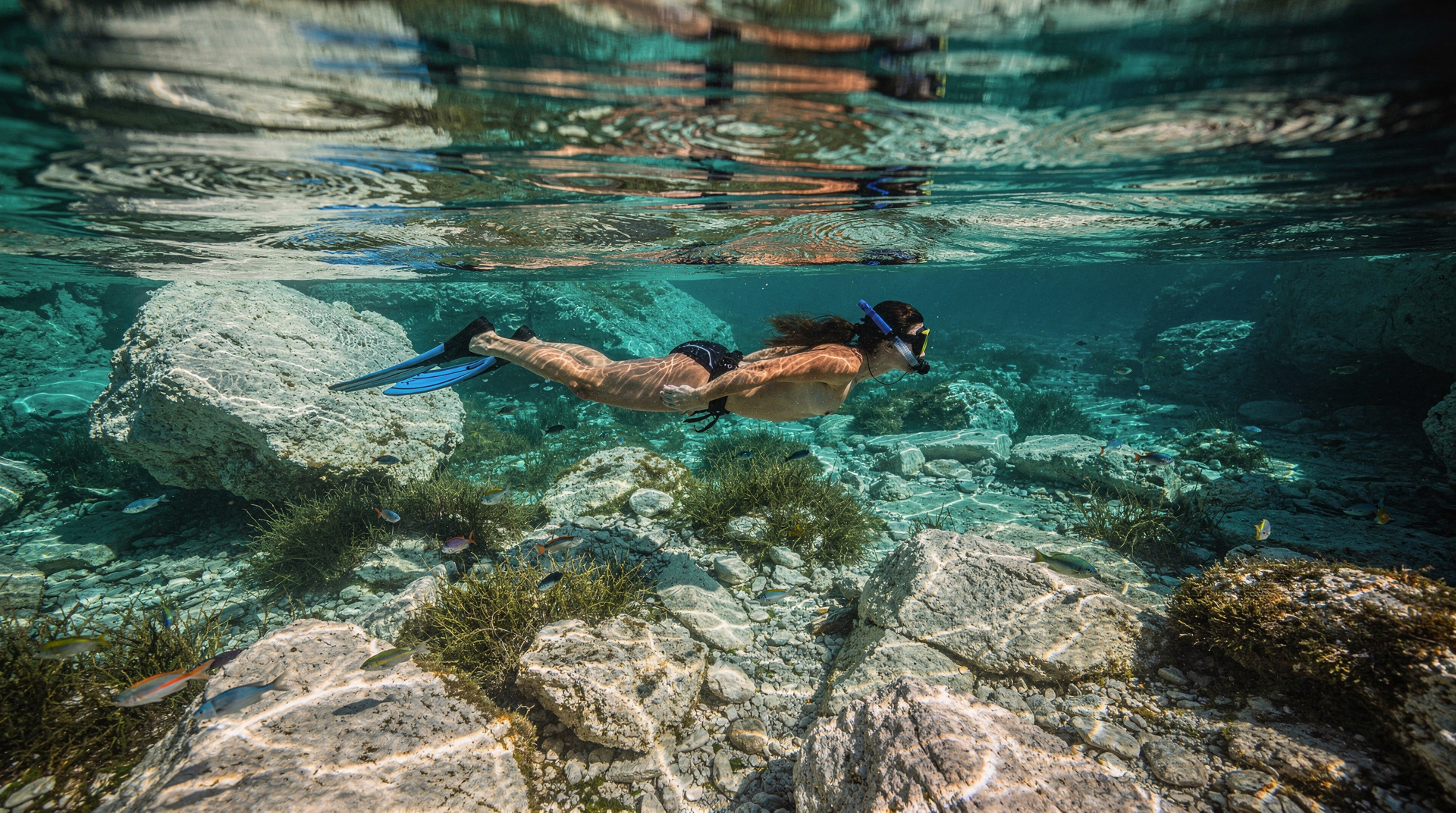
The Endoume snorkelling zone — a rocky shallow area around the Endoume promontory — is accessible from the road with fins and mask. The marine life is modest compared with the Calanques but notable for an urban swimming spot: sea urchins, small fish, octopus on occasion. A guided snorkelling session here includes equipment and takes 2–3 hours.
Prado beaches (Plages du Prado)
The Prado beaches are Marseille’s beach infrastructure. Created in the 1970s using landfill from the construction of the Marseille metro, they are entirely artificial, but that does not make them any less functional. The beach area is divided into several named sections (Borély, Bonneveine, Pointe Rouge), totalling roughly 2.5 km of sandy waterfront.
Plage du Borély is the longest stretch, with clean sand, dedicated zones for volleyball and petanque, lifeguards in season (June to September), beach restaurants, free outdoor showers, and parking. Water quality here consistently receives EU Blue Flag status in summer. This is the best family beach in Marseille city proper.
Plage de Bonneveine continues south and is slightly quieter. Good for families who want more space and less noise.
Pointe Rouge at the far southern end is the most popular beach for water sports — the base for the SUP and kayak operators who run tours from here toward the beginning of the Calanques. The marina at Pointe Rouge is also the departure point for some Calanques boat tours.
Stand-up paddleboarding from Les Goudes
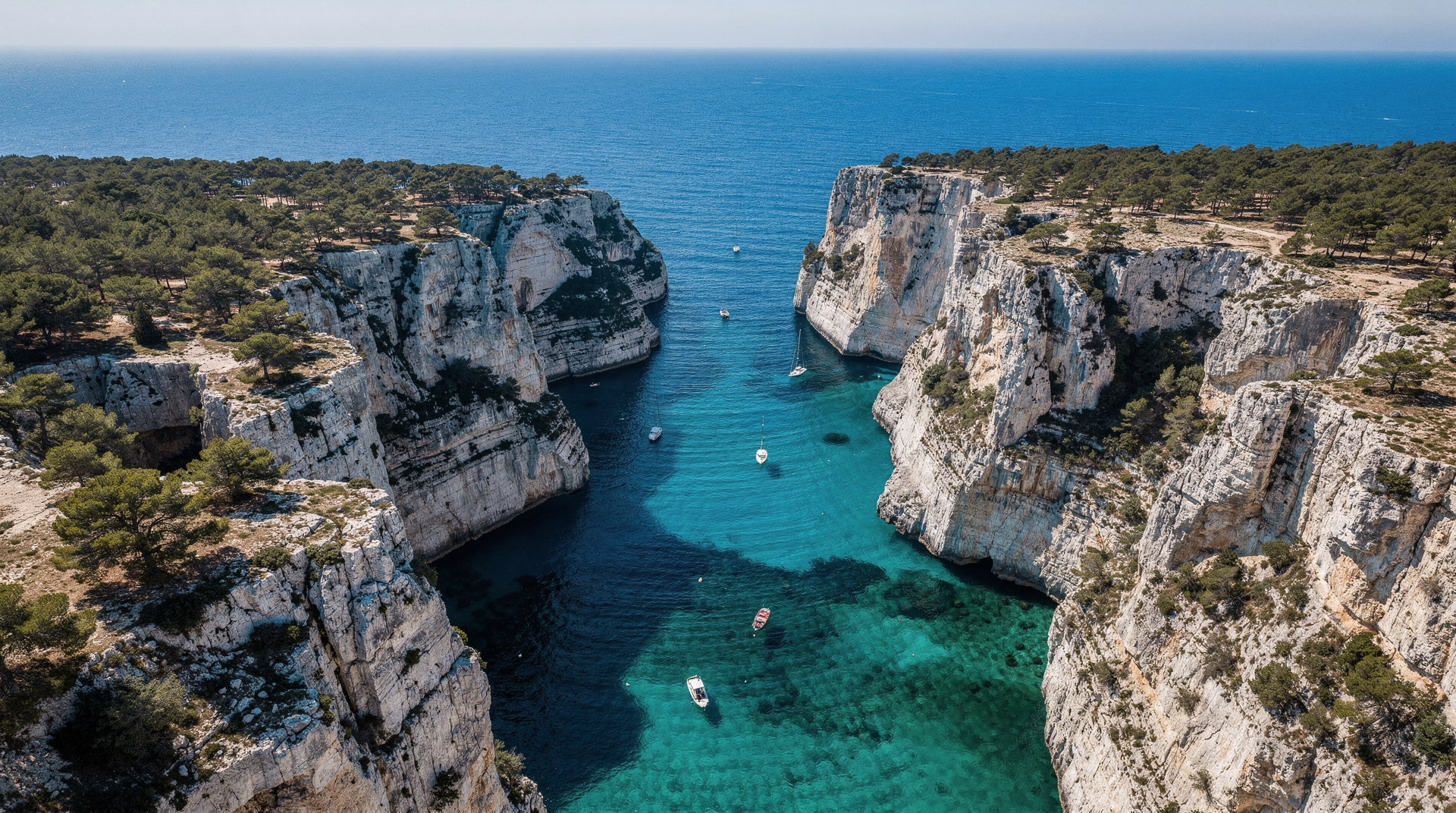
At the southern end of the Corniche, past the Prado beaches and Pointe Rouge, the road reaches the village of Les Goudes — a cluster of low houses on a rocky peninsula that marks the edge of the city and the beginning of the Calanques. From here, SUP (stand-up paddleboard) tours head along the initial section of the Calanques coastline, navigating small inlets and rocky coves that are inaccessible by land. This is one of the more physically engaging ways to see the transition from urban Marseille to wild national park in a single session.
Getting around the Corniche
Bus 83 is the main option — it runs from the Vieux-Port (Castellane métro station area) along the entire Corniche to Rond-Point du Prado. Frequency every 10–15 minutes in summer. A single RTM ticket (1.70 EUR) covers the journey.
Tram T2 reaches the Rond-Point du Prado from the city centre and the Joliette. From Prado you can then walk south along the beach or pick up bus 83 or 19.
Bicycle: The Corniche has a dedicated cycle path for much of its length. The city’s Le Vélo bike-share scheme has stations along the route. Cycling from the Vieux-Port to the Prado beaches takes about 20–25 minutes.
Car: Parking at the Prado beaches is available (paid in summer) but can be difficult on weekend afternoons in July and August. Arriving before 10:00 solves the problem.
Practical beach notes
- Lifeguards are present at the main Prado beaches June to September, roughly 10:00 to 18:00. Catalans and Endoume rocky areas have no lifeguards.
- Water temperature: Comfortable for swimming from mid-June through October. July and August are warmest (typically 23–25°C). September and early October are excellent — warm water, fewer people.
- Facilities: The main Prado beaches have toilets, outdoor showers, and food stalls. Catalans has a couple of beach restaurants. Endoume rocks have nothing.
- Jellyfish: Occasional in July and August, depending on winds. Not a major issue most years.
Connecting the Corniche to the Calanques
The Corniche is the land route into the beginning of the Calanques National Park. From Pointe Rouge, it is a 20-minute drive (or a combination of bus and walking) to the Luminy campus, which is the hiking access point for Calanque de Sugiton. From Les Goudes, walkers can reach the start of the coastal path that connects through to Callelongue, the closest proper Calanque accessible on foot from the Marseille side.
For detailed Calanques access information by season, see the Calanques National Park guide and our hiking the Calanques guide.
Parc Borély and the surrounding area
The Prado beaches are adjacent to Parc Borély — an 18th-century landscaped park around the Château de Borély, a baroque mansion that now houses the Musée des Arts Décoratifs. The park itself is free to enter and has a lake, a rose garden, and a section of parkland that is particularly popular with families at weekends. The combination of park, château museum, and beach in walking distance makes the Borély area the best leisure district in southern Marseille for a full summer day.
The Hippodrome de Marseille (the horse racing track) runs alongside the southern edge of the Prado beach zone and adds an occasional element of spectacle visible from the beach boardwalk. Racing seasons in spring and autumn mean occasional closures around the track area on race days.
Corniche history and architecture
The Corniche President John Fitzgerald Kennedy was renamed in 1961 following President Kennedy’s visit, but the road itself dates to the 19th century, when Marseille’s bourgeoisie built villas along the coast south of the city. Several of these 19th-century villa facades are still visible between the modern apartment buildings — ornate Second Empire and Belle Époque architecture that gives way to utilitarian 1970s residential blocks as you move south.
The Monument aux morts de l’Armée d’Orient at the northern end of the Corniche (near the Vallon des Auffes) commemorates the French soldiers who fought in the Macedonian, Palestinian, and Dardanelles campaigns in the First World War — a reminder that Marseille’s port was the departure and return point for French forces across the Mediterranean throughout both world conflicts.
Water sports and rentals at the Prado
The Prado beach area has seasonal rental operations for kayaks, stand-up paddleboards, beach chairs, and parasols. Rental prices in 2026 are typically around 15–25 EUR for a half-day SUP or kayak session, 8–10 EUR for two sun loungers and a parasol.
Several surf schools and water sports clubs operate out of the Pointe Rouge marina for those interested in windsurfing, catamaran sailing, or organised sea-based activities at a higher level. The bay is generally calmer than the Calanques and better suited to beginners.
The Corniche as a running and cycling route
The Corniche pedestrian and cycle path is Marseille’s primary weekend outdoor sport venue. On Sunday mornings, the westbound lane of the Corniche is often closed to traffic and opened to pedestrians and cyclists — a Marseille tradition that transforms the coastal road into an outdoor gymnasium. Joggers, rollerbladers, cyclists, and families walk the full length from the Vallon des Auffes to Pointe Rouge and back. If you are in the city on a Sunday morning with no agenda, joining this promenade — even for 30 minutes — gives a very different impression of Marseille from anything you get in the tourist quarter.
Which beach should you choose?
| Beach | Best for | Facilities | Crowd level |
|---|---|---|---|
| Catalans | Closest to Vieux-Port, quick swim | Lifeguards in summer, a few cafés | Busy on weekends |
| Endoume rocks | Snorkelling, no crowds | None | Low |
| Borély (Prado) | Families, full facilities | Lifeguards, showers, restaurants, parking | Busy but spacious |
| Bonneveine (Prado) | Quieter family time | Same as Borély, less crowded | Moderate |
| Pointe Rouge | Water sports, SUP/kayak launch | Marina, rental operators | Moderate to busy |
For a fuller citywide ranking including beaches outside this stretch, see the best beaches in Marseille guide and the family beaches near Marseille guide.
Frequently asked questions about Corniche and Prado beaches, Marseille
Which Marseille beach is best for young children? Plage du Borély at the Prado is the most practical choice — shallow entry in places, lifeguards in season, showers, toilets, and food nearby. See the Marseille with kids activities guide for a broader family itinerary.
Do I need to pay to use the Corniche or Prado beaches? No. All the beaches described here — Catalans, Endoume, and the Prado beaches — are free public access. You only pay if you rent equipment (SUP, kayak, sun loungers) or eat at a beach restaurant.
Top experiences
Bookable activities with verified prices and instant confirmation on GetYourGuide.