How many days in Marseille? An honest planning guide
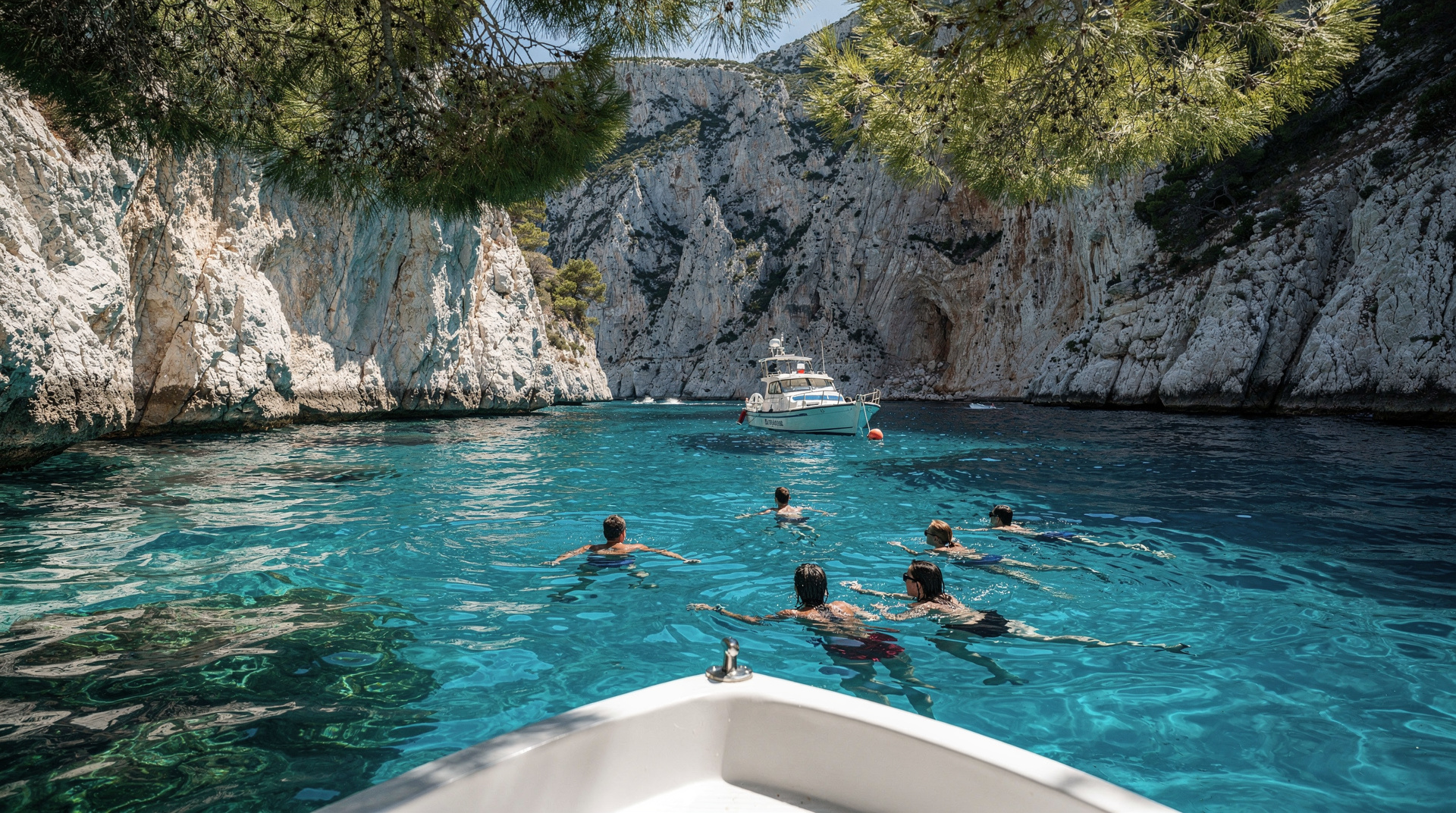
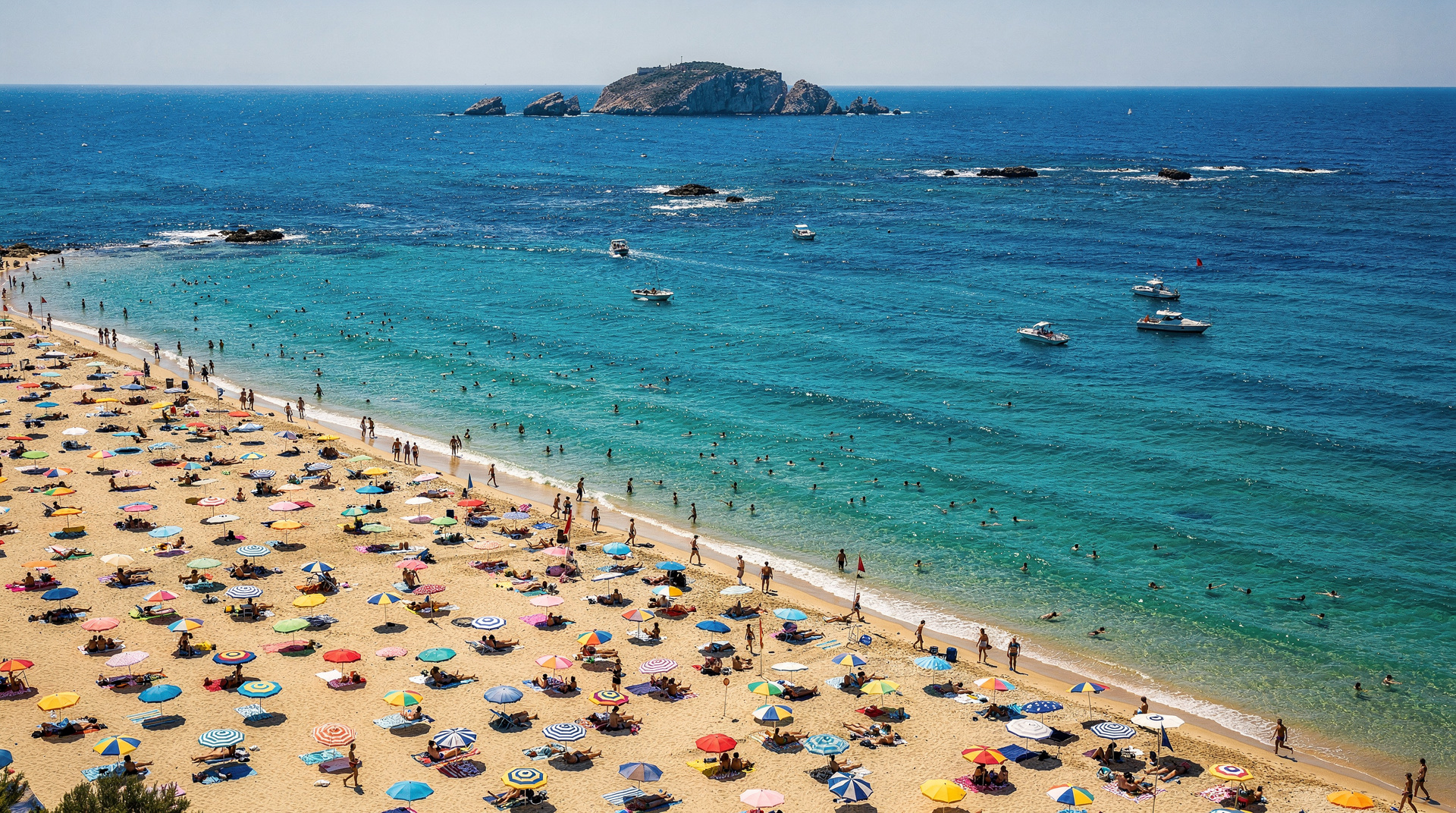
Marseille: iconic Calanques boat tour with swimming
Duration: 3-4.5 hours
How many days do you need in Marseille?
Three days is the honest minimum: two for the city, one for the Calanques. Add a fourth day for Cassis or Aix-en-Provence. A week unlocks wider Provence.
The honest answer before the breakdown
Most travel articles tell you Marseille is doable in a weekend. That is technically true in the same way Paris is “doable” in 24 hours — you will have seen something, but you will have understood very little.
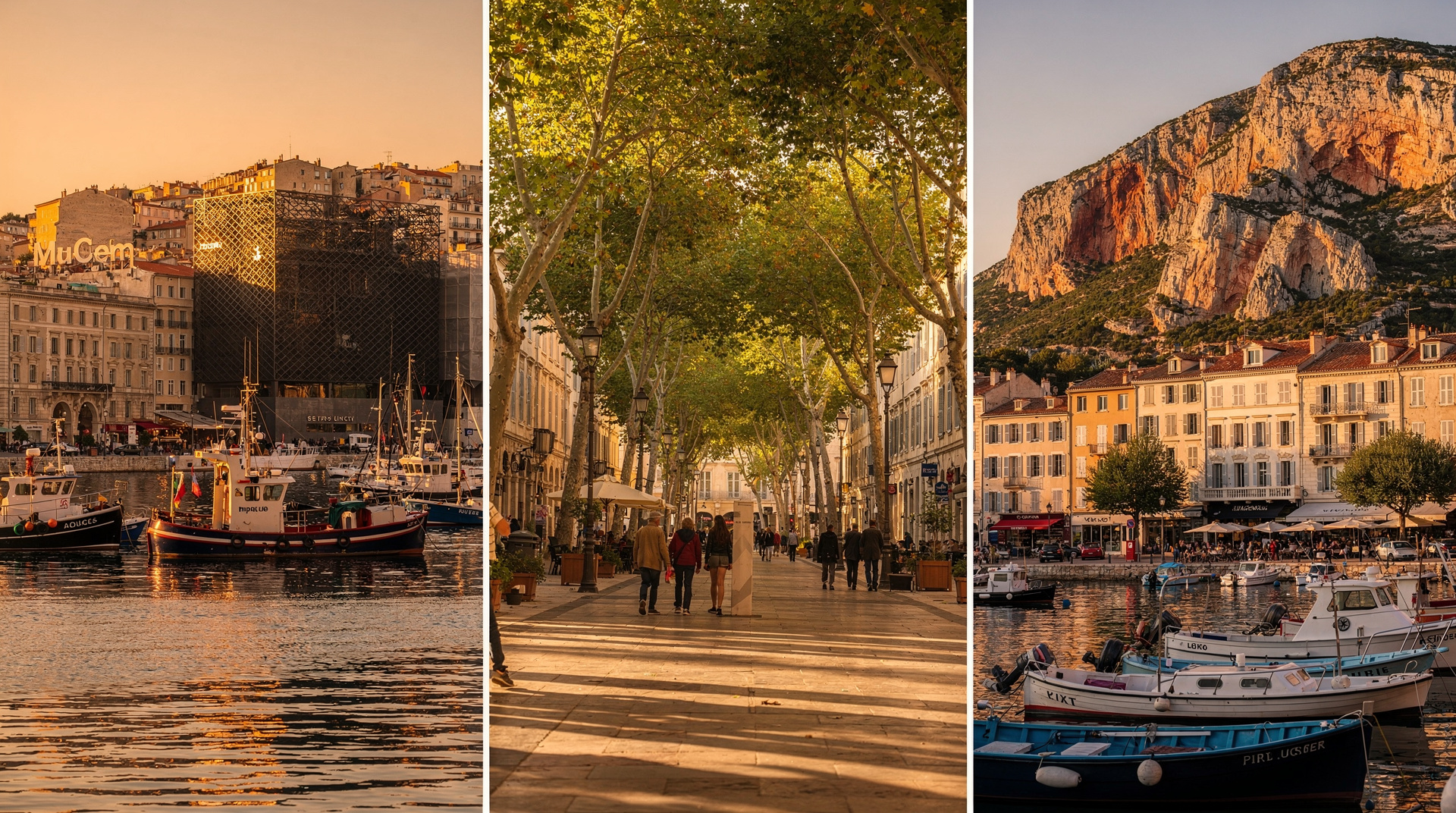
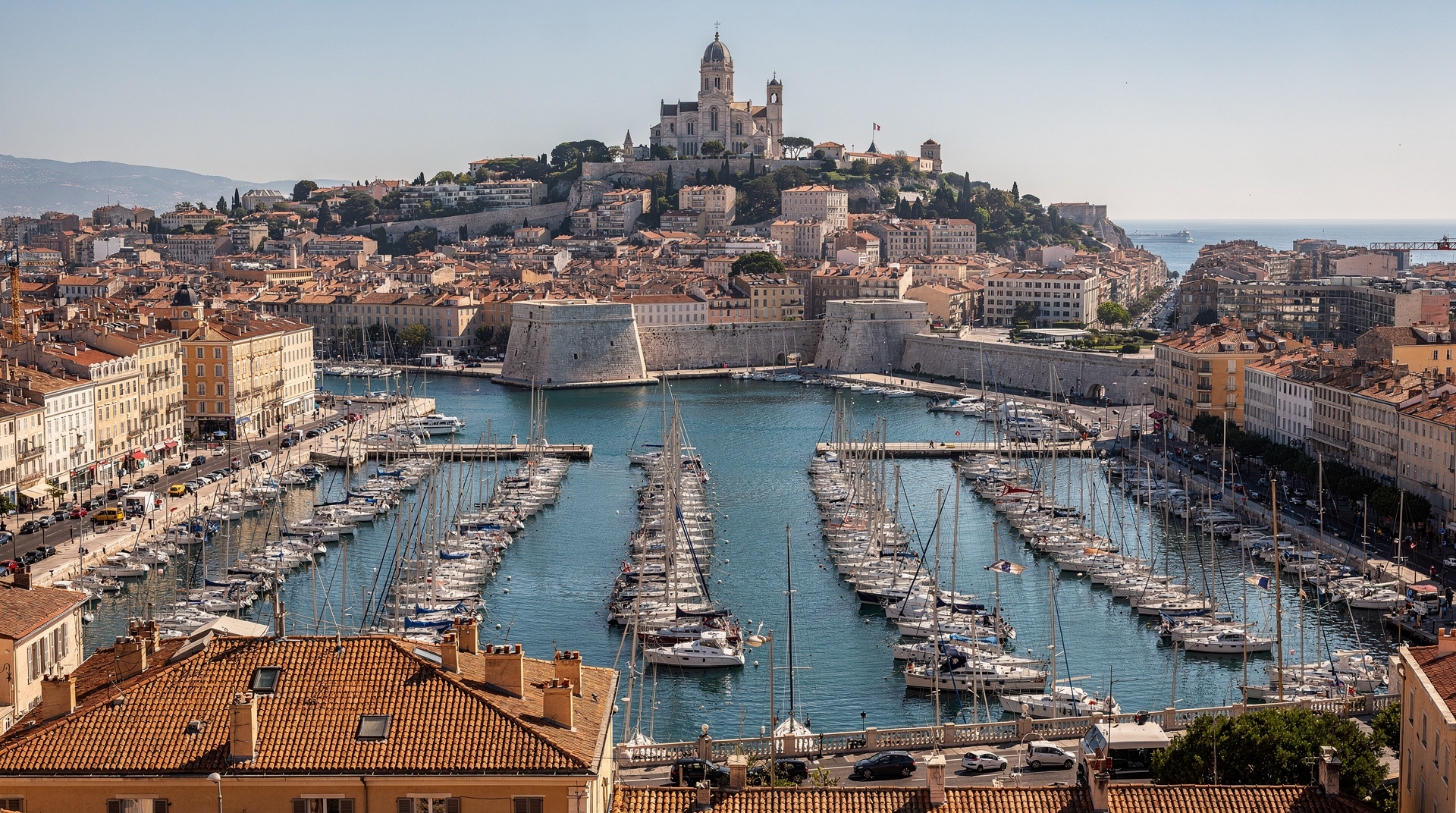
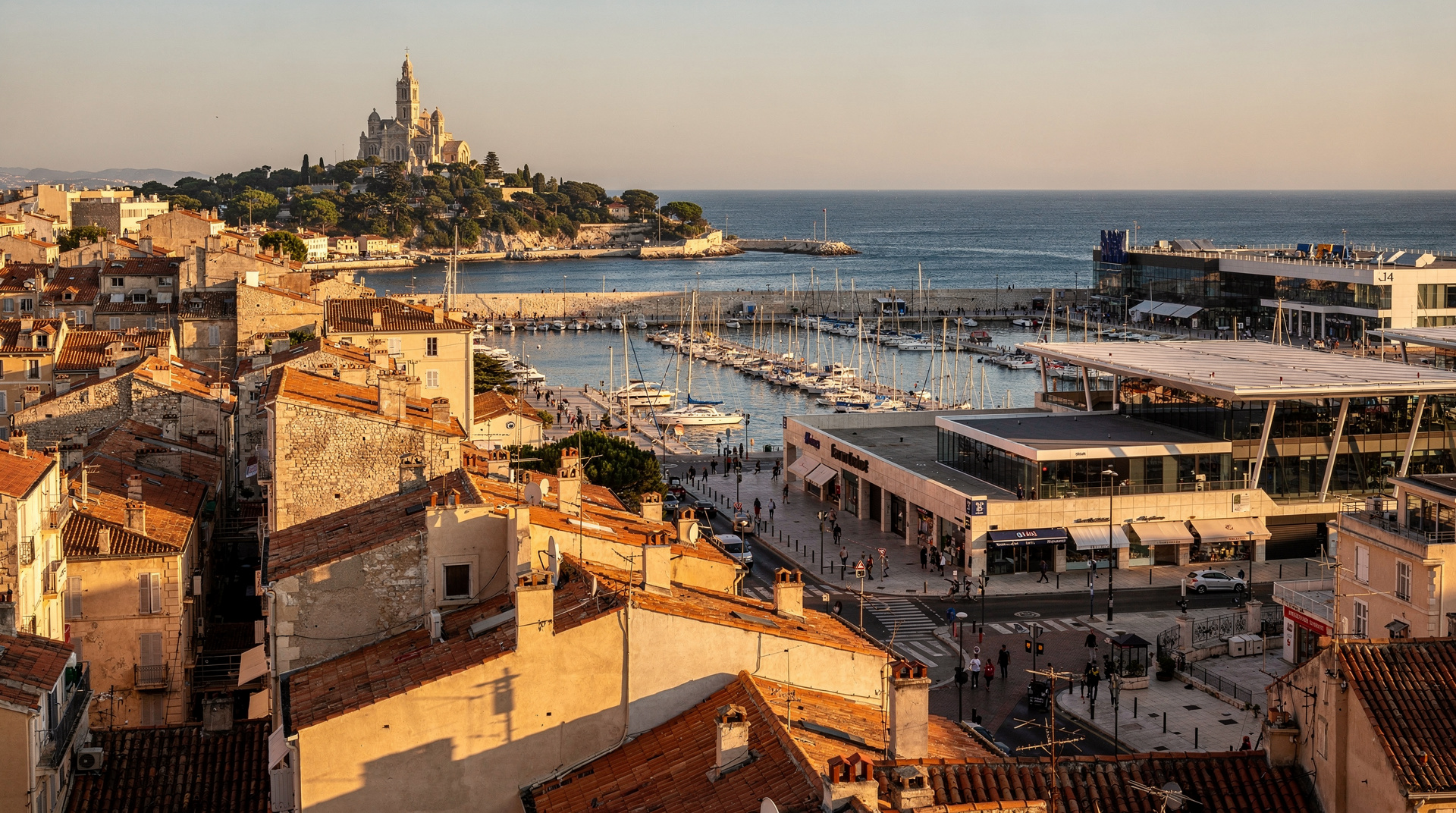
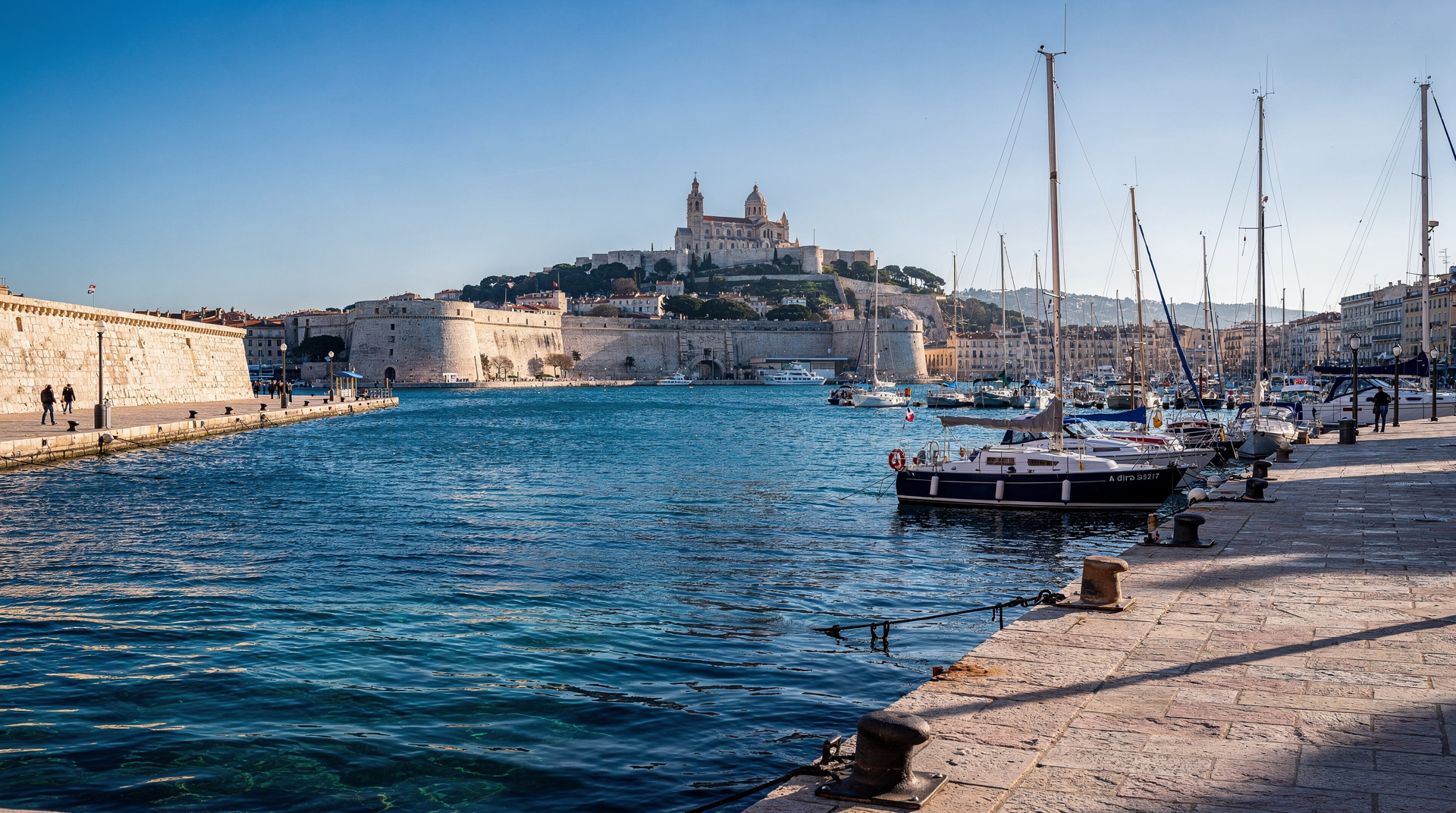
The city has layers. The Vieux-Port and Le Panier form one world; the MuCEM waterfront and Notre-Dame de la Garde another; Cours Julien and Noailles a third. The Calanques National Park is not a quick side dish — it deserves a full day, not two hours on a tourist boat squeezed between lunch and dinner.
Here is how each duration actually plays out.
At a glance
| Honest minimum | 3 days (2 city, 1 Calanques) |
| Sweet spot for most trips | 4-5 days (adds Cassis or Aix) |
| Getting between Marseille and day trips | TER train, 35-45 min, no car needed for Cassis/Aix/Arles |
| Car needed? | Only for Luberon, Valensole, Camargue, Verdon |
| Best planning season | April-June or mid-September-October |
| Book ahead | Sugiton hiking reservation and summer accommodation |
One day in Marseille: the cruise stop reality
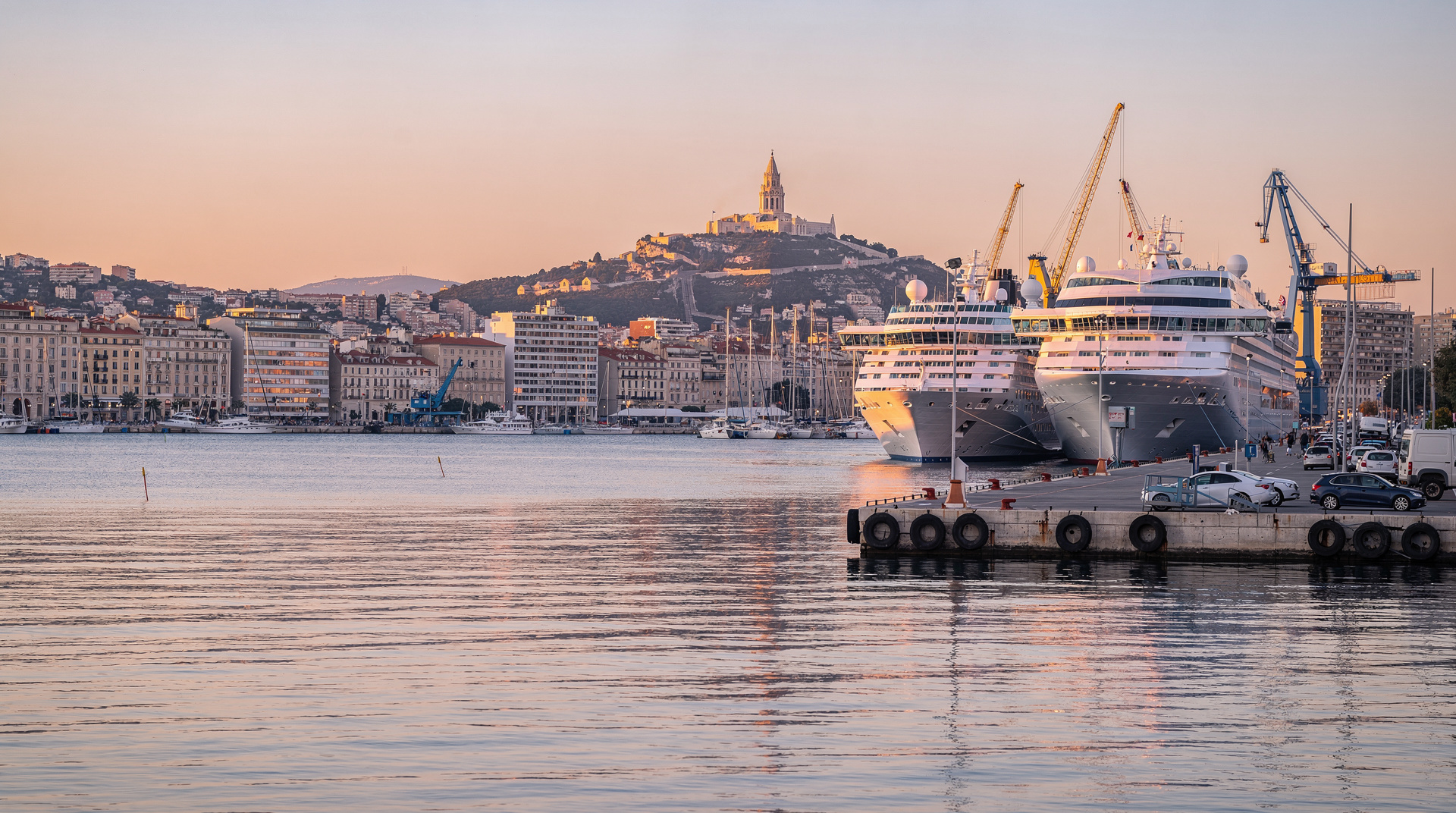
With 6 to 8 hours — the typical port stop — you have enough time to see the essential city without the Calanques. What you do not have time for: anything slow, anything deep, or any spontaneity.
What fits in 6 hours:
- Vieux-Port (fish market if you arrive before 10:00, the Ombrière reflective canopy, the two harbour forts at the entrance)
- Le Panier on foot: 20 minutes uphill from the quai, narrow lanes, Vieille Charité courtyard if you want to step inside
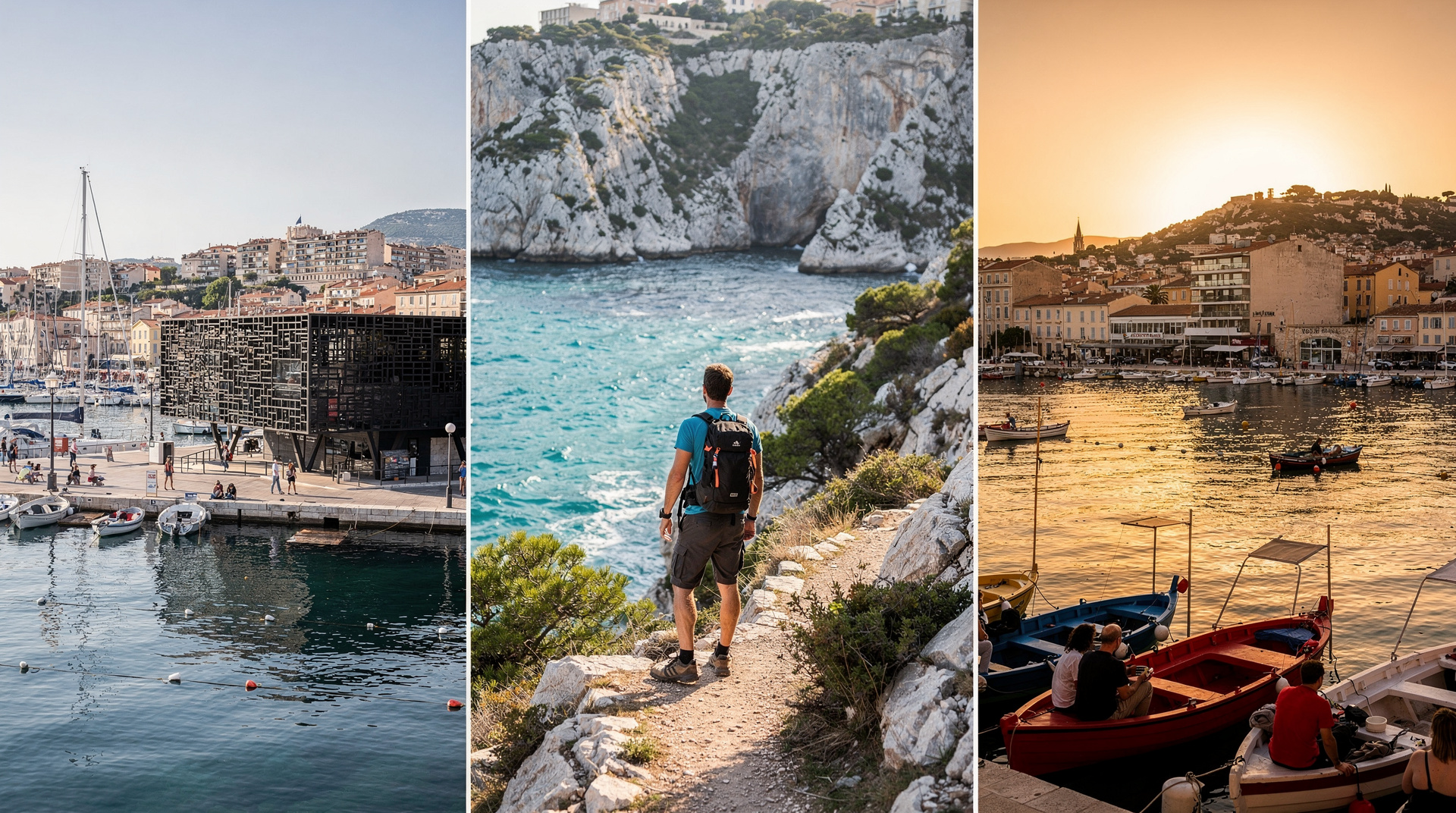
- MuCEM exterior (the concrete latticework building and Fort Saint-Jean footbridge are free; skip the exhibition unless you have 2+ hours to spare)
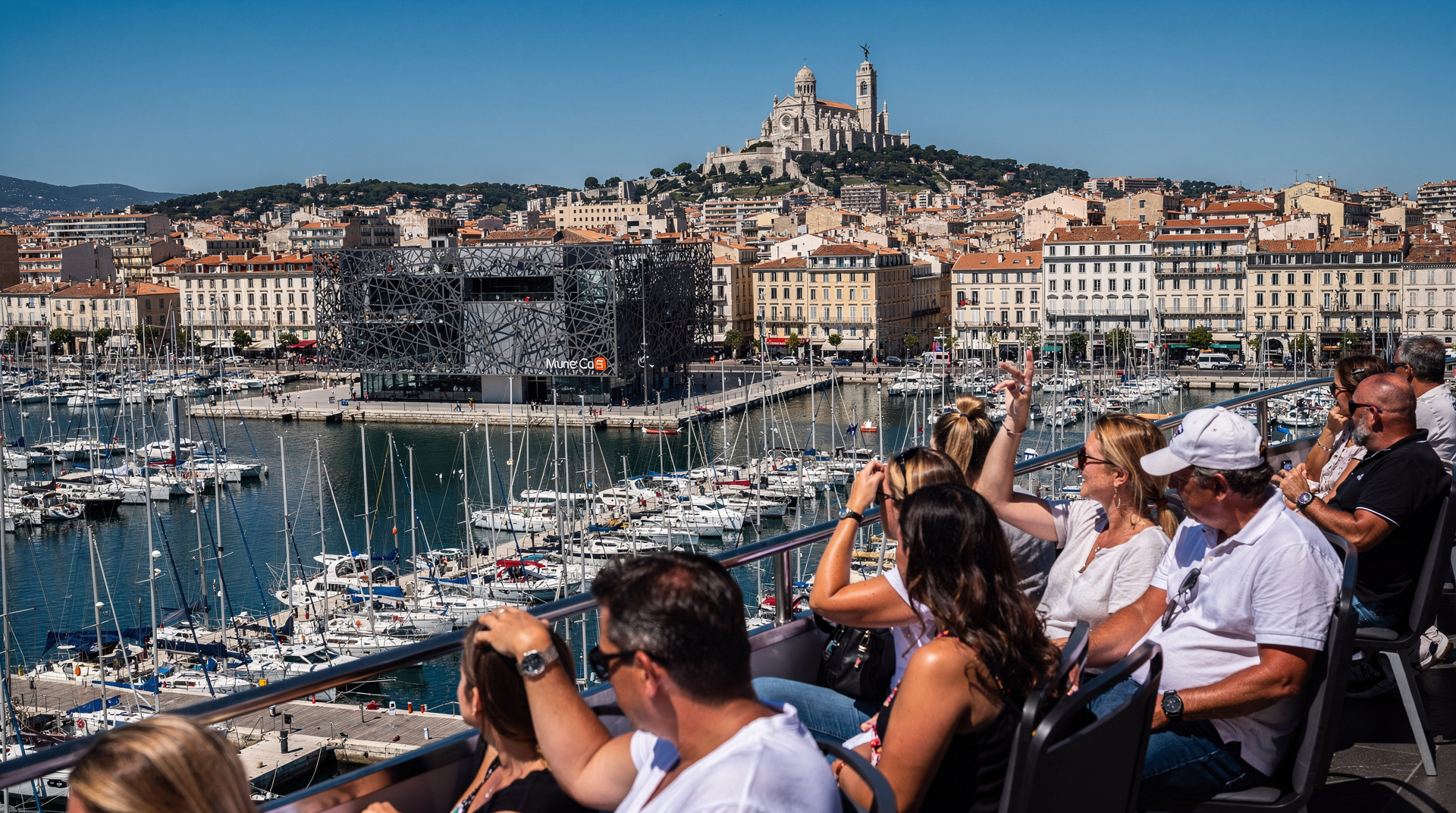
- Notre-Dame de la Garde by tourist petit train from the Vieux-Port (round trip including a 20-minute visit: 1.5 hours, around 12–15 EUR)
What you will miss: any beach, any real Calanques access, Cours Julien, a proper lunch with wine, the residential city.
For cruise visitors with 8–12 hours, see our cruise port guide which covers port logistics, the free shuttle, and sequenced half-day and full-day itineraries built around ship departure times.
The honest warning: Marseille’s identity is not in its monuments. It is in its textures, its food culture, its harbour rhythms. A single day gives you the monuments without the identity.
Two days in Marseille: the tight-but-coherent visit
Two days is enough to feel the city without fully understanding it. Here is a realistic sequence.
Day 1: The historic core
Morning (3 hours): Start at the Vieux-Port. Arrive by 8:30 if you want to see the fish market in full operation — fishermen sell their overnight catch on the Quai des Belges until around 11:00. Walk the north quai toward MuCEM, pass through Fort Saint-Jean’s restored gardens (free), spend 30–45 minutes at the MuCEM exterior. Entry to the museum itself is 9.50 EUR (free first Sunday of the month).
Midday (1.5 hours): Loop back through Le Panier uphill. Stop at the Vieille Charité (17th-century hospice turned museum, beautiful domed chapel). Lunch in Le Panier at any of the small restaurants on Rue du Panier or Rue des Pistoles — budget around 14–20 EUR for a set menu.
Afternoon (3 hours): Head south toward Notre-Dame de la Garde. The walk uphill from the Vieux-Port takes 40 minutes; bus 60 from Castellane is faster. The basilica’s terrace offers the only 360° panorama of the city and the bay — worth 30 minutes. Walk back down along the Corniche toward Vallon des Auffes (a tiny fishing harbour tucked under the Corniche, 20 minutes on foot).
Evening: Cours Julien for dinner. The most interesting restaurant density in the city — owner-operated, Mediterranean-creative, natural wine. Budget 25–40 EUR for a full dinner.
Day 2: Calanques by boat
This is where many two-day plans go wrong by cramming in more city when the city day was already full. The better choice is to dedicate Day 2 to the water.
Morning (9:00 departure): Take a morning boat tour from the Vieux-Port to the Calanques. Most tours last 3–4.5 hours and include 2–4 calanques with swimming stops. The experience of arriving at a white limestone cove by boat — cliffs rising above you, turquoise water below — is the defining visual of a Marseille trip. This cannot be replicated from the land side in summer, when hiking trails are restricted.
Important: In July and August, virtually all hiking trails in the Calanques are closed due to fire risk. Boat access remains available year-round. See our summer guide for full detail on restrictions.
Afternoon (free): Return to the city by early afternoon. Options: the Cosquer Cave replica near MuCEM (15–20 EUR, 1 hour), the soap museum (MuSaMa), or simply a long coffee and walk along the Corniche. The Prado beaches are 20 minutes by bus from the Vieux-Port.
What two days misses: Cassis, Aix-en-Provence, Cours Julien at depth, any of Marseille’s secondary museums, the Cité Radieuse Le Corbusier building, any evening slow enough to feel like you are actually there.
Three days: the honest minimum for Marseille
This is the duration we actually recommend for first-time visitors. With three days you can see the city without rushing, spend a full day in the Calanques, and still have time for an evening that feels like leisure rather than logistics.
Use our full 3-day planning guide for a detailed day-by-day breakdown with timing, transport, and meal suggestions.
Day 1: Vieux-Port, Le Panier, MuCEM — as above.
Day 2: Calanques by boat (if summer or lazy preference) or by hiking trail (spring/autumn, requires the free Sugiton reservation from 11 June). A full day at the Calanques — morning boat, swimming, late lunch somewhere on the return — is a complete day.
Day 3: Choose based on interest:
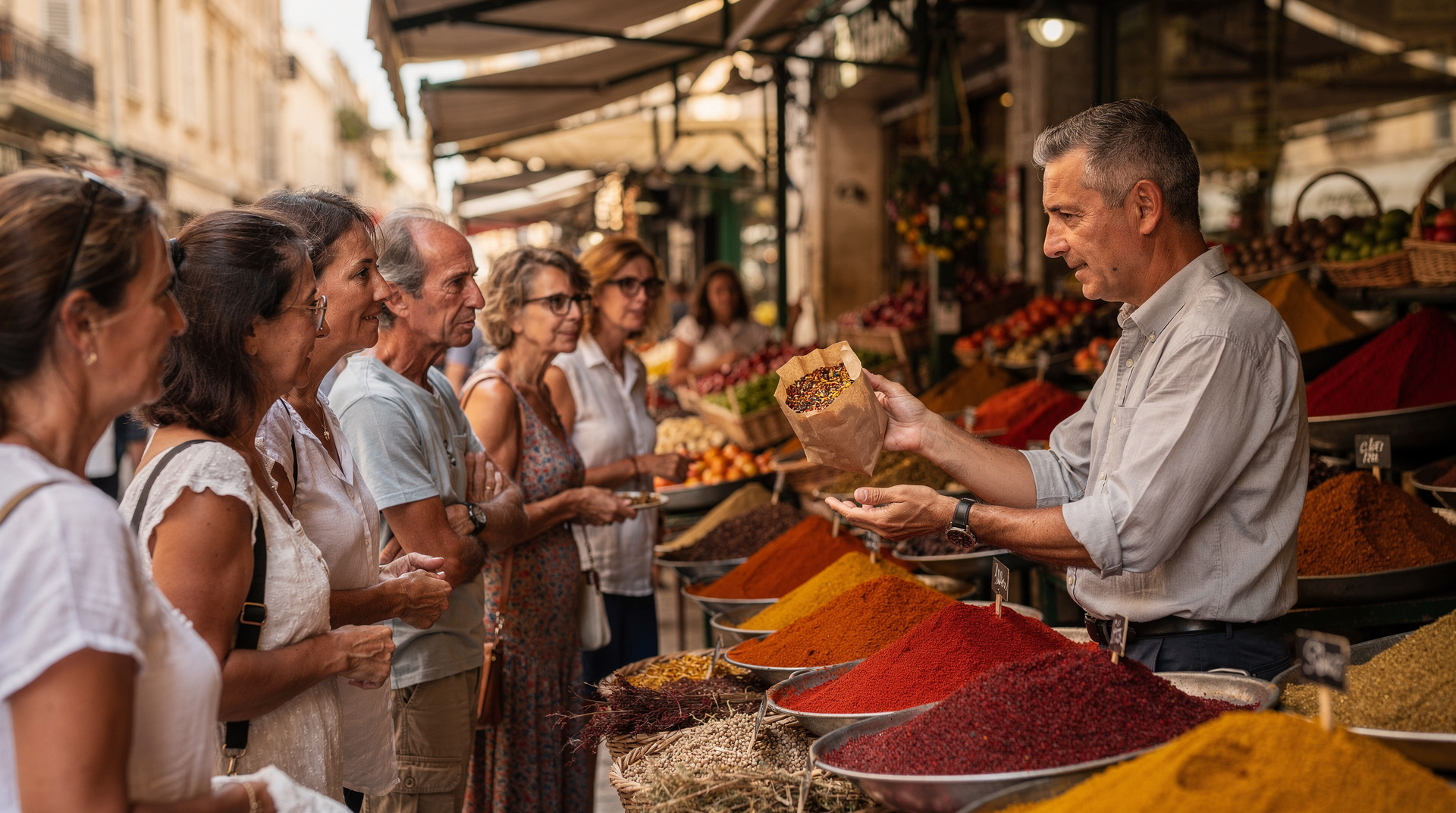
- Food-focused: Noailles market morning, bouillabaisse lunch at a charte restaurant, Cours Julien afternoon and evening
- Culture-focused: Cité Radieuse (Le Corbusier Unité d’Habitation on Boulevard Michelet), Musée d’Histoire de Marseille in the Bourse, afternoon at the Longchamp palace
- South city and coast: Corniche walk from Vallon des Auffes to the Prado, Madrague neighbourhood, evening at Les Catalans beach
What three days misses: A day trip. If the Calanques from the water is your priority and you want to also see Cassis or Aix-en-Provence, you need a fourth day.
Four days: Marseille properly + one day trip
Four days is the sweet spot for most couples and solo travellers. It allows you to do three days of city-and-Calanques at a comfortable pace, then use Day 4 for the most rewarding short day trip in the region.
Best Day 4 options:
Cassis (35 min by TER train): The most complementary day trip to Marseille. The village is small, the harbour is beautiful, the AOC white wine is excellent, and from Cassis you can do the Three Calanques hike (Port-Miou, Port-Pin, En-Vau) — 4–5 hours of walking with swimming in coves accessible only from the Cassis side. Or take a kayak tour out to En-Vau, the most dramatic calanque in the park. See our Cassis guide for full detail.
Aix-en-Provence (40 min by TER): A completely different energy from Marseille — elegant, Cézanne-marked, with covered market halls and student-animated cafes on the Cours Mirabeau. Good for a cultural contrast without driving.
Combined Cassis + Aix in one day: Possible but rushed. Both destinations deserve 4–5 hours to be satisfying. The combined day tour is the practical compromise if time is the constraint.
Five days: Marseille + wider Provence
Five days allows you to use Marseille as a genuine base for Provence rather than just seeing Marseille itself. The TGV and TER network makes this practical without a car for the closer destinations.
Suggested sequence:
- Day 1–2: City (Vieux-Port, Le Panier, MuCEM, Notre-Dame, Cours Julien)
- Day 3: Calanques (boat or hike)
- Day 4: Cassis (train, kayak or hike)
- Day 5: Aix-en-Provence (TER train, or Luberon villages if you have a rental car)
Adding Arles: The TER train to Arles takes about an hour. Arles deserves a half-day minimum (Roman amphitheatre, Van Gogh trail, the Saturday market). Combining Arles with a same-day morning in Aix is logistically possible but tiring.
The car question: For Aix and Cassis, no car needed. For Luberon villages, Valensole lavender, the Camargue, or the Gorges du Verdon, a rental car is the difference between a frustrating day and an excellent one. See our budget guide for rental cost context.
A week or more: Marseille as a Provence base
With 7 days, Marseille stops being a city visit and becomes an anchor for a regional trip. The logistics are better than most people expect.
Week itinerary sketch:
- Day 1–3: Marseille city (comfortable, unhurried)
- Day 4: Calanques (full day by boat or hike)
- Day 5: Cassis overnight or day trip
- Day 6: Aix-en-Provence + Luberon villages (car needed for Luberon)
- Day 7: Arles and the Camargue edges (train to Arles, car useful)
For deeper Provence: Avignon, Luberon, Valensole lavender, and the Gorges du Verdon all reward spending the night rather than day-tripping. If the plan is to see all of these, consider whether Marseille or Aix-en-Provence is the better base for the second half of the trip.
Honest long-stay observation: Marseille is a city that reveals itself slowly. Visitors who spend a week often say their last two days were the most interesting — when they had stopped following a checklist and started exploring by instinct. The fish market, the local bar at Vallon des Auffes, the Sunday morning walk along the Corniche — these are not sights you tick. They are why three days is better than two, and why a week is better than three days.
Marseille in the seasons: what changes your timeline
The season changes what is possible more than most European cities, because of the Calanques.
Spring (April–June): The best planning season. Hiking trails are open, the sea is warming, crowds are manageable, and accommodation is cheaper than peak summer. A 3-day trip in May is better value and more relaxed than the same trip in August.
Summer (July–August): Trails close for fire risk. The Calanques are accessible only by boat or kayak. Prices for accommodation peak. A 4-day summer trip should budget one day to the boat tour and accept that hiking is not available. See our summer guide for full seasonal detail.
Autumn (mid-September–October): Arguably the best season. Sea temperature is warm enough for swimming after the heat of August, hiking opens again, crowds drop, and the city’s pace slows from tourist-rush to local-rhythm. A 3-day trip in late September gives you the best version of all options.
Winter (November–March): Trails are usually open, museums are quiet, and accommodation is cheapest. The city works in winter — mild Mediterranean climate, 10–15°C, occasional mistral wind. Some boat tour operators reduce frequency. See our winter guide for full details. A 2-day winter trip to the city is entirely viable; just do not plan to swim.
Summary: what duration matches your goal
| Duration | Best for | Covers |
|---|---|---|
| 6–8 hours | Cruise stop | City monuments only |
| 2 days | Tight city + Calanques by boat | Core city + one Calanques half-day |
| 3 days | First-time visit done properly | Full city + Calanques + one flexible day |
| 4 days | City + one day trip | 3-day itinerary + Cassis or Aix |
| 5 days | Marseille + Provence starter | Above + second day trip |
| 7 days | Marseille as Provence base | City + Calanques + Cassis + Aix + Arles/Camargue |
Frequently asked questions about how many days in Marseille
Is two days enough for Marseille?
Two days covers the core city highlights and one session in the Calanques by boat. It is enough to understand what Marseille is — port, food, history, waterfront — but not enough to get past the surface. If this is your only visit, budget for three if you can.
Can I see the Calanques in one day from Marseille?
Yes, comfortably. A morning boat tour from the Vieux-Port runs 3–4.5 hours and gets you to the main calanques with swimming time. If you want to hike instead (spring and autumn only, trails closed July–August), plan 5–6 hours including transport to the trailhead. Either way, a full day dedicated to the Calanques is the right approach — not a rushed afternoon.
Should I go to Cassis or the Calanques first?
If you have 3 days: go to the Calanques by boat on Day 2 (from Marseille), then add Cassis as a Day 4 day trip if your schedule allows. If you only have one Calanques/Cassis day and have to choose, Cassis gives you the village, the wine, and access to the most dramatic calanques (En-Vau, Port-Pin) from the eastern approach.
Does Marseille deserve more time than a day trip from Nice?
Yes. Marseille and Nice are very different cities — different food cultures, different architecture, different character. A day trip from Nice gives you 5–6 hours in Marseille, which is enough for the Vieux-Port and Le Panier but not enough for the Calanques. If you are choosing between them as a base, both deserve 2–3 nights of their own.
Is Marseille worth it for just a weekend?
A long weekend (Friday to Monday, effectively 2.5 days) is a genuine sweet spot. You can pace the city without hurrying, spend a morning at the fish market, do a boat tour, and have time for a slow meal in Cours Julien. It rewards those who do not try to see everything.
How far in advance should I book for summer Marseille?
For July–August: accommodation 2–3 months ahead, boat tours 1–2 weeks ahead. The Sugiton hiking reservation opens on 11 June 2026 and fills quickly for summer weekends — book the moment it opens if hiking is your priority. For spring and autumn travel, a week’s notice is usually fine.
Can I do Marseille and Provence in one week without a car?
Yes, for the most part. Cassis, Aix-en-Provence, Arles, and Avignon are all accessible by TER or TGV from Saint-Charles station. Luberon villages, Valensole lavender fields, and the Gorges du Verdon require a car. A one-week car-free trip centred on Marseille could comfortably cover the city plus Cassis, Aix, and Arles — three genuinely different experiences connected by trains under 1.5 hours each.
Top experiences
Bookable activities with verified prices and instant confirmation on GetYourGuide.