Cours Julien, Marseille
Cours Julien is Marseille's bohemian quarter — giant murals, vinyl shops, natural wine bars, live music, and the best nightlife outside the Vieux-Port.
Marseille: alternative walking and street-art tour with local drink
Quick facts
- Location
- 6th arrondissement, between Réformés and Noailles
- Nearest métro
- Notre-Dame du Mont – Cours Julien (M2)
- Street art density
- Highest in Marseille
- Best for
- Bars, evening dining, record shops, murals
- Market
- Wednesday and Saturday morning
Where Marseille goes out
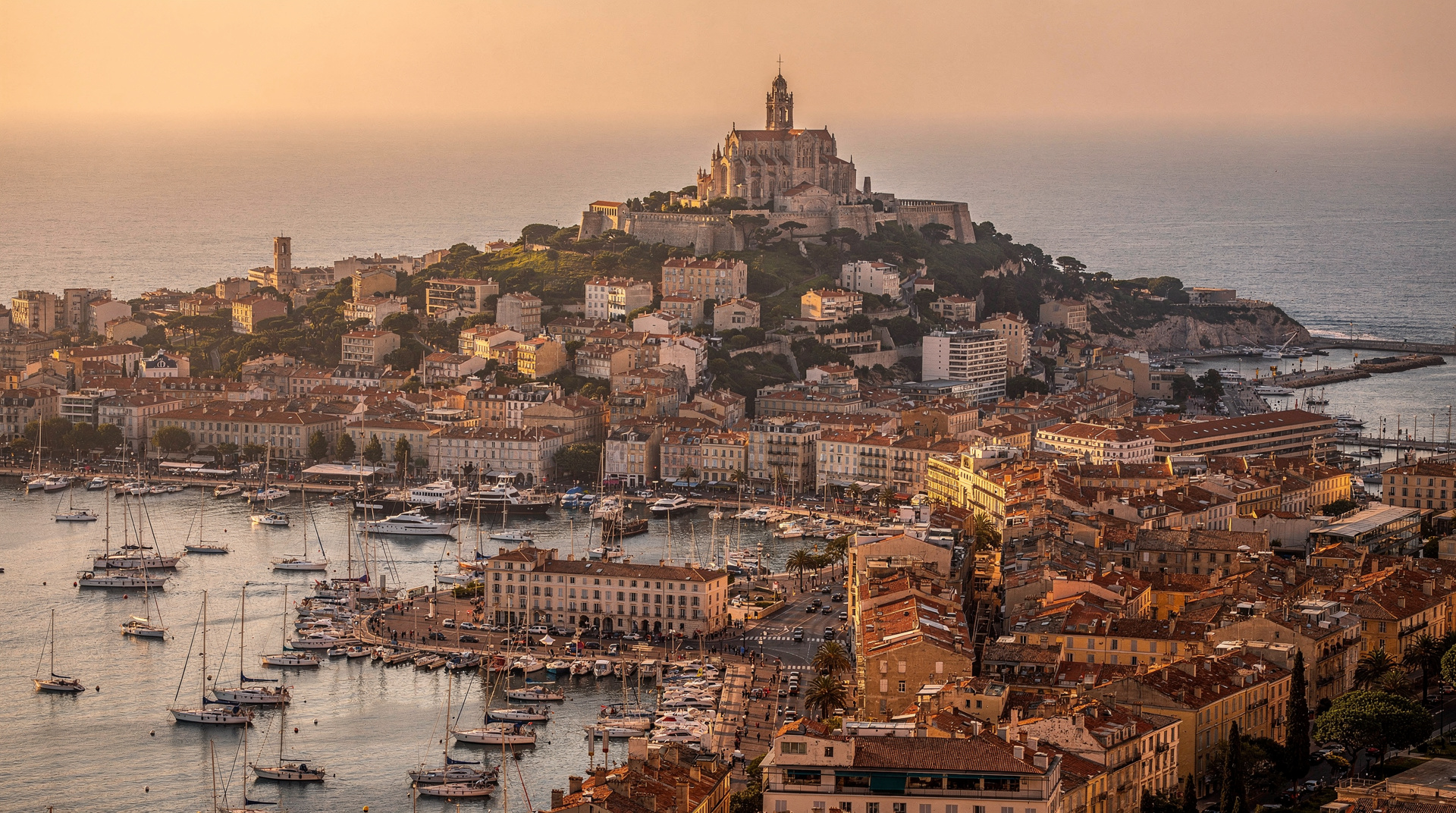
Cours Julien is an elongated public square — more of a street than a place, lined with plane trees and sloping gently uphill — that anchors one of the most creatively dense neighbourhoods in France. It sits in the 6th arrondissement, roughly equidistant between the Vieux-Port and the Prado beaches, in a part of the city that tourists rarely reach but residents know as the centre of gravity for music, art, food, and nightlife.
| At a glance | |
|---|---|
| Where | 6th arrondissement, one métro stop uphill from Vieux-Port |
| Cost | Free to walk and view the murals; drinks/dinner around EUR 8–25 |
| Time needed | 1–2 hours for the art; a full evening if you stay for bars and dinner |
| Getting there | Métro M2 to Notre-Dame du Mont – Cours Julien, or ~15–20 min walk from Vieux-Port through Noailles |
| Best time | Late afternoon into evening; Saturday morning for the market |
The transformation of Cours Julien happened gradually from the 1980s onward, when artists, musicians, and small businesses moved into the affordable spaces vacated by the old wholesale market that once operated here. The street art followed — first as spontaneous tagging, then as progressively larger and more ambitious commissions. Today, the walls of the surrounding streets carry some of the most impressive outdoor murals in France, including several that cover the entire facades of 6- and 7-storey buildings.
The street art
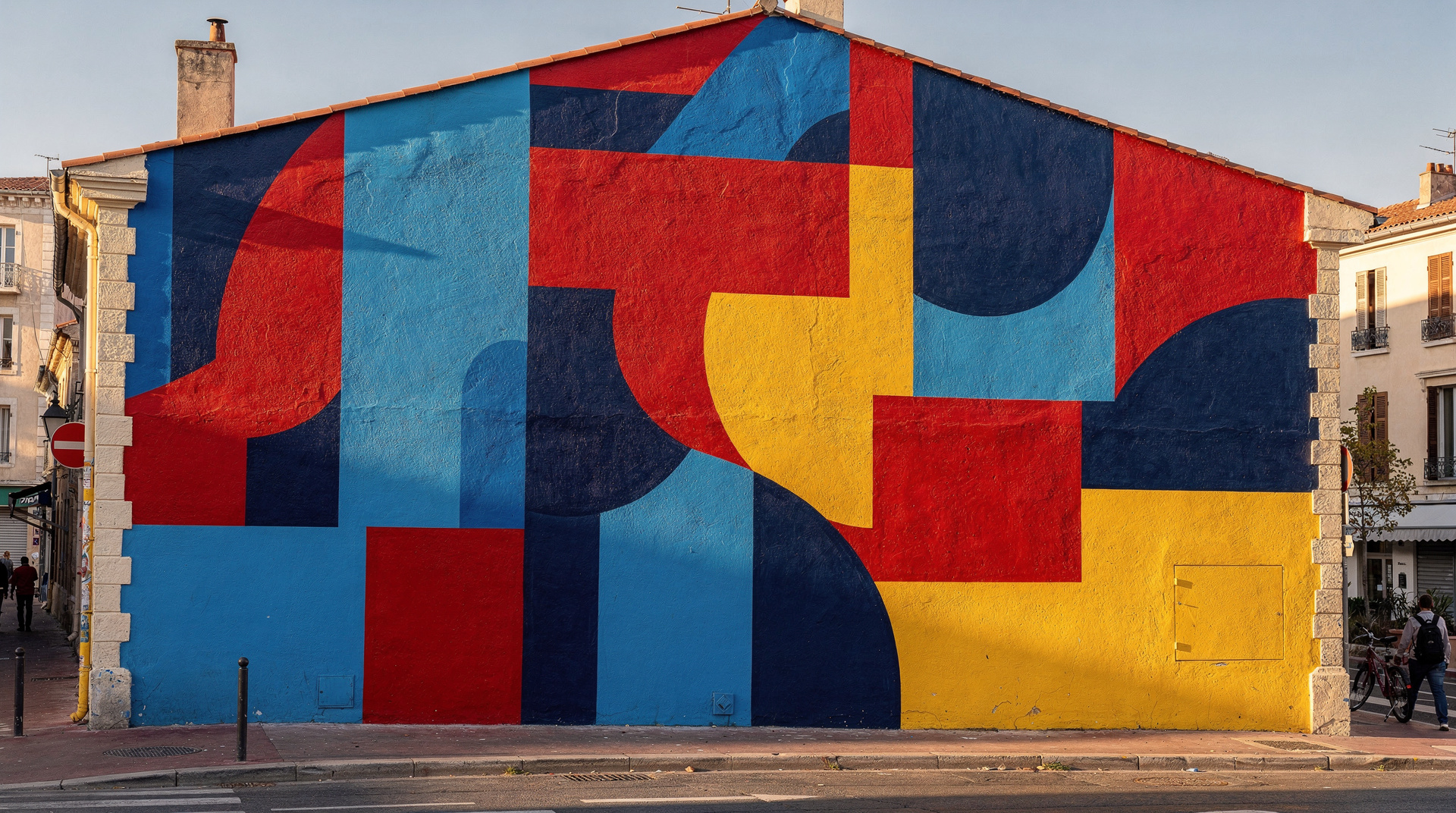
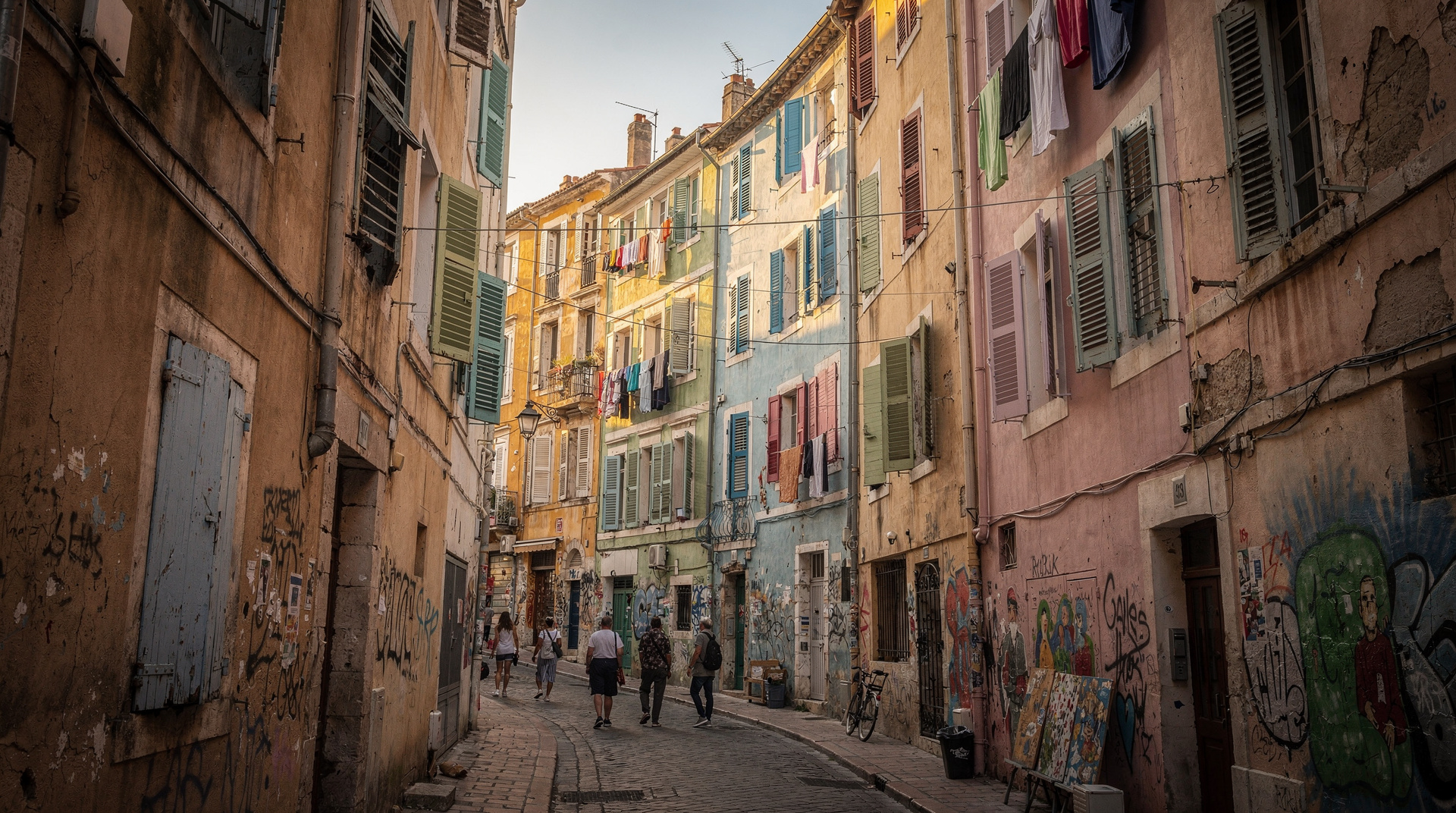
The concentration of large-format murals in and around Cours Julien is the densest in Marseille and one of the densest in any French city. The art is not concentrated on a single wall or in a designated zone — it spreads across building facades, stairwells, parking structures, and covered markets in the streets immediately surrounding the main square.
Key streets for murals: Rue d’Aubagne, Rue Crudère, Rue Jean Roque, and the passages and side streets immediately north and south of the square. Walking the perimeter of a 4-block radius takes about an hour and covers the most significant works.
What to look for: Unlike Le Panier, where street art often fills smaller surfaces, Cours Julien features works at architectural scale — entire building ends painted in high-detail figurative or abstract compositions. Several are internationally recognised, created by artists with exhibition careers alongside their public work.
The guided street art tour (see above) covers the best pieces with context on the artists and the neighbourhood’s cultural history. Worth doing once, even if you then explore further independently.
Bars and evening atmosphere
The bars in and around Cours Julien operate at a different pitch from the tourist-facing places near the Vieux-Port. The clientele is local, younger-skewing but mixed, and the drink of choice tends toward craft beer, natural wine, and cocktails rather than pastis and rosé (though those exist too).
Several places have small terrace areas that extend onto the square in spring and summer. The Wednesday and Saturday morning market brings a different energy — local organic produce, vintage clothing, books, and plants.
For music: Cours Julien has a live music infrastructure that is unusual for a European city of Marseille’s size. Several venues within walking distance offer concerts most nights of the week — rock, jazz, electronic, North African, and crossover. Check listings from mid-September through June when the university-age population is present.
Restaurants and food
The food scene around Cours Julien has evolved significantly since the 2010s. Owner-operated restaurants with short menus, seasonal ingredients, and genuine cooking have replaced many of the pizza-and-salad defaults.
The area is notably good for non-French options — Vietnamese, Lebanese, Ethiopian, and North African cooking at sensible prices. Rue d’Aubagne (heading south toward Noailles) is the street for North African food shopping and take-away, with a density of excellent pastry and bread that exceeds anything in the tourist zones.
For a dinner before exploring the neighbourhood: arrive around 19:30 (earlier than most locals but comfortable for visitors), eat somewhere in the surrounding streets, and then use the square itself as the starting point for an evening walk or bar-hopping circuit.
Getting to Cours Julien
Métro: Notre-Dame du Mont – Cours Julien (M2 line, red) is directly adjacent to the square. One stop from Vieux-Port, two stops from Saint-Charles.
On foot from the Vieux-Port: About 15–20 minutes walk uphill through the Noailles market area. This walk passes through one of the most genuinely mixed and interesting urban sections of Marseille.
The Noailles market: adjacent and complementary
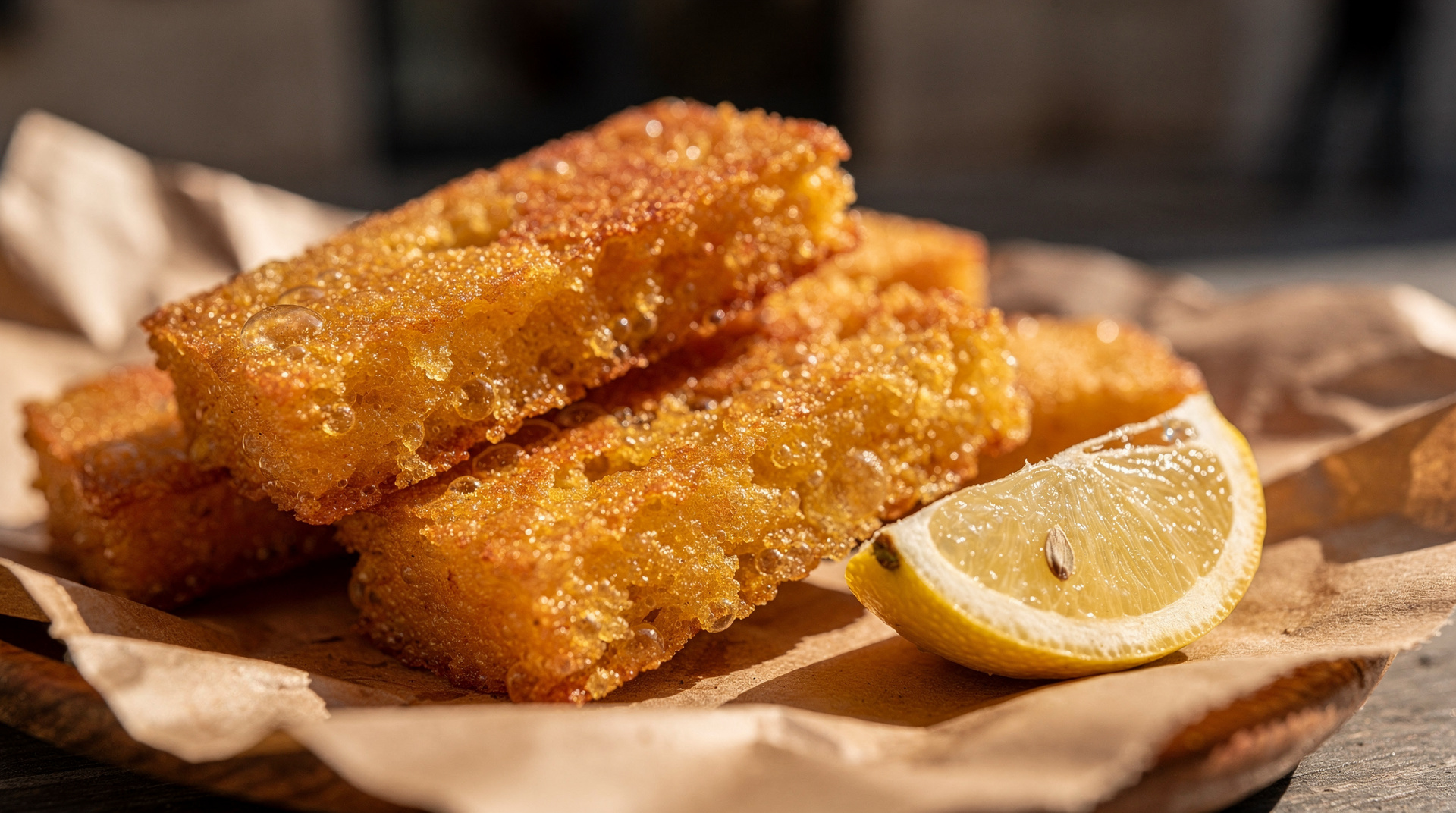
Immediately south of Cours Julien, down the slope toward the Canebière, the Noailles market district is one of the most vivid food and spice markets in France. The stretch around Rue de la Longue, Cours Belsunce, and the surrounding streets houses dozens of stalls and shops selling products from North Africa, the Maghreb, the Middle East, and Southeast Asia: preserved lemons, harissa, mountains of dried fruit and nuts, fresh herbs, bread from communal ovens, and street food at prices that bear no relationship to anything in the tourist zone.
Noailles functions as “the belly of Marseille” — the city’s real food procurement market rather than a heritage attraction. Coming here before or after Cours Julien gives a much fuller picture of Marseille’s food culture than the Vieux-Port circuit alone.
Pickpocket note: Noailles is also one of the areas the Marseille safety briefing mentions — the crowded market is the context for occasional bag-grab and pickpocket incidents. Keep bags in front, phone pocketed, and the experience is fine. The market is not dangerous; it is busy.
Street art walking tour
The guided alternative walking tour of Cours Julien and surroundings (see tours above) typically covers about 2 kilometres over 2 hours, hitting the most significant murals with context on the artists, the neighbourhood’s cultural evolution, and Marseille’s street art history going back to the 1980s. It usually includes a drink at one of the local bars as part of the experience — a good format for getting into the neighbourhood rather than just photographing walls.
For independent exploration: arrive at the Notre-Dame du Mont métro station and walk the 4-block radius in any direction. The street art is not concentrated on one wall — it is embedded in the neighbourhood’s fabric. Give yourself 45 minutes of open-ended wandering.
Practical notes for Cours Julien
Best day: Saturday, when the morning market brings additional life and the afternoon transitions into the most active bar and terrace period.
Parking: Limited and expensive. The métro is the obvious choice. If driving, the parking at Place Jean Jaurès (north of the square) is the most convenient.
Safety at night: The Cours Julien area is generally safe for evening socialising. The usual urban common sense applies. The areas immediately to the north (between Cours Julien and the Réformés) are quiet at night; the Noailles area directly to the south is busier and more mixed.
Connecting Cours Julien to the rest of Marseille
Cours Julien is most naturally combined with an afternoon at the Vieux-Port or Le Panier (visit them earlier in the day, then head to Cours Julien for the evening), or with a morning at the Noailles market immediately to the south. For a complete picture of Marseille’s neighbourhood geography, see our neighbourhoods guide. The street art culture of Cours Julien connects to Le Panier’s smaller-scale murals; together they make up the most complete street art circuit in Marseille.
Where Cours Julien fits in a Marseille itinerary
Most first-time visitors spend their daylight hours around the Vieux-Port, Le Panier and Notre-Dame de la Garde, then have no plan for the evening beyond a tourist-zone restaurant.
Cours Julien solves that problem: it is close enough (one métro stop, or a 15–20 minute walk) to slot in after a day of sightseeing without derailing the schedule, and it is the one part of central Marseille built around evening rather than daytime use. Visitors staying near Vallon des Auffes or the Prado beaches can also reach Cours Julien in 15–20 minutes by bus or taxi, making it a workable evening base regardless of where you sleep.
If your trip includes a full day exploring the Calanques or a day trip out to Cassis, Cours Julien is the natural place to unwind that evening back in the city — lower-key than the Vieux-Port’s tourist terraces, with better food for the price.
How to shape an evening here
The easiest way to enjoy the neighbourhood is to treat it as a slow loop rather than a list of stops. Start with the murals while there is still daylight, drift back to the square as the terraces fill, choose a table for dinner without rushing, and keep the last hour free for a drink wherever the crowd looks liveliest. Nothing here needs a reservation to be enjoyable, and the best evenings tend to be the ones where you leave a little room for chance.
If you are travelling as a couple, the mix of low lighting, small tables and wine by the glass makes it a natural fit for the romantic weekend itinerary. If you prefer to see how it slots into a longer stay, the one-day plan and the three-day plan both leave an evening open that suits this quarter well.
Reading the neighbourhood
Cours Julien rewards a bit of context. The quarter grew out of a working district, and that history is still visible in the proportions of the buildings, the old trading spaces now used as studios and venues, and the way the square slopes gently rather than opening onto a grand plaza. Understanding that it is a place residents actually use, rather than a monument, helps set expectations: it can feel unpolished, a little noisy and entirely unstaged, and that is much of the appeal.
For the wider picture of how the city fits together, the Marseille neighbourhoods guide explains where this quarter sits relative to the harbour, the hills and the beaches. The street art guide goes deeper into the artists and styles you will meet on these walls, and the history of Marseille explains why a port city with such a layered past produced a neighbourhood like this one.
Eating and drinking well
Because the area favours small, owner-run places, the best approach is to walk a couple of streets before choosing. Look for short menus, a room full of locals and food that changes with the season. For a broader view of what to order across the city, the best restaurants in Marseille and the best cafés in Marseille are useful companions, and the vegetarian Marseille guide helps if you eat without meat, since the area’s non-French kitchens often handle that well.
If you want something lighter than a full dinner, the Marseille street food guide and the food tour guide point to snacks and small plates that pair naturally with an evening wander. For the city’s classic aperitif, read the pastis guide before ordering, so you know what you are getting. The wider nightlife guide shows how this quarter compares with other places to go out.
Getting around afterwards
Late in the evening, the practical question is how to get back. Check the last services before settling in for a long night, and have a taxi option in mind if you are staying far from the métro. The Marseille metro guide and the getting around Marseille guide cover the options in more detail, so you can plan the return before the first drink rather than after the last one.
Pairing it with the rest of the city
A good pattern is to spend the day on something outdoors and finish here. After a morning in the Le Panier guide area, or a walk around the Vieux-Port area, the contrast with Cours Julien is part of the pleasure: the old harbour for postcards, this quarter for how people actually spend their evenings. The Marseille neighbourhood overview is a good starting point if you are still deciding how to divide your days, and the full Cours Julien guide adds further detail for planning.
Frequently asked questions about Cours Julien
Is Cours Julien safe at night?
Generally yes for normal evening socialising — it is one of the more animated parts of the city after dark, with plenty of people on the streets. Ordinary urban caution applies, and the adjacent Noailles area (busier and more mixed) deserves a bit more attention to bags and pockets than the square itself.
Do I need to book the street art walking tour in advance?
Not usually, but booking a day or two ahead is sensible in peak summer months (July–August) when small-group tours can sell out. Independent exploration of the 4-block radius around the square works well without any booking at all.
Top experiences
Bookable activities with verified prices and instant confirmation on GetYourGuide.