Marseille in winter: the underrated season honest guide
Marseille: city tour, half-day
Duration: 4 hours
Is Marseille worth visiting in winter?
Yes — genuinely underrated. Temperatures stay 10–15°C, hiking trails are open, museums are uncrowded, accommodation costs 30–50% less than peak summer, and the city has a real local rhythm.
Why winter is Marseille’s best-kept secret
| Temperatures | Around 12-16°C highs, 5-9°C lows |
| Sea temperature | Around 12-15°C — not swimmable for most |
| Cost | Roughly 30-50% below August peak rates |
| Calanques hiking | Open, no summer reservation required |
| Crowds | Lowest of the year |
| Best for | City walking, museums, budget trips, off-season hiking |
Most travel guides treat Marseille as a summer destination and briefly acknowledge that other seasons exist. This guide argues the opposite: November through February is the most rewarding time to visit Marseille for the majority of travellers who are not specifically coming for beach swimming.
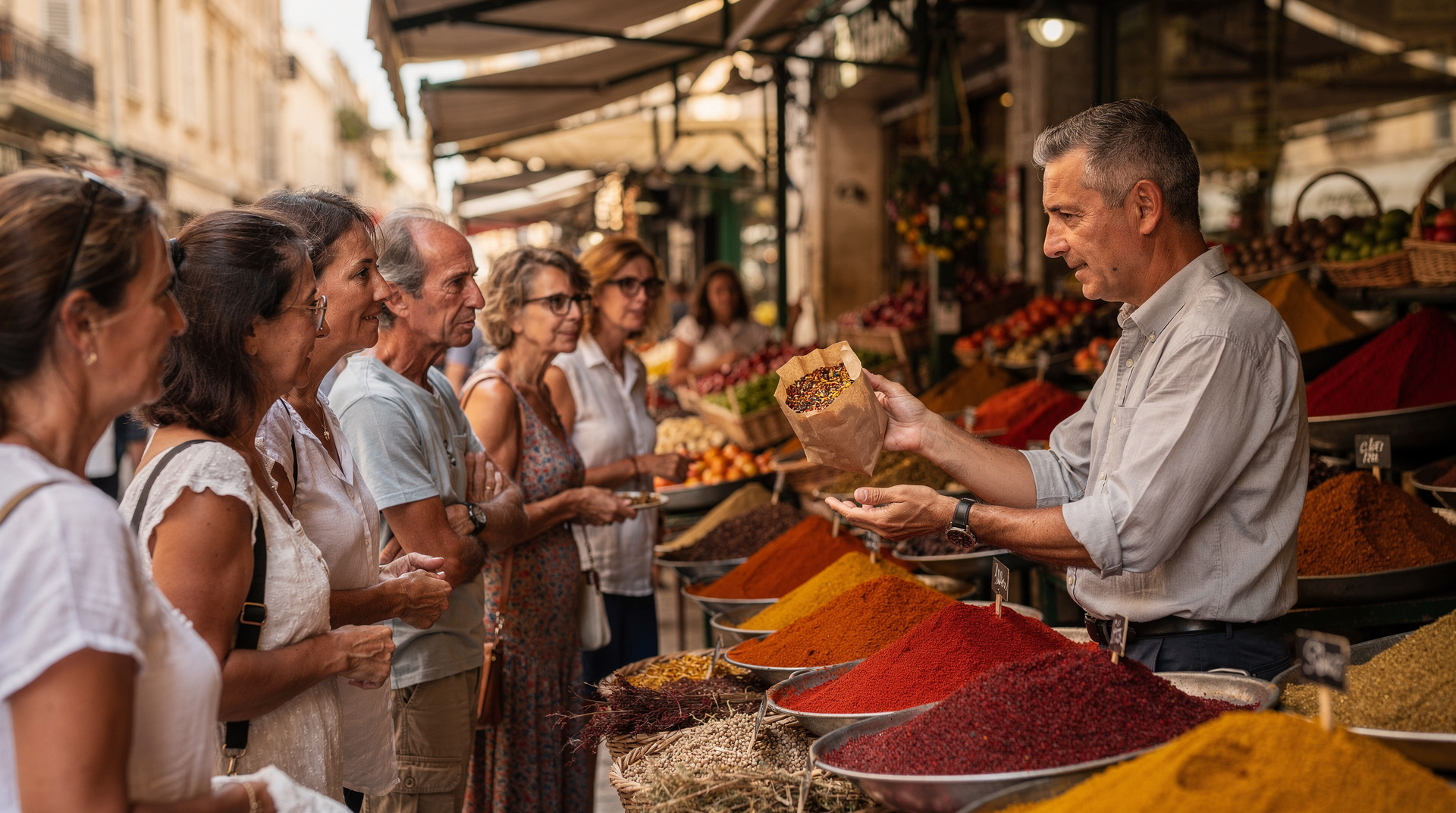
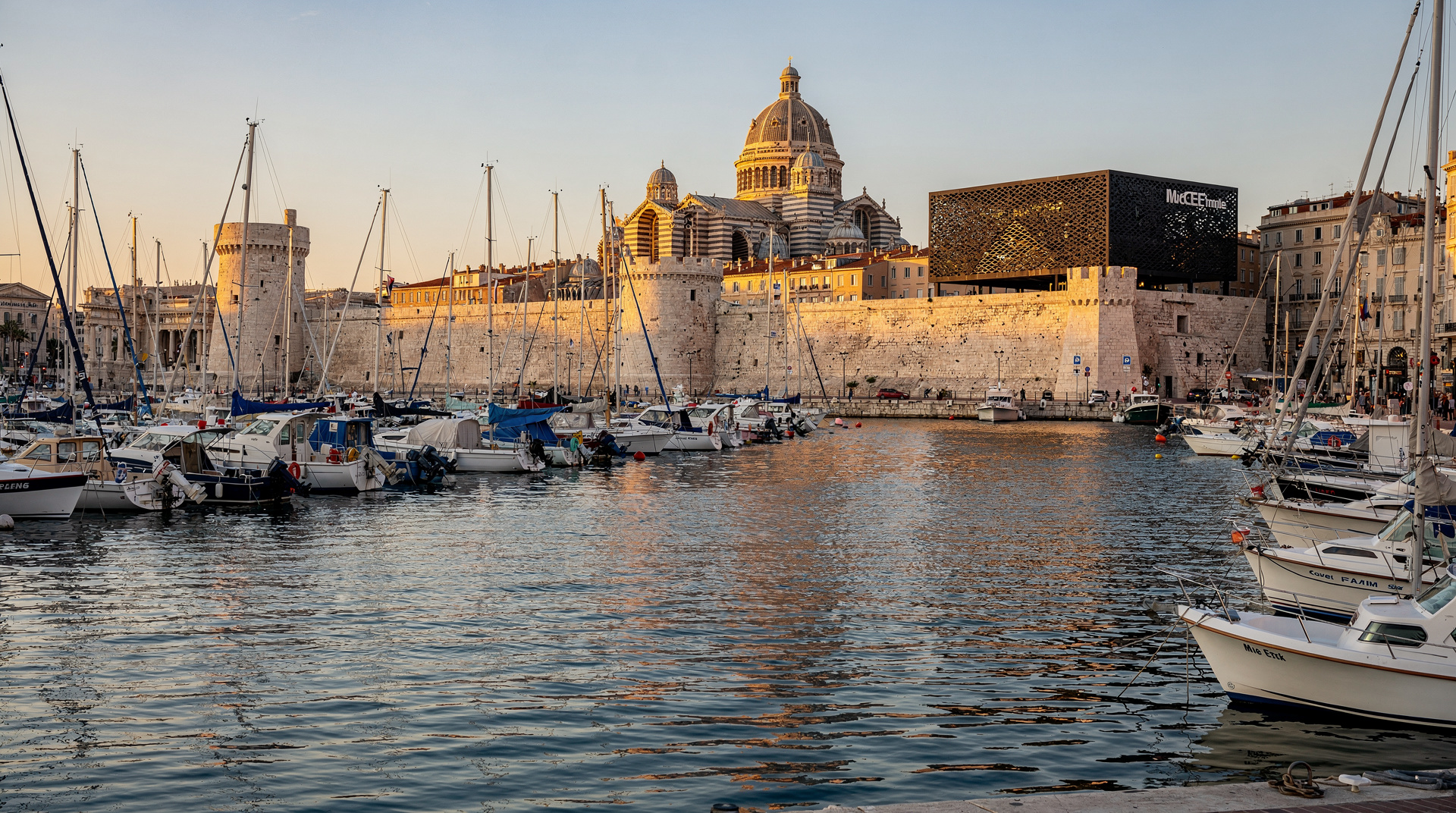
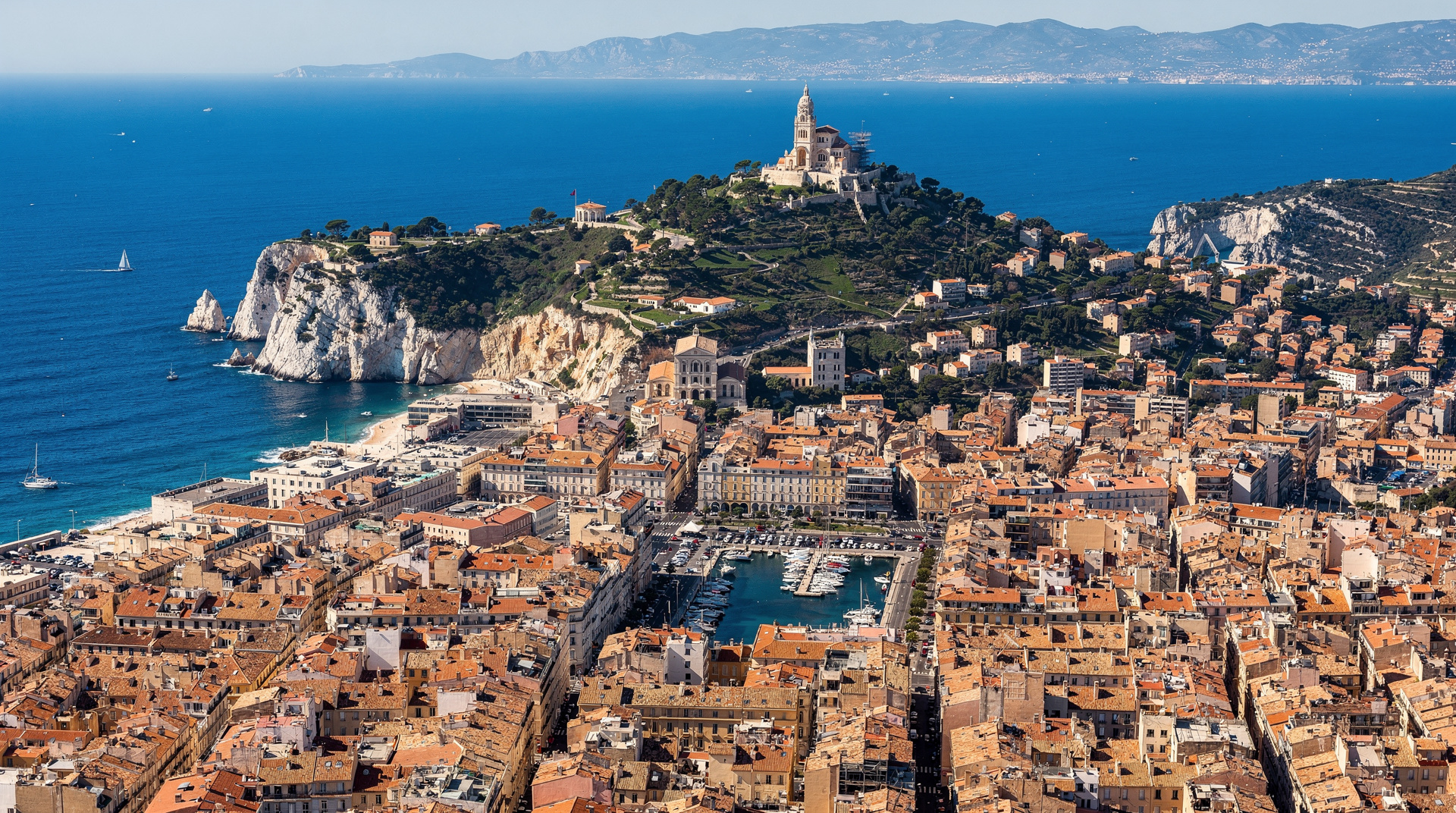
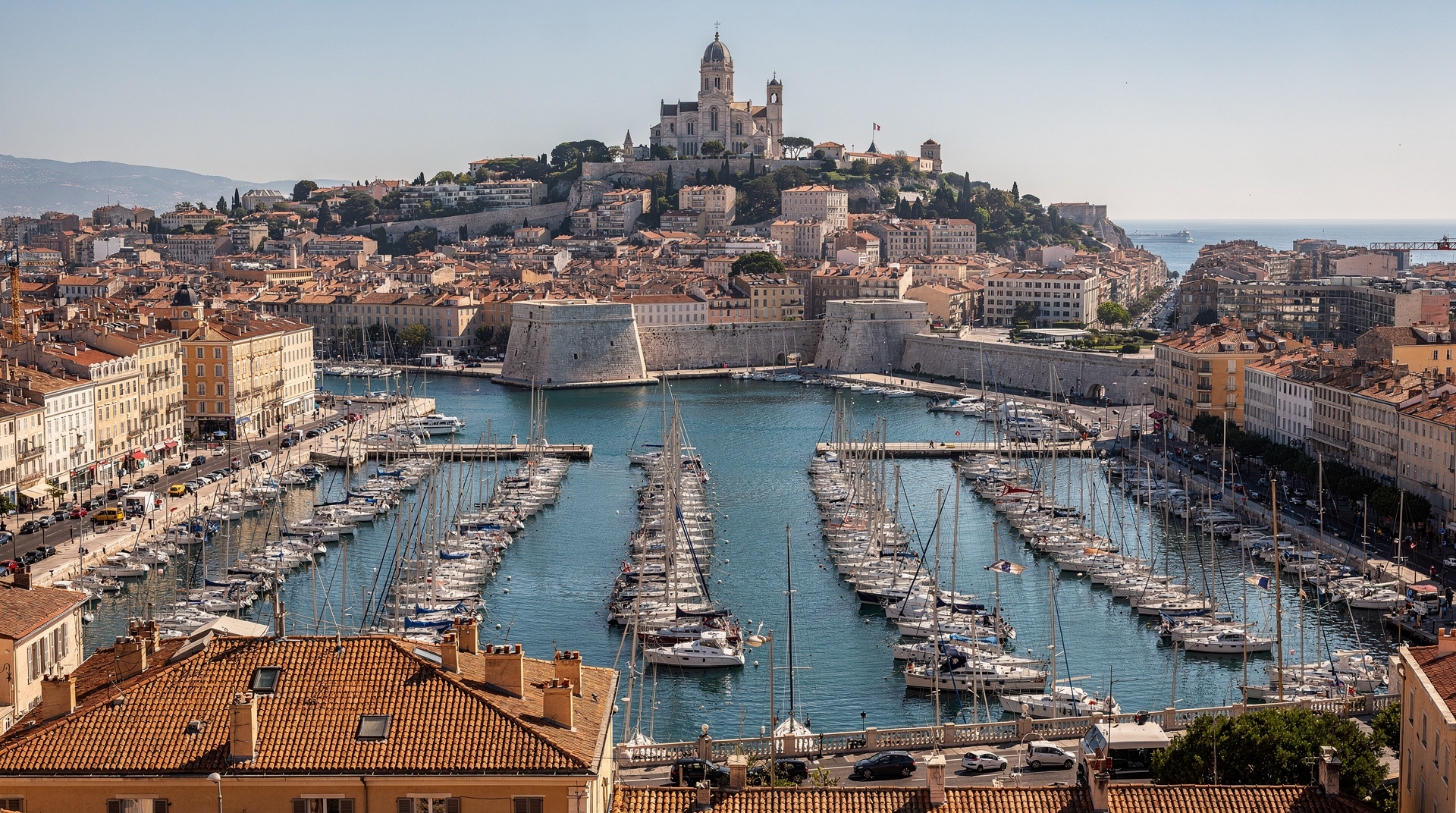
The case is straightforward. The weather is mild — not warm, but genuinely pleasant for city walking and hiking. The crowds at the Vieux-Port, MuCEM, Le Panier, and Notre-Dame de la Garde drop to a fraction of summer levels. Hotels and apartments cost 30–50% less than August rates. The Calanques hiking trails are open (fire risk is negligible in winter). The city has its own rhythm — markets, residents, neighbourhood life — without the overlay of mass tourism.
What you lose: warm sea temperatures for swimming, the full frequency of summer boat tour schedules, and the extended Mediterranean evenings. What you gain is everything else.
Weather: what to actually expect
Marseille has a Mediterranean climate. Winters are mild, sunny (more sunshine hours than any other French city), and rarely cold by northern European standards.
| Month | Average high | Average low | Rain days | Sun hours/day |
|---|---|---|---|---|
| November | 16°C | 9°C | ~7 | 5 |
| December | 13°C | 6°C | ~7 | 4.5 |
| January | 12°C | 5°C | ~7 | 5 |
| February | 13°C | 5°C | ~6 | 5.5 |
| March | 16°C | 8°C | ~6 | 6 |
The mistral factor: The mistral (a strong, cold north-northwest wind) is more frequent in winter than summer. When the mistral blows — typically for periods of 2–6 days — temperatures feel significantly colder than the above averages suggest. The wind is dry and clear-sky; mistral days are visually spectacular (sharp light, blue sky) but physically bracing. On mistral days, boat tours are usually cancelled, and exposed hilltop visits like Notre-Dame de la Garde are windy and cold.
Rain: December and January average about 7 rain days per month. These are often brief; Marseille rain rarely lingers for full consecutive days the way northern European rain does. An afternoon shower is common; a grey all-day downpour is unusual.
Practical winter clothing: A good waterproof layer and a warm jacket are sufficient for most winter days. Heavy winter coats are overkill. Layers are more useful than bulk.
What is open and what is not
Fully open in winter
- Vieux-Port fish market (daily until noon, year-round)
- MuCEM (closed Tuesdays; hours adjusted — 11:00–18:00 November–April)
- Le Panier and all outdoor neighbourhoods
- Notre-Dame de la Garde basilica (7:00–18:00 daily, until 19:00 from March)
- Musée d’Histoire de Marseille
- Cosquer Cave replica (book ahead; open year-round)
- All restaurants, bars, and markets
- Calanques hiking trails (generally open; fire risk is minimal in winter — confirm on park website)
- City transport (metro, trams, buses run normal winter schedules)
- The hop-on hop-off bus (check seasonally reduced schedules)
Reduced or modified in winter
Calanques boat tours: This is the most significant winter limitation. Some operators suspend operations entirely from November through February; others run weekend-only or weather-permitting schedules. The Frioul Islands ferry (a separate public service) runs year-round but at reduced winter frequency. Before planning winter Calanques boat access, check specifically with operators for their current winter schedule.
The Frioul Islands: The regular Frioul If Express ferry continues in winter, though frequency drops from summer peaks. The crossing takes 30 minutes. The islands in winter — fewer visitors, dramatic winter light, empty rocky beaches — have a specific beauty that summer does not offer.
Some day trip options: The Cassis wine tour season peaks in spring–autumn; some domaines reduce tastings in winter. The Luberon villages are open but quiet. Valensole lavender is long gone in winter (lavender blooms June–July). Arles and Avignon are open year-round and arguably better in winter without the summer crowds.
What closes seasonally
The Calanque de Sormiou beach restaurant (seasonal, summer only). Some smaller boat operators (check before booking). A handful of Le Panier boutique shops (though most remain open through winter). The beach-facing food vendors at Prado beaches are absent, but the beaches themselves are free to walk on year-round.
The Calanques in winter: the real advantage
This is winter’s strongest argument over summer. The hiking trails that close July–August for fire risk are open throughout winter. The Sugiton reservation system (mandatory June–September) is not required in winter — you can simply walk to the trailhead and go.
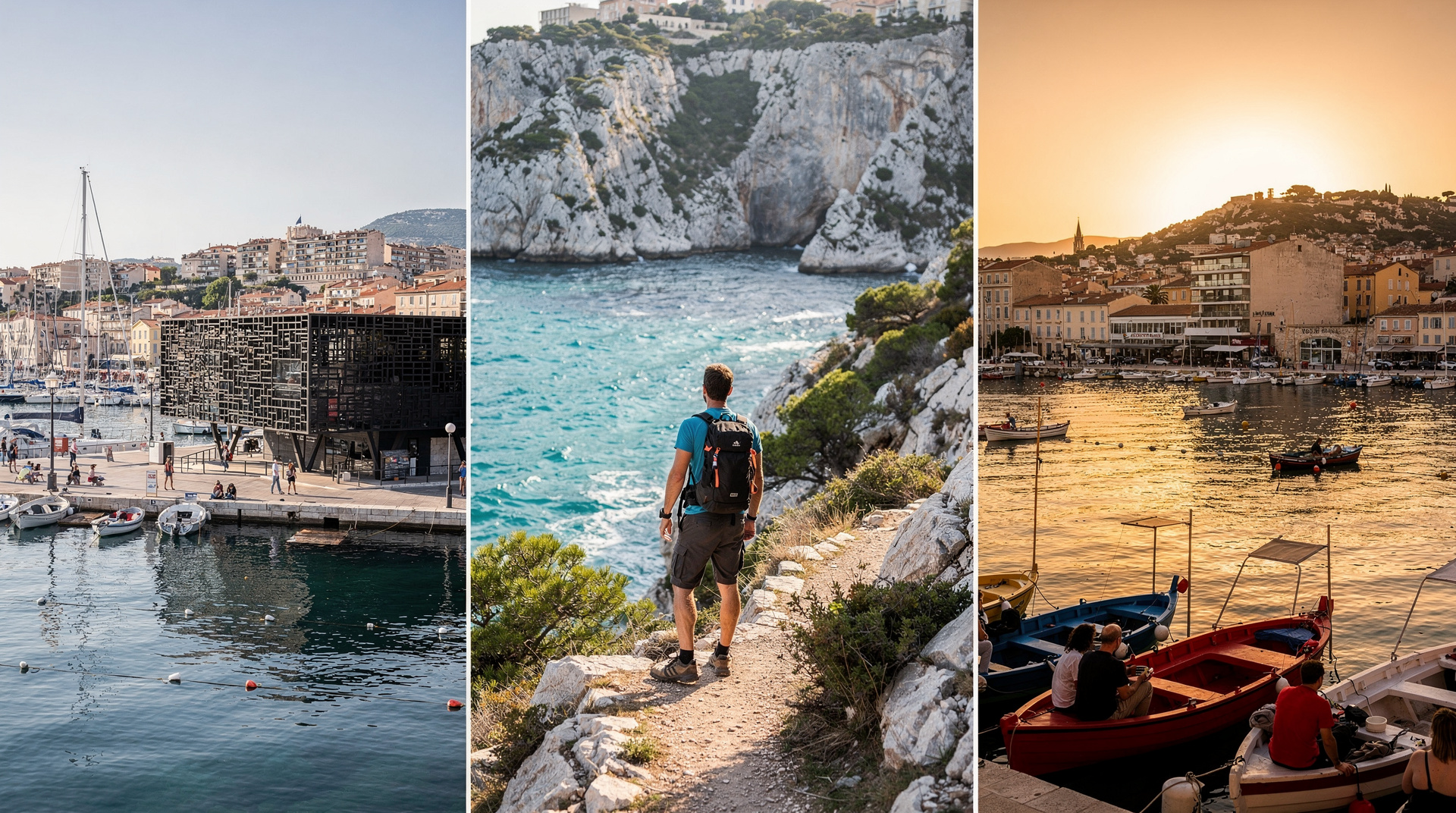
The experience of hiking to Sugiton on a crisp January morning — clear light, near-empty trails, the white limestone picking up low winter sun, the turquoise water below with almost no one else at the calanque — is one of the most striking things Marseille offers, and it is exclusive to the off-season.
Practical winter hiking in the Calanques:
- Check the park website (calanques-parcnational.fr) for any closures — even in winter, temporary restrictions can apply on fire-risk days (rare) or after heavy rain (some trails become dangerous when wet limestone is slippery)
- Start hikes by 9:00 to make use of the winter daylight (sunset is around 17:00–18:00 in December–January)
- Dress in layers; limestone massifs retain cold and wind
- Bring food and water — the calanques have no facilities year-round
Crowds and prices: the winter advantage
Tourist crowds: Dramatically lower. The Vieux-Port fish market in December has the same fish, the same fishermen, and a fraction of the onlookers. Le Panier in January feels like a neighbourhood rather than an attraction. Notre-Dame de la Garde in February has you near-alone on the terrace. MuCEM allows genuine contemplation of the exhibitions rather than navigating large groups.
Accommodation prices: Typically 30–50% below August peak rates. A hotel that costs 160 EUR per night in August might be 90–110 EUR in December. The budget end sees proportionally similar savings. A 3-night winter trip can cost substantially less in accommodation alone than the same trip in summer.
Restaurants: No wait times. The best restaurants in Cours Julien and near the Vieux-Port that require advance booking in summer take walk-ins easily in winter. Chef-driven restaurants often have more interesting winter menus (slower braises, bouillabaisse, game in December) than their summer menus designed for tourist volume.
The Christmas period
Marseille runs a Christmas market from late November to early January. The main market is at the foot of the Canebière (approximately 40 artisan chalets), open daily 10:30–19:00 on weekdays and later on Fridays and Saturdays. It is modest by Alsatian or German standards but genuine — local crafts, Provençal products, soap, navettes (the traditional orange-blossom biscuits), and santons (the hand-painted clay figurines that are the city’s canonical Christmas decorative tradition).
The Foire aux Santons (Santon Fair) runs from mid-November to early January on the Quai du Port — this is the traditional market for the painted clay figurines used in Provençal nativity scenes, a centuries-old craft specific to Marseille. A serious cultural experience if you are interested in local craft traditions; a charming curiosity if you are not.
An ice rink typically operates from mid-December at the Vieux-Port area through early January.
The honest limitations of winter
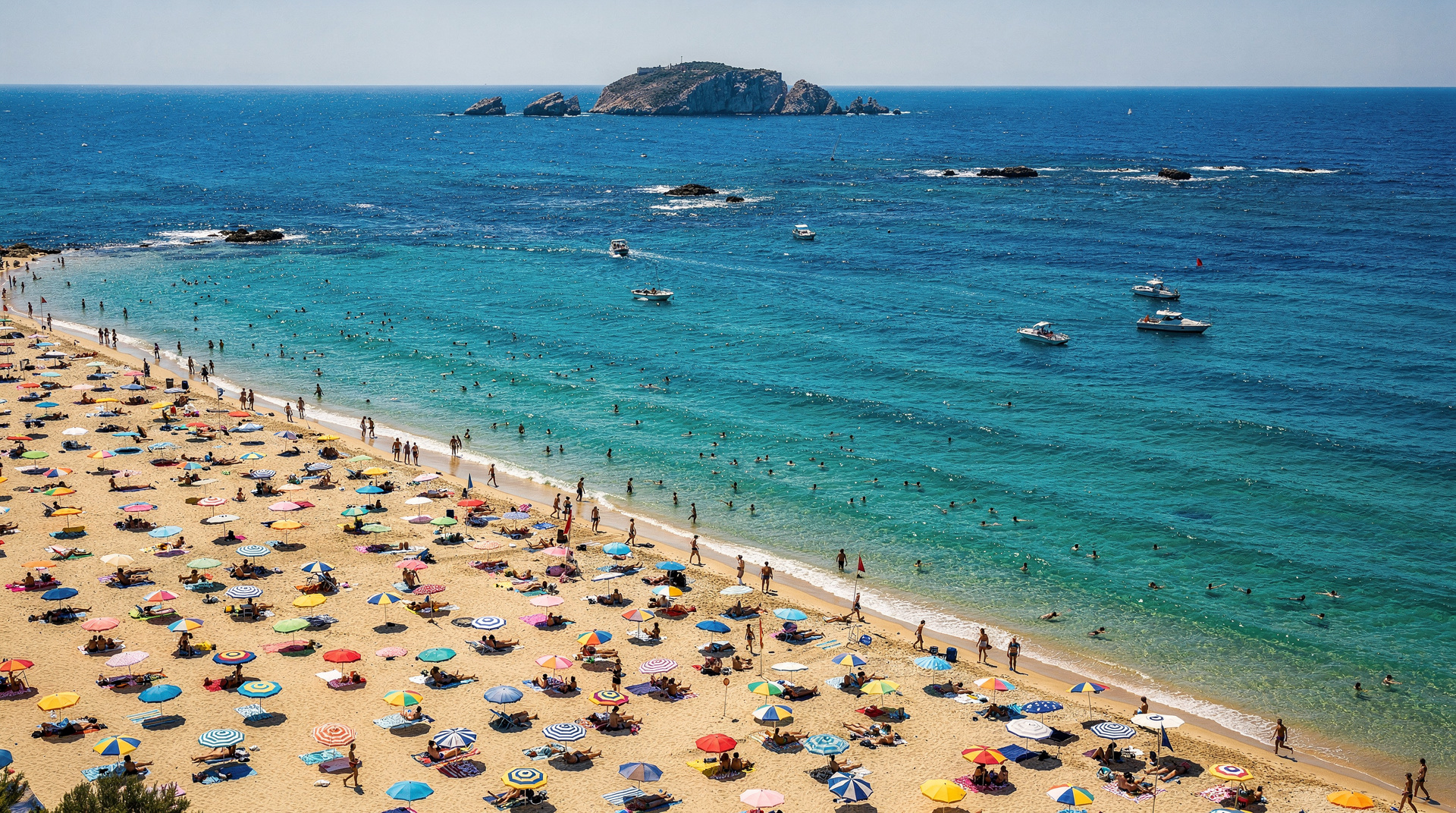
You will not swim. Sea temperature in December–February is 12–15°C — technically swimmable for dedicated cold-water swimmers, but not the Mediterranean beach experience most visitors want. If swimming is your primary goal, winter is not your season.
Shorter daylight. Sunset at 17:00–17:30 in December means afternoon plans end earlier than expected. This compresses the sightseeing day and makes early morning starts more important.
Some boat tours are not available. If a Calanques boat tour is a non-negotiable part of your trip, confirm winter availability with specific operators before booking travel. Some run all year; others suspend for winter.
The city is quieter. This is mostly an advantage, but visitors who want a vibrant, buzzing city atmosphere — packed bars, outdoor café culture, evening crowds — will find Marseille calmer in winter. The Cours Julien bar scene continues through winter but at lower energy.
Sample winter budget: what you actually pay
| Category | Winter rate | Summer comparison |
|---|---|---|
| Hotel (3-star double, Vieux-Port) | 90–120 EUR/night | 150–200 EUR/night |
| Calanques hike (free) | 1.70 EUR bus | 60–95 EUR boat tour |
| MuCEM entry | 9.50 EUR | Same (free first Sunday) |
| Restaurants | Normal pricing | Same |
| Navette 91 airport bus | 10 EUR | Same |
A 3-day winter trip for two people — hotel, food, transport, hike, MuCEM — might total 500–700 EUR. The equivalent summer trip (replacing the hike with a boat tour) costs 700–1,000 EUR or more.
For full winter planning, combine this guide with our budget guide, our first-timers guide for city orientation, and our Calanques hiking guide for trail specifics.
The specific pleasures of winter Marseille
Winter has experiences specific to the season that do not exist in summer.
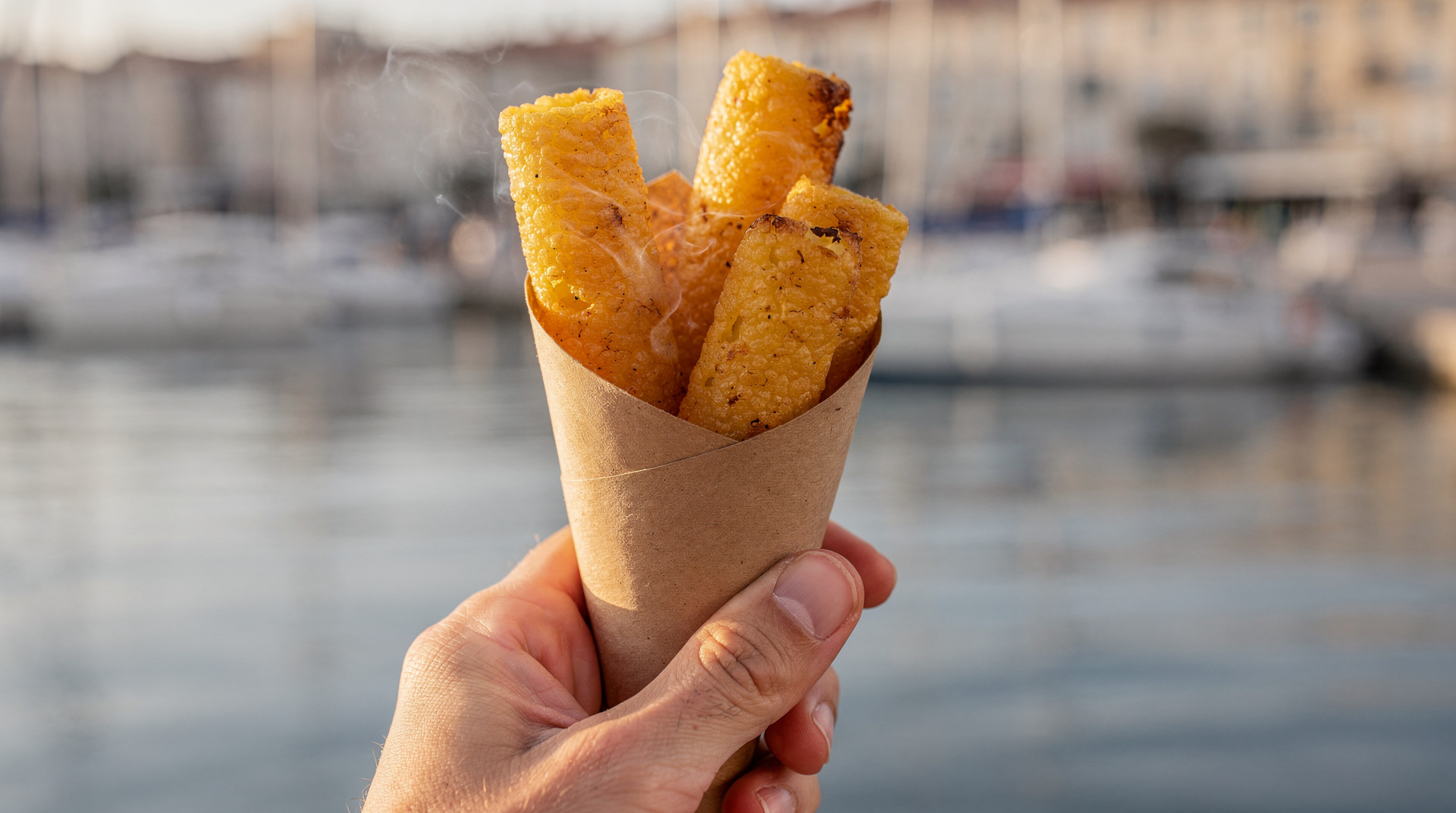
The fish market in winter light. The Quai des Belges fish market at 8:30 in December — low angle light, steam from warm broth at the few street food stalls, the fishermen red-faced from the night’s work, the catch spread out in the cold — is a different and arguably more intense experience than the same market in the heat of August. Fewer tourists watch. The transaction between fisherman and buyer is more visible.
The Calanques in winter solitude. Hiking to Sugiton on a clear January morning with near-empty trails is something summer visitors simply cannot access. The geometry of the white limestone against a deep blue winter sky, with no tour boats and no beach crowds at the calanque — this is the Calanques at something approaching their natural state. The swimming is cold (13–15°C) but possible for the enthusiastic.
Restaurant depth. Marseille’s best chef-driven restaurants — the ones that focus on craft rather than volume — often have more interesting winter menus. Slower braises, daube Provençale (beef braised in Provençal wine), bourride (the cousin of bouillabaisse, thickened with aioli), game dishes in December. The bouillabaisse charte restaurants are open year-round but more relaxed about reservations in winter — you can usually book 24–48 hours ahead rather than weeks.
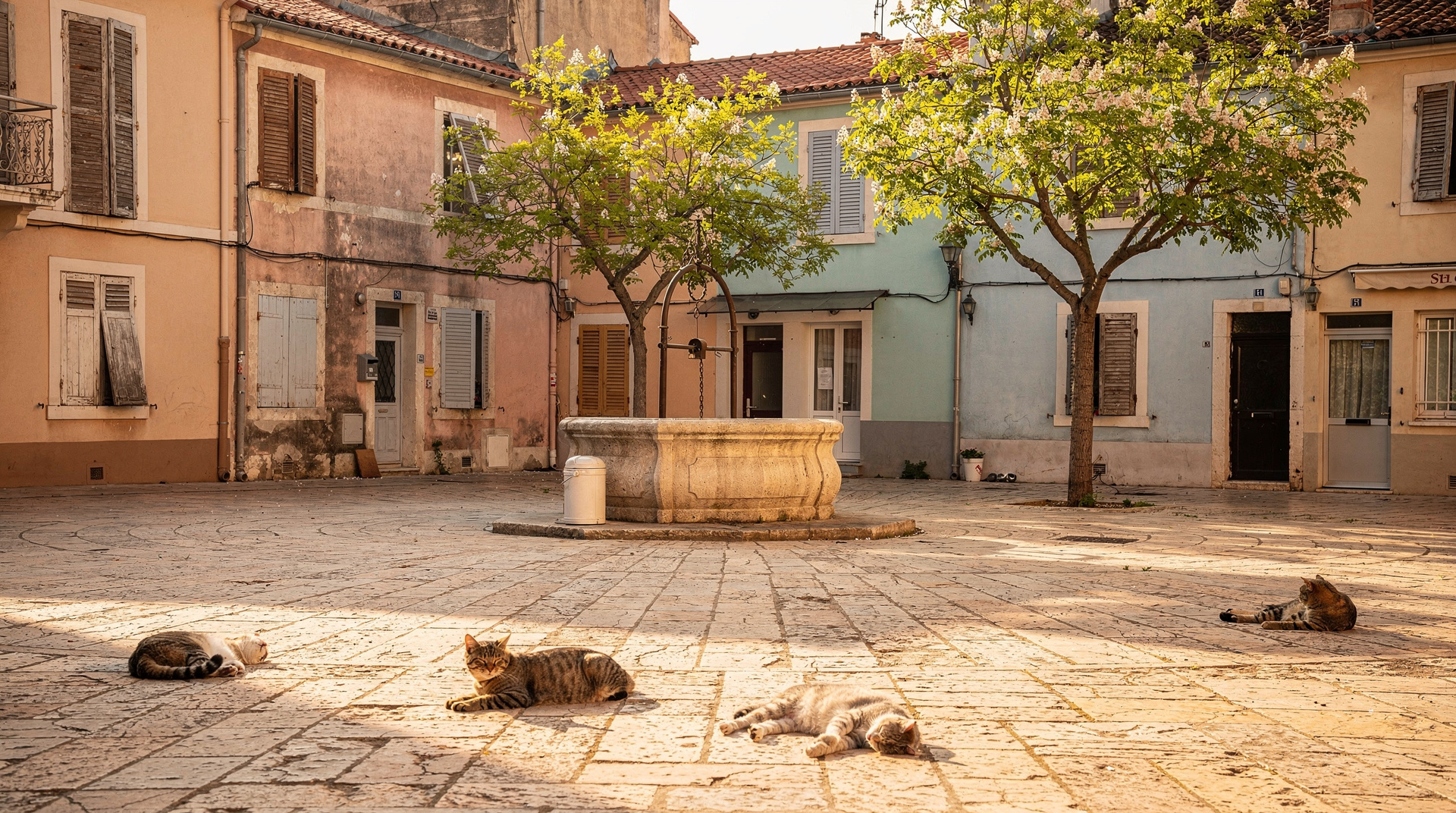
Vallon des Auffes in winter. The tiny fishing harbour under the Corniche is at its most authentic in winter. The restaurant boats are mostly out of commission. The fishermen are actually working. The cats that haunt the quai in summer have thinned out with the tourists. It is a small, specific pleasure.
The Foire aux Santons. Running from mid-November through early January on the Quai du Port, this is one of France’s oldest traditional craft markets — 220+ years of the hand-painted clay figurines used in Provençal nativity scenes. Even if you have no intention of buying santons, the market is a genuine cultural institution and free to browse.
Day trips in winter: different calculus
The day trip options from Marseille in winter are slightly different from summer.
Cassis in winter: Shorter opening hours at restaurants and wine domaines; the Three Calanques hike is open (fire risk minimal) and spectacular in winter light with few other hikers. The port has an off-season quietness that is actually charming. Port-Miou, the first calanque east of Cassis, is always accessible and still beautiful.
Aix-en-Provence in winter: The covered markets (Marché de la Grange d’Or, Marché Forville) are open year-round. The Cézanne trail is less crowded. Tuesday and Saturday markets on the Cours Mirabeau run year-round. Aix is pleasant and accessible in winter; it lacks the summer heat that can make the Cours Mirabeau uncomfortable in July.
Arles in winter: The Roman monuments (Arènes, Les Alyscamps) are open year-round. The Van Gogh trail through the city is a genuine cultural itinerary. Arles in winter has the austere quality that the city’s Roman and early Christian history suggests. The famous Arles Saturday market runs year-round.
Avignon in winter: The Palais des Papes is open year-round. The Pont d’Avignon (officially Pont Saint-Bénézet) is accessible. The city is significantly more manageable without summer crowds. Travel from Marseille by TGV takes about 1 hour; by TER about 1.5 hours.
Packing for winter Marseille
A layering approach works better than heavy single garments:
- Base thermal layer for hiking (mistral days)
- Mid-layer fleece or light down jacket
- Waterproof outer layer (brief winter showers are common)
- Sturdy walking shoes (winter rain makes stone streets slippery)
- Hat and gloves for mistral days (the wind makes it feel genuinely cold)
- Sun cream (winter Provençal sun is less intense but still relevant on exposed hikes)
Leave the sandals at home. Pack one set of evening clothes that works indoors at restaurants — Marseille winters are mild enough that a light jacket suffices for evening walks between dinner venues.
Winter Marseille planning checklist
-
Confirm boat tour winter schedule. Check directly with your preferred operator before booking. Some run year-round on weekend-only or weather-permitting basis; others suspend entirely from November–February.
-
Book accommodation. Winter booking pressure is lower, but the better properties still deserve booking 1–2 weeks ahead. Last-minute availability is usually good in January and February.
-
Verify Calanques hiking access. Check calanques-parcnational.fr the morning of any planned hike — winter closures are rare but possible after heavy rain (slippery limestone) or on isolated fire-risk days.
-
Check the Christmas market dates if visiting November–January. The main Canebière market and the Santon Fair typically run from mid-November to early January. Dates vary slightly year to year.
-
Pack for the mistral. Check wind forecasts (Météo France or Windguru) before any exposed hiking day. A cold mistral day can still be beautiful — just dress for it.
See our 3-day planning guide for a sequence that works in all seasons, and our how many days guide for comparing the winter visit to other season options.
Winter compared with the rest of the year
| Season | Sea temp | Crowds | Accommodation cost | Calanques access |
|---|---|---|---|---|
| Winter (Nov-Feb) | 12-15°C | Lowest | Lowest | Open, no reservation |
| Spring (Mar-May) | 13-19°C | Low-moderate | Below peak | Fully open |
| Summer (Jun-Aug) | 22-25°C | Highest | Peak | Mostly closed (fire risk) |
| Autumn (Sep-Oct) | Warm, cooling | Moderate | Above winter, below summer | Reopening |
Winter’s specific edge over every other season is price and solitude: it is the only period where a Calanques hike, a Vieux-Port morning, and a MuCEM visit can all be done with genuinely small crowds and at meaningfully lower cost than the rest of the year.
Building a winter trip
A winter visit pairs well with a slower pace than a summer one — shorter daylight rewards front-loading outdoor activity into the morning. Our 3-day Marseille itinerary and car-free 4-day itinerary both work well in winter conditions, since neither depends on Calanques boat access, which is the one activity most likely to be reduced or unavailable this time of year. If day trips are part of the plan, Arles and Avignon are both open year-round and arguably at their best without summer crowds.
Top experiences
Bookable activities with verified prices and instant confirmation on GetYourGuide.