Marseille with family: 3-day itinerary for families with children
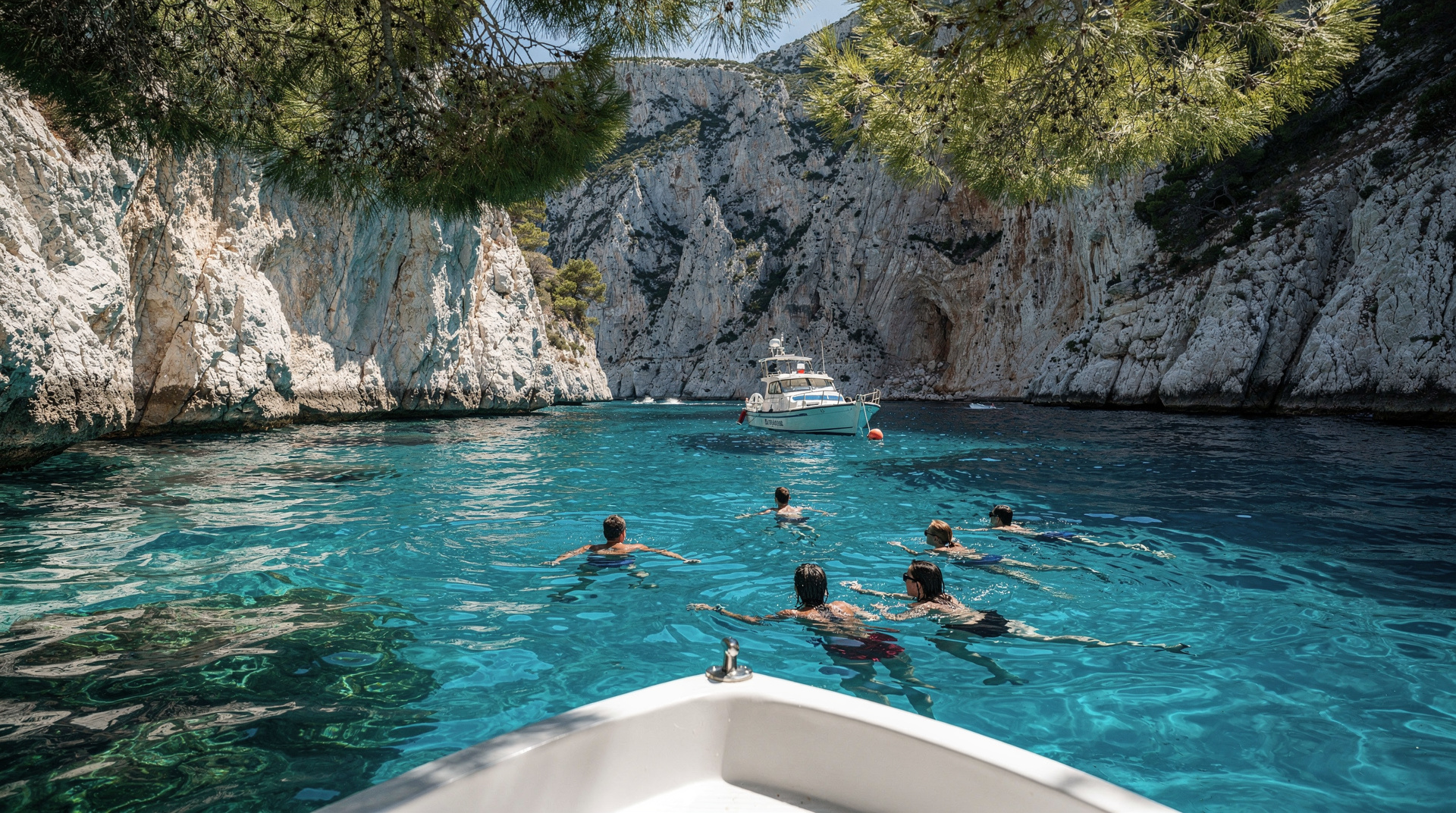
Marseille: Frioul Islands boat tour with swim stop
Duration: 2 hours
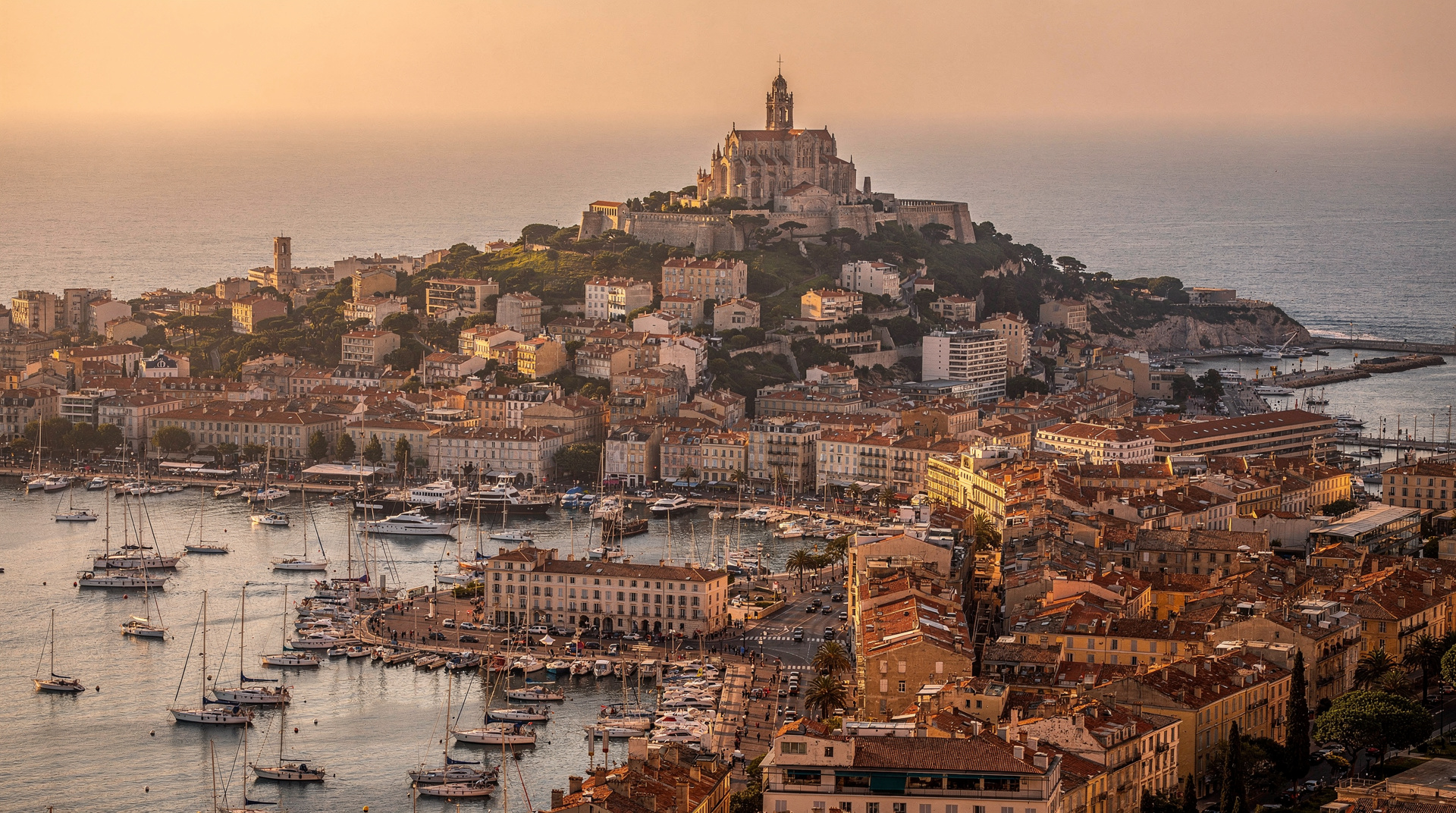
Marseille works well for families — genuinely well, not just in a “it will do” sense. The city has working harbours and fishing boats that children find fascinating, island boat trips that feel like small adventures, beaches for afternoon swims, and the right scale for young legs: manageable distances, metro and bus connections that actually work, and enough variety that different family members can find their thing each day.
The honest notes before you begin: Marseille is a dense, urban city and the tourist-facing areas at the Vieux-Port attract pickpockets — keep bags in front and valuables out of reach in crowds. The Calanques hiking trails can be genuinely challenging for children under 8; the boat tours are the family-appropriate entry to the national park.
This itinerary is designed without a car. All three days use public transport, ferry, and boat from the Vieux-Port.
| Where | Marseille city, Frioul Islands, Prado beaches, Cassis (day 3) |
| Cost | Around 60–90 EUR/adult total for transport, boats, and entries over 3 days (excludes meals) |
| Time needed | 3 full days, no car |
| Getting there | Base in central Marseille; all connections by metro, bus, ferry, and TER train |
| Best time | June–September for beaches and swimming; shoulder months for smaller crowds |
Day 0: before you set off — pacing this trip with children
The three-day structure above front-loads city walking on Day 1, water and beach time on Day 2, and a single longer day trip on Day 3 — deliberately, because young legs tire from pavement faster than from sand. If your children are under 5, consider swapping the order so Day 2 (the lightest walking day) comes first, giving everyone a gentler start before the Le Panier hill climbs. For a shorter version of the same city content without the Cassis day, the two-day Marseille itinerary covers Days 1 and 2 almost exactly.
Day 1: Marseille city — the harbour and Le Panier
Morning: Vieux-Port and harbour life (9:00–12:30)
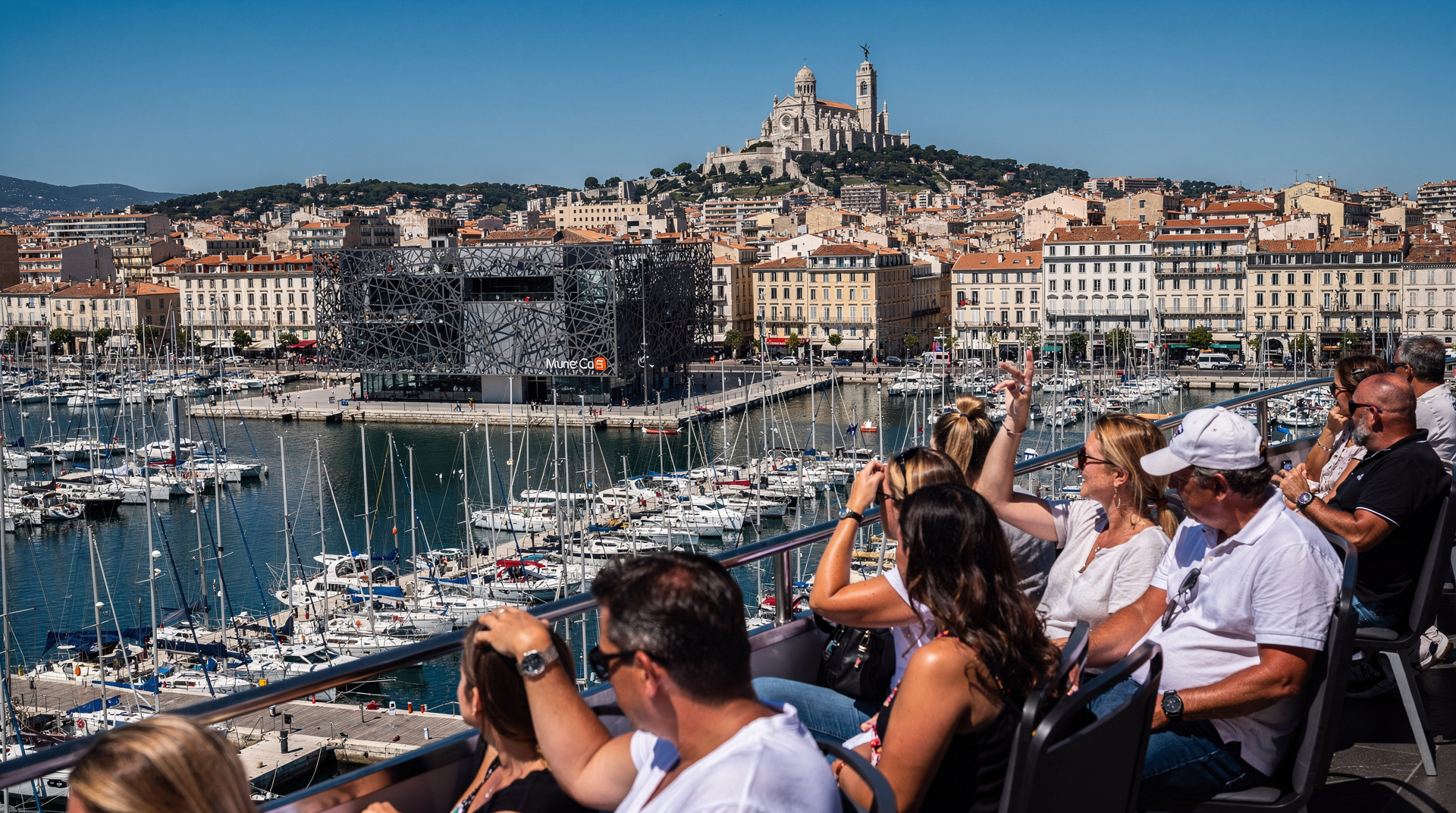
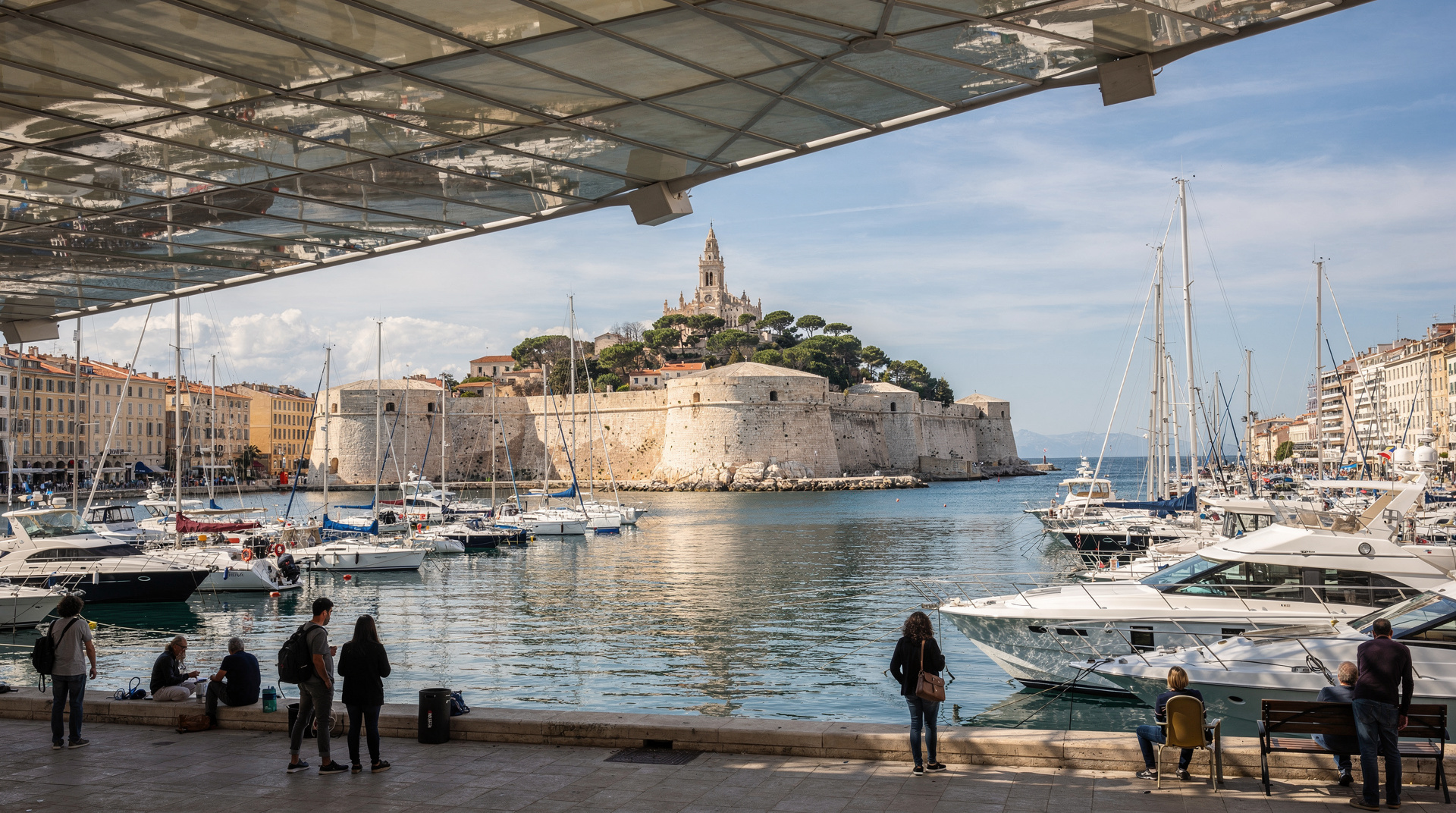
Start at the Vieux-Port around 9:00 — the fish market is wrapping up but the harbour activity continues. For children, the boats themselves are the main attraction: fishing boats, pleasure craft, the ferry that crosses the harbour to the north quai (fare approximately 0.50 EUR), and the sightseeing boats for later. Walk the full north quai toward MuCEM and Fort Saint-Jean.
Fort Saint-Jean (free) is genuinely interesting for children — a 17th-century harbour fortress with ramparts, cannons, and outdoor garden terraces overlooking the sea. The suspended footbridge connecting it to MuCEM feels adventurous. Allow 30–40 minutes to explore the fort before deciding whether to enter MuCEM.
MuCEM interior is better for children aged 10 and up; younger children will find the exhibitions abstract. The outdoor terraces (free) are the reward.
Cosquer Cave replica — for children aged 8 and up, this is one of the best activities in Marseille. The Cosquer Cave is a real prehistoric cave sealed underwater in the Calanques, discovered by a diver in 1985, containing paintings over 20,000 years old. The replica (a full-scale reconstruction in a purpose-built facility near the Vieux-Port) is excellent. Allow 1.5 hours; entry is approximately 14–17 EUR adults, 7–9 EUR children.
Lunch: 12:30–14:00
The south quai (Quai de Rive Neuve) has straightforward family lunch options. For children, a crêpe or savoury pancake from one of the cafés near the Vieux-Port is a reliable option. For a proper sit-down lunch at a reasonable price, walk two blocks inland to Cours Estienne d’Orves — a broad square with restaurant terraces suitable for families.
Afternoon: Le Panier and the petit train (14:00–18:00)
Le Panier is Marseille’s oldest quarter: colourful, hilly, full of street art and unexpected staircases. It works for families because the streets are mostly pedestrianised, the scale is human-sized, and children respond well to the neighbourhood’s visual richness — painted walls, drying laundry, cats on windowsills.
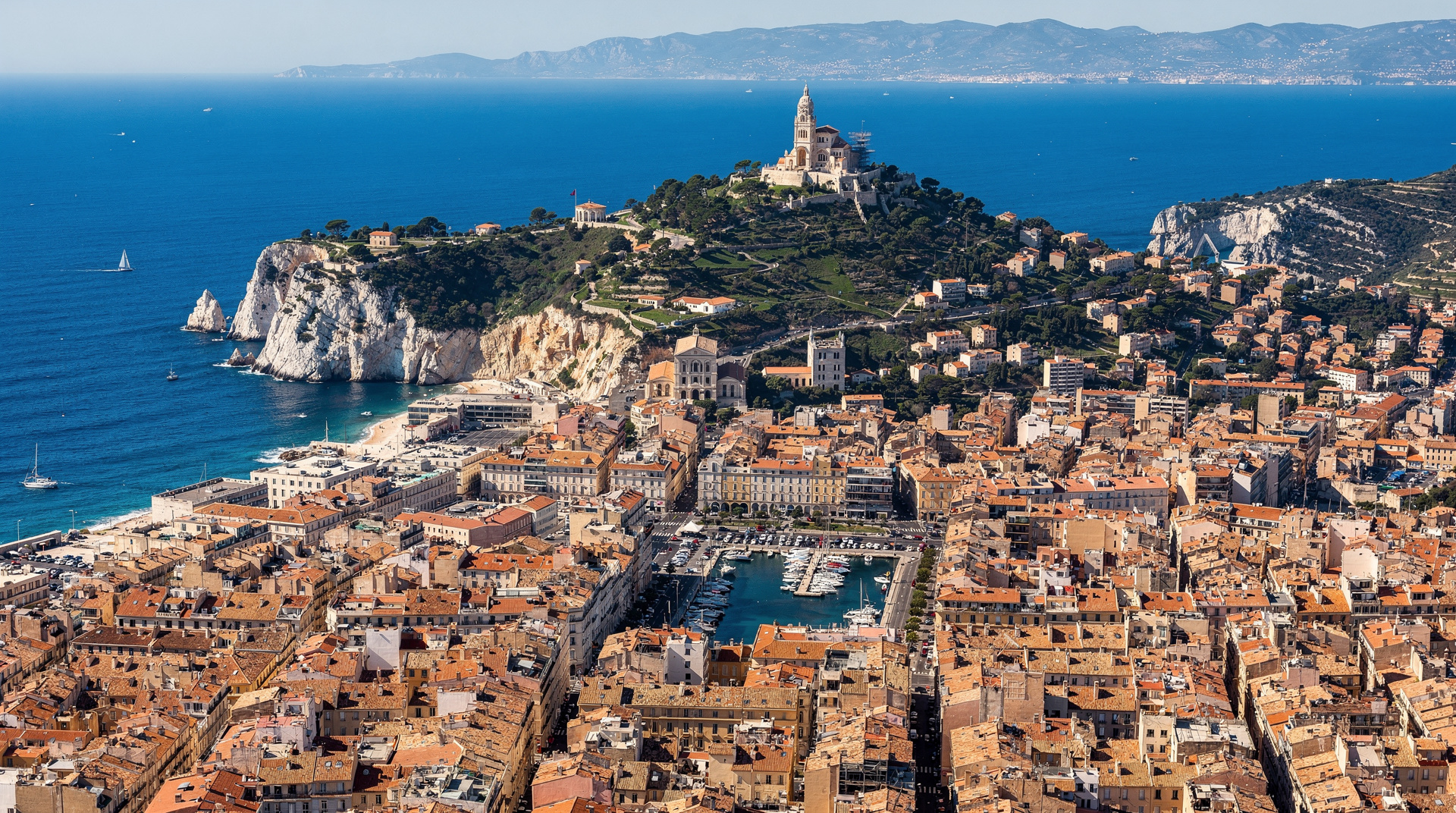
The tourist petit train from the Vieux-Port passes through Le Panier on its way to Notre-Dame de la Garde — a good option for families with young children who would struggle with the 154-metre climb. The basilica at the top has an excellent panorama and the votive model ships inside fascinate children (and adults). Round trip approximately 12–15 EUR per adult, 8–10 EUR per child; children under 4 free. Departures every 30–40 minutes from the Vieux-Port.
Evening: dinner near the Vieux-Port (19:00–21:00)
For families, the restaurants on Cours Estienne d’Orves or the streets immediately behind the south quai are better than those right on the waterfront (less tourist-facing, more flexible with children). Budget 15–20 EUR per adult for a plat du jour; children’s menus are common in this area.
Day 2: Frioul Islands boat trip and Prado beaches
Morning: Frioul Islands (9:30–13:00)
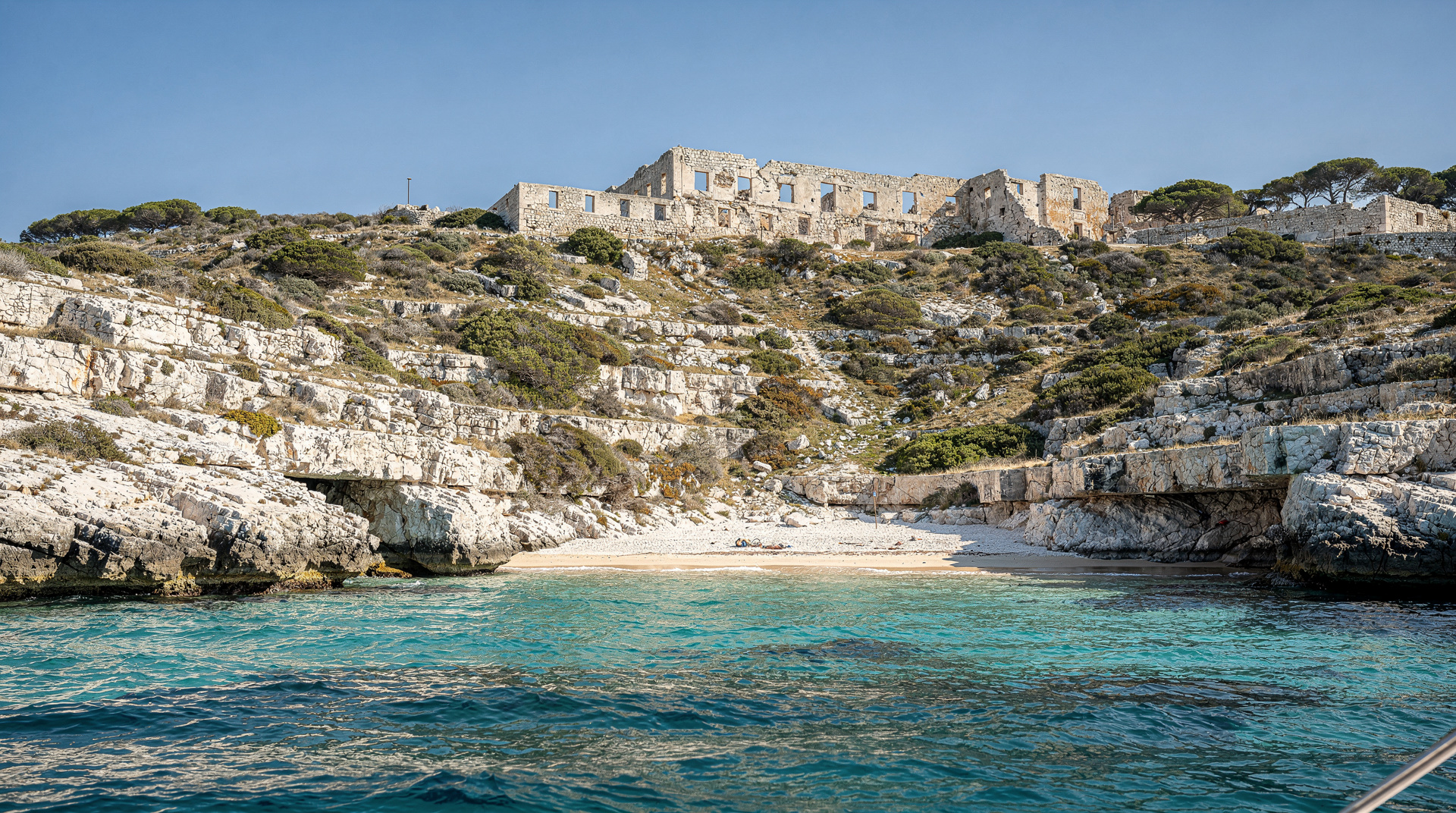
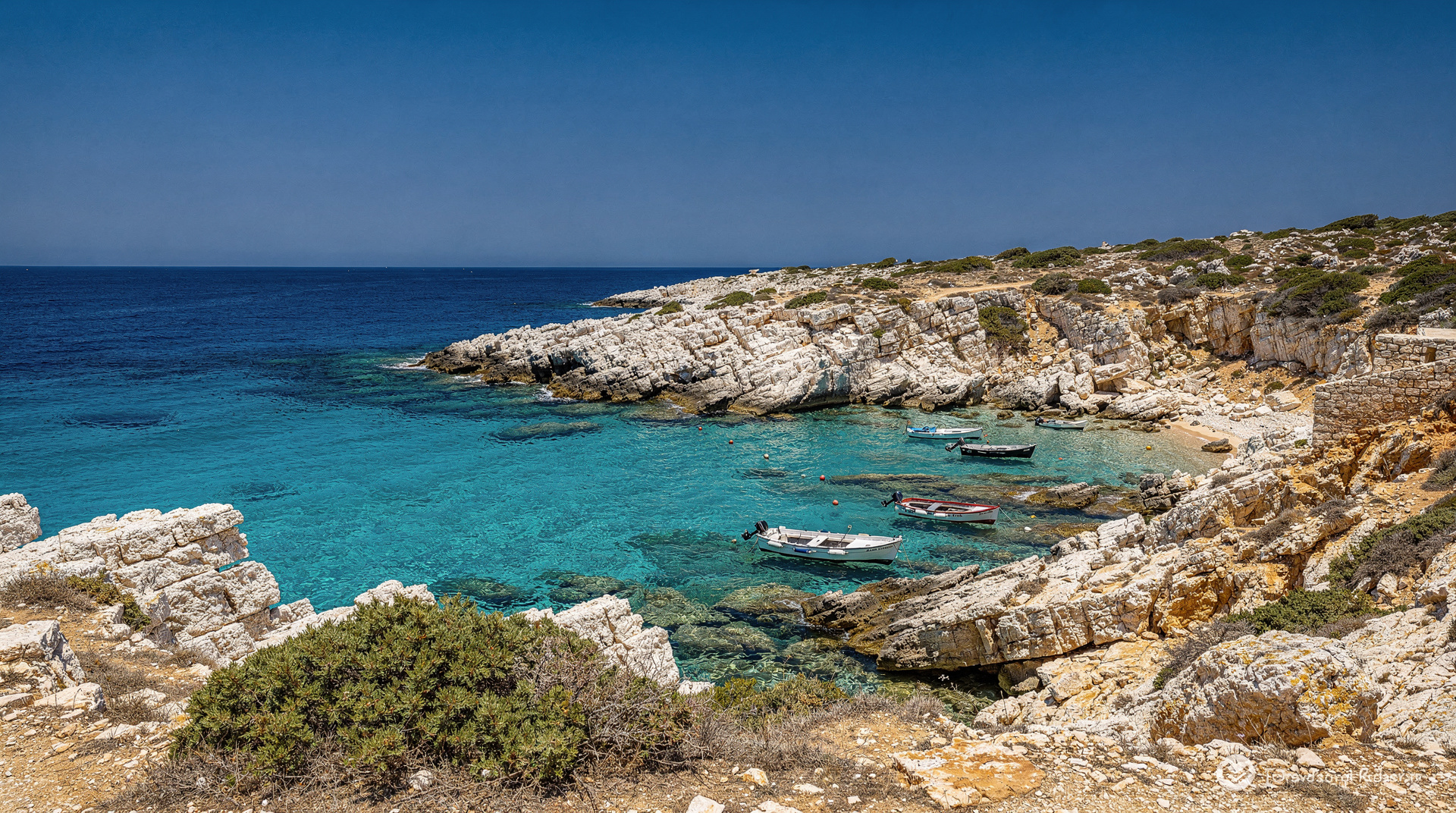
The Frioul Islands — four rocky limestone islands about 2 km offshore from the Vieux-Port — are the most family-appropriate boat excursion from Marseille. The ferry from the Vieux-Port (Quai des Belges) takes approximately 20 minutes to Ratonneau island. Ferries run roughly every 30–60 minutes in season; the first departure is typically around 9:00.
On the islands:
- Small coves with very clear turquoise water — accessible by a 15–20 minute walk from the ferry landing. The beaches here are rocky but perfect for snorkelling in calm conditions.
- The ruined Hôpital Caroline (18th-century quarantine hospital) — a fascinating ruin to explore with older children.
- Château d’If — the island fortress made famous as the setting of Dumas’s The Count of Monte Cristo is a separate ferry stop en route (additional entry fee approximately 7–9 EUR). For children who know the story, this is a genuine thrill; for younger children who do not, it is a nice castle ruin.
Bring sunscreen, hats, water, and reef shoes or flip-flops for the coves. Food on the islands is limited and expensive — pack a light picnic or eat before departure.
Return to the Vieux-Port by approximately 12:30–13:00.
Afternoon: Prado beaches (14:30–18:00)
After lunch near the Vieux-Port, take bus 83 south from the Vieux-Port along the Corniche Kennedy to the Prado beaches (about 25 minutes). The Prado beaches are the best family beach in Marseille: free, sandy, with a grass promenade for ball games, lifeguards in season (June–September), and calm water. The area around the David replica statue is the main family gathering point.
In June–September the water is warm enough for children’s swimming. In May and October, it is cool but usable for active older children. Bus 83 back to the Vieux-Port runs frequently until late evening.
Evening: Vallon des Auffes (19:00–21:00)
Stay on the Corniche route for the evening — Vallon des Auffes is a tiny traditional fishing cove below the Corniche promenade, a 10-minute walk from the Prado beach zone. A steep staircase leads down to a dozen fishing boats moored in a slot of protected water surrounded by stone buildings. The cove has two restaurants (booking recommended in season) and a permanently magical atmosphere that even children notice.
Day 3: Cassis day trip
Getting there: TER from Gare Saint-Charles (9:30)
Cassis by TER train is 22 minutes from Gare Saint-Charles (approximately 7 EUR per adult, children under 12 at reduced fares). The Cassis station is 3 km from the port — take the Marcouline shuttle bus (Ligne M1, about 10 minutes) or walk the 3 km downhill in 30 minutes. For families with young children, the bus is the right choice.
Morning: Cassis port and boat tour (10:15–13:00)
Cassis is a small, charming port village with a pace that suits families — not overwhelming in scale, but genuinely beautiful. The limestone cliffs of Cap Canaille frame the town from above; the port is compact and walkable in 20 minutes.
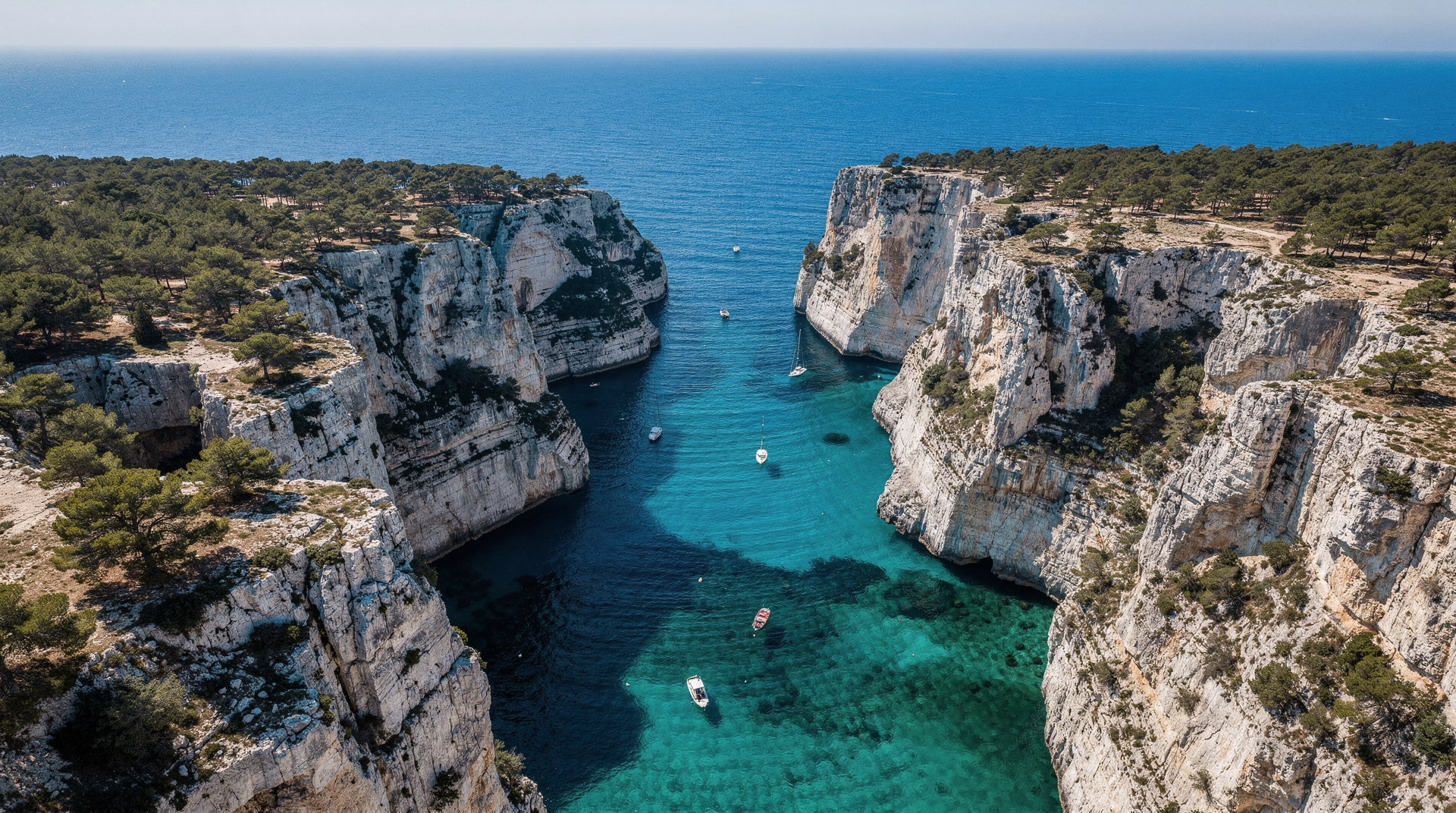
From the port, take a Calanques boat tour — the 1-hour circuit covers the three main Cassis-side calanques (Port-Miou, Port-Pin, En-Vau) from the water. For children, the combination of crystal-clear water in enclosed limestone inlets and the experience of approaching the cliffs by boat is memorable. The 2-hour tour with a swim stop at En-Vau is better if your children are confident swimmers and the sea is calm.
Afternoon: town, beach, and ice cream (13:00–17:30)
After the boat tour, lunch on the port — fresh grilled fish or moules-marinières. Most restaurants in Cassis have children’s menus (typically 10–14 EUR) with straightforward options. After lunch, the beaches west of the port (Plage de la Grande Mer, Plage du Bestouan) are sandy and calm — suitable for a short afternoon swim before the journey back.
The town itself has ice cream shops and a small market. For older children interested in wine, the sight of the Cap Canaille vineyards visible from the port introduces the concept of Cassis AOC wine in a memorable way — visible connection between landscape, vines, and the glass.
Return to Marseille: 17:30
TER trains back to Gare Saint-Charles run approximately once per hour. Journey: 22 minutes. Last train that comfortably allows dinner in Marseille is typically around 17:30–18:00.
What to book in advance
- Frioul Islands ferry — no advance booking required, but check seasonal schedules at frioul-if-express.com. In July–August, the first ferries fill up quickly — arrive at the quai by 9:00–9:30.
- Château d’If — entry can be paid on arrival. Recommended for families with children 10 and up who know the Dumas story.
- Cosquer Cave — book online in advance; popular in school holiday periods.
- Cassis boat tour — operators board at the port; no advance booking required outside peak summer. In July–August, arrive early.
- Notre-Dame de la Garde petit train — no advance booking, but arrive early at the Vieux-Port departure point in July–August.
Variations
For younger children (under 6): Replace the Frioul Islands boat trip with the hop-on hop-off bus tour — a comfortable 1.5-hour loop covering the main sights without too much walking. Skip the Cassis boat tour in favour of a simpler harbour boat trip from the Vieux-Port.
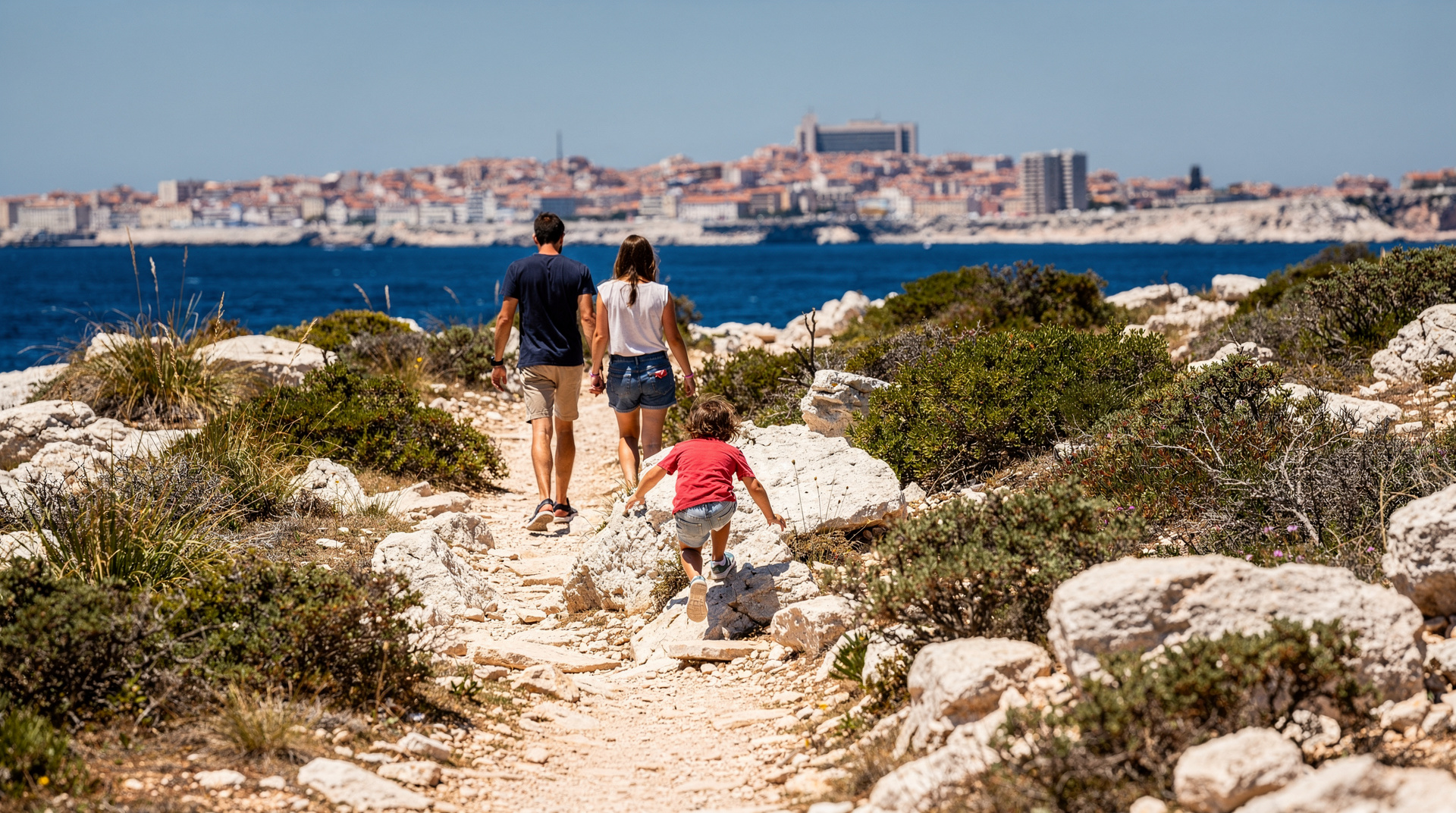
For adventurous older children (12+): The full Calanques boat tour with swimming from Marseille (Day 2 morning, 3–4.5 hours) is more exciting than the Frioul trip. Add a short guided hike in the Calanques on Day 2 afternoon if fire risk permits — the path from Luminy to Sugiton is manageable for fit children aged 12 and up with good footwear.
In summer (July–August): Start Prado beach on Day 2 as early as 10:00 to avoid afternoon peak heat; the Frioul Islands are best done early when the ferry is less crowded. Sunscreen is non-negotiable from June through September.
For families with a car: Adding a car on Day 3 unlocks the Cap Canaille viewpoint from above (20 minutes from Cassis port) and the drive along the Route des Crêtes — a cliff-top road between Cassis and La Ciotat with vertiginous views. Without a car, the boat view of Cap Canaille from below is still excellent.
Making the most of Marseille with children: honest advice
What children actually respond to in Marseille
In experience, the things children remember most from Marseille are not the things you plan carefully — they are the moments of surprise. The ferry crossing the Vieux-Port for 50 cents (children delight in the disproportionate smallness of the voyage relative to the cost). The fishermen at the quai selling sea urchins from plastic trays at 8:30 in the morning. The sight of the Frioul Islands appearing from the ferry bow. The descent down the Corniche steps into Vallon des Auffes and the realisation that the tiny cove exists at all.
That said, certain activities predictably work for children at different ages:
Ages 4–8: The Vieux-Port (boats, ferry, waterfront activity), the petit train to Notre-Dame de la Garde (the ride itself, not the basilica), the Frioul Islands (short boat trip, safe coves), and the Prado beaches (sand, calm water).
Ages 8–12: Cosquer Cave replica (prehistoric art, underwater context), Château d’If if they know the Count of Monte Cristo story, Le Panier on foot (street art, staircases, mystery), and a Calanques boat tour (the water colour and cliff scale are genuinely impressive at this age).
Ages 12+: Full Calanques boat tour with swimming, the possibility of a guided hike (Sugiton is accessible for fit teenagers with good footwear), Cassis via ferrata for the adventurous, and the Frioul Islands for independent exploration.
Practical notes for families in Marseille
Strollers and pushchairs: Le Panier is steeply hilly with cobblestones and many steps — difficult to impossible with a pushchair. The Vieux-Port quais are flat and pram-accessible. Notre-Dame de la Garde is only reachable by steep paths or the petit train; the petit train is the only pushchair-compatible option.
Food for children: Marseille has excellent family-friendly food options. The Noailles quarter has excellent street food — Tunisian brik pastry (egg fried in thin pastry, 3–4 EUR), fresh fruit juices, and pastries — that most children enjoy. Crêpes and panisses (chickpea fritters) from quayside stalls near the Vieux-Port are reliable options. Sit-down restaurants throughout the city have children’s menus (typically 8–14 EUR) with simpler options.
Avoiding pickpockets with children: The Vieux-Port fish market and the streets around the main tourist attractions have active pickpockets in summer. Keep bags zipped and in front, particularly when children are demanding attention. Noailles market is similarly urban and busy — same precautions apply. This is not a reason to avoid either place; it is standard city awareness that families in any major Mediterranean city should maintain.
Beach safety: The Prado beaches have lifeguards on duty June–September. The Frioul Island coves do not have lifeguards — the water is clear and calm in good conditions, but children should be supervised. The sea around Marseille is generally calm in summer but can have sudden swells in windy conditions.
The Cassis day from a child’s perspective
Cassis works well for family day trips primarily because of the boat. The combination of a harbour departure, approaching the limestone cliffs from the sea, and the turquoise water at the calanques is a sequence that engages children across a wide age range. The 1-hour boat circuit (covering the three main calanques without a swim stop) is sufficient for younger children who might tire on a 2-hour tour; the 2-hour version with swimming at En-Vau is better for children aged 8 and up who are confident swimmers.
After the boat, Cassis town is compact enough that children do not get bored waiting for adults. The beach west of the port (Plage de la Grande Mer) is a reliable afternoon option — sandy, calm, and close enough to the port that you are not stranded from restaurants and facilities. The local ice cream shops on the port quai serve as a reliable end-of-afternoon reward for a successfully navigated day trip.
Day-by-day summary
| Day | Focus | Pace |
|---|---|---|
| 1 | Vieux-Port, Fort Saint-Jean, Le Panier, Notre-Dame de la Garde | Moderate walking, one hill (or petit train) |
| 2 | Frioul Islands boat, Prado beaches, Vallon des Auffes | Light walking, water-heavy |
| 3 | Cassis day trip by train, boat tour, beach | Train + boat, minimal walking |
If the weather turns
Marseille’s few rainy days are usually short, sharp winter or autumn showers rather than all-day washouts, but if Day 1 or Day 3 is wiped out, the Cosquer Cave replica and MuCEM’s indoor galleries are the best rainy-day family options — both fully covered and close to the Vieux-Port. Skip the Frioul Islands and Cassis boat trips on genuinely windy days regardless of rain: the crossing gets uncomfortable for young children well before it becomes unsafe, and operators sometimes cancel with little notice. Check the Calanques by season for how wind and mistral affect boat access more broadly.
Frequently asked questions about Marseille with family
Is three days enough for Marseille with children? Yes, for a first visit — this itinerary balances city, islands, and one coastal day trip without over-scheduling. Families wanting more depth (a second beach day, or the Calanques hike for older children) are better served by the 5-day Marseille and Provence itinerary.
Do we need to rent a car for this itinerary? No — every stop is reachable by metro, bus, ferry, or the TER train to Cassis. See the car-in-Provence guide for when a car genuinely helps versus when it is unnecessary weight.
Top experiences
Bookable activities with verified prices and instant confirmation on GetYourGuide.