Frioul Islands, Marseille
The Frioul archipelago — Ratonneau and Pomègues — by ferry from Marseille: swimming coves, stone fortifications, wild landscape and sunset views.
Marseille: Frioul Islands boat tour with swim stop
Duration: 2 hours
Quick facts
- Ferry from Vieux-Port
- ~25–30 min; around EUR 14 return
- Operator
- Frioul-If Express (lebateau-frioul-if.fr)
- Two main islands
- Ratonneau and Pomègues (connected by a causeway)
- Services on the islands
- One restaurant at the Port de Frioul; no shops, bring water
- Swimming
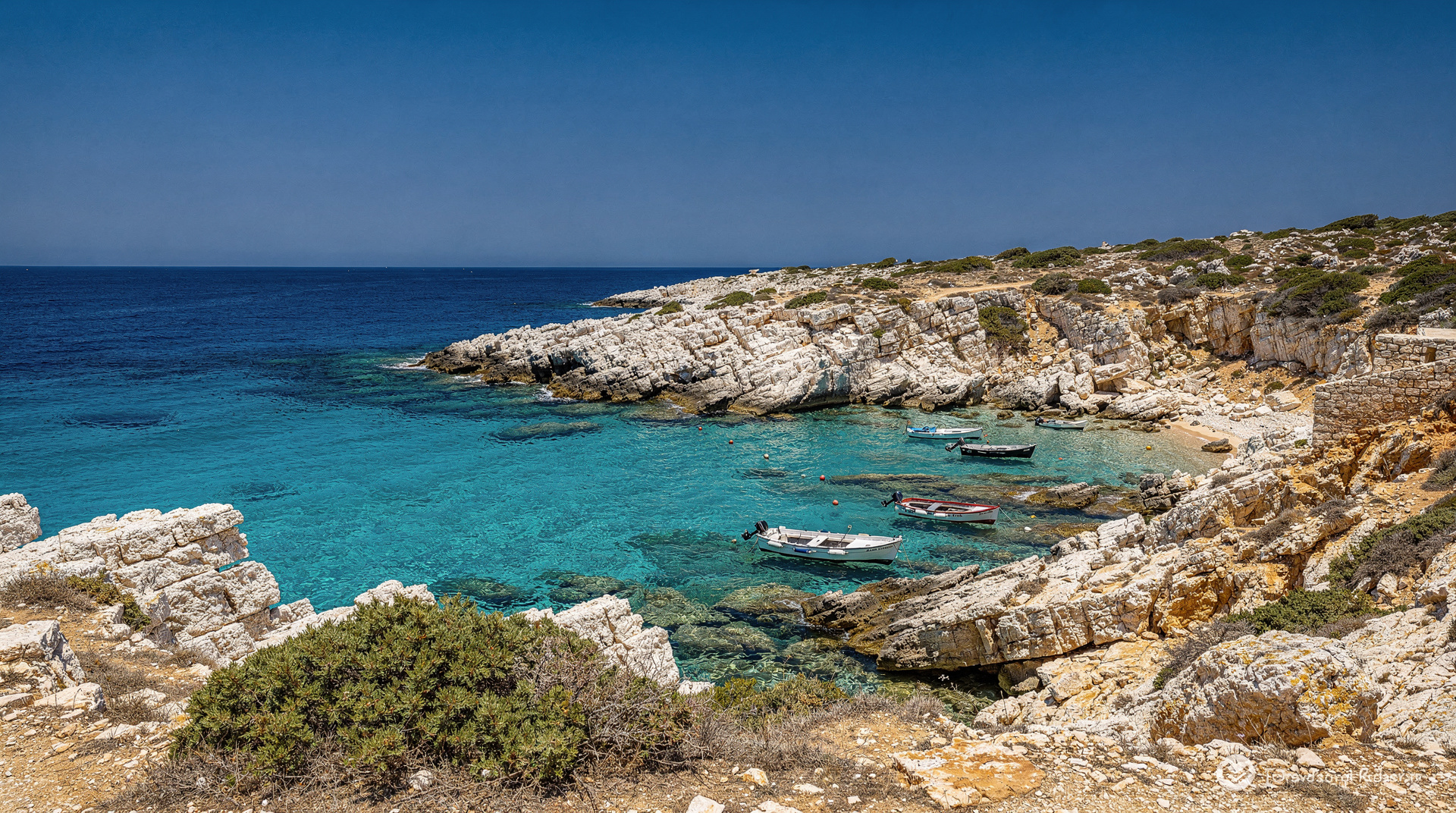
- Multiple coves (calanques); no sandy beaches, rocky entry
Four islands, 25 minutes from the Vieux-Port
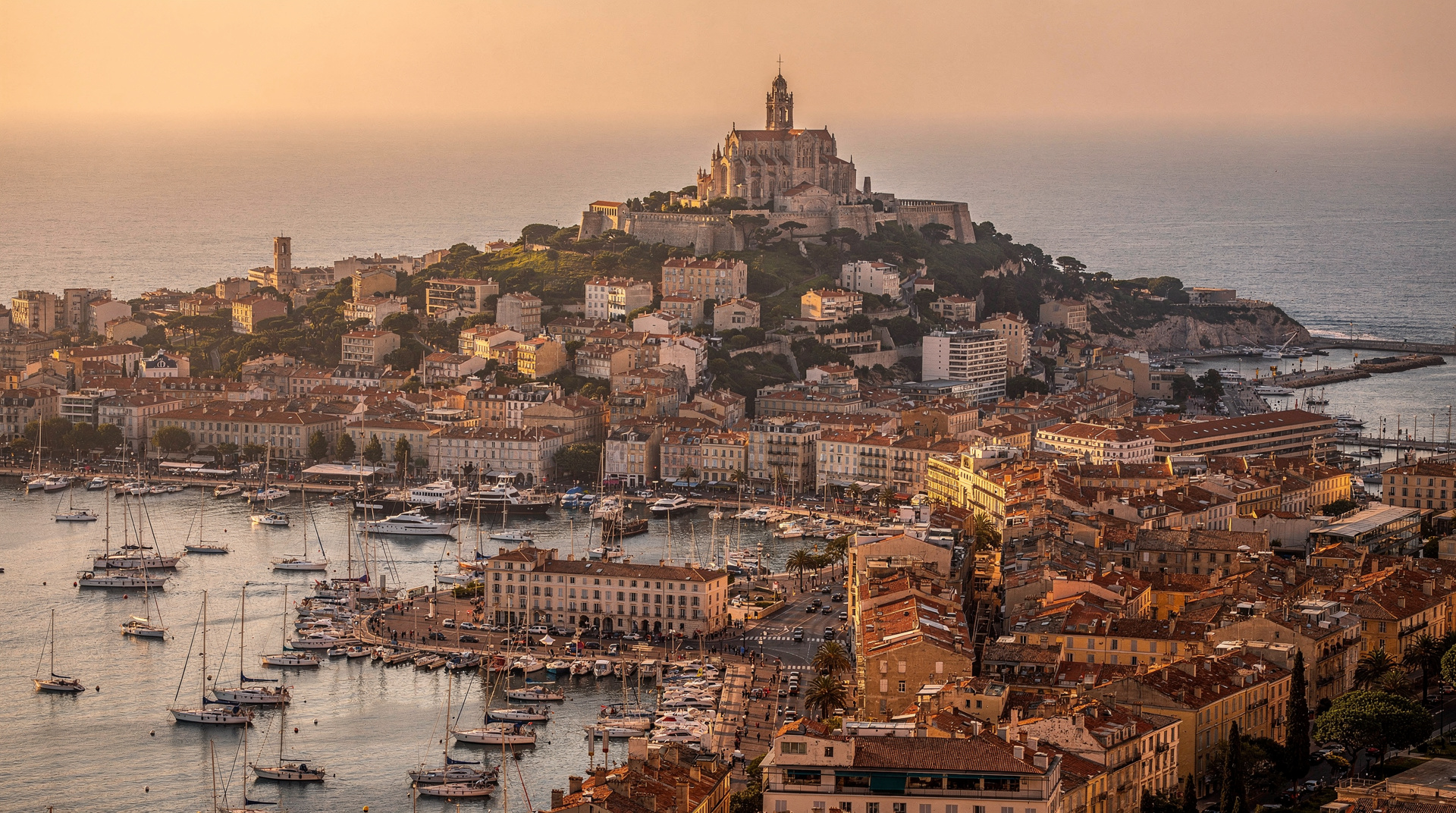
The Frioul archipelago consists of four islands — Pomègues, Ratonneau, Tiboulen de Maïre, and the tiny Île Maïre — anchored in the Bay of Marseille approximately 3 kilometres offshore from the Vieux-Port. Pomègues and Ratonneau are the main inhabited (barely) islands, connected by a causeway that encloses the artificial Port de Frioul between them. Together they cover about 200 hectares of limestone, scrubby garrigue, rocky coves, and extraordinary water.
| At a glance | |
|---|---|
| Where | Bay of Marseille, ~3 km offshore from the Vieux-Port |
| Cost | Ferry around EUR 14 return; free once on the islands (bring your own food/water) |
| Time needed | Half day (3–4 h) minimum; a full day allows both islands and multiple coves |
| Getting there | Frioul-If Express ferry from Quai du Port, ~25–30 min crossing |
| Best time | June–September for swimming; spring for quieter walking and wildflowers |
The appeal is deceptive at first glance: the Frioul Islands look arid and unprepossessing from a ferry photograph. In person, the combination of clear turquoise water in sheltered coves, the white limestone landscape, the silence (compared with Marseille), and the massive stone fortress complex of the Hôpital Caroline make the visit significantly more interesting than the photographs suggest.
The ferry from the Vieux-Port
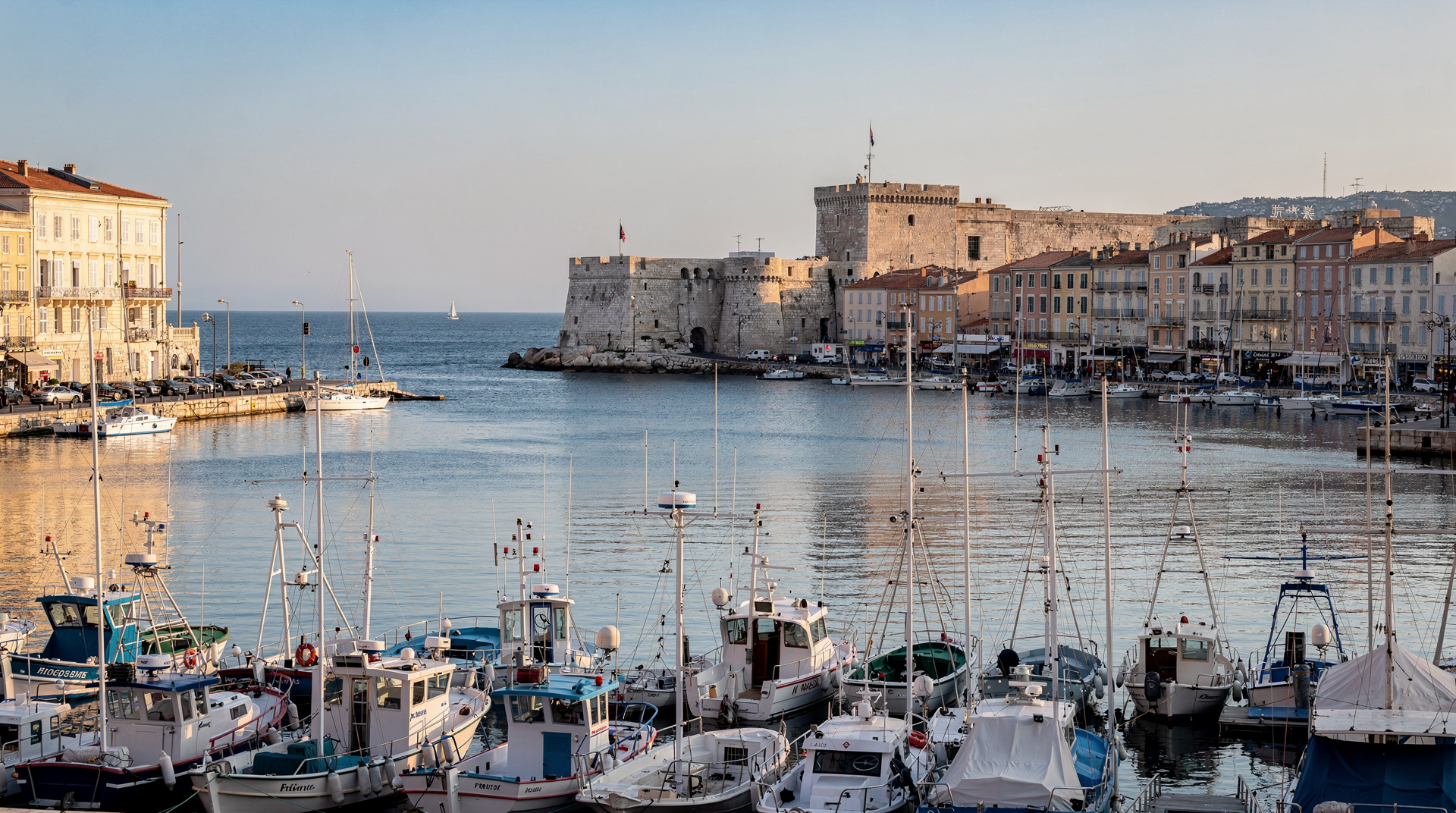
The public ferry to the Frioul Islands (and Château d’If) is operated by Frioul-If Express from the Quai du Port (north shore of the Vieux-Port). Ferries run throughout the day from early morning to late evening — in summer (June–September) departures are every 30–60 minutes during peak hours. In winter the schedule reduces significantly.
Ferry crossing time to Frioul is approximately 25–30 minutes. The return ticket price is approximately 14 EUR per adult. Tickets are bought at the kiosk at the Quai du Port or online in advance (recommended in peak season to avoid queuing). Weather cancellations happen occasionally — check conditions before travelling in winter.
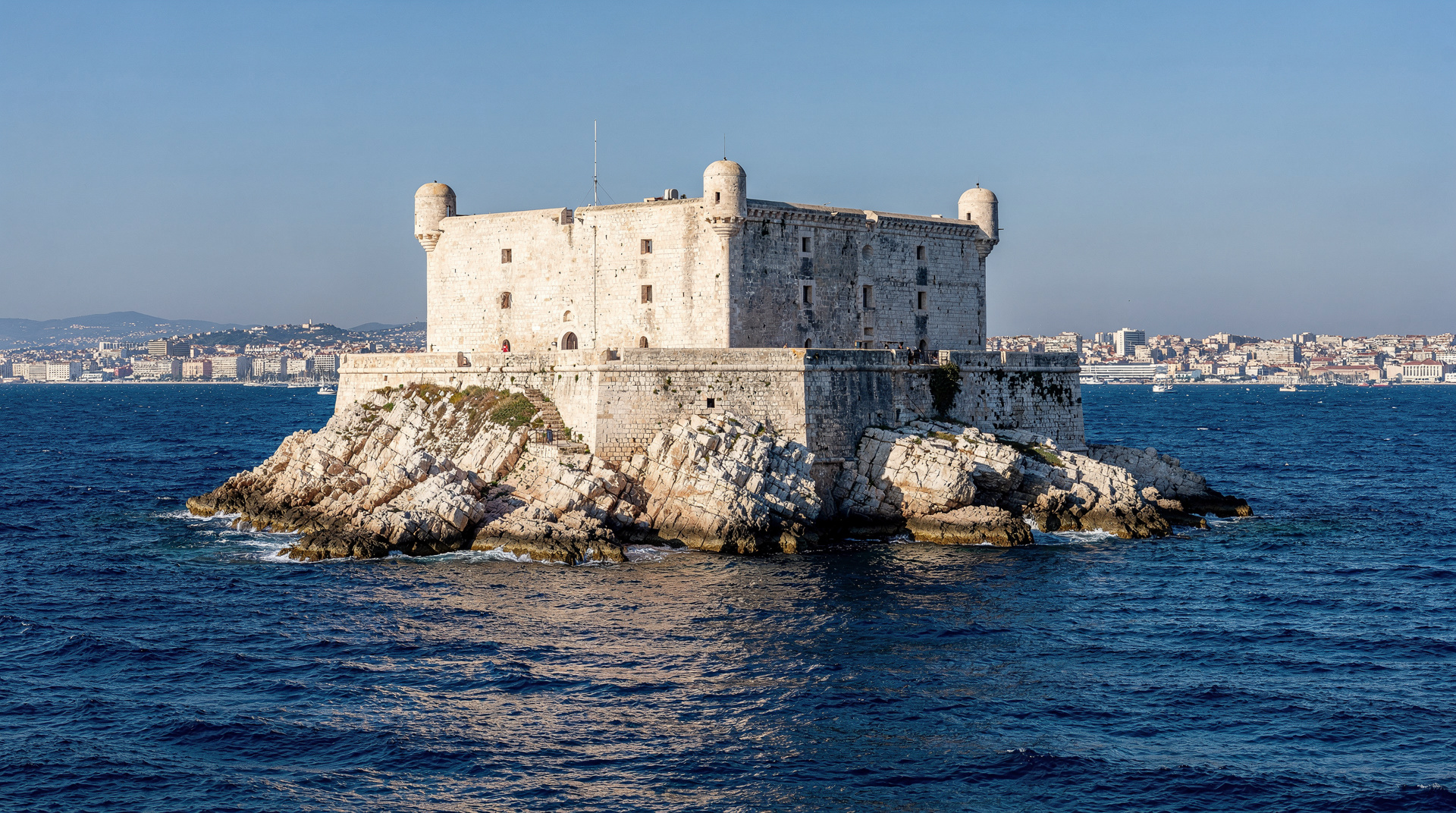
You can also combine Frioul and Château d’If on the same ferry trip (the ferry stops at both). See the Château d’If guide for details on the fortress.
Ratonneau: the main island
Ratonneau is the larger of the two main islands and the one with the most to explore. The ferry docks at the Port de Frioul on the causeway side. From here, paths radiate across the island:
North coast: A rocky coastal path runs along the north-facing shore with views back toward Marseille. The city, Notre-Dame de la Garde visible on its hill, and the container cranes of the Joliette port form a panorama that makes the 3-kilometre separation feel larger than it is. Wind exposure on the north coast can be significant in a mistral.
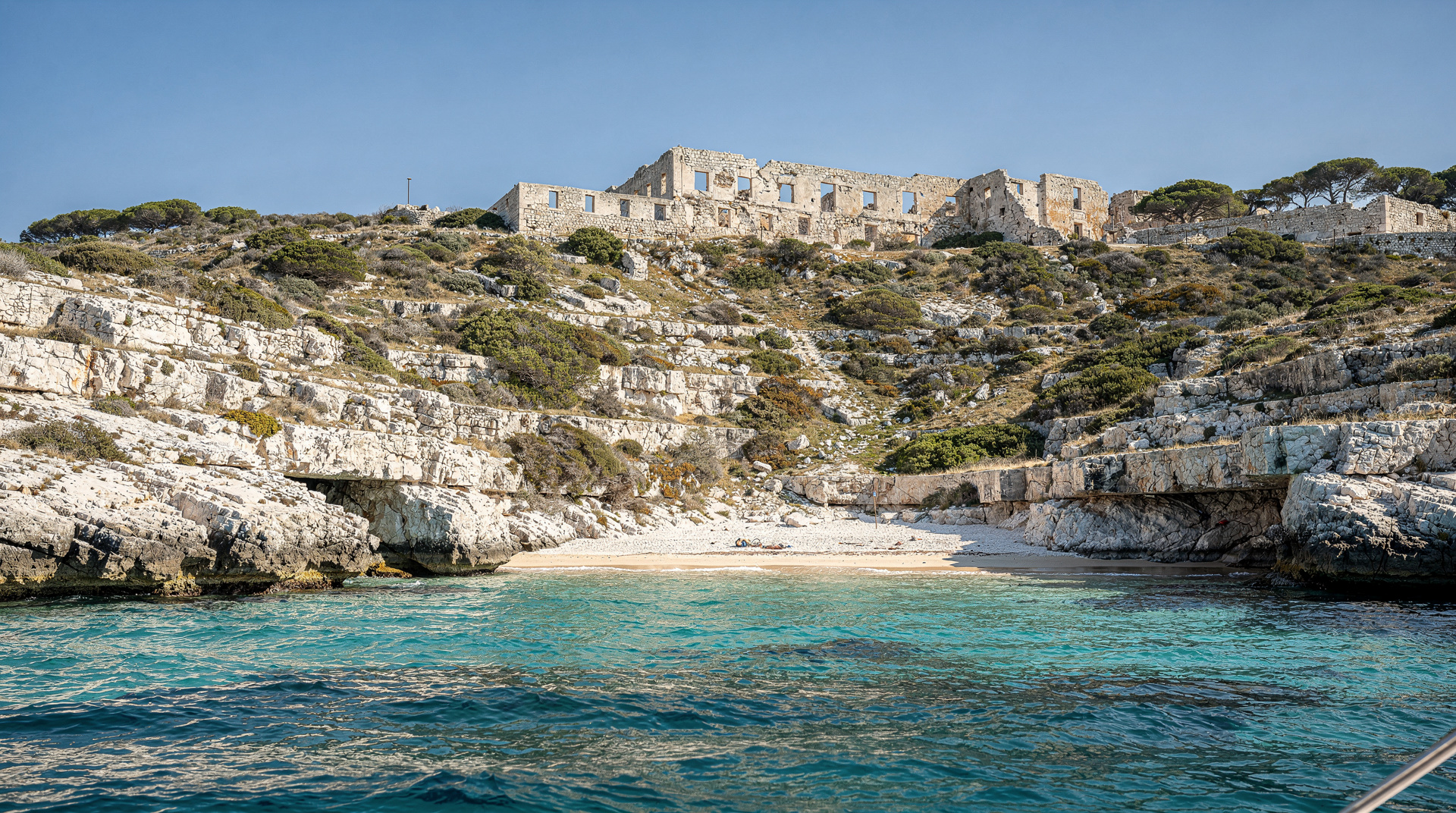
Hôpital Caroline: The ruined fortress complex on Ratonneau’s eastern end was built in the late 18th century as a quarantine hospital — ships arriving at Marseille with plague or epidemic disease aboard were diverted here. The stone walls, arched galleries, and internal courtyards of the Caroline complex have been partially stabilised but remain essentially in ruin. The site is extraordinary: a massive stone institution abandoned to the elements, with the sea visible through every gap in the walls. Access on foot takes about 30 minutes from the Port de Frioul.
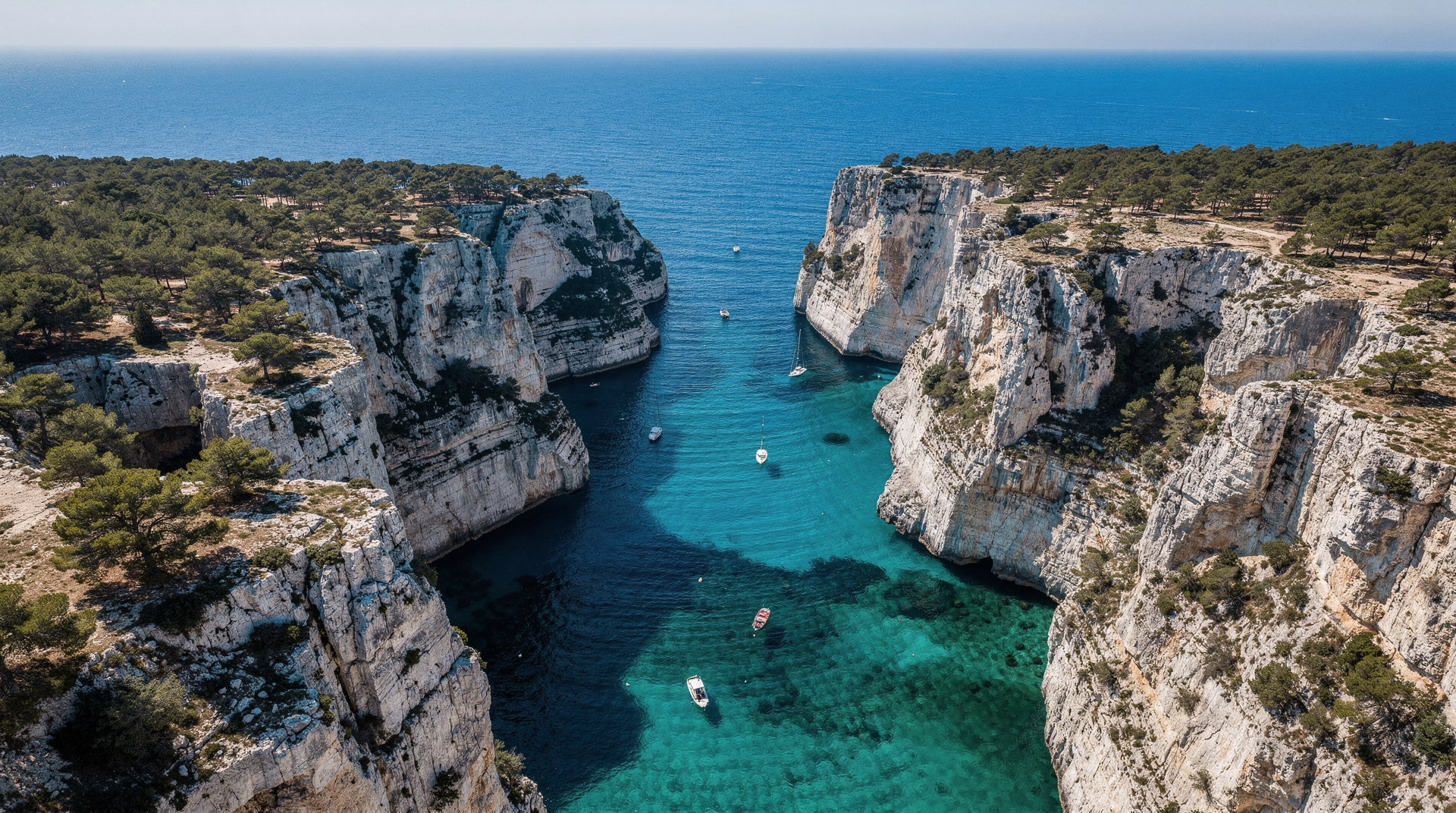
Swimming coves: The south-facing coves of Ratonneau are sheltered from the mistral wind and have clear water over rocky and sandy bottom. The most popular are reachable in 15–20 minutes on foot from the ferry dock. Entry is by rock and ladder; there is no sand. The depth drops quickly, the water clarity in summer is excellent (10–15 metre visibility), and the underwater life includes sea urchins, bream, and octopus on the rocky areas.
Pomègues: quieter and wilder
Pomègues, connected to Ratonneau by the causeway enclosing the Port de Frioul, is less visited and wilder. A military installation occupies part of the island (not accessible to visitors), but the southern and western portions are open for walking. The coastal path on the western side has views toward the Calanques coastline and occasional sightings of shearwaters and other seabirds.
There are no services on Pomègues — no cafés, no toilets. Take everything you need.
Practical information
What to bring: Water (at least 1 litre per person; it is hot and exposed on the islands in summer), food (the single restaurant at Port de Frioul is limited; a picnic is more reliable), sunscreen, a hat, and swimming gear. Rocky entry to the water requires water shoes or fins.
Time needed: A half-day (3–4 hours) covers a ferry crossing, a walk to the Hôpital Caroline, a swim in one cove, and the return ferry. A full day allows you to explore Pomègues and multiple coves with a proper picnic lunch.
Crowds: Frioul is less visited than the Calanques by boat tour, but in July and August the swimming coves become moderately busy on the ferry’s peak departures. Going on a weekday or taking a very early ferry makes a significant difference.
Wind: The Frioul Islands are exposed to the mistral. On high-wind days (which can be frequent in spring and autumn) the exposed north coast paths are very windy and the sea may be rough. The sheltered south-facing coves remain manageable in moderate mistral.
Sunset from the Frioul Islands
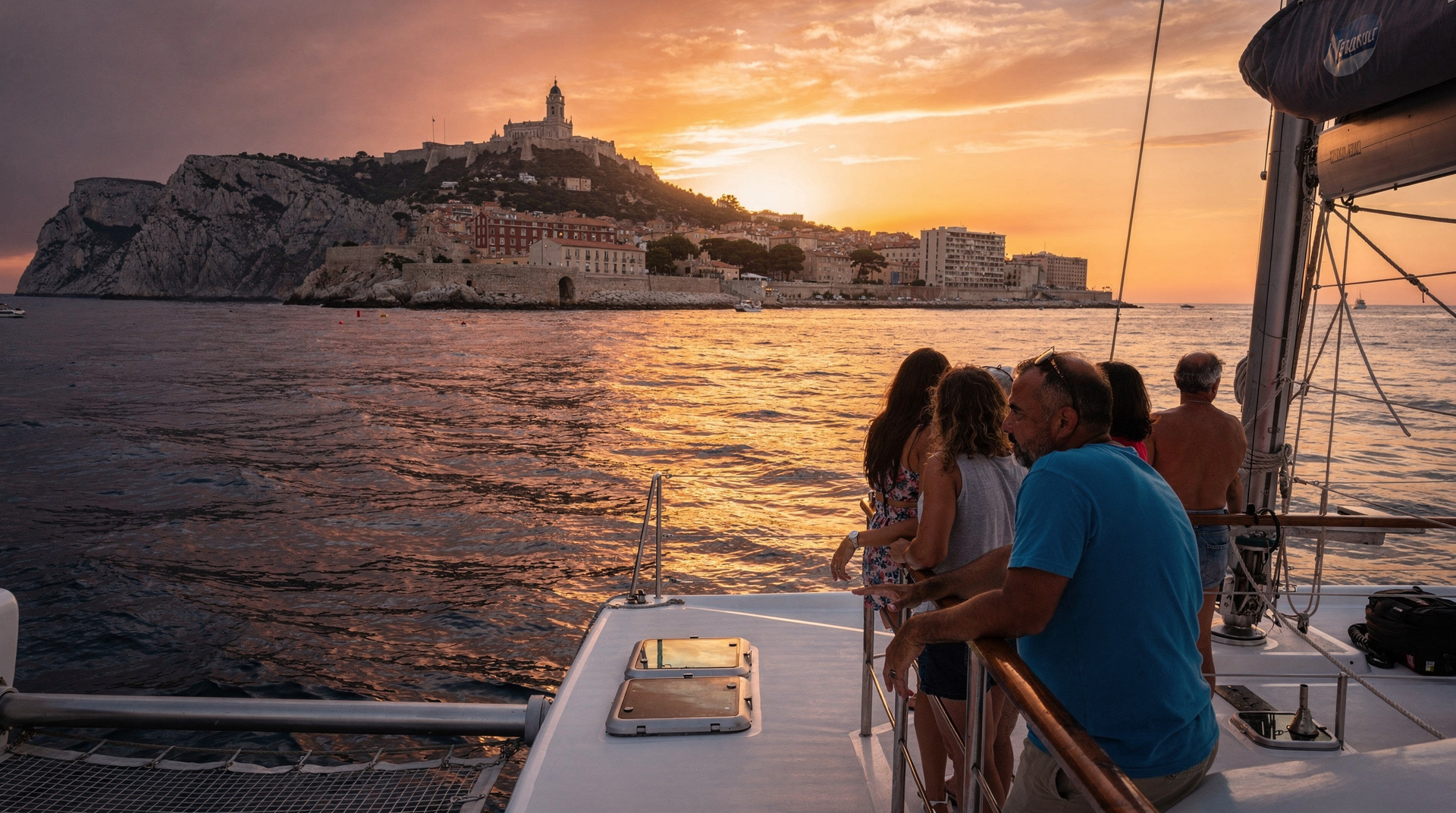
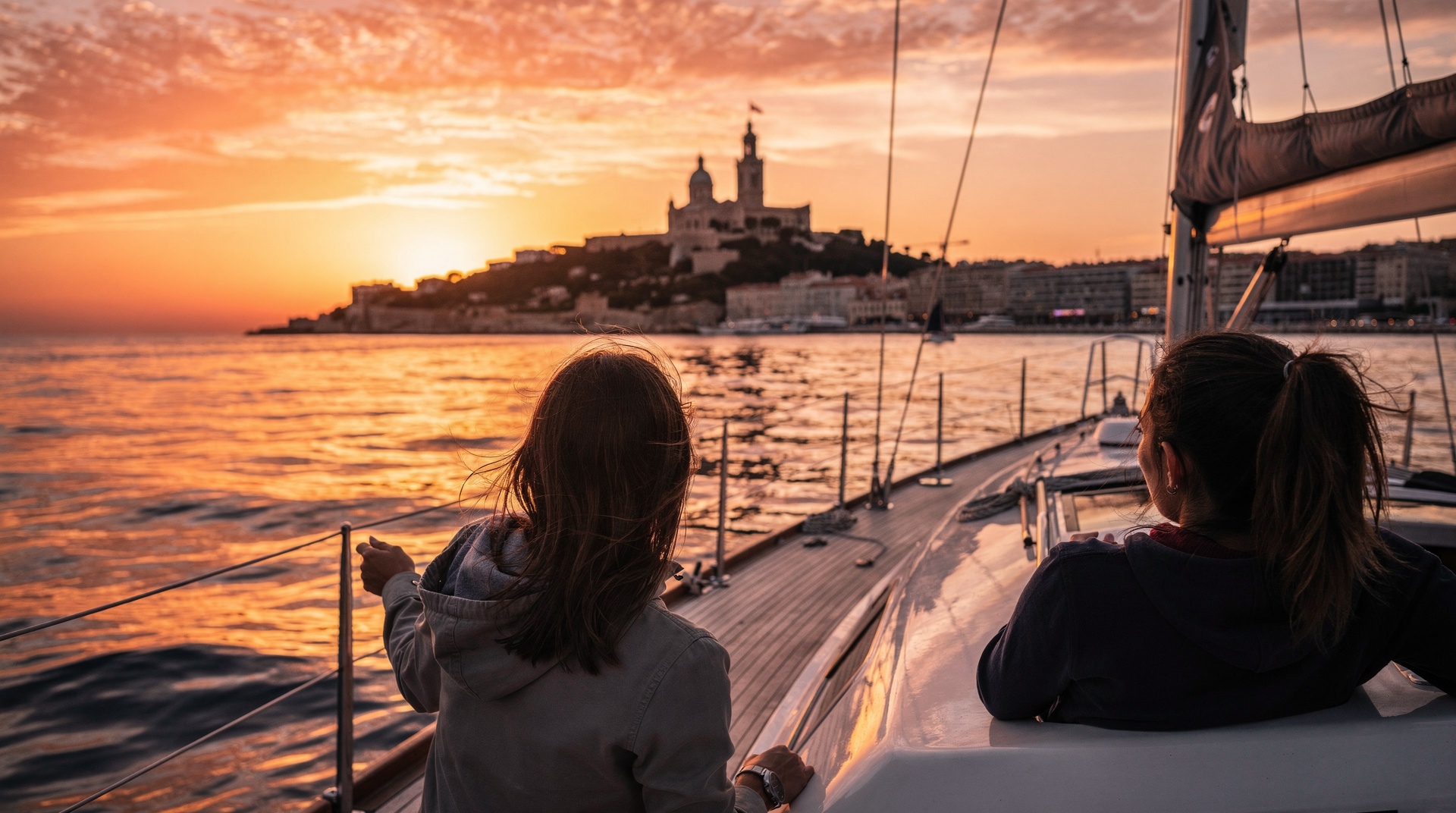
The Frioul archipelago sits west of Marseille’s urban mass, with a clear western horizon. Sunset cruises departing the Vieux-Port in late afternoon typically stop near the islands as the sun drops — the light on the white limestone of the islands, with the city silhouetted to the east, is one of the more striking scenes in the bay.
Several operators run evening sunset cruises that combine a circuit of the bay with Frioul and Château d’If views before returning to the Vieux-Port as darkness falls. These are typically 1.5–2 hours and depart around 17:00–19:00 depending on the season.
Combining Frioul with Château d’If
The ferry stops at both Frioul and Château d’If, making it practical to combine both in one trip. The typical sequence: cross to Château d’If first (20 minutes on the island), continue to Frioul (25–30 minutes on the next ferry call), spend 3–4 hours exploring and swimming, and return. You need 4–5 hours for a comfortable combined visit.
See the Château d’If guide for entry pricing, opening hours, and what to see inside the fortress.
The Frioul landscape: arid beauty
The islands look harsh in midsummer — bare white limestone with sparse vegetation, no trees, and the full force of the Mediterranean sun. This is not a lush island escape. It is a landscape that makes sense in the context of Provence: garrigue-adapted plants (sea lavender, wild fennel, dwarf palm), nesting seabirds, and the silence that comes from being genuinely offshore from a city of 900,000 people.
In spring (March to May), the islands are carpeted in wildflowers — yellow sand marigold, pink sea campion, and blue anchusa — and the combination of white limestone, blue sea, and coloured vegetation is extraordinary. This is the best time visually, with comfortable temperatures and minimal tourist pressure.
Birdwatching: The Frioul Islands are a registered bird protection zone. Yelkouan shearwater and European shag nest on the cliffs. Yellow-legged gull colonies are prominent. Bee-eaters and hoopoes appear in migration season.
History of the Hôpital Caroline
The Hôpital Caroline on Ratonneau was built between 1823 and 1828 as an isolation hospital (lazaret) for travellers arriving from plague-risk regions in the Middle East and North Africa. The institution operated through the 19th century, receiving thousands of passengers from ships quarantined in the bay. The scale of the complex — built entirely in dressed stone, with arched arcades, a chapel, a water cistern, and administrative buildings — was intended to process hundreds of detainees simultaneously. After 1900 it was progressively abandoned.
Today the ruins are accessible on foot from the Port de Frioul. One of the most genuinely atmospheric heritage experiences in the Marseille area — a massive stone institution abandoned to salt air and time, the sea visible through every gap in the walls.
Getting the most from the Frioul Islands
Best arrival time: The first or second ferry of the day (before 10:00) puts you on the islands before the peak crowds arrive. Swim coves on Ratonneau can fill by noon in July and August.
The single restaurant: The Port de Frioul has one seasonal restaurant — fine for a simple lunch of grilled fish, salad, and rosé. Book on summer weekends. The alternative is to bring a picnic, which is entirely practical at one of the rocky promontories above the swimming coves.
Return ferries: Check the ferry return schedule before you arrive on the island. Ferries run to a schedule that varies by season — missing the last ferry is an unlikely but genuine inconvenience.
For a complete overview of boat activities in the bay, see our Frioul Islands boat guide and the sunset cruise guide.
Planning the day around the ferry
Frioul works best as part of a wider Marseille plan rather than a stand-alone trip. If you are still deciding how to shape your stay, our Marseille for first-timers guide and the one-day itinerary show where a boat outing fits. The Vieux-Port area guide covers the quays, cafés and morning atmosphere around the ferry departure point, which makes a pleasant start or finish to the day.
Families will find the islands easy to manage: the walks are short, the coves are close to the dock, and there is plenty of room to spread out a picnic. Our family day out on Frioul and the practical ferry to the Frioul Islands guide go into more detail on logistics, while the Marseille with kids guide helps place the outing among other child-friendly plans.
If you want more swimming and boat options
The islands are one of several ways to get into the water around Marseille. If the rocky entry puts you off, compare them with the city’s best beaches in Marseille, or look at boat tours with swimming for trips that bring the swim stop to you. For a snorkelling-focused outing, see snorkeling near Marseille. Those who prefer dramatic cliffs to quiet islands can read the Calanques boat vs hike comparison before choosing.
Getting to the ferry
The Frioul-If Express ferry kiosk is on Quai du Port (north quai of the Vieux-Port), near the Fort Saint-Jean end. From the Vieux-Port métro station: walk north along the quai for about 10 minutes. From Le Panier: descend directly to the Quai du Port (5 minutes). From MuCEM: cross the Fort Saint-Jean footbridge and walk along the quai (10 minutes).
If you are staying in the old quarter, the Le Panier neighbourhood is the closest base, and the Vieux-Port page describes the harbour itself. Once the day is over, the sunset at Vallon des Auffes is a natural place to continue the evening.
Frioul vs Château d’If vs the Calanques
For visitors deciding between the bay’s boat-trip options, the three are quite different in character. Château d’If is a single ticketed fortress island, done in under an hour. The Frioul Islands are a half-to-full-day outing built around swimming and walking, with no entry ticket beyond the ferry. The Calanques, reached from Marseille or Cassis, deliver more dramatic cliff scenery but require either a longer hike or a paid boat tour. Combining Frioul with Château d’If on one ferry ticket, as described above, is the most efficient way to see two of the three in a single outing.
Frequently asked questions about Frioul Islands, Marseille
Can I swim at the Frioul Islands without a boat tour?
Yes — the public ferry from the Vieux-Port is all you need. Once on Ratonneau, several swimming coves are reachable on foot in 15–20 minutes, with no tour or booking required beyond the ferry ticket itself.
Is one island enough, or should I visit both Ratonneau and Pomègues?
Ratonneau has the most to see (the Hôpital Caroline ruins and the main swimming coves) and is enough for a half-day visit. If you have a full day, crossing the causeway to the quieter, wilder Pomègues is worth the extra walk for anyone who wants fewer crowds.
Top experiences
Bookable activities with verified prices and instant confirmation on GetYourGuide.