Marseille in one day: the perfect one-day itinerary
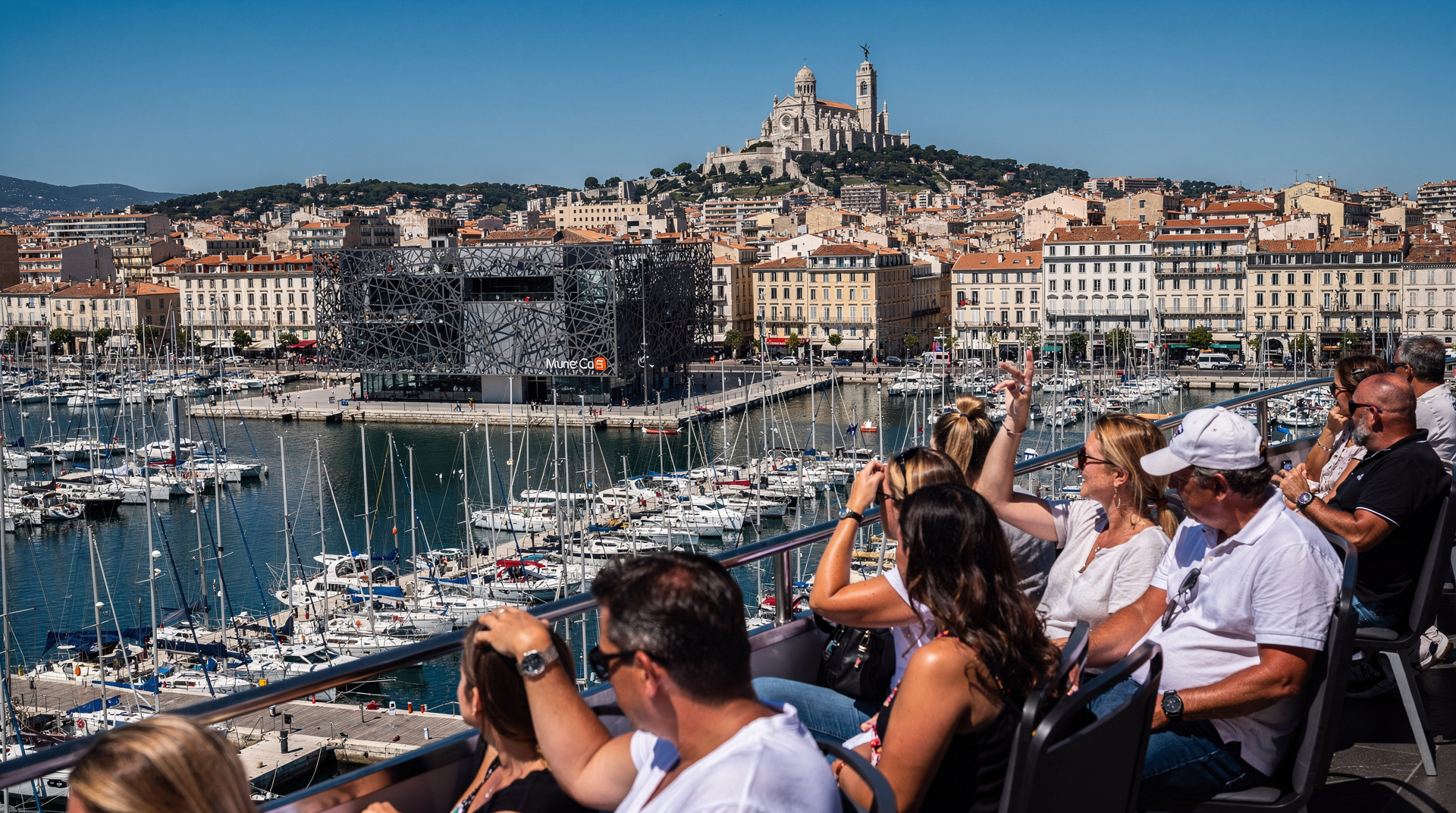
Marseille: city sightseeing hop-on hop-off bus tour
One day in Marseille is not enough to understand the city, but it is enough to catch the essential scenes: the working harbour at dawn, the limestone alleys of Le Panier, the concrete lace of MuCEM beside a medieval fort, and the golden Madonna looking out over everything from her hilltop basilica. The key is sequencing the day so you are not crossing town back and forth, and accepting in advance that you will leave wanting to return. That is the most honest outcome a single day can deliver.
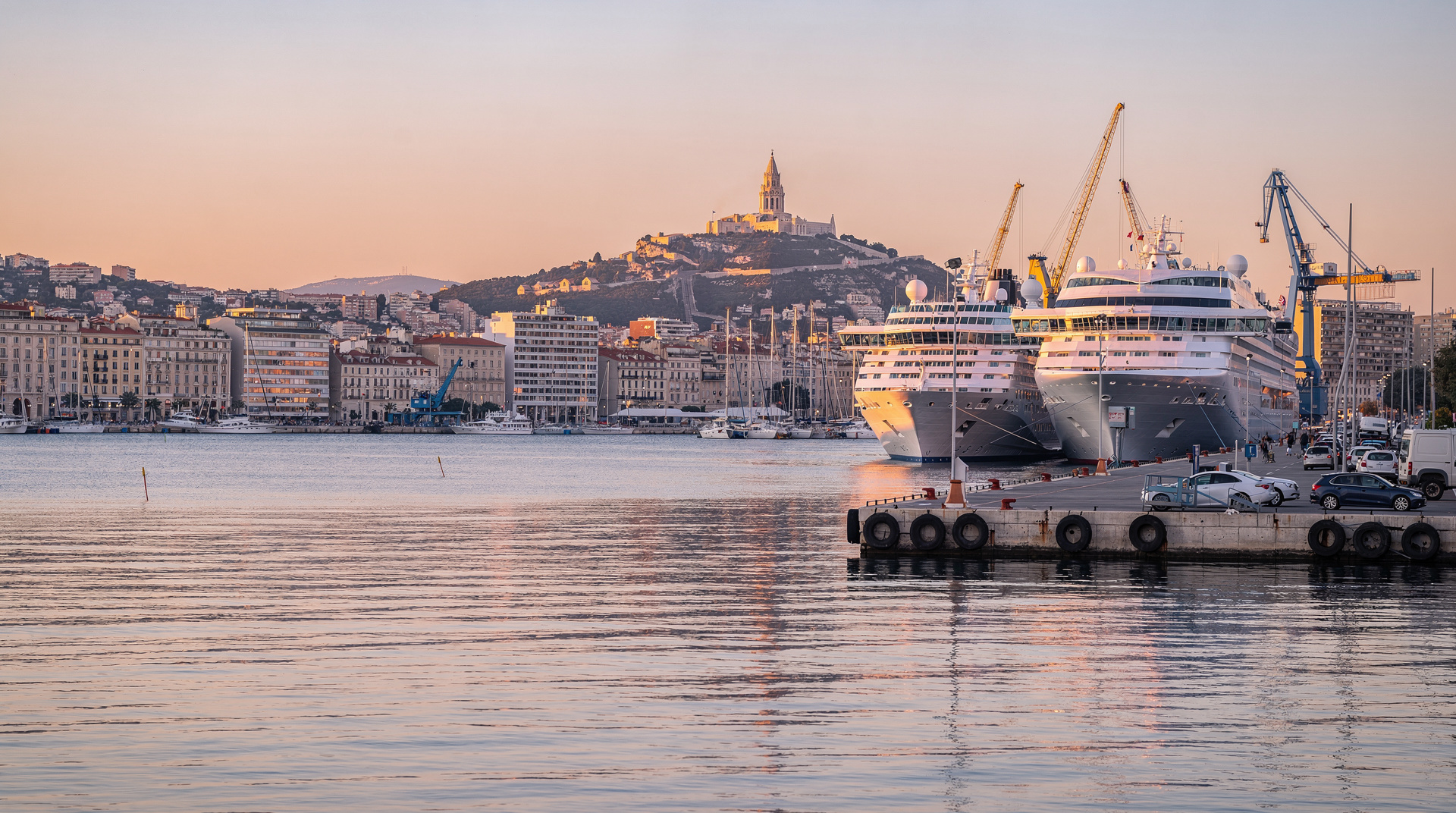
This itinerary is designed without a car — Marseille’s centre is walkable and the tourist petit train handles the one steep climb of the day. Cruise passengers arriving at J4 terminal can reach the Vieux-Port on foot in 15 minutes. Rail arrivals at Gare Saint-Charles reach the Vieux-Port by metro (line 1, Vieux-Port stop) in 10 minutes or on foot downhill in 20 minutes.
Total walking: approximately 7–8 km. Suitable for most fitness levels.
| At a glance | |
|---|---|
| Where | Vieux-Port, Le Panier, MuCEM exterior, Notre-Dame de la Garde |
| Cost (per person, mid-range) | around 40–60 EUR including petit train, lunch, and dinner (excludes MuCEM interior ticket) |
| Time needed | a full day, roughly 8:00–21:00 |
| Getting there / around | on foot for most of it; petit train for the Notre-Dame de la Garde hill; cruise passengers 15 min on foot from J4 |
| Best time | spring or autumn for comfortable walking; arrive at the fish market before 9:00 regardless of season |
Morning: Vieux-Port and Le Panier
Early start: 8:00–10:30
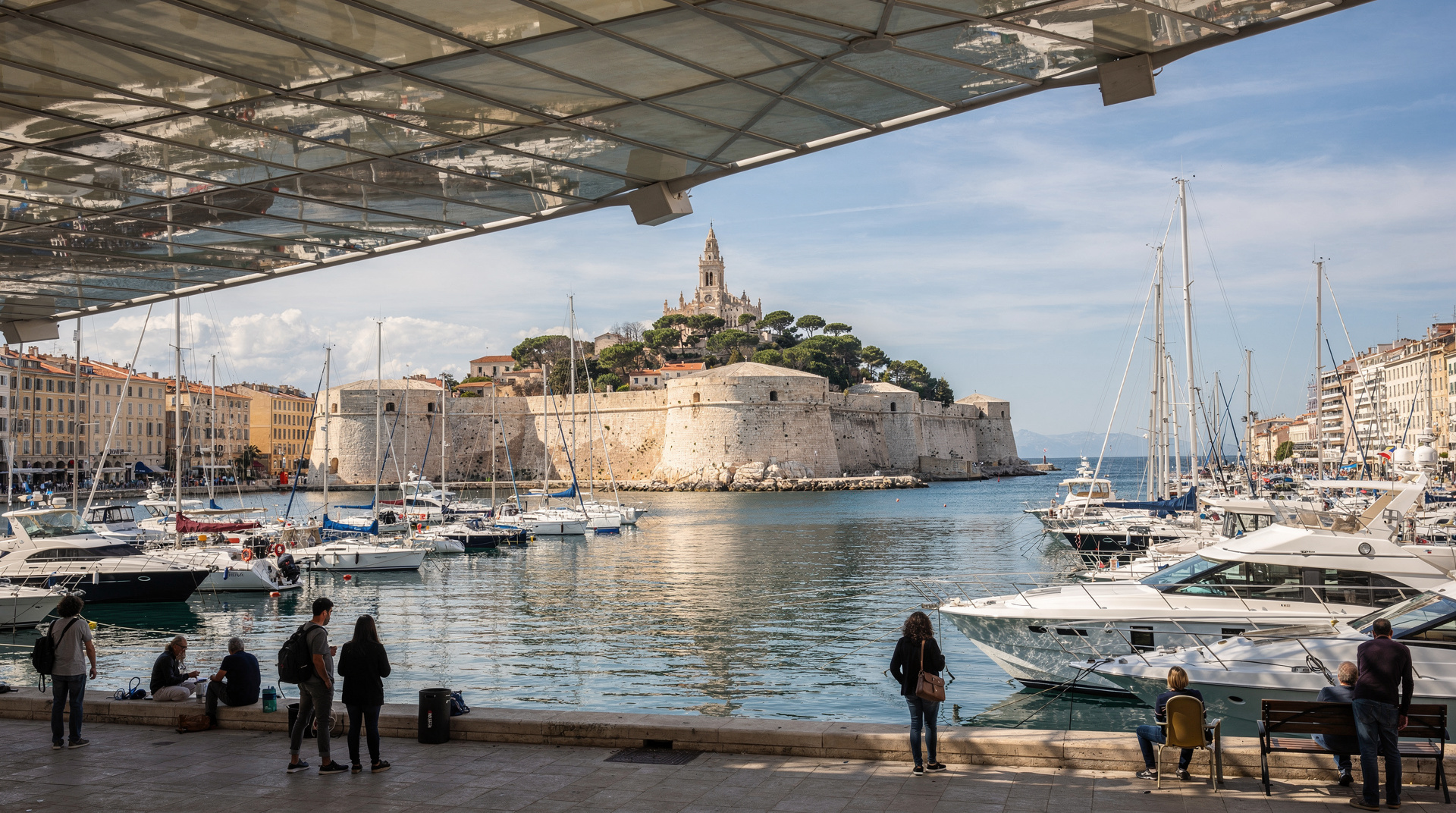
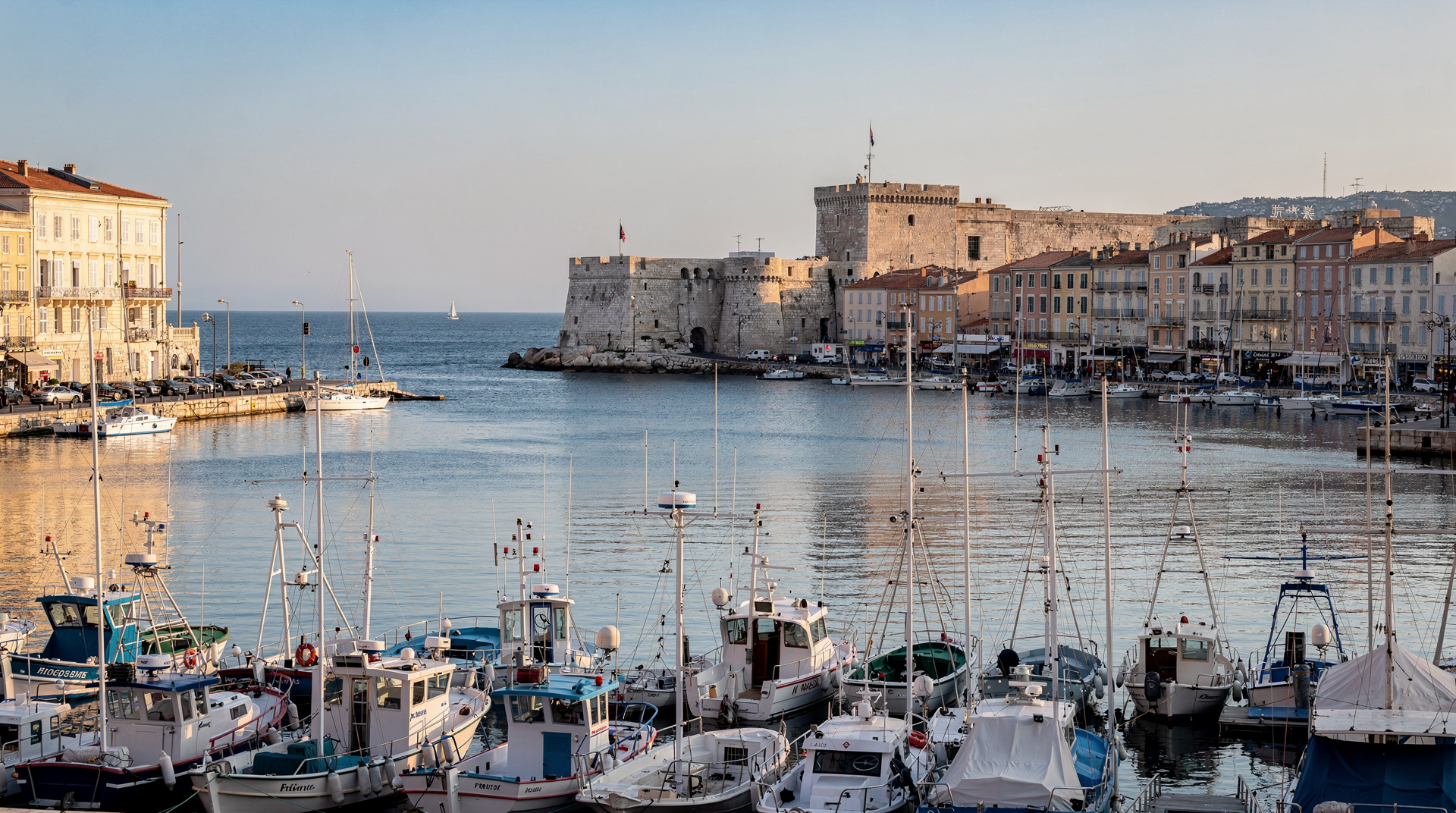
Begin at the Quai des Belges, the eastern end of the Vieux-Port. The fish market runs here every morning until around 11:00 and is at its liveliest before 9:00 — fishing boats moored alongside, fishermen selling sea urchins, rouget, loup de mer, and shellfish directly from plastic trays. Entry is free; resist buying unless you have kitchen access. Walk the full length of the north quai (Quai du Port) toward Fort Saint-Jean — about 15 minutes at a comfortable pace. Stop at the Ombrière, Norman Foster’s giant polished-steel canopy at the quai’s eastern end, which creates a perfect reflection of the port in morning light.
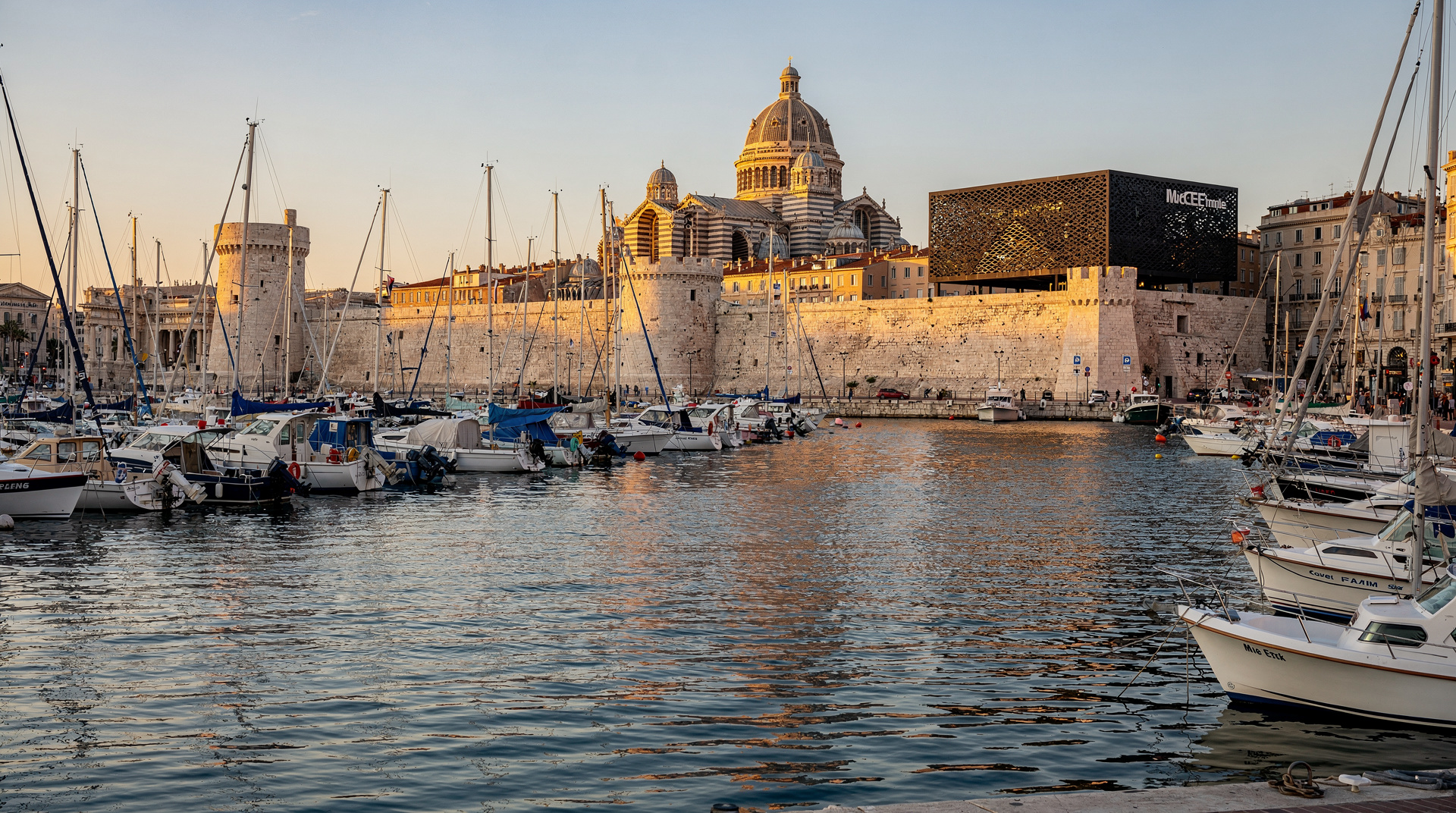
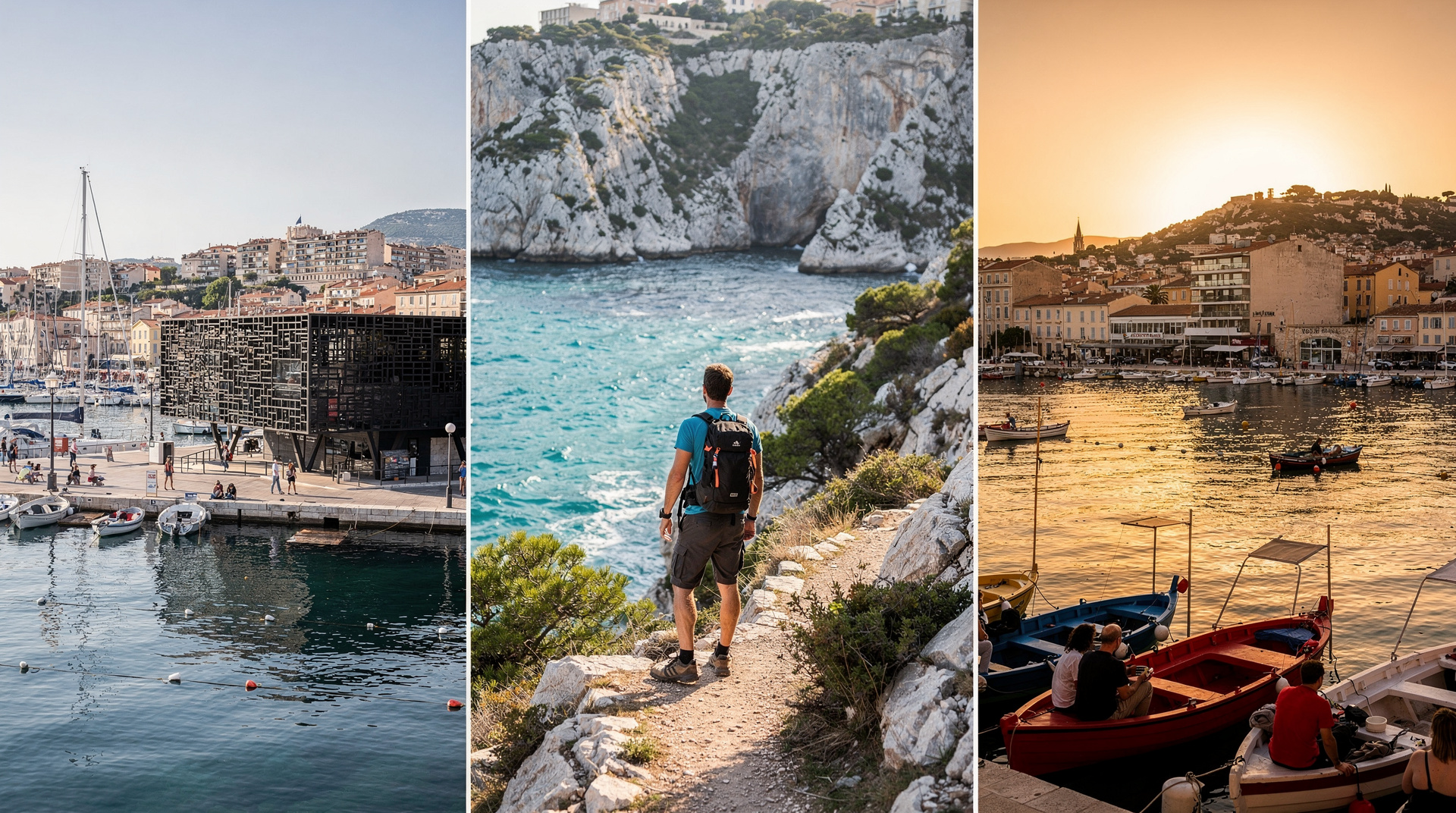
At the far western end of the north quai, the MuCEM (Musée des Civilisations de l’Europe et de la Méditerranée) occupies a striking black concrete lattice-work building connected by a suspended footbridge to the Fort Saint-Jean, a 17th-century harbour fortress. Walking across the footbridge and around the fort’s terraces is free. The exhibitions inside require a ticket (around 11 EUR) — only worth it if you have specific interest in Mediterranean cultural history. For a one-day visit, the exterior and footbridge deliver the visual reward for free.
Le Panier: 10:30–12:30
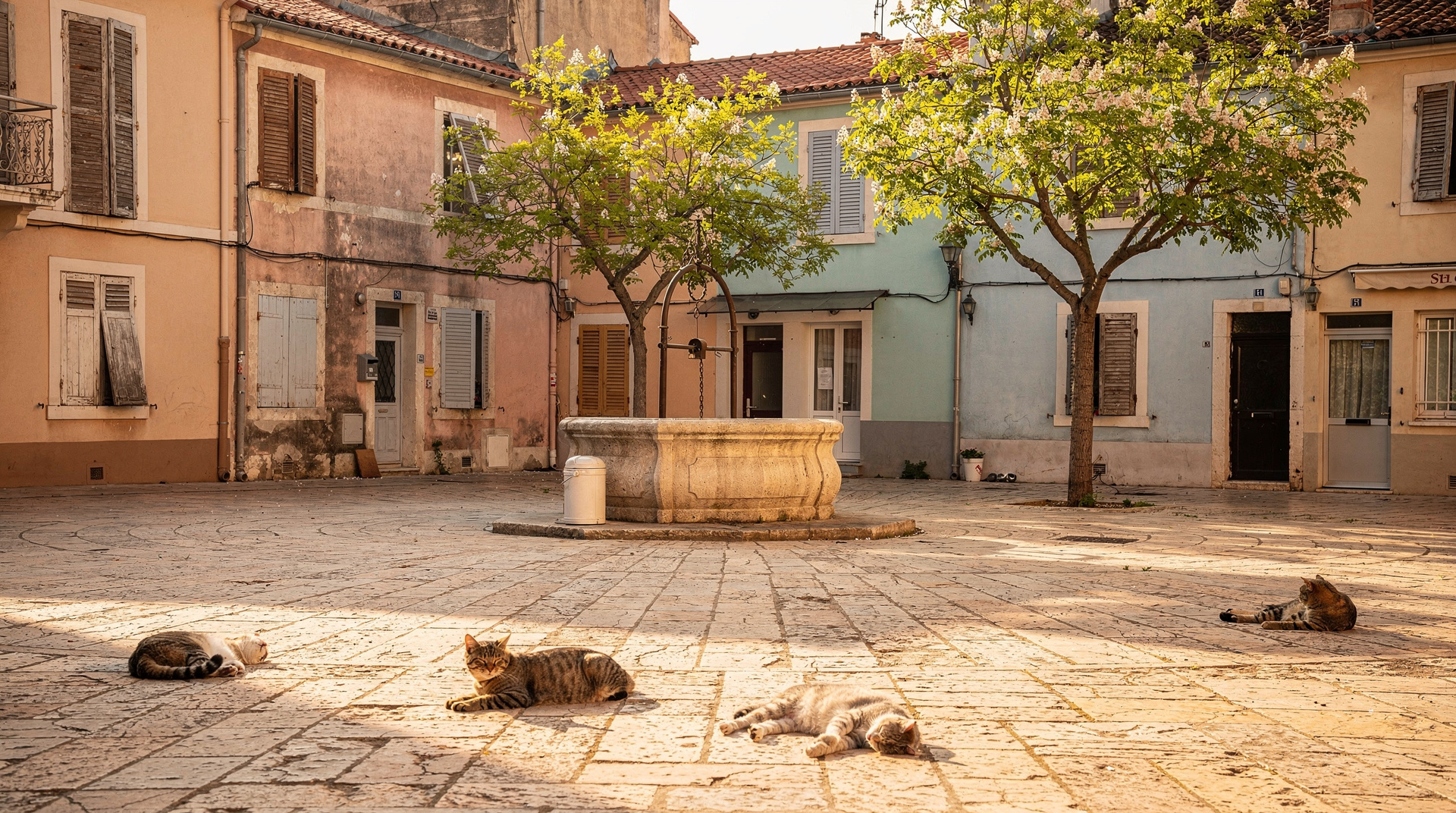
Walk uphill from Fort Saint-Jean into Le Panier, Marseille’s oldest quarter. The neighbourhood climbs steeply behind the north quai in narrow lanes lined with ochre and terracotta buildings, drying laundry, painted shutters, and street art. This is the most photographically rewarding area of the city.
Key stops in Le Panier:
- The Vieille Charité — a 17th-century baroque hospice with a beautiful oval chapel at its centre. The courtyard is free to enter; small museums inside have modest entry fees. Allow 20–30 minutes.
- Place des Moulins — the high point of the quarter, a quiet square with good views north toward the port basin. A pause point, not a monument.
- The narrow Rue du Panier and surrounding lanes — no fixed agenda needed here. Walk slowly.
Le Panier takes about 90 minutes to explore properly without rushing. End your Le Panier visit by descending via the Rue de la République back toward the Vieux-Port for lunch.
Afternoon: MuCEM waterfront and Notre-Dame de la Garde
Lunch: 12:30–14:00
The waterfront zone between MuCEM and the Vieux-Port has restaurants at every price point. Avoid restaurants right on the Quai du Port facing the harbour — they tend to charge a premium for the view and deliver average food. Walk one block back into the streets near Place Villeneuve-Bargemon for better value. Expect 15–25 EUR per person for a lunch plat du jour with a glass of rosé.
If you want to keep moving, the market stalls at the Marché des Capucins (near Noailles, a 15-minute walk east) offer one of the best cheap lunches in the city — olives, charcuterie, North African pastries. Noailles is the city’s most authentically Marseillais market quarter, worth the minor detour.
Notre-Dame de la Garde: 14:30–16:30
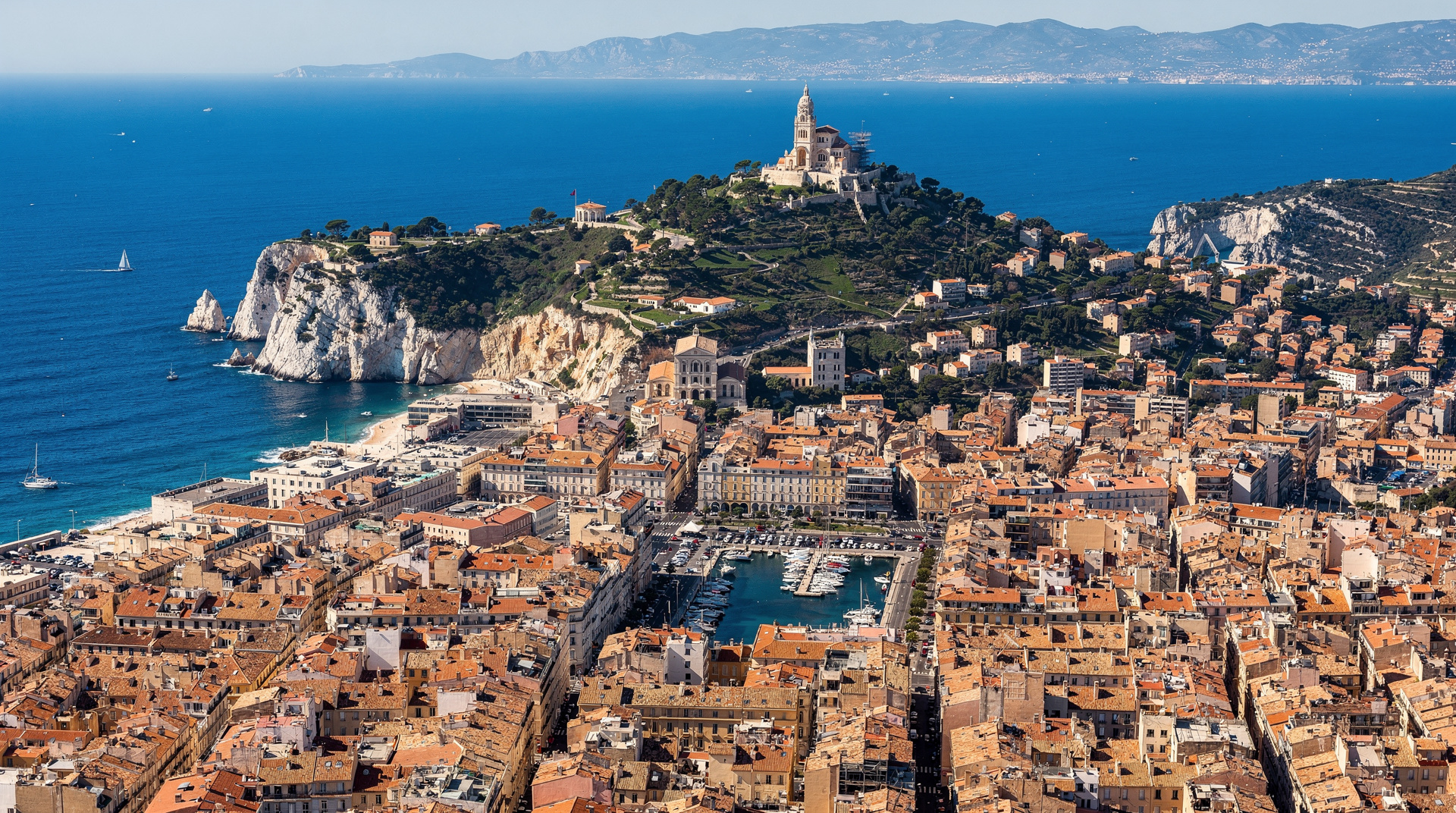
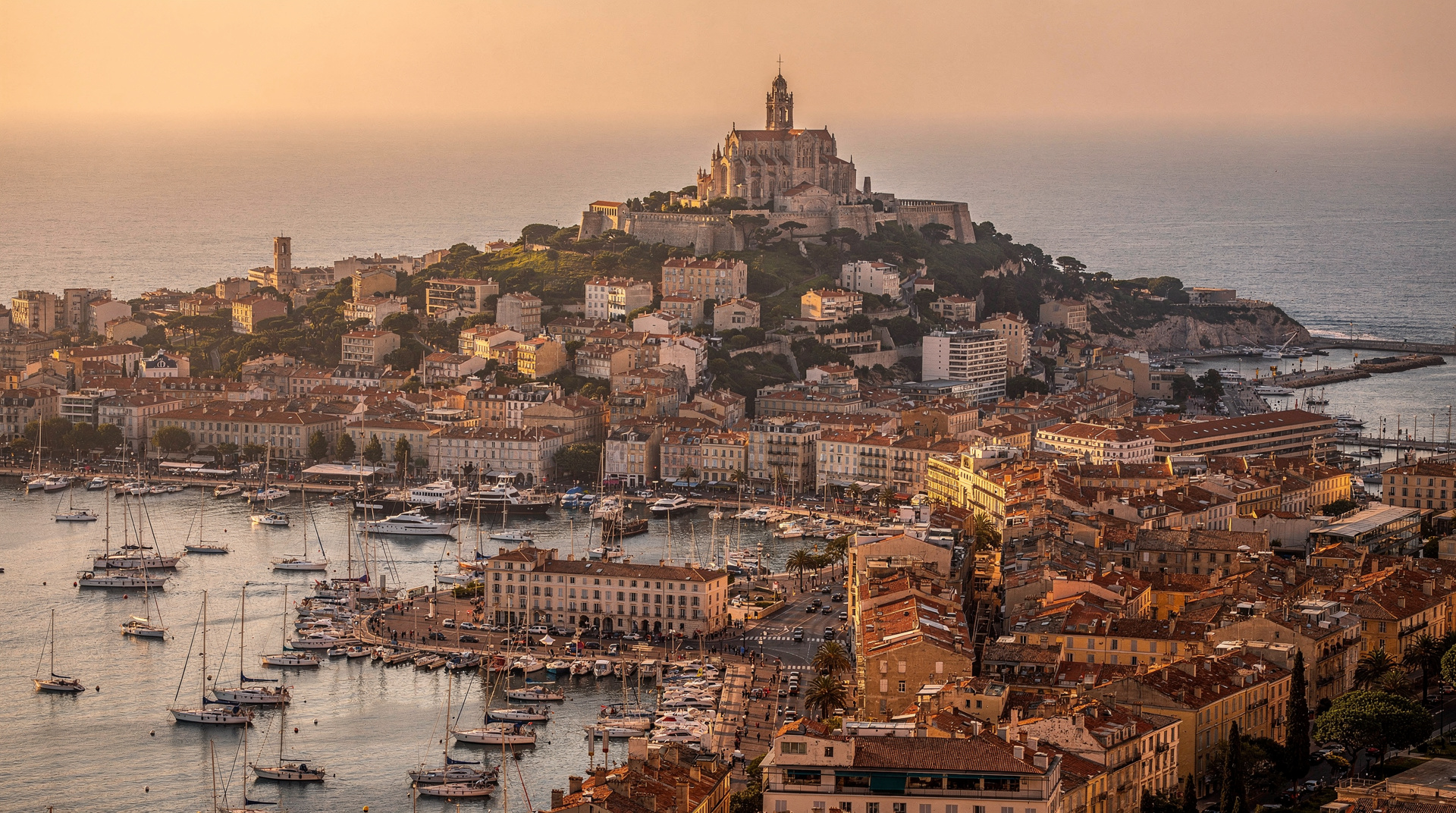
Notre-Dame de la Garde sits on the highest point in Marseille at 154 metres, visible from everywhere in the city. The Romano-Byzantine basilica, crowned by a 9.7-metre gilded statue of the Virgin Mary, is the city’s defining symbol and its best viewpoint.
Getting there: The tourist petit train departs from the Vieux-Port (near the Quai des Belges) approximately every 30–40 minutes in season. Round trip plus 20 minutes at the top costs around 12–15 EUR. Journey time is about 20 minutes each way. The train is genuinely useful — the hill is steep and in summer heat the walk up is punishing.
At the top: The panorama from the terrace is 360 degrees — on a clear day you can see the Calanques massif to the southeast, the Frioul Islands offshore, and the Estaque hills to the northwest. The basilica interior features votive offerings (ex-votos) from sailors and fishermen, a tradition that continues today. Allow 30–40 minutes at the top.
Return downhill by petit train and make your way back to the Vieux-Port.
Late afternoon: 16:30–18:30
With remaining time, choose based on your interests:
Option A — Cours Julien: Marseille’s bohemian neighbourhood, a 15-minute walk east of the Vieux-Port. Open-air street art, independent cafes, record shops, and a lived-in urban atmosphere completely unlike the tourist waterfront. A good place to sit with a drink and watch the city move.
Option B — Sunset from the Corniche: Take bus 83 from the Vieux-Port south along the Corniche Kennedy — Marseille’s waterfront boulevard that runs above the rocky coastline. The bus takes about 20 minutes to reach the Malmousque or Vallon des Auffes stops. The Vallon des Auffes is a tiny fishing cove below the Corniche — one of the most unexpectedly beautiful spots in the city, completely missed by most day visitors.
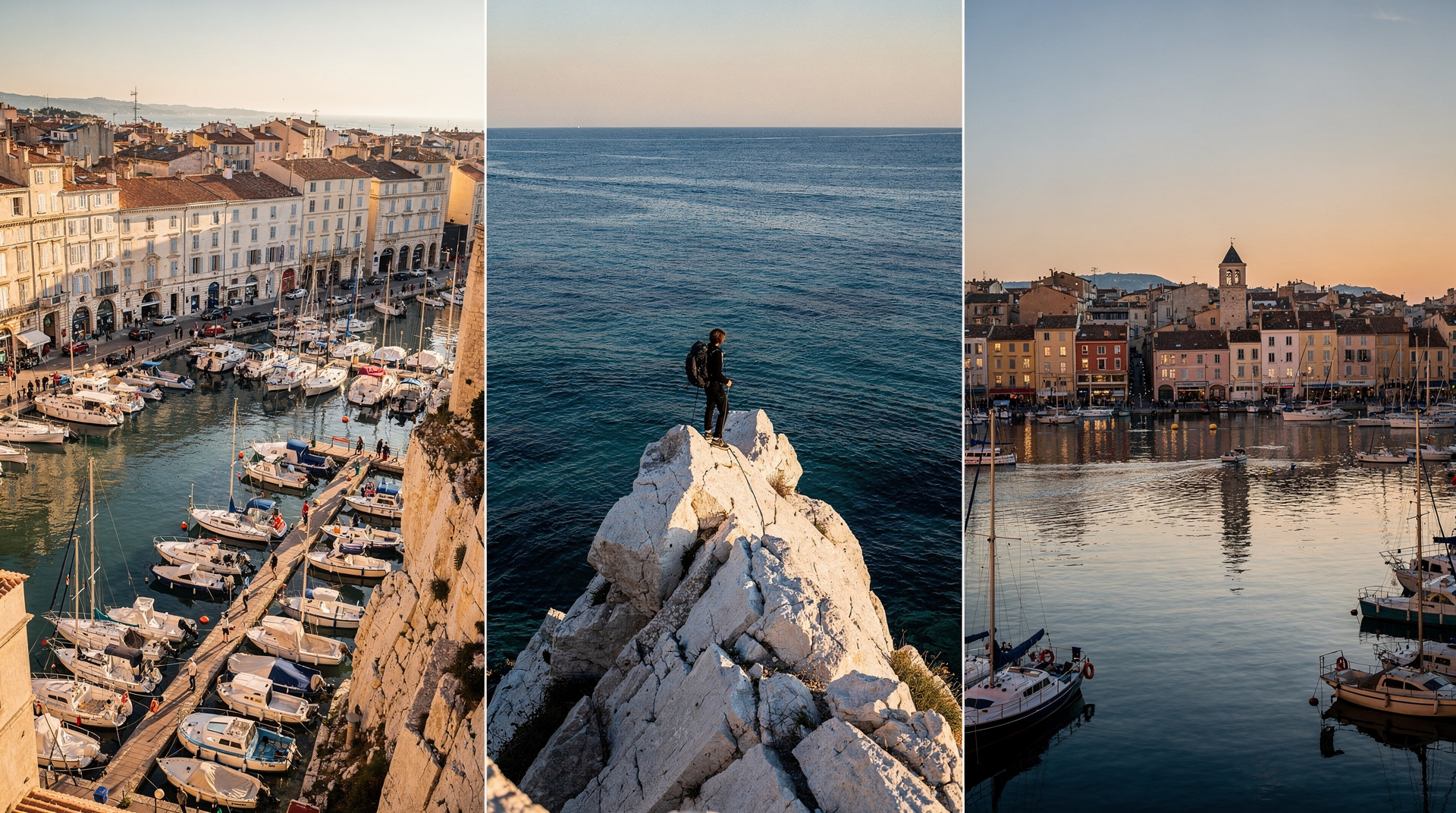
Option C — Stay at the Vieux-Port: The Vieux-Port in late afternoon is genuinely pleasant — the light on the water, the boats, the terraces coming to life. A pastis at a quayside café is one of the essential Marseille experiences.
Evening: dinner and departure
Dinner: 19:00–21:00
The Vieux-Port area has plenty of options, but for something more local, Cours Julien and the streets around Rue Saint-Saëns have restaurants that feel less touristy. Budget 25–40 EUR per person for a sit-down dinner with wine.
Cruise passengers: note your last tender time carefully. From the Vieux-Port to the J4 cruise terminal on foot is about 15 minutes north along the coast.
Rail departures from Gare Saint-Charles: the last TGV to Paris is typically around 20:00–21:00; TGV to Nice and Lyon run later. Check your specific train.
What to book in advance
- Hop-on hop-off bus or walking tour if you prefer guided context for Le Panier and the Vieux-Port — see the first-timers guide.
- Notre-Dame de la Garde petit train — cannot be pre-booked, but arrive early at the departure point in high season.
- Cruise passengers should confirm the free port shuttle timing and the walk time to the Vieux-Port from their specific terminal (J4 is approximately 15 minutes on foot north of the Vieux-Port; J1 is right at the port entrance).
- Review the airport-to-city guide if arriving by air on the same day.
For guided options that work well with a one-day visit, a half-day city tour from a meeting point at the Vieux-Port covers the main highlights with a local guide in 3.5–4 hours, which pairs well with an independent afternoon.
Variations
For cruise passengers with 6 hours: Cut Notre-Dame de la Garde (or use the petit train to speed it up), prioritise Vieux-Port fish market and Le Panier, do a 30-minute harbour boat tour to see the city from the water. Skip Cours Julien — save it for next time.
For rail arrivals with 10+ hours: The full itinerary above fits comfortably. Add a mid-afternoon boat tour to the Frioul Islands (1.5 hours round trip including island time) if you want to see the sea — departures from the Vieux-Port every 1–2 hours in season.
In summer (July–August): Skip any plan to hike to the Calanques on a one-day visit — trails are likely closed and the round trip takes too long. The Vieux-Port, Le Panier, and Notre-Dame de la Garde are the right scope for a summer day visit.
For families with children: The Vieux-Port and Le Panier work well with young children. The petit train to Notre-Dame de la Garde is genuinely enjoyed by kids. The Cosquer Cave replica (underwater prehistoric cave, accessible near the Vieux-Port, 14–17 EUR) is excellent for children aged 8 and up — allow 1.5 hours.
Pacing this day realistically
The single biggest risk to a one-day Marseille visit is spending too long in Le Panier and arriving at Notre-Dame de la Garde in the late-afternoon crowd crush, or worse, after the petit train’s last useful departure. Treat the times above as checkpoints, not suggestions — if it is past 11:00 and you are still in Le Panier, cut the Vieille Charité’s interior museums and move on. The fish market and the basilica are the two elements of this day that cannot be recovered if missed; everything else (Cours Julien, the Corniche) is genuinely optional and interchangeable.
Travellers arriving by TGV who want breakfast before starting should note that Gare Saint-Charles has decent café options at the station itself, which lets you start the Vieux-Port sequence on schedule rather than hunting for a café en route.
Frequently asked questions about this one-day Marseille itinerary
What if it rains on my one day in Marseille?
Le Panier and the MuCEM footbridge are still worthwhile in light rain — the covered lanes of the Vieille Charité and the shelter of Fort Saint-Jean’s walls help. In heavier rain, shift priority to the MuCEM interior exhibition and the Vieille Charité’s small museums, both indoors, and save Notre-Dame de la Garde’s viewpoint for a clearer window later in the day since the panorama is the point of the visit.
Can I do this itinerary in reverse, starting with Notre-Dame de la Garde?
Yes, and it has one advantage: the petit train queue is shorter early in the morning than in the afternoon. The trade-off is that the Vieux-Port fish market is at its best before 9:00 and largely finished by 11:00, so starting there first is still the better sequencing for most visitors.
Is one day in Marseille enough?
One day is enough to see the essential city — the harbour, Le Panier, Notre-Dame de la Garde — and to understand why people return. It is not enough to understand Marseille as a place. You will leave knowing what you missed. That said, a well-planned day is vastly better than a disorganised two-day visit.
Can I visit the Calanques in one day from Marseille?
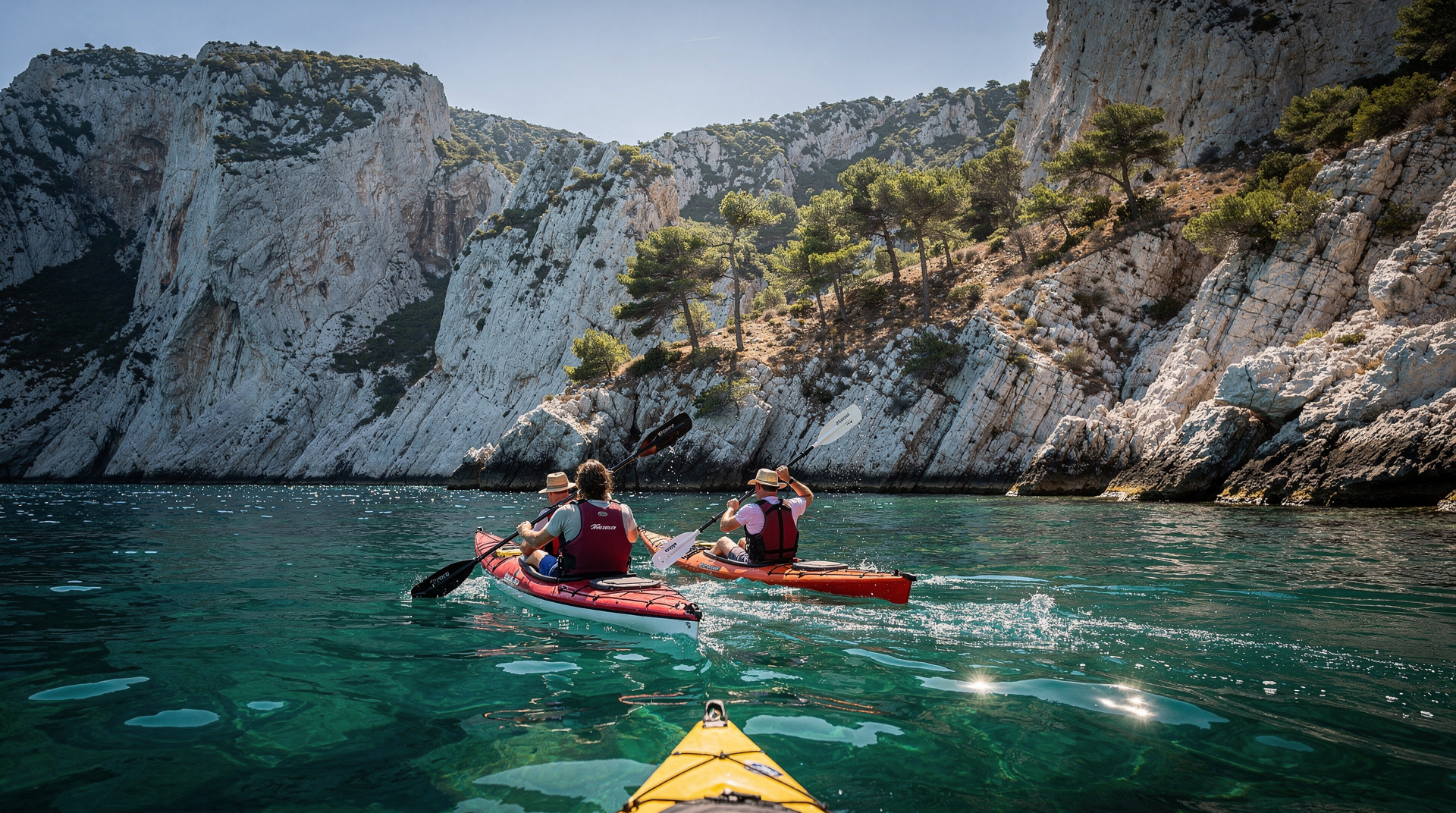
Not meaningfully alongside the city. A Calanques boat tour takes 3–4 hours; a guided hike takes 5–6 hours. Either option would consume most of your day and leave no time for the city. If the Calanques are your priority, consider the Calanques weekend itinerary instead.
What is the best way to get from the cruise terminal to the Vieux-Port?
From J4 terminal (the main cruise pier), it is a 15-minute walk north along the coast, or a free shuttle bus to the city centre when available. From J1 (closer to the city), the Vieux-Port is visible from the terminal. Check with your cruise line for the specific shuttle schedule.
Should I book a guided tour for a one-day visit?
A guided walking tour (3–4 hours) covering the Vieux-Port and Le Panier adds useful context, especially if you are arriving with no background on Marseille’s history. Guides know which Le Panier alleys to walk, which street art pieces to explain, and what the city’s founding myth actually is. For a solo visit, the planning guide gives you enough self-guided orientation.
What is the Ombrière and is it worth seeing?
The Ombrière is a large mirror-polished steel canopy at the eastern end of the Quai du Port, designed by architect Norman Foster and installed in 2013. It creates a distorted reflection of the port and the buildings opposite, which makes it an interesting photographic subject, especially in morning light. It is free, takes 5 minutes, and is on the route from the Vieux-Port to MuCEM anyway — no reason to skip it.
Is the MuCEM worth visiting in one day?
The MuCEM exterior, footbridge, and Fort Saint-Jean terraces are free and are worth seeing as part of the quai walk. The indoor exhibitions are intellectually interesting but take 1.5–2 hours to do properly — that is too much of a one-day budget unless Mediterranean cultural history is your specific interest. Prioritise the exterior.
Top experiences
Bookable activities with verified prices and instant confirmation on GetYourGuide.