Marseille and Cassis in 2 days: a coastal weekend for couples
From Marseille to Cassis: a journey to the Calanques and traditions
Duration: 8 hours
| At a glance | |
|---|---|
| Where | Marseille and Cassis, 22 km apart on the Provence coast |
| Cost | Mid-range; approximately EUR 500–750 for two people, excluding flights (see budget breakdown below) |
| Time needed | 2 days, one per destination |
| Getting there | TER train from Gare Saint-Charles to Cassis, 22 minutes, no car needed |
| Best time | April–June and September–October for comfortable weather; June–early September for lake and sea swimming |
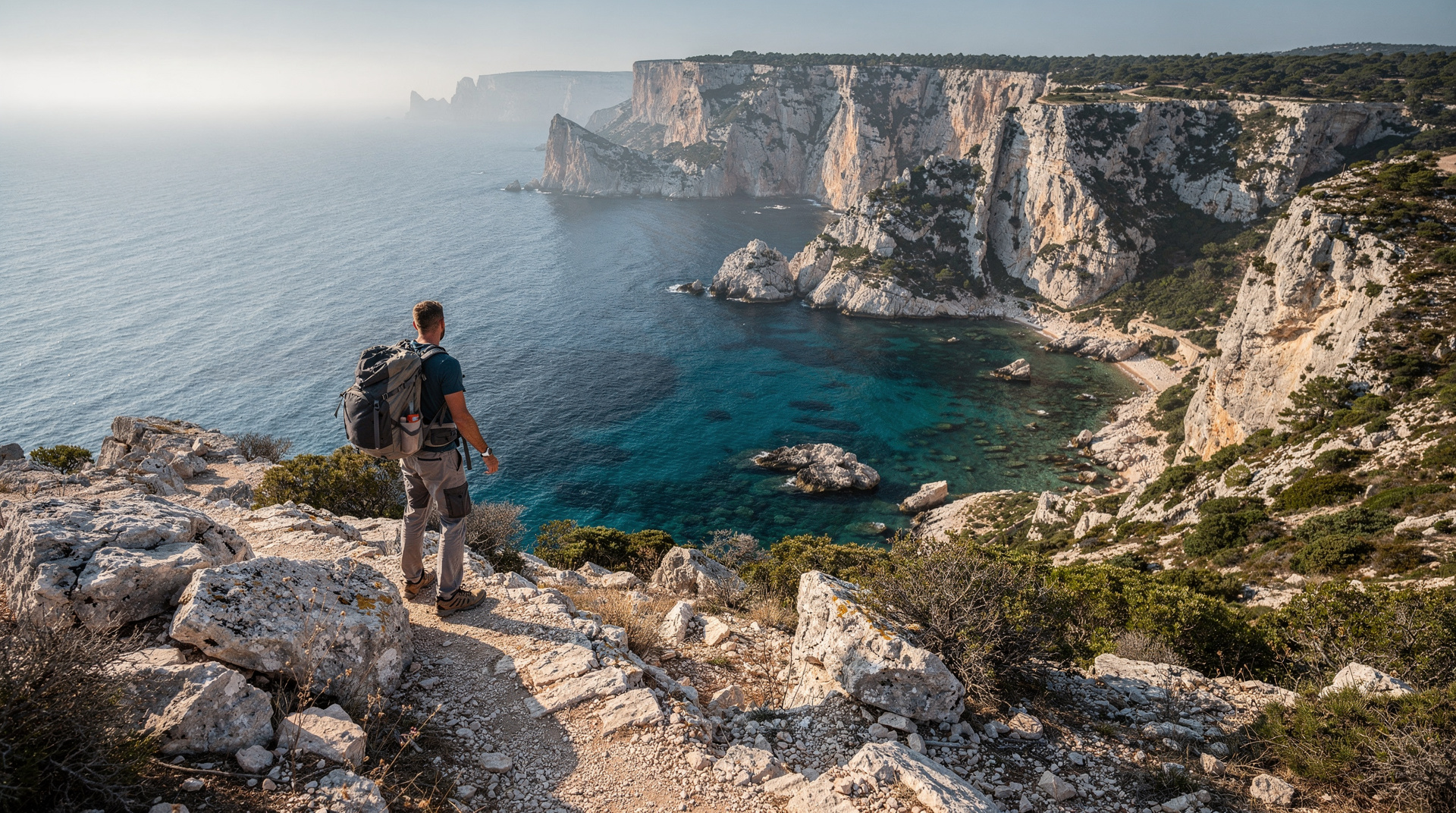
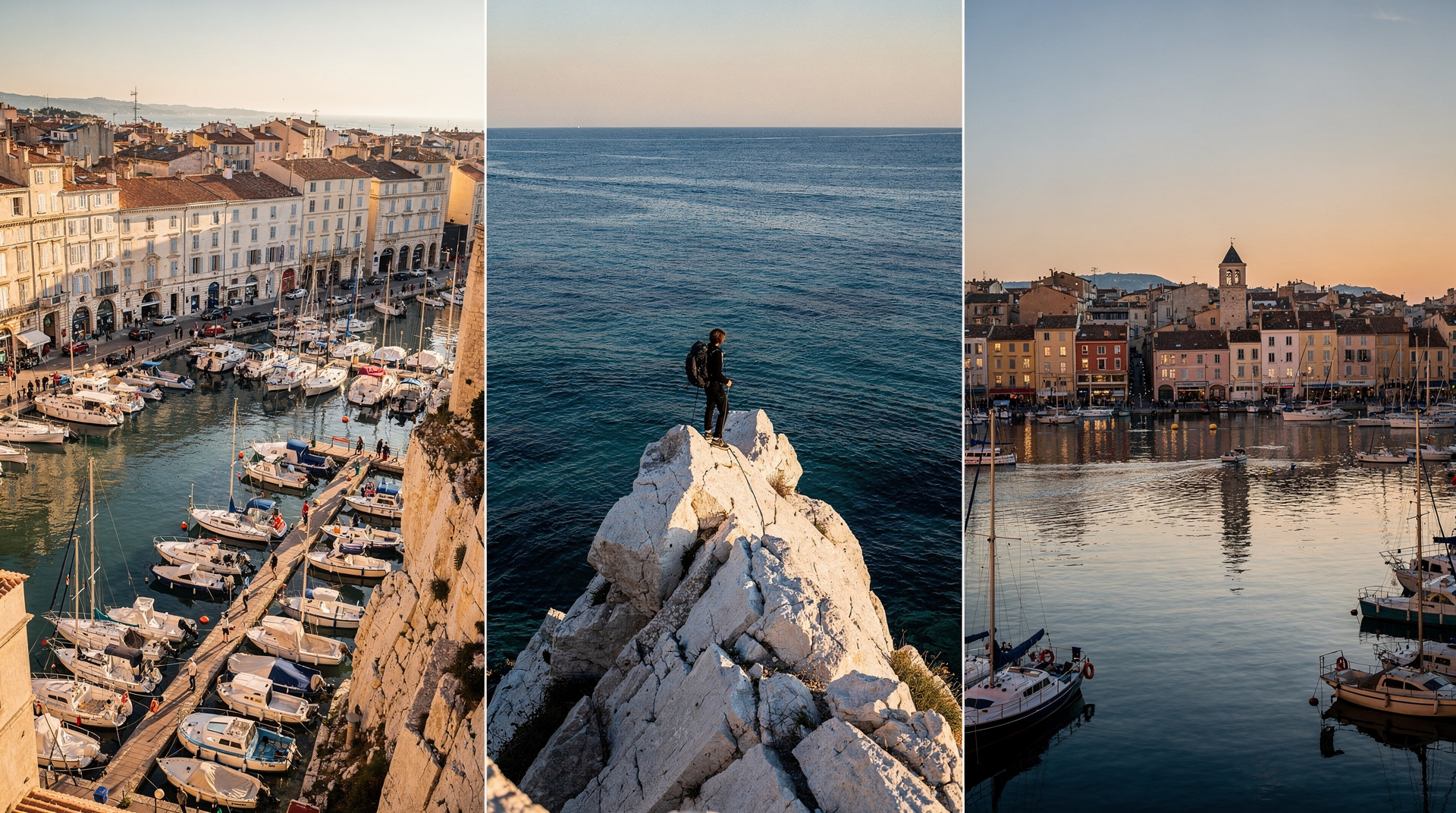
Marseille and Cassis make a natural pairing — they are 22 km apart by road, 22 minutes by train, and entirely different in character. Marseille is a working Mediterranean city: dense, noisy, exhilarating, with a harbour that has been in continuous operation for 2,600 years. Cassis is small, elegant, and backed by limestone cliffs that are among the tallest coastal drops in France. Together they frame the Calanques National Park from opposite ends.
This two-day itinerary allocates one full day to each destination. No car is required. The TER train between Gare Saint-Charles and Cassis is fast, inexpensive, and reliably connects the two places — this is the correct way to do the journey, especially in summer when Cassis parking is chaotic.
Day 1: Marseille — the harbour city
Morning: Vieux-Port and MuCEM waterfront (8:00–12:00)
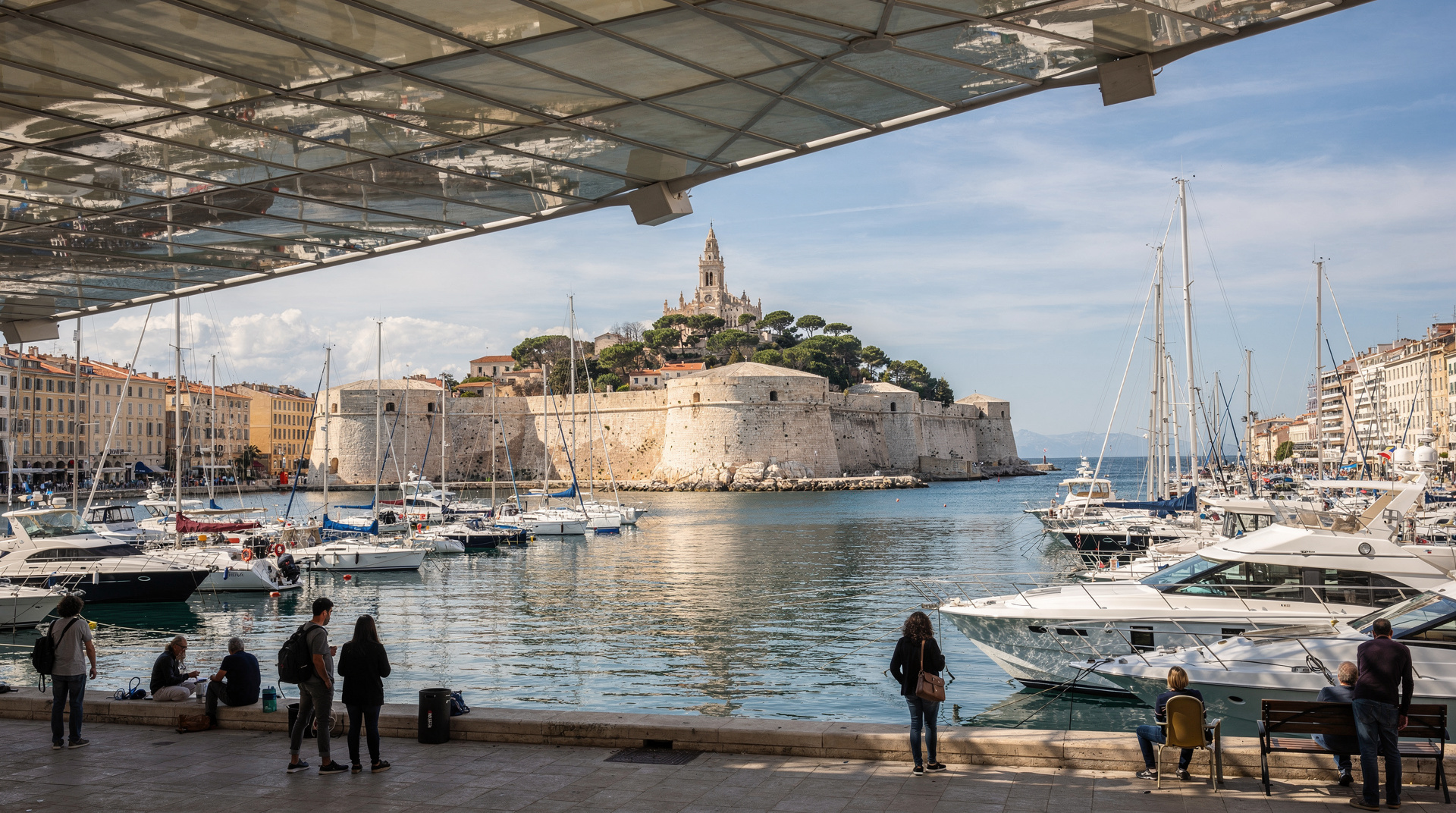
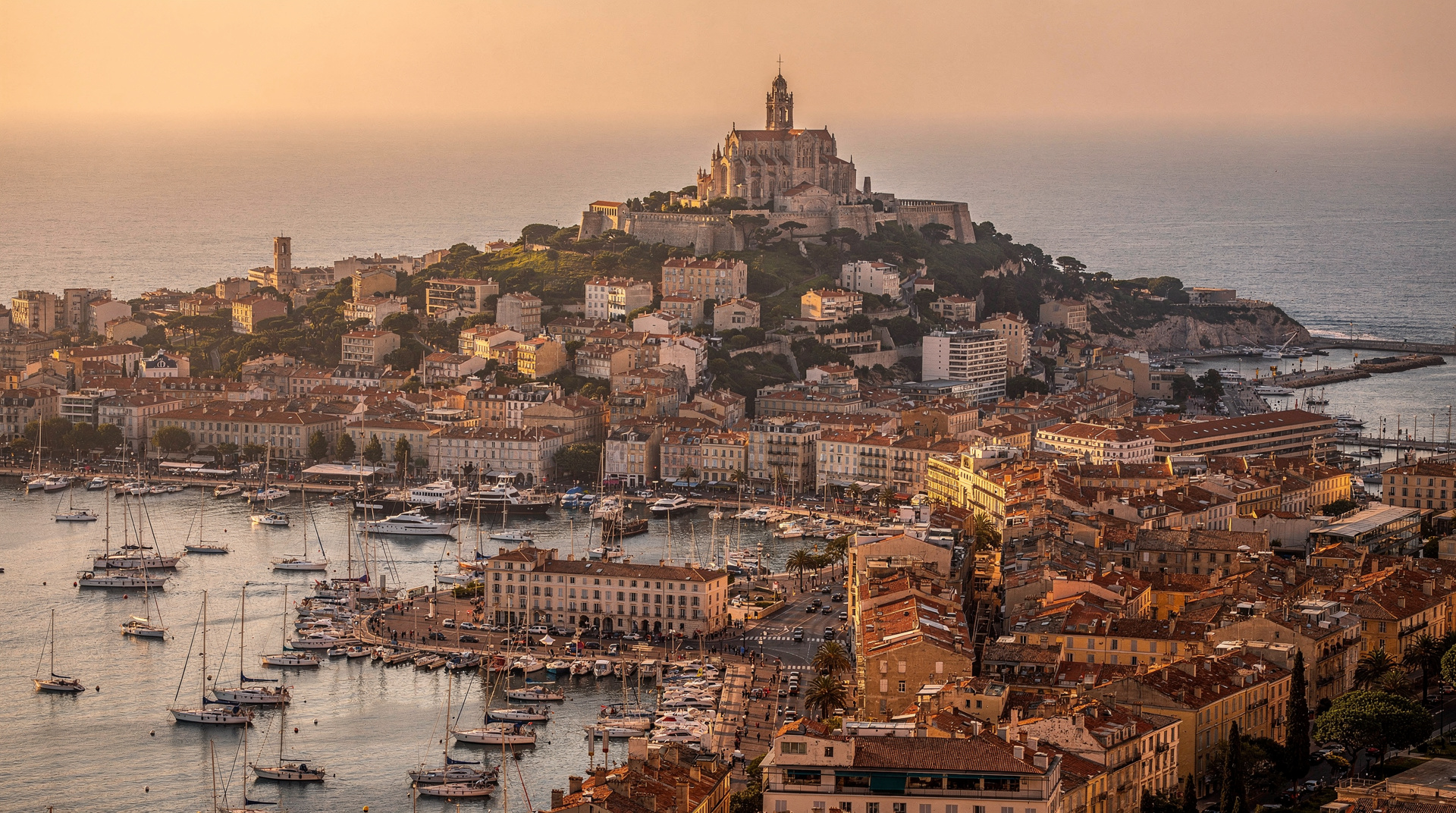
Start at the Vieux-Port fish market (running until 11:00, best before 9:30). The north quai walk from the Quai des Belges to Fort Saint-Jean covers the essential harbour sequence: the Ombrière, the ferry crossing to the north quai (50 cents), the MuCEM lattice facade and footbridge, the Fort Saint-Jean terraces.
MuCEM: Walk across the suspended footbridge to Fort Saint-Jean — free, and one of the finest viewpoints for the harbour entrance and the offshore islands. If you have 1.5 hours to spend inside (approximately 11 EUR entry), the interior exhibition on Mediterranean civilisations is intellectually serious. The outdoor spaces around the fort are the best investment for a shorter visit.
From MuCEM, walk uphill into Le Panier for 60–90 minutes: the Vieille Charité courtyard, the street art lanes around Rue du Refuge, the small squares with views north over the port basin. Descend via the south side toward Cours Estienne d’Orves for lunch.
Afternoon: Notre-Dame de la Garde and the Corniche (14:00–19:00)
Lunch on Cours Estienne d’Orves (broad square, terraces, fair prices — 15–25 EUR per person). Then take the petit train from the Vieux-Port to Notre-Dame de la Garde — 12–15 EUR round trip, 20 minutes each way, 40 minutes at the top. The basilica panorama — the full Calanques massif, the Frioul Islands, the harbour and the city — is essential context for understanding Marseille’s geography before you leave it for Cassis tomorrow.
In late afternoon, take bus 83 south along the Corniche Kennedy to Vallon des Auffes — a 10-minute ride to a tiny fishing cove below the promenade. Couples tend to linger here. The light in late afternoon on the stone walls and water is excellent.
Evening: dinner and aperitif (19:00–22:00)
Return to the Vieux-Port by bus 83 northbound. For dinner, the streets behind the south quai — particularly Rue Sainte and Rue Grignan — have a concentration of good independent bistros and wine bars at fair prices. Expect 30–45 EUR per person with wine. A pastis before dinner is obligatory: the anise-and-herb spirit is Marseille’s defining drink, particularly the Ricard and Pastis 51 brands that originated here.
Day 2: Cassis — small port, great cliffs, extraordinary wine
Getting there: TER from Gare Saint-Charles (9:00 departure)
The 9:00 TER from Gare Saint-Charles arrives in Cassis at approximately 9:25. Buy tickets at the station or on the SNCF Connect app — no reservation required, approximately 7 EUR each way. At Cassis station, the Marcouline shuttle bus (Ligne M1) connects to the port in 10 minutes; alternatively, the 3 km downhill walk takes 25–30 minutes with good views over the vineyards.
Morning: Cassis port and Calanques boat tour (10:00–13:00)
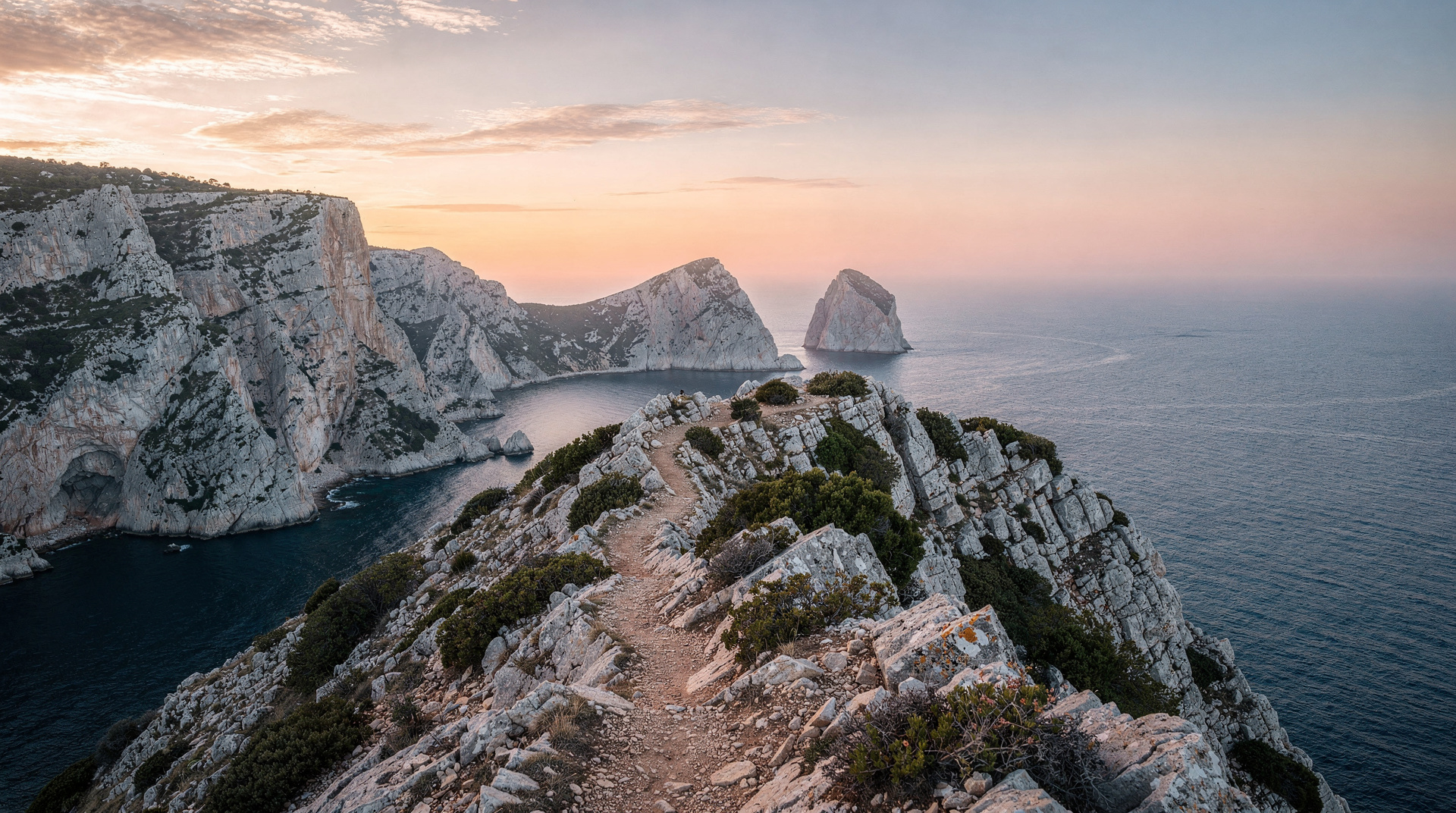
Cassis deserves time before the boat departure — walk the port quai, notice the 15th-century château on the cliff above (private, not accessible, but impressive from below), look east toward the dramatic limestone wall of Cap Canaille rising approximately 400 m from the sea.
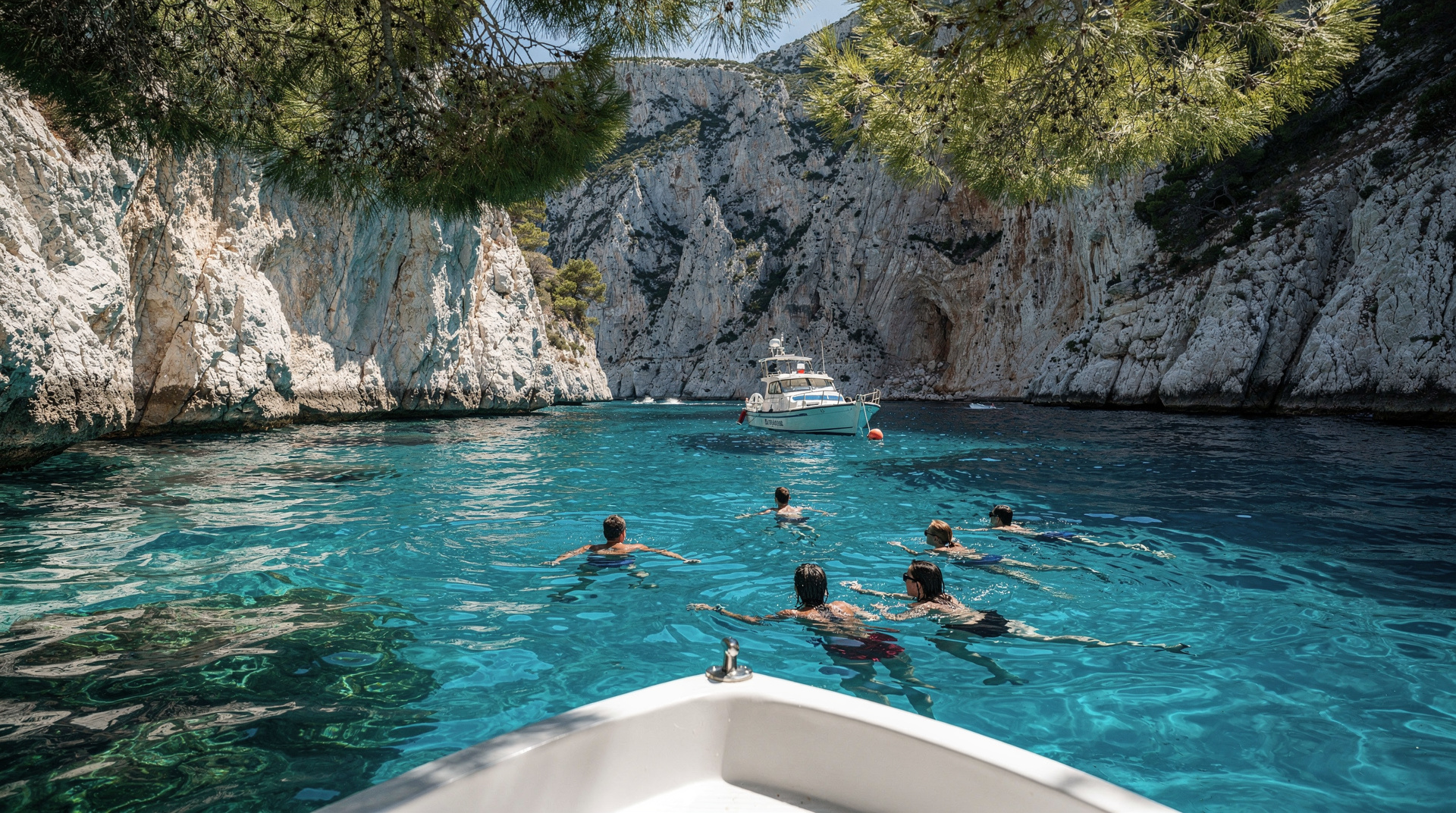
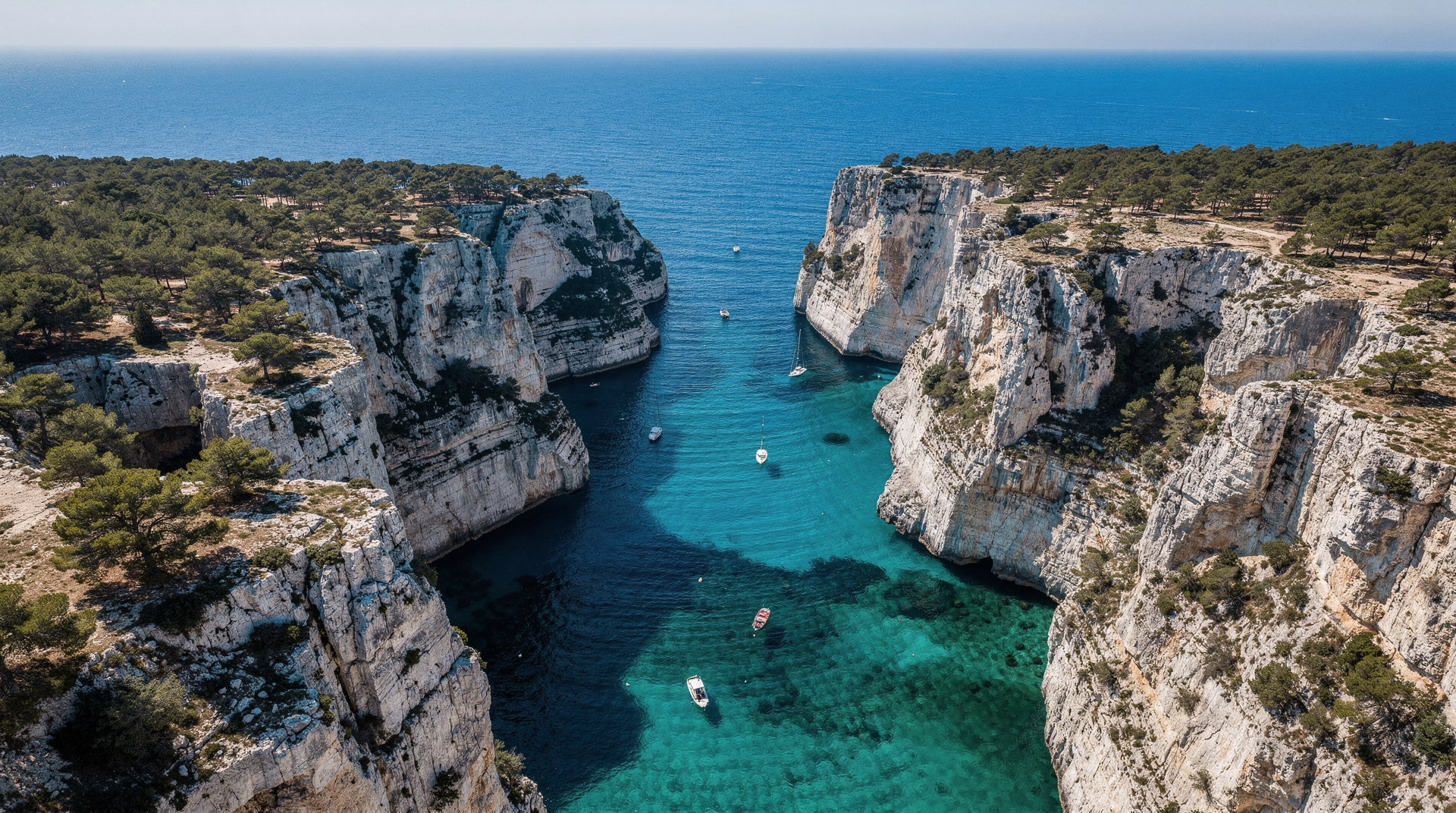
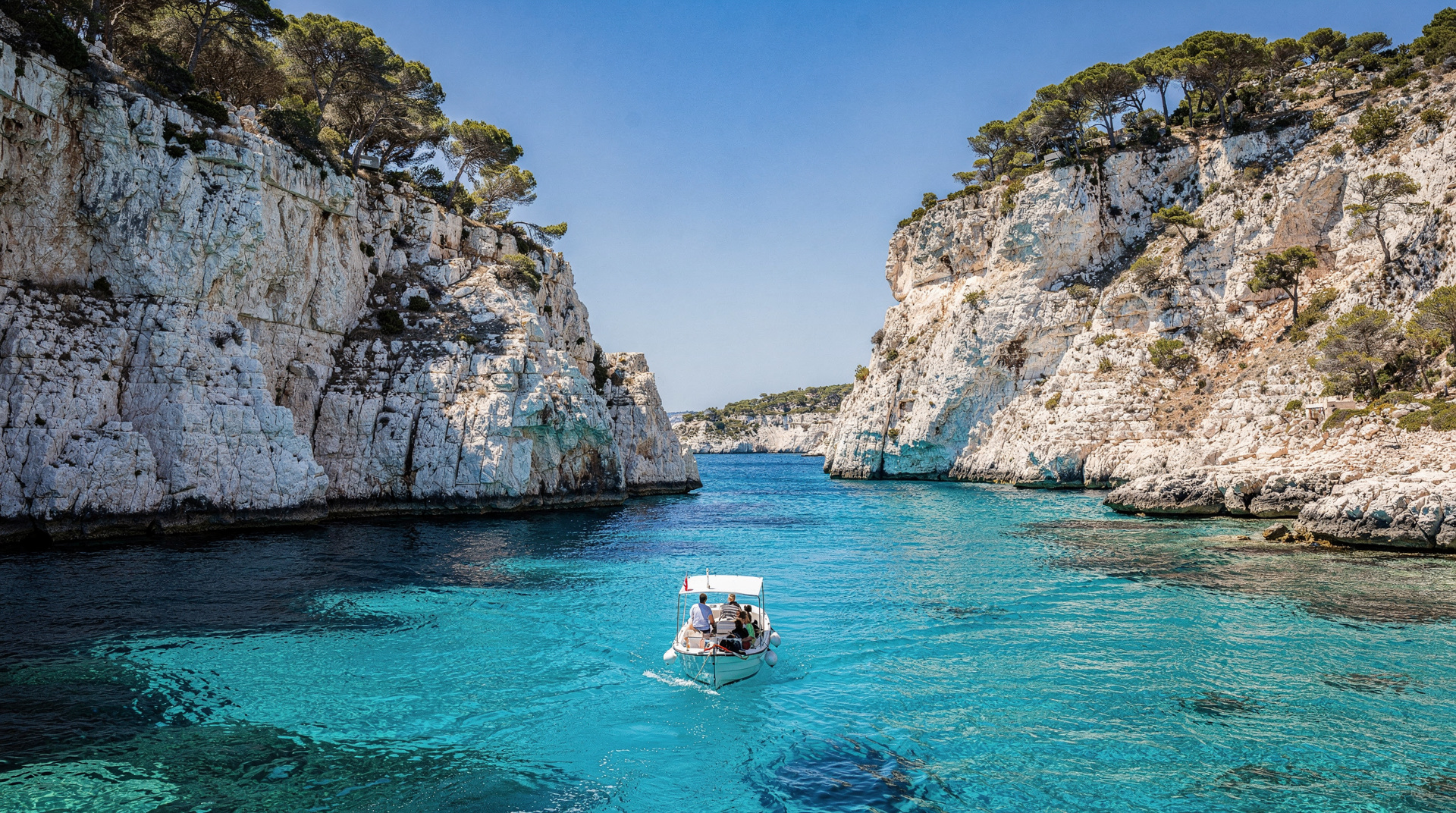
From the port, take the Calanques boat tour — the standard 1-hour tour covers Port-Miou, Port-Pin, and En-Vau from the water. The 2-hour tour includes a swimming stop at En-Vau, which is worth the extra time: En-Vau’s turquoise water in a narrow limestone slot is one of the most visually extraordinary coves in the Mediterranean. In summer, bring a towel and a dry bag for the swim.
Return to the port by approximately 12:00–12:30.
Lunch: Cassis port terrace (12:30–14:30)
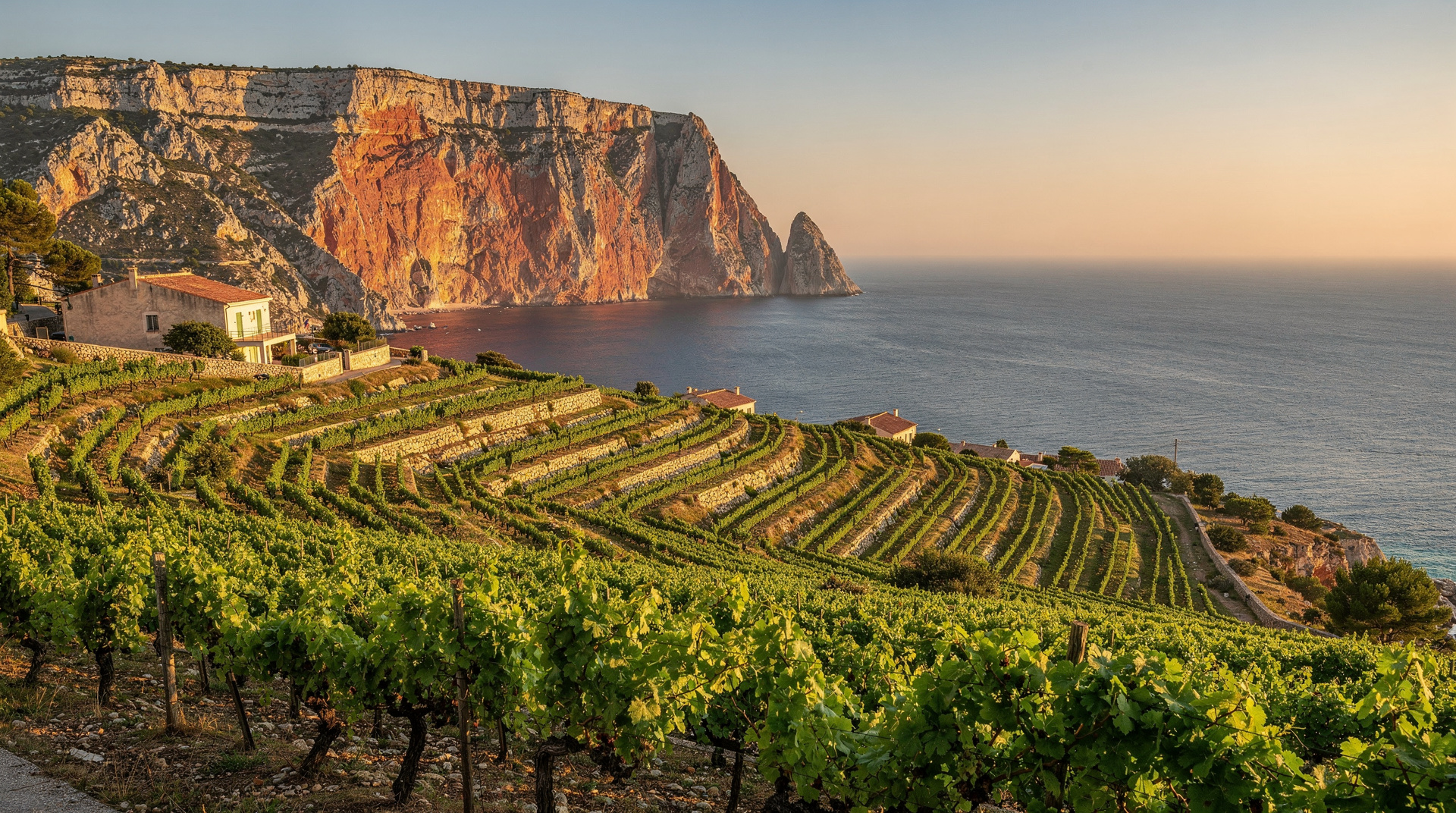
Lunch in Cassis is an event. The quai has restaurant terraces with views across the port to the cliffs. Fresh fish, bouillabaisse (25–35 EUR for the Cassis version, simpler than the Marseille ceremony), moules à la marinière, or a plate of crudités and charcuterie with local AOC white wine. The wine is the main event: AOC Cassis white — made from Marsanne, Clairette, and Ugni Blanc grapes grown on the limestone slopes behind the village — is dry, crisp, and mineral in a way that pairs better with the local seafood than any Provence rosé. A glass costs around 6–9 EUR on the port.
Take your time. This is the correct pace for the afternoon.
Afternoon: AOC wineries and Cap Canaille viewpoint (15:00–18:00)
The Cassis appellation has only 9 wineries — all within a few kilometres of the village — making it one of the most compact and accessible wine regions in France.
By electric buggy: The AOC Cassis electric buggy winery tour (see tour listings) covers 2–3 domaines in 1–2 hours without requiring a car. You taste directly from the cellar, see the limestone terroir that gives Cassis wine its mineral character, and return to the village with wine to take home.
On foot from the port: Domaine du Bagnol and Clos Sainte-Madeleine are both within 15–20 minutes’ walk from the port. Call ahead (or walk in) — small domaines often welcome unannounced visitors outside harvest season.
Cap Canaille viewpoint: Without a car, the best view of Cap Canaille (France’s tallest coastal cliff at approximately 400 m) is from the boat earlier in the day, or from the beach west of the port. With a taxi (approximately 25–30 EUR return), the viewpoint from the Route des Crêtes above is extraordinary — the drop to the sea is vertiginous and the view east along the Ciotat bay is remarkable.
Late afternoon: coastal path walk (16:00–18:00)
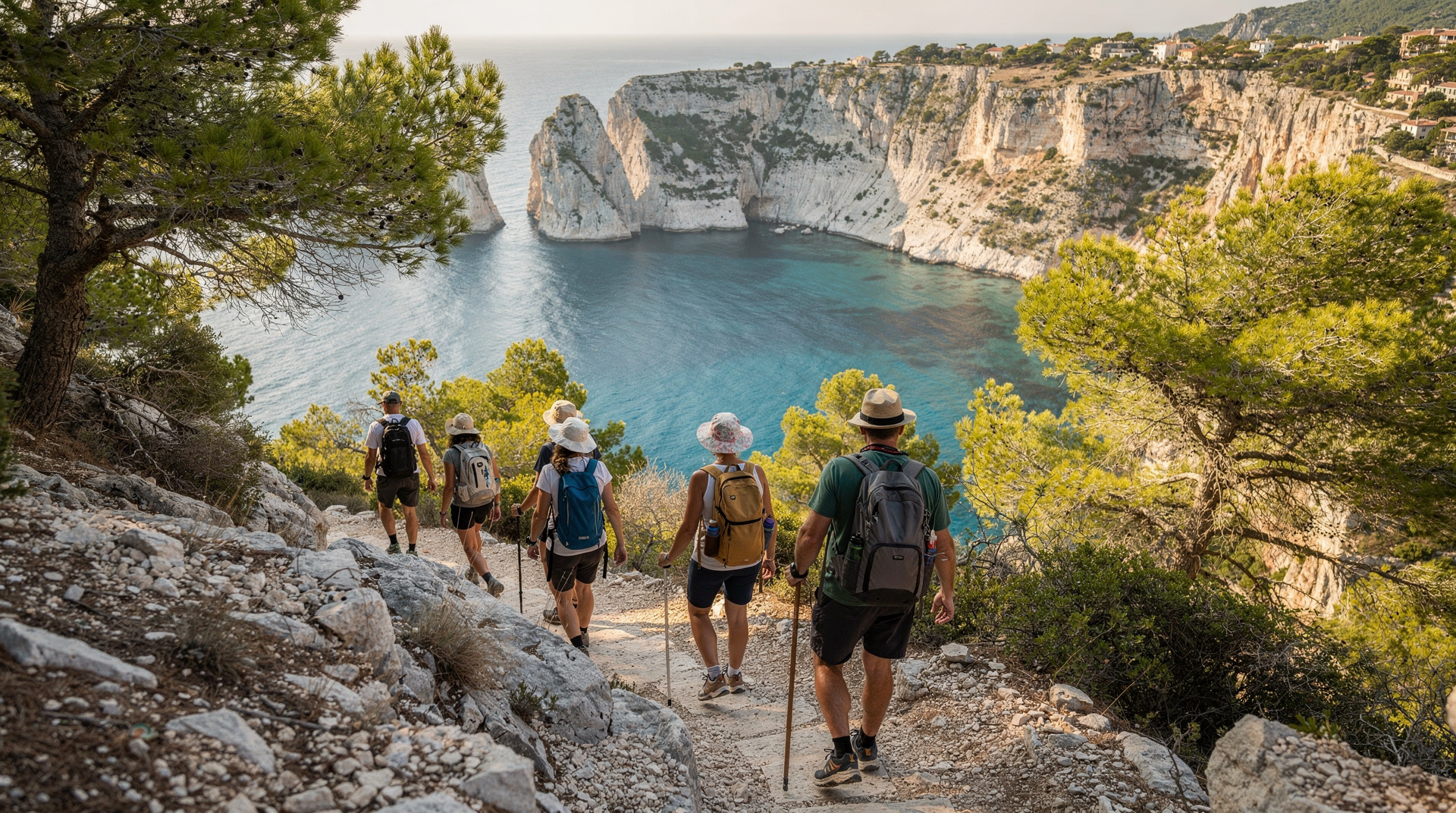
The path from the Cassis port toward Port-Miou (1.5 km, 20 minutes) is flat and easy — the first calanque, a long narrow inlet used as a yacht harbour. The path is accessible regardless of fire risk codes (it does not enter the restricted hiking zone on most days). Walk out, turn around at Port-Miou, and return to Cassis for the early evening.
Return to Marseille: 18:00–19:00
TER from Cassis to Gare Saint-Charles. Check sncf-connect.com for the specific timetable — trains run approximately hourly. Journey 22 minutes.
Option to stay in Cassis: If your travel schedule allows, staying in Cassis overnight is worthwhile — the village in the evening after the day visitors leave is the most appealing version of the place. The Marseille, Aix and Cassis three-day itinerary handles this combination with a Cassis overnight.
Day-by-day summary
| Day | Base activity | Pace |
|---|---|---|
| Day 1 — Marseille | Vieux-Port, MuCEM, Le Panier, Notre-Dame de la Garde, Corniche | Full, mostly on foot and by bus |
| Day 2 — Cassis | Port, Calanques boat tour, lunch, AOC wineries, coastal path | Full, mix of boat and foot |
Travellers who want a longer version of this pairing with an additional inland day should see the Marseille, Aix and Cassis 3-day itinerary, which adds Aix-en-Provence to the same train-based structure. For a Marseille-only deep dive before adding Cassis, the Marseille in two days itinerary covers the city portion in more depth.
What to book in advance
- Cassis boat tour — book online or arrive early at the port. In July–August, the 2-hour swim-stop tours sell out quickly by late morning.
- AOC Cassis winery visit — the electric buggy tour can be booked in advance; independent domaine visits benefit from a call ahead, especially in shoulder season.
- Fire risk check — if planning to walk the Port-Miou coastal path in summer, check calanques-parcnational.fr. The Port-Miou path is usually accessible (orange codes restrict only the inland trails), but verify.
- TER trains — no reservation required; check sncf-connect.com for timetables.
Variations
Longer Cassis on Day 2: Replace the morning Marseille exploration with an earlier departure to Cassis — take the 8:30 train from Saint-Charles, arrive in Cassis before 9:00, and spend the full morning on the water or hiking before lunch. This gives 8–9 hours in Cassis, sufficient for a proper hike from the port to En-Vau and back (15 km, 5–6 hours, see Calanques weekend for trail details).
More Marseille, less Cassis: Use Day 1 for the full Marseille experience (Vieux-Port, Le Panier, Notre-Dame, Calanques boat tour from Marseille). Use Day 2 morning only in Cassis — 4–5 hours for the port and a quick boat circuit — before returning to Marseille for a final dinner. This works if Marseille is the primary interest.
Wine-focused version: Add the food and wine weekend itinerary which incorporates Bandol AOC and adds cooking class options around the Marseille-Cassis axis.
Practical details for this Marseille–Cassis itinerary
Getting around Marseille
Marseille’s public transport covers the tourist zone well. The metro (lines 1 and 2) connects Gare Saint-Charles to the Vieux-Port (line 1, one stop), to the beaches via Rond-Point du Prado (line 2), and to the Joliette/Docks area (line 2, Joliette stop). Bus 83 runs along the Corniche Kennedy from the Vieux-Port south to the Prado beaches — this is the most scenically useful bus route in the city, running every 15–20 minutes in season. A single trip costs approximately 2 EUR; a 24-hour pass costs approximately 5 EUR and is worth it if you are using transport frequently.
The Vieux-Port ferry crosses the harbour between the north and south quais for approximately 0.50 EUR — a small but satisfying detail that avoids the 10-minute walk around the eastern end.
Taxis and Uber operate throughout the city. For the Corniche and Notre-Dame de la Garde, taxis charge approximately 10–15 EUR from the Vieux-Port.
Where to stay
For this itinerary, central Marseille is the right base — within walking distance of the Vieux-Port or one metro stop from Gare Saint-Charles. The Vieux-Port itself, the 1st and 7th arrondissements (Vieux-Port/South quai), and the 6th arrondissement (Cours Julien area) are the best locations. Mid-range hotels in these areas cost 90–160 EUR per night for a double room in season. Budget options near the station cost 60–90 EUR.
Cassis has accommodation for those who prefer to overnight there: small hotels and B&Bs on and near the port, typically 100–180 EUR per night. The village in the evening — after the day visitors leave by 18:00 — is much quieter and more pleasant than during the daytime peak. However, the logistics of Day 2 (morning boat tour, afternoon wine) are easier to manage with an overnight on the spot than with a day-trip return.
What to budget
A realistic mid-range budget for two people for this itinerary:
- Accommodation: 100–160 EUR per night × 2 nights = 200–320 EUR
- Cassis boat tour (2-hour): 30–40 EUR per person = 60–80 EUR
- Meals: 60–90 EUR per day for two = 120–180 EUR
- TER trains (Marseille–Cassis return): approximately 14 EUR for two
- Winery tour (optional): 40–65 EUR per person
Total excluding flights and accommodation transport: approximately 500–750 EUR for two for two days.
Marseille food: what to try
The two days in this itinerary pass through the essential Marseille food spectrum. On Day 1, the key tastes are North African (if you visit Noailles) or bouillabaisse adjacent (if you eat near the Vieux-Port). The panisse — a chickpea flour fritter, salted and eaten hot — is Marseille’s oldest street food and available from dedicated panisseries near the Vieux-Port. A portion costs 3–4 EUR and requires no context: it is just very good.
On the waterfront, avoid the restaurants directly facing the harbour at the Quai du Port — they charge tourist premiums. One block behind the waterfront, prices drop significantly and quality improves. The south quai (Cours Estienne d’Orves) is the reliably good choice for sit-down meals at fair prices (15–25 EUR for a plat du jour with a glass of wine).
In Cassis on Day 2, the food is straightforwardly seafood-focused. The port restaurants serve what the local boats bring in each morning. Moules marinières (mussels in white wine), sea bream (dorade), and oursins (sea urchins, November–April peak) are the honest choices. The AOC Cassis white wine is the correct pairing — not Provence rosé, which is widely served but is the wrong call for local fish on the Cassis coast.
Top experiences
Bookable activities with verified prices and instant confirmation on GetYourGuide.