Marseille tourist traps: the complete honest guide
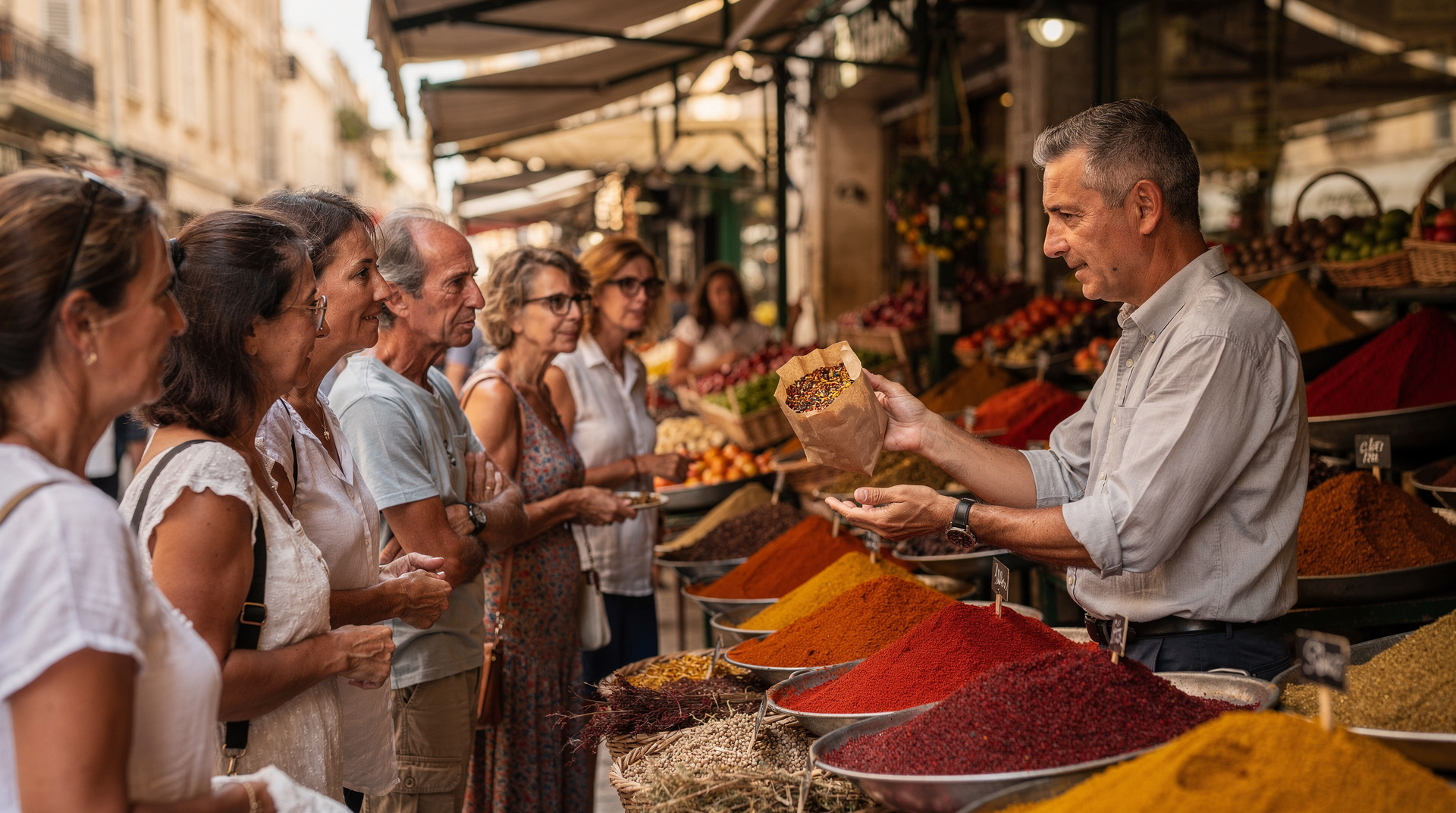
Marseille: walking food tour with tastings
What are the main tourist traps in Marseille?
The big five: EUR 30–40 bouillabaisse menus that are fish soup, not the dish; the petit train (useful for one specific trip, overpriced otherwise); fake savon de Marseille (no olive oil, moulded not cut); petition clipboard scams at Notre-Dame de la Garde; and boat tours that turn around before reaching any actual Calanques.
At a glance
| Where | Vieux-Port strip, Notre-Dame de la Garde esplanade, and the main tourist markets |
| Cost of falling for one | A few euros (bad soap) to around EUR 30–40 per person (fake bouillabaisse) |
| Time to avoid all of them | A 10-minute read of this guide before your trip |
| Getting it right | Book activities with clear duration/inclusions, buy soap at a factory shop, decline clipboards |
| Best time to be extra cautious | Peak cruise-ship days and July–August, when trap density around the Vieux-Port is highest |
Why an anti-trap guide for Marseille specifically
Marseille is not a city with an especially bad tourist-trap problem compared to Rome or Barcelona. But it has specific, consistent patterns worth knowing about before you arrive — and it has a bouillabaisse situation that is almost uniquely confusing because tourists genuinely cannot distinguish a real dish from an imitation without background knowledge.
This guide covers the most reliably reported traps: where you will lose money without getting value, where you will get something that is presented as one thing but is another, and where you will encounter social-engineering techniques that play on tourist politeness. None of these are catastrophic. All of them are avoidable.
Trap 1: Vieux-Port “bouillabaisse” menus
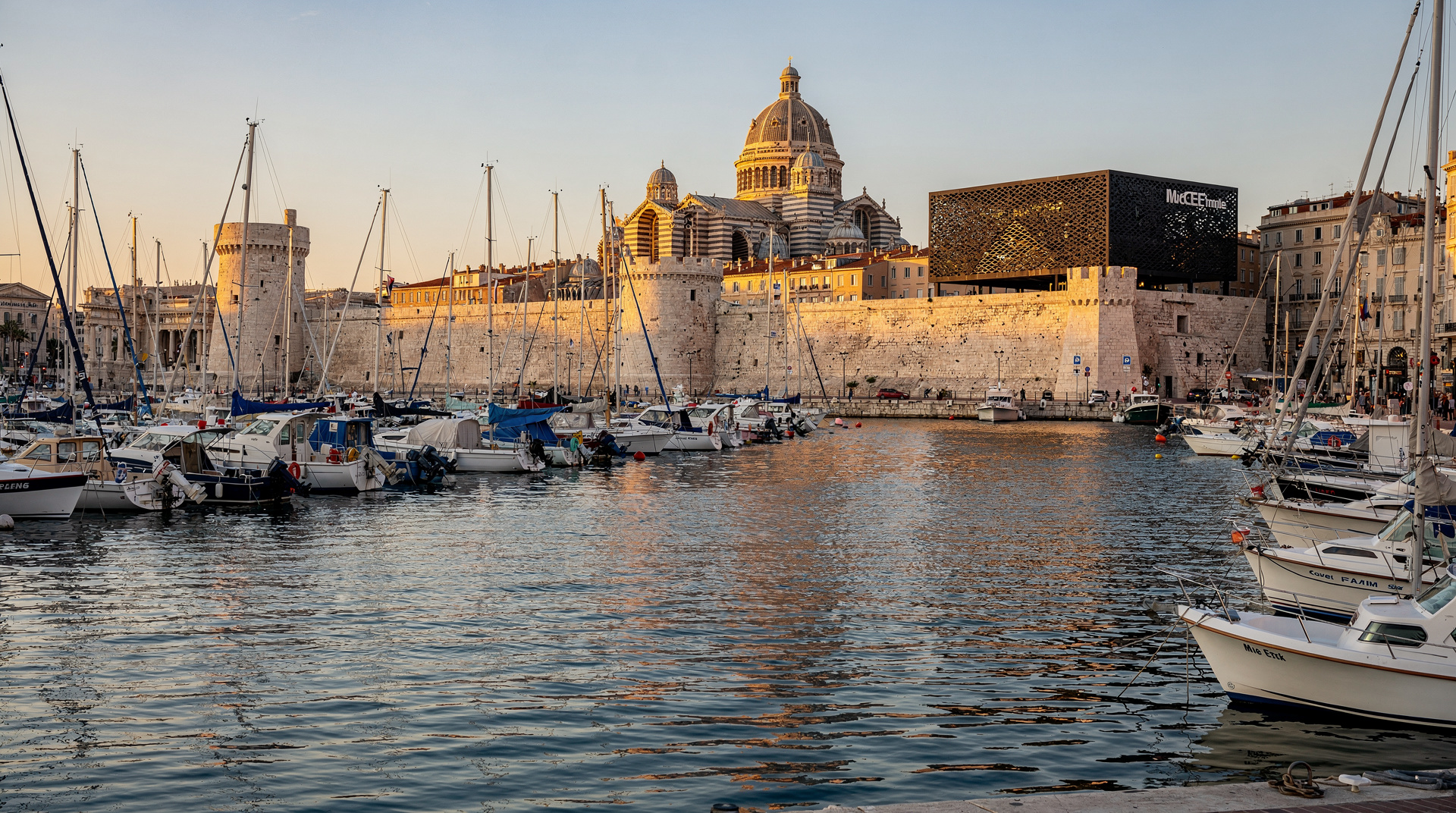
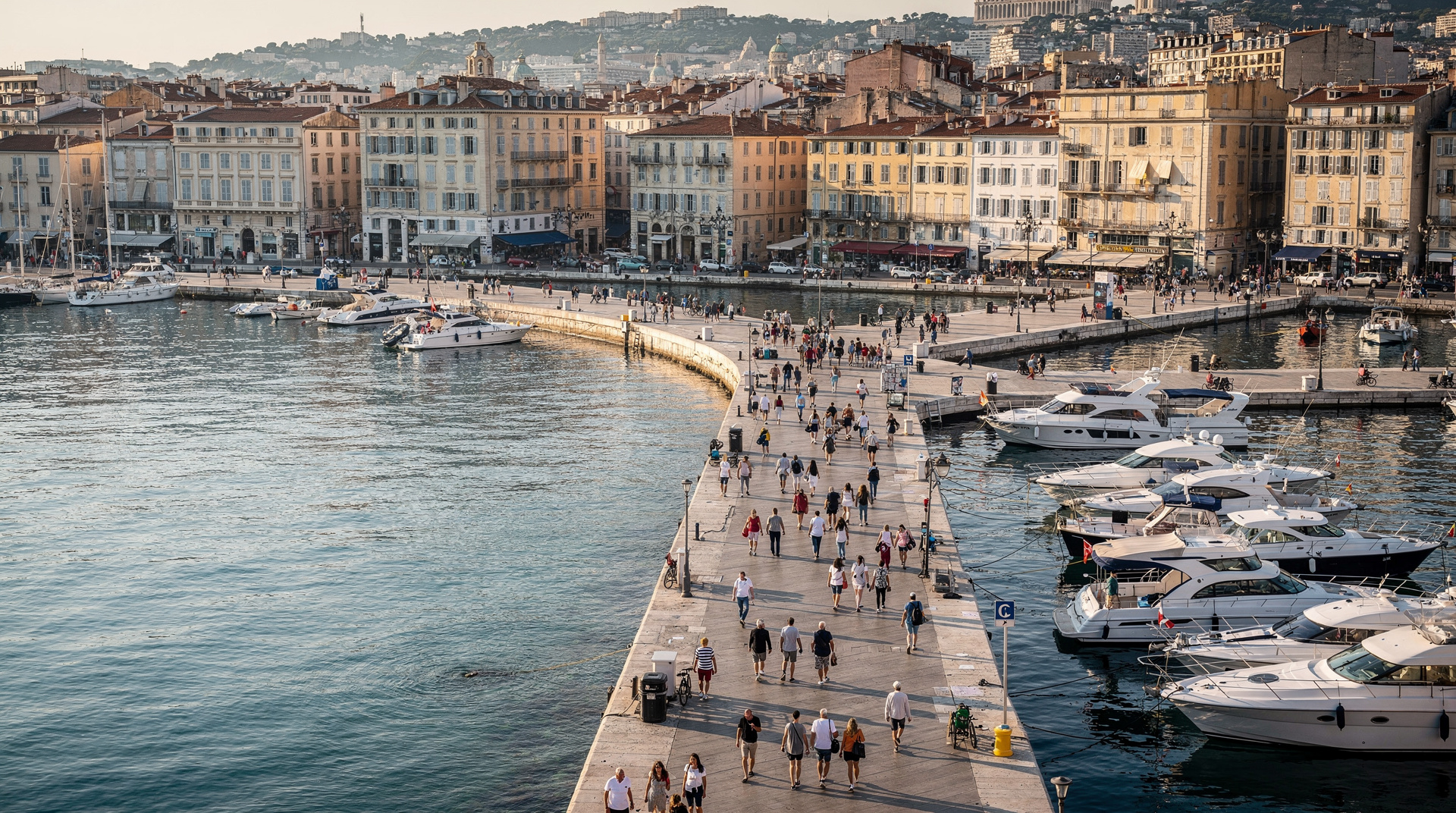
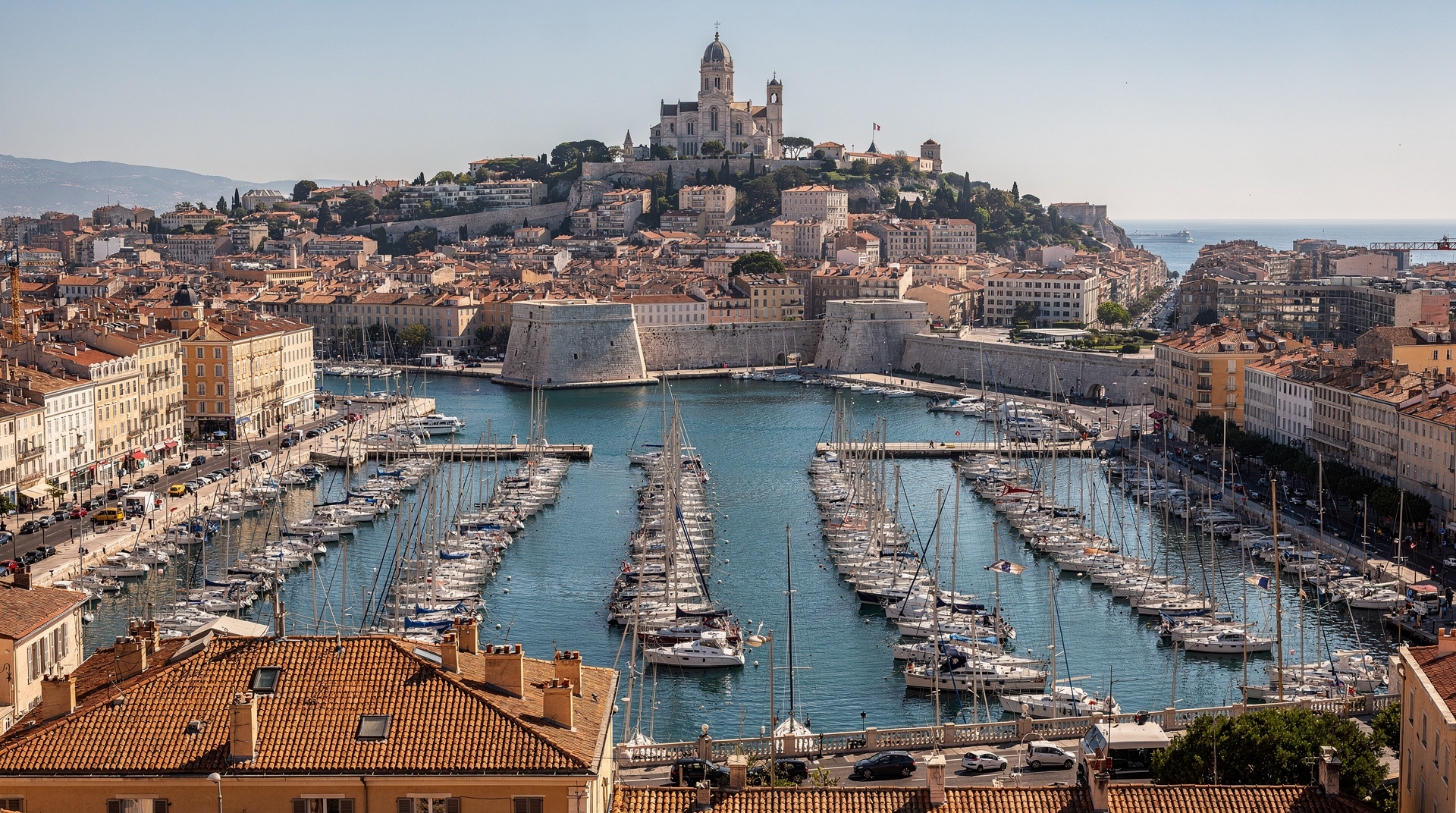
The south and north quais of the Vieux-Port are lined with restaurants competing for tourist trade. Almost all of them have “bouillabaisse” on the menu at prices between EUR 25 and EUR 45. Almost none of them are serving bouillabaisse in any recognisable sense of the word.
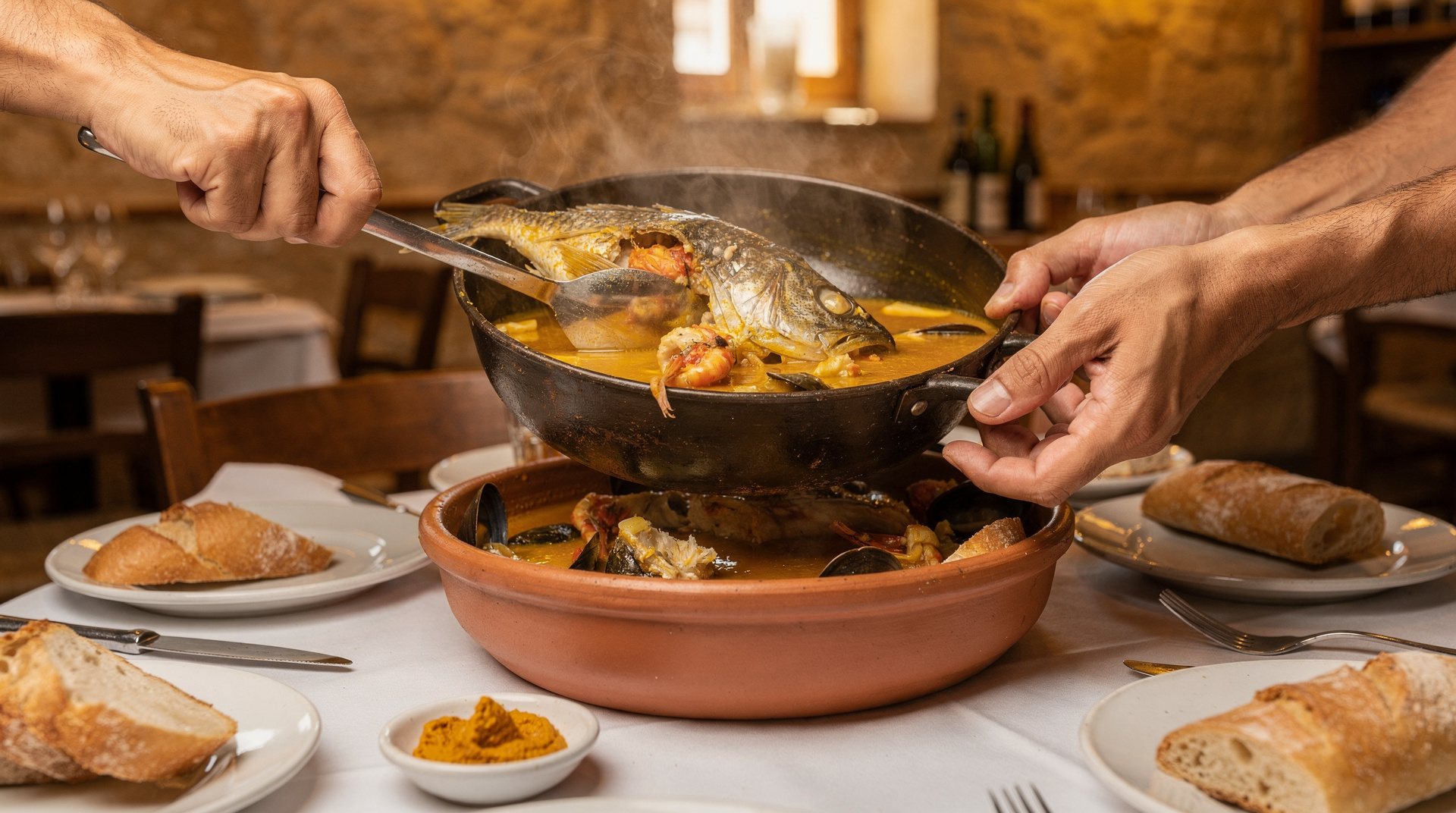
Real bouillabaisse requires 24-hour advance ordering, minimum two people, specific fish species (rascasse is non-negotiable), a two-service ritual with broth first and fish separately, and costs EUR 65–90 per person at restaurants that actually make it. It cannot be produced at EUR 25 a head on demand. What you are getting from the Vieux-Port strip is fish soup — sometimes decent fish soup — labelled with a word that sounds like the dish you have heard about.
The honest verdict: The Vieux-Port restaurant strip is set up for fast throughput of tourist covers. The food ranges from acceptable to mediocre; the bouillabaisse label is almost always a misrepresentation. If you want to eat on the Vieux-Port, eat grilled fish, moules-frites, or a simple seafood plate rather than ordering the EUR 35 “bouillabaisse.” The real thing is available at a handful of Charter signatory restaurants — notably Chez Fonfon and Le Rhul — but requires planning. See our full bouillabaisse guide.
Trap 2: The tourist petit train — honest verdict
The tourist petit train from the Vieux-Port is a classic feature of French Mediterranean cities. In Marseille there are two main circuits: one climbing to Notre-Dame de la Garde and one touring the flat Vieux-Port and Panier area. Cost: around EUR 12–15 per adult, with children’s tickets.
When it is genuinely useful: The Notre-Dame de la Garde circuit is the one case where the petit train provides real value — it takes you directly up to a basilica with a 360-degree view over the city, the bay, the Calanques, and the islands, without the steep 20-minute uphill walk. For families with young children, older visitors, or anyone who wants the view without the exertion, this specific circuit is worth it. The panorama from the top is spectacular.
When it is a waste: The flat Vieux-Port circuit is essentially a diesel vehicle tour of streets that are more interesting to walk. You see the same buildings from a slow-moving train, with a recorded commentary, without being able to stop or engage with anything. An able-bodied visitor who can walk 2–3 km at a comfortable pace will have a more rewarding two hours on foot. The petit train in this context is primarily useful to operators and not especially useful to tourists.
The honest framing: The petit train is not a scam — it provides what it promises. It is simply poor value for most adult visitors except for the specific Notre-Dame circuit. Do not let hotel staff or guides present it as the default way to see the city.
Trap 3: Fake savon de Marseille
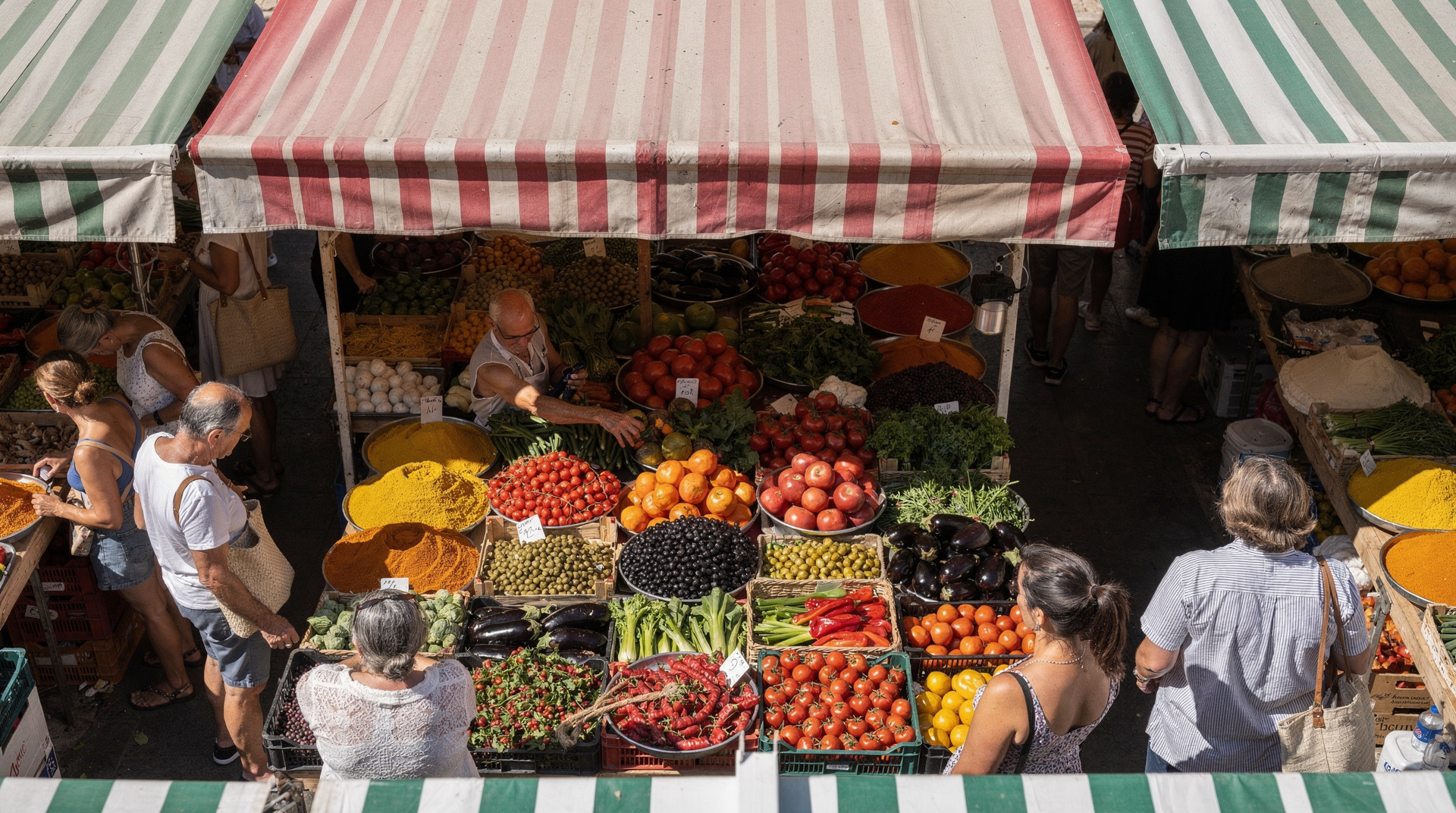
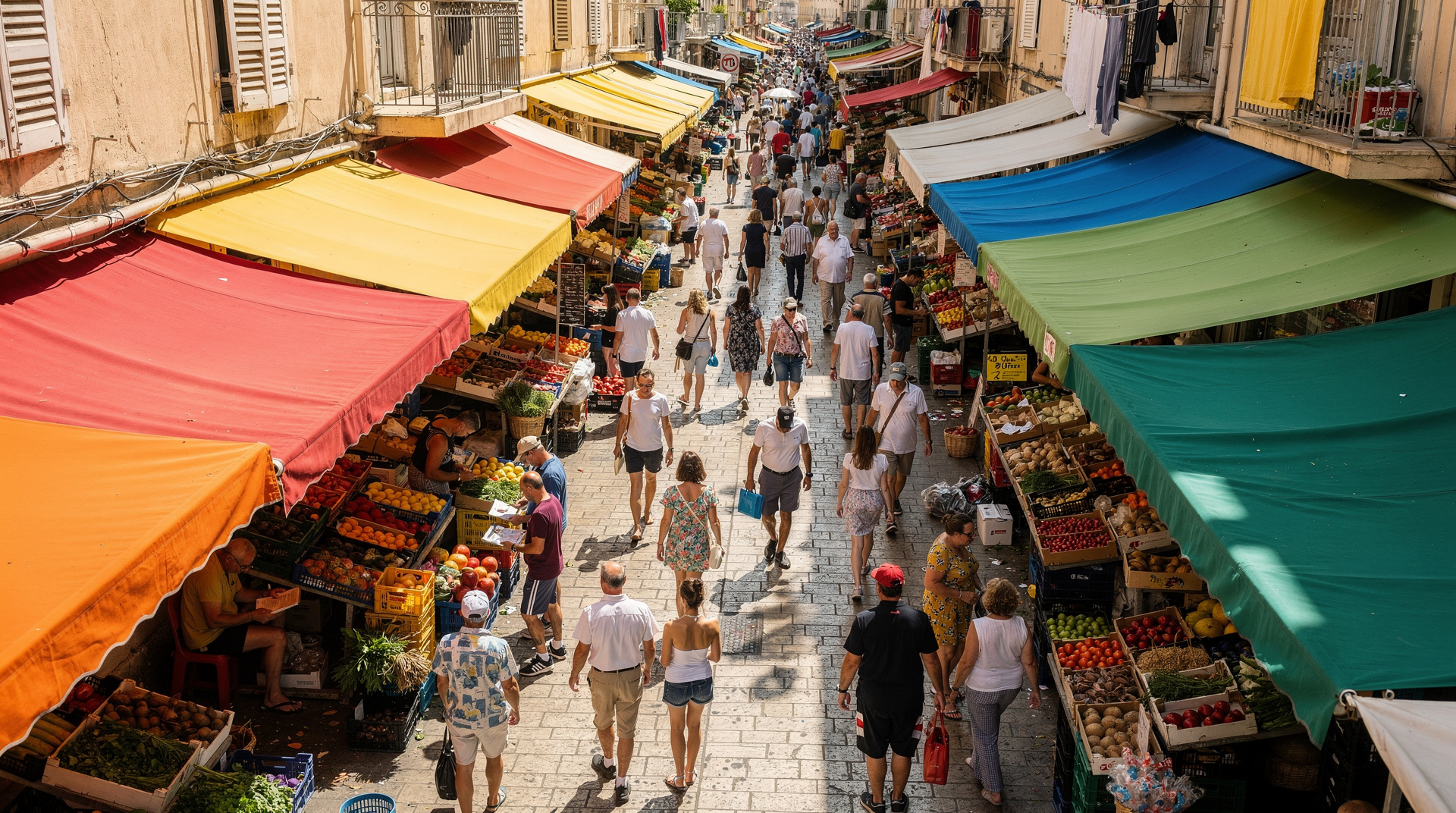
Savon de Marseille is one of the most widely marketed products in the city’s tourist economy and one of the most extensively faked. The tourist markets around the Vieux-Port and the souvenir shops throughout the centre sell beautifully presented soap in decorative shapes — small fish, lavender bundles, miniature Provençal scenes — in pastel colours and attractively packaged boxes. Almost none of it is authentic savon de Marseille.
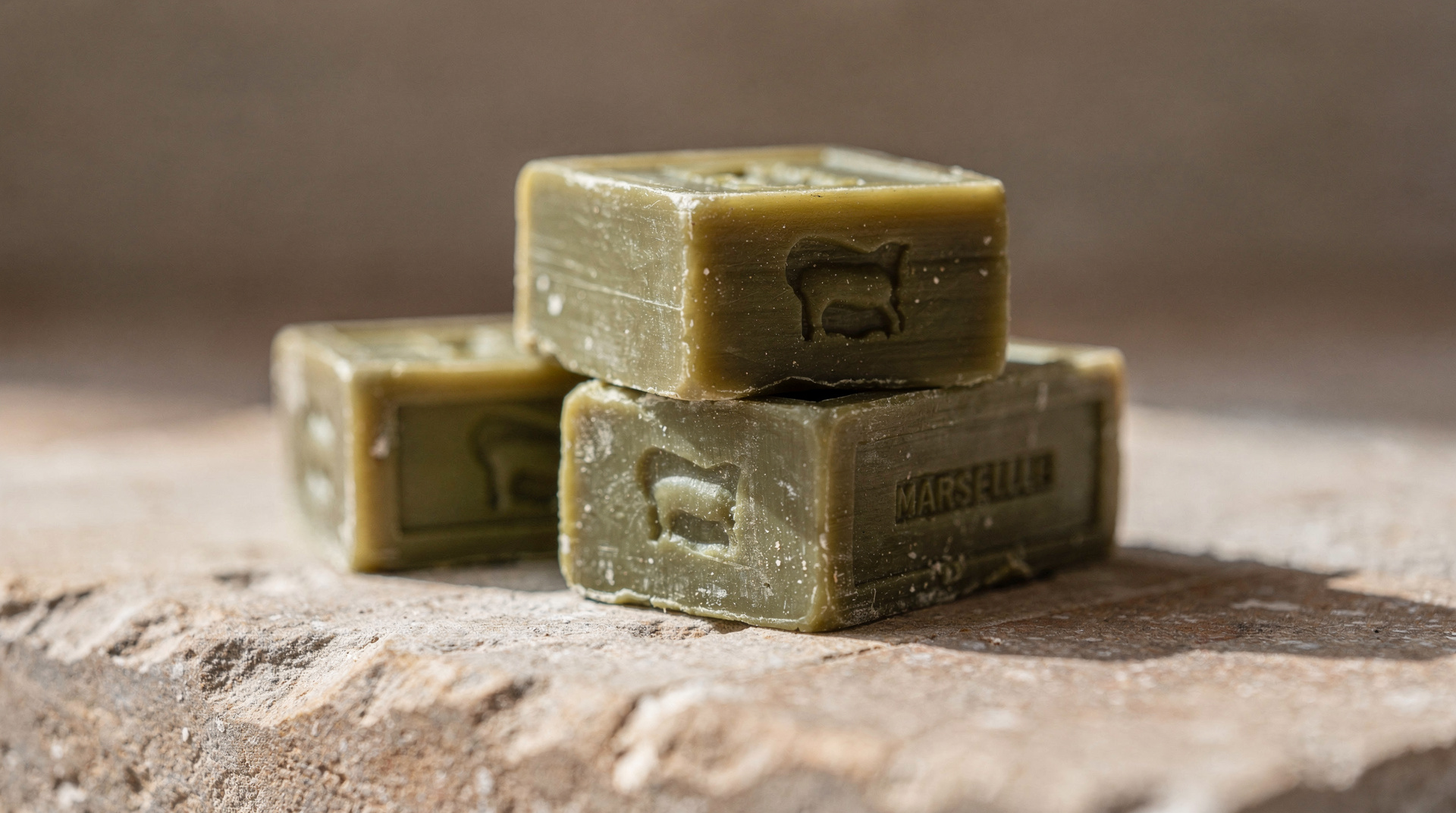
What authentic savon de Marseille actually is: A vegetable oil soap, traditionally 72% olive oil (the percentage is stamped on genuine products), made by cold-process cauldron saponification using sea salt and soda ash, by one of four actual factories: Marius Fabre (Salon-de-Provence), Le Sérail (Marseille), Le Fer à Cheval (Marseille), and Savonnerie du Midi (Marseille). It comes in large green or brown cubes, cut to size — not moulded into decorative shapes. The cube stamp is the primary visual indicator.
What the tourist market sells: Moulded glycerin soaps with added scents and colourants, sometimes made from palm oil, sometimes manufactured in Asia or eastern Europe, sometimes made by small French artisans who do not meet the traditional production standards. These are not necessarily bad products — a well-made lavender glycerin soap is a pleasant souvenir. But they are not savon de Marseille and should not be sold as such.
Where to buy authentic soap: The factory shop of Le Sérail (50 Boulevard Anatole de la Forge, Marseille 3rd arrondissement) is the most accessible genuine source in the city itself. Marius Fabre’s factory shop and museum is in Salon-de-Provence, 40 km away but worth visiting if the soap is important to you — the factory has been operating since 1900 and offers guided tours. For more on buying authentic soap, see our savon de Marseille shopping guide.
Trap 4: Petition clipboard at Notre-Dame de la Garde
Near the esplanade of Notre-Dame de la Garde and occasionally at the Vieux-Port, tourists are approached by individuals holding clipboards asking them to sign a petition for a charity — often framed as supporting deaf communities, orphaned children, or a similar cause. The request seems innocuous.
How it works as a scam: The clipboard is held close to you at chest height while you read and sign. A partner, or sometimes the same person after you are distracted by the signing, accesses a bag, jacket pocket, or camera strap. After signing, the person shows you a printed price list and requests a donation for the charity — social pressure to give after you have already engaged.
No registered French charity collects this way. Registered charities in France have numbered authorisations and do not use this approach at tourist sites. Engaging with the clipboard, however briefly, gives the technique its opportunity.
The response: A simple “non, merci” said while continuing to walk is sufficient. You do not need to explain or engage.
Trap 5: Short boat tours that do not reach the Calanques
“Calanques boat tour” sounds self-explanatory. But the term is applied to tours of very different actual content, and one category of product is near-worthless.
The short version: a 1–1.5 hour “Calanques panoramic tour” or “Calanques discovery” that departs from the Vieux-Port, travels along the coast southward until the limestone cliffs are visible from the sea, and turns back. You see the exterior face of the Calanques from a distance. You do not enter any Calanque creek. There is no swimming stop. You return to the Vieux-Port with a view of cliffs you could arguably see from the Corniche on foot for free.
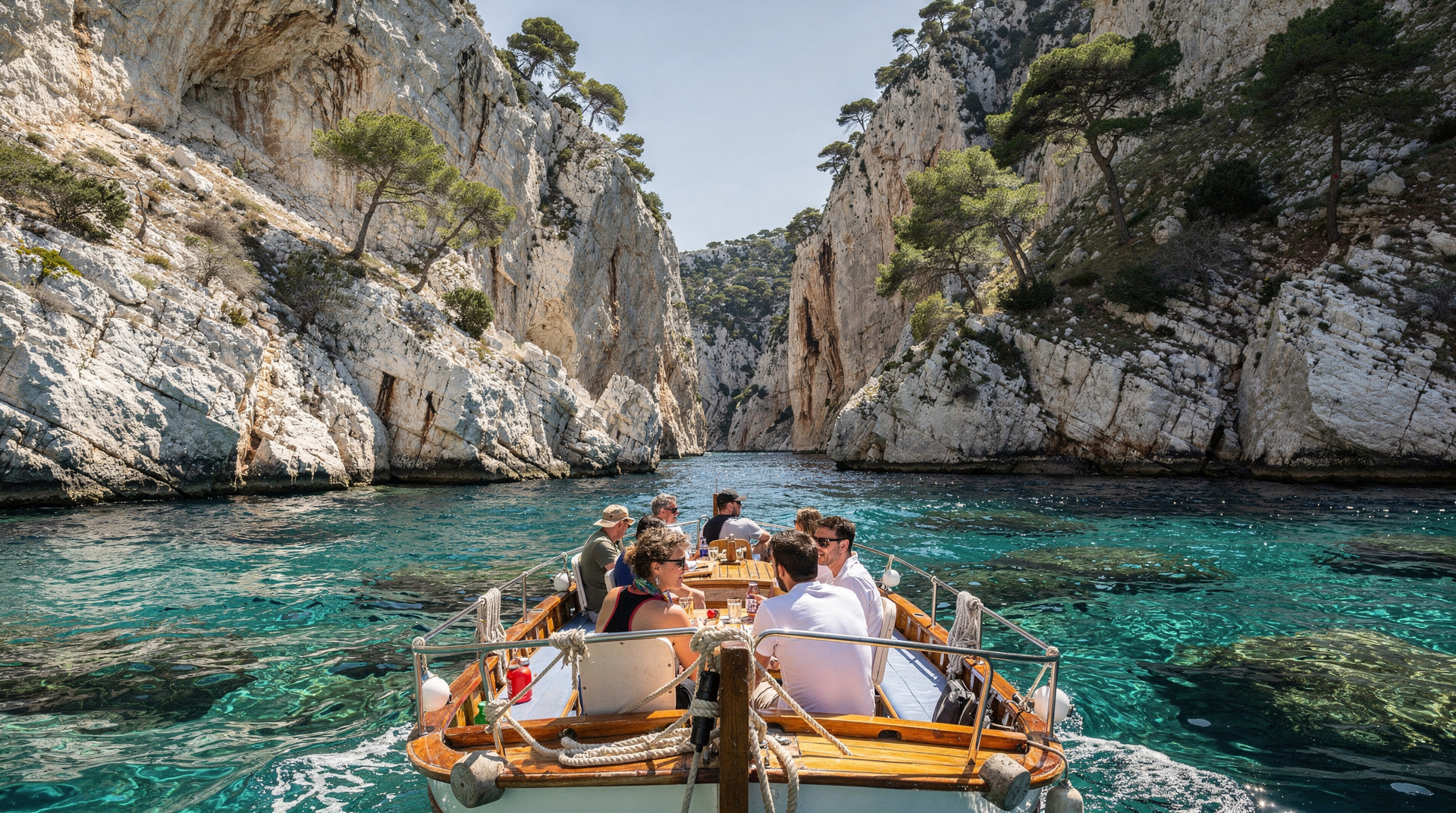
What a genuine Calanques boat tour delivers: Entry into at least one — preferably two or three — of the actual Calanque inlets, with the boat proceeding through the narrow opening into the sheltered turquoise water inside. A swimming stop in a Calanque. Minimum 3 hours, ideally 4–4.5 hours. This is the experience worth EUR 35–55. The exterior panoramic version is not.
How to check before booking: Ask the operator directly: “Does the tour enter the Calanques themselves, or does it view them from outside?” Ask whether there is a swimming stop. Ask the total duration. A legitimate operator of a real Calanques boat tour will answer these questions straightforwardly. See our Calanques boat tour guide for verified options.
Trap 6: Château d’If overselling
Château d’If — the island fortress visible from the Vieux-Port, famous as the prison of Edmond Dantès in Alexandre Dumas’s Count of Monte Cristo — is marketed very heavily in Marseille’s tourist materials. The reality is specific: it is a sparse stone fortress on a small island, interesting primarily as a historical site and for the boat ride.
What you actually get: A 25–30 minute boat ride to the island (leaving from the Vieux-Port), a self-guided walk around the fortress and its cells, historical panels about the real prisoners held there (including some Protestant prisoners and, contested, a black sheep of a Swiss regiment). The island is small — 90 minutes is enough to see everything at a comfortable pace. The views back toward Marseille from the island are good.
What you do not get: Rich interior decoration, museum-quality exhibitions, or the dramatic dungeon experience that the Count of Monte Cristo association implies. The cells are bare stone. The fortress is functional rather than architecturally dramatic.
Honest verdict: Worth doing as part of a Frioul Islands half-day — the combined boat ticket covers Château d’If and the Frioul Islands, and the islands have more to offer (rocky beaches, swimming, walking paths). Doing Château d’If as the sole destination of a half-day is a less satisfying use of your time unless the literary or historical angle is specifically important to you. See our Frioul Islands guide for how to combine both.
Trap 7: Overpriced airport and cruise-terminal transfers
Both Marseille-Provence Airport and the cruise terminal see drivers and touts offering “fixed price” transfers that are quoted before you have a chance to compare against the metered fare or the public options. A short hop that would cost a fraction of the quoted flat rate on the meter gets marked up for travellers who look uncertain about local pricing.
The honest verdict: Official white taxis with a rooftop light are legitimate and not inherently a trap — ask for the meter (compteur) or confirm the flat rate against the posted tariff board before getting in. For most airport transfers, the Navette 91 bus (around 10 EUR) or the airport TER train (around 4–6 EUR) are cheaper and just as fast door-to-door once you account for traffic. See our where-to-stay guidance for how transfer choice interacts with neighbourhood.
Trap 8: The “Calanques tour” that is actually a city harbour cruise
A specific variant worth calling out separately from Trap 5: some Vieux-Port kiosks sell a short “Marseille bay cruise” using Calanques imagery on the poster, when the itinerary never leaves the urban harbour and outer islands. This is more a labelling problem than a scam, but it catches travellers who assumed “boat tour” automatically meant the Calanques.
How to avoid it: Read the stops listed, not just the name of the tour. A genuine Calanques itinerary names specific calanques (Sormiou, Morgiou, En-Vau, Sugiton) or Cassis-side inlets (Port-Miou, Port-Pin). If the description only mentions “the bay,” “the islands,” or “the coast,” it is very likely the Château d’If and Frioul circuit rather than the Calanques. Compare options in our best Calanques boat tours guide before booking.
The honest summary
None of the above are unique to Marseille, and none of them are deeply sinister. They are the predictable intersection of tourist expectations, marketing incentives, and the normal commerce of a major tourist city. What makes Marseille slightly more trap-prone than comparable French cities is the combination of a powerful brand (bouillabaisse, savon, Calanques) with a large cruise tourist market that creates economic pressure to monetise the brand quickly.
The counter to traps is specific knowledge, which is what this guide provides. Armed with the above, you can skip the EUR 35 fish soup, identify the real soap, avoid the clipboard, book the right length of boat tour, and go to Notre-Dame with realistic expectations.
For the specific safety and pickpocket picture, see our safety guide and pickpocket zones guide. For the full food picture including what is genuinely worth eating, see our restaurant guide.
Frequently asked questions about Marseille tourist traps
Is the tourist petit train in Marseille worth it?
For the Notre-Dame de la Garde circuit specifically, it is a reasonable option for families with young children or anyone who cannot climb the hill on foot — the views from the top are genuinely spectacular and the train takes you there without the uphill walk. For the Vieux-Port flat circuit, it is expensive for what it delivers. EUR 12–15 per adult for a diesel vehicle tour of streets you could walk more freely is not good value for an able-bodied traveller.How do I spot fake savon de Marseille?
Authentic savon de Marseille: cut from a large cube (not moulded into a shape), stamped with the factory name and '72% huile végétale' or '72% d'huiles', made in the Marseille region at one of the four genuine factories (Marius Fabre, Le Sérail, Le Fer à Cheval, Savonnerie du Midi). Fake: comes in ornate shapes (fish, roses, etc.), often sold in tourist markets in pastel colours, made from palm oil or synthetic bases. The cube stamp is the clearest visual indicator.What is the petition clipboard scam in Marseille?
Near Notre-Dame de la Garde and sometimes at the Vieux-Port, people approach tourists with a clipboard asking them to sign a petition for a charity cause. The clipboard is held close while a partner reaches behind the signer. Sometimes, after signing, they request money. This is a well-documented scam technique in major French tourist cities. Do not sign anything from a stranger on the street.Which Calanques boat tours are too short to be worth it?
Any boat tour lasting under 2 hours from the Vieux-Port is unlikely to reach an actual Calanque creek and return. Some tours marketed as 'Calanques discovery' run for 1–1.5 hours and travel only as far as the Calanques entrance before turning back — giving you a view of limestone cliffs from a distance. A worthwhile Calanques boat tour is 3–4.5 hours minimum, with at least one swimming stop inside a Calanque. Verify duration and swimming stops before booking.Is Château d'If worth visiting?
Château d'If is historically interesting but visually sparse — a bare stone fortress on a small island. If you are interested in its Count of Monte Cristo association or its history as a political prison, the 30–45 minute boat ride and the island walk are worthwhile. If you are expecting dramatic architecture or interior richness, you will be disappointed. The Frioul Islands (accessible on the same ferry) are more rewarding for most visitors. Combined: a good half-day.Are taxis in Marseille a tourist trap?
Not in the classic overcharging sense, but airport and cruise-port taxis sometimes quote a flat rate that is higher than the metered fare would be for a short trip. Ask for the meter (compteur) to be used, or confirm the flat rate before getting in. Official taxis are white with a rooftop light; avoid unmarked cars offering rides outside the cruise terminal or station.Should I book Calanques activities or restaurants directly at the Vieux-Port on the day?
For the best Calanques boat tours, no — the good operators with genuine multi-hour itineraries sell out, especially morning departures in summer, and booking a day ahead online typically gives clearer pricing than a walk-up ticket booth. For restaurants, walk-up is fine away from the tourist quai; for a Charter bouillabaisse restaurant, 24-hour advance ordering is required regardless.
Top experiences
Bookable activities with verified prices and instant confirmation on GetYourGuide.