Best restaurants in Marseille: by neighbourhood and cuisine
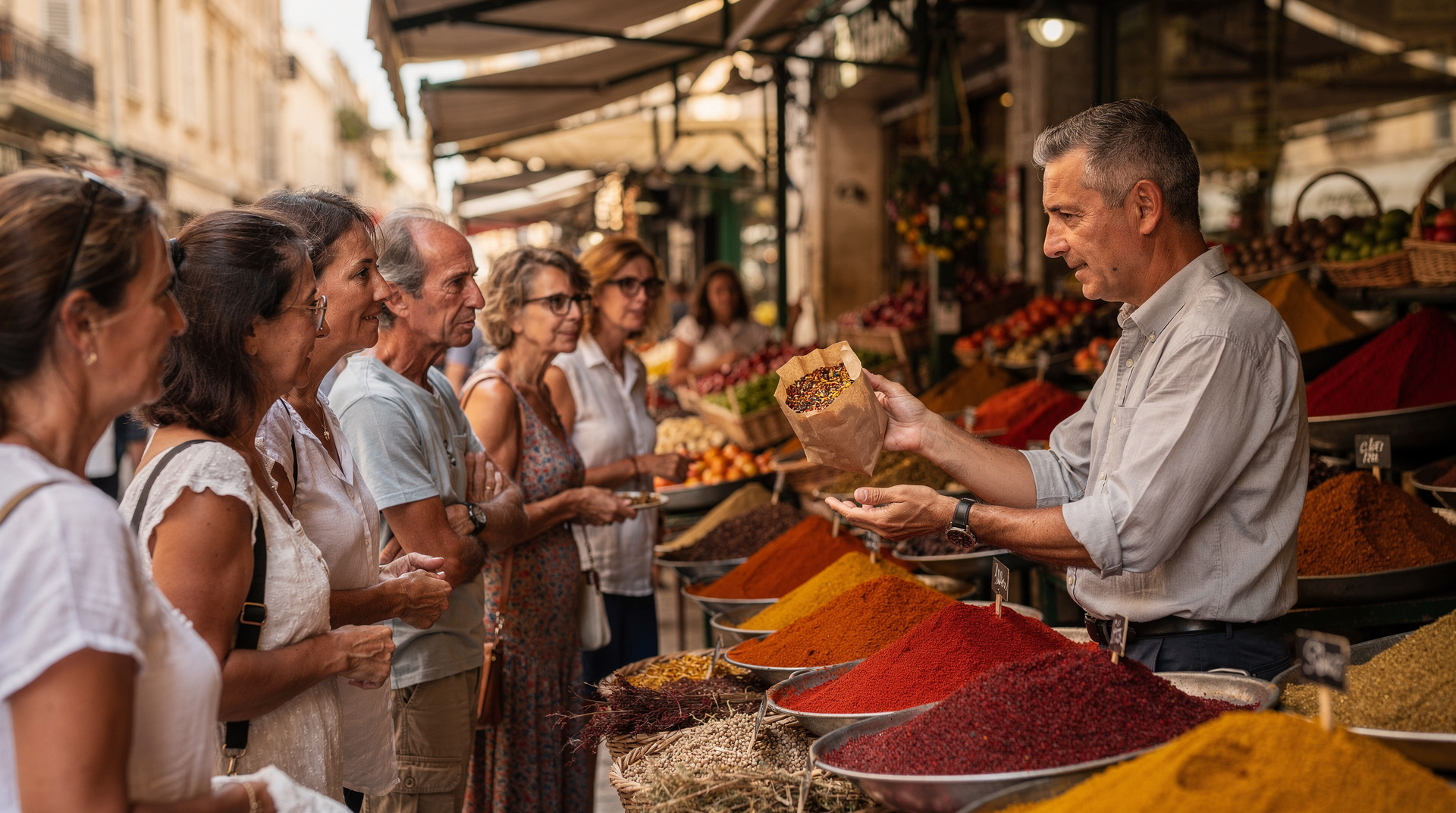
Marseille: walking food tour with tastings
Where do locals actually eat in Marseille?
Cours Julien and the streets around it (Rue d'Aubagne, Rue Pastoret) have the highest density of genuine, owner-run restaurants. The Vieux-Port tourist strip is largely to avoid. For seafood, the Vallon des Auffes and Catalans beach restaurants are the right addresses.
| At a glance | |
|---|---|
| Where | Cours Julien, Noailles, Vallon des Auffes, Le Panier, Vieux-Port (northern quai only) |
| Cost | Around EUR 5–12 market lunch; EUR 20–35 lunch; EUR 35–60 dinner; EUR 53–85 bouillabaisse |
| Time needed | Lunch service 12:00–14:00; dinner from 19:30–20:00 |
| Getting there | Walkable between Vieux-Port, Le Panier, and Cours Julien; see getting around Marseille |
| Best time | Weekday lunch for value; Friday/Saturday evening in Cours Julien for atmosphere (book ahead) |
How to eat well in Marseille without getting it wrong
Marseille’s restaurant scene divides sharply. There are genuinely excellent places — restaurants where the food is rooted in the sea, the market, and the city’s immigrant food cultures — and there are tourist-facing mediocre places, particularly clustered along the Vieux-Port southern quai and around the ferry terminal. Telling them apart before you sit down matters.
The honest rule of thumb: the further you walk from the Vieux-Port tourist strip, the better the food gets. Cours Julien, Noailles, the Vallon des Auffes, and the streets running between Le Panier and the port are where the genuine restaurant culture of Marseille lives.
This guide organises the eating landscape by neighbourhood and cuisine type. Because Marseille’s restaurant scene evolves quickly, we describe verified addresses where names can be confirmed, and describe the type and zone where verified specifics are not available for 2026.
The Vieux-Port: what to expect
The southern quai (Quai de Rive Neuve) and the restaurants facing the harbour mouth are the most visible eating destination in Marseille and, with some exceptions, the least interesting. These restaurants capture cruise ship passengers and day-trippers with menus that trade on location rather than quality. That said, a few addresses on and immediately around the Vieux-Port maintain serious standards.
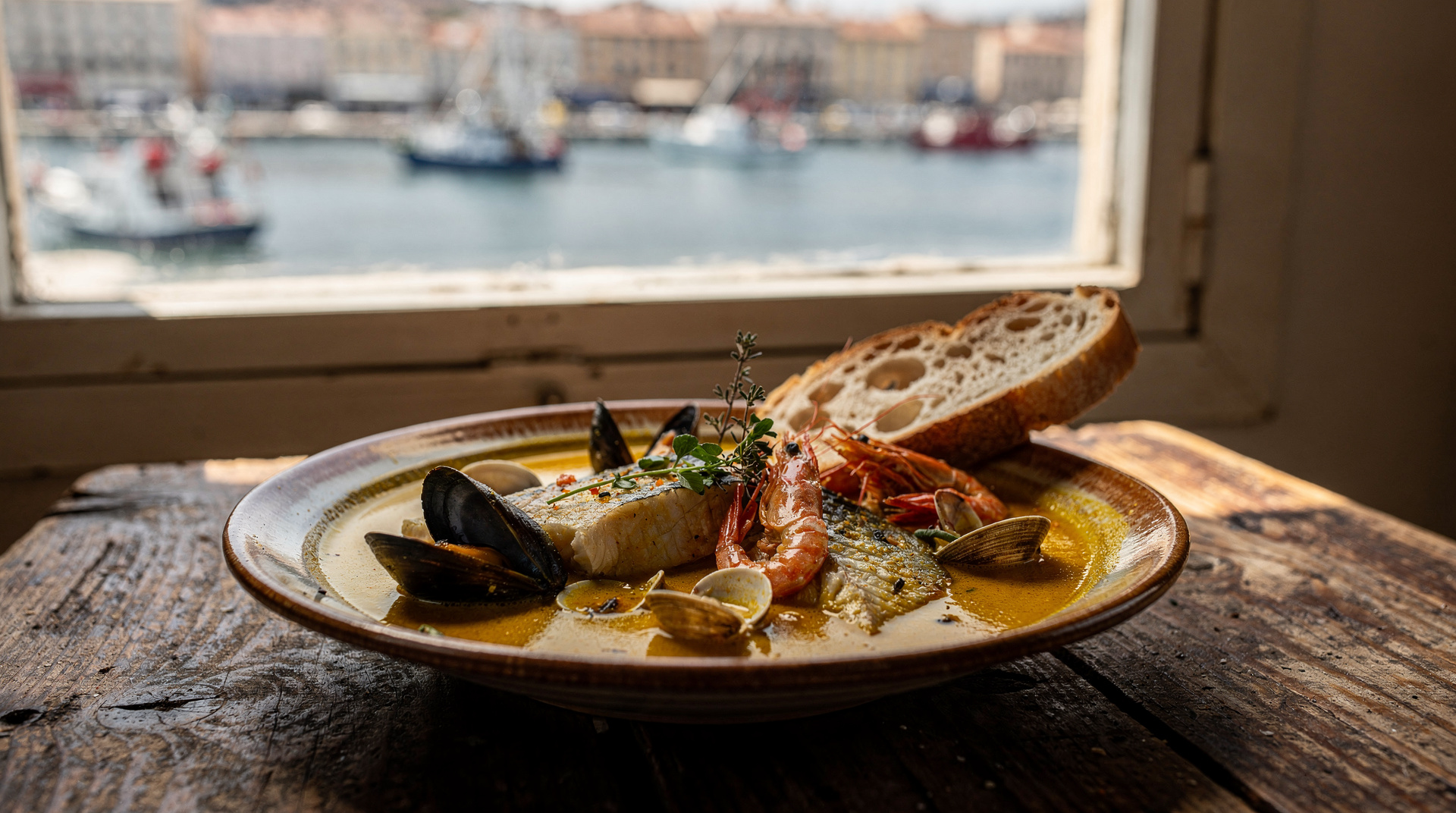
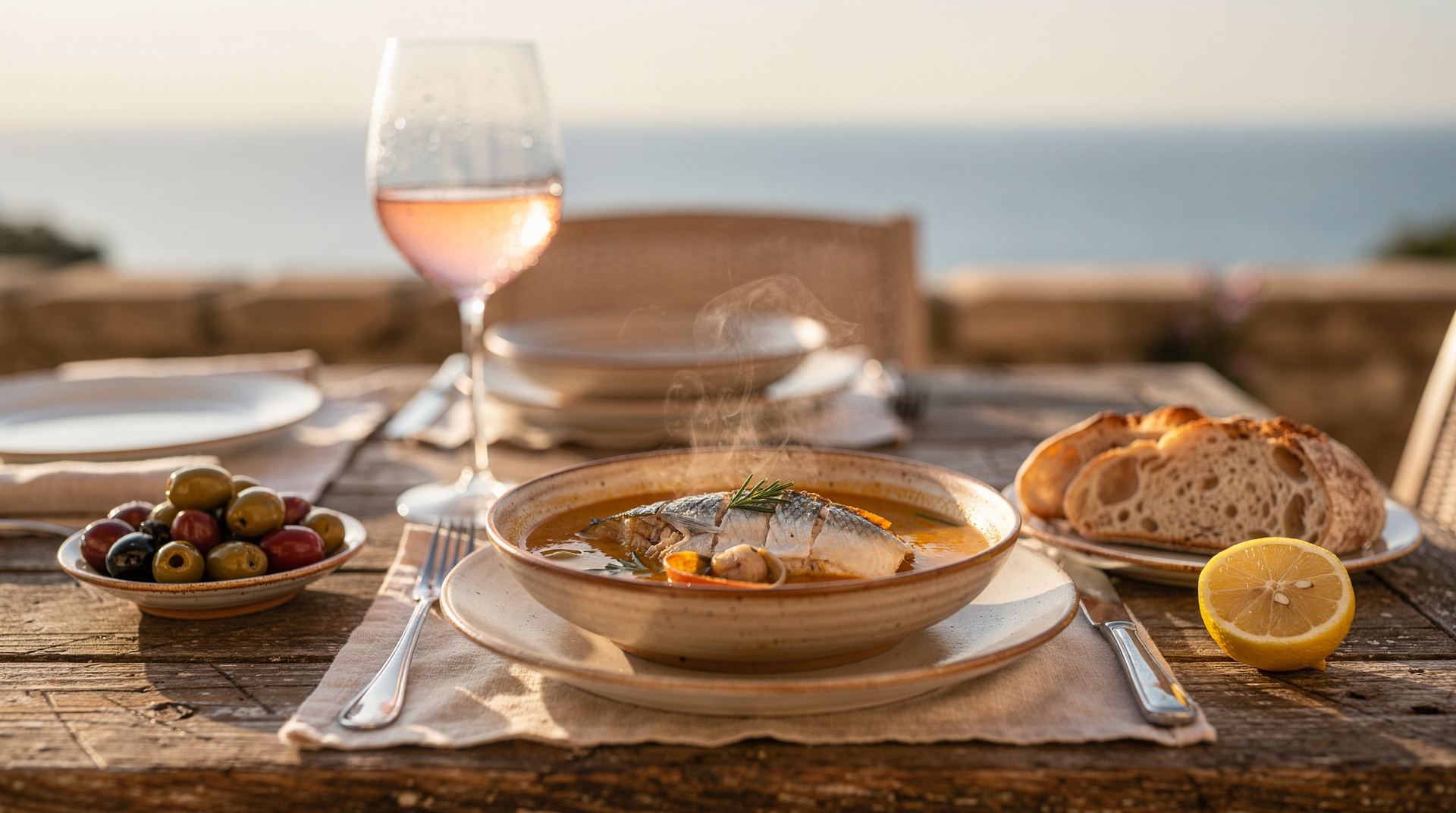
For bouillabaisse: Le Miramar (Quai du Port, northern side) and Chez Madie Les Galinettes (also Quai du Port) are Charter signatories with genuine credibility. See our bouillabaisse guide for the full picture on both.
For seafood without bouillabaisse: The northern quai (Quai du Port) has a more local character than the southern quai. Restaurants here tend toward straightforward Provençal fish cooking rather than tourist menus. Look for places listing the day’s catch on a blackboard rather than laminated menus with photos.
What to avoid: The stretch of restaurants between the ferry dock and the Ombrière (Quai des Belges) is almost entirely tourist-facing. Menus with photographs, English-language touts at the door, and bouillabaisse listed at EUR 25 are all warning signs. The food is not dangerous — it is simply not worth the EUR 30–40 you will spend on it.
For breakfast and coffee: The Vieux-Port works well for a morning café — terrace, croissant, espresso, harbour view. The price for this ritual is elevated (EUR 5–8 for coffee and a pastry) but the experience is part of Marseille. Enjoy it once rather than twice.
Le Panier: artisan and neighbourhood eating
Le Panier’s restaurant scene is smaller and more neighbourhood-focused than the Vieux-Port. The quarter’s steep lanes are not built for destination dining — it is more about stumbling into a small terrace for lunch after exploring the street art.
The character: Restaurants in Le Panier tend toward Provençal home cooking and simple seafood — grilled fish, tapenade-dressed salads, omelettes with herbs. Prices are moderate (EUR 15–25 for a plat du jour with a glass of rosé). The quality varies, but the setting compensates for almost anything.
What works: Lunch at one of the small places on Place des Pistoles or in the lanes around Rue du Panier — these are genuine neighbourhood bistros frequented by Le Panier residents, not tourist-focused establishments.
The Vieille Charité area: The square and streets around the Vieille Charité museum have a slightly more curated café scene — coffee shops and light-lunch spots that do good work for a mid-morning break during a Le Panier walking circuit.
For the full neighbourhood picture, see the Le Panier guide.
Cours Julien: the best restaurant density in the city
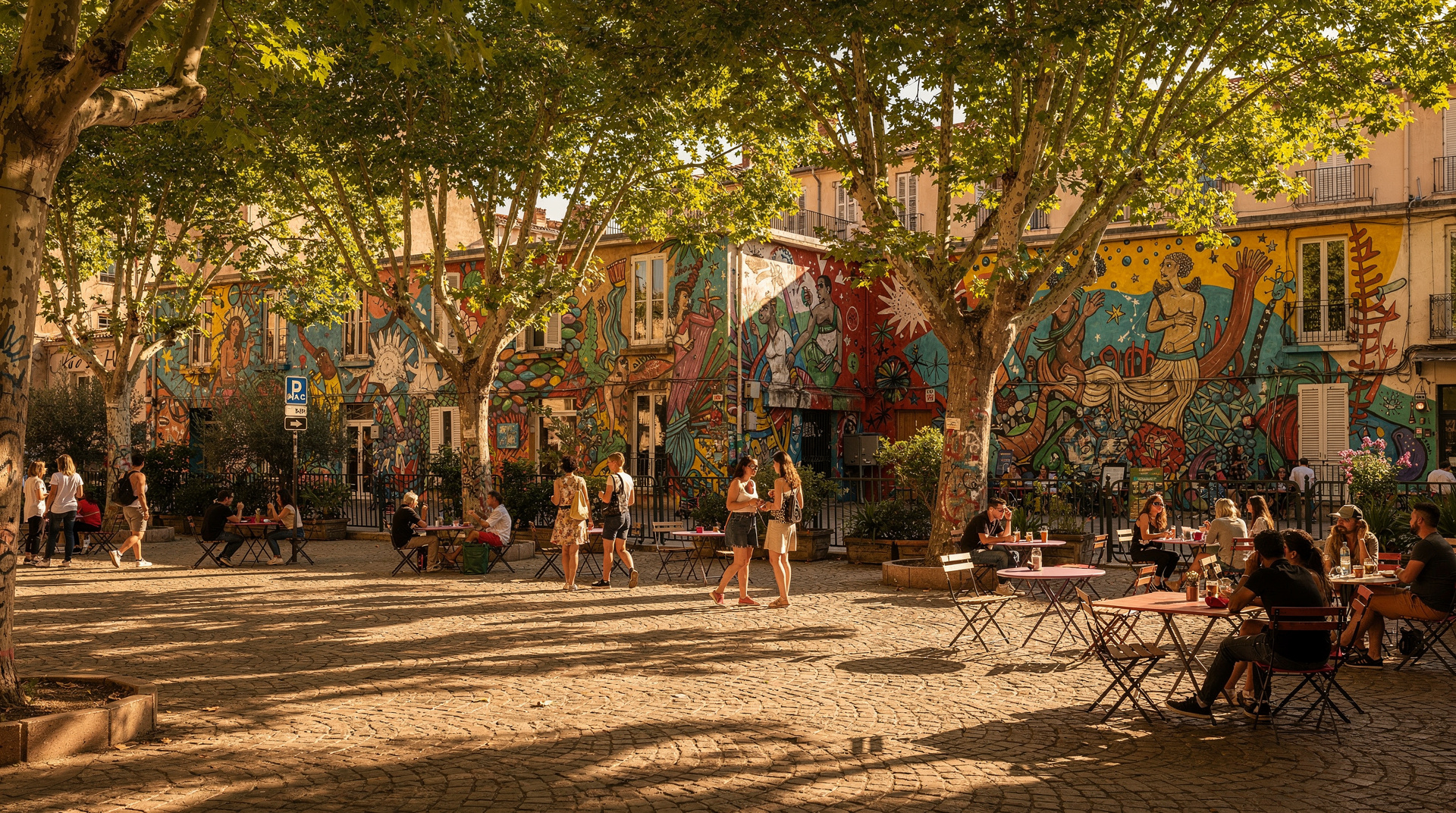
Cours Julien is where serious Marseille eating happens. The square and its surrounding streets — Rue des Trois Mages, Rue Pastoret, Rue Crudère, the lanes running toward Noailles — contain the highest concentration of owner-operated, food-serious restaurants in the city.
The cuisine character: Broadly Mediterranean-creative, market-driven, and influenced by Marseille’s diverse cultural geography. North African flavour profiles (preserved lemon, harissa, cumin) appear regularly alongside Provençal classics. Natural wine lists are common. Most menus change with the season and the market.
Price range: Lunch EUR 20–35; dinner EUR 35–60 for a full meal with wine. This is mid-range by French restaurant standards — fair pricing for the quality.
The cooking class option: For visitors who want to go beyond eating and understand the cuisine, the food tour guide covers organised experiences including the château cooking class option that incorporates market shopping and Provençal technique.
Breakfast and brunch: Several cafés on and around Cours Julien do strong weekend brunch — eggs, seasonal vegetables, quality bread. Deep Coffee Roasters, based in the area, is the reference point for specialty coffee in the neighbourhood.
Evening: The Cours Julien square itself becomes a social hub from early evening — outdoor seating, aperitif culture, the density of wine bars and restaurant terraces. This is Marseille’s most genuinely enjoyable evening neighbourhood for food and drink. See also our Cours Julien guide.
Noailles: the market and its surrounding restaurants
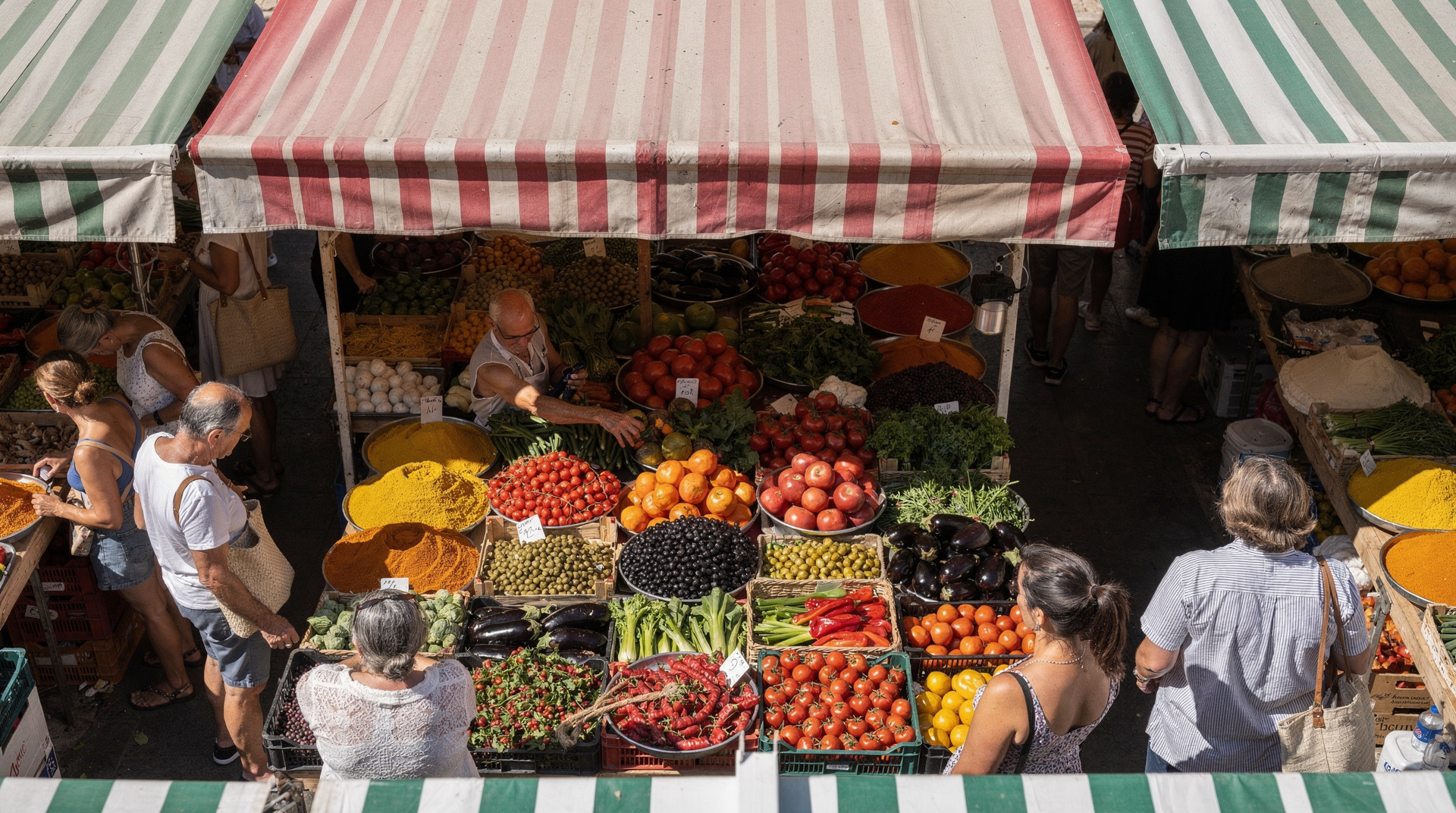
The Noailles quarter, immediately north of Cours Julien and south of the Canebière, is Marseille’s North African market district — and its most underrated eating zone. The Marché de Noailles (also called the Marché des Capucins) runs Monday through Saturday, 8:00–19:00, along Rue de la Longue and the surrounding streets.
What the market offers: Spices, fresh vegetables, preserved lemons, harissa in every conceivable form, North African pastries, flatbreads, olives, dried fruits, and halal meat. It is genuinely chaotic, genuinely excellent, and genuinely not for tourists — this is where Marseille’s Maghrebi community has shopped for generations.
Eating around the market: The lunch counters and small restaurants immediately adjacent to the market charge EUR 5–10 for a plat du jour — couscous, tagine, merguez plates, sandwiches stuffed with grilled vegetables and harissa. These are some of the best-value meals in Marseille and some of the most flavourful.
Pastry: North African pastry shops around Noailles sell baklava, corne de gazelle, makroud, and brik that are the real article — not the approximation you find in European bakeries attempting Maghrebi pastry. Budget EUR 1–3 per piece.
Vallon des Auffes and the Corniche: seafood at the source
The Vallon des Auffes is a tiny fishing harbour below the Corniche — reached by a staircase descending from the Boulevard de la Corniche or by bus 83 from Vieux-Port. It contains several of the best seafood restaurants in Marseille in a setting that is genuinely spectacular: small, brightly coloured boats moored in a cove framed by stone arches, restaurants built into the rock above the waterline.
Chez Fonfon: The Charter bouillabaisse address — see our bouillabaisse guide for detail. EUR 53 for the bouillabaisse, which is the best-value version of the authentic dish in the city.
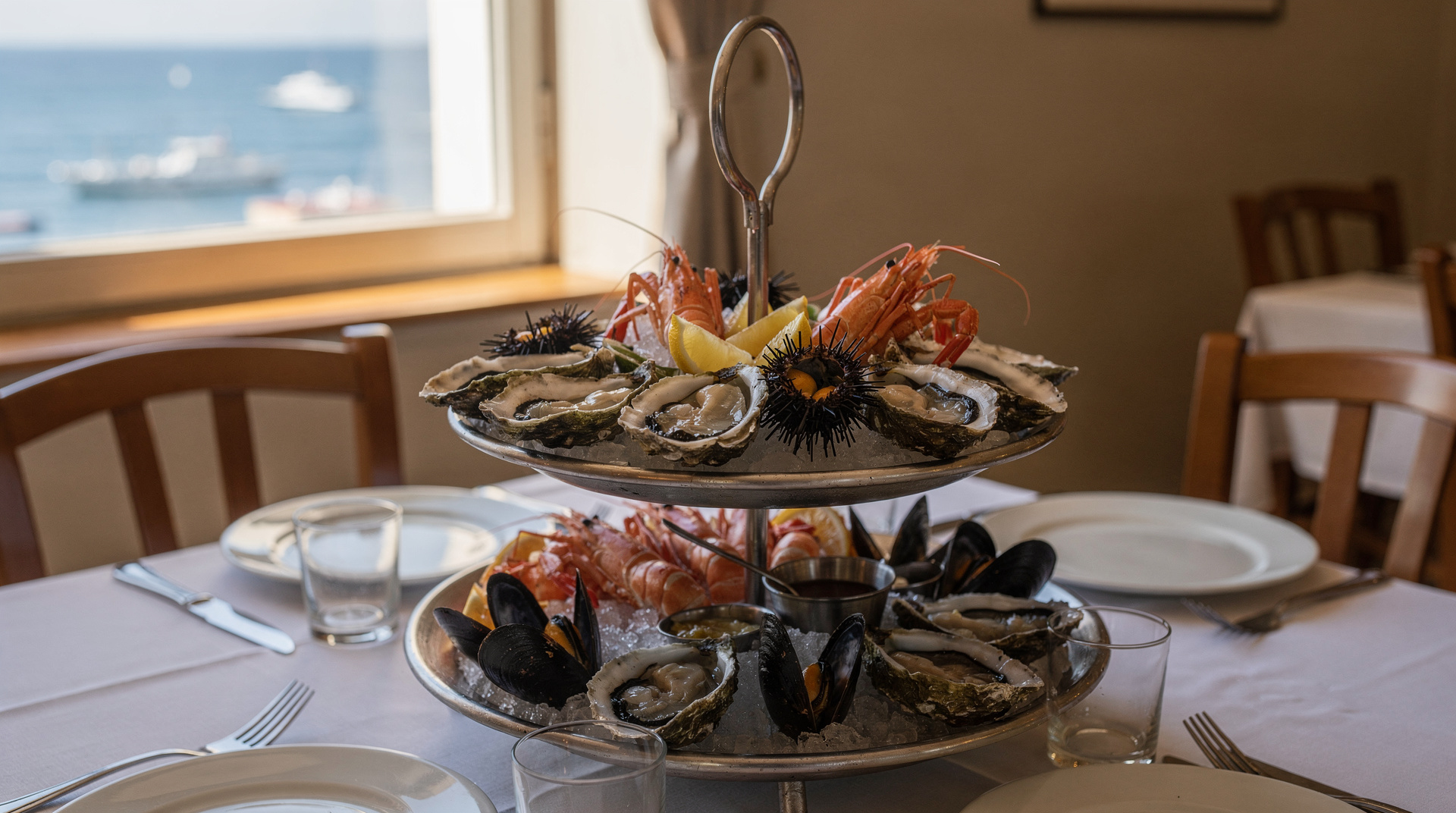
The other Vallon des Auffes restaurants: Several smaller places on the same quai offer seafood dishes — grilled fish, tellines (small clams), sea urchins in season, and simpler fish preparations at EUR 25–40 for a full meal. The setting alone justifies a detour; the food at the best addresses confirms the visit.
Catalan beach area: The Plage des Catalans and the restaurants facing it — including Chez Michel, another Charter bouillabaisse address — offer a beachfront seafood experience with a more residential Marseille character than the Vieux-Port strip.
Prado and the southern neighbourhoods
The Prado beaches and the 8th arrondissement have a suburban residential restaurant character — less concentrated than Cours Julien, with solid family-run restaurants serving Provençal and Mediterranean food to local residents rather than tourists.
What the Prado offers: The beachfront is lined with simple brasseries and pizza restaurants — acceptable for a meal after a swim, not worth travelling to specifically. The streets immediately behind the beach (Rue de Paradis, Avenue du Prado itself) have a more interesting range — including some of the better Thai, Japanese, and pan-Asian restaurants in Marseille for visitors wanting a break from Provençal cooking.
For a beach-day meal: The beach restaurants at Prado are honest about what they are — casual, not cheap (EUR 20–35 for a pizza or salad with a drink), and functional. The best meals in the area come from the traiteurs and market stalls along Avenue du Prado rather than the terrace restaurants facing the water.
Practical eating logistics
Lunch hours: Most Marseille restaurants serve lunch from 12:00–14:00 strictly. Arriving at 13:45 and expecting to be seated is optimistic. French lunch culture is not flexible on timing, particularly at smaller owner-run places.
Dinner hours: Dinner service begins at 19:30–20:00. Restaurants do not typically accommodate 18:00 dinner requests except for specific arrangements. The aperitif hour (18:00–20:00) at a bar or wine bar is the correct use of that time window.
Reservations: Essential for Charter bouillabaisse restaurants. Recommended for Cours Julien restaurants on Friday and Saturday evenings — particularly the most popular places, which fill by 20:30.
Price signals: A plat du jour at lunch (EUR 15–18) is typically the best-value meal in any mid-range Marseille restaurant. The evening menu at the same restaurant may cost 50% more for the same ingredient quality. If budget matters, lunch is the time to eat at the places you want to try.
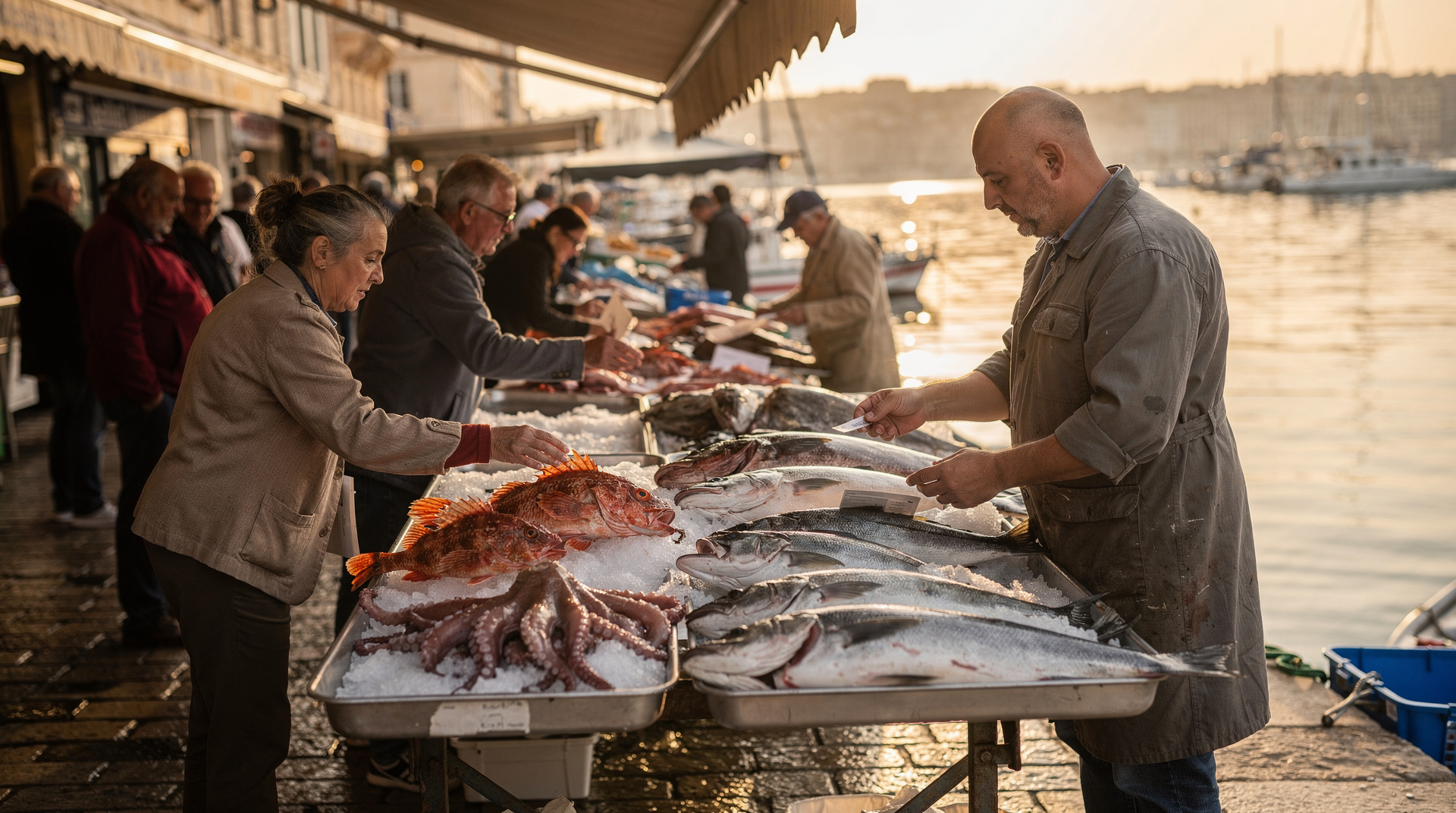
The fish market: The Quai des Belges fish market (morning, daily until approximately noon) sells fish soup, sea urchins in season (September–April), and sometimes cooked tellines directly from vendors. EUR 5–8 for a container of fish soup with croutons and rouille is the honest street version of Marseille’s most famous flavour. See the markets guide for timing details.
What to order beyond bouillabaisse
Pieds-paquets: Lamb tripe parcels stuffed with garlic, parsley, and pork belly, slow-cooked for 7+ hours in white wine and tomato. A traditional Marseille winter dish that appears on menus in the cooler months (October–March) at restaurants with a Provençal-traditional orientation. If you see it on the menu, order it — it is a genuine local speciality almost never found outside the region.
Tellines: Small, sweet clams native to the Provence coast, typically prepared with garlic and olive oil. Available at good seafood restaurants and occasionally from market vendors. October–April is the prime season; summer tellines are smaller and less flavourful.
Sea urchins (oursins): September through April. Served fresh, cracked open at the table, eaten with bread. Available at the fish market and at several seafood restaurants near the Vieux-Port and Vallon des Auffes. One of the most genuinely Marseillais food experiences and available at EUR 2–4 per piece.
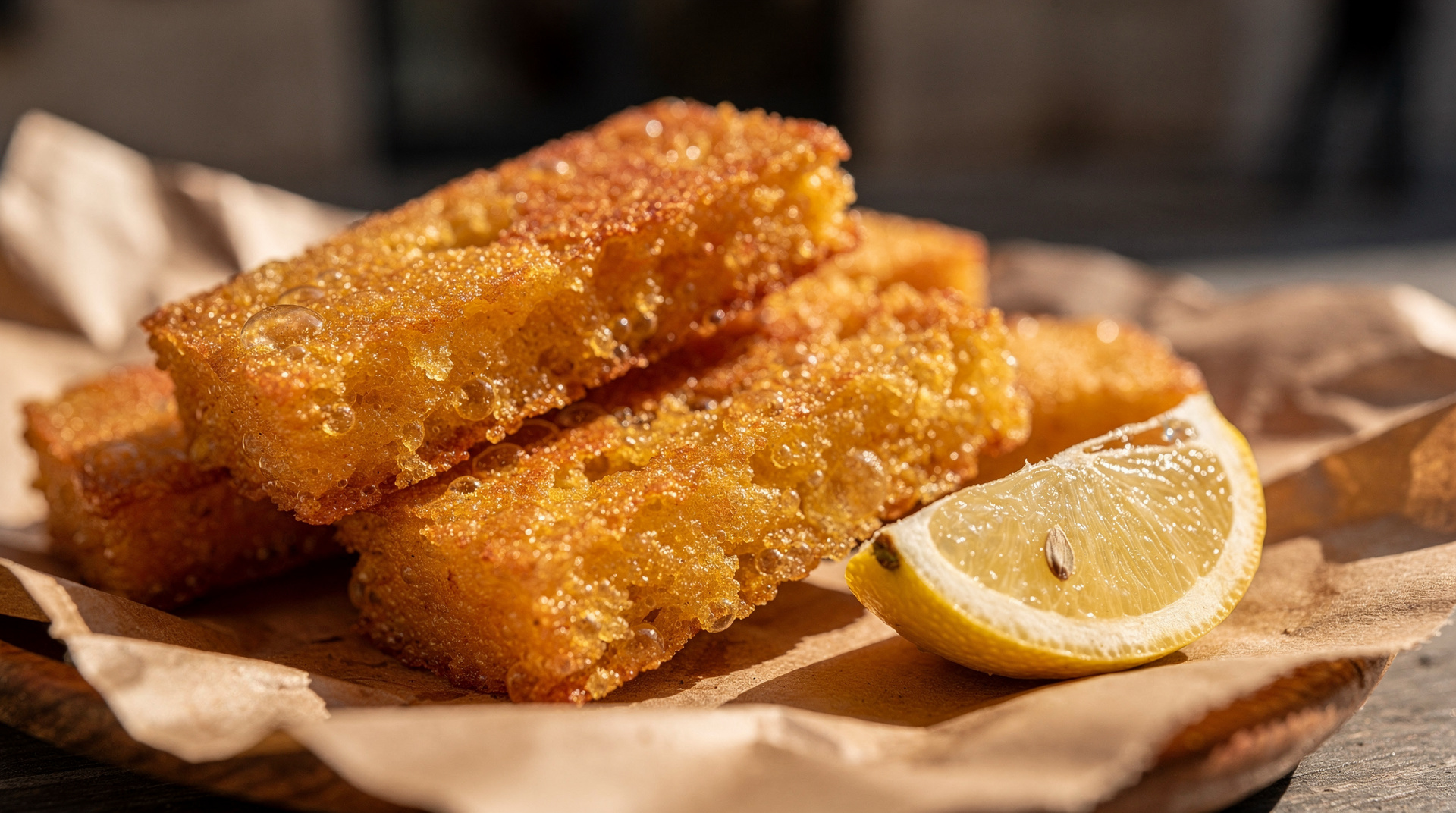
Panisses: Chickpea flour fritters, crispy outside and creamy inside, sold by street vendors near the Vieux-Port and Noailles. EUR 2–5 per portion. See our street food guide for where to find the best.
Pastis: Not food, but the essential aperitif ritual. A small glass of pastis (45cl) with a carafe of cold water on the side, drunk slowly in the late afternoon with a small dish of olives. This is Marseille’s daily rhythm and it costs EUR 3–6 at any bar worth drinking in.
Building a full eating day around this guide
A well-paced Marseille eating day typically anchors around one serious meal (lunch or dinner) rather than trying to fit two full restaurant sittings in. A common pattern: market browsing and a light lunch at Noailles, an afternoon coffee break (see the best cafés guide), then a proper dinner in Cours Julien or a seafood dinner at the Vallon des Auffes. For a genuinely local combination, pair a market lunch with a late-afternoon pastis and save the sit-down restaurant meal for dinner.
If bouillabaisse is the priority for your trip, plan around it deliberately — it is a significant expense (EUR 53–85 per person) and the best addresses require reservations well ahead, especially in summer. See the bouillabaisse guide and the companion tourist-trap warning guide for identifying which quai restaurants to avoid.
For visitors staying several days, mixing neighbourhoods across the trip (one dinner in Cours Julien, one in Vallon des Auffes, market lunches in Noailles) gives a far more complete picture of the city’s food culture than repeatedly eating near the Vieux-Port out of convenience — see also where to stay in Marseille for how neighbourhood choice affects this.
Frequently asked questions about Best restaurants in Marseille
Which Marseille neighbourhood has the best restaurants?
Cours Julien and the Noailles area have the highest concentration of interesting, independent restaurants at honest prices. The Vieux-Port quai restaurants are mostly tourist-facing with lower value. For seafood specifically, the Vallon des Auffes (7th arrondissement) is the right address.What cuisine is Marseille known for beyond bouillabaisse?
Marseille has strong North African and Maghrebi cuisine (particularly around Noailles), excellent seafood across the board, Provençal classics like pieds-paquets and daube, and a creative Mediterranean-fusion scene centred on Cours Julien. The pastry and bread culture is also strong — navettes from Four des Navettes, excellent baguettes, and North African pastries from Noailles.What should I expect to pay for a meal in Marseille?
For a proper sit-down lunch with wine at a good restaurant, EUR 25–45 per person. Dinner at a creative Cours Julien restaurant: EUR 35–60. Fast food and market lunch (panisses, kebab, traiteur): EUR 5–12. Bouillabaisse at a Charter restaurant: EUR 55–85 per person. The city is not cheap, but it is significantly more affordable than Paris.Are there good vegetarian restaurants in Marseille?
Yes — primarily around Cours Julien, which has the most diverse dietary scene in the city. Several restaurants in the quarter offer plant-forward menus, and Provençal cuisine has natural vegetarian depth (ratatouille, panisses, pissaladière). See our dedicated vegetarian Marseille guide.Which Marseille neighbourhood has the best restaurants?
Cours Julien and the Noailles area have the highest concentration of interesting, independent restaurants at honest prices. The Vieux-Port quai restaurants are mostly tourist-facing. For seafood specifically, the Vallon des Auffes (7th arrondissement) is the right address.What cuisine is Marseille known for beyond bouillabaisse?
Marseille has strong North African and Maghrebi cuisine (particularly around Noailles), excellent seafood, Provençal classics like pieds-paquets and daube, and a creative Mediterranean-fusion scene centred on Cours Julien.What should I expect to pay for a meal in Marseille?
For a proper sit-down lunch with wine at a good restaurant, EUR 25–45 per person. Dinner at a creative Cours Julien restaurant: EUR 35–60. Fast food and market lunch: EUR 5–12. Bouillabaisse at a Charter restaurant: EUR 55–85 per person.Are there good vegetarian restaurants in Marseille?
Yes — primarily around Cours Julien. See our vegetarian Marseille guide for specific recommendations.
Top experiences
Bookable activities with verified prices and instant confirmation on GetYourGuide.