Marseille food tour guide: organised tastings and market circuits
Marseille: walking food tour with tastings
What is the best food tour in Marseille?
The Noailles market and Le Panier walking food tour (3 hours, EUR 50–75 per person) covers the most characterful Marseille eating circuit. The sunset street food tour is the evening option. For a deeper experience, the cooking class at a château includes market shopping plus a four-course meal prepared with a chef.
Why a food tour makes sense in Marseille
| Where | Vieux-Port, Noailles market, Le Panier, and Cours Julien (varies by tour); the cooking class is at a château outside the city |
| Cost | Around EUR 40-90 per person for walking formats; EUR 280-320 for the château cooking class |
| Time needed | 2-2.5 hours (Noailles walk) up to 4 hours (cooking class) |
| Getting there | Most tours depart from a central Vieux-Port meeting point; the shore excursion walk starts near the Joliette cruise terminal |
| Best time to book | 1-2 weeks ahead for summer weekends; 3-5 days ahead in shoulder season |
Marseille’s food culture is not difficult to navigate independently, but it has a specific geography that is not obvious from a hotel map. The genuine eating culture — the Noailles market, the fish market ritual, the panisse vendors near the Vieux-Port, the pastis discovery at a neighbourhood bar — requires knowing which streets to walk and which stalls to approach.
A good food tour condenses this navigation into two to three hours, provides tasting access at places that are not visitor-friendly walk-ins, and gives the cultural context (the immigrant food history of Noailles, the Charter bouillabaisse story, the pastis-and-pétanque connection) that elevates eating from consumption to understanding.
This guide covers the organised tour options available through GetYourGuide for Marseille’s food circuit, what each covers, and how to choose.
The standard walking food tour: 3 hours
The core Marseille food tour format covers a circuit from the Vieux-Port area through Noailles and into Le Panier or Cours Julien, stopping at 5–8 tasting points along the route. Typical inclusions:
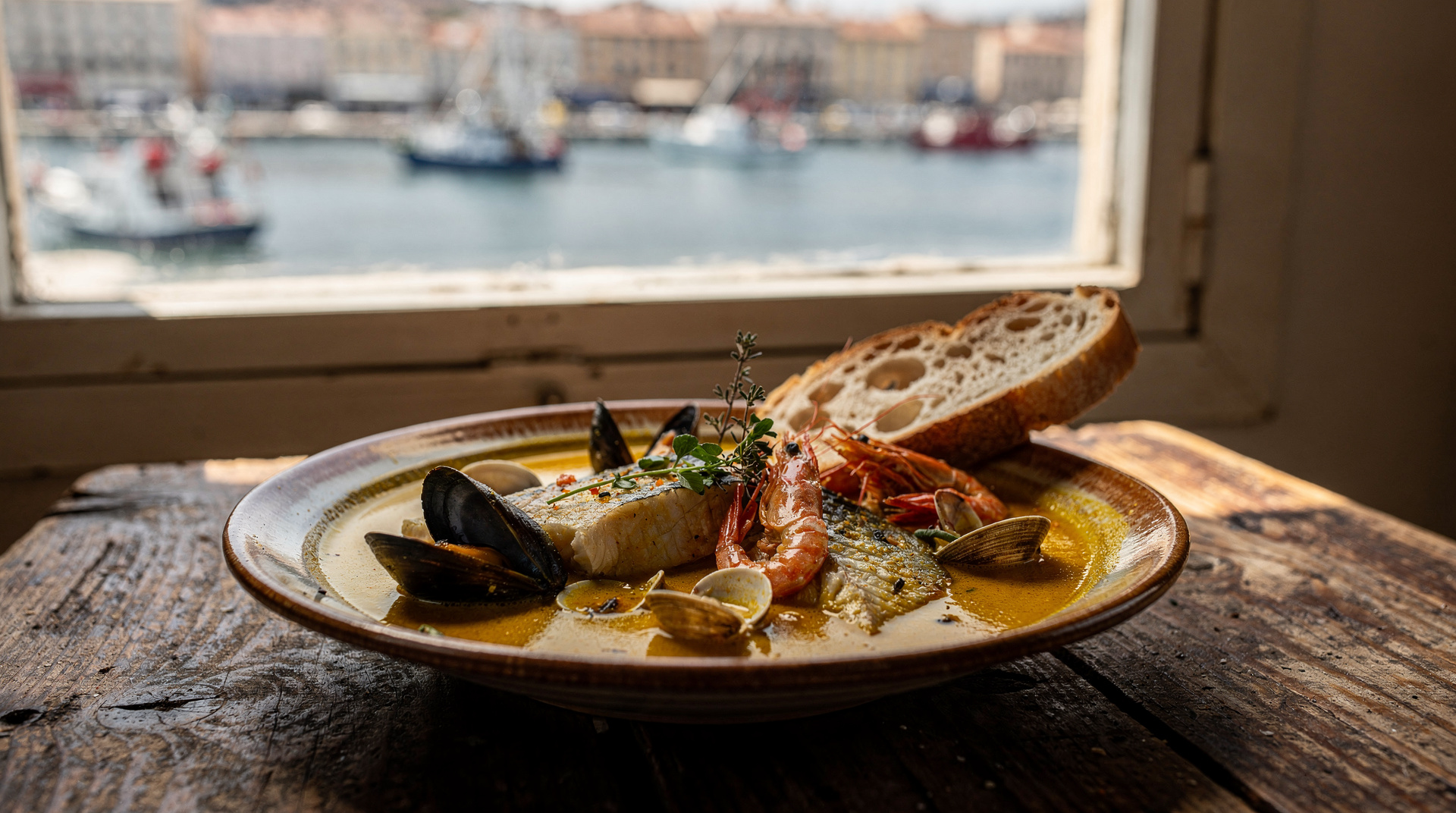
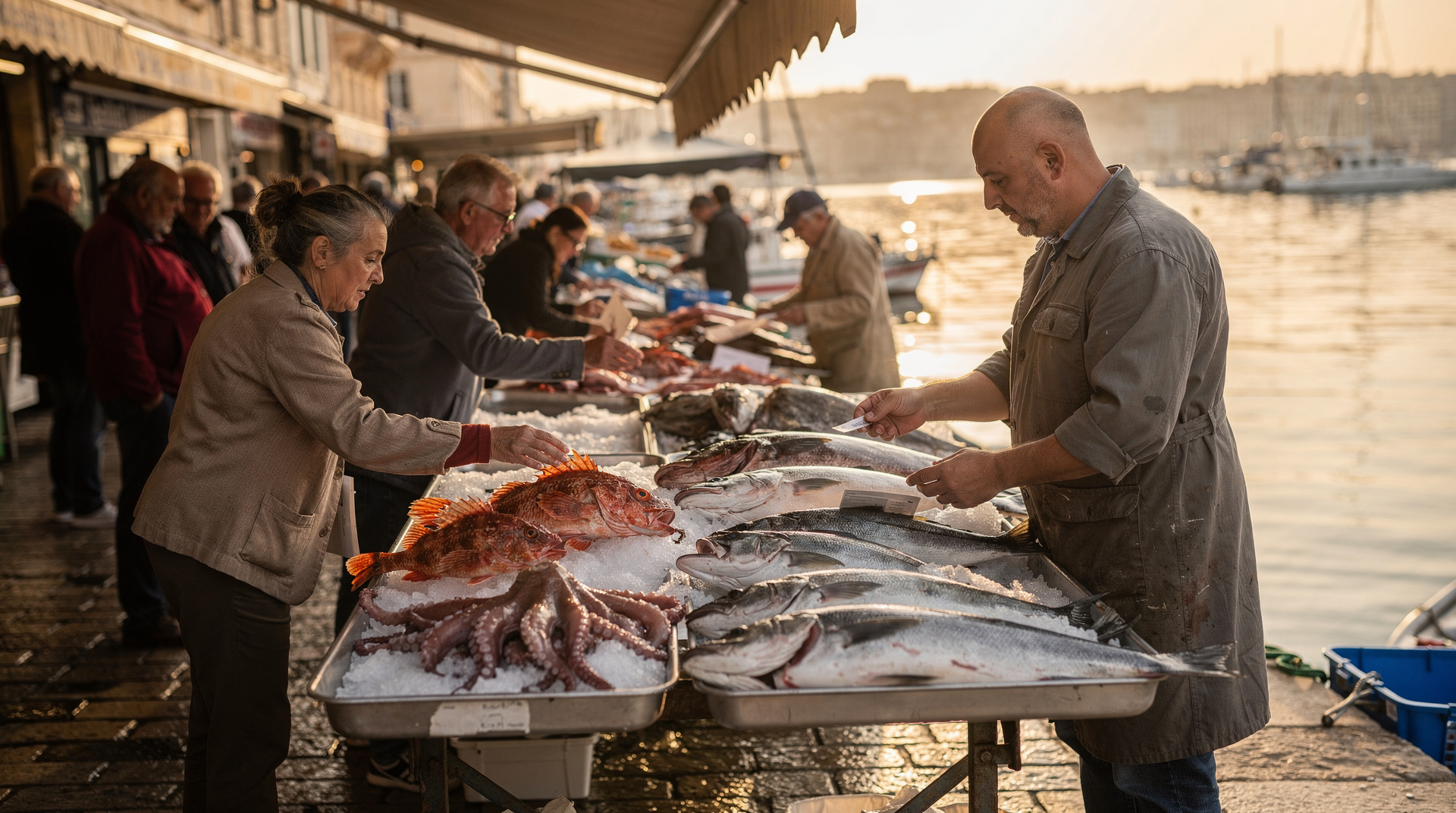
Morning fish market: The Quai des Belges fish market is the natural opening — seeing the morning catch, understanding what bouillabaisse fish actually looks like, tasting fish soup with rouille if the timing is right.
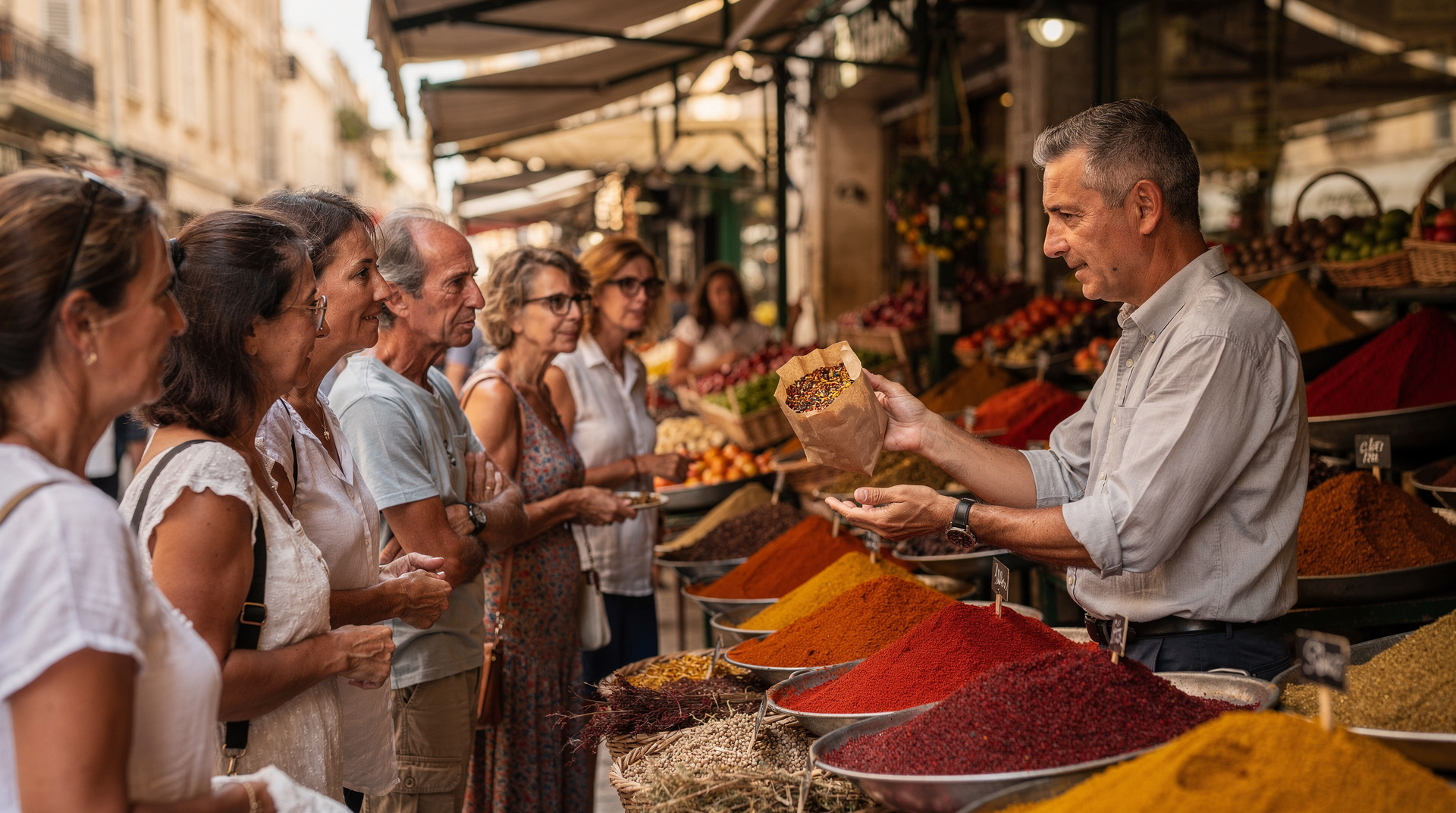
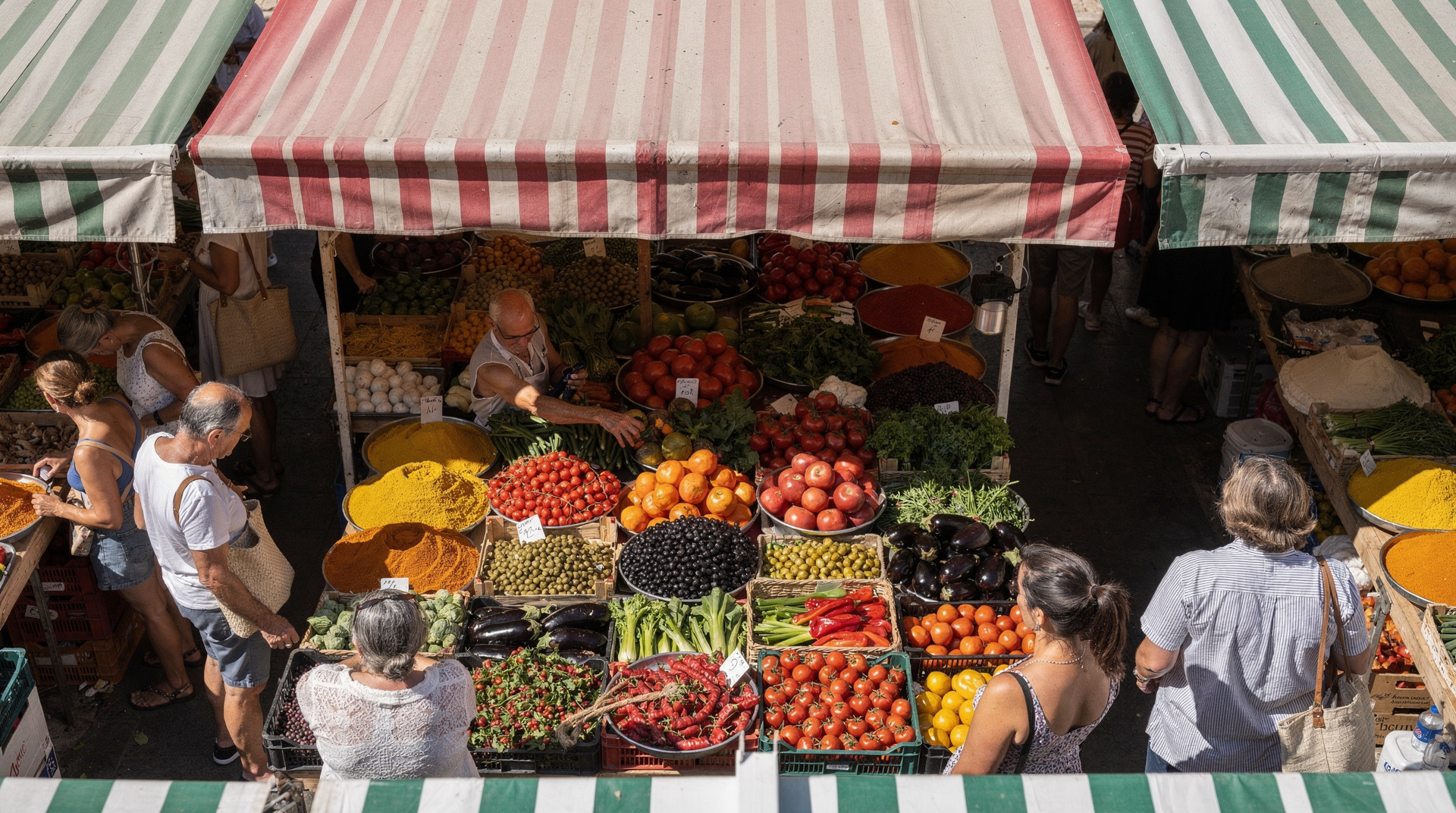
Noailles market: The Marché de Noailles is the centrepiece of most food tours. Spice vendors, harissa tastings, North African pastry samples, and the context of Marseille’s multicultural food geography.
Artisan producers: Stops at a soap workshop (the savon de Marseille connection), an olive oil producer or tasting point, and typically a pastis tasting — the “secrets of pastis” experience is often integrated into food tours.
Navettes: The Four des Navettes on Rue Sainte (since 1781) or equivalent boulangeries selling the local orange-blossom biscuit.
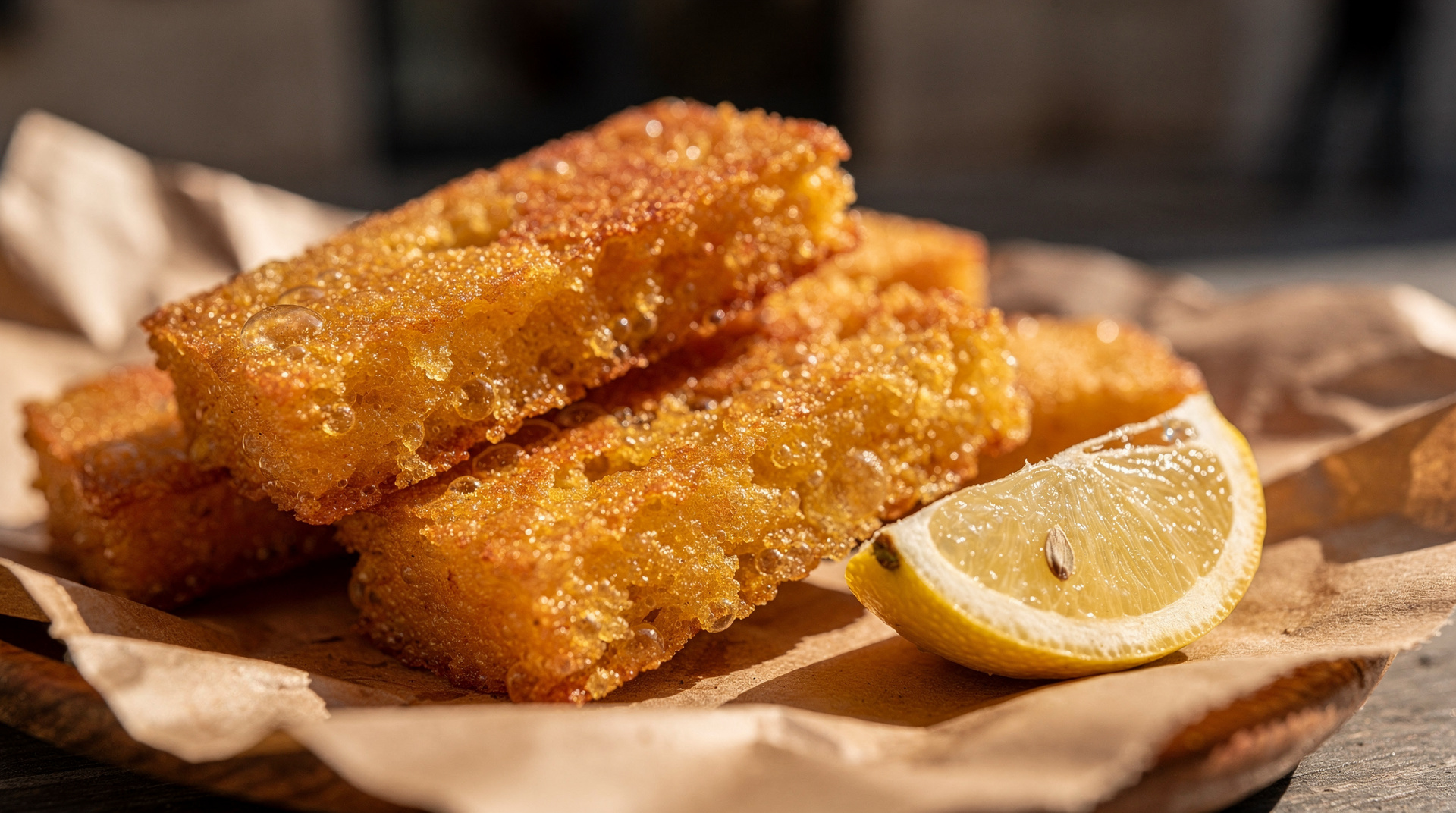
Panisses: At least one tasting stop for Marseille’s chickpea fritter.
Price range: EUR 50–85 per person for 3 hours including all tastings. Group size typically 8–14 participants.
Best for: First-time visitors to Marseille who want the food overview before self-navigating. Also excellent for visitors with only a half-day who want structured access to the Noailles market (which can be overwhelming without guidance).
The shore excursion food walk: cruise visitors
The 3-hour shore excursion food walk is specifically designed for cruise ship passengers with limited time ashore. It covers the same core Marseille food circuit as the standard tour but is timed to fit within a 4-hour port window and starts near the cruise terminal.
What is different: The starting point, the pace (slightly faster), and the structure (designed for people who have not been briefed on Marseille’s layout). The tasting inclusions are similar to the standard walking food tour.
Price range: EUR 60–90 per person.
Honest assessment: If you are a cruise passenger with 8–10 hours in Marseille, a 3-hour food tour uses time efficiently and gives you the eating geography for the remaining hours. If you have 4 hours or less, the tour structure may feel rushed — consider whether self-navigation to the fish market and Noailles is preferable.
The sunset street food tour: evening edition
The sunset street food tour covers the Cours Julien, Noailles, and Vieux-Port circuit starting in the late afternoon (typically 17:00–18:00 departure) and finishing at sunset — around 20:00–21:00 depending on season.
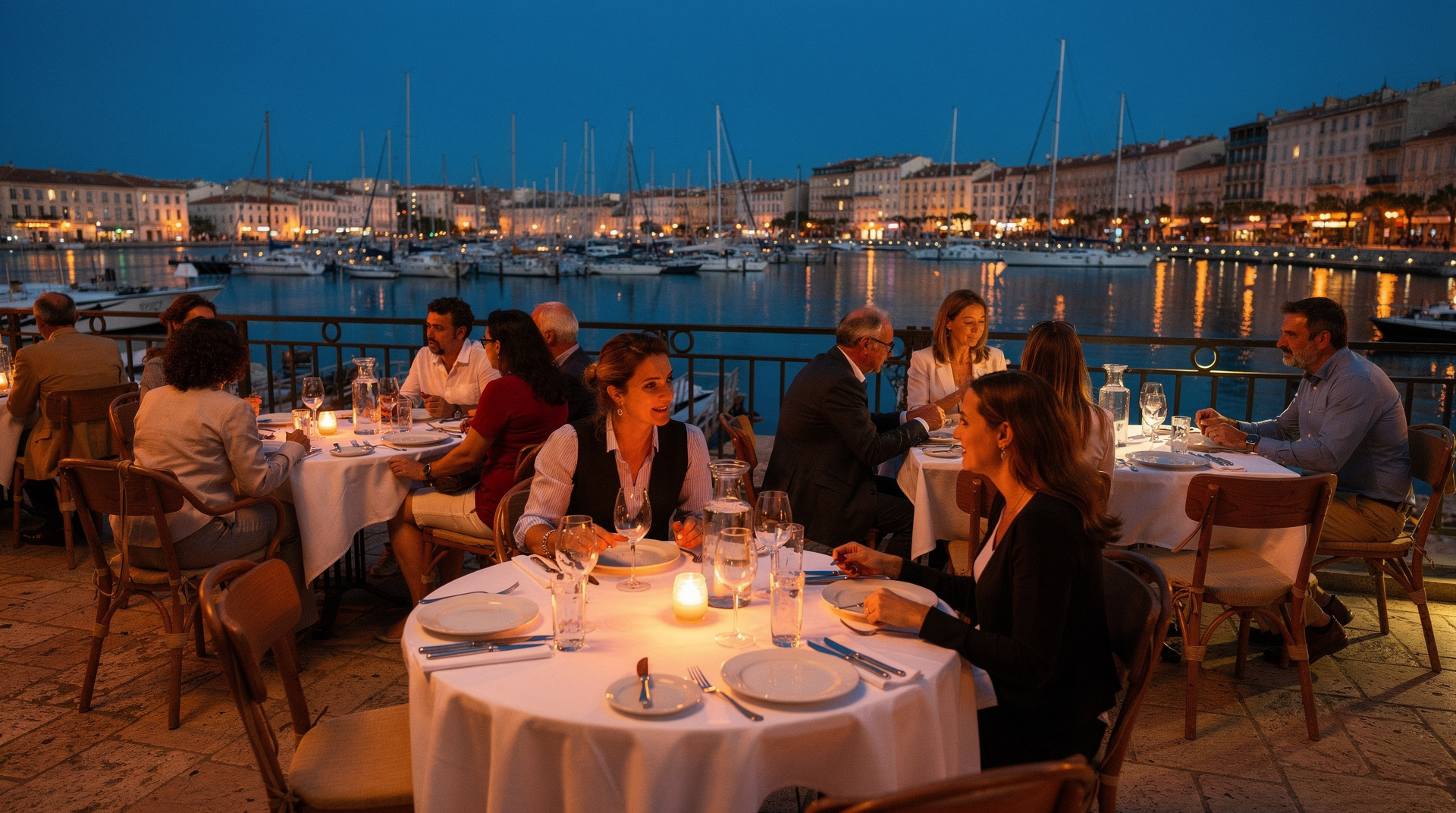
What it covers: The evening format emphasises the aperitif culture — pastis tasting at a neighbourhood bar, pétanque introduction, evening street food from Cours Julien vendors (pizza slices, panisses, market sandwiches), and the light transformation of the Vieux-Port at golden hour.
Why this format works: The sunset food tour makes sense for visitors who prefer to see the city in its evening mode rather than its market-morning mode. Cours Julien is more animated in the evening, the light over the Vieux-Port is better, and the aperitif-to-dinner progression is a natural structure for an enjoyable evening.
Price range: EUR 55–80 per person.
Best for: Couples or solo travellers who want the social food experience as an evening activity rather than a morning one. Also works for visitors who arrive in Marseille at midday and want a structured introduction before exploring independently.
The Noailles district and market walk
The Noailles-focused walk is the most concentrated form of the market experience — a shorter, tighter circuit (typically 2–2.5 hours) centred on the Marché de Noailles and the surrounding North African food culture.
What it covers: Spice stalls, harissa varieties, pastry shops, lunch counter culture, and the social history of the Noailles quarter as Marseille’s North African immigrant neighbourhood. Some versions include a sit-down lunch at a Noailles counter as part of the format.
Price range: EUR 40–65 per person.
Best for: Visitors specifically interested in the multicultural food culture of Marseille rather than the Provençal-traditional circuit. If the bouillabaisse story has been covered elsewhere and you want the other half of Marseille’s food identity, this is the right tour.
The cooking class at a luxury château
The cooking class is the most substantial food experience in the Marseille organised tour portfolio — a 4-hour session at a château outside the city that begins with market shopping and ends with a four-course meal prepared alongside a professional chef.
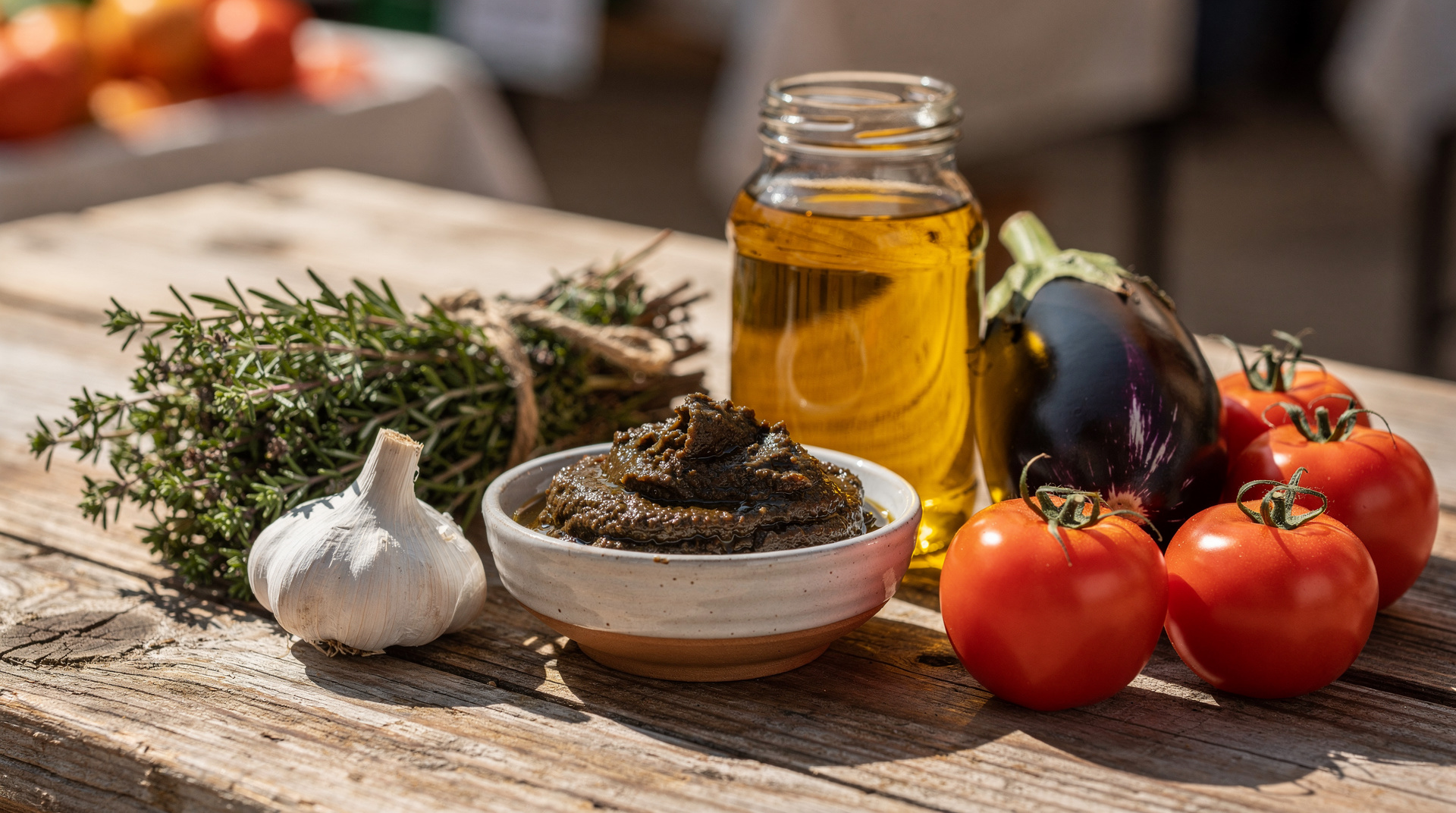
Format: Typically 10:00–14:00, including transport. The group (8–12 participants) visits a local market to select ingredients, then moves to the château kitchen for cooking. Dishes taught vary by session but typically include Provençal classics: soupe au pistou, ratatouille, a fish preparation, and a Provence-appropriate dessert.
Price: EUR 280–320 per person — significantly higher than other food tour formats. This reflects the market shopping, full cooking session, four-course meal, and wine service.
Honest assessment: The cooking class format makes most sense for visitors with a genuine interest in cooking who want to take a recipe and technique home alongside the experience. For visitors primarily interested in eating rather than cooking, the walking food tours provide better value per hour. That said, the château setting and the unhurried pace of a 4-hour session are qualities the street-food walking tours cannot replicate.
How to choose
| Tour | Duration | Price per person | Best for |
|---|---|---|---|
| Walking food tour | 3 hours | EUR 50–85 | First-timers, broad overview |
| Shore excursion walk | 3 hours | EUR 60–90 | Cruise visitors |
| Sunset street food tour | 3–3.5 hours | EUR 55–80 | Evening orientation, couples |
| Noailles market walk | 2–2.5 hours | EUR 40–65 | Cultural focus, Maghrebi food |
| Château cooking class | 4 hours | EUR 280–320 | Cooking enthusiasts |
When to book: All food tours operate with minimum participant numbers. Book at least 2–3 days in advance for popular months (April–October). Weekend tours fill faster than weekday departures.
Language: Most tours operate in English (and sometimes French simultaneously). Confirm language when booking if you have a preference.
Dietary restrictions: The tasting format of most food tours is challenging for strict vegetarians (many Marseille specialities involve fish or meat) and for people with severe shellfish allergies. Contact the operator before booking to confirm what substitutions are available.
What food tours typically cover (and what they skip)
Understanding the tour format before booking prevents disappointment. Most walking food tours in Marseille are designed to give a broad orientation to the city’s eating culture in three hours — this means breadth over depth. You will taste 6–10 different things, walk 3–5 kilometres, and have the cultural context explained. You will not have a long sit-down lunch, explore any single market or dish in real depth, or eat enough at any single stop to constitute a meal.
The food tour as an orientation: Treat the walking food tour as a platform for the rest of your Marseille eating rather than a meal in itself. It maps the geography (where the markets are, which neighbourhoods have which food cultures, what the basic items cost at the source). The independent visits to the fish market, Noailles, and the Cours Julien restaurants that follow the tour are where you act on that knowledge.
The food tour as a meal replacement: The cooking class (4 hours, four-course meal) is the only format that functions as a full meal experience. If you want to eat well and learn, this is the appropriate format. If you want cultural orientation and light snacking, the walking tour is correct.
Savon de Marseille stops: Many food tours include a brief stop at a soap workshop or the savon de Marseille museum — the MuSaMa soap museum and workshop is bookable separately and often appears as a combined food + culture excursion. This is pleasant but dilutes the pure food focus; if the soap museum genuinely interests you, booking it separately gives more time.
The e-bike food tour variant
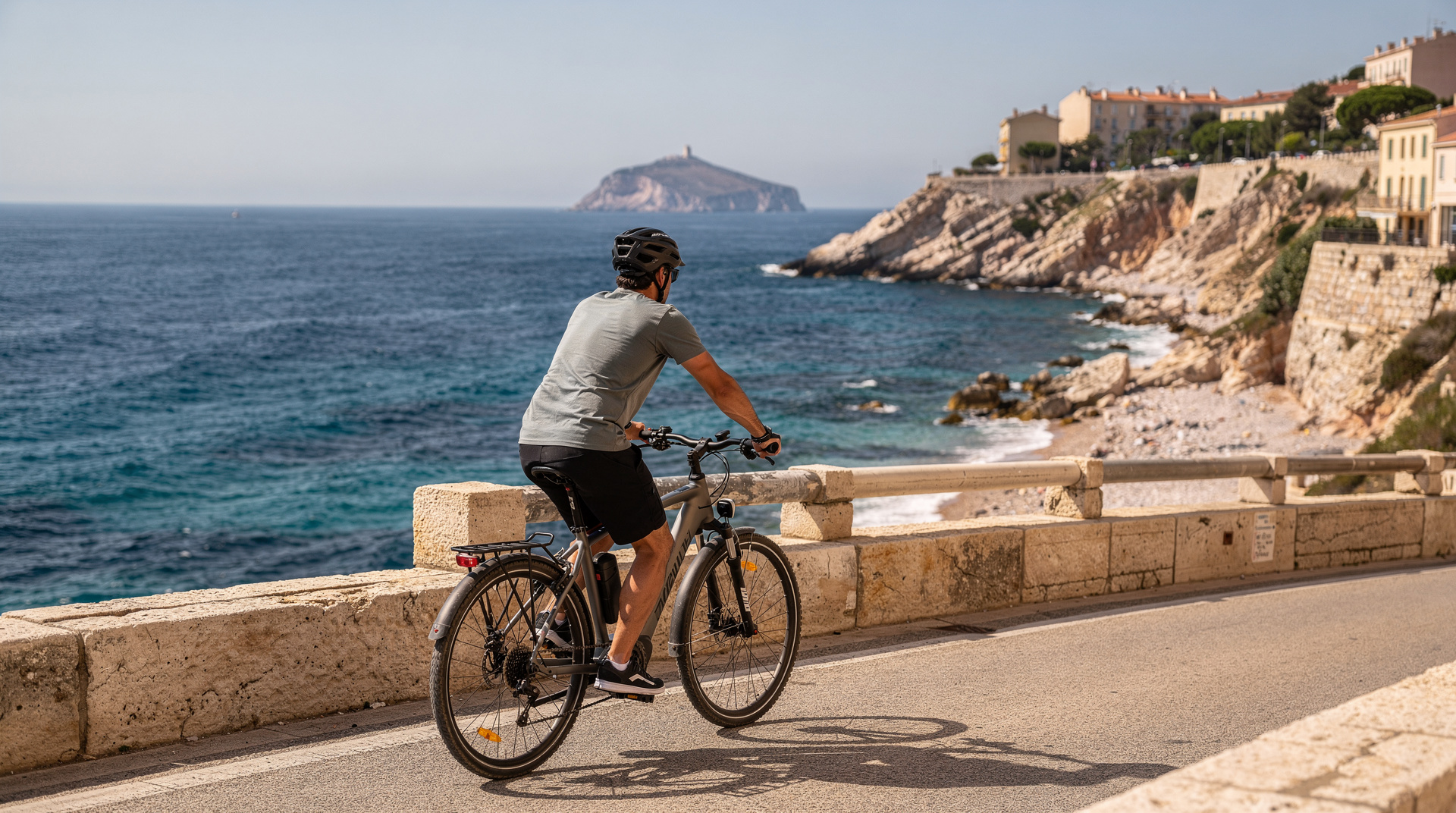
A less common but well-reviewed format combines an electric bike rental with food stops — covering more ground than the walking tour and adding the sensory pleasure of moving through the city by bike. The route typically runs from the Vieux-Port through the Noailles market, into Cours Julien, and sometimes out toward the Corniche. Duration: 3–3.5 hours.
When it makes sense: The e-bike food tour works for physically active visitors who find 3 hours of walking less appealing than 3 hours of cycling with stops. The ground covered is greater, which means a broader introduction to the city’s geography. The tasting stops are typically similar in number to the walking tours.
When it doesn’t: In the heat of July and August, cycling in Marseille generates a level of perspiration that makes the food tasting less enjoyable. The walking tour is the better summer format.
Food tours for cruise passengers
Cruise passengers have specific constraints that standard food tour operators may or may not accommodate: a fixed re-boarding time, a starting point near the cruise terminal, and a need to be back on schedule without exception.
The shore excursion food walk is specifically designed for this constraint — it starts near the Joliette cruise terminal, covers the essential Marseille food geography, and is timed to finish with buffer before the typical ship departure. If you are taking a food tour as a cruise passenger, book this format rather than the standard city-centre walking tour (which may have a less predictable finish time).
Independent vs organised for cruise visitors: With 8–10 hours in port, a 3-hour organised food tour leaves 5–7 hours for independent exploration. The tour handles the geography orientation; the remaining time can be used for the fish market, Noailles, MuCEM, or Le Panier based on your interests. This is a more coherent day than trying to self-navigate everything from scratch with limited time.
For the specific dishes covered in most food tours, see the Provençal cuisine guide. For independent navigation of the markets without a tour, see the markets guide. For bouillabaisse specifically, the bouillabaisse guide provides more detail than any tour briefing. For the street food version of the same circuit, see the street food guide.
When to book: timing and availability
Peak months (June–September): All formats sell out in advance. The walking food tour and sunset tour are particularly popular with summer visitors; book 1–2 weeks ahead for weekend departures, 4–5 days ahead for weekdays.
Shoulder season (April–May, October): Availability is more predictable; booking 3–5 days ahead is generally sufficient. The weather is better suited to the walking format than high summer.
Cancellation policies: Most operators on GetYourGuide offer free cancellation up to 24 hours before departure. Check the specific listing before booking — this is particularly relevant if your Marseille itinerary is weather-dependent (the sunset tour is less compelling in rain).
Group vs private: All formats above are group experiences by default (8–14 people). Private bookings (sole-use of the guide and the tour) are available for most formats at approximately 2–3x the per-person price. For a group of 6–8 people, private is sometimes more economical than booking individual spots separately.
Food tours versus eating your way through Marseille solo
A food tour is not the only way to eat well in Marseille, and it is worth being honest about what it adds versus what independent eating gives you. A tour’s advantage is speed and access: in three hours, you get the geography of where to eat, the cultural backstory of the Noailles market, and tasting stops at producers you might otherwise walk past without knowing their significance. What it does not give you is the freedom to linger at the one stall you loved, or a full meal at any single place.
Visitors with three or more days in Marseille often get the best of both: a tour on day one for orientation, followed by independent visits to the specific spots that stood out. For the deepest single-dish education, our bouillabaisse guide and Provençal cuisine guide cover more ground than any tour briefing can in a few sentences. For visitors who want to skip the tour altogether, the markets guide walks through Noailles, Capucins, and the fish market independently.
Pairing a food tour with the rest of a Marseille day
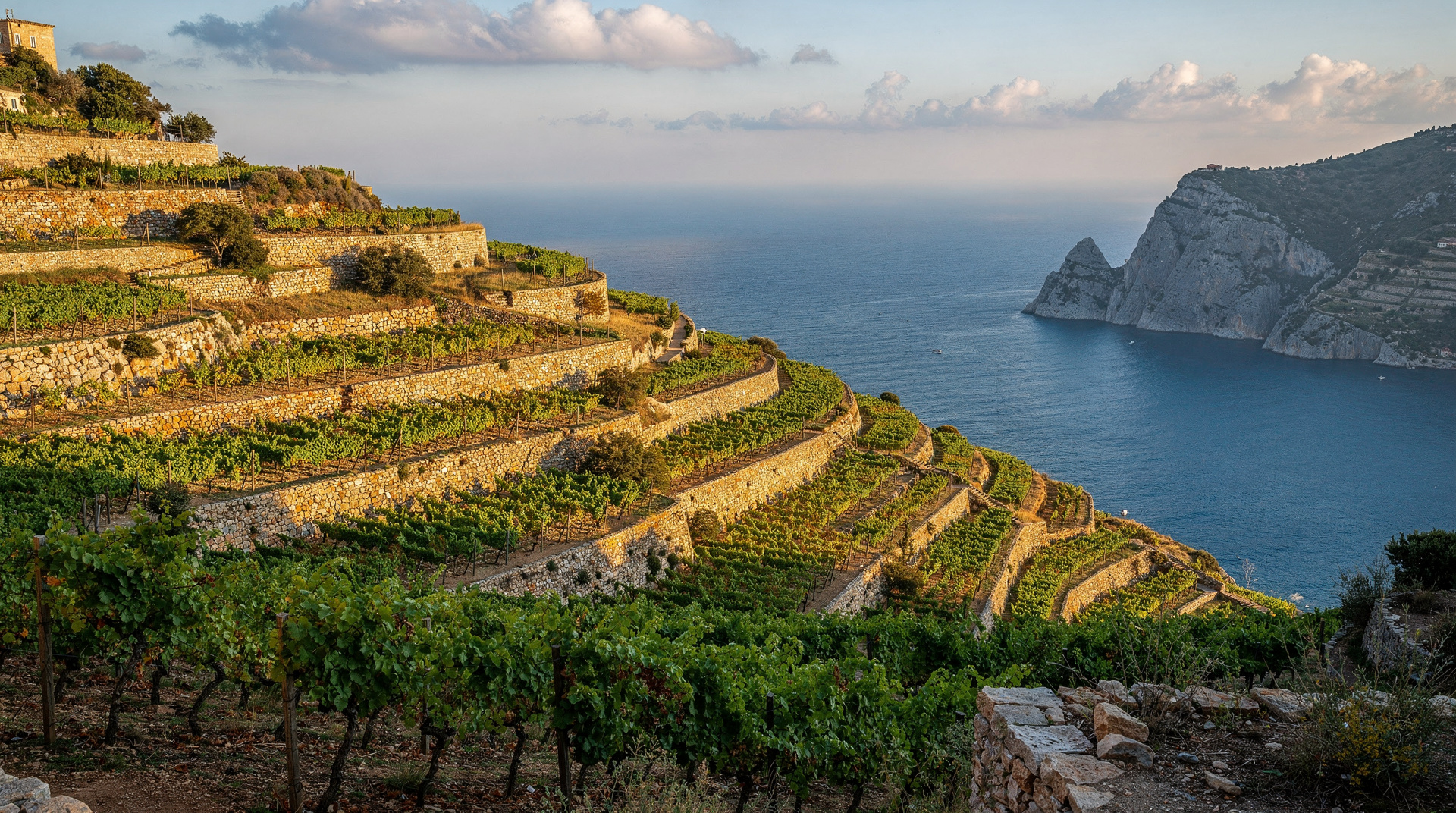
None of the food tour formats need a whole day to themselves. The standard 3-hour walking tour typically finishes by early afternoon, leaving time for the Calanques, Le Panier, or MuCEM the same day. The sunset street food tour is designed to lead naturally into an evening in Cours Julien, where the natural wine bars and independent restaurants continue the same food culture the tour introduces. Visitors building a full itinerary around food and wine should also look at our Marseille food and wine weekend itinerary, which sequences a tour alongside independent meals and a wine-focused day trip.
For first-time visitors unsure whether a food tour fits their overall plan, the first-timers guide and 3-day planning guide both show where a food tour slots into a broader sequence.
Frequently asked questions about Marseille food tour guide
Is a food tour worth it in Marseille, or is the market easy to do alone?
The Noailles market is navigable independently, but a tour saves time by pointing you to specific stalls, explaining the cultural context, and giving tasting access some vendors reserve for guided groups. If you have limited time or want the orientation before exploring solo, a 3-hour tour is worth it; if you have several days and enjoy figuring things out, independent navigation works fine too.Do Marseille food tours accommodate vegetarians?
It depends on the operator and the format. Most walking food tours include fish or meat tastings (bouillabaisse-adjacent items, panisses aside), so strict vegetarians should contact the operator before booking to confirm substitutions. The Noailles market walk, which leans more toward spices, pastries, and produce, is generally the easiest format for vegetarians.
Top experiences
Bookable activities with verified prices and instant confirmation on GetYourGuide.