Marseille markets guide: Noailles, Capucins, la Plaine and the fish market
Marseille: Noailles district and market guided walk
What are the best markets in Marseille and when do they open?
The Marché de Noailles (Mon–Sat 8:00–19:00) is Marseille's daily soul — spices, produce, North African specialities. The fish market at Quai du Port runs every morning until noon. The organic market at Cours Julien is Wednesday mornings. Marché de la Plaine (Place Jean Jaurès) runs Tue, Wed, Thu, Sat 07:30–13:30.
The markets that make Marseille real
No city reveals itself more honestly than in its markets. Marseille has several, and each one tells a different part of the city’s story: the immigrant food culture that has defined the Noailles quarter for generations, the early-morning fishing economy at the Quai du Port, the organic-conscious market culture that has grown around Cours Julien, and the general daily market at La Plaine that serves the working residential 5th arrondissement.
Visit at least two. The fish market and Noailles together give you the full picture of Marseille’s food soul in less than two hours.
| At a glance | |
|---|---|
| Where | Quai des Belges (fish), Noailles (1st arr.), La Plaine (5th arr.), Cours Julien (6th arr.) |
| Cost | Free to browse; picnic lunch around EUR 15–25 |
| Time needed | 1–2 hours per market, or a half-day combining two |
| Getting there | Métro M1 (Vieux-Port, Noailles) or M2 (Notre-Dame du Mont – Cours Julien) |
| Best time | Weekday mornings before 11:00, before the best produce is picked over |
Market etiquette that saves you friction
A few habits make a visible difference to how a Marseille market experience feels. Do not touch produce before buying — point, and the vendor selects for you, which is standard practice across almost all French markets, not a local quirk. Small change is appreciated but not required. At Noailles in particular, a polite “bonjour” before any question changes how you are treated; skipping it reads as rude even if unintentional. None of this is exclusive to Marseille, but the density and pace of Noailles make it more noticeable than at a quieter regional market.
Combining a market visit with the rest of your day
The fish market and Noailles are close enough to the Vieux-Port and Le Panier that a morning market visit slots naturally before an afternoon of sightseeing. If you are staying near the Vieux-Port, start at the fish market at opening, walk to Noailles by mid-morning, and you are back at the harbour with time for MuCEM or Le Panier by early afternoon.
For a full first day structure that fits a market visit in, see our Marseille for first-timers guide, and for a broader sense of what the city’s daily rhythms look like beyond the markets, our neighbourhoods guide is a useful companion.
The fish market: Quai des Belges
Location: Eastern end of the Vieux-Port, Quai des Belges Hours: Every day, approximately 8:00 until noon (or until sold out — which can be 10:00 in summer) Nearest transport: Vieux-Port (M1 or M2)
The fish market at the Quai des Belges is one of the oldest daily traditions in Marseille and one of the few tourist attractions that is also a genuine working institution. Fishermen arrive from the Mediterranean overnight, dock at the Quai du Port (the northern side), and transfer their catch to the stalls at the eastern end of the harbour by early morning.
What you will find: The selection depends entirely on the overnight catch. Common species include rascasse (scorpionfish — the essential bouillabaisse fish), grondin (red gurnard), pageot (sea bream), sar (white bream), daurade (gilt-head bream), and various rockfish. Larger creatures — a monkfish, an octopus, the occasional conger eel — appear less predictably. In season (September through April), sea urchins (oursins) are sold from separate stalls, cracked open and served with bread.
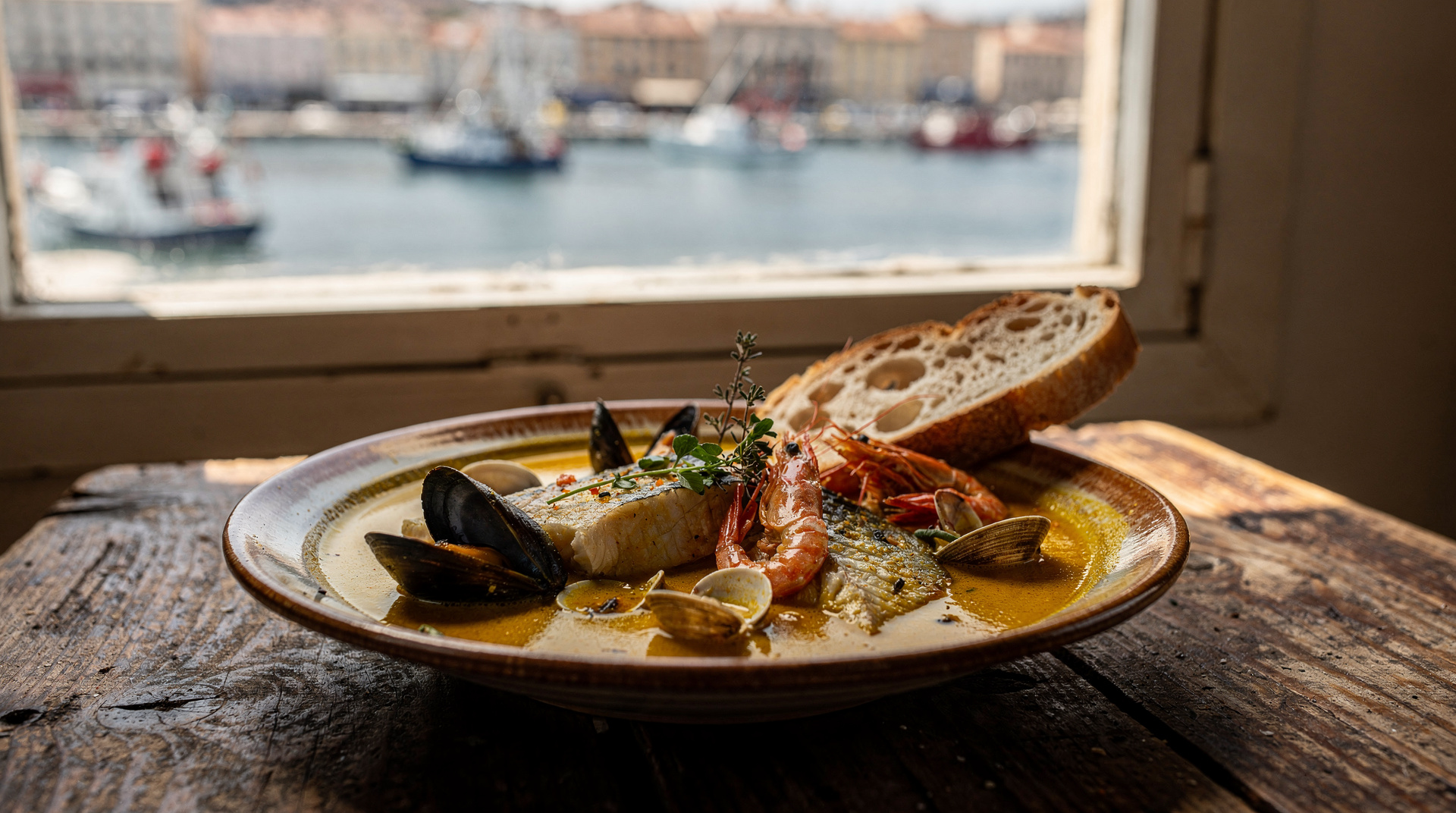
The fish soup stalls: Among the fish vendors, several sell soupe de poisson — fish soup made from the rockfish scraps used in bouillabaisse preparation. This is EUR 5–8 for a container with croutons, rouille, and grated gruyère. It is the street-food expression of Marseille’s most famous dish, sold 200 metres from the restaurants that charge EUR 70 for the formal version. Both are legitimate; they are simply different experiences. For visitors who cannot or do not want to book a Charter bouillabaisse restaurant, this is the honest alternative.
Pickpocket note: The fish market is one of the noted pickpocket zones in Marseille — the morning crowds, the distraction of looking at the fish, and the mixture of tourists and locals create the conditions. Keep bags closed and phones in a pocket, not in hand.
What to buy: If you have a kitchen (or are picnicking), fresh fish from the morning market and a bottle of Cassis blanc from a nearby wine shop is as close as you can get to the Marseille food experience without restaurant prices. Whole rascasse typically EUR 10–18 per kilo depending on season; whole daurade EUR 12–20.
Marché de Noailles: the real Marseille
Location: Rue de la Longue, around the Place du Marché des Capucins, 1st arrondissement Hours: Monday to Saturday, 8:00–19:00. Closed Sunday. Nearest transport: Noailles (M1)
The Marché de Noailles — officially the Marché des Capucins, though everyone calls it Noailles — is the most alive market in Marseille and the one that best captures the city’s character. This is not a tourist market. There are no heritage crafts, no pastel-wrapped lavender sachets, no vendors targeting cameras. This is where Marseille’s North African and Maghrebi community has shopped since the 1950s, and the market has grown into one of the most richly stocked food markets in the south of France.
The layout: The market spreads along Rue de la Longue and the surrounding streets, with a concentration around Place du Marché des Capucins. Stalls are dense, aisles are narrow, and the noise level reflects a market where commerce happens at volume.
What to look for:
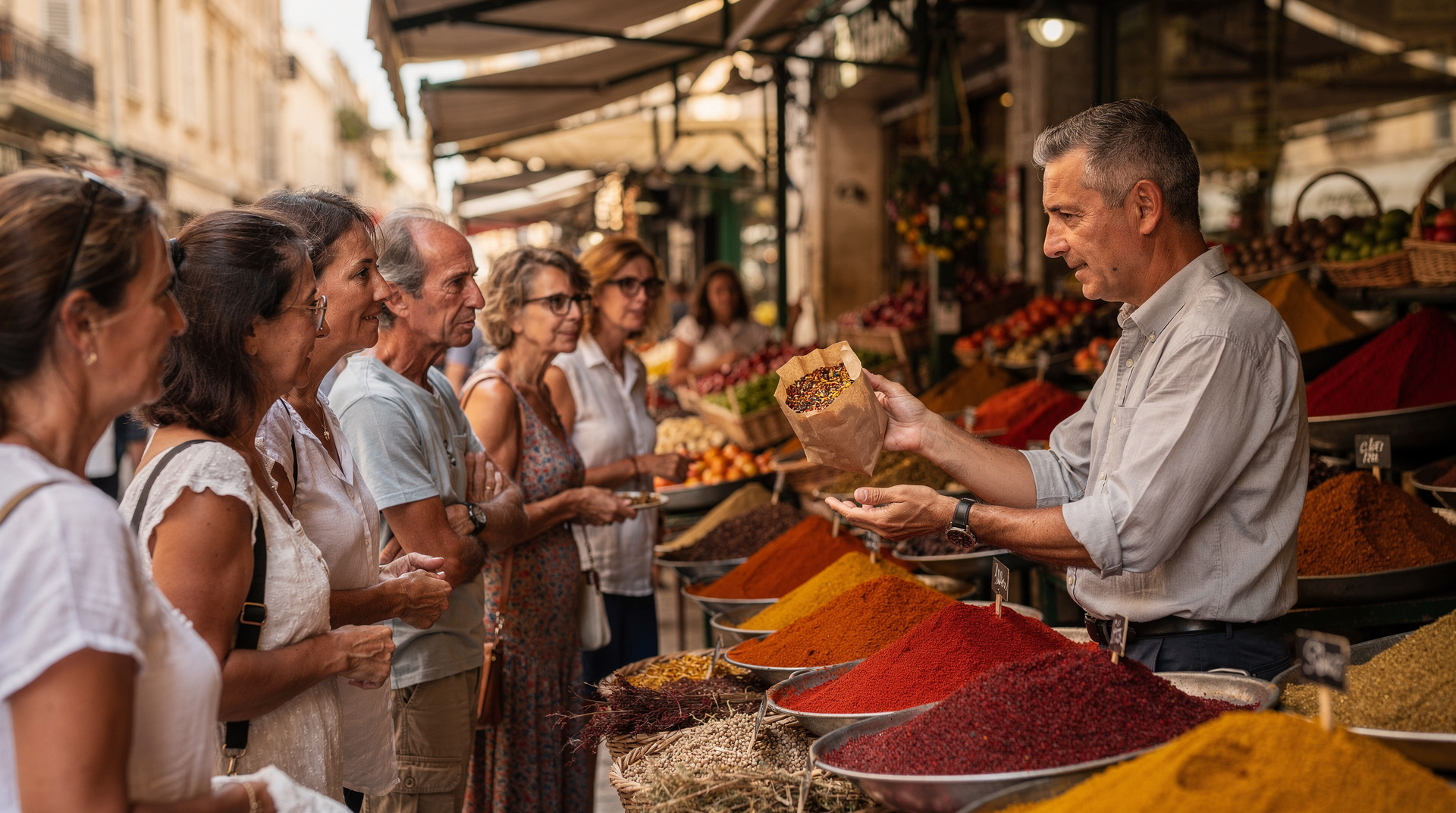
Spices and condiments: This is Noailles’s strongest suit. Saffron (buy here, not from tourist shops — same product, quarter the price), cumin, ras el hanout in multiple styles, dried rosebuds, sumac, and blends specific to Algerian and Moroccan regional cooking. The vendors know their spices and will answer questions if you speak French; basic pointing works if you do not.
Harissa: Fresh and jarred harissa in several heat levels, from the mild everyday version to the kind that requires genuine caution. Buy the fresh or refrigerated version rather than the shelf-stable tube if you are eating it the same day — the flavour difference is significant.
Preserved lemons: Large jars of preserved lemons for EUR 3–5, compared to EUR 6–12 in a European supermarket. These are a genuine buy.
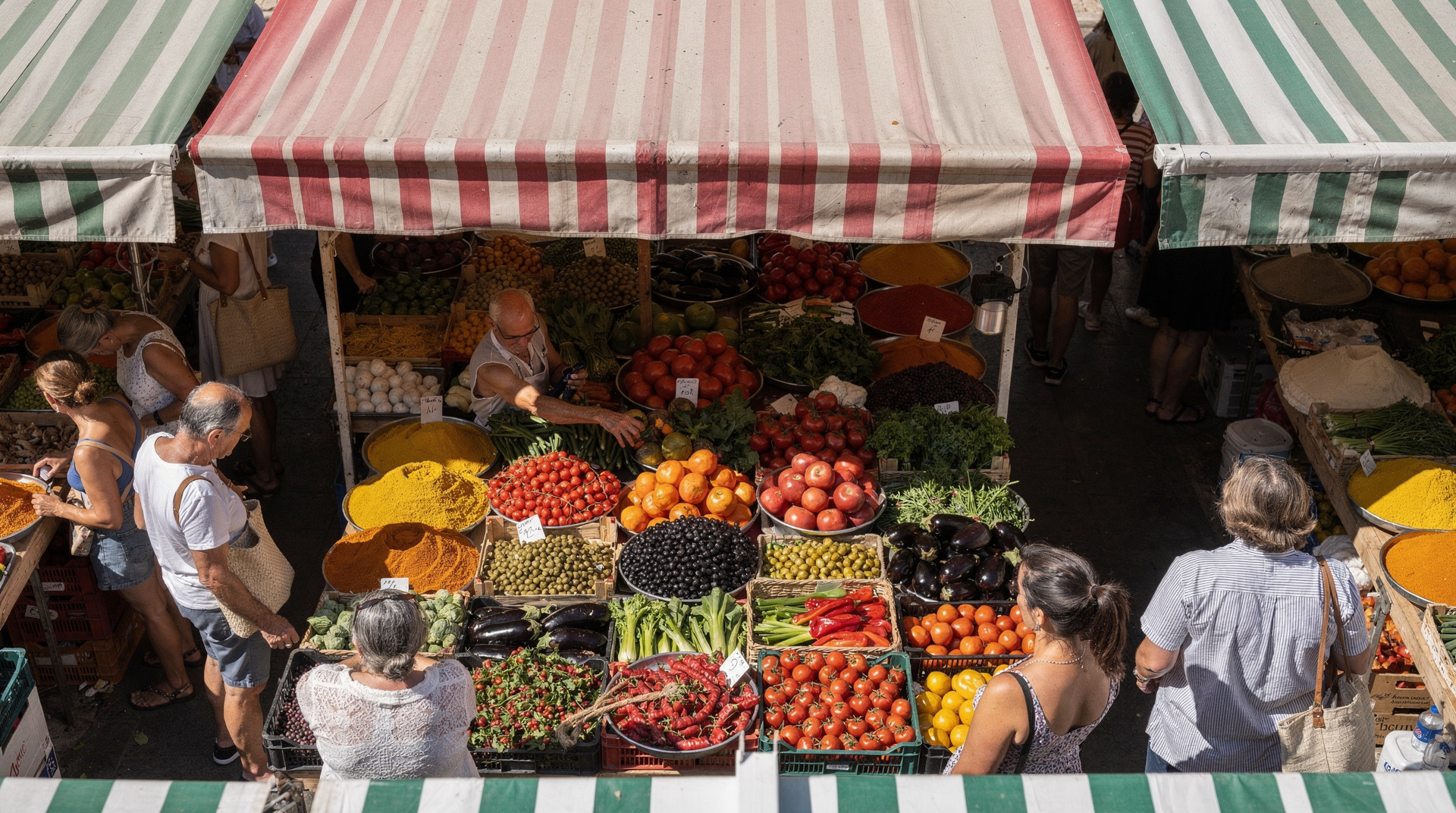
Fresh produce: Vegetables at significantly lower prices than in the tourist-adjacent shops or the Vieux-Port area. The quality reflects what the vendors’ own families eat.
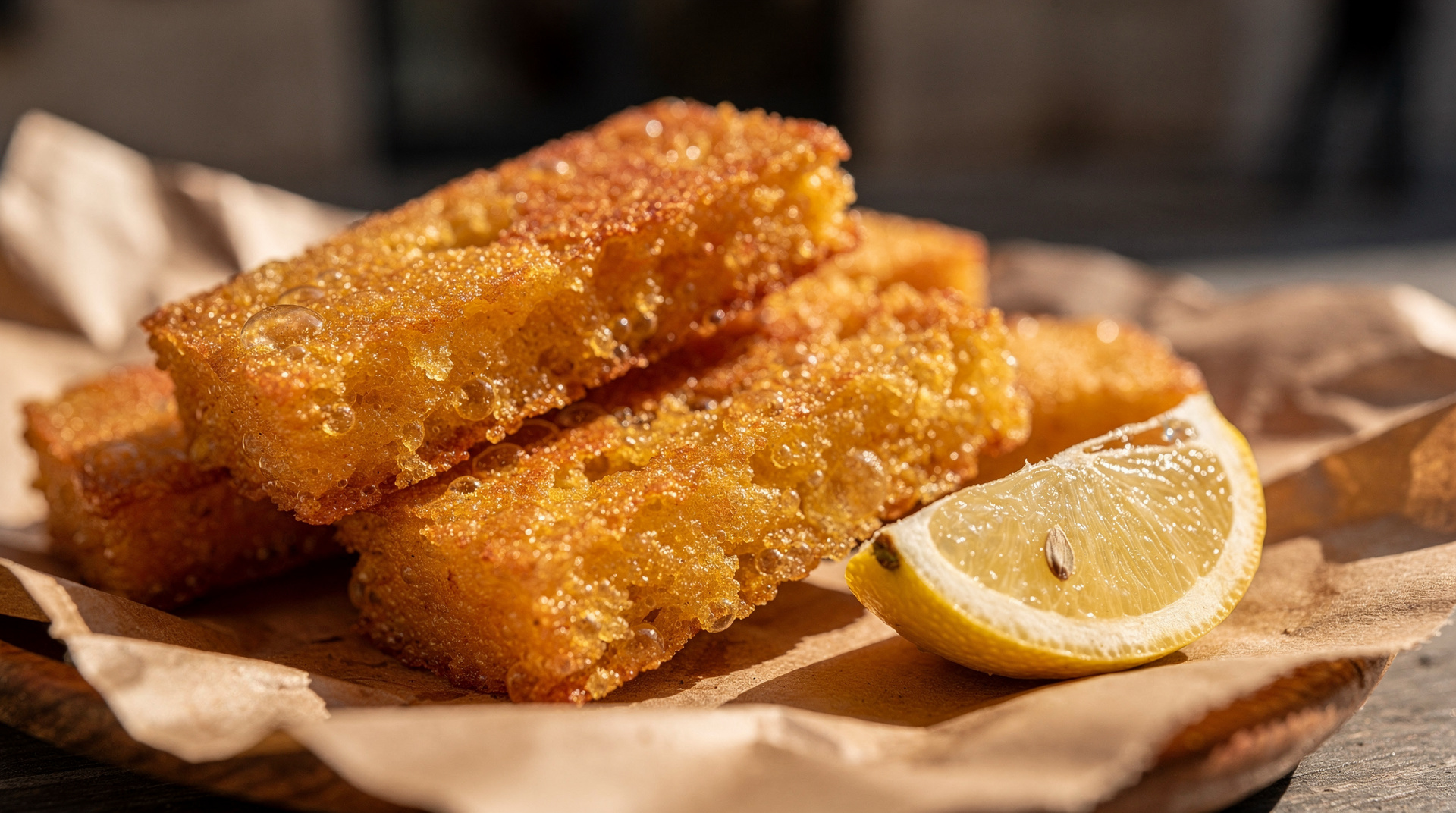
North African pastries: Baklava, makroud (date-stuffed semolina cakes), corne de gazelle, and chebakia (honey and sesame pastries traditionally eaten during Ramadan but available year-round). EUR 1–3 per piece; buy a small selection from different vendors to compare styles.
Bread: Several vendors sell khobz (Algerian flatbread), msemen (flaky griddle bread), and batbout (pocket bread). These are excellent for lunch with market food.
Lunch at Noailles: The market has a lunch counter culture around its edges — small restaurants serving couscous plates, merguez sandwiches, tagine, and chapati. These are EUR 7–12 for a filling plate. Quality varies by stall, but the best are genuinely excellent — deeply spiced, properly cooked, far better value than anything on the Vieux-Port.
Budget: You can explore Noailles and assemble a picnic lunch (spices to take home, pastries, bread, produce) for EUR 15–25. This is one of the most cost-effective food experiences in Marseille.
Marché de la Plaine: Place Jean Jaurès
Location: Place Jean Jaurès, 5th arrondissement Hours: Tuesday, Wednesday, Thursday, and Saturday, 7:30–13:30. Farmers market: Friday, 15:00–19:00. Nearest transport: Notre-Dame du Mont – Cours Julien (M2)
The Marché de la Plaine is the working neighbourhood market of the 5th arrondissement — less characterful than Noailles, more comprehensive in its range. The square (Place Jean Jaurès, known locally as La Plaine) is large and the market fills it with a mix of food and non-food stalls.
Food: Fresh vegetables, fruit, cheese, fish, meat, charcuterie, and olives from regional producers. The Saturday edition is the most extensive. This is a practical shopping market rather than a destination market — it serves residents rather than visitors, and the prices reflect that.
Non-food: Clothing, household goods, plants, and furniture fill a significant portion of the market. The Friday farmers market (15:00–19:00) focuses on direct producers — local honey, goat cheese, fresh herbs, and seasonal vegetables brought in from surrounding farms.
Why visit: La Plaine gives you the least-performative version of Marseille market life — no heritage tourism around it, just residents doing their weekly shop. The Saturday market is the right edition to see the full range.
Cours Julien: organic Wednesday and Saturday brocante
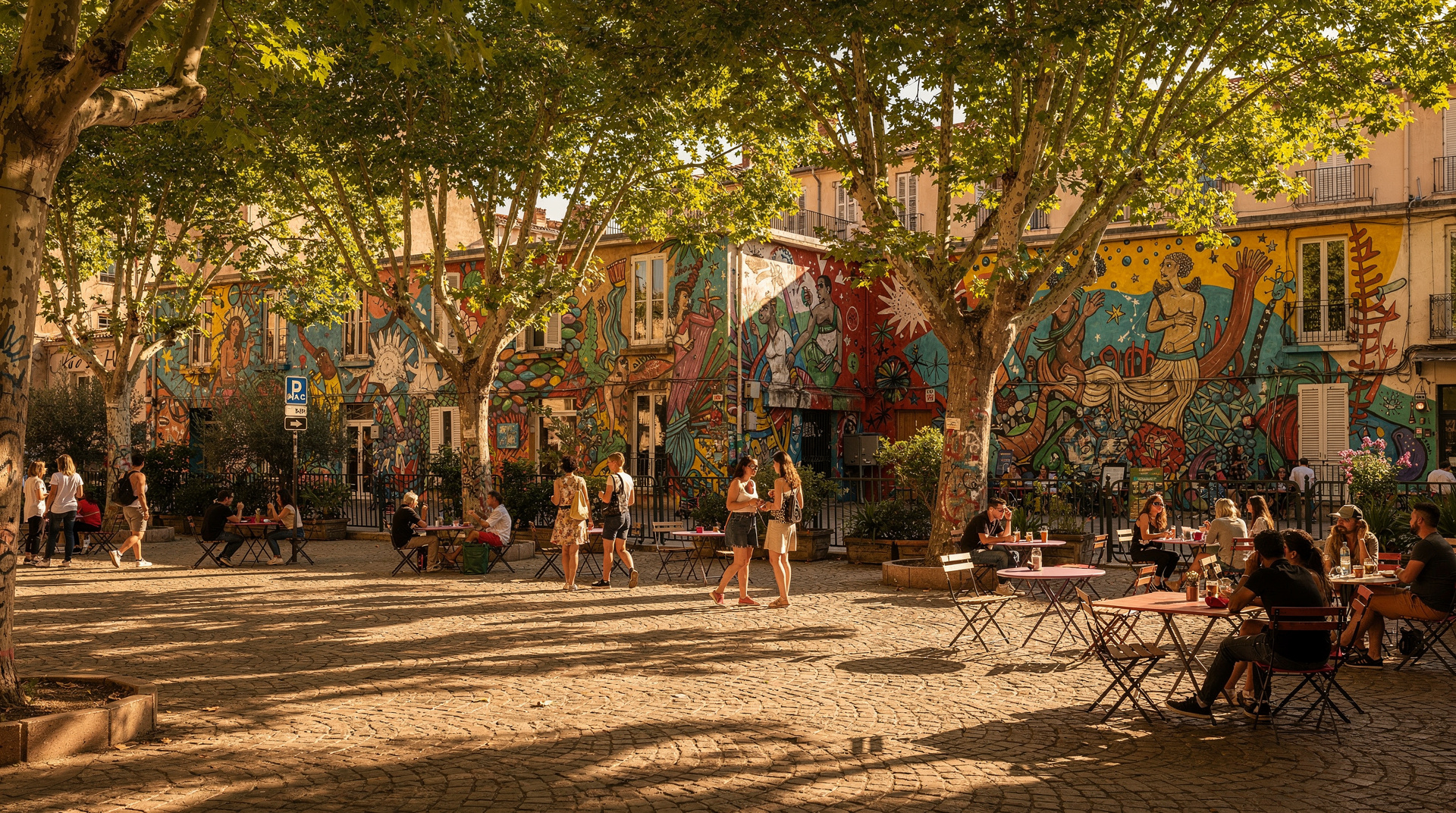
Location: Cours Julien square, 6th arrondissement Hours: Wednesday organic market, 8:00–13:00. Saturday brocante (antiques/vintage), 8:00–13:00. Nearest transport: Notre-Dame du Mont – Cours Julien (M2)
The Cours Julien square hosts two distinct market personalities on two different days of the week.
Wednesday morning: the organic market. Local producers from the Marseille hinterland and the Aix-en-Provence countryside bring their products directly to consumers. The selection is seasonal and varies by week: summer brings tomatoes, courgettes, melons, and herbs; autumn has squash, mushrooms, and late-season peppers; winter offers root vegetables, citrus from the local area, and preserved products. Also present: local honey, artisan cheesemakers, lavender products from the Luberon, and occasionally olive oil producers from the Aix countryside.
This is not a large market — the Cours Julien square is not as expansive as La Plaine — but the quality of the produce and the directness of the producer-consumer relationship makes it worth a specific trip if you are in Marseille on a Wednesday.
Saturday morning: brocante. The antiques and vintage market is the best second-hand market in Marseille for several categories: vinyl records (Marseille has a serious music culture, and the record stalls here are the real thing — collectors, not decorators), vintage furniture, old ceramics and faïence, and 20th-century clothing. The brocante starts earlier in the day than it technically should, with serious buyers arriving before 8:00; by 10:30 the most interesting pieces are gone.
What to look for at brocante: Provençal pottery (traditional Moustiers or Apt faïence at honest prices compared to tourist-shop versions), old postcards of Marseille and the surrounding region (EUR 1–5 each), and the occasional genuinely interesting piece of 20th-century design mixed in with the general second-hand accumulation.
The Marché du Cours Julien organic vs conventional
A note of context: the Cours Julien organic market is genuinely organic — the vendors are certified or working toward certification, and the standards are taken seriously. This distinguishes it from markets that use the word “organic” loosely. The prices are slightly higher than conventional markets (a bunch of carrots at EUR 2 rather than EUR 1.20) but the difference in flavour is measurable.
Fish market Quai du Port vs Quai des Belges
A point of confusion: the fish is unloaded at Quai du Port (northern side of the Vieux-Port, near the City Hall) by the fishermen from their boats, and some selling happens there directly. The main public fish market, where retail customers can buy, is on the Quai des Belges (eastern end, near the Norman Foster Ombrière canopy). Both are worth walking along; the Quai du Port in the very early morning (before 7:00) has the freshest energy as the overnight catch comes in.
What to buy at which market
| Market | Best buys | Worst idea |
|---|---|---|
| Fish market, Quai des Belges | Fish soup (EUR 5–8), sea urchins in season, whole fresh rockfish | Processed or packaged fish |
| Noailles | Saffron, harissa, preserved lemons, North African pastries, spice blends | Brand-name goods (no advantage) |
| La Plaine | Seasonal produce, local cheese, practical shopping | Non-food items (available cheaper elsewhere) |
| Cours Julien organic | Local honey, seasonal vegetables, artisan cheese | Anything not from a direct producer |
| Cours Julien brocante | Vinyl records, Provençal pottery, vintage clothing | Reproductions dressed as originals |
Practical tips for market visits
Bring cash. Most market stalls in Marseille remain cash-only. An ATM near the Vieux-Port or at the Noailles métro is the practical preparation.
Arrive early. All markets are at their best in the first two hours. The fish market sells out the best pieces first. Noailles is freshest before 11:00. Brocante at Cours Julien is picked over by mid-morning.
Bags. A sturdy tote bag is more useful than a backpack in market crowds — easier to manage, less of a target.
Language: Basic French phrases go a long way (combien? — how much?, merci, un kilo de…, s’il vous plaît). At Noailles, vendors are used to dealing with customers who point and gesture; this is not a language barrier destination. At the Cours Julien organic market, English is more common among vendors.
For the restaurants that use the morning market as their daily starting point, see our Marseille restaurants guide. For street food experiences in and around the market areas, see the street food guide. For a guided market experience with tastings, the organised food tours cover Noailles and the Vieux-Port fish market as their core route — see the food tour guide for options.
Frequently asked questions about Marseille markets guide
What is the Marché de Noailles like?
The Marché de Noailles (also called Marché des Capucins) is Marseille's most characterful daily market — chaotic, noisy, genuinely multicultural. It runs Monday through Saturday, 8:00–19:00. The emphasis is on North African and Maghrebi produce: spices, preserved lemons, harissa, fresh vegetables, flatbreads, dates, and dried fruits. This is where Marseille's resident population shops, not where tourists go to watch other tourists.When does the Marseille fish market open?
The fish market at Quai des Belges (eastern end of the Vieux-Port) runs every morning, typically from around 8:00 until noon or until the catch sells out — which happens early in summer. Arrive before 9:00 to see the full spread. Fishermen sell directly from their boats; the selection reflects the overnight catch from the Mediterranean.Is Cours Julien market worth visiting?
The Wednesday organic market at Cours Julien is worth a specific visit if you are in Marseille midweek. Local producers bring seasonal vegetables, honey, cheese, and artisan products. The Saturday brocante (antiques/vintage) market on the same square is the best second-hand market in the city — vinyl, furniture, vintage clothing.What should I buy at Marseille's markets?
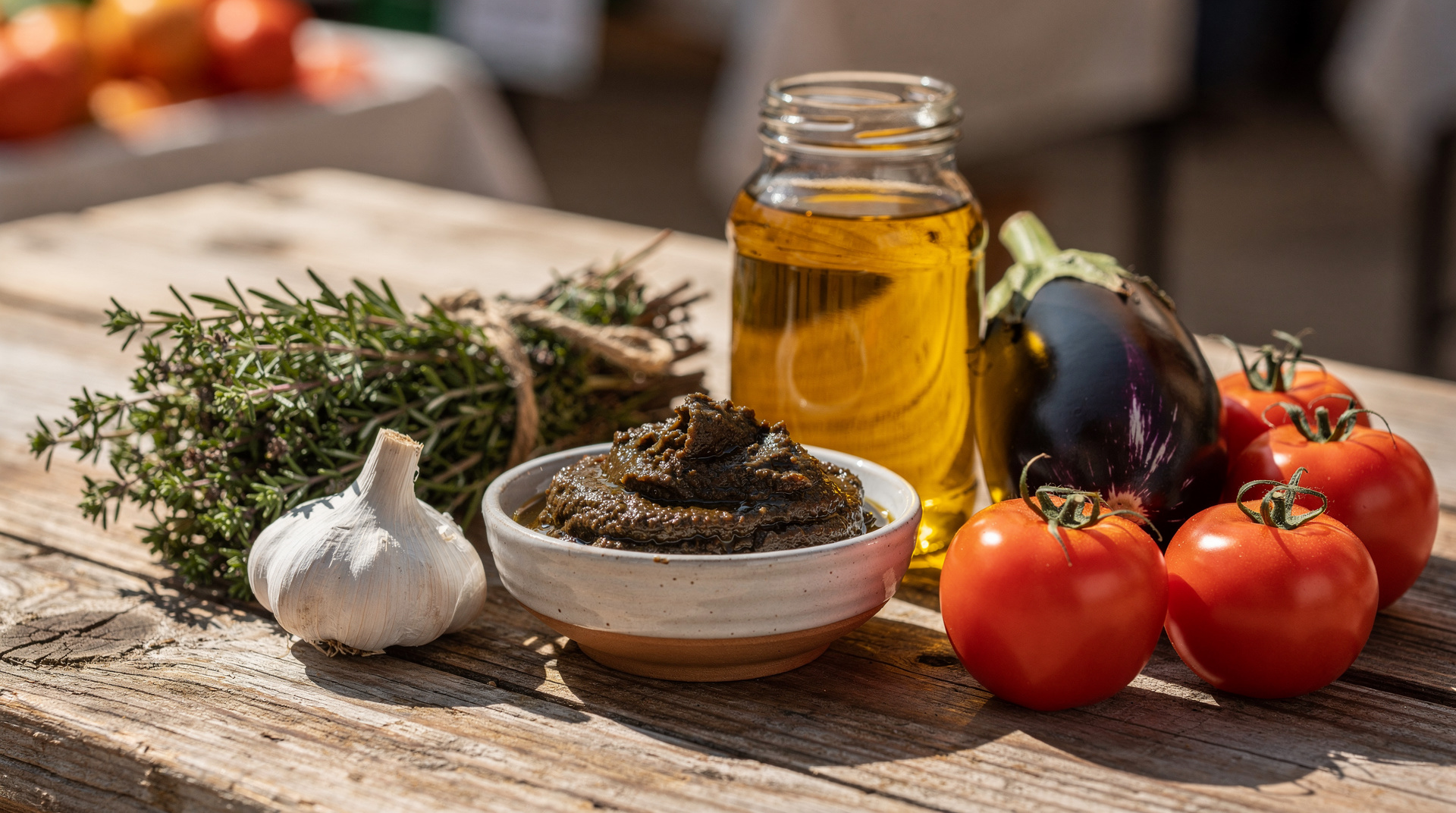
At Noailles: saffron, dried herbs, harissa, preserved lemons, North African pastries. At the fish market: fish soup (EUR 5–8, served with rouille and croutons) and sea urchins in season (Sept–Apr). At Cours Julien organic: local honey, seasonal produce, lavender products. At any market: olives and tapenade from Provence producers.What is the Marché de Noailles like?
The Marché de Noailles (also called Marché des Capucins) is Marseille's most characterful daily market — chaotic, noisy, genuinely multicultural. It runs Monday through Saturday, 8:00–19:00. The emphasis is on North African and Maghrebi produce: spices, preserved lemons, harissa, fresh vegetables, flatbreads, dates, and dried fruits.When does the Marseille fish market open?
The fish market at Quai des Belges runs every morning, typically from 8:00 until noon or until sold out. Arrive before 9:00 to see the full spread.Is Cours Julien market worth visiting?
The Wednesday organic market at Cours Julien is worth a specific visit if you are in Marseille midweek. The Saturday brocante is the best second-hand market in the city for vinyl, vintage clothing, and Provençal ceramics.What should I buy at Marseille's markets?
At Noailles: saffron, dried herbs, harissa, preserved lemons, North African pastries. At the fish market: fish soup (EUR 5–8) and sea urchins in season (Sept–Apr). At Cours Julien organic: local honey, seasonal produce, lavender products.Can I bargain at Marseille's markets?
Not really, and you shouldn't try at Noailles or the fish market — prices are already low and haggling is not the local custom. The one exception is the Cours Julien Saturday brocante, where a light, polite negotiation over vintage items (furniture, records, larger pieces) is normal and expected, especially later in the morning when sellers want to move stock.Are Marseille's markets open on Sundays?
Mostly no. Noailles closes Sunday, and the Marché de la Plaine does not run Sunday either. The fish market at Quai des Belges is the most likely to have some Sunday activity, though the selection is thinner than a weekday. If a market visit matters to your trip, plan around Monday to Saturday.
Top experiences
Bookable activities with verified prices and instant confirmation on GetYourGuide.