How Marseille changed us
Marseille: iconic Calanques boat tour with swimming
Duration: 3-4.5 hours
Cities that teach you things
| At a glance | |
|---|---|
| Where | Marseille, revisited over multiple trips since 2018 |
| Cost | No single trip cost — this reflects a pattern of returns, not one itinerary |
| Time needed | The shift described here took several multi-day visits, not one trip |
| Getting there | TGV from Paris (around 3-3.5 hours) on most of our visits |
| Best time | Spring and autumn, when the slower pace this piece describes is easiest to find |
Most cities we visit confirm what we already know about cities. They have a centre and a periphery. The good restaurants are not on the main tourist street. The markets close by noon. The museums are best in the first hour after opening. These things are reliably true, and learning them in a new city is pleasant, and by the fifth or sixth city you have visited they provide the comfortable competence of an experienced traveller.
Occasionally a city does something different. Marseille did something different.
We cannot point to the specific moment it happened. The change was cumulative, emerging across multiple visits — the first in 2018, and then returning every year or two since, in different seasons, with different companions, with different intentions. What we noticed was not a change in Marseille (though Marseille changes; it is a city in active development, and each visit surfaces something that was not there before). What we noticed was a change in ourselves.
What we were looking for before
Before Marseille, our travel philosophy was broadly experience-maximising. We planned itineraries to cover the main sights, made reservations at the best-reviewed restaurants, studied neighbourhoods in advance. We moved efficiently. We photographed reliably. We came home with a sense of cities that was accurate in the way that a reliable map is accurate — complete, legible, covering the main features — but thin in the way that a map is thin, unable to convey texture or depth or the specific quality of being in a place rather than having processed it.
This approach worked, in the sense that we saw a great deal and remembered a great deal. It also produced a kind of tourism that was, in retrospect, slightly competitive: accumulating experiences the way competitive runners accumulate races. The accumulation felt meaningful. Whether it was is a question we only began to ask after Marseille.
The specific problem with Marseille
Marseille resists the approach we had been using. The city’s structure — not laid out for visitor legibility, not organised around a sequence of famous sights, not performing any particular version of itself for tourist consumption — means that the experience-maximising strategy produces a version of the city that is correct but insufficient.
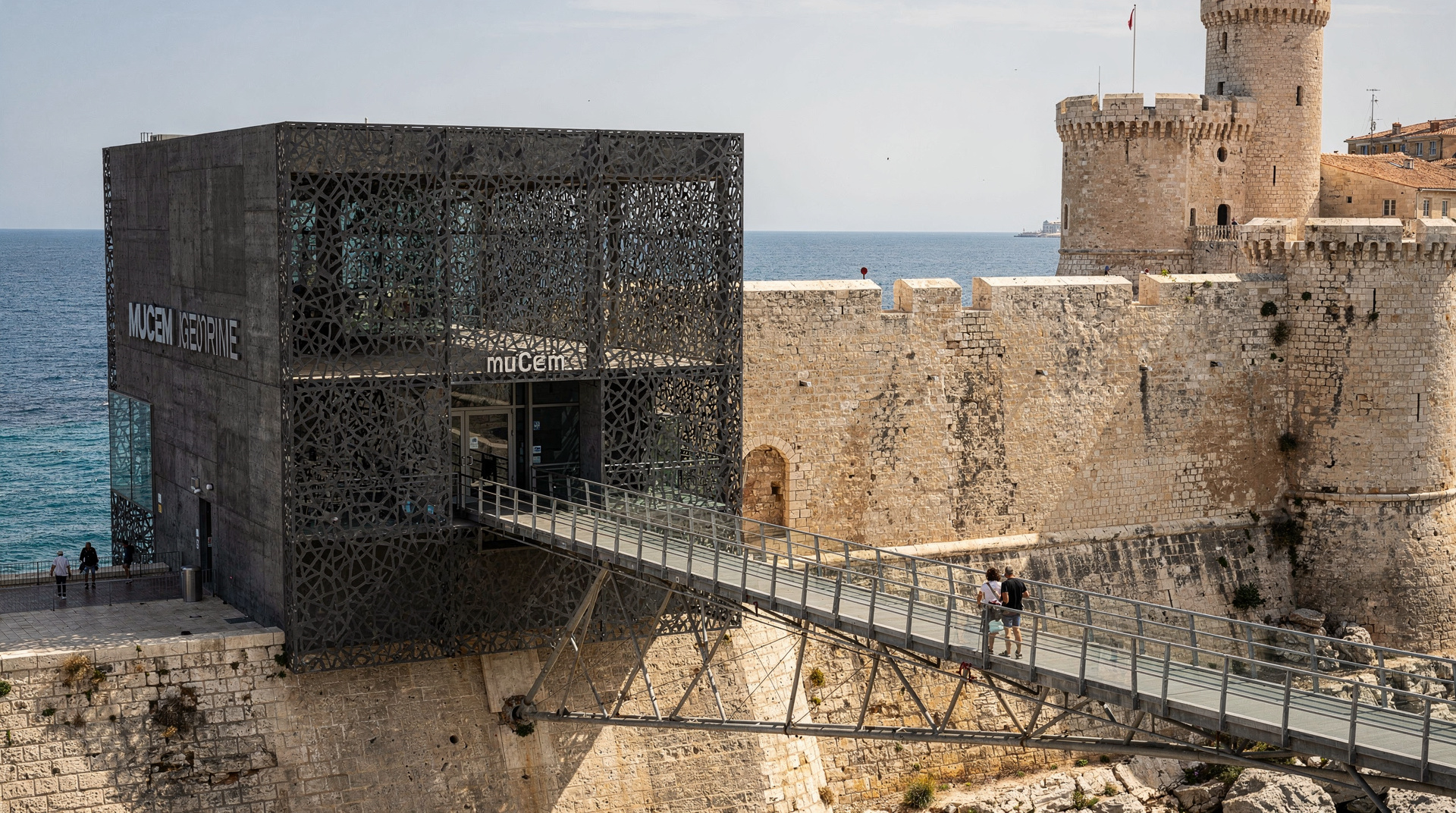
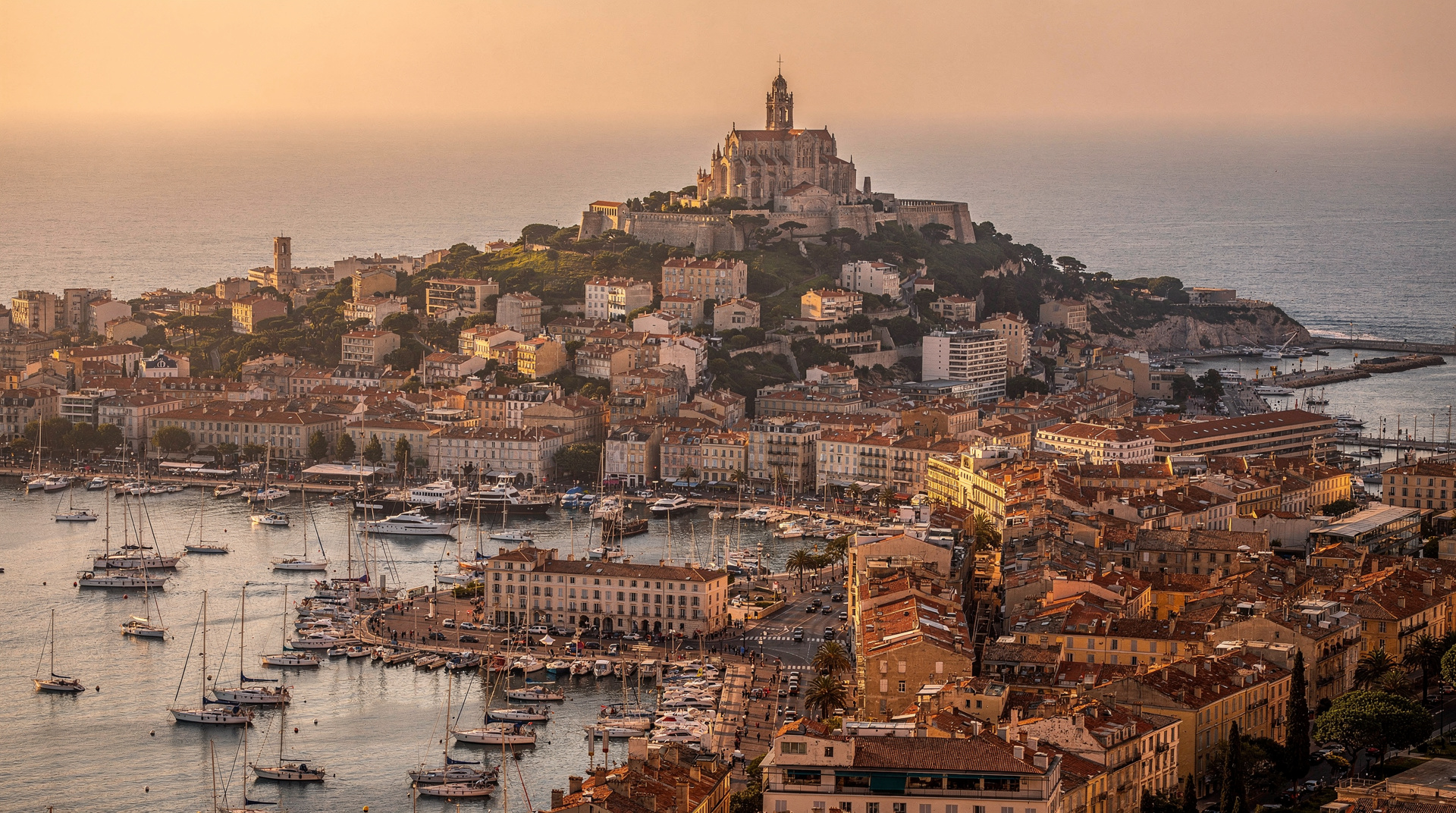
We tried the strategy on the first visit. We did the Vieux-Port, Le Panier, MuCEM, Notre-Dame de la Garde in sequence. We ate at a reviewed restaurant near the port. We felt we had seen Marseille. We were wrong, and we did not know we were wrong until much later.
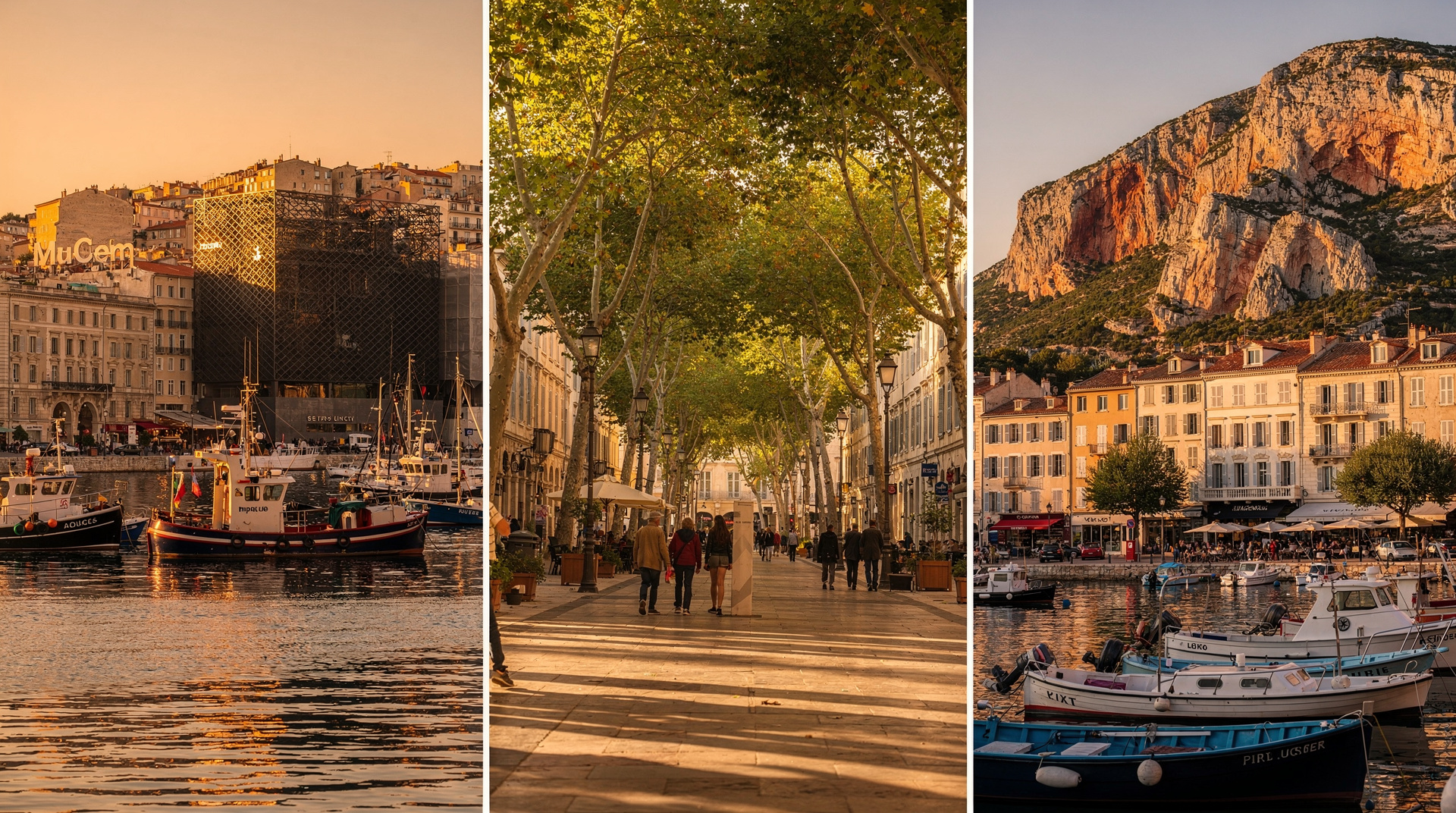
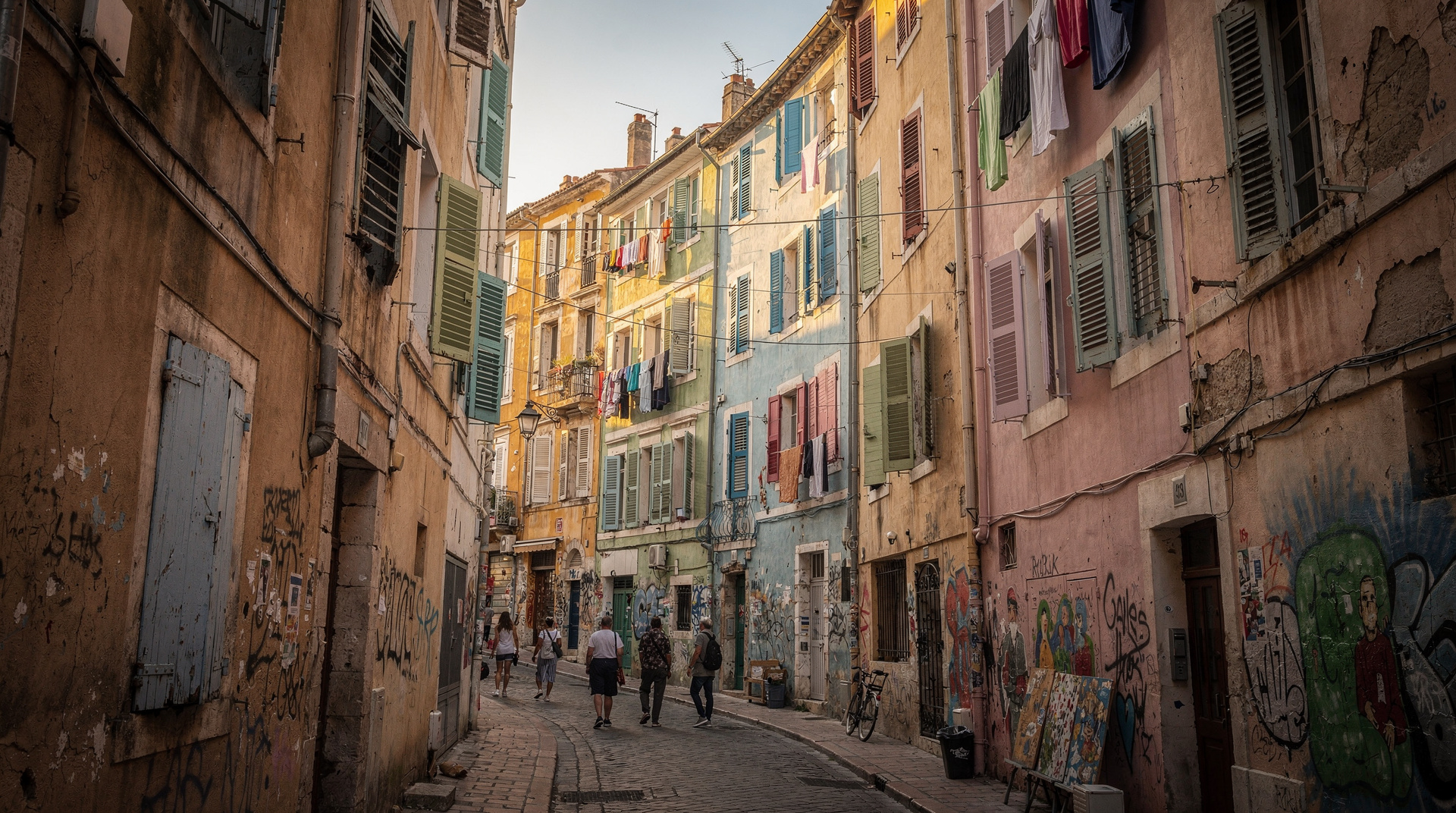
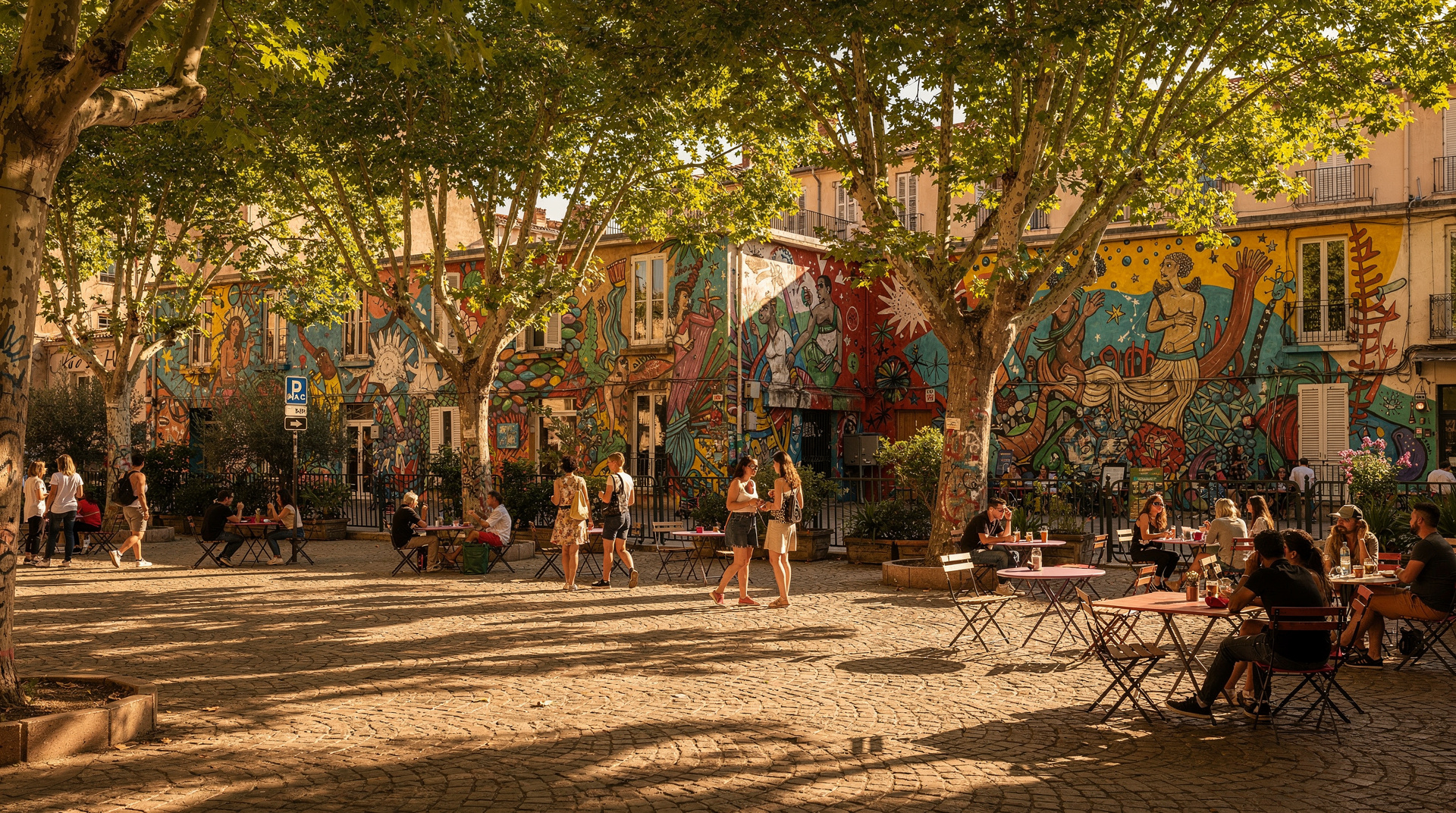
What we had actually seen was Marseille’s surfaces: the legible parts that present themselves to a visitor on a planned itinerary. The city behind those surfaces — the Noailles market, the Cours Julien evening, the Vallon des Auffes at sunrise, the Calanques at a time other than summer — required returning without a plan.
The instruction that Marseille gave us, across several visits, was: come back. And come back differently. Slow down.
What slowing down revealed
The first thing it revealed was the food. We had eaten adequately near the Vieux-Port on the first visit. On subsequent visits, when we had longer and moved away from the tourist corridor, we found the actual Marseille food culture: the Noailles market counters, the natural wine bars of Cours Julien, the bouillabaisse at a Charte restaurant booked two days in advance, the fish market at 8:00 in the morning where the catch is sold directly from the boats. This food was not better-reviewed than what we had eaten before. It was better in the way that actual things are better than performed versions of those things.
The second thing was the social texture. Marseille has an energy that is difficult to access on a one- or two-day visit. The city is loud, assertive, complex — Mediterranean in the specific sense that implies both warmth and friction, both generosity and impatience. On a short visit, this can read as hostility or indifference. Over several visits, it resolved into something warmer: the city’s directness, its refusal to perform hospitality it does not feel, eventually produced encounters with people who were genuinely warm precisely because they had not been performing it for strangers.
The third thing was the Calanques, but this is a longer story.
The Calanques as a different kind of knowledge
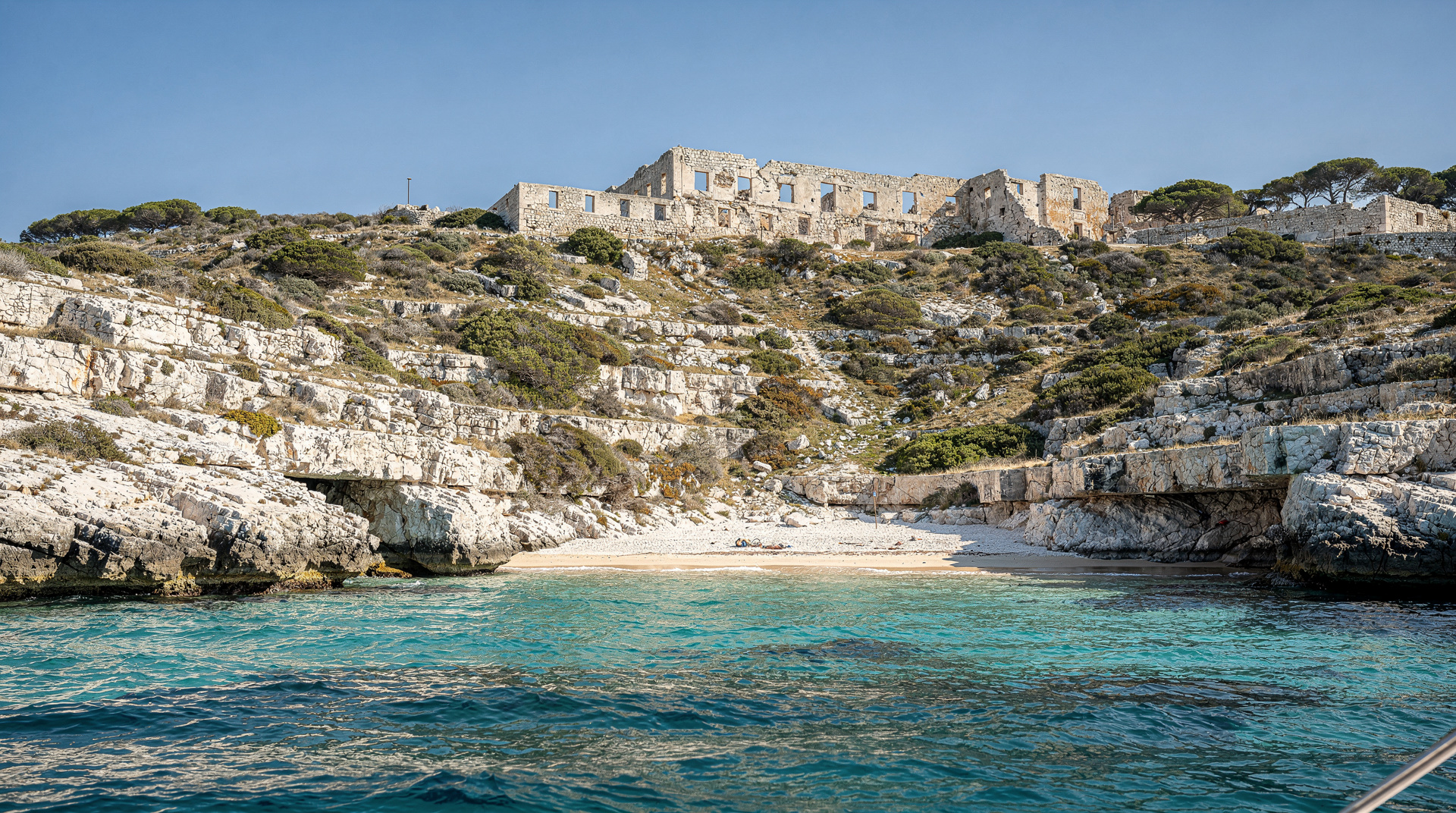
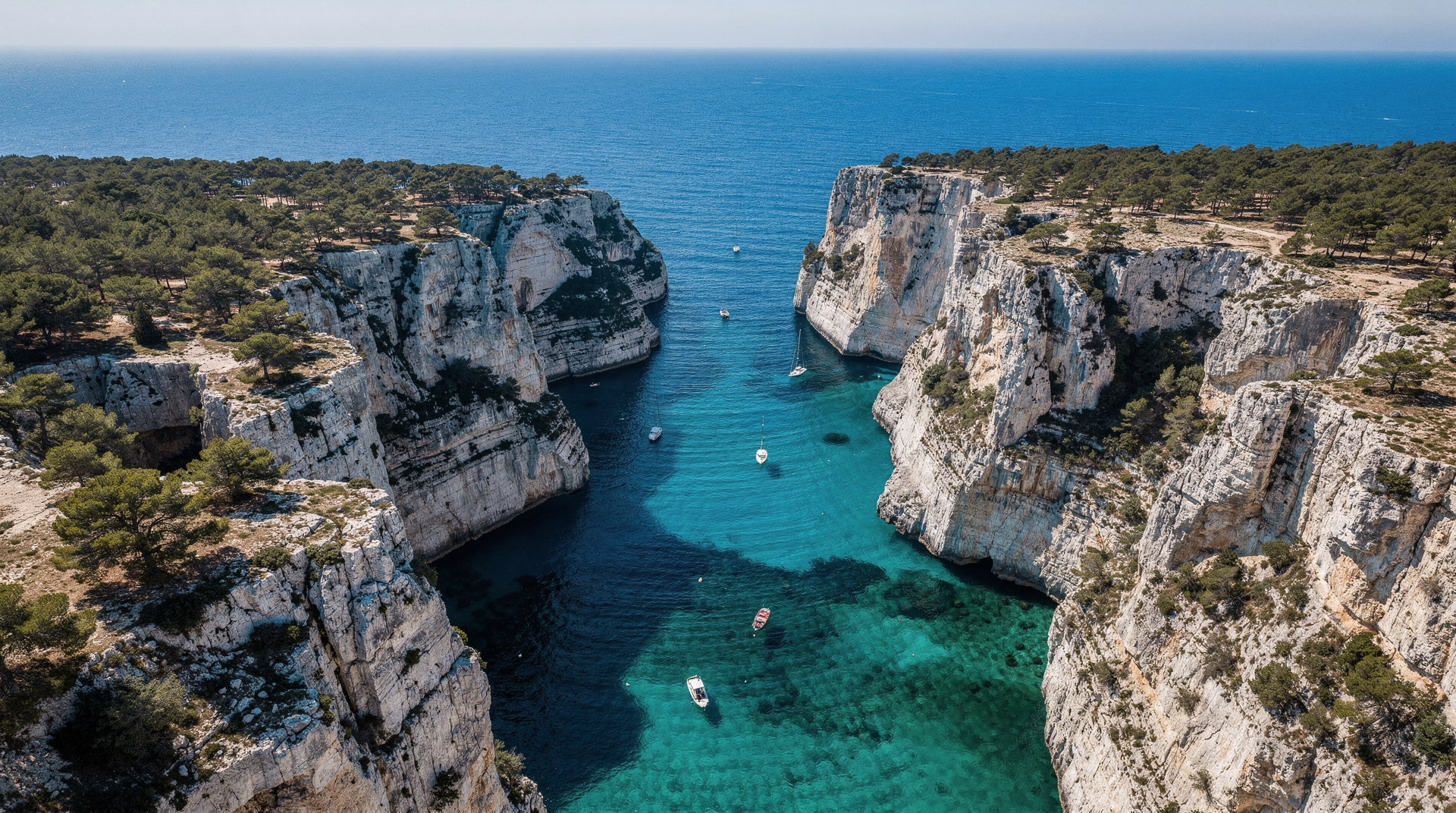
We have been to the Calanques many times. By boat in summer, when the trails are closed and the water access is from the sea. By hiking trail in spring and autumn, in different configurations and to different inlets. By kayak, which is the access mode we like best because it combines the scale of the boat with the pace and silence of hiking.
Each visit has added something that the previous visits did not have. We know now which inlet faces which direction for morning light. We know the specific acoustic quality of En-Vau’s walls. We know what the Calanques smell like after rain in October — a sharpening of the pine and wild herbs that is unlike anything in summer. We know the routes that are genuinely difficult and the routes that merely sound difficult.
This knowledge does not make us experts. It makes us experienced in the specific way that repeated engagement with a place produces experience: not the competence of a professional, but the comfort of familiarity, the capacity to be surprised in ways that prior knowledge enables rather than forecloses.
The question of comfort
One of the things Marseille changed was our relationship with comfort in travel.
We had been, before, broadly comfort-seeking travellers. Not luxuriously — we were not staying in Relais & Châteaux properties — but reliably. We booked hotels with good reviews, ate at restaurants we had researched, moved through cities on itineraries that minimised the risk of ending up somewhere disappointing.
Marseille challenged this not because it is uncomfortable (it is not, particularly) but because its most rewarding version requires being in situations that are not optimised for comfort. The Noailles market at 9:00 in the morning is not a comfortable place for a timid tourist. The hike to En-Vau in October is not a comfort experience. The pastis at a table in the Vallon des Auffes watching boats in the rain is not the planned, reviewed, guaranteed experience.
These are the things we remember.
What we look for now
We look, now, for cities that have something behind their surfaces. Cities where the first visit tells you there is more to find. Cities that reward return. Not necessarily difficult cities — Marseille is not difficult, whatever its reputation — but opaque cities, cities that do not immediately resolve.
This is probably a limited category. Most cities reward the first visit with their best material, and returns produce diminishing returns. Marseille is unusual in offering the opposite: the first visit was the worst, and each subsequent visit has been better than the one before.
We are aware that this might be a Marseille-specific quality, or it might be that we have learned to travel differently and Marseille would be where we point to that learning regardless of where it actually happened. Probably both. Either way, the city has been useful in a way that goes beyond tourism.
The longer argument
The longer argument — the one we have been circling around since the first visit — is about what travel is for.
The experience-maximising model answers this question efficiently: travel is for experiences, and more is better. The measure of a successful trip is the number of sights seen, restaurants visited, photographs taken. This model produces competent tourists and thin understanding.
The slower model — return, engage, allow the place to teach you something — produces something harder to quantify but more durable. The cities we know in this way are the cities we can describe from the inside rather than the outside: not “the Vieux-Port is a historic harbour with a fish market,” but the specific sound of the fish market at 8:00 on a November Tuesday, the particular quality of the light on the limestone of Le Panier in late September, the way Marseille feels different on a Mistral day from any other kind of day, the specific quality of an OM match night in the city when the whole thing is conducting itself on a frequency that visitors cannot fully access but can feel.
Marseille gave us this. We keep coming back to maintain it.
How to travel this way on a first trip
You do not need five years of returning to Marseille to borrow something from this approach. The simplest version is to build in unstructured time deliberately: one morning with nothing planned, spent walking Le Panier or the Cours Julien streets without a destination.
Eat at least one meal somewhere that has no online reviews to speak of — the Noailles market stalls are the easiest place to do this. And if you have the option, choose one activity in the Calanques that is not the standard summer boat tour — a spring or autumn hike to a specific inlet, timed for morning light, gets you closer to the “different kind of knowledge” this piece describes than the efficient version does.
Where to start if you want to try it
If the idea appeals, a few of our other pages make good companions. The Vallon des Auffes is the kind of small, unhurried place that rewards sitting still, and our story about sunset at Vallon des Auffes shows what that looks like in practice. For the Calanques, the guide to visiting the Calanques by season helps you pick the moment rather than the checklist, and kayaking the Calanques covers the access mode we like best.
For the city itself, the Marseille neighbourhoods guide explains how the districts differ, and the Le Panier guide is a good base for a morning with no destination. If you would rather keep a loose structure, the Marseille in two days itinerary leaves room to drift, and Marseille on a rainy day is a reminder that the city works in any weather. Finally, hidden gems of Marseille collects the quieter corners we kept finding once we stopped following a list.
Why this matters beyond Marseille
The broader lesson generalises past this one city. Any place with genuine local texture — a market that was not built for tourists, a neighbourhood that has not been curated for visitor legibility — rewards the same shift: fewer sights per day, more willingness to be somewhere without extracting an experience from it immediately. Marseille happens to be where we learned this, partly because its resistance to easy legibility is unusually strong for a city its size, and partly because we kept returning long enough to notice the pattern.
Frequently asked questions about How Marseille changed us
Do you need multiple trips to Marseille to appreciate it, or can one visit be enough? One well-paced visit of three to four days, with at least half a day left unplanned, can get you a real sense of the city. What this piece describes is what accumulates over several trips, not a requirement for a first one.
What is the single best way to slow down on a short Marseille trip? Leave one morning or afternoon completely unscheduled and spend it walking a neighbourhood like Le Panier or Cours Julien without a fixed destination in mind.
The first impressions piece is where this story begins. The is Marseille worth it piece is an earlier, shorter version of the argument. The full guide is the practical starting point for anyone who wants to begin their own version of this process.
Top experiences
Bookable activities with verified prices and instant confirmation on GetYourGuide.