25 things to know before visiting Marseille
Marseille: iconic Calanques boat tour with swimming
Duration: 3-4.5 hours
What nobody tells you until you arrive
We have lost count of how many times we have arrived in a city expecting one thing and found another. Marseille, more than anywhere else we have been in France, has a gap between reputation and reality so wide you could drive a ferry through it. These 25 points come from many visits across different seasons, different purposes, and different states of preparation. They are not ranked by importance. They are roughly in the order you will encounter them.
| At a glance | |
|---|---|
| Best for | First-time visitors planning logistics before arrival |
| Time to read / use | Around 15–20 minutes, worth re-reading the week before you fly |
| Season it applies to | Year-round, with specific notes for summer and winter |
| Companion guide | Our full Marseille guide for the deeper planning picture |
1. The TGV is the best way in
Paris to Marseille takes just under three hours by TGV and the train drops you at Gare Saint-Charles, which sits at the top of a grand staircase overlooking the city centre. From there you are fifteen minutes on foot to the Vieux-Port. No airport taxi negotiation, no luggage carousel, no thirty-kilometre transfer. If you are coming from Paris, take the train.
2. The airport is further than you think
Aéroport Marseille Provence (MRS) is 30 km north of the city. The navette shuttle bus to Gare Saint-Charles runs every 15–20 minutes and costs 9 EUR, taking about 25–30 minutes without traffic. Plan for 50–60 minutes door-to-door from the plane to the Vieux-Port. Taxis cost around 45–55 EUR. There is no metro connection.
3. The reputation for danger is overblown
Marseille has France’s most recycled bad reputation. The violence that generates headlines is almost entirely concentrated in the northern arrondissements — areas tourists have no practical reason to visit. In the tourist areas (Vieux-Port, Le Panier, Cours Julien, the Corniche, MuCEM), the risk profile is comparable to Lyon or Nice. The real risk, as in any busy southern European city, is pickpocketing. See point 4.
4. Pickpockets are real but predictable
The hotspots are well-established: the Vieux-Port fish market (morning crowds), Gare Saint-Charles, the Noailles métro station, and Cours Belsunce. Use a front pocket, wear your bag across your body, and do not leave your phone flat on café tables. These habits eliminate 90 percent of the risk.
5. The Mistral is not a myth
Marseille’s famous wind blows cold and hard from the northwest, typically in bursts of two or three days in winter and spring. When the Mistral hits, temperatures drop ten degrees and the sky turns that hard, brilliant blue you see in Cézanne paintings. Pack a proper wind layer if you are visiting between October and April. The Mistral also affects boat tours — some are cancelled in strong wind days.
6. “Bouillabaisse” near the Vieux-Port tourist strip is almost always bad
The dish that defines Marseille’s food identity costs EUR 55–85 per person at the six restaurants that hold the Charte de la Bouillabaisse — and the price is justified because the fish were alive that morning. The versions advertised on sandwich boards near the tourist quais for EUR 25–35 are almost always made from frozen fish with industrial stock. They are not bouillabaisse in any meaningful sense. Read our honest bouillabaisse guide and book a Charter restaurant before you arrive.
7. The Calanques hiking trails close in summer
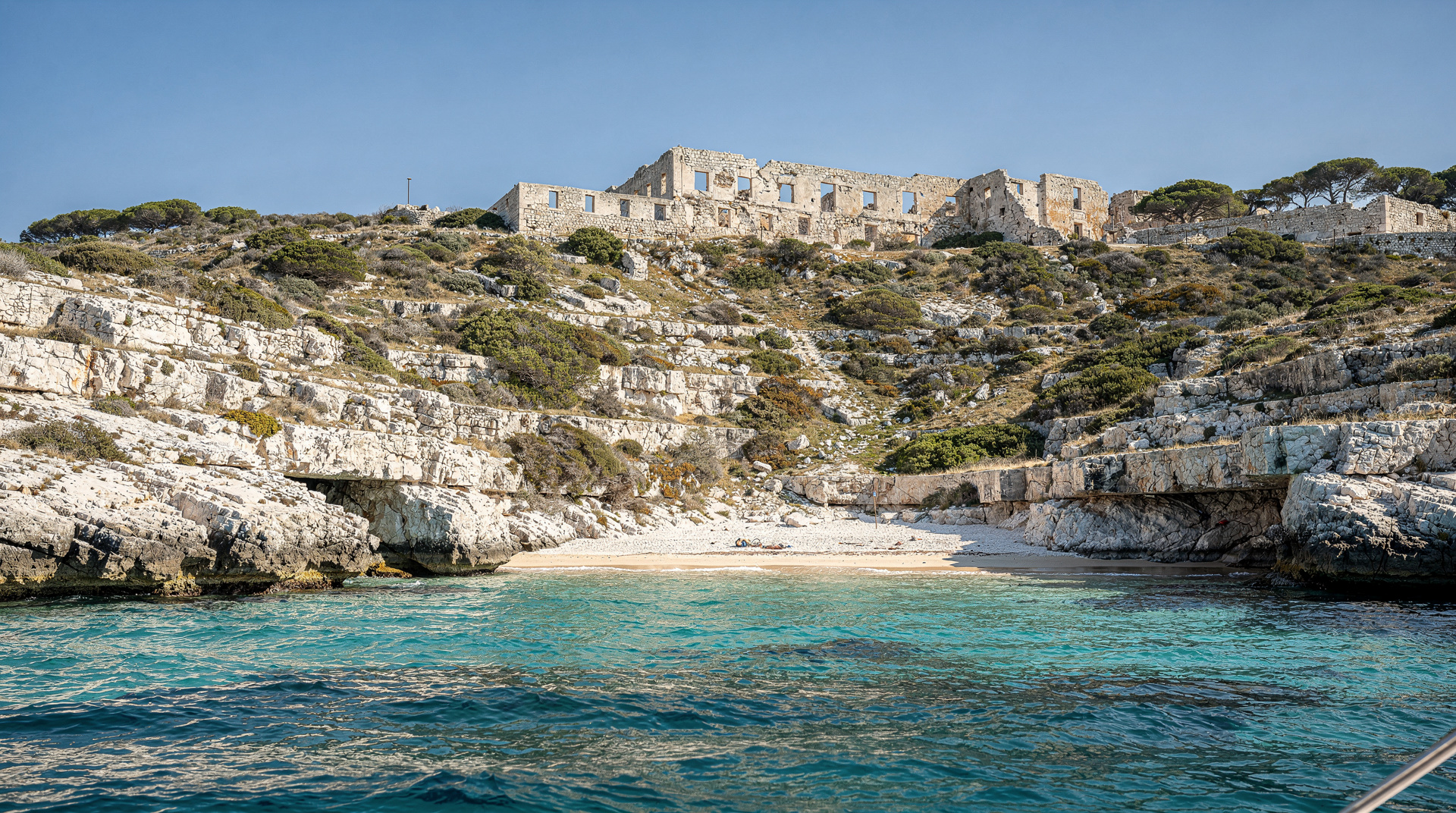
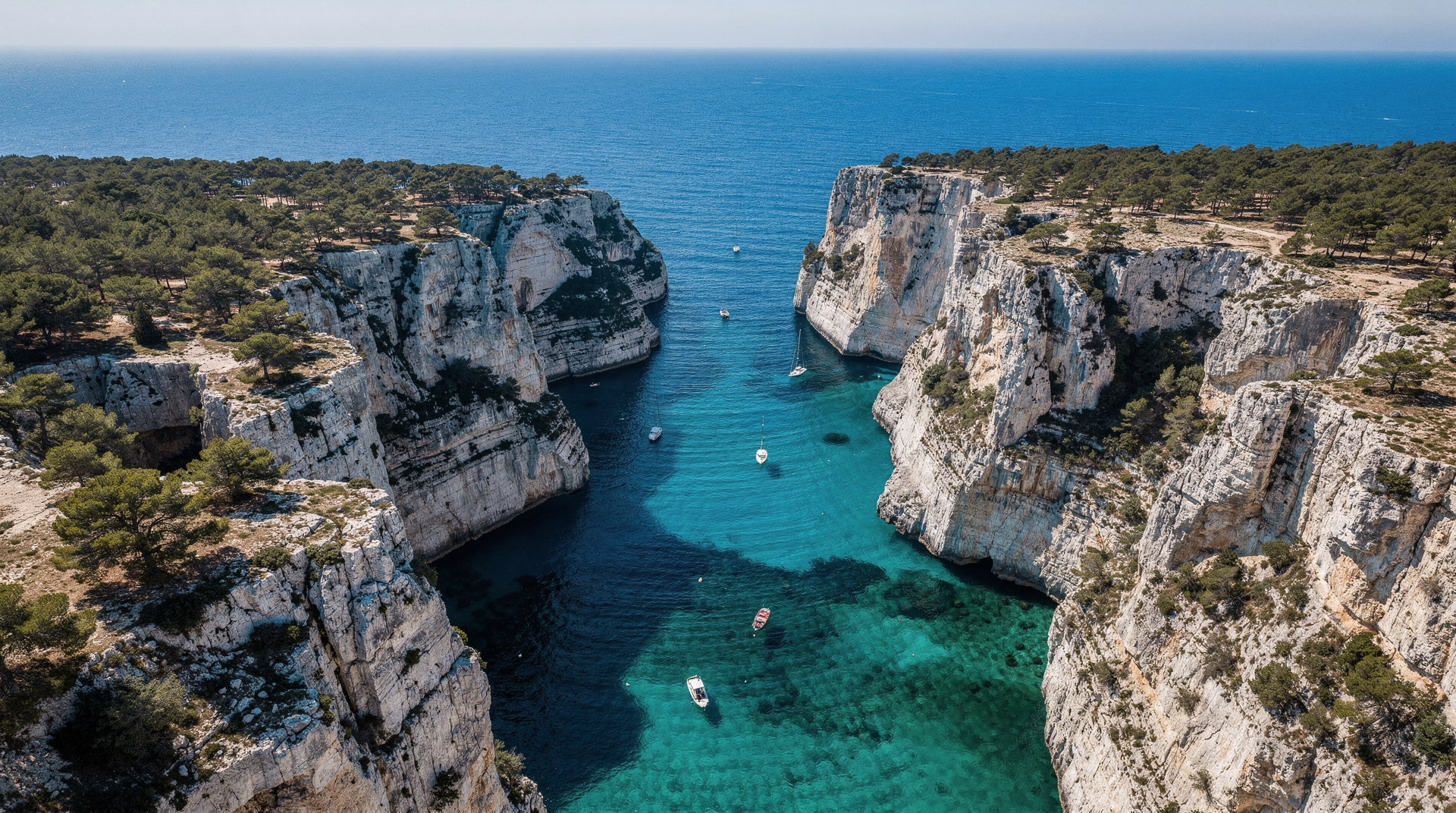
From roughly July through early September, most trails in the Calanques National Park close due to fire risk. This is not a bureaucratic technicality — the limestone scrubland burns fast and firefighting access is difficult. In summer, your Calanques options are boat tour or kayak. Both are excellent; just plan accordingly.
8. Sugiton requires an advance reservation
The calanque closest to the city (accessible from the Luminy campus by bus) has required a free reservation since 2022 from June through September. You book online on the national park website, up to three days ahead. The reservation opens at midnight each day for the slot three days out. Do not assume you can simply show up on a summer morning.
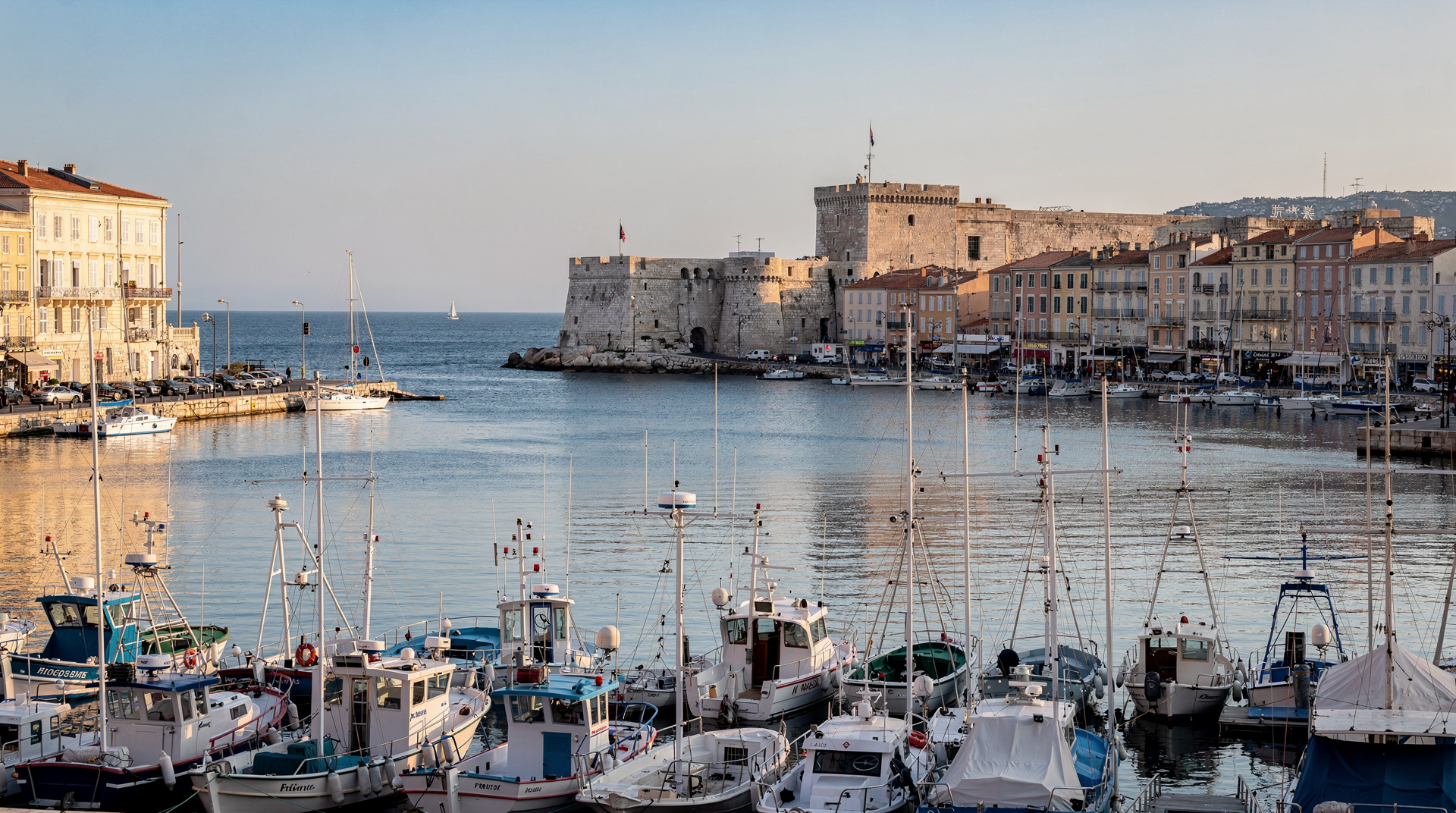
9. The MuCEM is more interesting than it sounds
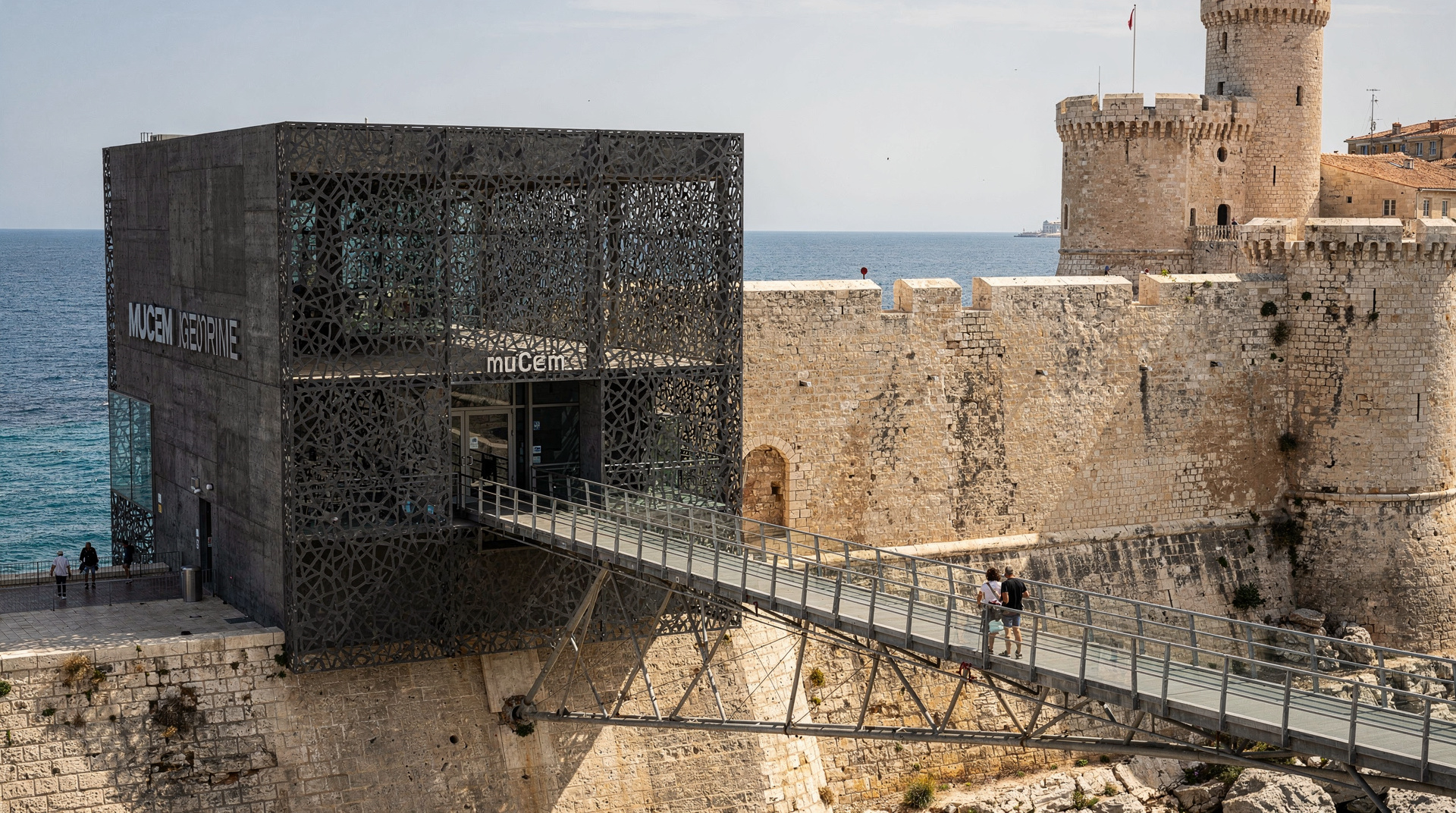
“Museum of Mediterranean Civilisations” does not immediately sell itself. The building is extraordinary — a laser-cut concrete lattice structure connected to the restored Fort Saint-Jean by a suspended footbridge over the sea. Even if contemporary exhibitions are not your thing, the architecture and the free outdoor terraces are worth an hour. See our Marseille guide for opening times and ticket prices.
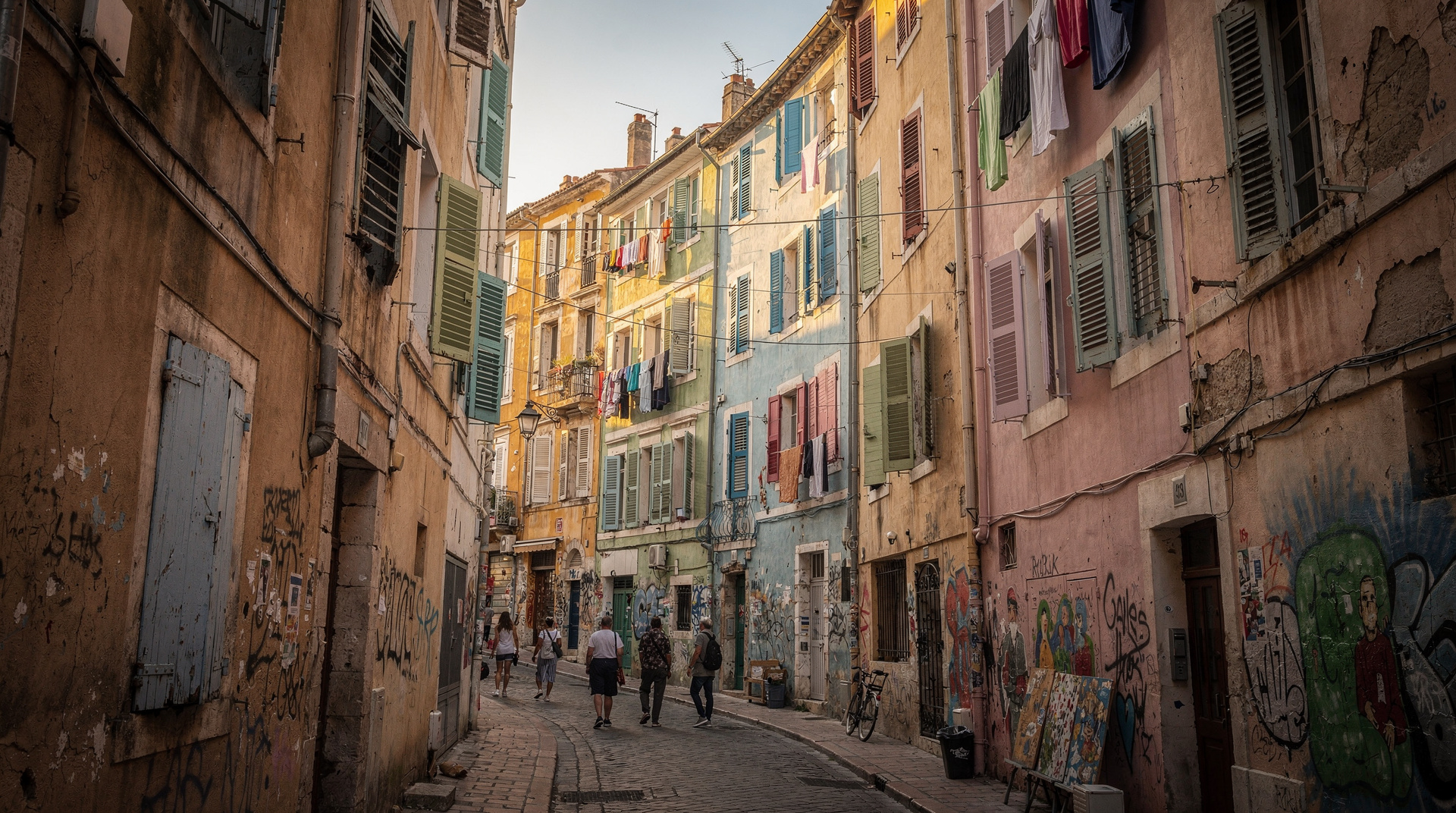
10. Le Panier is steep
The oldest quarter in Marseille sits on a hill. This is a literal and not metaphorical observation. The streets between the Vieux-Port waterfront and the top of Le Panier involve genuine climbing. If steep cobbled lanes are difficult, the tourist petit train does the circuit without the effort — budget around EUR 12–15 per adult.
11. The city métro is excellent and cheap
Two metro lines (M1 east-west, M2 north-south) cover the main tourist corridor. A single ticket costs around 1.70 EUR; a day pass around 5.50 EUR. The RTM network also includes trams and buses. The Vieux-Port, Joliette (for MuCEM), Noailles, and Castellane (for bus to Luminy/Calanques access) are all on the metro. You do not need a car within the city.
12. The city car is for Provence, not Marseille
Driving within Marseille is aggressive, parking is expensive, and the city’s layout does not reward it. Rent a car specifically for day trips to the Luberon, Valensole, or the Gorges du Verdon — not for getting around the city itself.
13. Cassis is 35 minutes by train
One of the most beautiful small ports on the Mediterranean is less than 40 minutes away by TER regional train from Gare Saint-Charles. Cassis warrants its own half-day or full day. See our Cassis guide for specifics on wine, beaches, and Calanque access from the east end.
14. Aix-en-Provence is 40 minutes by train — very different energy
Aix is a university city with fountains, plane trees, and art museums. The contrast with Marseille’s port energy is complete. It makes an excellent day trip, particularly for the Cézanne trail and the Cours Mirabeau market scene. Take the TER from Saint-Charles.
15. The Noailles market is genuinely excellent
The quarter around Rue de la Longue and Cours Belsunce is Marseille’s immigrant food market — primarily North African, with excellent pastries, spices, and lunch counters. The best falafel and the most honest tajine in the city is here, not in the tourist corridor. Prices are a fraction of Vieux-Port rates.
16. Pastis is drunk with cold water and patience
Order it, receive a small glass of amber liquid, add cold water from the carafe, watch it turn cloudy. Do not rush this. The ritual is part of it. Pastis 51 and Ricard both originate from Marseille. If you only drink one local thing in the city, make it this.
17. Vallon des Auffes is worth a sunset detour
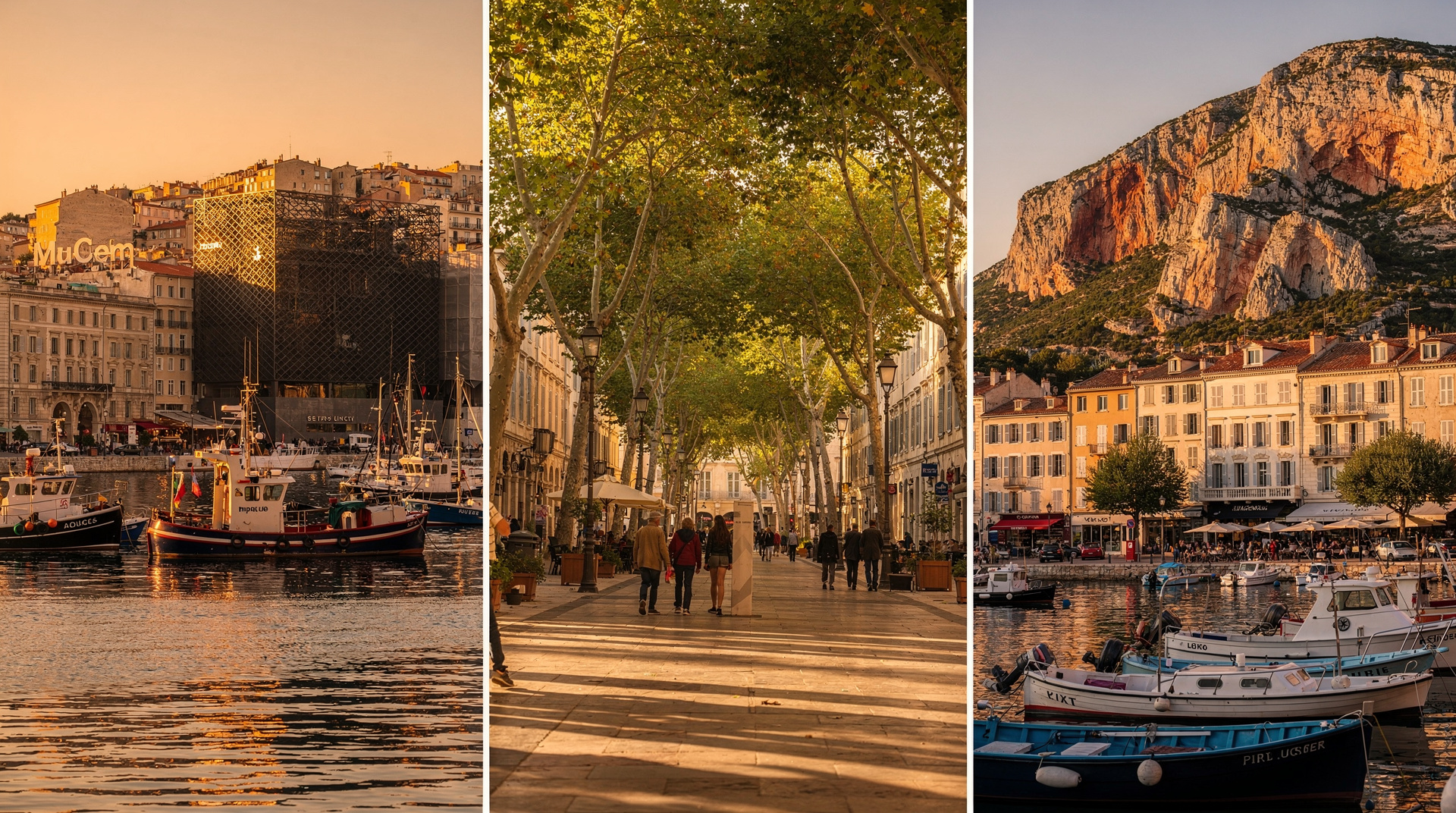
The tiny fishing harbour tucked under the Corniche road is one of Marseille’s most atmospheric spots. A handful of boats, old cabanons (fishing huts), and the arch of the Corniche viaduct above it. It is five minutes by foot from the Corniche tram stop and almost nobody who comes to Marseille finds it on their first trip. We now make it a non-negotiable stop every visit. See our Vallon des Auffes piece for the full story.
18. Cours Julien is the real Marseille nightlife
The area around Cours Julien is where locals eat and drink in the evening — natural wine bars, record shops, street murals covering entire building facades, market stalls on Wednesday and Saturday mornings. It is not tourist Marseille. It is where the city actually lives.
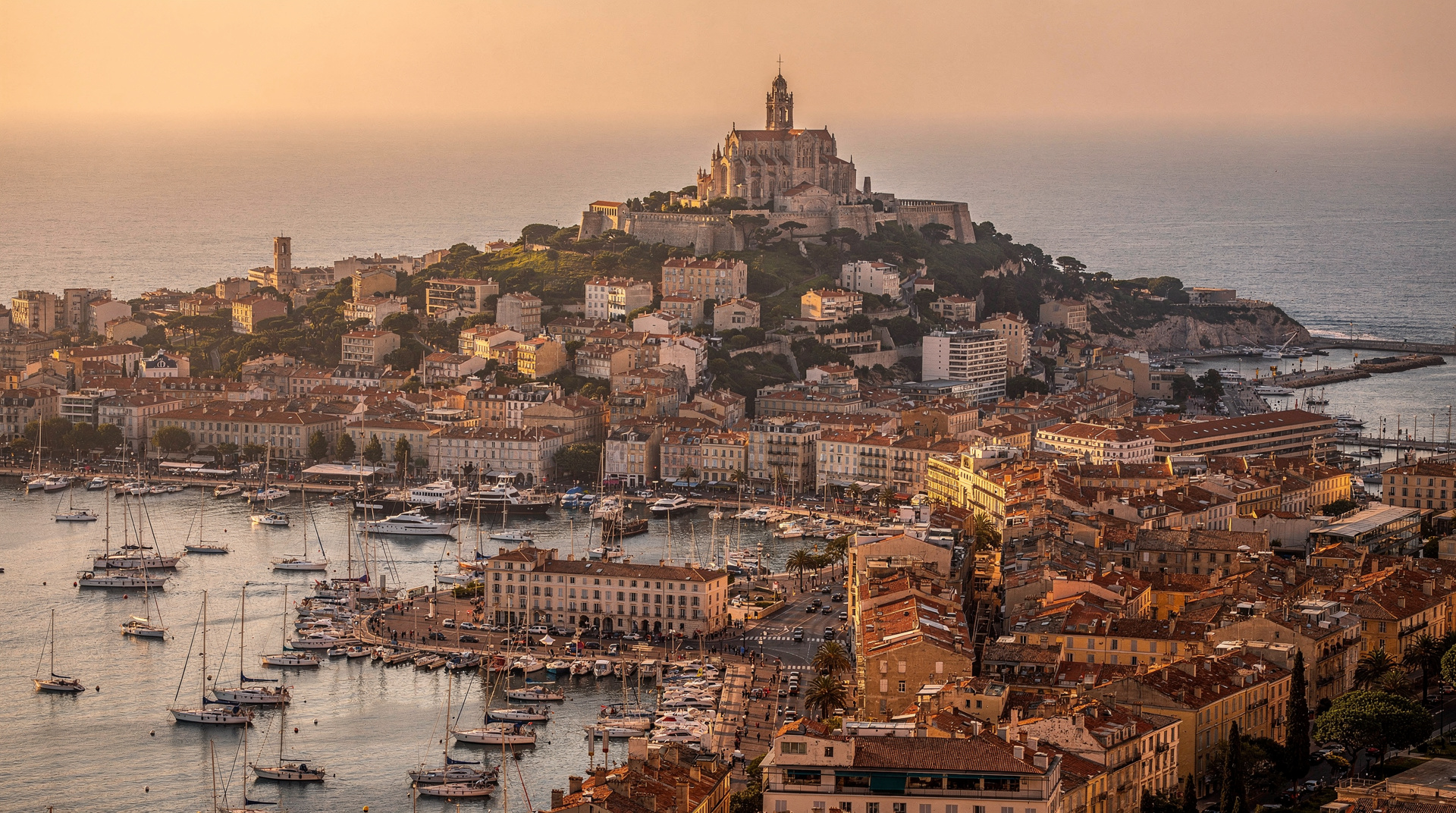
19. Notre-Dame de la Garde is free and the view is exceptional
The Romano-Byzantine basilica on Marseille’s highest point is free to enter (open daily 7:00–19:00, until 20:00 in summer). From the terrace, the panorama takes in the entire bay, the Frioul archipelago, and on clear days the white ridge of the Calanques to the east. The golden Madonna on the bell tower is visible from the sea. Worth every step of the climb. See our Notre-Dame guide.
20. The Cosquer Cave replica opened in 2022
The original Cosquer Cave — containing 27,000-year-old Paleolithic paintings — is accessible only through a 175-metre underwater passage off the Calanques coast. The full-scale replica at the Villa Méditerranée near MuCEM has been open since 2022 and is genuinely well done. Book tickets in advance. Around EUR 15–20 per adult.
21. Sunday morning at the Vieux-Port fish market
The market runs every morning (until around noon) but Sunday morning has the largest selection and the most theatrical atmosphere. Arrive before 9:00 if you want to watch the fishermen set up and negotiate prices with restaurant buyers. Bring cash for the fish soup at the stall near the end of the quai — EUR 5–8 for a bowl, and it is the honest Marseille bouillabaisse alternative.
22. Marseille in winter has real advantages
We address this at length in our winter in Marseille piece, but the short version: December through February brings fewer tourists, hotel prices drop, the Mistral creates spectacular clear-sky days, and the city — stripped of its summer tourist layer — shows its actual character. Hiking trail access in the Calanques is generally better in winter than in July.
23. The OM football experience is its own thing
Olympique de Marseille is not merely a football club; it is a municipal religion. A match at the Orange Vélodrome (capacity 67,000) generates an atmosphere unlike anything in European football outside the obvious examples. Tickets through the OM website; the stadium is accessible by tram. Stadium tours run on non-match days.
24. Avignon from Marseille is farther than it looks
It is one hour by TGV, which sounds manageable. In practice, doing Avignon and the Palais des Papes justice takes at least four hours on the ground. A Marseille–Avignon day trip works if you leave early and prioritise ruthlessly. It does not work if you also want Pont du Gard, Les Baux, and lunch at a leisurely pace. Be honest about what you can actually do. See our Avignon day trip guide for realistic timing.
25. The city rewards slow engagement
Marseille is not a checklist city. It is not a city where you hit three landmarks, take the photos, and feel you have seen it. The version of Marseille that stays with you is made of smaller things: a conversation with a fish market vendor, an hour in a Le Panier café watching the street, a glass of rosé at the Vallon des Auffes with the sun going down. Every visit we have come away with something we were not expecting to find. That is what we keep coming back for.
For the bigger planning picture, the full Marseille guide covers neighbourhoods, food, transport, and day trips in detail. If you have limited days, the how many days guide will help you sequence it right.
26. Money and connectivity basics
Marseille uses the euro, and contactless card payment is accepted almost everywhere in the tourist zones, including on the metro and at most market stalls — cash is still useful at the Noailles market and the fish market, where small vendors sometimes prefer it. EU SIM/eSIM roaming works normally; visitors from outside the EU should check their carrier’s roaming terms or plan on a local eSIM before arrival. Free wifi is inconsistent outside cafés, so do not count on it for navigating Le Panier’s unmarked lanes.
27. Language expectations
Basic French goes a long way — “bonjour,” “s’il vous plaît,” and “merci” before switching to English is genuinely appreciated and changes the tone of most interactions, especially at the Noailles market and smaller restaurants. In the Vieux-Port tourist corridor, English is common. Away from it, less so. This is not hostility; it is simply a working port city, not a resort built around English-speaking visitors.
Frequently asked questions about 25 things to know before visiting Marseille
Is Marseille safe for tourists? Within the areas visitors actually spend time in — the Vieux-Port, Le Panier, Cours Julien, the Corniche, MuCEM — the risk profile is comparable to Lyon or Nice, with pickpocketing the main practical concern rather than violent crime. See point 3 and point 4 above.
How many days do you need in Marseille? Three days lets you cover the city core and one day trip (Cassis or the Calanques) at a reasonable pace; two days works if you accept trade-offs. Our how many days in Marseille guide breaks this down by itinerary style.
Top experiences
Bookable activities with verified prices and instant confirmation on GetYourGuide.