Marseille vs the clichés — what people get wrong
Marseille: iconic Calanques boat tour with swimming
Duration: 3-4.5 hours
The cliché factory
Marseille has been generating the same clichés for decades. The dangerous city. The dirty city. The city where tourists get robbed. The city that is only good for the Calanques and the boat back. The city that even the French dismiss — or pretend to dismiss, while quietly knowing that its food is better than Paris’s and its coastline is incomparable. Post-pandemic, something shifted slightly. Whether the city itself changed, or whether the pandemic recalibrated what travellers were looking for, Marseille’s reputation has started catching up with its reality. Slowly.
Here is our honest reckoning with the clichés, from years of visits across different periods.
| At a glance | |
|---|---|
| Where the clichés bite hardest | Vieux-Port fish market, Gare Saint-Charles, Noailles métro (pickpocketing) |
| Genuine authentic bouillabaisse cost | around EUR 55–85 per person at a Charte de la Bouillabaisse address |
| Best time to test Le Panier’s reputation | around 8:00, before the day-trip groups arrive |
| Calanques crowding | worst on the closest, most road-accessible trails in July–August; quiet in spring/autumn |
| Minimum time to see past the clichés | 2–3 days, not a single cruise-ship stopover |
”Marseille is dangerous”
The one we hear most. Let us take it apart properly.
Marseille has real crime. The northern arrondissements have some of the highest poverty rates in France, and the drug-trade violence that generates national headlines is real and sometimes horrific. We will not pretend otherwise. But this violence is almost entirely self-contained within specific communities and specific geographic areas. The idea that it spills over into tourist areas is not supported by evidence or by the actual experience of millions of visitors who have come and gone without incident.
The actual risk in tourist areas is pickpocketing. The hotspots are well-established (fish market at the Vieux-Port, Gare Saint-Charles, Noailles métro) and the risk is manageable with standard urban precautions. We have been to Marseille many times. We have never been robbed. We know people who have been pickpocketed; it was annoying, not dangerous.
The city’s reputation significantly overstates the tourist risk. It is, we suspect, partly a legacy of the pre-2013 period before the Capital of Culture renovation, and partly a Parisian condescension toward a city that has always been too proud and too Mediterranean to fit the Parisian idea of French normality.
The honest verdict: take normal urban precautions. Do not walk in the northern arrondissements at 2:00 in the morning looking lost. Everything else is fine.
How the safety cliché compares to other big French cities
This is worth stating plainly because it rarely gets said: pickpocketing rates around Marseille’s main tourist sites (Vieux-Port, Notre-Dame de la Garde, MuCEM) are not meaningfully different from what you would encounter around the Eiffel Tower, Sacré-Cœur, or Gare du Nord in Paris. The difference is reputational, not statistical.
Marseille’s crime headlines are dominated by drug-trade violence that is real but geographically and socially contained; Paris’s petty-crime problem around tourist sites gets comparatively little national press because it does not fit a pre-existing narrative about the city. Neither city is dangerous for an ordinary visitor who keeps a bag zipped and stays aware in crowds. Marseille just carries the reputational cost of its northern arrondissements’ problems everywhere else in the city, which is not how the risk actually distributes.
”The bouillabaisse is a tourist rip-off”
Partially true, but the argument needs calibrating.
The cheap bouillabaisse at EUR 25–35 on a Vieux-Port tourist sandwich board — that is a rip-off. It is usually made from inferior fish, often frozen, with industrial stock, and the service has nothing of the ritual that makes the dish what it is. That version does not deserve its name.
The authentic bouillabaisse at a Charte de la Bouillabaisse restaurant — Le Miramar, Chez Fonfon, Chez Michel — costs EUR 55–85 per person in 2021 and is not a rip-off in any meaningful sense. The fish were alive that morning, the preparation is labour-intensive and technically demanding, and the two-course ritual (broth first, fish presented and filleted at the table) is a serious culinary experience. The price reflects the ingredient cost and the craft. See our bouillabaisse guide for the honest breakdown.
The cliché is correct about the wrong version and wrong about the right version. The challenge is knowing which is which before you sit down.
”Le Panier is gentrified and overrun”
There is truth here but it is not the whole picture.
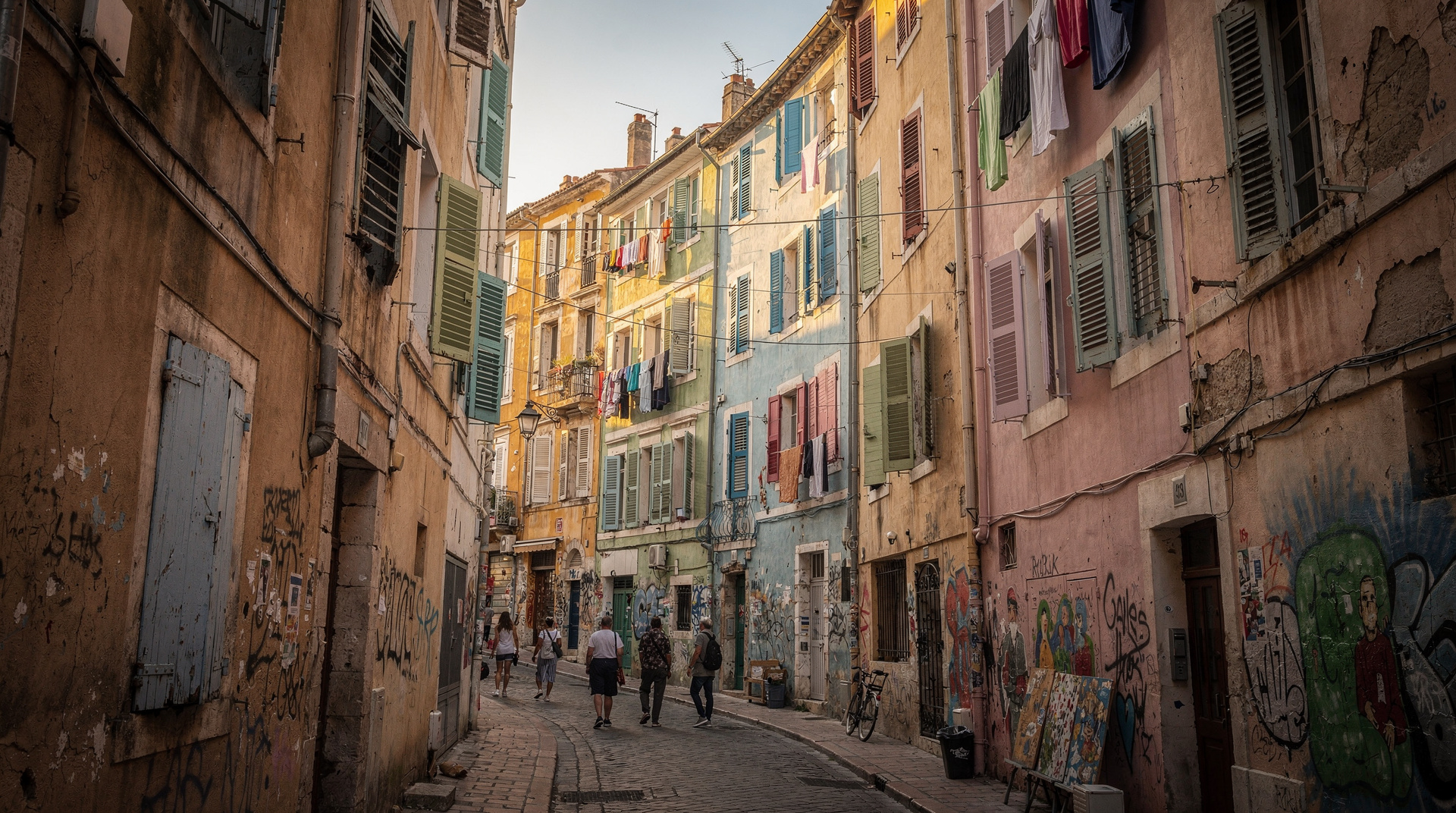
Le Panier has been subject to various attempts at gentrification since the 1990s, and some of the artisan boutiques and café terraces are clearly aimed at visitors rather than residents. The souvenir shops on the main lanes do not represent the neighbourhood’s actual character.
But Le Panier is still primarily a place where people live. The laundry still hangs between windows. The old men still play cards in the squares. The lanes behind the main tourist corridor — go two streets in either direction — are quiet residential Marseille, not tourism infrastructure. The Vieille Charité continues to function as a serious exhibition venue. The neighbourhood has been discovered without being destroyed, which is a kind of success.
We find Le Panier more rewarding at 8:00 in the morning than at noon. Go early.
”The Calanques are too crowded”
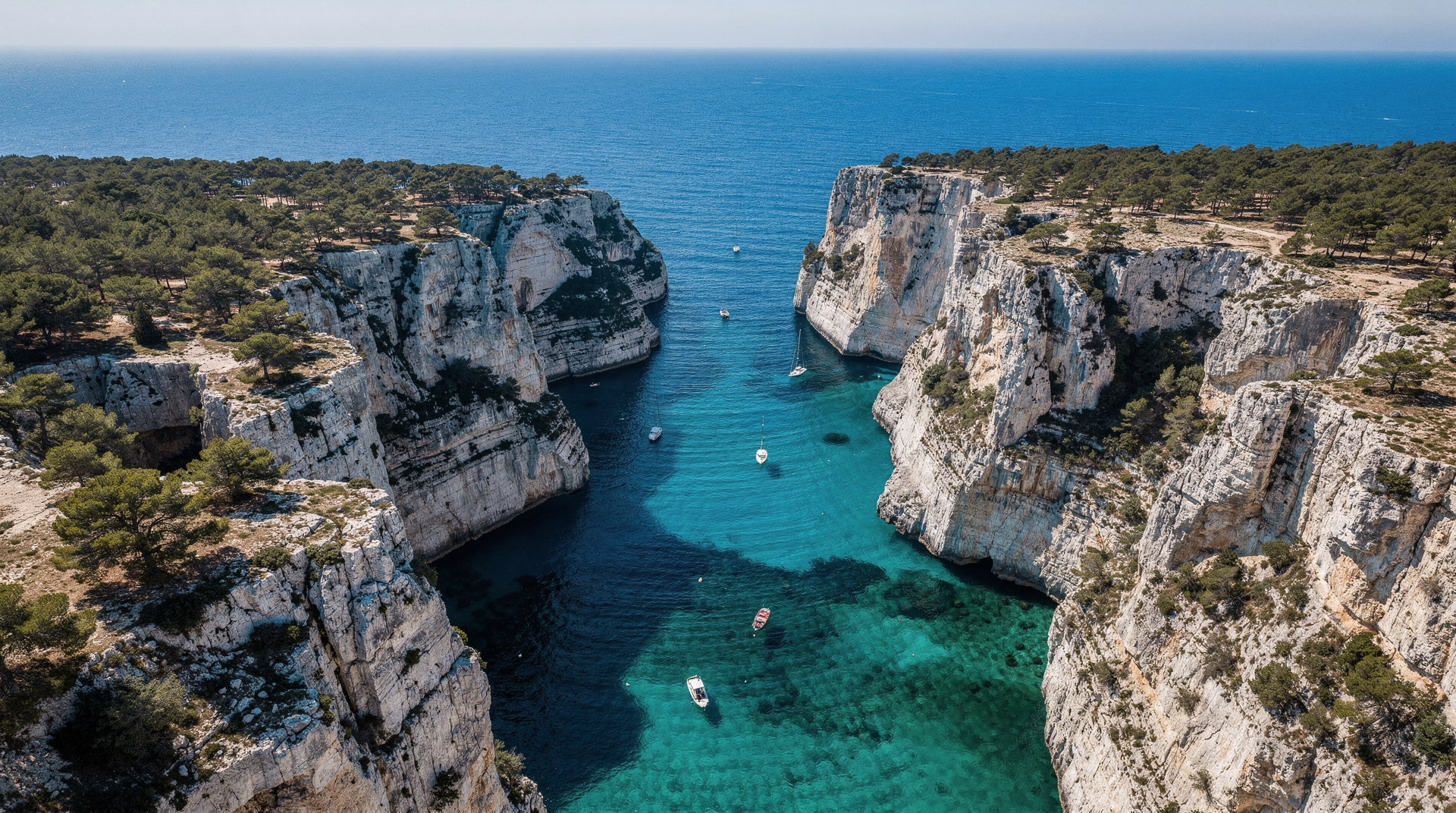
In summer, on the most accessible trails, yes. The Sugiton reservation system introduced in 2022 exists precisely because uncontrolled access was damaging the ecosystem. En-Vau and Morgiou are harder to reach and proportionally less crowded. In spring and autumn, the Calanques are genuinely quiet. In winter, you can have a good stretch of trail almost entirely to yourself.
The cliché is seasonally accurate and geographically overstated. The Calanques National Park covers 520 km² — the crowded parts are a small subset of the whole. If you are willing to walk more than 30 minutes from the nearest car park, you will find solitude. Our avoiding crowds in the Calanques guide has specifics.
”Marseille is just a cruise stopover”
This is the most pervasive, most comfortable, and least accurate cliché of all.
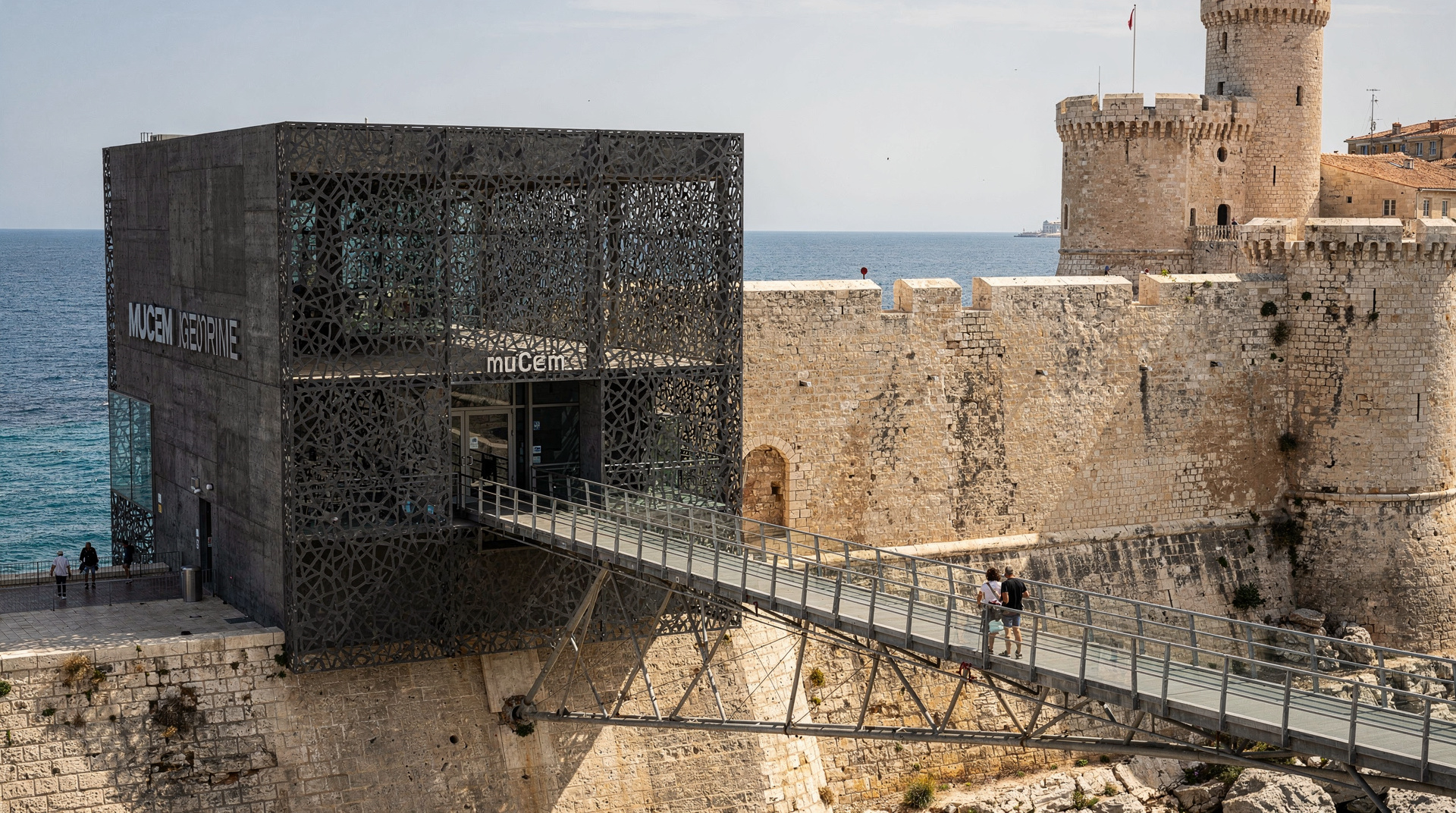
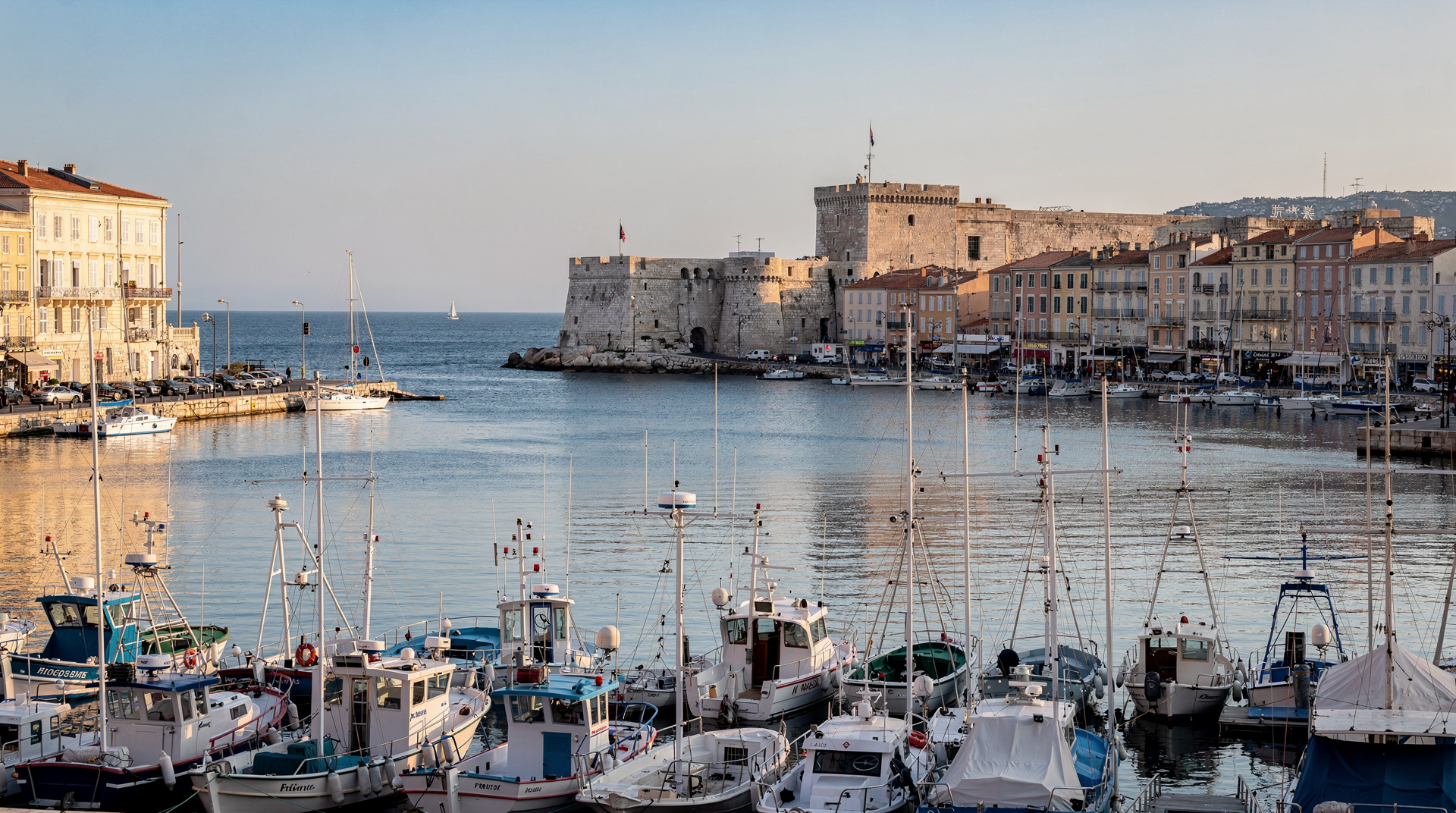
Cruise passengers arrive at La Joliette with 8–10 hours and often see the Vieux-Port, the MuCEM exterior, maybe Notre-Dame de la Garde by petit train, and then return to the ship. Based on that experience, they conclude they have seen Marseille. They have seen a selection of Marseille’s surfaces.
The city rewards multi-day exploration. Its food culture — genuinely excellent, particularly around the Noailles market, Cours Julien, and the authentic bouillabaisse restaurants — takes time to access. The Calanques require at least half a day. The neighbourhood character of Cours Julien, the Cité Radieuse, the Palais Longchamp, the music scene — none of this is available on a cruise schedule.
Marseille is not a one-day city. It is not a half-week city. If you want to actually know it, you need to come back.
”French people don’t really like Marseille”
The most enjoyable cliché to demolish.
There is a Parisian condescension toward Marseille that is genuine and old, rooted in a north-south cultural tension that runs through French history. Paris never fully forgave Marseille for being non-Parisian. Marseille, for its part, has historically not been very interested in Parisian approval.
But the idea that French people avoid Marseille is demonstrably false. The city has been growing in population and in domestic tourism year-on-year. Its food writers and chefs are increasingly celebrated at the national level. OM — the football club — has a support base that covers the entire south and generates passion in French people who have never been near Marseille. Young French people who might once have defaulted to Barcelona or Lisbon for a southern city break are increasingly choosing Marseille specifically because it has something real.
The cliché was always more about Parisian self-congratulation than about the actual preferences of French people generally.
What the city actually is
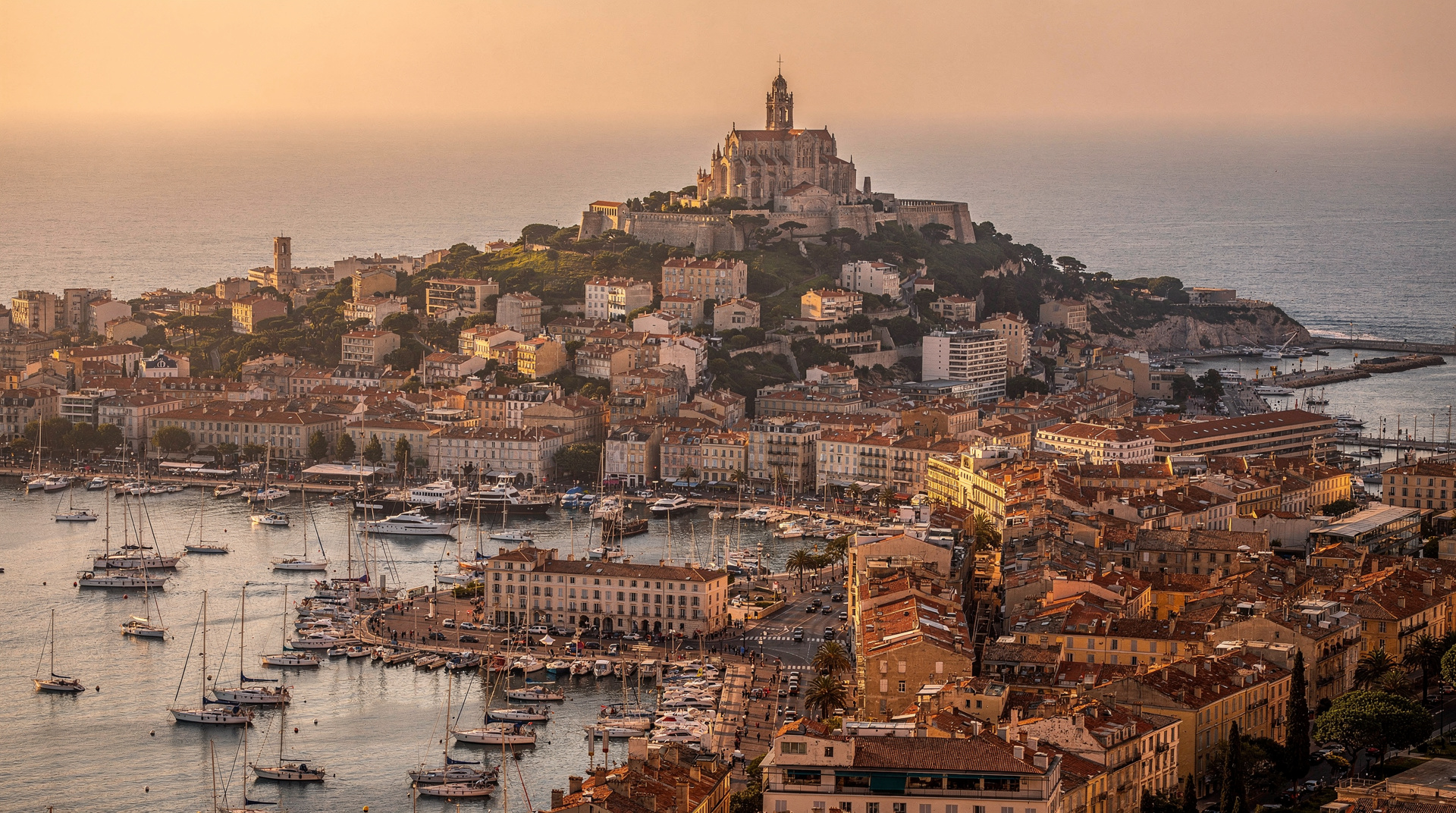
Post-pandemic Marseille is a city in the middle of something interesting. The 2013 transformation opened things up; the years since have been a gradual working-through of what that meant. It still has real poverty, real inequality, and real urban dysfunction. It also has a food scene that is legitimately exciting, a coastline that is nationally unique, a cultural heritage that runs deep, and — this is the thing that stays with you — an assertive self-confidence that is rare in European cities of its scale.
It does not ask for your approval. That is not arrogance. That is character.
For the practical side of a first visit, our 25 things to know covers the essentials. Our honest first-impression piece describes the arrival experience in detail. The Marseille destination guide is the starting point for planning. Our hidden gems piece goes further into the neighbourhoods the clichés never mention, and first impressions of Marseille covers what actually surprises first-time visitors.
Frequently asked questions about Marseille vs the clichés — what people get wrong
Is Marseille safe for tourists in 2026? Yes, for the areas visitors actually go to. The real risk is pickpocketing at well-known hotspots, not violent crime; the drug-trade violence that generates headlines is contained to specific northern neighbourhoods tourists have no reason to visit.
Is three days enough to get past the clichés in Marseille? It is enough to start. Two to three days lets you combine the city (Vieux-Port, Le Panier, food) with at least a half-day in the Calanques, which is the minimum to see why the reputation and the reality diverge so much.
Top experiences
Bookable activities with verified prices and instant confirmation on GetYourGuide.