Provence road trip: 7-day self-drive itinerary
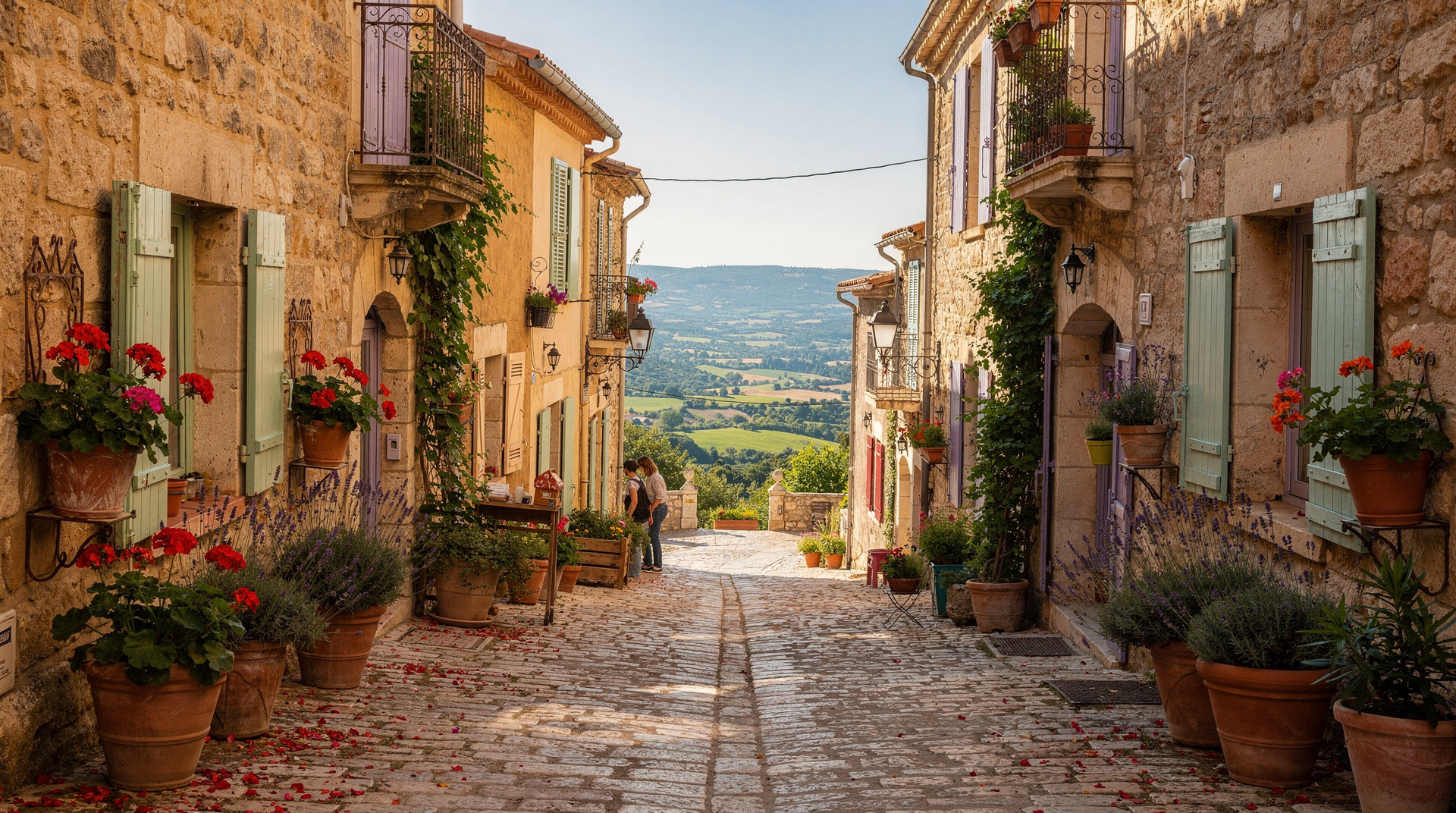
From Marseille: the most beautiful villages of the Luberon
Duration: 8 hours
This is a road trip itinerary — designed for drivers who want to move through Provence under their own power, at their own pace, stopping where the road and light suggest rather than when the train schedule dictates. A car is not just helpful here; it is the premise. The destinations in this itinerary — the Luberon villages, the Valensole plateau, the Gorges du Verdon — are genuinely inaccessible without one.
The route starts and ends at Marseille (easy for flight arrivals and departures) but spends the majority of its time in the inland countryside rather than on the coast. The urban Marseille counterpart to this itinerary is the 7-day Marseille and Provence itinerary, which allocates more time to the city.
Season: Best in May, June, September, and October. July–August is hot (35°C+ in the Luberon and Verdon), extremely crowded at Gordes and Roussillon, and Valensole is past its lavender peak by late July. The seasonal guide has the full breakdown.
Honest warning on Verdon: The Gorges du Verdon are 2 hours from Marseille by car and 2 hours from Avignon. A day trip to the Verdon from either city is technically possible but leaves only 3–4 hours at the gorge. This itinerary allocates a full day and overnight, which is the correct approach.
| Where | Aix, Luberon villages, Gordes, Roussillon, Valensole, Verdon Gorge, Moustiers, Avignon |
| Cost | Around 900–1,300 EUR for 2 people over 7 days: car rental, 6 nights’ accommodation, meals, entries |
| Time needed | 7 days, car required throughout |
| Getting there | Self-drive starting and ending in Marseille (airport or Gare Saint-Charles) |
| Best time | May, June, September, October — avoid July–August heat and crowds where possible |
Day-by-day summary
| Day | Focus |
|---|---|
| 1 | Arrival, drive to Aix |
| 2 | Aix-en-Provence full day |
| 3 | Southern Luberon villages (Lourmarin, Bonnieux, Lacoste, Ménerbes) |
| 4 | Northern Luberon (Gordes, Sénanque, Roussillon, Fontaine de Vaucluse) |
| 5 | Avignon morning, drive to Verdon |
| 6 | Gorges du Verdon full day |
| 7 | Valensole (seasonal) or direct return to Marseille |
Day 1: Arrival in Marseille — pick up car
Arrive at Marseille Provence Airport (MRS) or Gare Saint-Charles. Pick up rental car and drive to Aix-en-Provence (35 minutes via A51). Check in to Aix accommodation.
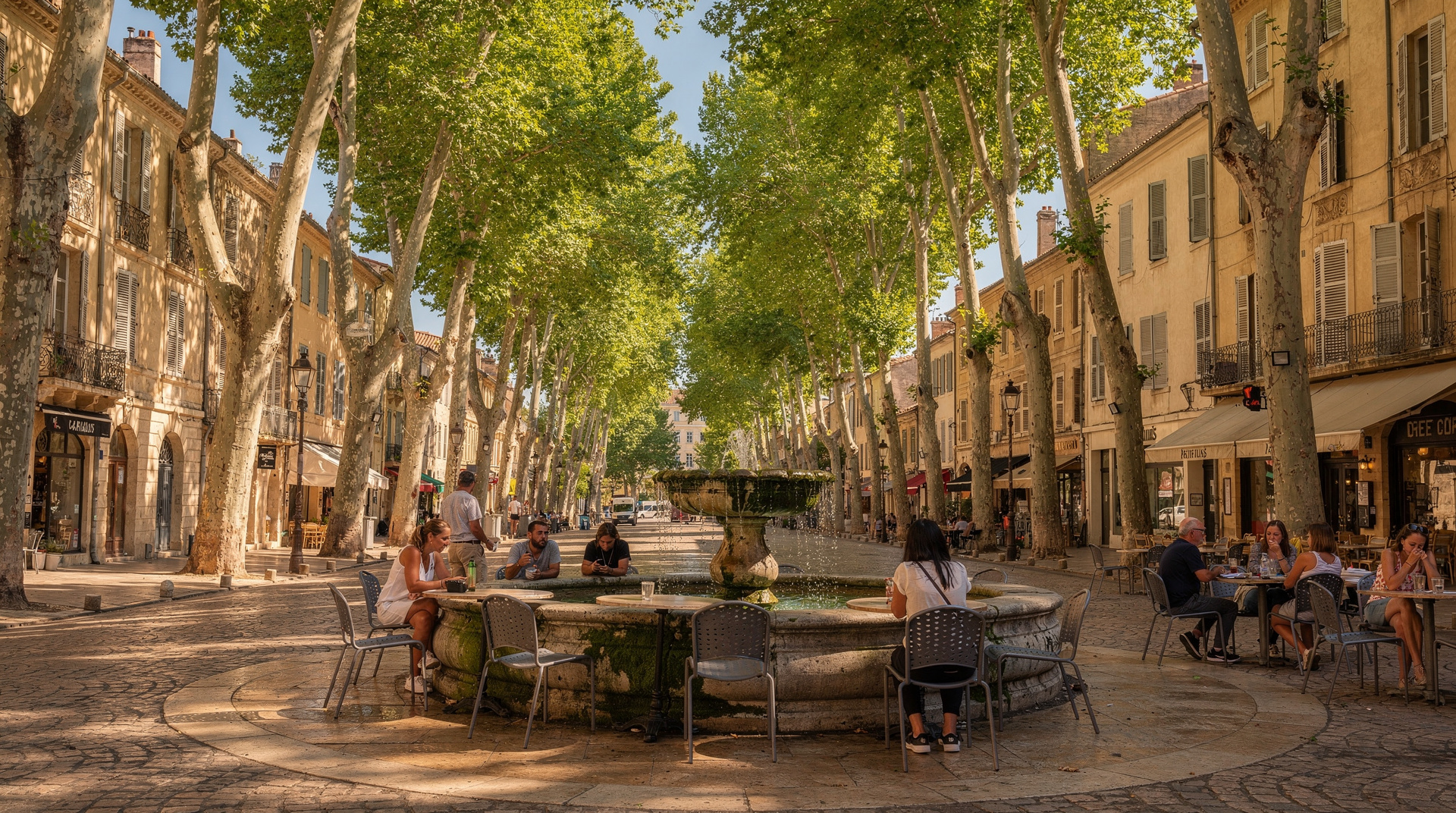
Evening in Aix: Cours Mirabeau at dusk — the tree-lined boulevard with lit café terraces is one of the finest urban evenings in Provence. Dinner in the old town north of Cours Mirabeau. Budget 35–50 EUR per person.
Day 2: Aix-en-Provence
Full day in Aix (9:00–18:00)
Aix-en-Provence rewards a full day when you have it — the city is compact but dense.
Morning: Market day (Tuesday, Thursday, or Saturday) at Place des Prêcheurs — fresh produce, flowers, cheese, lavender. Walk Cours Mirabeau from the Rotonde fountain to the Place de l’Hôtel-de-Ville. The 17th-century private mansions (hôtels particuliers) lining the cours are best appreciated by simply looking up at the facades. The fountain on Cours Mirabeau fed by a natural thermal spring is mossy and distinctively Aix.
Mid-morning: Atelier Cézanne (7.50 EUR, 45 minutes) — the studio preserved as he left it in 1906, on the hill north of the town. From the street outside, the view toward Mont Sainte-Victoire (the mountain Cézanne painted 60+ times) is visible across the city’s eastern skyline.
Afternoon: The Quartier Mazarin (south of Cours Mirabeau) — the 17th-century planned grid with the Musée Granet (important Cézanne holdings, 5–8 EUR) and the Fontaine des Quatre Dauphins. Walk east from the centre to the Jas de Bouffan (30-minute walk, Cézanne’s family estate) if deeply interested in the painter’s biography.
Wine: The Coteaux d’Aix-en-Provence AOC covers the area surrounding the city. A half-day wine tour through the Cézanne countryside (see tour listings) visits 2–3 estates on the slopes with Mont Sainte-Victoire views. This is the right introduction to regional wine before the more famous Luberon and Côtes-du-Rhône appellations later in the trip.
Evening: Dinner in Aix — the city has some of the best restaurants in Provence outside Nice. Budget 40–60 EUR per person for a good table.
Day 3: Luberon — southern villages
Drive north into the Luberon (10:00–18:00)
Depart Aix north on D96 toward Pertuis, then D4 into the southern Luberon. Total driving Day 3: approximately 80 km.
Lourmarin (45 minutes from Aix): the most welcoming of the Luberon villages for a first stop — manageable scale, a château (8–10 EUR) worth 45 minutes, good cafés and restaurants. Albert Camus is buried in the village cemetery.
Bonnieux (25 minutes from Lourmarin): a steep climb to the old church at the top of the village. The panorama from the terrace — the entire Luberon valley with Lacoste’s château visible opposite — is one of the best in the region. The bakery in the lower village is exceptional.
Lacoste (10 minutes from Bonnieux): the Marquis de Sade’s former château dominates the hill above this tiny village. The village is partially owned by fashion designer Pierre Cardin, which gives it an unusual maintained quality for an otherwise very small community.
Ménerbes (20 minutes from Lacoste): the village of Ménerbes became famous as the setting for Peter Mayle’s A Year in Provence. The main street and the church terrace have views south across the Luberon valley. The Maison de la Truffe et du Vin (truffle and wine shop) is worth a stop.
Overnight: Bonnieux, Ménerbes, or between the two. Accommodation ranges from farm chambres d’hôtes (60–100 EUR) to small boutique hotels (150–250 EUR). Book 4–6 weeks ahead in July–August.
Day 4: Luberon — Gordes, Roussillon, and Fontaine de Vaucluse
Northern Luberon (9:00–17:00)
Driving Day 4: approximately 70 km.
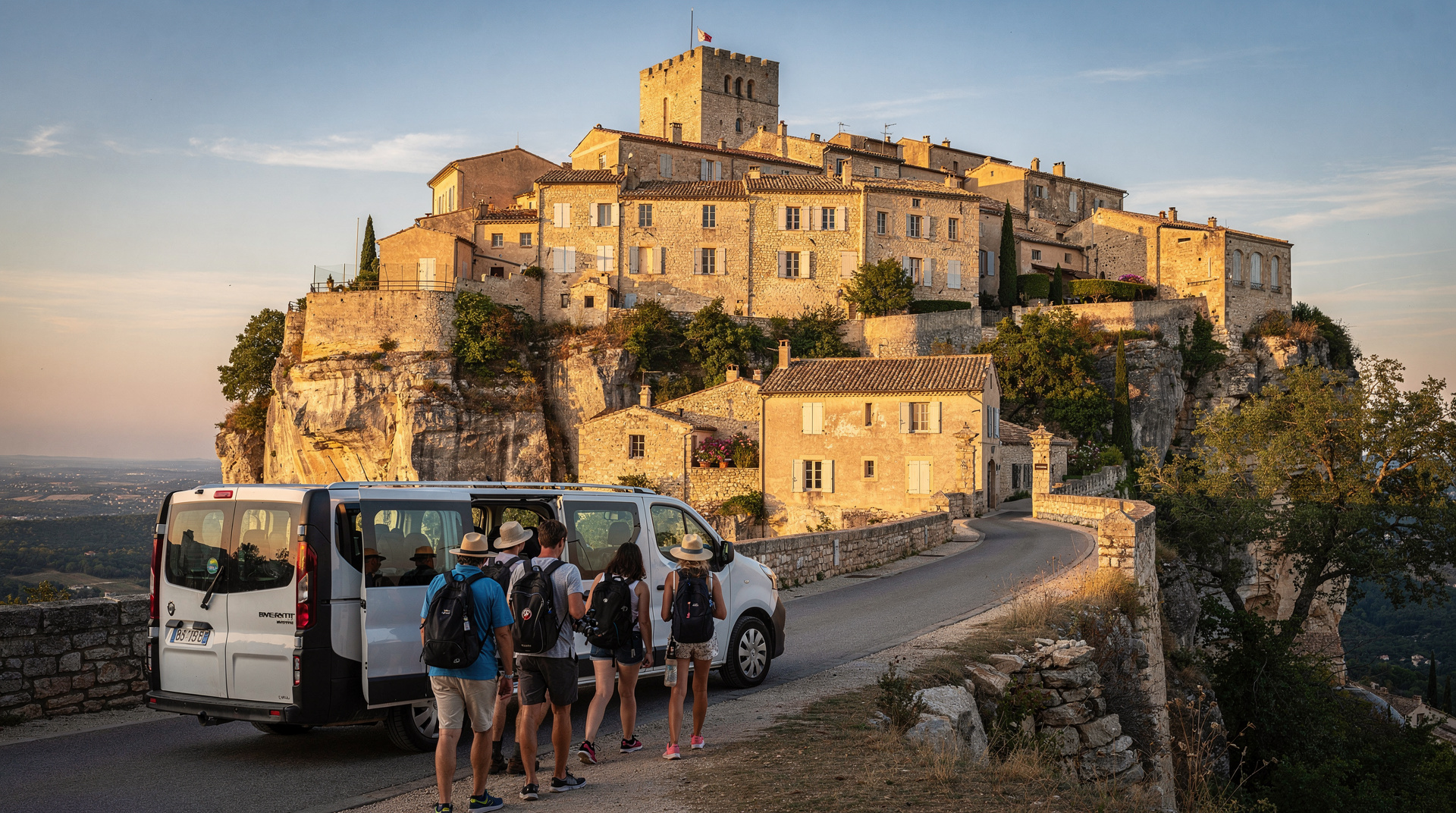
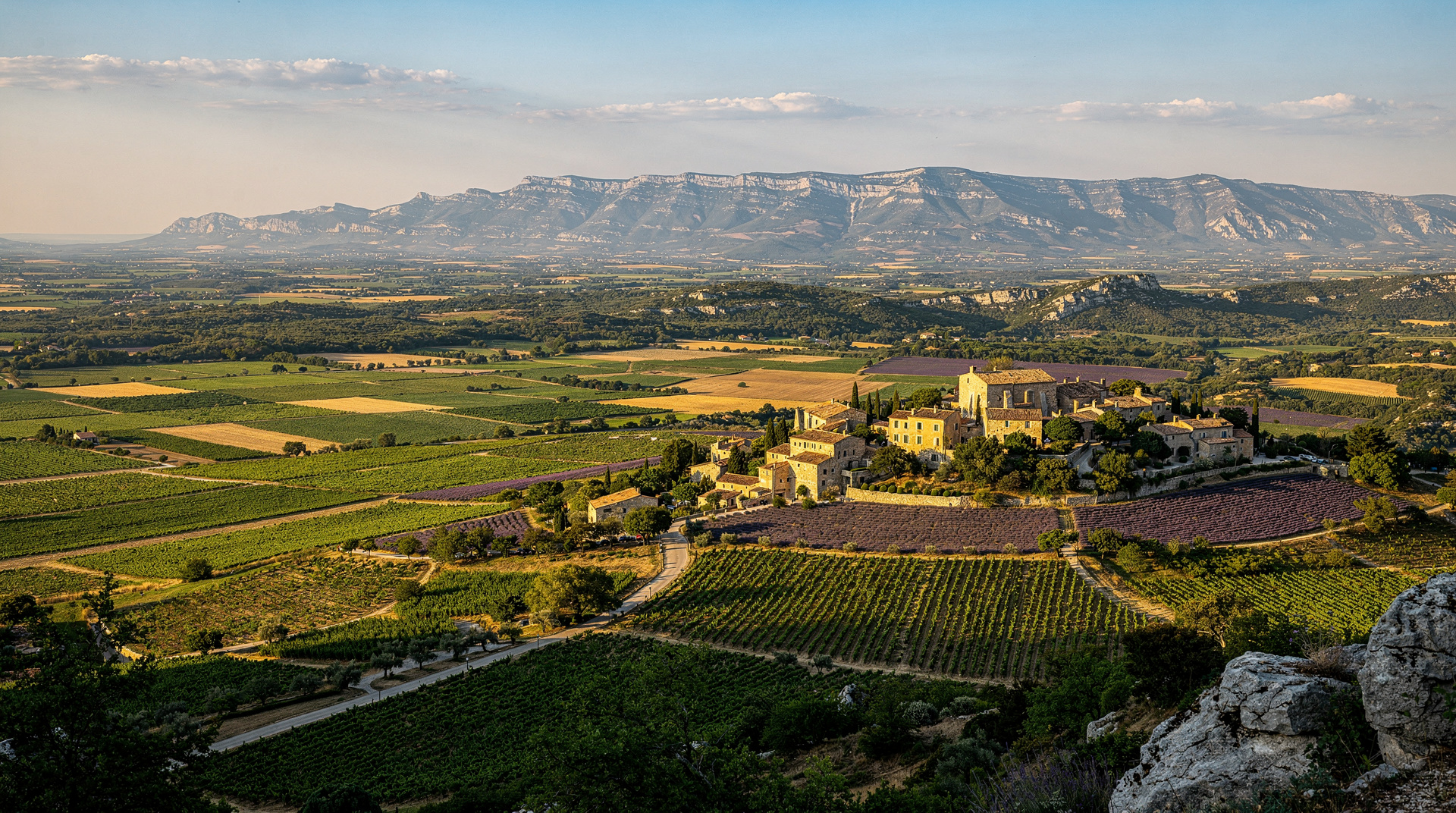
Gordes (30 minutes from Bonnieux via D900/D15): the most iconic Luberon village. The approach on D15 from Cavaillon delivers the photograph — the village rising on a limestone rock face above the valley. Arrive before 9:30 to walk the lanes before tour groups arrive. The village château (7 EUR) houses a permanent contemporary art collection and the view from its terrace is the best in Gordes.
Abbaye de Sénanque (15 minutes from Gordes, D177): the 12th-century Cistercian abbey in a narrow valley north of Gordes, surrounded by lavender (mid-June to mid-July peak). Guided visits available (7.50 EUR). The abbey’s monks still practice a monastic schedule; the sale of lavender honey and products supports the community. Photography of the lavender and exterior is permitted from the roadside.
Roussillon (20 minutes from Gordes): the ochre village built from and on mineral deposits of extraordinary natural pigment — reds, oranges, yellows, deep terracotta. The Sentier des Ocres trail (8 EUR, 30–45 minutes) through the quarry landscape is unique. Lunch in Roussillon at a terrace restaurant with valley views (20–30 EUR per person).
Fontaine de Vaucluse (20 minutes from Roussillon): a valley ending at a cliff face from which the Sorgue river emerges — one of the most powerful resurgent springs in Europe. In winter and spring, the flow is dramatic; in summer, reduced. The walk up the valley from the village parking takes 15 minutes. Entry to the cliff area is free. The village is small but pleasant; take the time to follow the river downstream for 10 minutes.
Overnight: Avignon (40 minutes from Fontaine de Vaucluse via D973/N100). Check in and explore the old city within the ramparts by evening — the Palais des Papes exterior is lit at night and the setting is theatrical.
Day 5: Avignon and then into Verdon
Morning: Avignon (9:00–13:00)
Avignon morning:
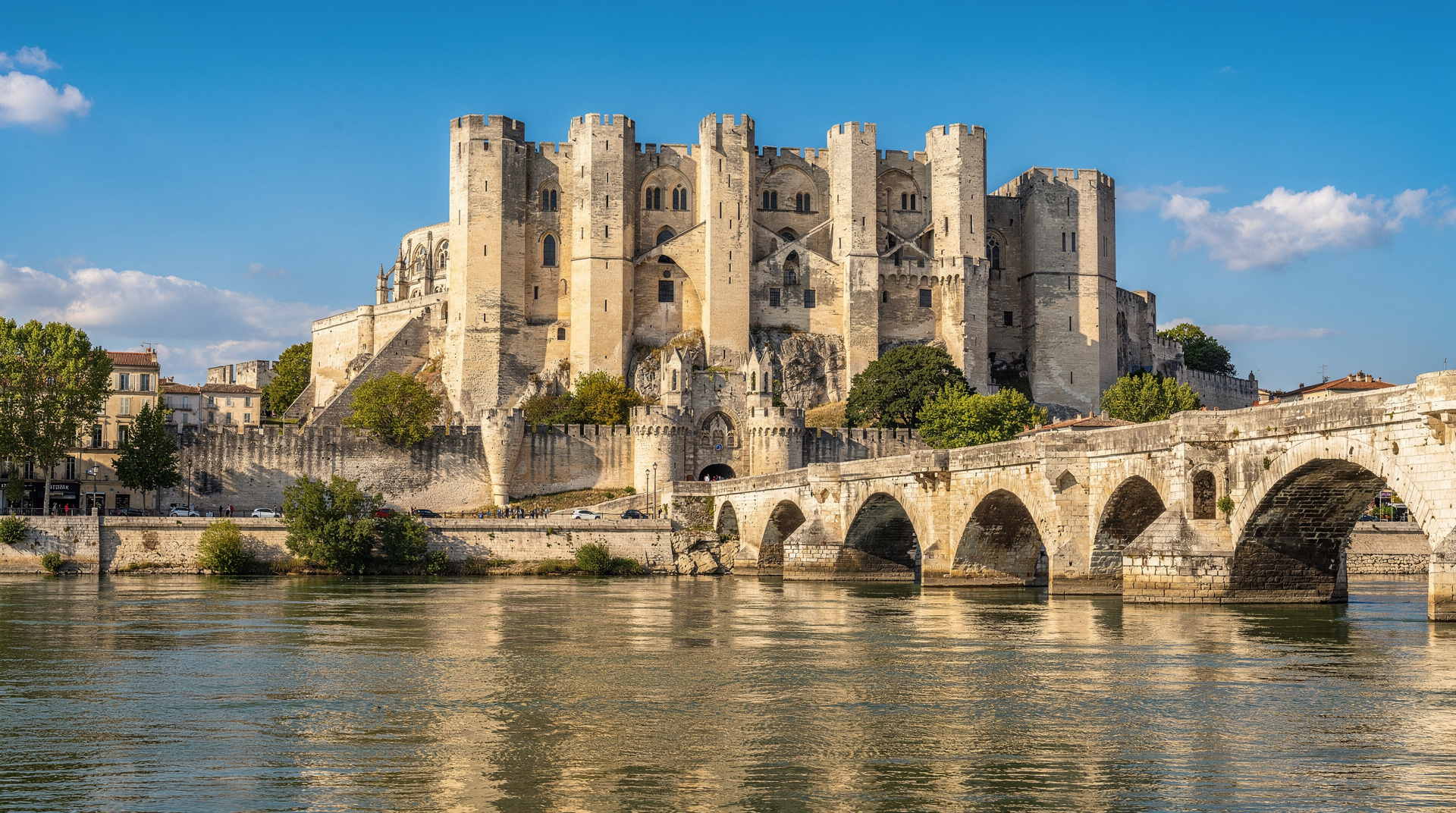
- Palais des Papes (12–15 EUR, 1.5–2 hours): the largest Gothic palace in Europe. Built by successive Avignon popes in the 14th century when the papacy relocated from Rome. The interior is stripped of furnishing but the scale of the rooms — particularly the Grand Tinel and the Chambre du Pape — is remarkable.
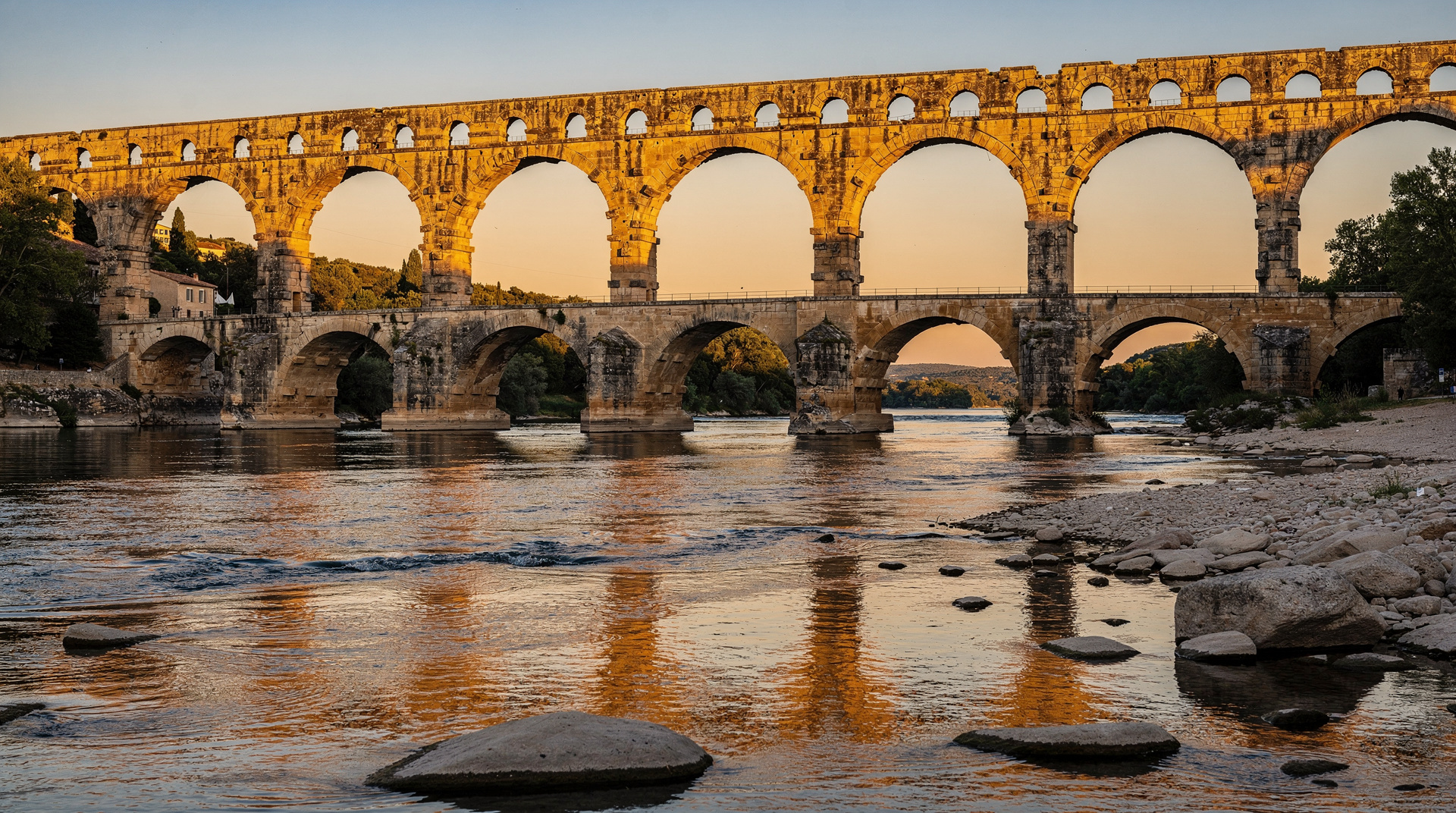
- Pont d’Avignon (5 EUR or view free from below): the famous half-bridge on the Rhône, 4 arches of the original 22 surviving from the 12th-century construction.
- Rampart walk (free): the 4.3 km circuit of the medieval fortifications takes about 50 minutes at walking pace. Good views north toward the Rhône.
Lunch in Avignon’s Les Halles covered market (Tuesday–Sunday mornings) or in the streets around the Place de l’Horloge.
Afternoon: drive to Verdon (13:30–18:00)
Drive from Avignon east toward the Gorges du Verdon. Route: A7 south to Manosque, then D4 east to Moustiers-Sainte-Marie — approximately 2 hours from Avignon.
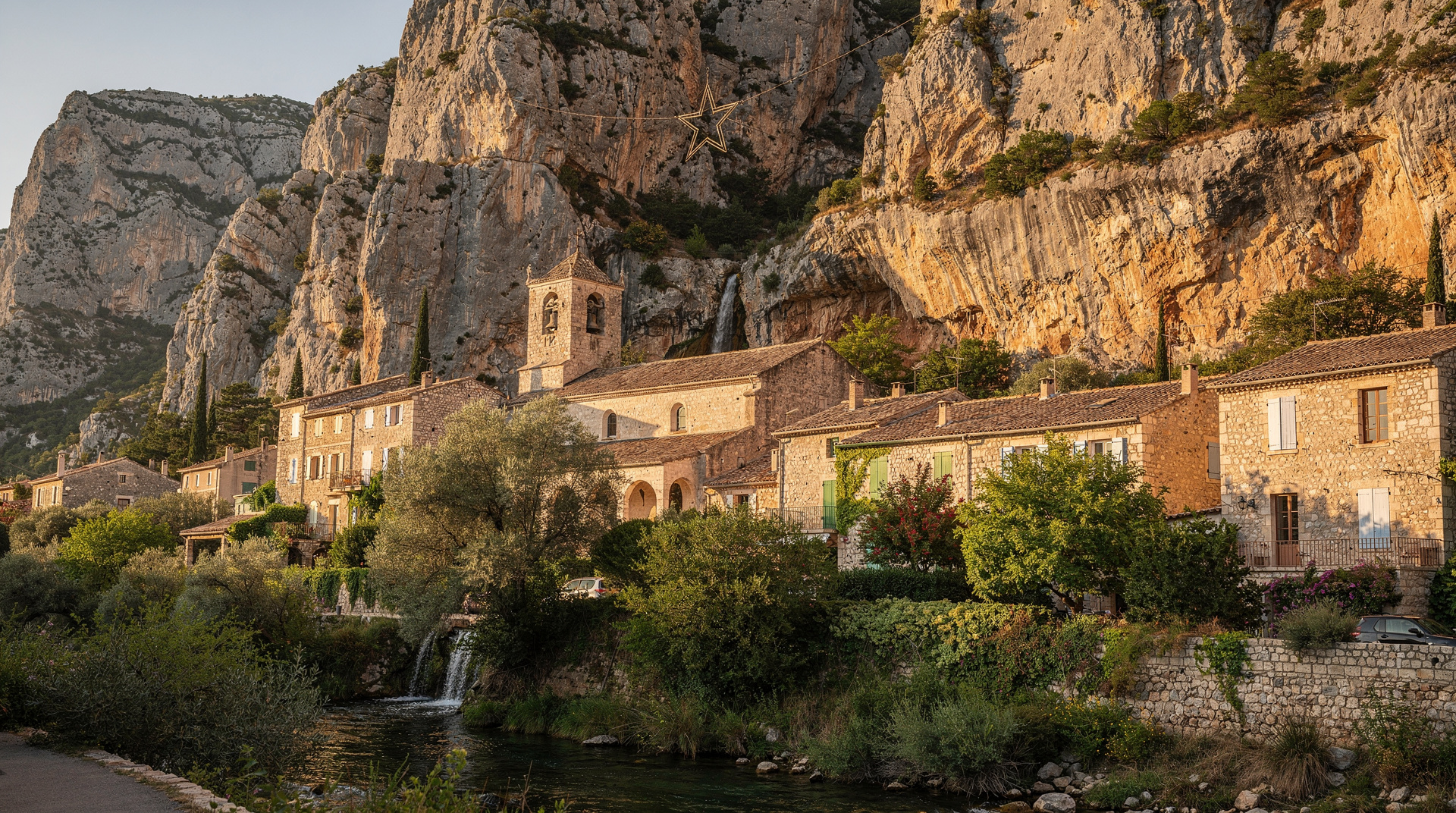
Arrive in Moustiers-Sainte-Marie by late afternoon. The village is built at the foot of a limestone cliff, with a waterfall visible above and a famous golden star (on a chain stretched between the two cliff faces) that hangs above. Moustiers is known for its faïence (painted earthenware pottery) — the main street has workshops and shops where you can watch potters work.
Overnight in Moustiers-Sainte-Marie — one of the better-value overnight stops in the Verdon area, with accommodation ranging from gîtes to small hotels (80–180 EUR per room). Book ahead in summer.
Day 6: Gorges du Verdon — full day
Full day at the Verdon (8:30–18:00)
The Gorges du Verdon is France’s Grand Canyon — up to 700 metres deep, carved by the Verdon river through white limestone over millennia. The Lac de Sainte-Croix at the western end of the gorge is a brilliant turquoise reservoir backed by the canyon walls.
Morning: Drive the Route des Crêtes (north rim, D952 and D71) — approximately 45 km of cliff-edge driving with viewpoints at Balcons de la Mescla, Pas de la Bau, and Point Sublime. Allow 2.5 hours with stops. The views into the gorge from the north rim are the most dramatic — the drop is vertical and the river visible far below as a thin green line.
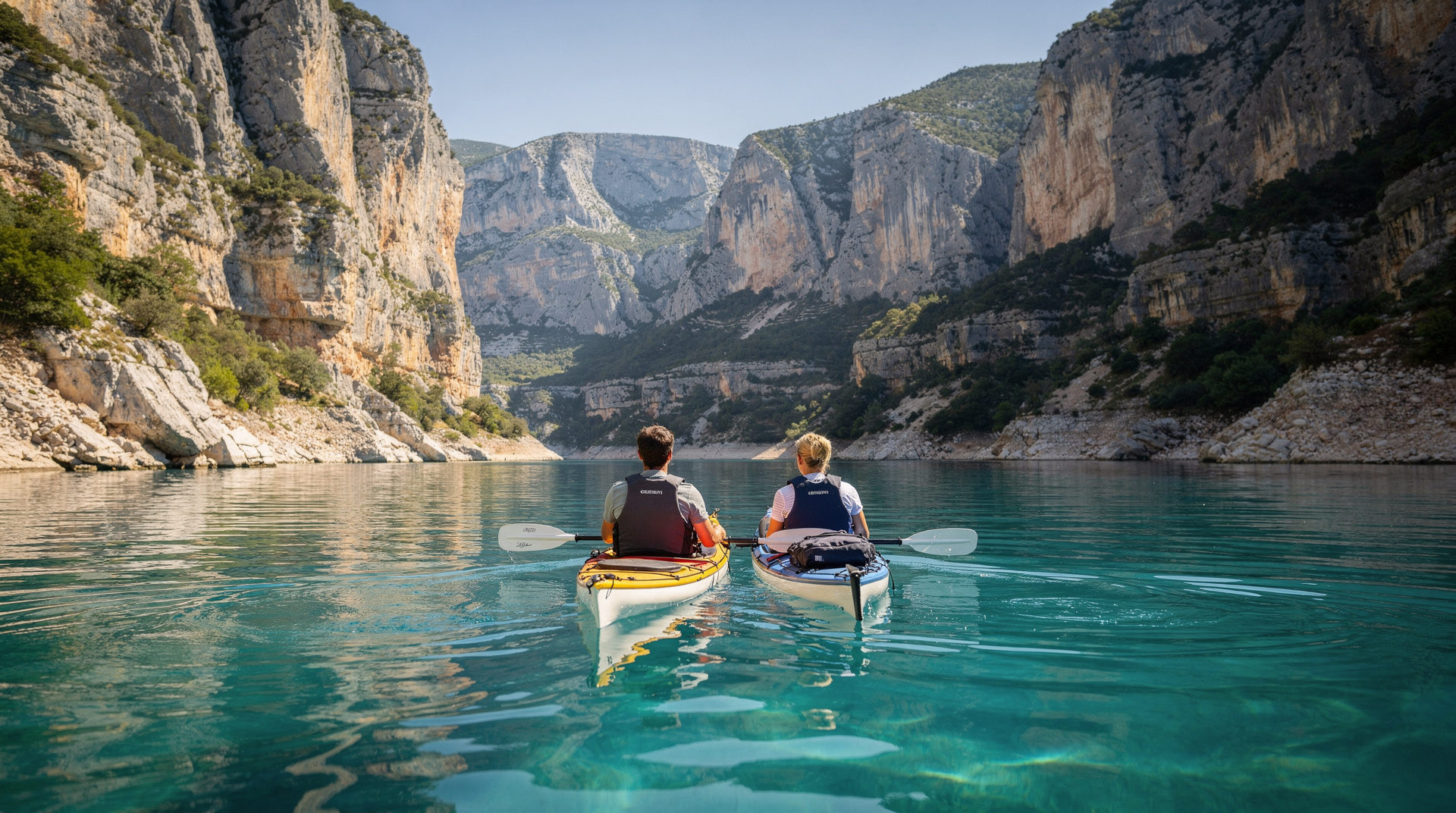
Mid-day: Drive down to Lac de Sainte-Croix via D957. The lake is the departure point for the most popular Verdon activity — pedal-boat or kayak rental at the Pont du Galetas boat launch (northeast corner of the lake, near the gorge mouth). A pedal-boat or electric boat carries you into the gorge entrance under the towering limestone walls. Rental approximately 15–25 EUR per hour; no physical effort required for pedal-boats, pleasant but slow. For something more active, the kayak and canoe rentals at Montpezat upstream are better.
Lunch: picnic at the lake (bring food from Moustiers) or the basic restaurants at the Pont du Galetas.
Afternoon: Drive the Route du Lac south rim (D957, D90) back past Aiguines to Lac de Sainte-Croix with different viewpoints. Or hike the Sentier Blanc-Martel trail (GR4) — the classic gorge trail at the bottom (full trail: 14 km, 5–6 hours, requires logistics as it is one-way; the first 2–3 km accessible as an out-and-back for impressive canyon views without the full commitment).
Return to Moustiers for the night.
Day 7: return to Marseille via Valensole
Morning: Valensole lavender (mid-June to mid-July only) or direct return
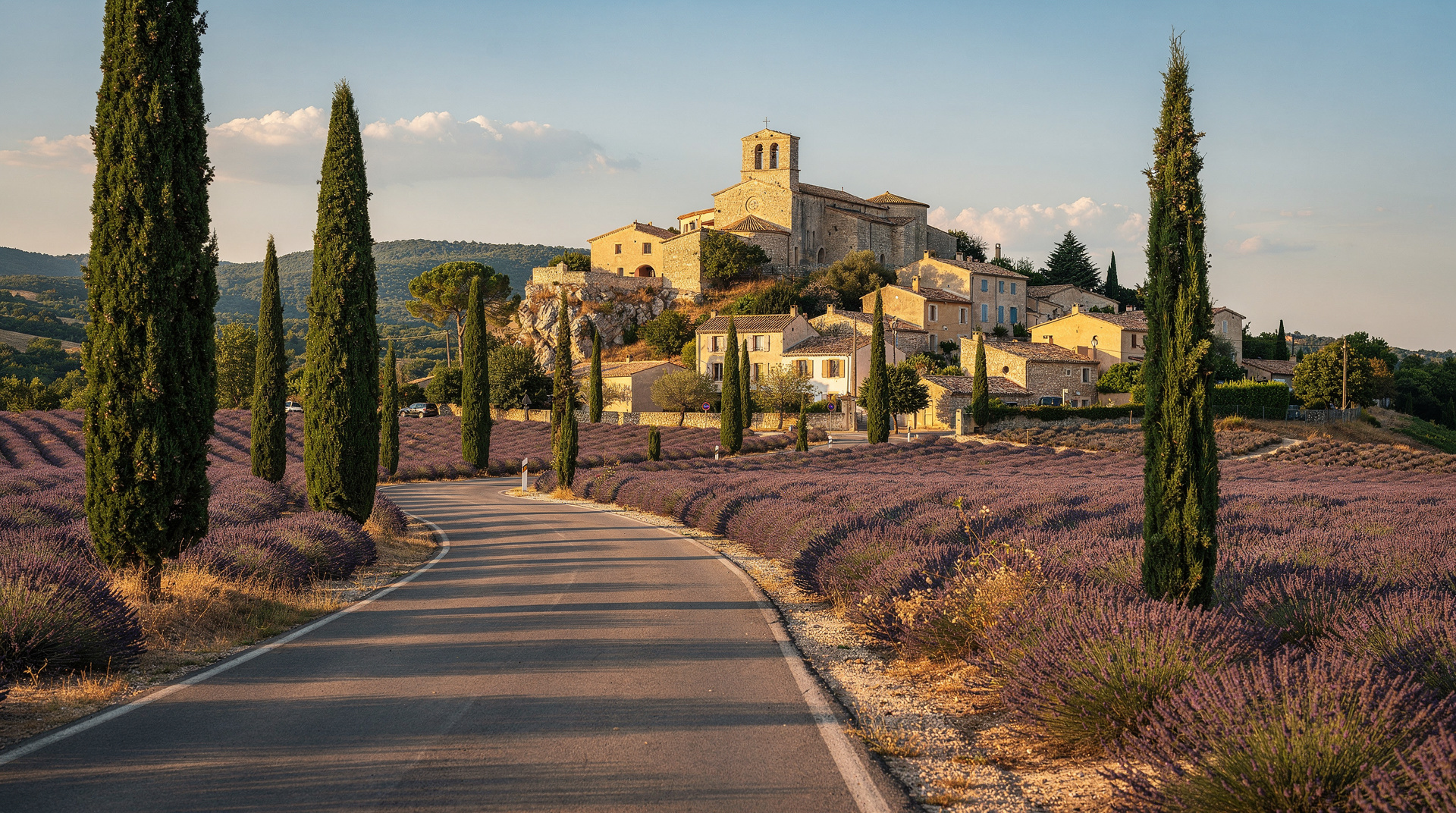
If visiting mid-June to mid-July: Drive from Moustiers west to Valensole (30 minutes via D953). The Valensole plateau is the largest lavender growing area in France — gently rolling terrain with rows of lavender visible to every horizon. The plateau is at its most colourful in the first 2 weeks of July; by mid-July many fields are harvested. The D56 through the plateau offers the best views and roadside stops for photography. Allow 1.5–2 hours on the plateau.
Outside lavender season: Drive directly from Moustiers to Marseille (2 hours via A51 south). Stop at Manosque for a coffee or a visit to the L’Occitane factory outlet (the cosmetics brand originates here) if interested.
If time permits: Route via Aix-en-Provence for any airport logistics (Marseille Provence Airport is 30 minutes from Aix via A51/A8).
Return rental car. Departure from Marseille Provence Airport or Gare Saint-Charles.
What to book in advance
- Car rental — book before the trip; a compact car handles all the Luberon and Verdon roads, but avoid low-clearance vehicles on mountain tracks.
- Luberon accommodation (Night 3) — book 4–6 weeks ahead in July–August.
- Moustiers accommodation (Nights 5–6) — book 3–4 weeks ahead.
- Verdon boat rental — no advance booking required at the Pont du Galetas in spring/autumn; in July–August, arrive early (9:00–10:00) or it sells out.
- Gorge kayak/canoe (Montpezat) — booking recommended in July–August via the operator.
- Palais des Papes — timed entry bookable at avignon.com (not always required but avoids waits in peak season).
- Abbaye de Sénanque — check senanque.fr for guided visit availability in advance.
Variations
Shorter version (5 days): Cut the Verdon (Days 5–6) and drive Avignon → Arles → Marseille on Day 5. The Verdon is the main car-required destination that requires its own overnight to do properly — it is also the part that can be deferred to a future trip.
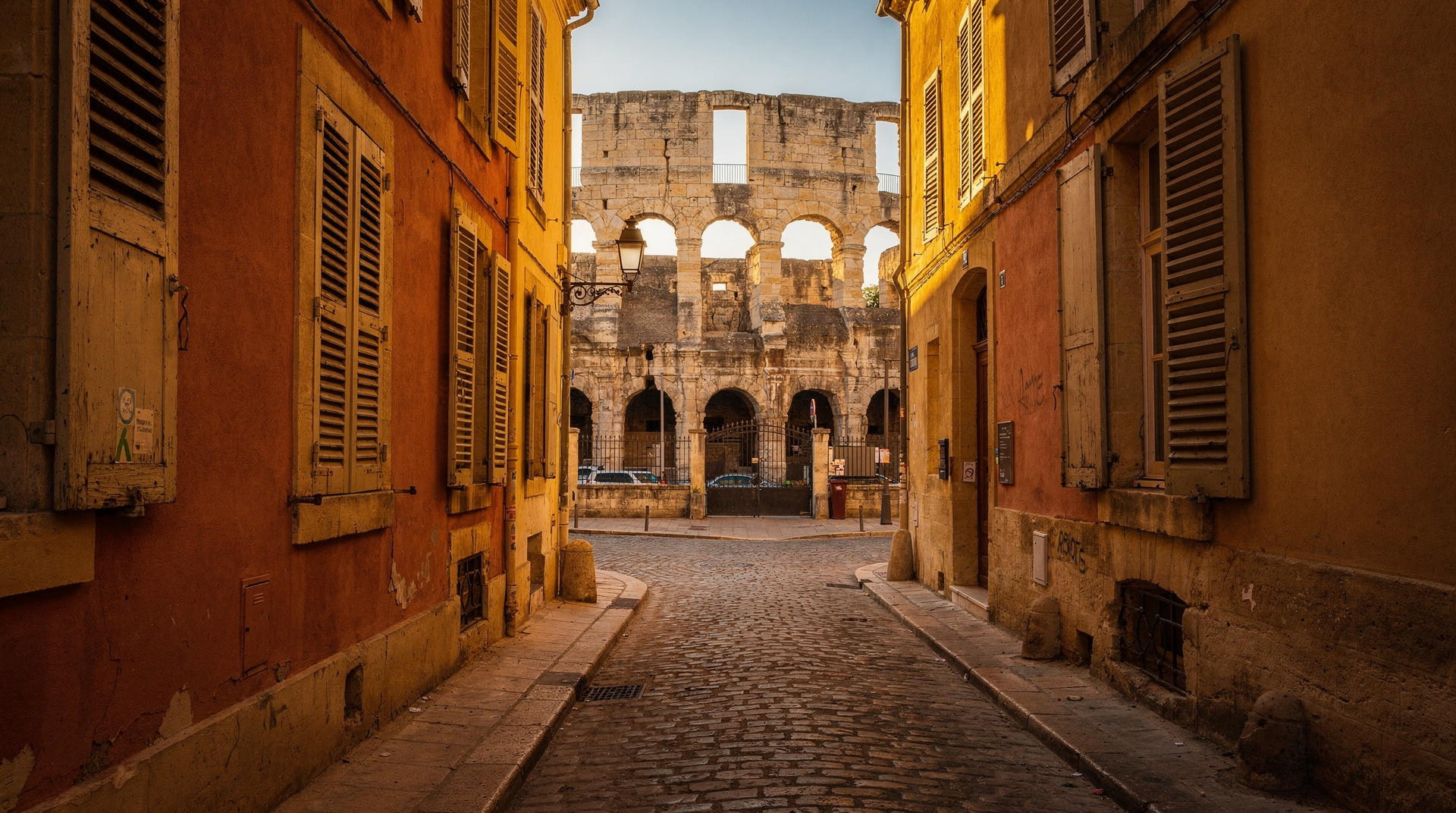
Adding Arles: From Avignon (end of Day 5), a 1-hour drive south on A9/N113 reaches Arles — Roman monuments, Van Gogh sites, authentic Camargue gateway. Works as an afternoon addition before the Verdon detour or as a Day 7 stop on the return to Marseille from the Verdon.
Adding the coastal Marseille base: The full combination of Marseille city + this road trip is covered in the 7-day Marseille and Provence itinerary, which gives Marseille 2–3 days before the road trip begins.
Fuel, tolls, and driving distances
Total driving across the seven days runs approximately 450–550 km depending on route choices, largely on well-maintained D-roads and a short stretch of the A51/A7 autoroutes. Autoroute tolls for this route are modest (typically 10–20 EUR total) since most of the driving is on toll-free departmental roads through the Luberon and Verdon. Fuel for a compact rental over the full trip is approximately 90–130 EUR at current prices.
Mountain sections around the Verdon (Route des Crêtes, Route du Lac) are narrow with tight switchbacks — comfortable in a standard car but worth extra caution, especially in oncoming-traffic sections with tour buses in summer. For the car-free alternative to the coastal portions of this trip, see the car-free 4-day itinerary.
Frequently asked questions about Provence road trip
Is 7 days enough to see the Luberon, Verdon, and Avignon properly without rushing? Yes, this itinerary is paced for exactly that — two full days in the Luberon, a dedicated overnight and full day at the Verdon, and a half-day in Avignon. Trying to compress it into 5 days means cutting either the Verdon or one Luberon day.
Can this itinerary be done in the opposite direction, ending at the Verdon instead of starting near it? Yes — reversing the route (Verdon first, Luberon and Avignon last, finishing near Aix for airport logistics) works just as well and can be useful if your flight arrival or departure times favor a different starting point.
Top experiences
Bookable activities with verified prices and instant confirmation on GetYourGuide.