Best time to visit Marseille: honest month-by-month guide
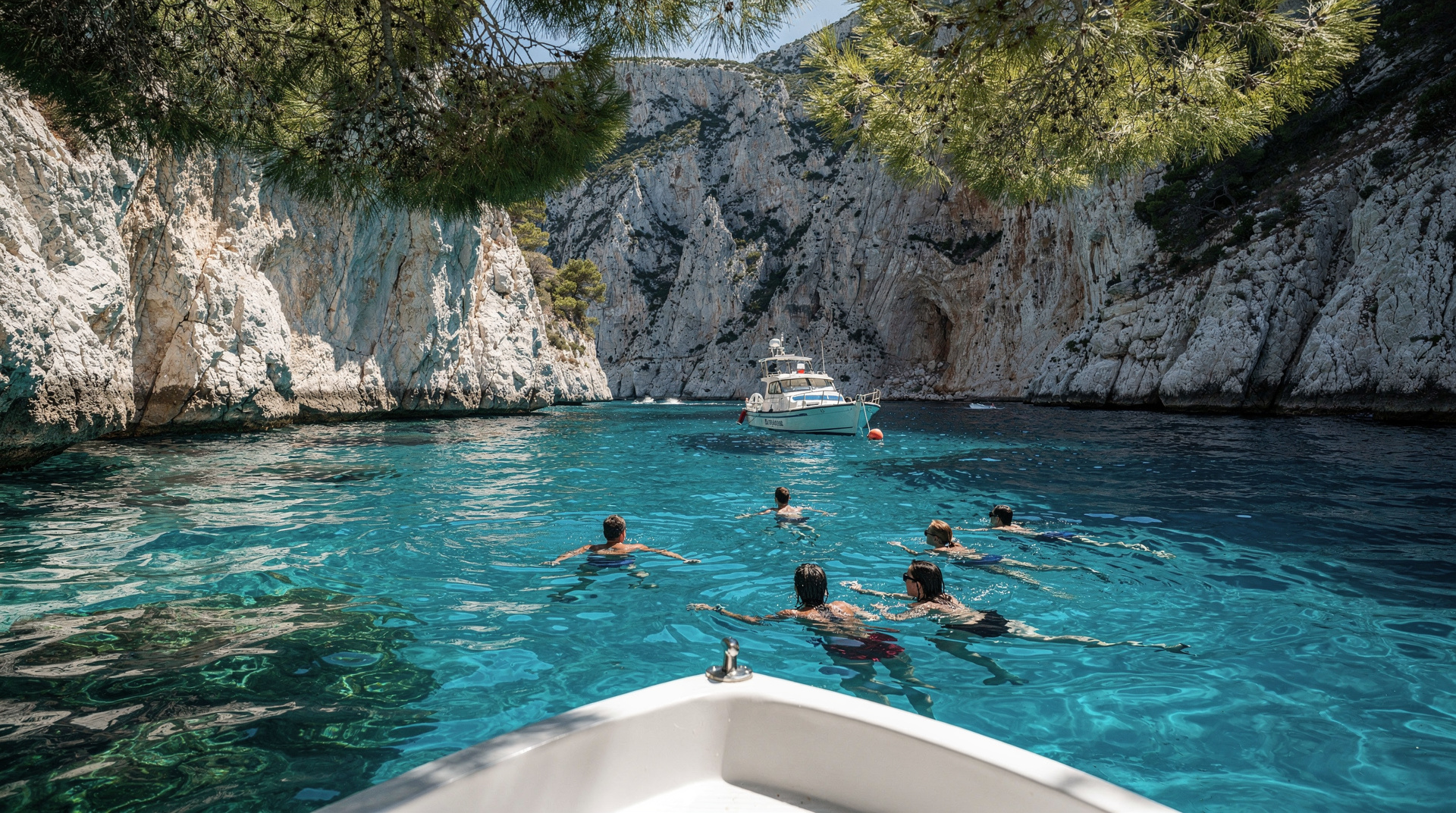
Marseille: iconic Calanques boat tour with swimming
Duration: 3-4.5 hours
When is the best time to visit Marseille?
April to June and mid-September to October. Calanques trails are open, sea temperature is comfortable (from June), crowds are manageable, and prices are below peak. July-August works but brings 30°C+ heat, closed hiking trails, peak prices, and big crowds. Winter is underrated: open hiking, low prices, zero crowds.
The honest answer on timing
No month in Marseille is a bad time to visit — the city has a Mediterranean climate, year-round sunshine, and enough content (harbour, museums, food, boat tours) to justify a visit in any season. The honest answer on timing is about trade-offs: what you are primarily coming for determines when to come.
The Calanques are the most time-sensitive consideration. From June 1 to September 30, hiking trails are subject to daily fire closure decisions based on wind and temperature. In July and August, closures apply most days. In April-May and October, the trails are reliably open. This single factor drives the optimal timing for active visitors more than any other.
For swimmers: June-October has the sea warm enough to be genuinely pleasant. For lavender: a specific window in late June and July. For festivals: a July-heavy calendar. For budget and quiet: winter.
Once you have a rough window, the season pages go deeper: Marseille in spring, Marseille in summer and Marseille in winter each cover the weather, the mood and what to book. If you are still deciding how long to stay, how many days in Marseille helps you match the length of the trip to the season you choose.
At a glance
| Best overall window | April-June and mid-September to October |
| Best for Calanques hiking | April-May and October-November (trails reliably open) |
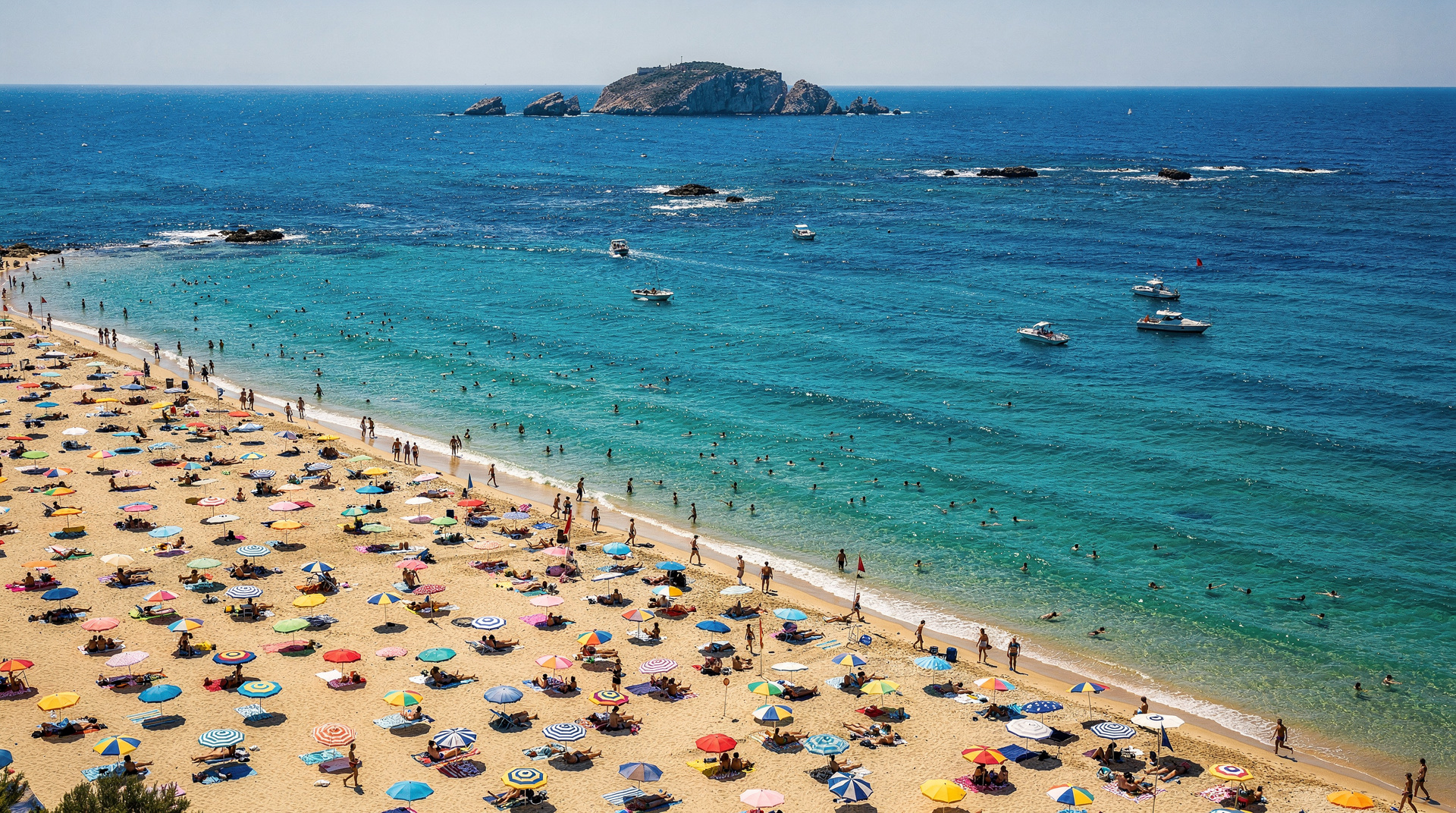
| Best for swimming | Late June to mid-September (sea around 21-26°C) |
| Cheapest months | January-March and November-December (around 30-50% below August rates) |
| Getting there | Marseille Provence Airport (Marignane) or TGV into Saint-Charles station, then RTM metro/tram/bus |
| Book ahead if | Visiting July-August — accommodation and popular boat tours fill 2-3 months out |
Month-by-month breakdown
January and February
Temperatures: 12-14°C average high, 5-7°C at night. Cold sea (~13°C — no swimming). Occasional sharp mistral wind that drops temperatures by 10°C.
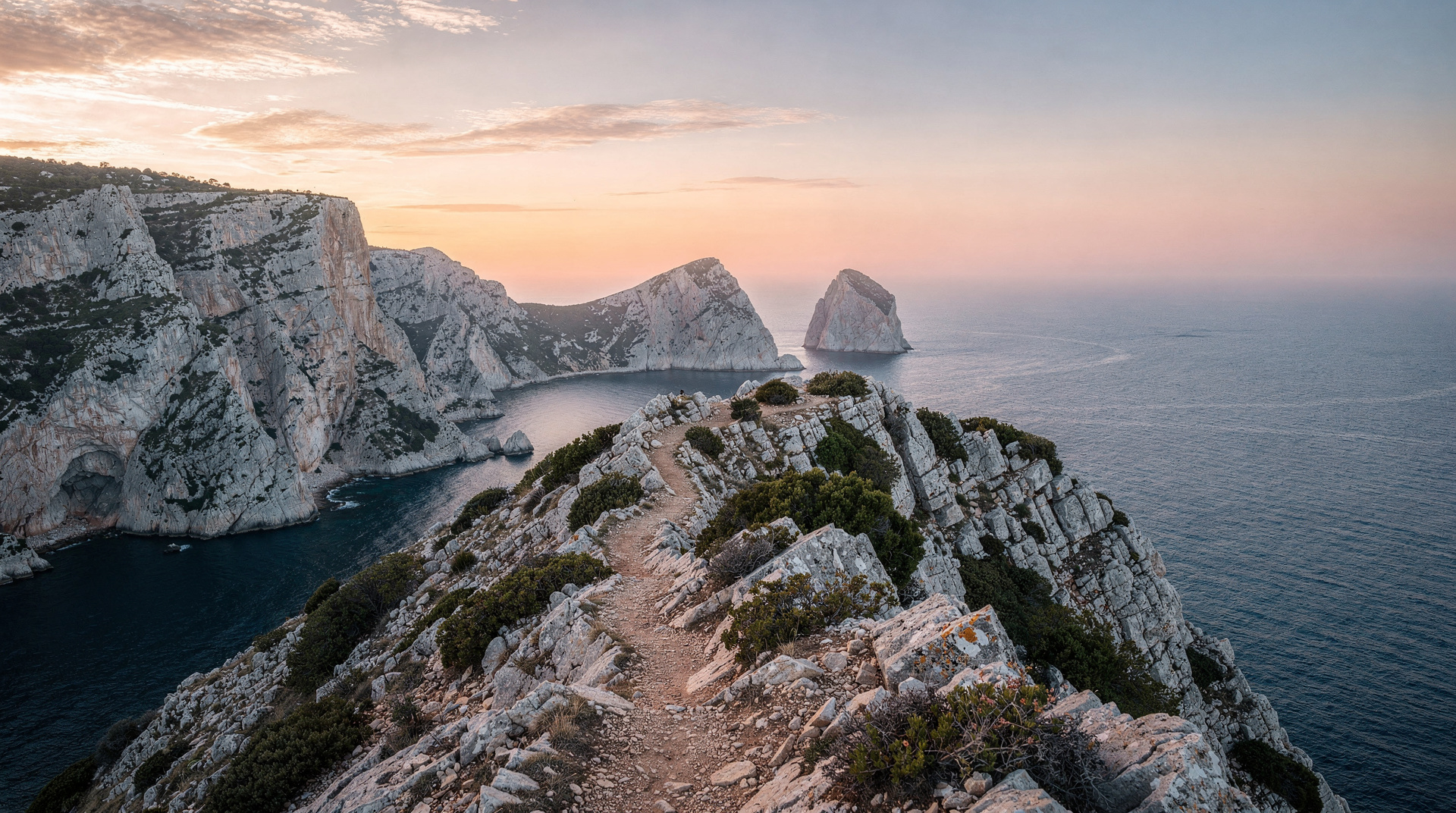
Calanques access: Fully open — zero fire risk in winter. This is the best time of year for Calanques hiking with no crowds. The white limestone cliffs and blue sea on a clear January day are strikingly beautiful.
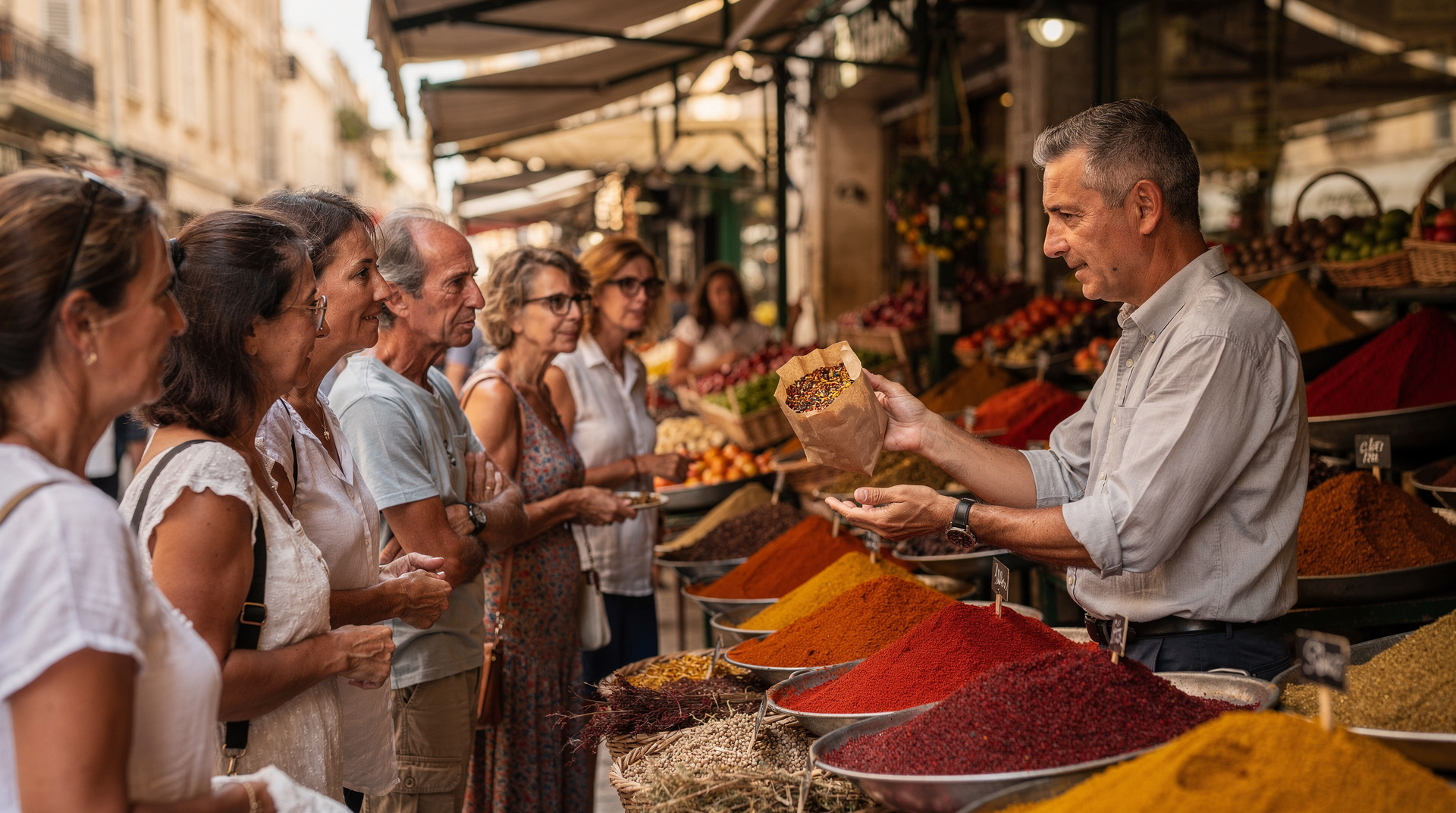
Crowds and prices: The city is quiet — genuinely local. Markets, neighbourhood restaurants, and the Vieux-Port fish market are at their most authentic without tourist overlay. Accommodation prices are 40-50% below August peak.
What works: Museum visits (MuCEM, Musée d’Histoire de Marseille), Calanques hiking, Le Panier walking, food and wine, winter boat tours (reduced schedule but boats run). The Cosquer Cave replica near MuCEM is never crowded in winter.
What doesn’t: Swimming, beach culture, extended outdoor café life. Some boat tour operators have reduced winter schedules.
Verdict for: Budget travellers, hikers, anyone wanting the city’s real rhythm without tourists.
March
Temperatures: 14-17°C average high, 8°C at night. Sea still cool (~14°C). Almond and cherry blossom appearing.
Calanques access: Open — low fire risk in March.
Crowds and prices: Beginning to build with late-winter school breaks (French “vacances de février” sometimes extends into March). Generally quiet outside holiday weeks.
What works: Everything winter offers, with warming temperatures. The spring light on the Calanques limestone begins to be exceptional. Les Baux-de-Provence almond blossom (late February to mid-March) is a reason to add a day trip if timing coincides.
Verdict for: A shoulder-season sweet spot — good conditions, reasonable prices, no crowds.
April and May — peak recommendation
Temperatures: April 17-20°C, May 21-24°C. Sea: April ~15°C (cool for swimming), May ~18°C (tolerable, cool). Air comfortable for all activity.
Calanques access: Open. April and May are the best months of the year for Calanques hiking — mild temperatures, open trails, wildflowers on the limestone plateau, no summer crowds on the paths.
Crowds: April is quiet; May begins to build, especially around the French school holiday (Ascension weekend and the May bank holidays). Book accommodation around the May bank holidays and the Cannes Film Festival period if you are near the coast.
What works: Everything — hiking, boat tours, city sightseeing, day trips, food and wine. May is when the open-air café culture fully revives. Markets are excellent with first spring produce.
Sea swimming: Possible from late May (17-18°C) but cold by any warm-sea standard. Fine for a dip, not for long sessions.
Verdict for: Hikers, active visitors, first-time visitors — the single best month window (April-May) for a comprehensive Marseille trip.
June — excellent and often overlooked
Temperatures: 25-28°C average high, 18°C at night. Sea: 21-22°C (warm enough for comfortable swimming from mid-June onward).
Calanques access: Mixed — fire season starts June 1, but closures in early June are less frequent than July-August. Check daily. June is typically a partial-restriction month with many days still open.
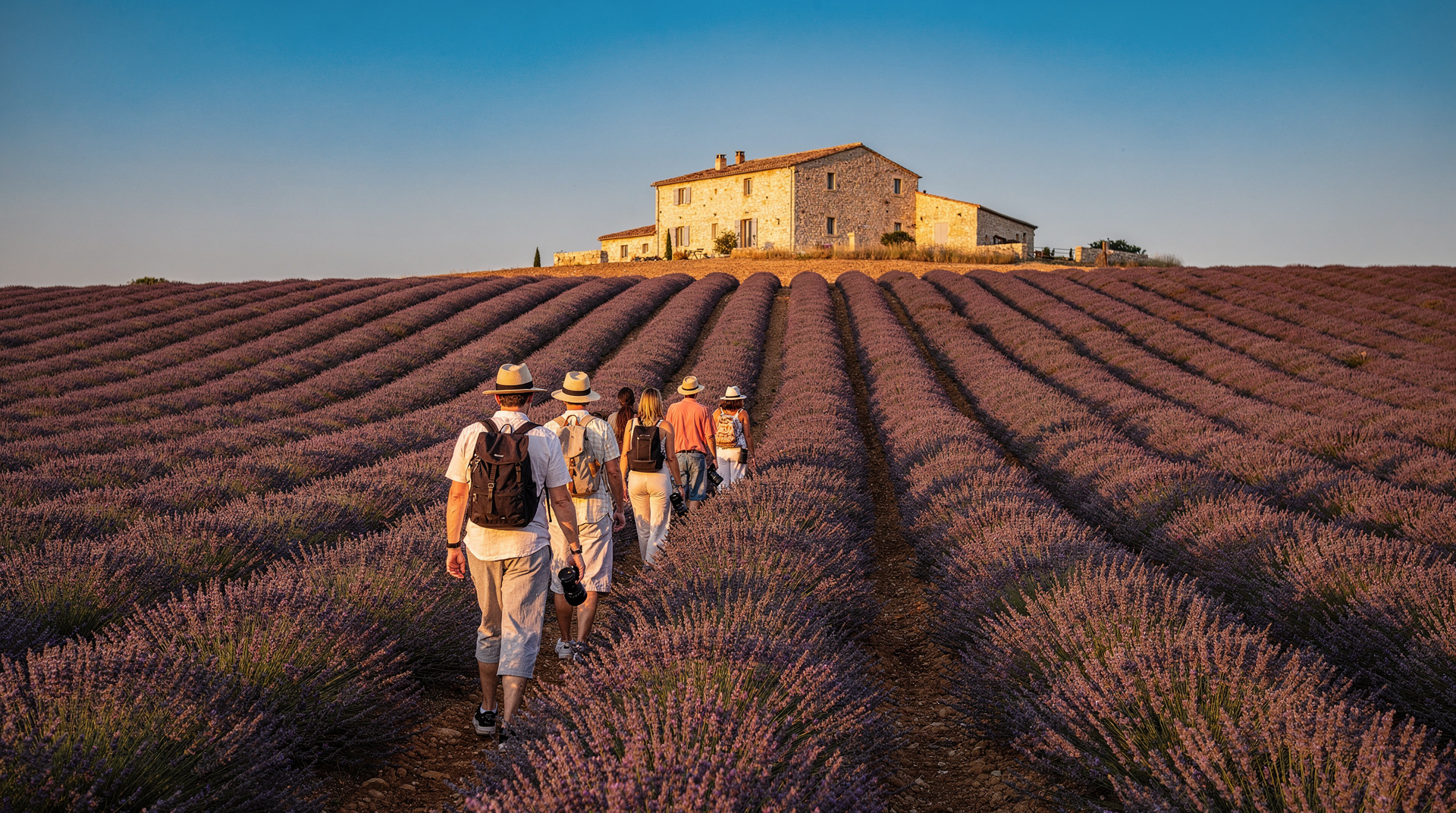
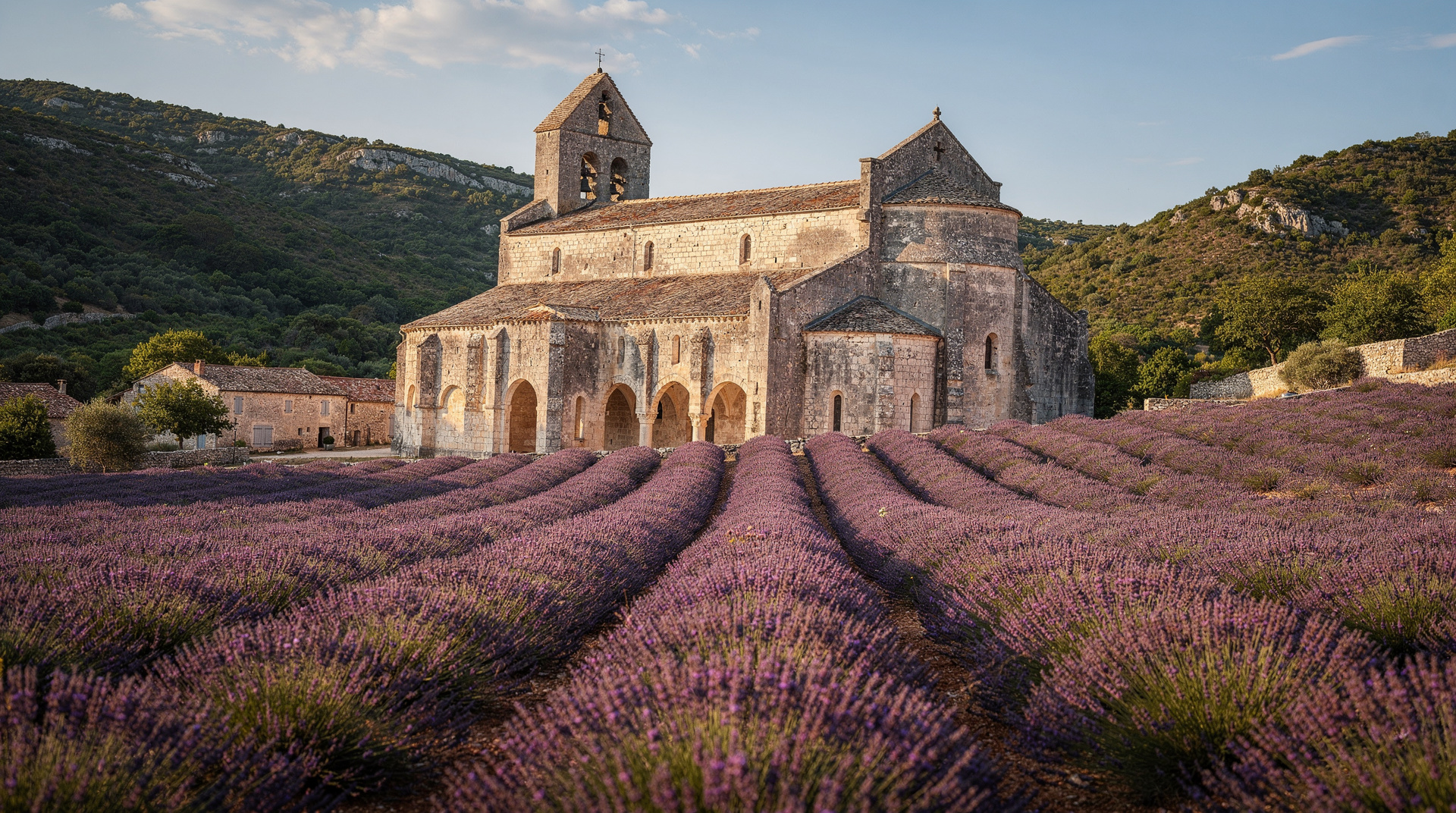
Lavender (from mid-June): The Valensole plateau starts showing colour from around June 15. Sénanque Abbey lavender typically peaks in late June. If lavender is your priority, late June is the sweet spot: fields open, not yet at peak crowd, first weeks of the bloom.
Crowds: Building but not yet peak. Accommodation at shoulder prices until end of June.
Key events in June: Marseille Pride (June 4 - July 4 month of events, main parade July 4); Fête de la Saint-Pierre (late June, fishermen’s blessing ceremony at the Vieux-Port — a local Catholic tradition with boats decorated and a ceremony blessing the fishing fleet).
What works: Swimming becomes genuinely enjoyable. Boat tours to the Calanques run full schedules. Day trips to Luberon, Camargue, and Arles are excellent before peak-season prices and crowds.
Verdict for: Excellent all-round choice. The sweet spot between spring quiet and summer buzz.
July and August — peak season reality
Temperatures: July 30°C, August 31°C average high. Frequent days above 35°C. Sea: 24-26°C (genuinely warm, swimming excellent).
Calanques access: Most hiking trails closed most days due to fire risk. Boat access always available and excellent. Sugiton requires advance reservation (see below).
Crowds: Maximum. The Vieux-Port, Le Panier, and the Calanques boat tour departure points are at highest density. Book accommodation 2-3 months ahead. Luberon village parking is chaotic.
Prices: Peak across all categories.
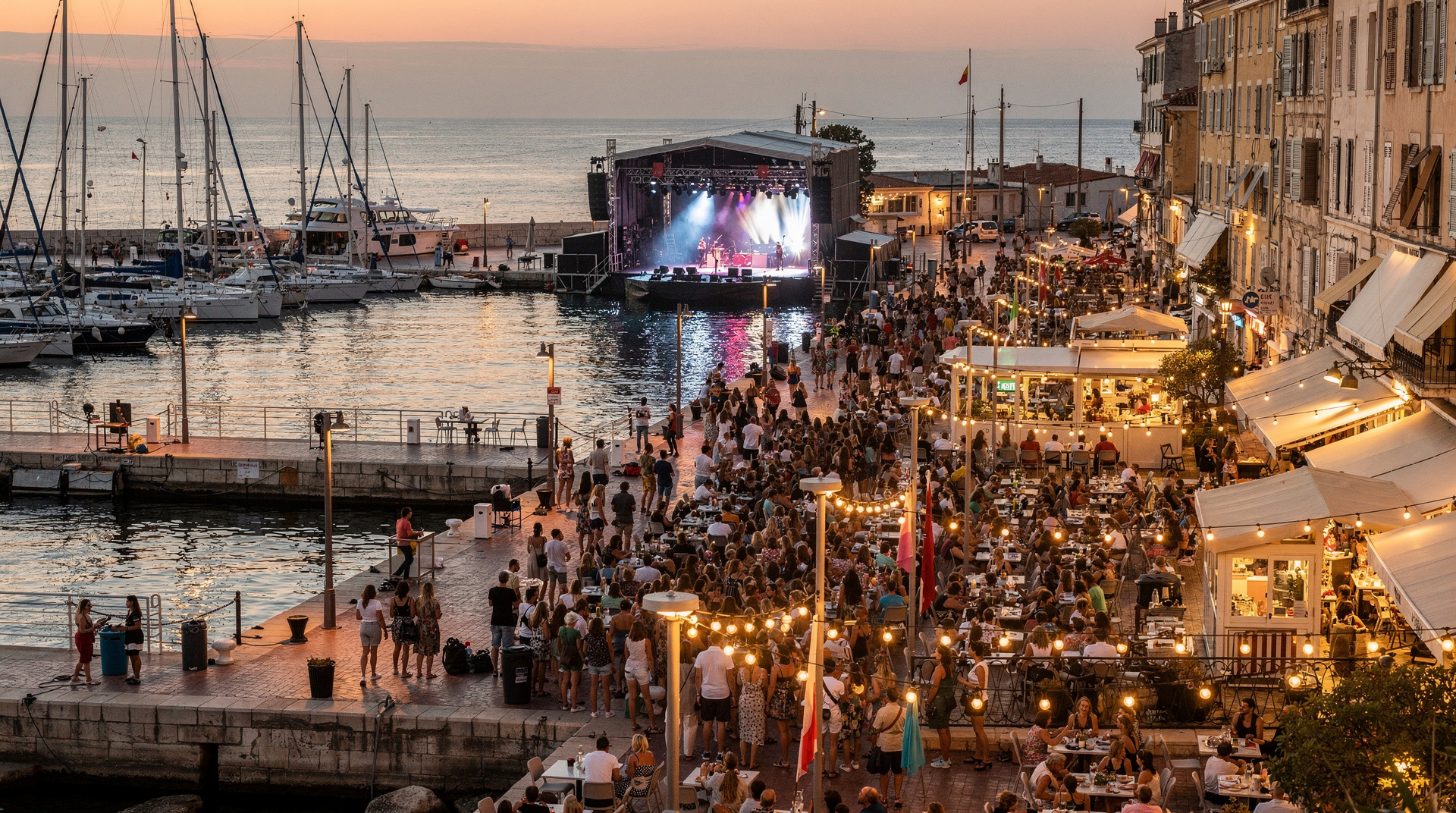
Key events: Marseille Jazz des Cinq Continents (July 1-12, 26th edition in 2026); Mondial La Marseillaise pétanque (July 3-8, 65th edition — 14,000 players from 26 countries); Marseille Pride march (July 4); Bastille Day (July 14 — fireworks over the Vieux-Port at 23:00, one of the most dramatic in France); Festival d’Avignon for day-trippers (July 4-25, 80th edition).
The 4-colour fire closure system (2026): From June 1 to September 30, the Prefecture of Bouches-du-Rhône issues a daily colour code for Calanques access: green (open, moderate risk), yellow (open, significant risk), orange (closed to land access), red (closed, even boat landing forbidden). The code is published by 18:00 for the following day at calanques-parcnational.fr. In July-August, orange and red days are the norm.
Sugiton reservation system (2026): The Sugiton calanque requires a free online reservation on specific dates: June 20-21, June 27 through August 30 (daily), September 5-6, September 12-13. Reservations open at 9:00 CET, 3 days in advance (J-3). Subject to cancellation if fire risk level changes on the day.
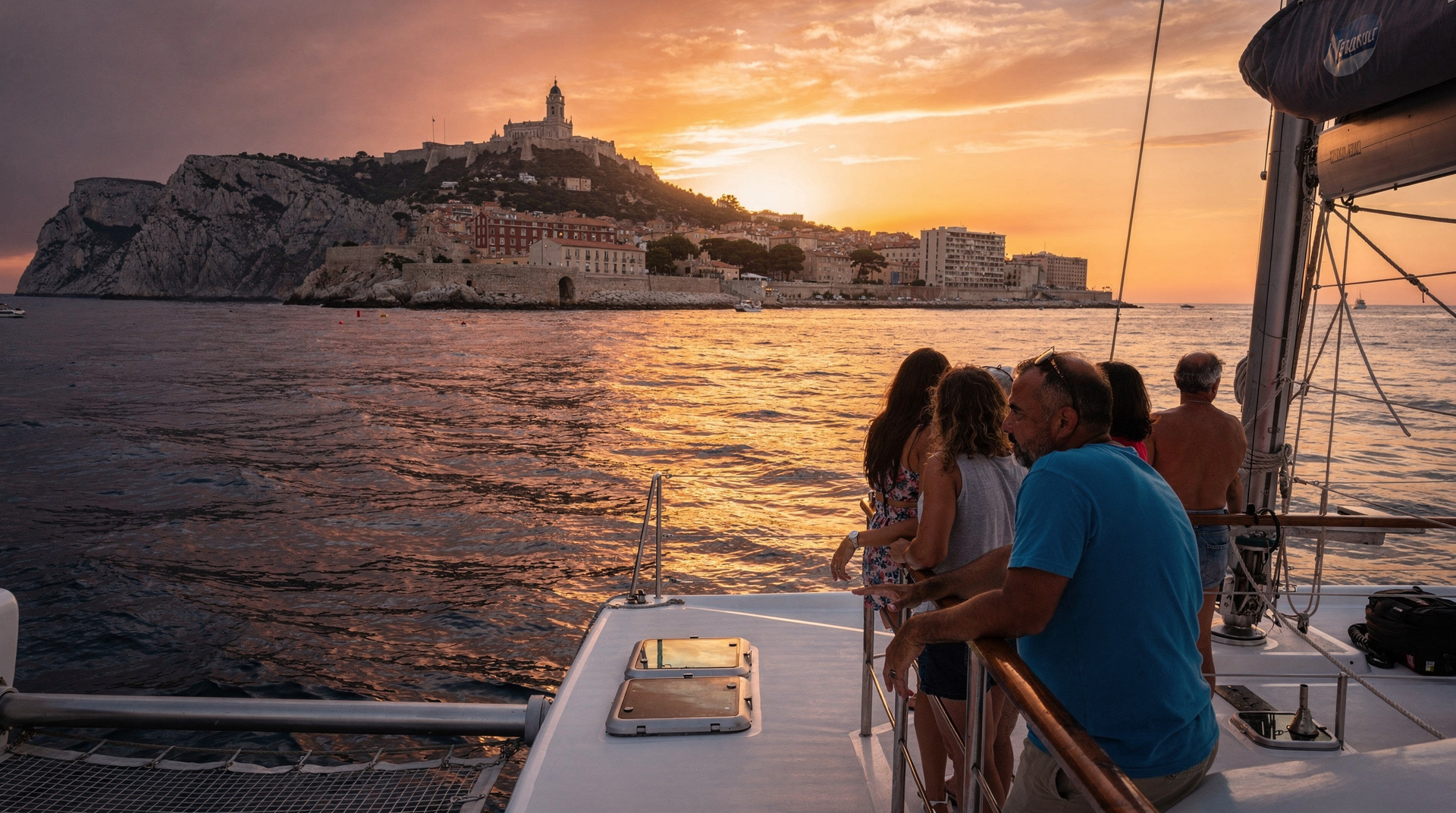
What works well: Calanques by boat, sunset catamaran cruises, beach swimming, evening culture, festivals. Summer in Marseille is genuinely wonderful if structured around its conditions rather than fighting them.
What doesn’t work: Midday hiking of any kind. Luberon villages in the worst parking conditions. Budget travel.
If you are travelling in these months, read Calanques summer access rules before you commit to a day, and look at the events calendar to see which festival dates you want to build the trip around, or avoid.
Verdict for: Festive summer experience with the right expectations. Not for hikers.
September — the underrated best month
Temperatures: 27°C average high, 20°C at night. Sea: 23-24°C (retains summer warmth). Comfortable but not oppressive.
Calanques access: Fire season continues until September 30. However, September typically has more open-trail days than July-August. The Sugiton reservation system applies on specific September weekends (September 5-6 and 12-13 in 2026). After September 30, all trails open without restriction.
Crowds and prices: Drop sharply after the French school return (la rentrée, typically the first week of September). The last two weeks of September have excellent conditions with significantly lower crowds and beginning of shoulder prices.
Key events: Marseille Provence Gastronomie festival (September 10-12, street food event at the foot of the Major cathedral — Provençal and Mediterranean street food, bouillabaisse banquet on September 9).
What works: Everything July-August offers but more comfortably. September is the month when the full summer experience — warm sea, outdoor dining, boat tours — coexists with manageable crowds and starting to fall prices.
Verdict for: The single best month if you want warm-sea swimming AND manageable crowds. September is Marseille’s best-kept secret.
October — excellent for hikers and culture
Temperatures: 22°C average high, 14°C at night. Sea: 20-21°C (still warm enough for a determined swim). Rain starting to appear (7-8 rain days).
Calanques access: Fully open from October 1 — no fire risk. The Calanques hiking season restarts. October light on the limestone is warmer and more dramatic than spring.
Crowds: Low — the tourist season is effectively over. The Vieux-Port and Le Panier return to local scale.
What works: Calanques hiking is back in full. Day trips to Luberon (autumn colours), Camargue (peak flamingo season), and Arles are uncrowded and beautiful. Boat tours continue on weekend schedules.
Verdict for: Hikers, returning visitors, photography. Highly recommended.
November and December
Temperatures: November 16°C, December 13°C. Sea drops to 16°C (November) and 14°C (December) — swimming only for the committed. Rain increases.
Calanques access: Open and uncrowded. Winter hiking conditions.
What works: Calanques hiking, city culture, markets. The Foire aux Santons opens on the Vieux-Port quai from mid-November (approximately November 15, 2026) and runs through early January — the largest santons market in France, a deeply Provençal tradition with craftsmen displaying hand-painted clay Nativity figures. Christmas market alongside.
Verdict for: Budget travellers wanting the city’s authentic character.
How this compares to nearby day-trip towns
Timing doesn’t only affect Marseille itself. If your trip includes day trips, the same seasonal logic applies to the wider Provence region, and it can shift your month choice. Aix-en-Provence and its markets are pleasant nearly year-round, but the Camargue is best avoided in peak summer heat when the flamingos are less active and mosquitoes are worse — aim for spring or October instead.
Cassis and its calanques follow the same fire-closure calendar as Marseille’s own Calanques National Park, so a September or May visit works for both destinations in a single trip. If lavender is a priority, cross-check the lavender season diary against the Valensole and Sault bloom windows noted above before booking a specific week.
If lavender drives your dates, lavender season in Provence explains how the bloom moves from one plateau to the next. And once the month is fixed, where to stay in Marseille and getting around Marseille turn the timing into a practical plan.
For a broader first look at whether Marseille suits your travel style at all, see our is Marseille worth it piece, and for logistics beyond timing, our 25 things to know before visiting Marseille rounds out the practical picture.
Summary table
| Month | Avg temp | Sea temp | Calanques hiking | Crowds | Price |
|---|---|---|---|---|---|
| January | 13°C | 13°C | Open | Very low | Low |
| February | 13°C | 13°C | Open | Very low | Low |
| March | 16°C | 14°C | Open | Low | Low-Med |
| April | 19°C | 15°C | Open | Low-Med | Medium |
| May | 23°C | 18°C | Open | Medium | Medium |
| June | 27°C | 21°C | Mixed | Med-High | Med-High |
| July | 30°C | 24°C | Mostly closed | Very high | Peak |
| August | 31°C | 26°C | Mostly closed | Very high | Peak |
| September | 27°C | 24°C | Mixed/Open | Med then Low | High-Med |
| October | 22°C | 21°C | Open | Low | Medium |
| November | 16°C | 16°C | Open | Very low | Low |
| December | 13°C | 14°C | Open | Very low | Low |
Recommendation verdict: Best overall: April-June and September-October. Best for swimming: July-September. Best for Calanques hiking: April-May and October-November. Best budget: January-March and November-December.
Timing by traveller profile
The generic “best month” answer above is a starting point, but your specific priorities shift the answer.
For hikers and active visitors
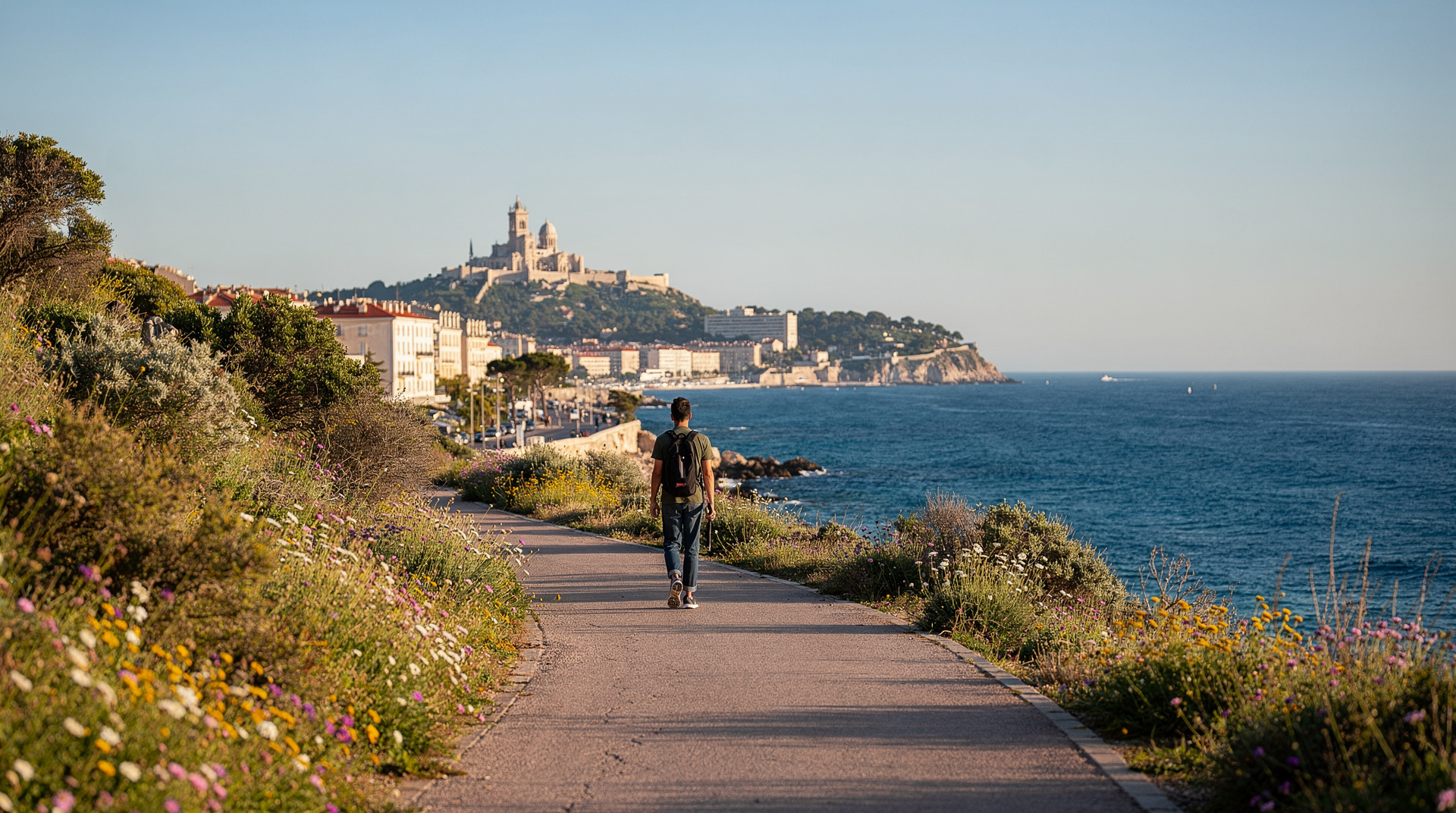
Ideal: April-May for the best open-trail conditions. May specifically: mild temperatures, wildflowers still in bloom, no fire risk, and the sea warming toward swimmable. You can hike the Calanques in the morning and swim off the Corniche in the afternoon from late May onward.
Acceptable: October (trails open again, sea still warm through mid-October). March (open trails, but mistral more frequent).
Avoid: July-August when most trails are closed due to fire risk. The fire closure system means you cannot reliably plan a hiking trip around a fixed July departure date.
For swimming and beach culture
Ideal: July-September. The sea at 24-26°C in August is genuinely warm — not Mediterranean-mild, but warm enough for extended swimming. The Prado beaches are crowded but functional, the Calanques swimming by boat is at its peak, and the evening culture is at its most vibrant.
Acceptable: June (sea 21-22°C from mid-month, comfortable for most swimmers). October (sea 20-21°C through mid-month, crowds gone).
Avoid: November-April for sea swimming — temperatures between 13-17°C are possible but unpleasant for most people.
For budget and quiet
Ideal: January-March or November. Accommodation prices are lowest, the city has its authentic local rhythm, and the museums and restaurants are uncrowded.
Practical note: Marseille is a working city, not a resort. In winter, it operates: the fish market runs, the restaurants and bars are open, the transport works. You will not find a shut-down town. But the tourist overlay completely disappears.
For couples and romantic travel
Ideal: May-June or September-October. The right balance of warm weather, open Calanques, and manageable crowds. A sunset catamaran cruise in late June, a Calanques hike in early May, a Cassis day trip in September — the experiences that feel most specifically Marseillaise are available in these windows at their most comfortable.
For families with children
Ideal: June (before peak crowds), September. The Calanques boat tours work perfectly for families — children are entertained by the swimming stops, the boat ride, and the limestone scenery. Avoid the July-August peak if crowds are a concern; the combination of heat and density at the main beaches makes family management genuinely taxing.
For first-time visitors with limited time
Ideal: May or September. Both offer the most complete version of Marseille: city sightseeing, Calanques access (open trails in May, warm sea in September), day trip capacity, and manageable crowds. If you have three days in Marseille and want to see as much as possible in as much comfort as possible, these two months are the answer.
Frequently asked questions about Best time to visit Marseille
What is the best month to visit Marseille for hiking the Calanques?
April, May, October, and early November. These months offer open trails, comfortable temperatures (15-22°C), and minimal fire risk. Spring light on the white limestone cliffs is exceptional. Summer hiking is mostly impossible due to fire closures from June 1 to September 30.What is the best month to visit Marseille for swimming?
July and August for warmest sea (24-26°C). June is good (around 21-22°C). September is excellent: sea still warm (around 23°C) from summer heat retention, with lower crowds and cooler air temperatures than August.Is Marseille worth visiting in winter?
Yes — genuinely underrated. Temperatures stay 10-15°C, hiking trails are open all winter (zero fire risk), museums are uncrowded, accommodation costs 30-50% less than August, and the city operates with its real local rhythm rather than peak tourist overlay. See our full winter guide.When does lavender bloom near Marseille?
The Valensole plateau (1h30 from Marseille by car) blooms mid-June to mid-July, peak first two weeks of July. Sault (higher altitude, 2h from Marseille) blooms slightly later — mid-July to mid-August. There is no lavender visible in or near the city itself.What is the Calanques fire closure system and when does it apply?
From June 1 to September 30, the prefecture issues a daily fire risk colour code (green/yellow/orange/red) for the Calanques massif. On orange and red days, hiking trails are closed. The status is published by 18:00 for the following day at calanques-parcnational.fr. Boat access to the Calanques is never affected by fire closures.When is Marseille most crowded?
July and August — school summer holidays across France and Europe. The Vieux-Port, Le Panier, and MuCEM are at maximum tourist density. Accommodation prices peak. Book 2-3 months ahead for July-August. June and September have significantly fewer crowds at similar (or better) conditions.Are there any events that make a specific month particularly good to visit?
July 1-12: Marseille Jazz des Cinq Continents festival. July 3-8: Mondial La Marseillaise pétanque championship (65th edition, 2026). July 4: Marseille Pride march. July 14: Bastille Day fireworks over the Vieux-Port. September 10-12: Marseille Provence Gastronomie street food festival. November onwards: Foire aux Santons on the Vieux-Port quai.
Top experiences
Bookable activities with verified prices and instant confirmation on GetYourGuide.