Snorkelling near Marseille: best spots, gear, jellyfish, and family tips
Marseille: Endoume snorkelling experience with picnic
Where is the best snorkelling near Marseille?
The Calanques marine reserve offers the richest underwater environment — En-Vau and Sormiou by boat tour, Frioul Islands by ferry. For accessible beginner snorkelling close to the city, the Endoume coast (Corniche area) and Les Goudes coves are good starting points with sea urchins, bream, and octopus visible in 3–8 metres of water.
Snorkelling in the Calanques: what the water actually shows you
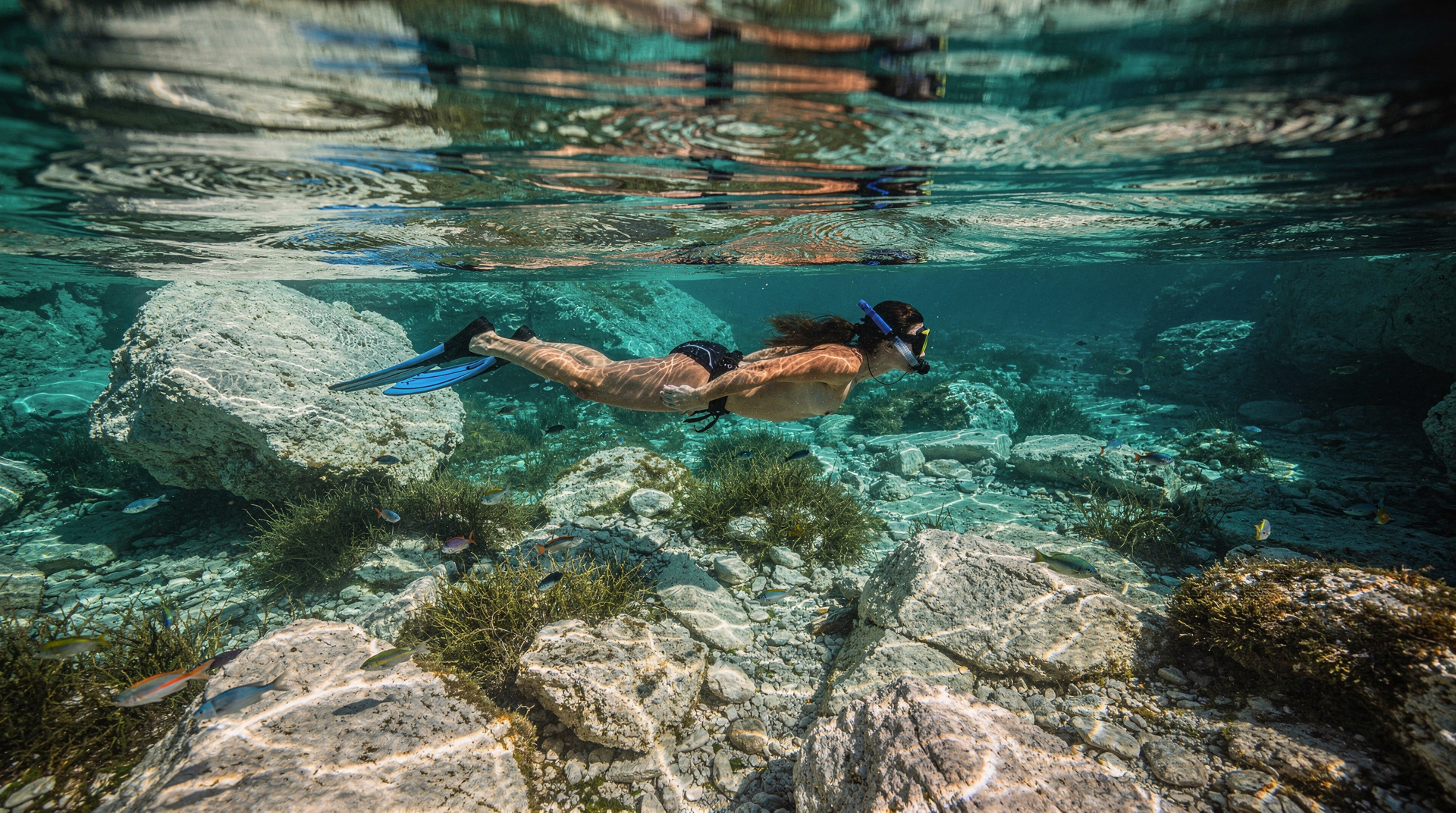
The Mediterranean off Marseille is not the coral-heavy tropical reef of popular imagination, but it is more interesting underwater than most visitors expect. The Calanques National Park marine reserve restricts fishing across a significant coastal zone — the result is fish populations that substantially exceed what you find on unprotected coast. Clear water (typically 5–15 metres visibility at accessible snorkelling depths) and rocky reef terrain make this a genuinely worthwhile snorkelling destination.
The honest picture: you will see sea urchins in extraordinary abundance, multiple species of bream, grey mullet, garfish near the surface, octopus in rocky crevices, and occasional grouper in shaded overhangs. You will also see Posidonia seagrass (a protected habitat indicator of clean water), various sea stars, and moray eels if you look carefully into cave entrances. What you will not see: coral reefs, the brilliant colour saturation of tropical snorkelling, or the fish density of highly protected reserves.
The combination of clear water, accessible sites, and rich-for-the-Mediterranean marine life makes snorkelling near Marseille consistently enjoyable rather than exceptional in global terms. Manage expectations accordingly and you will be satisfied.
| At a glance | |
|---|---|
| Where | Frioul Islands, Endoume (Corniche), Sormiou, En-Vau, Île Verte (La Ciotat) |
| Cost | Free with your own gear at accessible shore sites; a guided Endoume session or boat tour with snorkelling typically runs around EUR 30–60 per person |
| Time needed | An hour or two for a shore session; a half or full day for a boat tour to En-Vau or Sormiou |
| Getting there | Ferry from Quai du Port for Frioul; bus 83 for Endoume; boat tour or hike for Sormiou and En-Vau |
| Best time | July–September for warm water; May and June for calmer, less crowded conditions with a wetsuit |
Frioul Islands: the accessible option
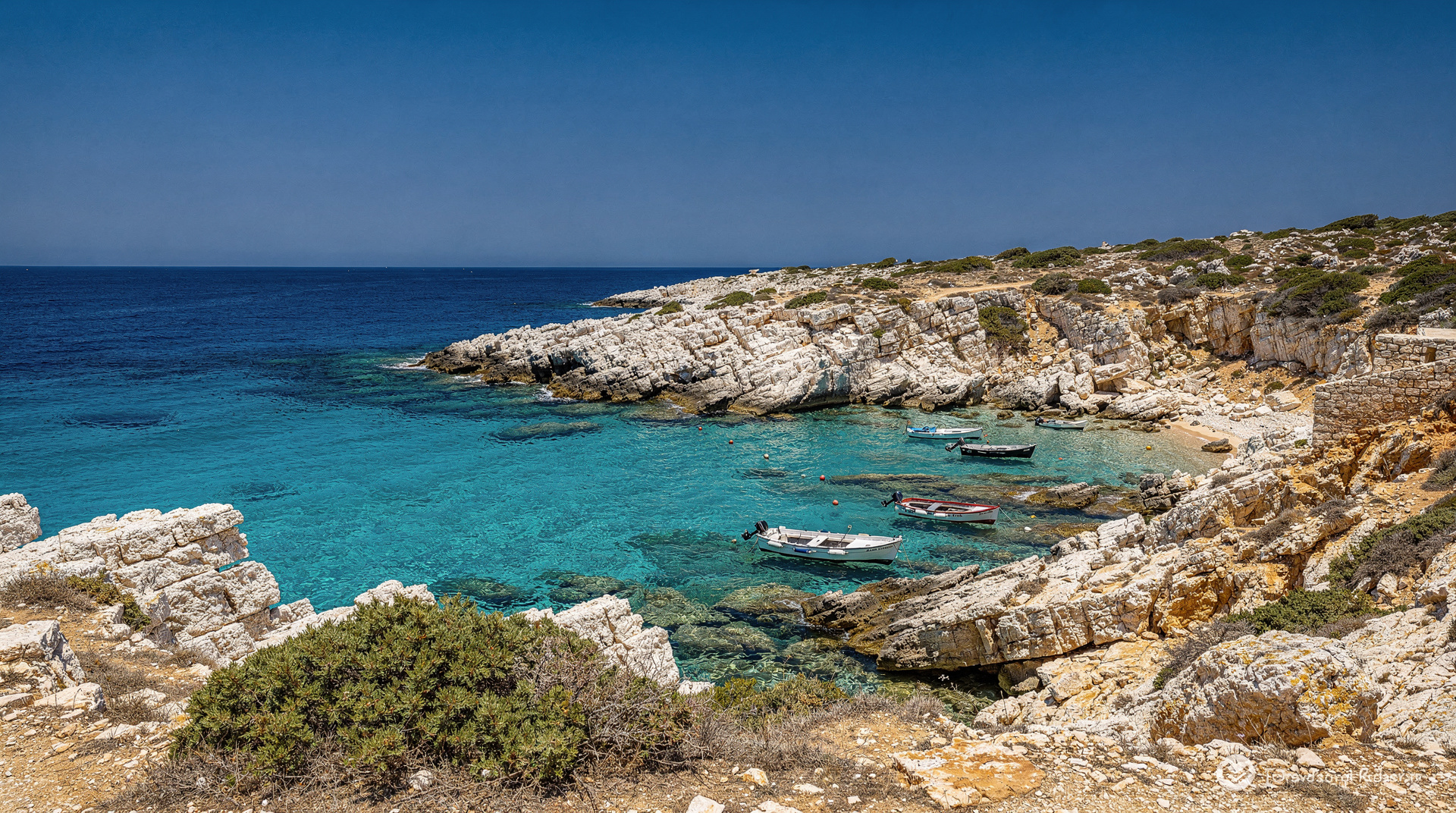
The Frioul archipelago, 25 minutes by ferry from the Vieux-Port, is the most practical snorkelling destination for visitors based in Marseille without a car. The south-facing coves of Ratonneau island have clear water over rocky and sandy bottom at depths of 3–10 metres — appropriate for all snorkelling ability levels including older children.
What to expect: Sea urchins on every rock surface (wear fins or water shoes for entry — a sea urchin spine in the foot is not an emergency but is painful and extractable). Bream and saupes (striped sea bream) schooling around rocky outcrops. Occasional octopus under ledges — look slowly into dark crevices rather than scanning quickly past them. The seagrass meadows between rocky patches shelter a range of small fish species.
Access: Ferry from Quai du Port (north side of Vieux-Port), approximately EUR 14 return per adult. No car needed. Rocky entry — fins make a significant difference for reef navigation. No rental available on the Frioul Islands; bring your own gear or rent from a Marseille dive shop or water sports operator before taking the ferry.
Best timing: Arrive on an early ferry (before 10:00 in July–August) to reach the coves before they fill. The south-facing coves on Ratonneau are 15–20 minutes on foot from the ferry dock.
See the Frioul Islands guide for the ferry schedule, walking routes, and what else the islands offer.
If you want to understand the crossing before you commit, the ferry to the Frioul Islands guide explains how it works, and the Frioul boat guide covers the other ways of reaching the archipelago. Families planning a whole day out there will find ideas in the family day out on Frioul.
Endoume: snorkelling from the Corniche
The Endoume promontory on the Corniche Kennedy (accessible by bus 83 from the Vieux-Port) is an urban snorkelling zone in the rocky foreshore between the Vallon des Auffes and the Prado beaches. The water is clear over a rocky bottom at depths of 2–8 metres, and the marine life — while less abundant than the Calanques reserve — includes the standard Marseille coastal species: sea urchins, bream, small octopus, and on good days a moray eel in the deeper rock faces.
Guided snorkelling session at Endoume: A guided snorkelling experience at Endoume runs approximately 2–3 hours and includes equipment (mask, fins, snorkel), a picnic, and guide accompaniment. This is a good option for first-time snorkellers who want instruction on technique and underwater orientation before attempting more distant sites. It doubles as a social experience — the guide provides ecological context on what you are seeing.
The Endoume session is particularly well-suited for families with children aged 8 and above and visitors who are not confident open-water swimmers but want some guided underwater experience. The depth is manageable (2–8 m), the water conditions in the sheltered section are generally calm, and help is immediately available.
Sormiou: inside the calanque
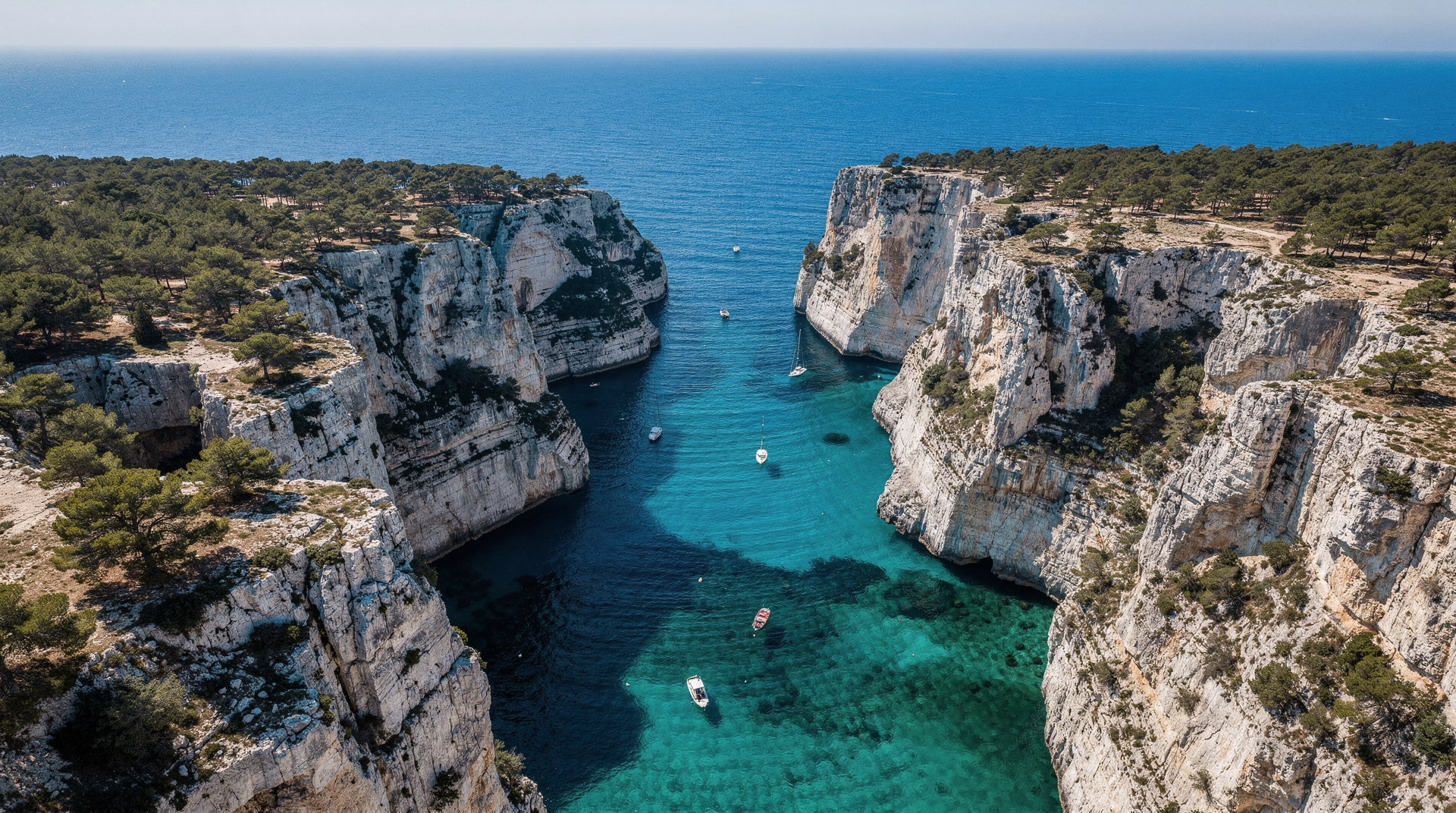
The protected cove at Sormiou, one of the nearest calanques to Marseille, is reachable by guided boat tour or (in spring and autumn) by e-bike and hiking. The inner cove at Sormiou is calmer than the open sea, with depths of 3–8 metres over a mixed rock and sand bottom. The rock walls descend from the surface and are colonised with sea urchins, anemones, and various encrusting organisms.
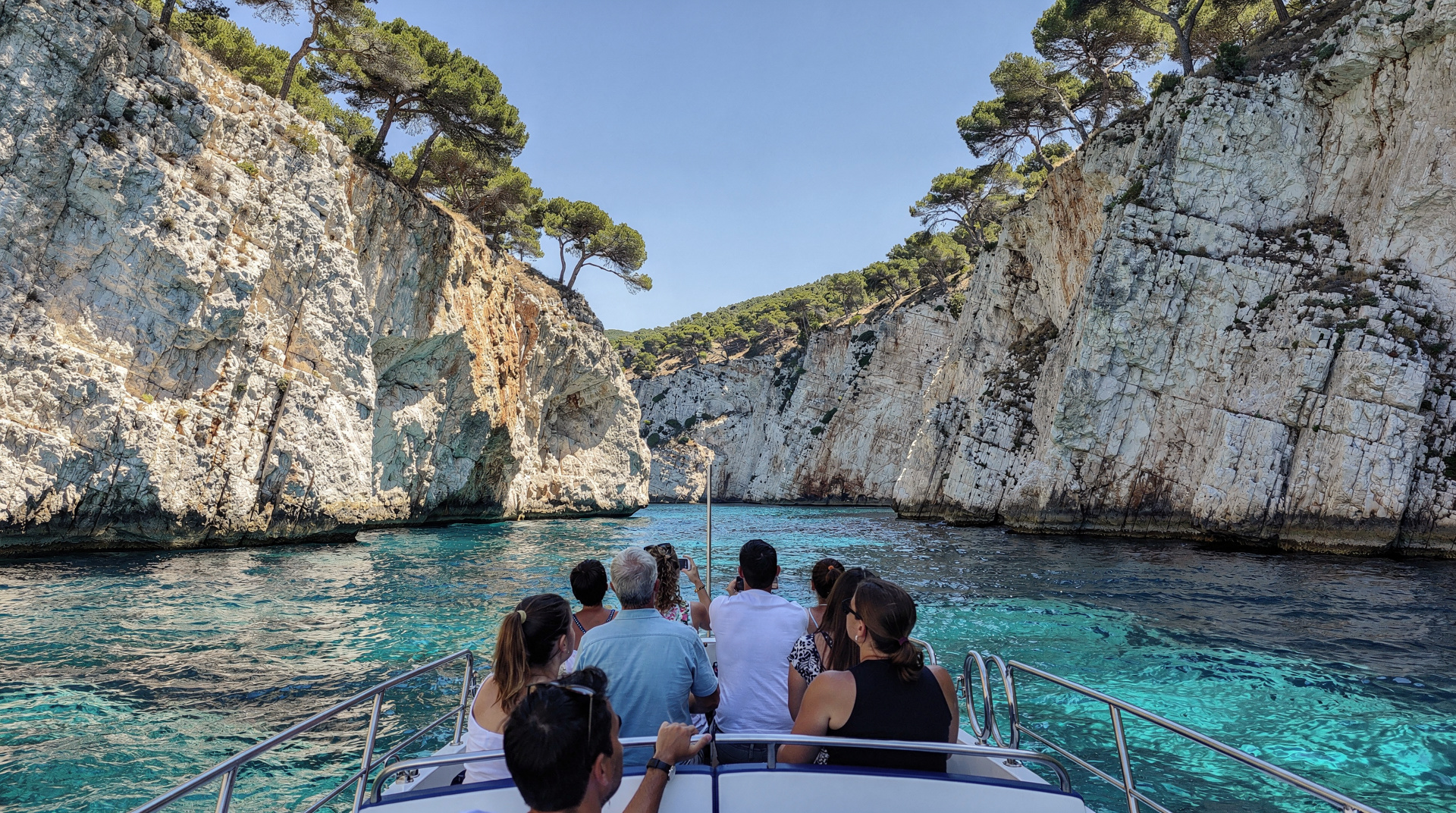
Access to Sormiou for snorkelling: The calanque is inside the national park marine reserve. Entering the water with a mask and fins is permitted but spearfishing and collection of marine organisms are prohibited. The boat tours that stop at Sormiou allow swimming from the boat anchor area — a snorkelling mask and fins transform these swimming stops into marine observation sessions.
For dedicated snorkelling at Sormiou rather than just swimming, the Calanques snorkel and scuba dive tour covers the Calanques National Park with a focus on underwater experience.
If you would rather arrive on foot, the Sormiou calanque hike describes the approach, and the Sormiou and Morgiou destination page gives the wider context of the two coves. For a comparison of the other swimming spots in the park, see the Calanques beaches guide.
En-Vau: the richest underwater environment
En-Vau is accessible only by sea (kayak, boat tour) or a steep 2-hour hike from above Cassis. The underwater environment in the En-Vau calanque and the approach corridor along the Cassis-side coastline is the richest snorkelling in the park — the combination of deep protected water, complex rock terrain, and effective marine reserve management produces higher fish density and larger individuals than the more accessible sites.
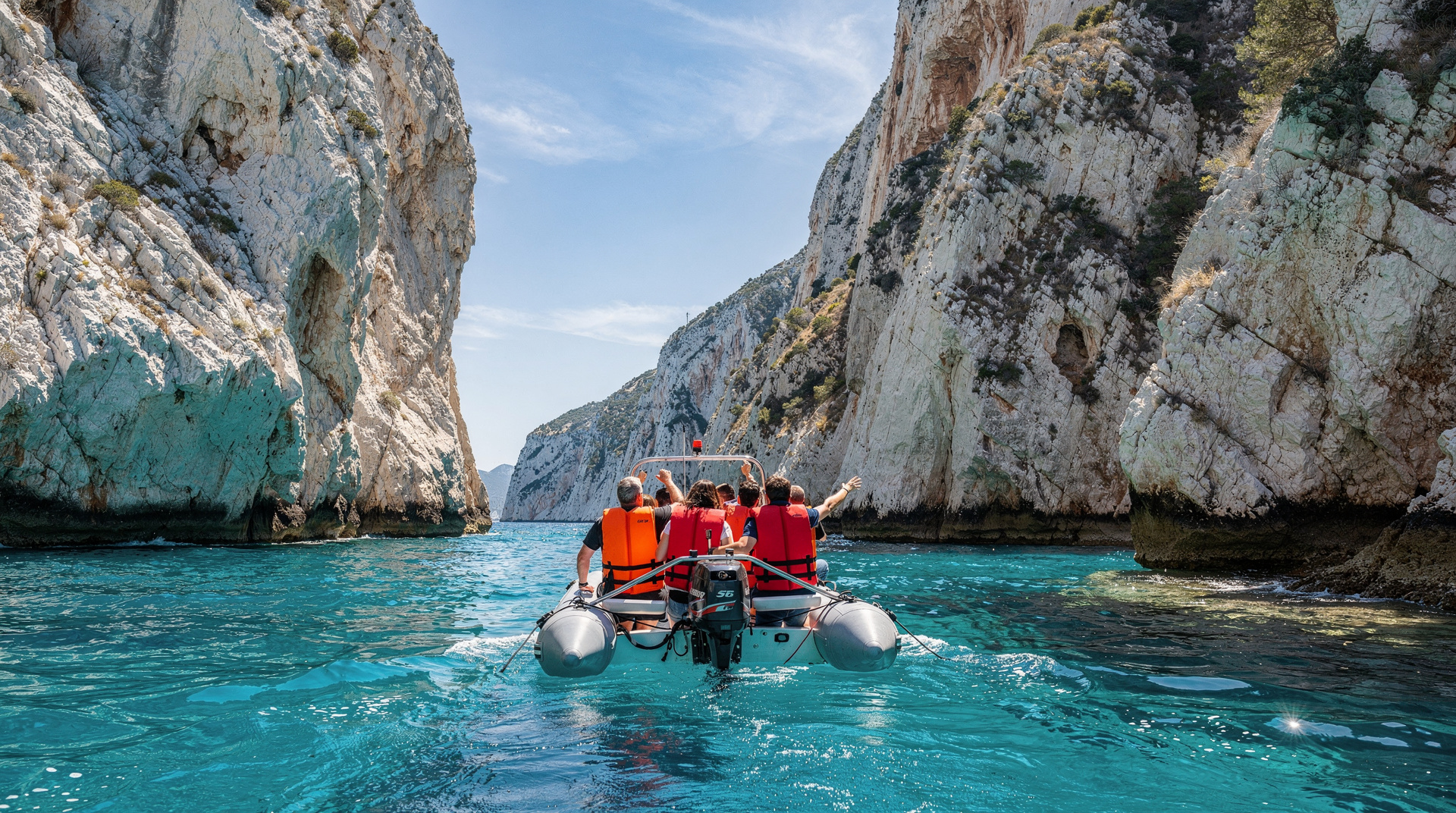
Accessing En-Vau for snorkelling: The La Ciotat boat tours with snorkelling (morning and afternoon) take participants to the Calanques coastline with snorkelling equipment provided. These tours approach the En-Vau area by boat, anchor in calm water, and provide equipment for snorkelling sessions of 30–45 minutes at the anchor site.
The Cassis kayak tours with snorkelling stops are the most immersive way to combine paddling and snorkelling at En-Vau — you paddle to the site, anchor the kayak, and snorkel from the water surface into the calanque.
Anyone tempted by the walking route should read the En-Vau calanque hike first, since the descent is demanding and you will arrive tired before you even reach the water. The kayaking the Calanques guide explains what paddling to these coves involves, and the En-Vau and Port-Pin page places the cove in the wider coastline.
Île Verte: La Ciotat’s snorkelling island
The Île Verte (Green Island) sits approximately 600 metres offshore from La Ciotat and is accessible by water taxi in season. The island’s clear water, small coves, and protected anchorage make it a popular snorkelling spot for La Ciotat visitors. The island is less visited than the Calanques proper and offers a quieter snorkelling experience for those based on the La Ciotat side.
The La Ciotat morning boat tours with snorkelling listed in the guided tour catalog operate to the Calanques coastline rather than Île Verte specifically — the island is accessible independently by water taxi from La Ciotat.
For the town itself, the La Ciotat destination page covers what to do on land, and Cassis vs La Ciotat helps you decide which of the two makes the better base for a water-focused trip. If you also plan to see Cassis, its beaches guide is a useful companion.
Gear: bring your own vs rent
Quality snorkel mask: The difference between a good mask (dry snorkel, comfortable silicone seal) and a poor-quality mask is the difference between an enjoyable snorkelling session and a frustrating one. If you have your own mask that fits your face correctly, bring it. If not, rent from a reputable dive shop rather than using whatever comes in a hotel amenity kit.
Fins: Essential for rocky reef navigation and for covering distance without exhausting yourself. Open-heel adjustable fins are more practical than full-foot fins if you are unsure of your shoe size in fin terms. Fins also provide significant protection when entering or exiting on rocky shorelines.
Wetsuit: In May, water temperature averages 17°C — cold enough that a 2–3mm wetsuit meaningfully extends comfortable snorkelling time. In July–August (23–24°C surface), a wetsuit is optional but still extends comfort, particularly as the snorkelling session goes longer than 30 minutes. In September (22°C), a thin wetsuit is comfortable for extended sessions.
Reef-safe sunscreen: Standard chemical sunscreens contain oxybenzone and octinoxate, which are harmful to marine ecosystems. The Calanques National Park marine reserve rules require reef-safe formulations (mineral sunscreen: zinc oxide or titanium dioxide). This is not just a label distinction — it reflects genuine marine protection policy. Apply sunscreen 30 minutes before entering the water so it has absorbed into the skin.
Dry bag: Keep phone, camera, and valuables in a waterproof bag during snorkelling sessions. Even if you do not plan to get the bag wet, splash can damage electronics.
Underwater camera or housing: The Calanques snorkelling is worth photographing. A basic underwater camera housing (for smartphone) or an inexpensive action camera with waterproof case is sufficient to capture the fish schools and rock formations at snorkelling depth.
Jellyfish: the honest reality
The Mediterranean hosts two main jellyfish species relevant to snorkellers near Marseille:
Pelagia noctiluca (mauve stinger / méduse bleue): The most common jellyfish in the region. A pinkish-purple jellyfish typically 5–10 cm diameter. Contact with the tentacles produces a stinging sensation comparable to a nettle sting — unpleasant but not dangerous for most healthy adults. Allergic individuals should be more cautious.
Pelagia noctiluca blooms in the Mediterranean with a historical periodicity of approximately 12 years, but warming waters are increasing bloom frequency. Significant blooms were recorded along the French Mediterranean coast in 2025. Blooms are unpredictable in location and timing — they may be present at a site for 2–3 days and then absent for two weeks.
Cotylorhiza tuberculata (fried egg jellyfish): Larger, less stinging, and less dangerous. Occasional but common in warm shallow bays in late summer.
Practical guidance: Check with local beach operators, the tourist office, or fishing boat crews on the morning of a planned snorkel session — they have the most current knowledge of jellyfish presence in specific locations. If jellyfish are present in numbers at your planned entry point, choose a different site or come back the next day. A thin wetsuit provides meaningful protection against stinging tentacle contact.
Family snorkelling: age and water confidence
Snorkelling is accessible to children as young as 6–7 years old with appropriate supervision and the right conditions. The Endoume guided session, Frioul coves, and the initial section of the Calanques boat tour swimming stops are the most family-appropriate environments:
- Water depth 2–5 metres (children can stand or be supported if needed)
- Calm, no current (Frioul south coves, sheltered Calanques inner sections)
- Guide present (Endoume guided session)
- Lifeguard accessible (not within the Calanques — boat tour presence provides the safety net)
Children 8 and above in good water confidence can participate in the guided Endoume session. Children below 8 should snorkel only with a parent in the water alongside them, in very sheltered, shallow conditions.
Snorkelling technique: for first-timers
Snorkelling requires almost no instruction — the mechanics are simple — but a few common errors ruin otherwise good sessions:
Mask clearing: If water enters the mask through an imperfect seal (beard, hair, glasses marks on the skin), tilt the head back and blow sharply through the nose while pressing the top of the mask frame. This clears water in one breath. Practise this in shallow water before heading to depth.
Snorkel clearing: If you surface and water is in the snorkel tube, blow sharply through the mouth — the water clears forward out of the tube. Beginner-grade dry snorkels (with a valve that blocks water entry when submerged) make this much less frequent.
Equalisation: Not usually needed at typical snorkelling depth (0–5 m), but if you are diving down to look at a sea urchin or fish at 3–4 metres, pinch your nose and gently exhale to equalise the pressure in your ears. If your ears hurt, ascend — do not force equalisation.
Staying warm: The tendency is to stay in longer than planned when the underwater world is interesting. Set a mental time limit — 30 minutes is a reasonable first snorkel in 17°C water (May), 45–60 minutes in 23°C water (July–August). Exiting the water and feeling suddenly cold means the body temperature has already dropped more than was apparent while moving and looking.
Marine reserve courtesy: Stay horizontal in the water — a vertical, kicking position stirs up sediment and disturbs fish more than a horizontal position with slow, regular fin kicks. Do not touch anything — the marine organisms on the rock surface are fragile and the oils from hands damage them. Reef-safe sunscreen matters (zinc oxide, applied 30 minutes before entering the water).
For a broader overview of family-friendly water activities near Marseille, see our family beaches guide. For scuba diving at the same sites (certified divers), see the diving guide. For boat tours that include swimming stops at the same calanques, see the boat tour guide. The Calanques National Park guide covers the marine reserve rules in full.
Choosing a site by experience level
First-timers and families with younger children generally do best starting at the Frioul Islands or the guided Endoume session, both accessible without a boat and manageable in shallow, sheltered water. Confident swimmers who want richer marine life should prioritise a boat tour to Sormiou or En-Vau — see our boat tours with swimming guide for how these trips are structured.
If you are deciding between a hiking approach and a boat for reaching the calanques at all, the Calanques boat vs hike guide lays out the trade-offs, and avoiding crowds in the Calanques is useful if you want to time your visit away from peak boat traffic.
Frequently asked questions about Snorkelling near Marseille
Do I need to be a strong swimmer to snorkel near Marseille? For the Frioul coves and the guided Endoume session, basic swimming competence and comfort in open water are enough, since depths are shallow (2–8 m) and conditions are generally calm. For Sormiou or En-Vau by boat, stronger swimming ability is recommended since these sites are more exposed and further from shore support.
Can I rent snorkelling gear on the Frioul Islands themselves? No — there is no rental available on the islands. Bring your own mask, snorkel, and fins, or rent from a dive shop or water sports operator in Marseille before taking the ferry.
Top experiences
Bookable activities with verified prices and instant confirmation on GetYourGuide.