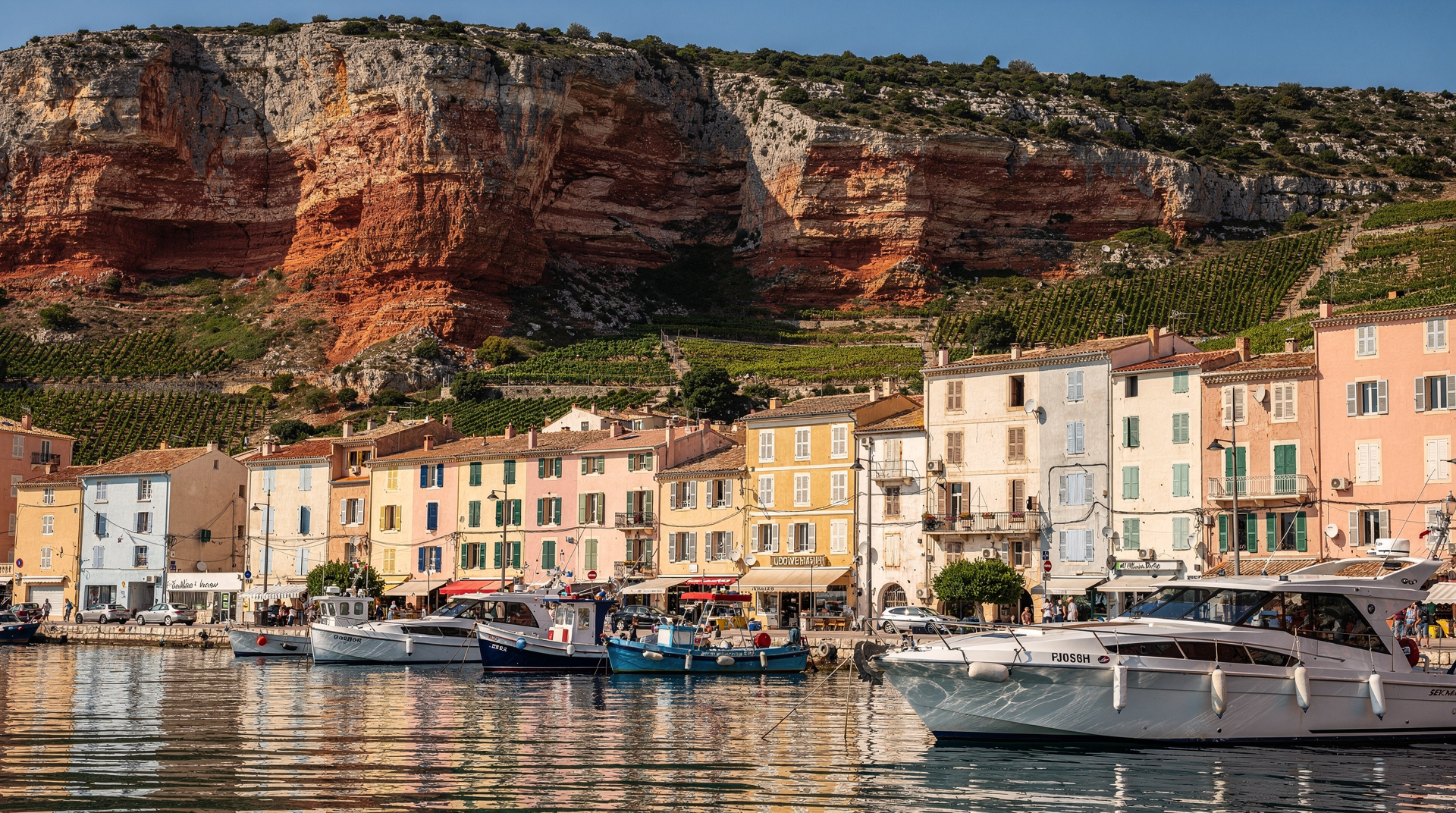
Scuba diving in Marseille: Calanques marine reserve, wrecks, and Frioul
Marseille: diving baptism off the Frioul Islands
Is Marseille a good scuba diving destination?
Yes — one of the best on the French Mediterranean coast. Clear water (10–40 m visibility), a protected marine reserve, multiple wrecks, and diving for all levels from Frioul shore dives for beginners to deep wreck sites for AOW divers. Water temperature peaks at 23–24°C in August, dropping to 14°C in winter.
Why Marseille diving is better than you expect
Marseille is not the first name that comes up in a Mediterranean diving conversation — the Maldives, Red Sea, and Croatia get more attention. This is the region’s loss and the diver’s gain: the Calanques marine reserve and the surrounding sea offer clear water, rich marine life, multiple wrecks, and diving infrastructure at a level that surprises first-time visitors.
The key is the marine reserve. The Calanques National Park’s marine zone restricts fishing across a significant stretch of coastline, with the result that fish populations inside the reserve are substantially higher than on unprotected Mediterranean coast. Sea bass, grouper, bream, moray eels, octopus, and enormous sea urchin colonies are the standard underwater landscape. The visibility — typically 10–20 metres, reaching 30–40 metres on exceptional days in calm summer conditions — is consistently better than most of the French Riviera.
The diving here is accessible at multiple levels: a baptism dive off the Frioul Islands is appropriate for complete non-divers; the wrecks of Le Liban and Le Chaouen require Open Water certification; deep wreck exploration and advanced sites in the Riou archipelago are for Advanced Open Water and above.
| At a glance | |
|---|---|
| Where | Frioul Islands (beginner shore/boat dives), Le Chaouen and Le Liban wrecks, Calanques marine reserve, Riou archipelago |
| Cost | Around EUR 60–80 for a baptism dive; EUR 45–70 per guided dive for certified divers, often less for two-dive packages |
| Time needed | A half-day for a single boat dive or baptism; a full day for a two-dive Calanques or wreck trip |
| Getting there | Dive boats depart from Pointe Rouge marina or the Vieux-Port area |
| Best time | July–September for the warmest water; September favoured by locals for warmth plus fewer boats |
Water temperature: by month, honestly
| Month | Surface temp | What it means practically |
|---|---|---|
| January–March | 13–14°C | Full 7mm wetsuit or drysuit; dive season for serious divers |
| April | 15°C | 5–7mm wetsuit; spring surge in marine activity |
| May | 17°C | 5mm wetsuit comfortable |
| June | 20°C | 3–5mm wetsuit; surface is warm, deeper zones still cool |
| July–August | 23–24°C | 3mm wetsuit or swimsuit; thermoclines below 20m |
| September | 22°C | Excellent diving conditions; surface still warm |
| October | 19°C | Increasingly dramatic light, great visibility |
| November–December | 16°C | 5mm wetsuit; crowds gone |
The warmest diving is July–August (23–24°C surface), but September is the local favourite — warm water, clear conditions, and significantly fewer boats in the protected zones.
Thermoclines: In summer, a thermocline layer develops around 15–20 metres depth where the water temperature drops 4–6°C abruptly. If you descend through the warm surface layer and feel the sudden cold zone, you have hit the thermocline. Below it, water may be 16–17°C even in August — bring a wetsuit even for summer diving.
Dive sites: from beginner to advanced
Frioul Islands: shore dives and beginner sites
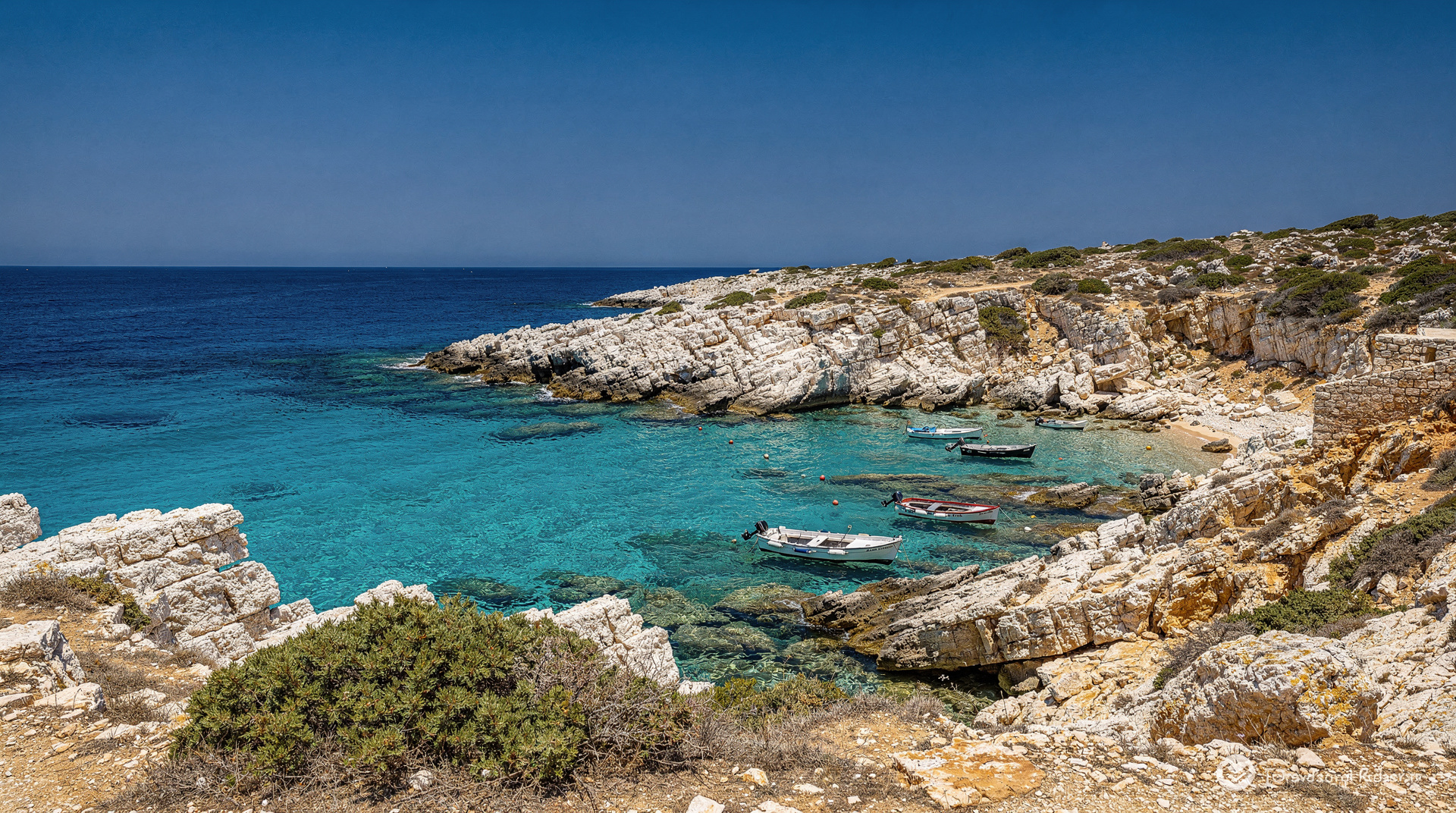
The Frioul archipelago, 3 km offshore from the Vieux-Port, provides the most accessible diving near Marseille. The south-facing coves of Ratonneau island have rocky reef dives at 5–15 metres depth, clear water, and enough marine life (octopus, bream, sea urchin fields, sargasso beds) to make them worthwhile for beginners.
The guided diving baptism off the Frioul Islands is the standard first dive experience for non-certified visitors. Duration approximately 30–45 minutes at 5–8 metres. The instructor accompanies each participant individually. No certification required. Children from approximately 8 years old may be eligible (check with operator for current minimum age). This is a legitimate underwater experience, not a pool exercise — you are in open sea with natural light and real marine life.
Certified divers can dive the Frioul reefs on guided boat dives or arrange independent dives with a local club. The underwater landscape around the southern Frioul coves is interesting enough for an OW dive, though more experienced divers will want to continue to the richer sites.
Le Chaouen: the accessible wreck
Le Chaouen is a Moroccan cargo vessel that ran aground in 1970 and sank in the approach to the Marseille harbour. The wreck sits at 6–36 metres depth in the Plane Island (Île Plane) area south of Marseille, making it accessible to Open Water divers on the upper deck (6–10 m) and to Advanced Open Water divers for the lower sections (down to 33–36 m).
The wreck is highly intact — the hull, decks, and superstructure are recognisable, and the marine colonisation is impressive: soft corals cover the exterior, large schools of bream and saupes shelter in the hull cavities, and octopus have occupied every available crevice. Visibility around Le Chaouen is typically 10–20 metres.
Open Water divers can access the upper deck and external sections without advanced certification. Advanced Open Water is required for the deeper internal sections. The site is a regular stop for Marseille dive clubs operating from Pointe Rouge and Vieux-Port departure points.
Le Liban: history and depth
Le Liban is a passenger ship that sank in 1903 following a collision — a maritime disaster in which more than 100 passengers were lost. The wreck lies at 28–36 metres depth, fully within AOW territory. It is a more challenging dive than Le Chaouen: deeper, requiring good buoyancy control to avoid disturbing the marine colonisation, and with some penetration possibilities requiring overhead environment training.
The historical dimension — a wreck from 1903, over a century underwater — makes Le Liban one of the more atmospheric dive sites in the region. The hull has partially collapsed and the wreck has spread across the seabed, creating an unusual geological-like landscape of twisted steel and structural sections covered in gorgonian fans and encrusting organisms.
Advanced Open Water certification minimum. Nitrox-certified divers can extend bottom time at this depth. The site is a regular guided dive from Marseille operators.
Calanques marine reserve: reef and wall dives
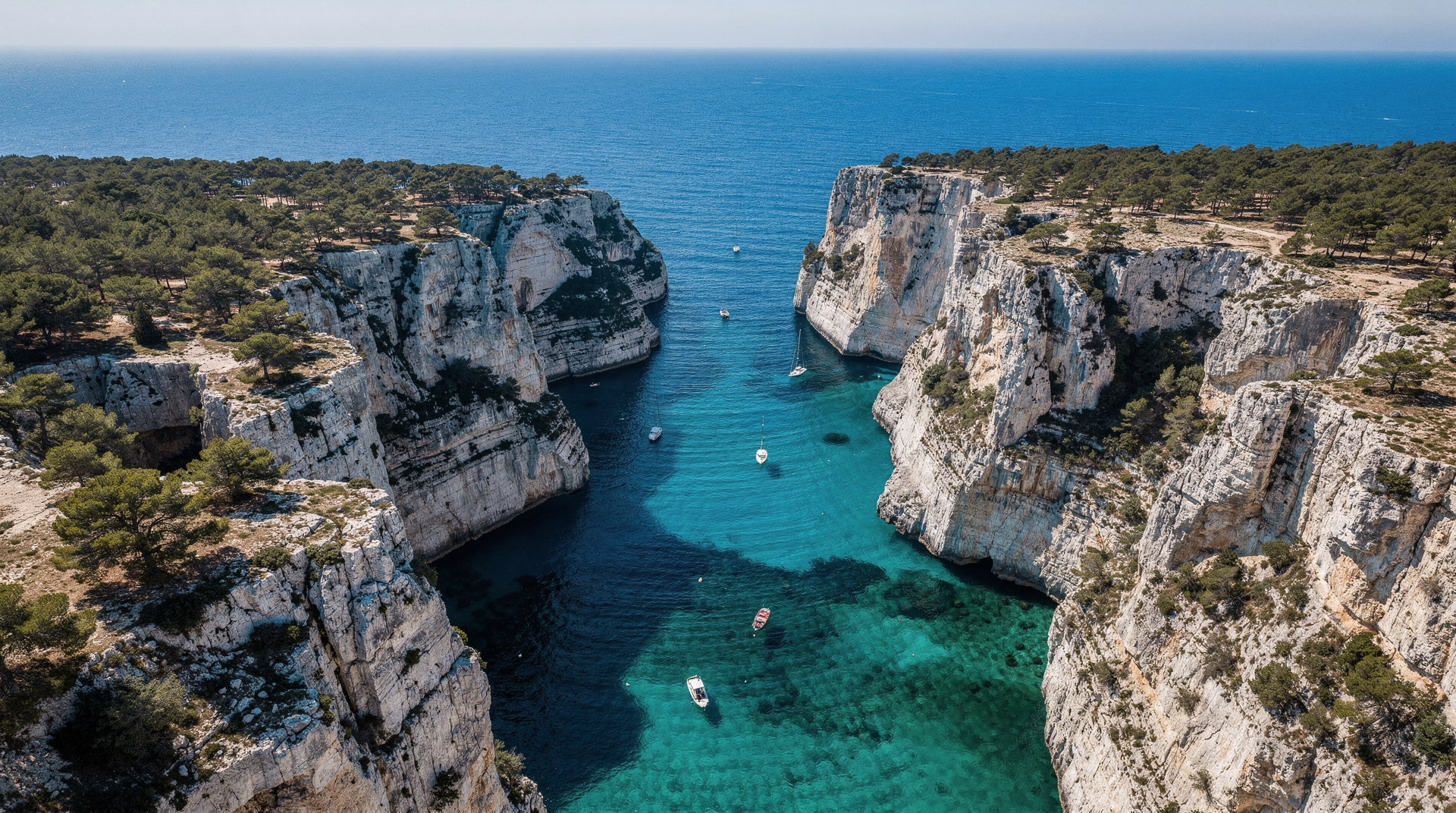
The main Calanques marine reserve zone (roughly from Marseille to Cassis) includes reef dives along the underwater limestone walls that continue below the waterline. The walls descend from the surface to 30–60 metres, covered in gorgonian sea fans (red and yellow) at depth, with a transition to Posidonia seagrass meadow on the sandy sections.
Common sites within the reserve include the underwater walls below Sormiou, Morgiou, and the Sugiton approach — accessible only by boat. The marine reserve zones have seasonal access restrictions to protect the ecosystem; the dive operator will confirm which zones are open on the day.
Posidonia meadows: The seagrass (Posidonia oceanica) that covers the sandy sections between reef and open bottom is a protected habitat and an indicator of clean water quality. Buoyancy control is essential — contact with Posidonia is prohibited by the national park. Operators operating within the reserve monitor compliance with this rule.
Riou archipelago: advanced diving
The Riou archipelago — a group of small islands south of Marseille, accessible only by boat — contains some of the deepest and richest dive sites in the region. The underwater topography around the main islands (Riou, Jarre, and Calseraigne) includes walls descending to 50+ metres, with gorgonian communities, large grouper, and exceptional clarity on calm days.
Riou diving is for Advanced Open Water and above. The boat journey from Pointe Rouge or Vieux-Port is 45–60 minutes. Wind and sea state can prevent access — these are exposed islands with no shelter from the Mistral.
Certification levels for Marseille diving
No certification (baptism dive): Frioul Islands guided baptism. Maximum depth 5–8 m. 30–45 minutes. Instructor accompanies you at all times. Appropriate for complete beginners from age ~8.
Open Water (OW) / PADI or CMAS equivalent: Access to most reef dives, the upper sections of Le Chaouen (to 10 m), and guided reef dives in the marine reserve. Minimum recommended certification for the bulk of the Marseille diving offer.
Advanced Open Water (AOW) / PADI or equivalent: Le Liban, deep Le Chaouen sections, Riou archipelago deeper dives. 30+ m certification required for wreck interiors and deep wall sites.
Specialty certifications useful here: Nitrox (for extended bottom time at 25–35 m depth), Wreck Diver (for penetration sections of Le Chaouen and Le Liban), Naturalist (understanding the Calanques marine ecosystem).
Getting certified in Marseille: Several PADI-affiliated dive schools operate from Pointe Rouge and the Frioul area. An OW course takes 3–4 days. An Advanced course adds 2 days. It is possible to arrive uncertified and leave the region with an OW certification after a week. Confirm which schools are PADI-affiliated before booking; the PADI website maintains a current list.
Dive operators: what to look for
Marseille’s dive operators concentrate around Pointe Rouge marina (the main base for Calanques diving) and the Vieux-Port area (for Frioul and baptism dives). The Frioul baptism tour is also accessible from GYG-listed operators.
When choosing an operator, verify:
- Certification (PADI affiliation for English-speaking instruction, CMAS for French-system)
- Equipment age and maintenance — ask when wetsuits and BCDs were last serviced
- Maximum group size per divemaster (legal maximum in France is typically 6 per divemaster for guided dives; smaller is better)
- Language capability if diving in English
The dive infrastructure in Marseille is well developed and the safety standards are high — France maintains strict dive instructor and equipment standards. You are unlikely to encounter the quality issues that exist in some less-regulated destinations.
Planning a diving day
Morning departures: Most dive boats depart Pointe Rouge or Vieux-Port at 08:00–09:00 for two-dive days at Calanques or wreck sites. Afternoon single dives are available but morning is standard for the better sites.
Surface interval: Between dives, you spend time on the boat or at anchor. Bring lunch or buy from the operator (typically a sandwich option). The surface interval between dives is approximately 45–60 minutes.
What to bring: Swimsuit under your wetsuit, sunscreen (reef-safe — the marine reserve requires it), snacks and lunch, water. Most dive boats have limited shade — bring a hat and UV-protective clothing for the surface intervals. If you have your own equipment, confirm with the operator whether you can use it alongside rental equipment.
After diving: No flying for 18–24 hours after diving. If you have a flight home the day after diving, plan your last dive to allow sufficient surface time. Check your training materials for the current recommendation.
The marine reserve: what protection means in practice
The Calanques National Park marine reserve is not uniformly protected — it has concentric zones with different levels of restriction. The core protected zones prohibit all fishing (professional and recreational). Buffer zones permit some traditional fishing methods. The distinction matters for divers because the marine life density is significantly higher in the fully protected zones than in adjacent unprotected areas.
The result of sustained protection is visible underwater: grouper in the fully protected sections reach sizes rarely seen on the French Mediterranean coast. Sea bass (loup de mer) are present in numbers. The Posidonia seagrass meadows in the protected sections are dense and healthy, providing habitat for juvenile fish that feed the wider system.
What divers must not do: Collection of any marine organism (alive or dead) is prohibited throughout the marine reserve — this includes shells, sea urchins, and fish. Anchoring on Posidonia seagrass is prohibited; dive boats use mooring buoys at established sites or drift dive in areas without buoys. Touching or resting on coral or gorgonian formations is prohibited. Dive operators working within the reserve monitor compliance and will remove divers who violate these rules.
Visibility: seasonal variation
Best visibility: Late summer and early autumn (August–October) tend to have the highest visibility in the Calanques dive sites — up to 30–40 metres on exceptional days. The combination of stable sea conditions, minimal river runoff (the drought of summer), and clear water column delivers visibility significantly above the Mediterranean average.
Spring and early summer: Visibility is good (10–20 m) but phytoplankton blooms can reduce clarity to 5–8 m on some days in April–May. These blooms are short-lived (2–5 days) and then pass.
Winter: Cold water (13–14°C) but often excellent visibility (15–25 m) in settled conditions. Fewer boats on the water, less boat traffic disturbing sediment. Serious divers who can handle the cold rate winter as one of the best visibility seasons.
For underwater snorkelling (without tanks) at the same locations, see our snorkelling guide. For boat tours that include swimming stops in the same calanques used by divers, see the Calanques boat tour guide. For the Frioul Islands as a destination, see the Frioul Islands guide. For the Calanques marine reserve rules in full, the Calanques National Park guide is the definitive reference.
Diving vs other ways to see the underwater Calanques
Not everyone wants a full scuba trip. If you are unsure how much time and budget to commit, our Calanques boat vs hike guide covers the broader trade-off between boat access and hiking to the coves on foot, and the boat tours with swimming guide covers snorkelling stops for travellers who want a taste of the underwater scenery without certification. For a land-based comparison of the coves themselves, see our Calanques hikes by difficulty guide.
Frequently asked questions about Scuba diving in Marseille
Do I need to be a strong swimmer to try a baptism dive? You should be comfortable in water and able to swim, but a baptism dive does not require advanced swimming ability — the instructor controls buoyancy and stays with you throughout. If you have any doubts, mention them to the operator when booking so they can advise on suitability.
Is Nitrox worth getting certified for before a Marseille dive trip? If you plan to dive the deeper wreck or wall sites (25–35 m) more than once or twice, Nitrox extends your bottom time meaningfully and many local operators offer it. For a single baptism or shallow reef dive, it is not necessary.
Top experiences
Bookable activities with verified prices and instant confirmation on GetYourGuide.