Les Goudes
Les Goudes is Marseille's southernmost village — a working fishing hamlet, gateway to the southern Calanques, and the quietest sunset in the city.
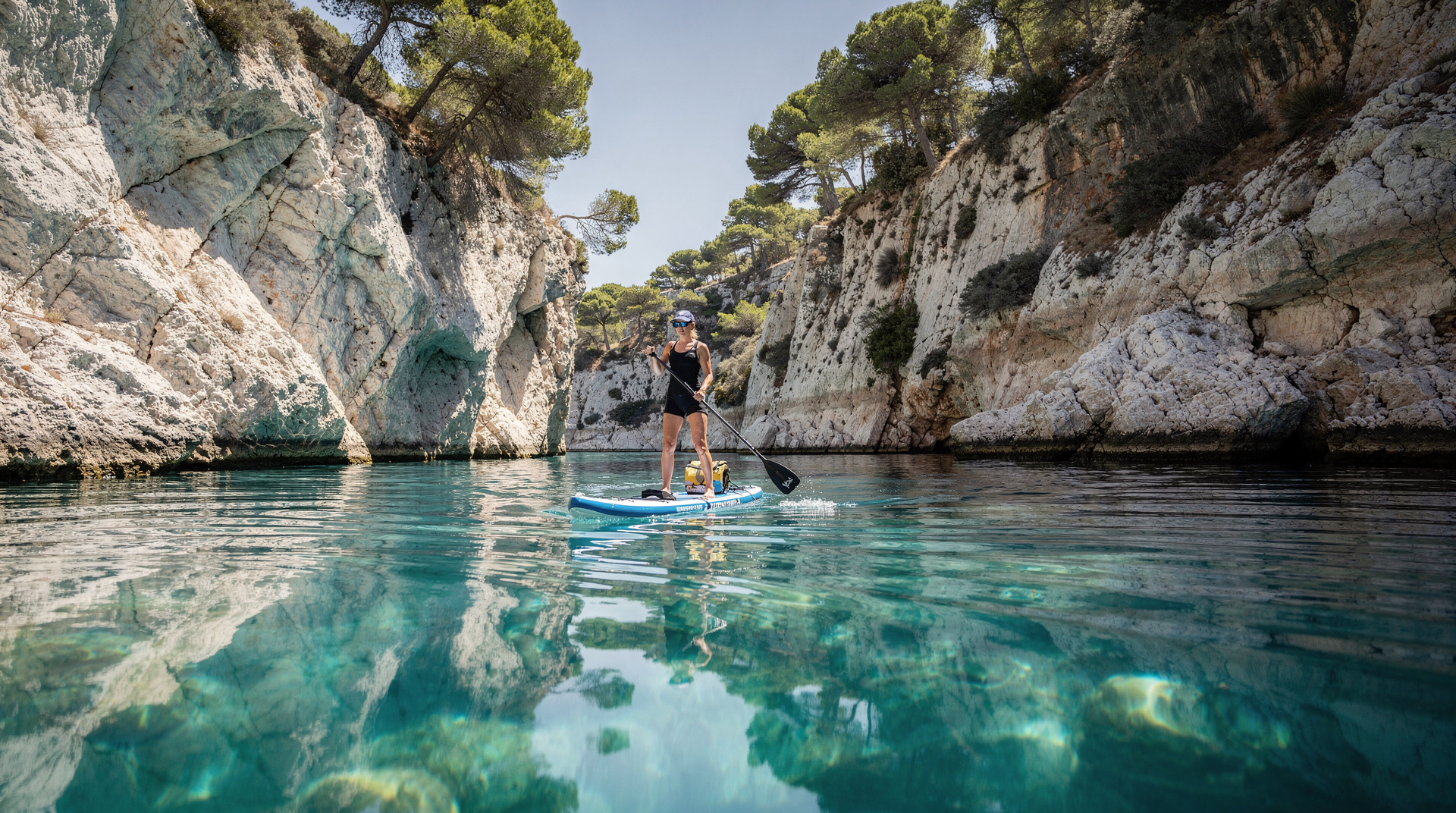
Marseille: stand-up paddle tour — Les Goudes to the Calanques
Duration: 2 hours
Quick facts
- Distance from Vieux-Port
- ~14 km south; 25 min by car or Bus 20 from Rond-Point du Prado
- Parking
- Very limited; arrive before 9:00 or come by bus/SUP tour
- Shops and services
- None — one road, a handful of restaurants, that is all
- Access to Calanques
- SUP/kayak from the harbour; on foot south toward Callelongue and beyond
- Summer road closure
- Road to Sormiou/Morgiou restricted June 15–Aug 31 (daily 7:00–19:00)
The end of the road, in the best sense
| At a glance | |
|---|---|
| Where | Marseille’s southern edge, ~14 km from the Vieux-Port |
| Cost | Free to visit; a fish lunch runs a moderate price for two courses and wine |
| Time needed | Half a day, longer if hiking or paddling on |
| Getting there | Bus 20 from Rond-Point du Prado, or by car outside peak season |
| Best time | Late afternoon into sunset, April–June or September–October |
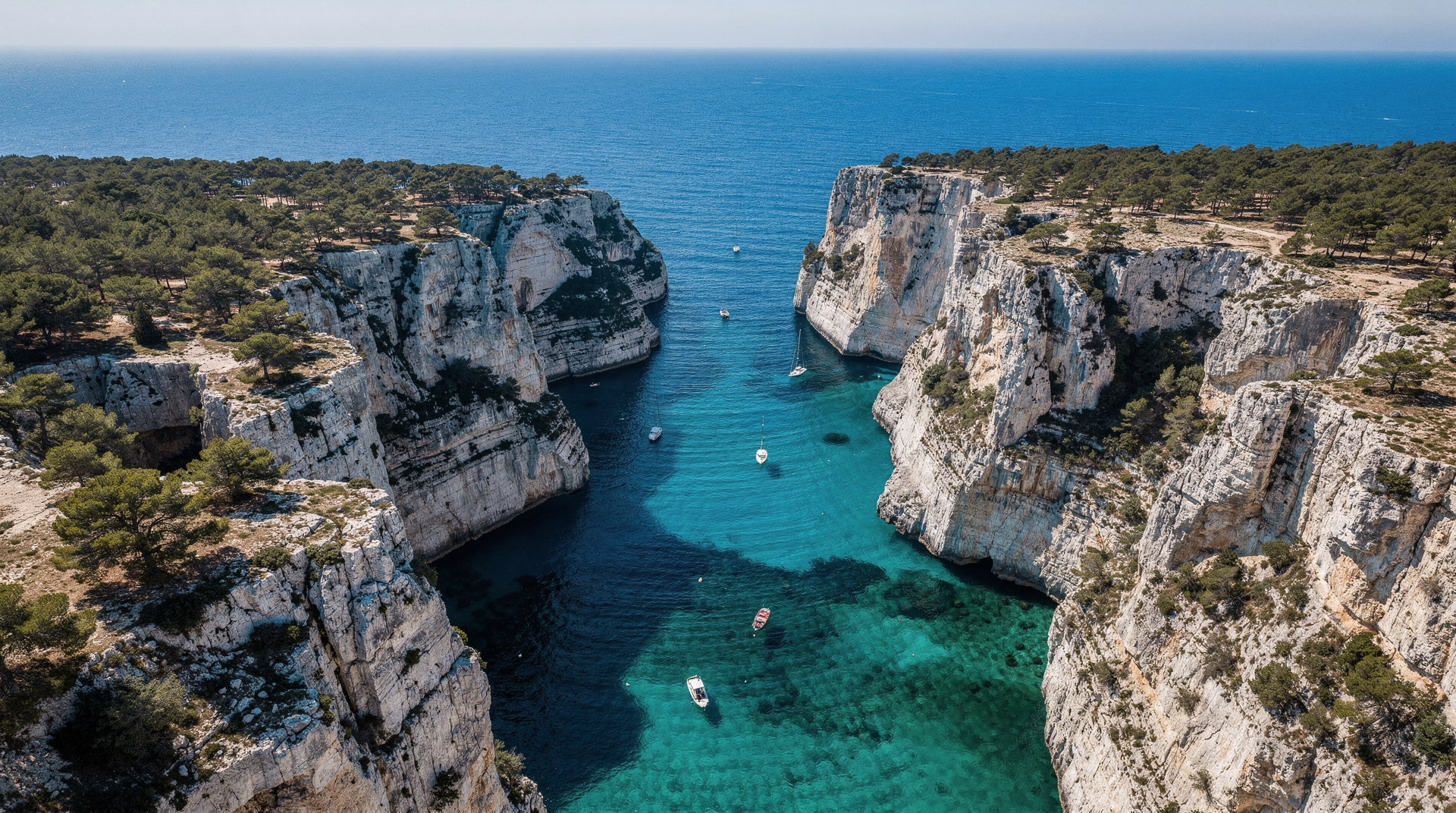
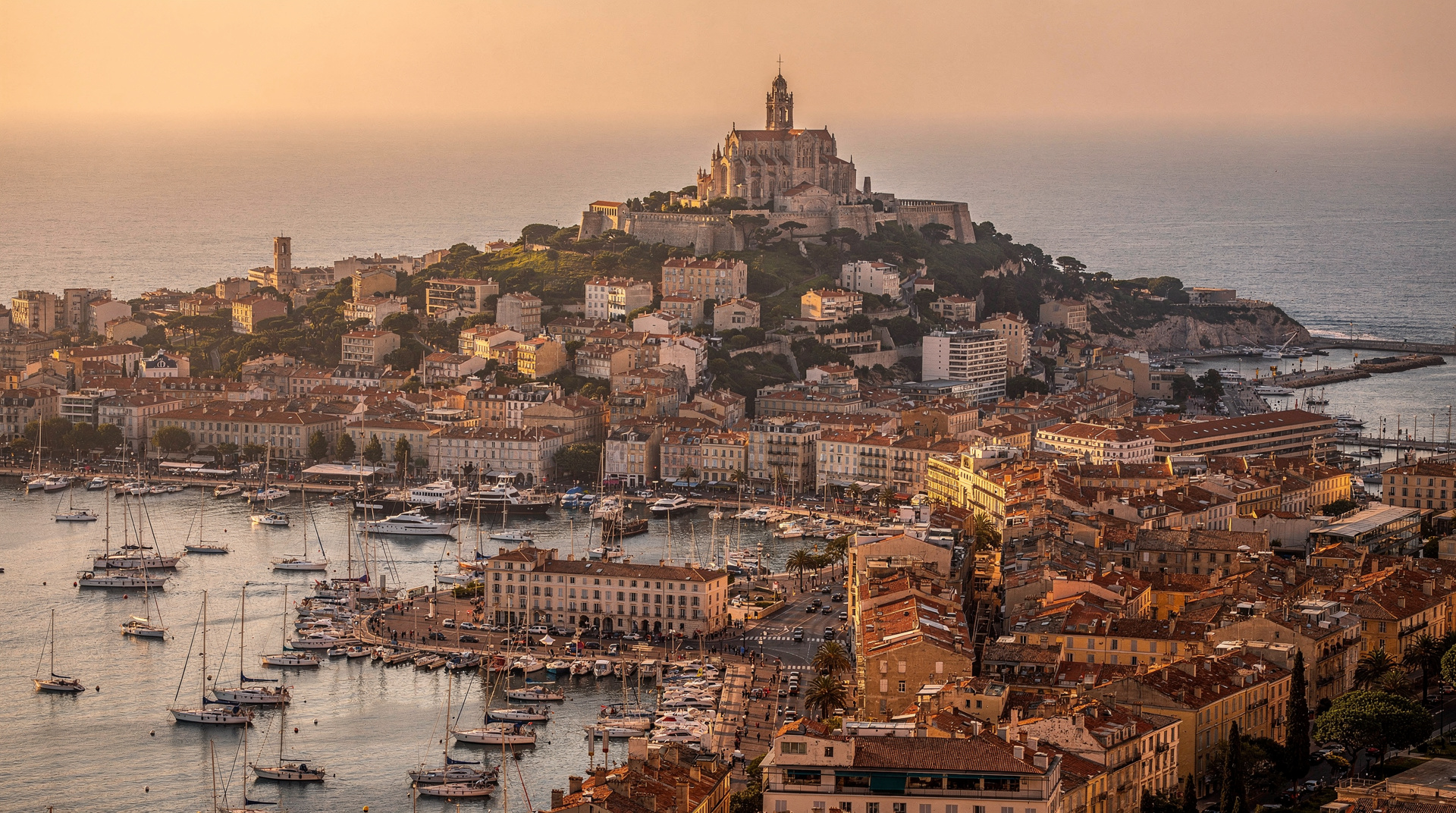
Marseille has many faces. Les Goudes is the one that stays after the others fade. A cluster of fishermen’s houses pressed against a small harbour at the foot of white limestone cliffs, it sits at the southernmost edge of the city — the point where urban Marseille simply runs out and the Calanques begin.
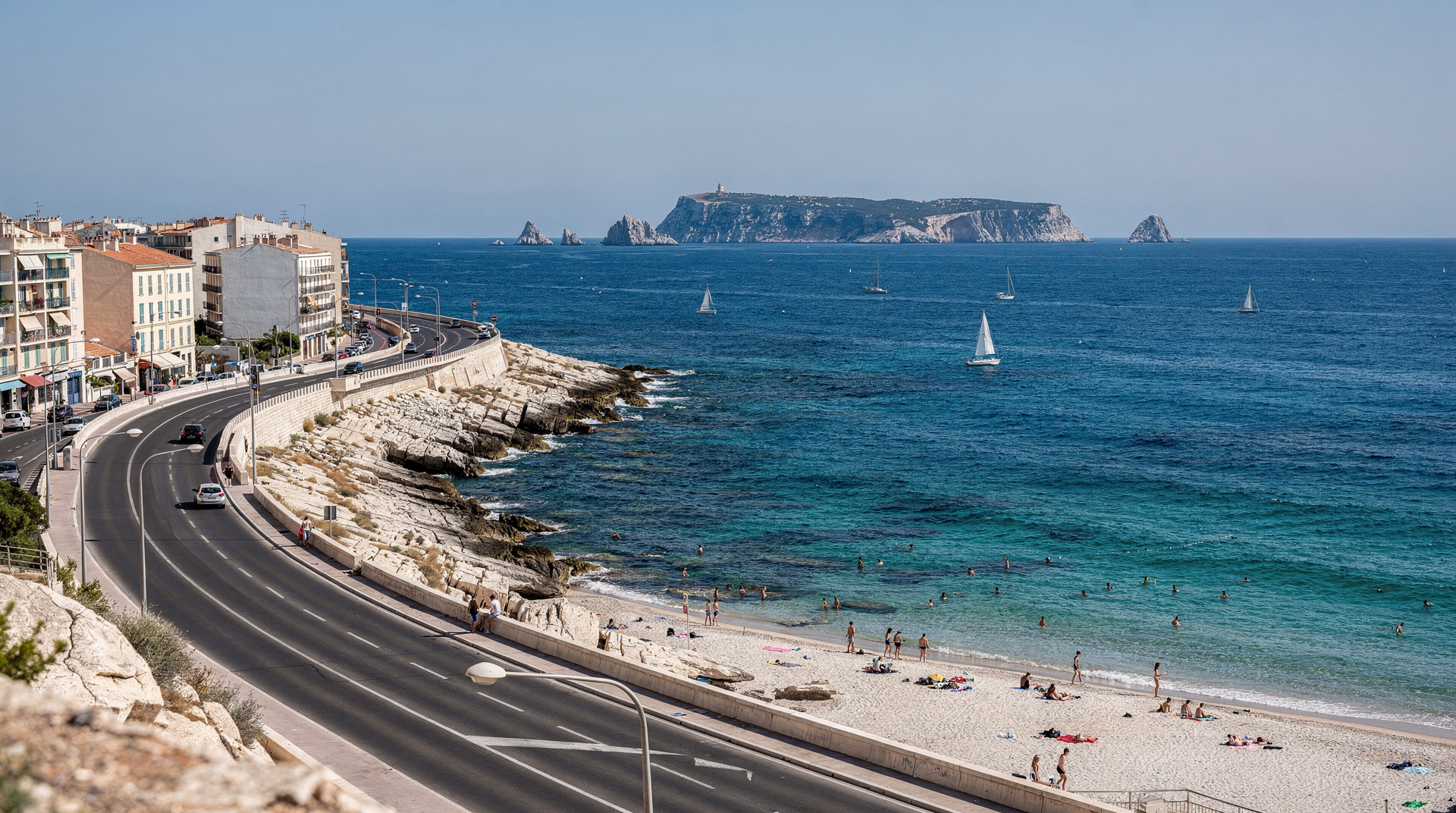
There are no souvenir shops here. No tourist information office. The road from the Prado beaches narrows as it approaches, the city apartment blocks drop away, and what remains is: a harbour, a few restaurant terraces, boats, rocks, and a view across the Bay of Marseille that opens all the way to the Frioul archipelago. Locals call this stretch of coast “le bout du monde” — the end of the world — with the particular affection Marseillais reserve for things that make them feel the city belongs to them and not to the visitors.
Getting here
By car: Les Goudes is about 14 km south of the Vieux-Port via the Corniche President Kennedy and then the Route de la Goudes. Journey time in normal traffic is 20–25 minutes. In July and August, this becomes a different matter entirely — the road is one of the narrowest routes to the sea in Marseille and parking is brutally limited. Arrive before 9:00 or come by another means.
By bus: Bus line 20 from Rond-Point du Prado (on the Prado beach side) runs all the way to Callelongue, passing through Les Goudes. Journey takes around 30–40 minutes depending on traffic. This is genuinely the better option in summer and avoids the parking situation entirely. Check RTM Marseille schedules in advance as frequency varies by season.
By sea shuttle or SUP tour: From late spring, sea shuttles and guided stand-up paddleboard tours operate from the Vieux-Port and Pointe-Rouge toward Les Goudes. These are the most enjoyable approach — arriving by water gives you the limestone cliff perspective that road arrivals never see.
The village itself
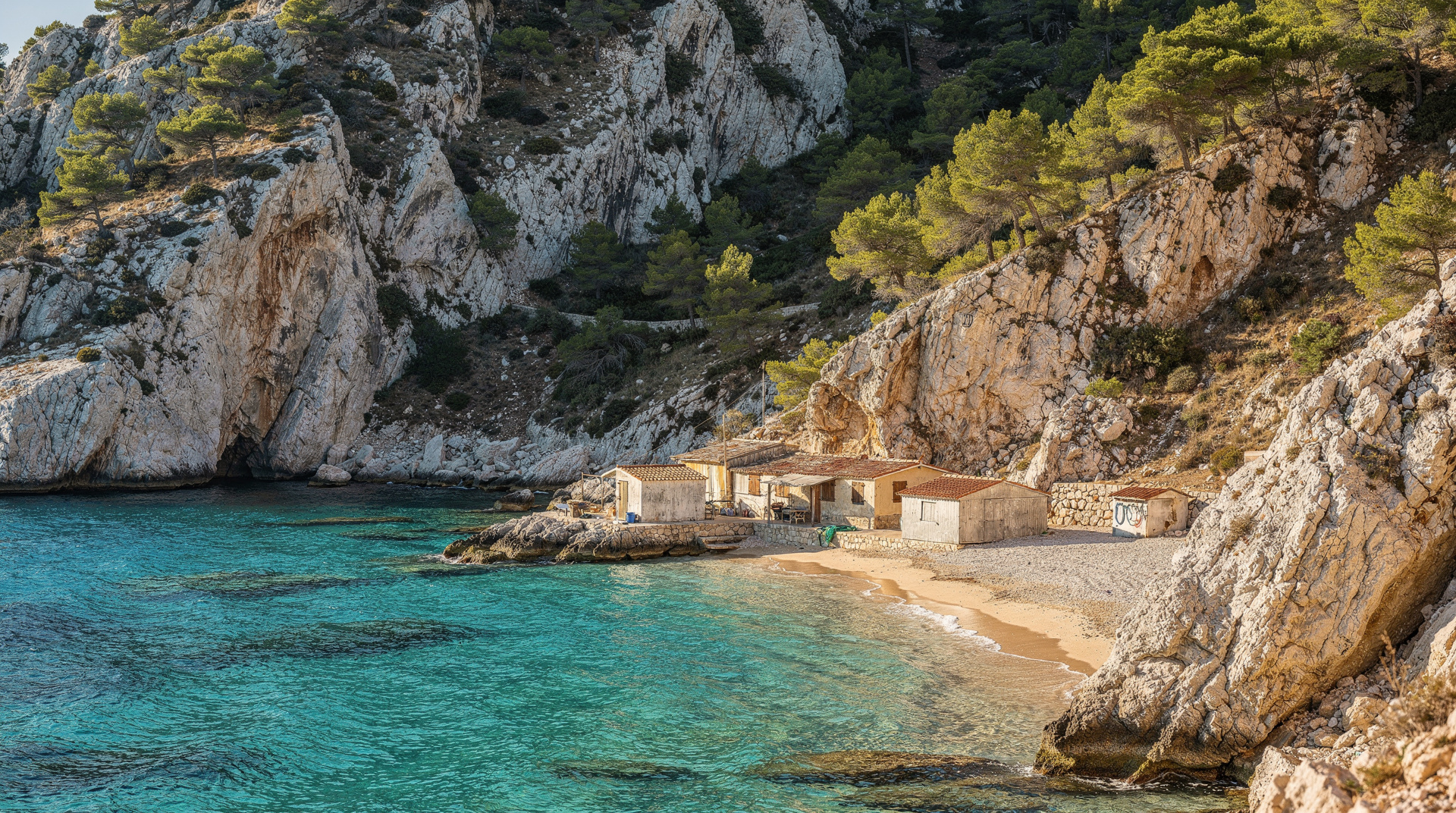
Honest description: it is tiny. A single harbour curve, maybe 80–100 houses, a short quai with fishing boats and a few pleasure craft. The cabanons (traditional stone fishermen’s sheds) that line the water’s edge are privately owned and not open to visitors, but they form the defining visual character of the place — low, functional, weathered, completely at odds with the rest of modern Marseille.
There are three or four restaurants, all focused on fish. Prices are reasonable by Marseille standards. The quality depends heavily on the day’s catch. This is where you eat grilled daurade or loup de mer with a glass of cold rosé and watch small boats come and go without needing to be anywhere else.
Do not expect a beach. The two small swimming spots — Les Goudes beach and La Maronaise — are rocky, unlifeguarded, and packed on summer weekends. Their appeal is the water quality and the absence of any beach infrastructure: no parasol hire, no DJ, no organised queue. You pick your rock, you swim.
Gateway to the southern Calanques
The greater value of Les Goudes is where it positions you — at the start of the most accessible section of the southern Calanques coastline.
On foot toward Callelongue: Bus line 20 ends at Callelongue, a further 3 km south of Les Goudes. From Callelongue, marked trails lead into the Calanques massif, eventually connecting (after several hours of serious hiking) to Morgiou, Sormiou, and beyond. This is not a casual walk — proper footwear, water, and fire-risk awareness are essential. In summer (July–August), trail closures due to fire risk are common; check with the Calanques National Park before setting out.
By SUP or kayak: The coastline immediately east and west of Les Goudes harbour is accessible by paddleboard and kayak without the trail-closure complications. You can explore the smaller rocky inlets, find spots that no hiking trail reaches, and return to the harbour for lunch. Guided SUP tours departing from the Vieux-Port pass through Les Goudes as one of the key stops on the southern coast route.
The Calanques beyond: For Sormiou and Morgiou, the closest full calanques with their distinctive coves and cabanons, the road access has its own restrictions (see below). Les Goudes is the staging point for understanding this coastline rather than the endpoint.
Summer access reality
The road through Les Goudes and toward Sormiou and Morgiou is subject to motorised vehicle restrictions from approximately April through August. From June 15 to August 31, the road is closed to non-authorised vehicles daily from 7:00 to 19:00 — residents, permit holders (cabanon owners), and restaurant patrons with reservations are exceptions, but general visitors are not.
What this means in practice: in summer, you walk or take the bus. Plan accordingly. The restrictions exist because the road is genuinely incapable of handling tourist volumes safely, and because fire risk in the massif is at its highest during this period.
Sunset at Les Goudes
If there is one experience that justifies the bus journey, it is this. The harbour faces roughly south-southwest. In summer, sunset light hits the limestone cliffs in warm orange tones while the Bay of Marseille turns through successive shades of blue. By the time the sun drops below the horizon — around 21:15–21:30 in July — the fishing boats are quiet and the restaurant terraces are half-empty as people have drifted to the rocks at the water’s edge.
There is no better-lit, less commercially curated sunset in the city. Notre-Dame de la Garde gets the famous view; Les Goudes gets the real one.
Practical notes
No shops: Les Goudes has no supermarket, no boulangerie, and no pharmacy. Bring everything you need. Water, sunscreen, a hat, and snacks if you plan to hike. There is no shade on the coastal trail once you leave the village.
Dogs: The rocky inlets around the harbour are popular with people who bring dogs to swim. It is one of the more dog-friendly stretches of the Marseille coast.
Photography: The combination of white limestone, turquoise water, and traditional cabanons is visually very strong. Arrive early or late to avoid harsh midday light and to have the harbour for yourself. Avoid weekends in July and August if you want photographs without crowds in the frame.
Combining with the Prado: A logical half-day pairs a morning session at the Prado beaches or Corniche with an afternoon at Les Goudes for the quieter water and the sunset. The bus connects them directly.
For the full Calanques picture — fire-risk closures, reservation requirements, and season-by-season access — see the Calanques National Park guide. For the two closest full calanques to Marseille, see Sormiou and Morgiou. For the complete context of how Les Goudes fits into Marseille’s coastal geography, the day trips from Marseille guide and the best beaches in Marseille guide cover the full range of options.
Snorkelling and swimming quality
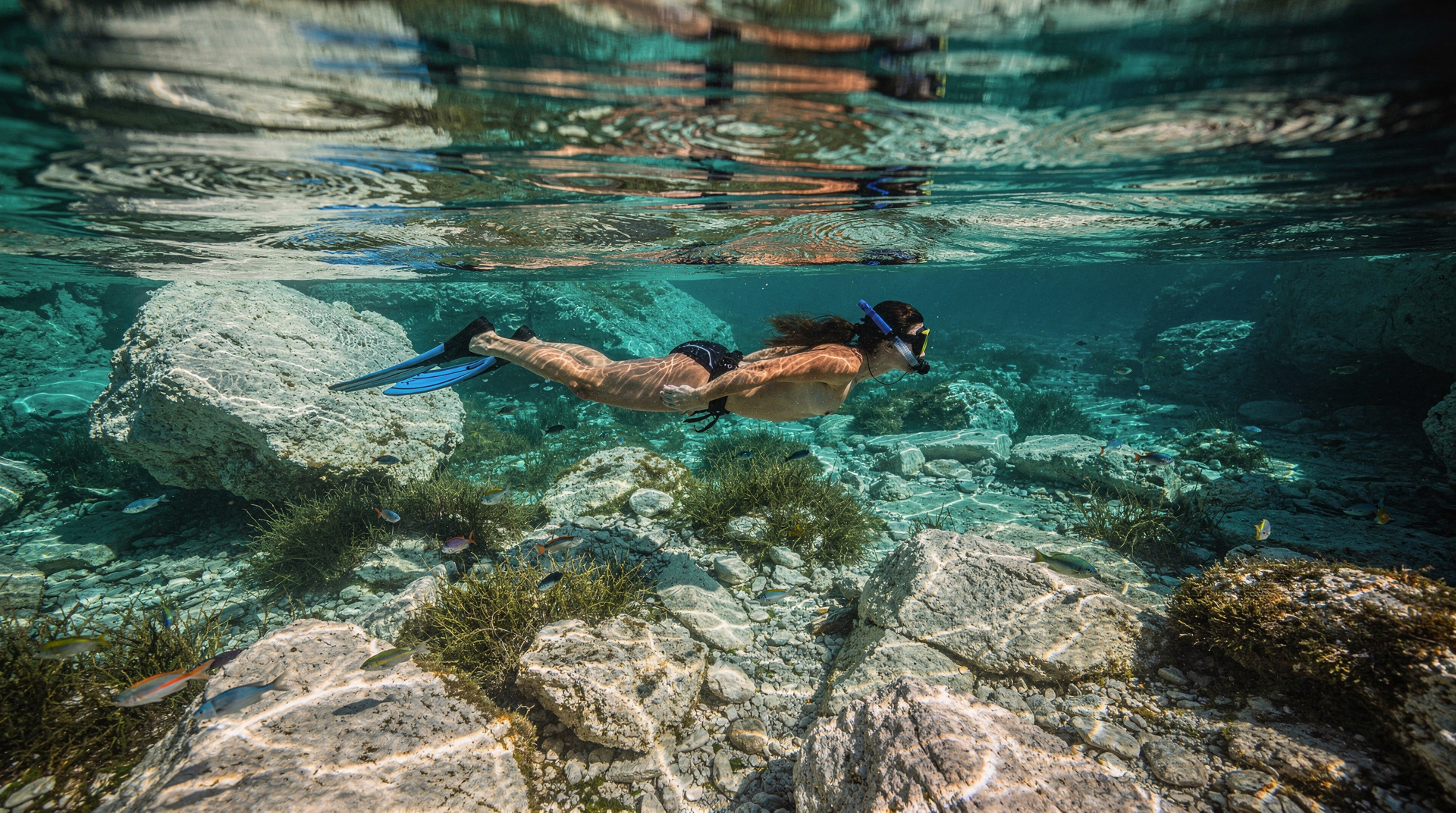
The water off Les Goudes is noticeably clearer than the more urban stretches of the Marseille coast closer to the Vieux-Port, largely because there is no marina traffic or beach infrastructure to disturb the sea floor. Snorkelling around the harbour rocks and the small coves toward Callelongue turns up sea urchins, small fish, and — if you go a little further by SUP or kayak — the occasional octopus in the rock crevices. There is no equipment rental in the village itself; bring your own mask and fins, or join a guided snorkelling session that departs from elsewhere on the coast, such as the one covered in our Corniche and Prado beaches guide.
Why locals protect this place
The strict summer road closures and the near-total absence of commercial development are not accidental. Les Goudes sits at the administrative edge of the Calanques National Park, and the same fire-risk and overcrowding pressures that shape access to Sormiou and Morgiou apply here, just with less name recognition and therefore less tourist pressure.
Residents and cabanon owners have consistently resisted proposals to widen the road or add parking capacity, on the reasoning that the fragility of the coastline is the whole point. That resistance is why Les Goudes still feels, decades on, like the edge of somewhere rather than a stop on a circuit — and why it pairs well with the more comprehensive picture in the Marseille destination guide.
How to pace a visit
Les Goudes works best when you stop treating it as a sight and treat it as a place to slow down. Arrive without a checklist, walk the length of the quai, sit on the rocks, and let the afternoon decide the rest. Visitors who try to squeeze it between two other stops usually leave feeling that they saw very little; those who give it a full late afternoon tend to remember it as the calmest hours of their trip.
A sensible rhythm is a slow walk first, then a swim from the rocks if the weather allows, then a long fish lunch or an early dinner on a terrace, and finally the walk back along the water as the light turns. If you are travelling by bus, check the return times before you settle in, so that the sunset is something you enjoy rather than something you worry about.
Pairing Les Goudes with other stops
Because the village is so small, it rewards being combined with something larger. The most natural partner is the seafront of the Prado and Corniche beaches, which lie on the same bus route and make an easy morning before the quieter afternoon here. If you prefer a contrast, spend the day on the water instead: the Frioul islands face the same bay and look back at this coastline from the other side.
For travellers who want the wider picture of the coast, the Calanques national park guide explains how the whole massif fits together, while which Calanque to visit helps you choose between the better-known coves. Anyone hoping to walk rather than ride can start with hiking the Calanques and read the Calanques hiking safety notes before leaving the village on foot.
On the water rather than on the road
Paddling is the best way to understand why people love this coast. Stand-up paddleboarding in the Calanques and kayaking the Calanques both give you access to inlets that no path reaches, and snorkelling near Marseille covers the clear shallows that make the sea here so appealing. If you would rather be carried than paddle, the Calanques boat tours show the same cliffs from a seat, and boat tours with swimming add a stop in the water.
Timing your trip around the season
Les Goudes changes character with the calendar. In spring and early autumn the village is calm, the light is soft and the trails are pleasant, which is why those months are the ones we recommend. In high summer the restrictions, the heat and the crowds on the rocks make planning matter more. The Calanques summer access rules and the guide to visiting the Calanques by season will help you decide when to come, and avoiding crowds in the Calanques offers practical ways to find quiet corners even on a busy day.
If you are still shaping the rest of your stay, where to stay in Marseille and getting around Marseille cover the practical side, and the Marseille Calanques weekend itinerary shows how a coastal day like this one can sit inside a longer plan. For a first-hand account of the same coastline, read our favourite Calanque.
Frequently asked questions about Les Goudes
Can you drive to Les Goudes in summer?
Only partway, and only outside the restricted hours. From June 15 to August 31 the road toward Sormiou and Morgiou beyond Les Goudes is closed daily 7:00–19:00 to non-residents; Bus 20 from Rond-Point du Prado is the reliable option in that period.
Is Les Goudes worth visiting if you have only one day in Marseille?
Generally no — with a single day, prioritise the Vieux-Port, Le Panier, and Notre-Dame de la Garde. Les Goudes rewards a second or third day, ideally in the late afternoon, once the essential sights are covered.
Top experiences
Bookable activities with verified prices and instant confirmation on GetYourGuide.