Provence wine routes: self-drive circuits, official routes, and the best 3-day itinerary
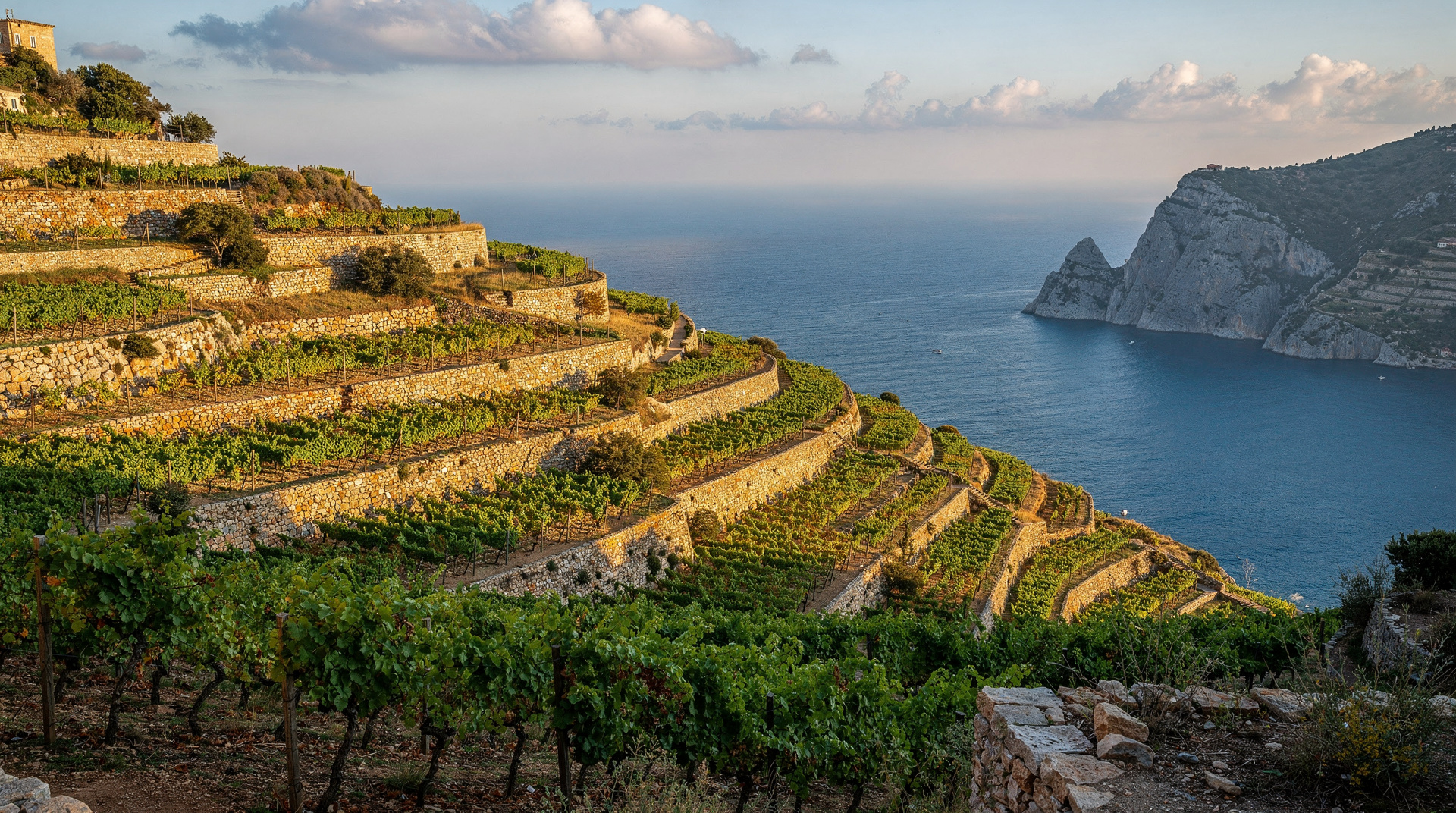
Cassis, Bandol, Le Castellet wine tour: cliffs and vineyards
Duration: Full day
What are the main wine routes in Provence and how do I follow them?
The main self-drive wine routes are the Côte de Provence coast route (Bandol to Sainte-Victoire), the Coteaux d'Aix circuit around Mont Sainte-Victoire, and the Châteauneuf-du-Pape route from Avignon. All are signposted but require a car. Organised full-day tours are the practical alternative without a vehicle.
| At a glance | |
|---|---|
| Where | Coastal (Cassis–Bandol), inland (Sainte-Victoire/Coteaux d’Aix), and northern (Châteauneuf-du-Pape from Avignon) |
| Cost | Around EUR 200–350 per person for a full 3-day itinerary, tours or self-drive |
| Time needed | 1 day per route minimum; 3 days for the full circuit |
| Getting there | Car for the inland routes; TER train covers Cassis and Bandol without driving |
| Best time | April–June and September–October for comfortable estate visits; avoid the peak heat of July–August afternoons |
Wine touring in Provence: the full picture
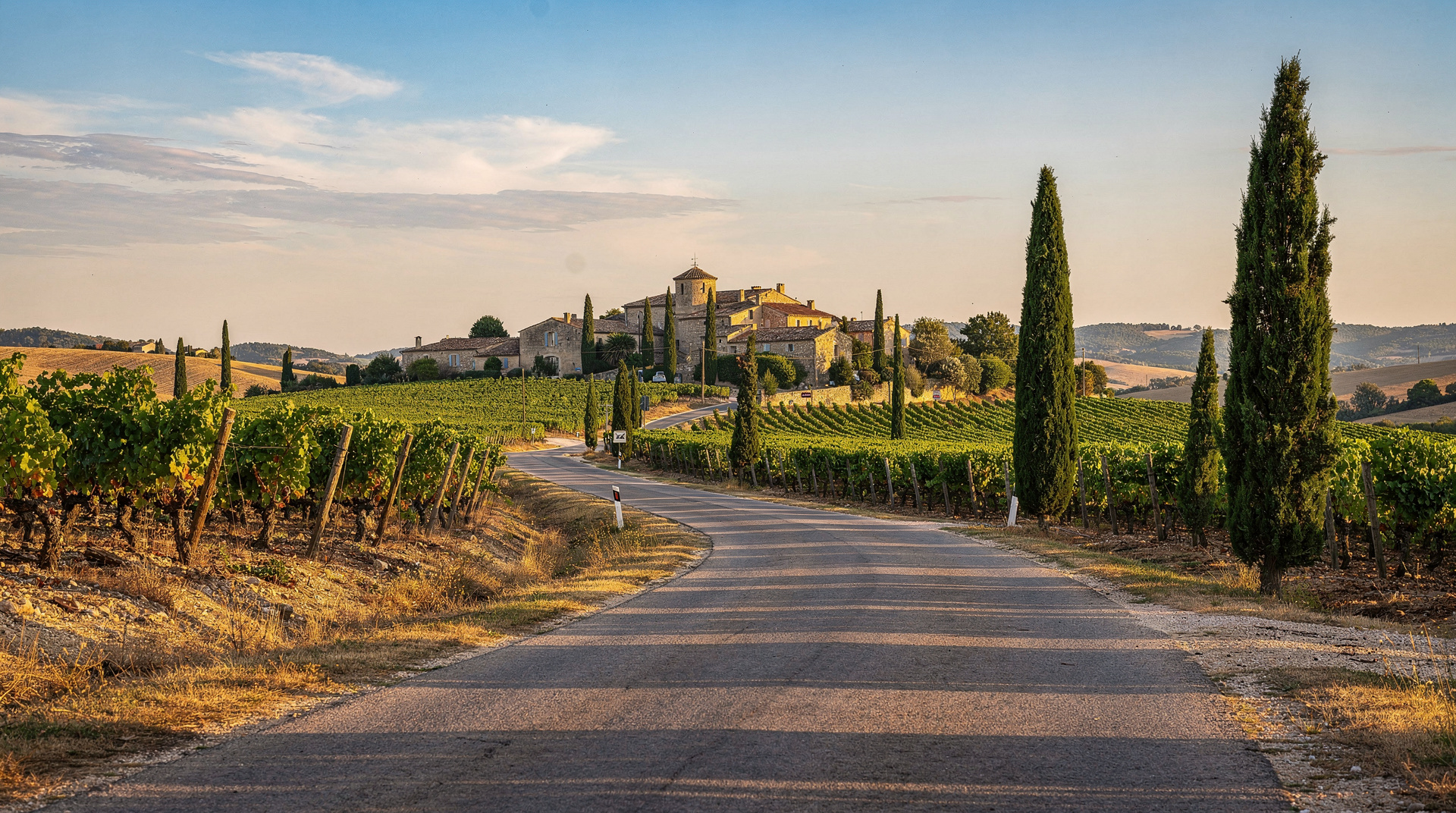
Provence is the world’s leading producer of rosé wine by volume and recognition. Its coastal appellations (Cassis, Bandol) are among the most distinctive in France. Its inland wine territories — Coteaux d’Aix, Coteaux Varois, Côtes de Provence Sainte-Victoire — cover the landscape between the Mediterranean coast and the pre-Alps. And its northern extension, through Avignon to Châteauneuf-du-Pape and the southern Rhône villages, adds a completely different wine character to the Provençal palette.
This guide organises the Provence wine routes for visitors based in Marseille, covering self-drive circuits, organised tour options, and a practical 3-day wine itinerary that can be used as a framework or adapted to shorter visits.
The official wine route system
La Route des Vins de Provence is the overarching official wine tourist circuit, administered by the Conseil Interprofessionnel des Vins de Provence (CIVP). The route connects approximately 230 estates and wine-related sites across the Var and the eastern Bouches-du-Rhône, with brown road signs marking the approved itinerary. In practice, the official route is more of a directory than a single driveable circuit — the territory is too large (Cotignac to Cassis, Brignoles to the coast) to drive in a single day.
The official route is most useful as a framework for identifying which estates are open to visitors — the brown-sign designation indicates that a property has been certified as visitor-friendly. Not every good Provence wine estate is on the route (some prefer to deal only with the trade), and not every route-signed estate is excellent. Use it as a starting list, not an endorsement.
Route 1: The coastal wine route — Cassis to Bandol
Distance: 35 kilometres by the coastal D559 between the two village ports (direct); longer via the inland detour through Le Castellet. Best for: First-time Provence wine visitors; contrasting appellation styles; accessible without a car via the TER train. Driving time (point to point): 45 minutes direct; 1 hour 30 via Le Castellet.
This is the most naturally coherent Provence wine route from Marseille — two contrasting appellations on the same coastal strip, connected by one of the most scenic driving roads in the region.
Morning: Cassis Base in Cassis. The estate tastings are above the village on hillside roads — the electric buggy winery tour handles this most efficiently, covering 2–3 domaines in 90 minutes. Key domaines: Clos Sainte-Magdeleine, Domaine La Ferme Blanche, Château de Fontcreuse. Focus on the white (marsanne and clairette blends) — this is what the appellation does best.
Midday: the scenic drive via La Ciotat The Route des Crêtes from Cassis over Cap Canaille to La Ciotat is one of the best coastal drives in France — dramatic limestone cliffs, sea views on both sides, the distinctive orange-red geology of Cap Canaille contrasting with the white Calanques visible back toward Marseille. Allow 45–60 minutes including stops at the viewpoints.
Afternoon: Bandol via Le Castellet From La Ciotat, the D559 continues west toward Bandol. The inland detour north through Le Castellet (the medieval hilltop village above the appellation, close to Domaine Tempier’s vineyards) adds 30 minutes and is worth taking. Estate visits in the afternoon at Château de Pibarnon (La Cadière-d’Azur, call in advance) or at one of the cave shops in Bandol port. Focus on the Mourvèdre-heavy reds and the appellation’s structured rosé — the contrast with the Cassis white from the morning will be sharp and illuminating.
Return to Marseille: The TER from Bandol to Marseille (50 minutes) allows a wine-friendly return if the afternoon tasting has been thorough. Leave your car in Cassis and take the train from Bandol, returning by train to Cassis the next morning. Or drive back to Marseille (45 minutes via the A50) if the afternoon was restrained.
For the organised version: Multiple GetYourGuide tours cover the Cassis + Bandol wine circuit from Marseille in a single departure, with a driver and guide included.
If you want more depth on either end of this route before you go, the Cassis wine guide explains what the white wines of the appellation taste like and which estates welcome visitors, while the Bandol wine guide covers the Mourvèdre reds and the structured rosé. Reading both beforehand makes the contrast between the two tasting days easier to appreciate, and it helps you decide how much time each stop deserves. For the practicalities of reaching the coast without a car, see the Marseille to Cassis transport guide.
Route 2: The Sainte-Victoire and Coteaux d’Aix circuit
Distance: Approximately 80 kilometres for the full loop from Aix-en-Provence. Best for: Provence rosé in its inland character; Cézanne countryside context; Aix as the base. Driving time: Half-day circuit from Aix.
The Côtes de Provence Sainte-Victoire sub-appellation covers the eastern Bouches-du-Rhône around Mont Sainte-Victoire — the mountain Cézanne painted obsessively. The wine estates in this zone are in a cooler, more continental microclimate than the coastal Var, producing rosés with higher acidity and more structure than the coast appellations, alongside some interesting reds.
The route: From Aix, east on the D17 (Route Cézanne) through Le Tholonet to the Bibémus plateau. Continue east toward Saint-Antonin-sur-Bayon — the Sainte-Victoire wine zone is centred on the villages of this corridor. Return to Aix via Pourrières and the southern face of the mountain, or continue east to Trets for additional estate visits.
Key estates in the zone: Several estates are open with or without appointments in this corridor; the Aix-en-Provence tourism office maintains a current list. The half-day Cézanne countryside wine tour from Aix covers this circuit with a professional guide and estate appointments included.
The art bonus: Doing this route as a wine visitor with even passing awareness of Cézanne’s obsession with Sainte-Victoire adds an unusual dimension — you are tasting wine grown in the landscape that produced some of the most important paintings in Western art. The two subjects (wine and painting) reinforce each other more naturally than expected.
Using Aix as your base: Aix-en-Provence is a comfortable place to start and finish this circuit, because the city itself rewards a slow morning before you head out to the vines. The Aix-en-Provence destination page lays out the old town, the markets and the Cézanne sites, and the Marseille vs Aix-en-Provence comparison helps if you are still deciding where to sleep. Travellers who prefer to stay on the coast can still do the circuit as a long day out, joining a guided departure so that nobody has to drive between estates.
Route 3: The Châteauneuf and southern Rhône circuit from Avignon
Distance: From Avignon: Châteauneuf-du-Pape (25 min north), Gigondas (45 min northeast via Beaumes-de-Venise), Vacqueyras (50 min northeast). Best for: Red wine enthusiasts; galets roulés terroir; Grenache-dominant blends; the most prestigious Rhône appellations. Base: Avignon (1 hour from Marseille by TGV). The circuit requires a car from Avignon.
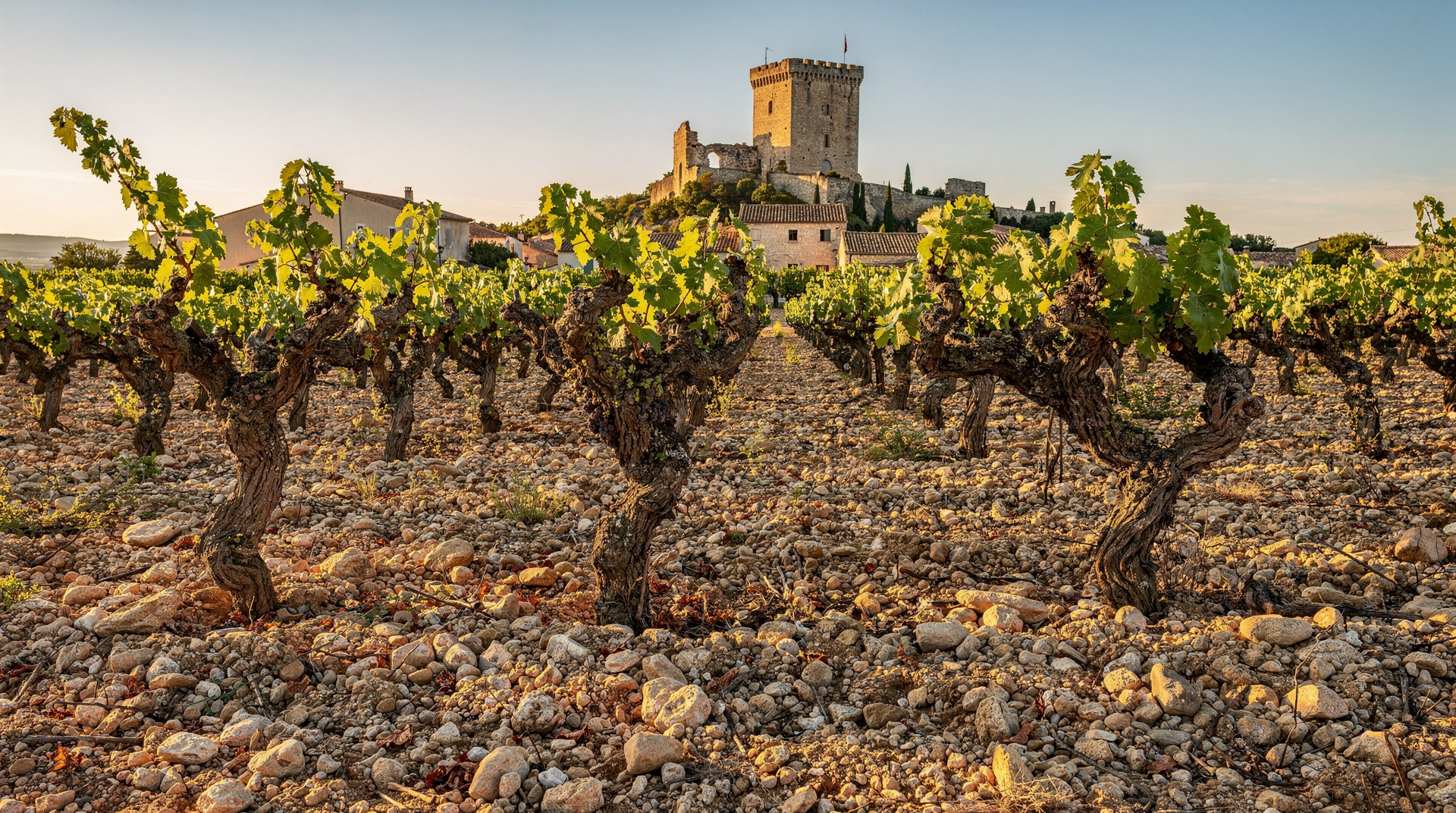
See our Côtes du Rhône guide and Châteauneuf guide for the detailed itinerary and estate information. This route is distinctly different from the coastal Provence circuit — the wines are more powerful, more tannic, and more age-worthy; the landscape is the flat Rhône plain and the Dentelles de Montmirail; the atmosphere is less resort-friendly than the coast.
One-day circuit from Avignon: Morning in Châteauneuf (Vinadea tasting room + one domaine). Lunch in Châteauneuf or Orange. Afternoon in Gigondas or Vacqueyras. Return to Avignon by 18:00, TGV back to Marseille by 19:00–20:00.
Getting to the Rhône: the northern route depends on the rail connection, so read the Marseille to Avignon transport guide before fixing your timings. The Avignon destination page is useful if you decide to stay overnight, and the Châteauneuf-du-Pape destination page gives a feel for the village itself, which is small enough to explore on foot between tastings.
How to taste well on any route
A wine route works best when you treat it as a sequence of conversations rather than a checklist of cellar doors. A few habits make every route more rewarding:
- Pace yourself. Two or three estates per half-day is plenty. Tasting at more than that blurs the wines together and leaves little room for lunch.
- Eat between estates. A proper lunch, ideally at a port or village restaurant, resets your palate and keeps the afternoon enjoyable.
- Ask about the vintage and the grapes. Producers are generally happy to explain what makes their plot distinctive, and the answers teach you more than any label.
- Spit without guilt. Spitting is normal at serious tastings and is the sensible way to keep your judgement and, if you are driving, your licence.
- Buy what you liked, not what you felt obliged to buy. There is no expectation to leave with a case from every estate.
If you are still comparing options near the city, the wine tasting near Marseille guide collects the shorter outings that fit into a single afternoon, and the Marseille food and wine weekend itinerary shows how to fold a tasting day into a wider trip.
The 3-day wine itinerary
For visitors who want to experience the full range of wines accessible from Marseille:
Day 1 — The coast: Cassis and Bandol Morning: Cassis domaines (white focus). Midday: scenic drive via Cap Canaille and La Ciotat. Afternoon: Bandol domaines (red and rosé focus). Return to Marseille by evening. See Route 1 above for detail.
Day 2 — The inland: Aix and Sainte-Victoire Morning: Aix-en-Provence market and city orientation (40 min from Marseille by TER). Late morning: join the half-day Cézanne countryside wine tour for the Sainte-Victoire wine circuit. Lunch in the wine zone. Afternoon: return to Aix, in-city wine tasting session. Return to Marseille by evening.
Day 3 — The Rhône: Avignon and Châteauneuf Morning: TGV to Avignon (35–55 min from Marseille). Join the organised Châteauneuf-du-Pape half-day or full-day wine tour from Avignon (handles all transport). Afternoon: return to Marseille by TGV.
Budget estimate: The 3-day itinerary, including organised tours and wine purchases, runs approximately EUR 200–350 per person. Self-drive versions (car rental + individual tasting fees + wine) are in a similar range depending on what you buy.
Self-drive vs guided: the honest comparison
| Factor | Self-drive | Guided tour |
|---|---|---|
| Flexibility | High — your timing, your stops | Fixed itinerary and schedule |
| Estate access | Depends on individual appointments | Tour operator pre-arranges |
| Tasting freedom | Driver cannot taste fully | Entire group can taste |
| Cost | Car rental + fuel + tasting fees | Single tour price, no extras |
| Navigation complexity | Moderate — rural Provence roads | None |
| Language barrier | Can be an issue at some estates | Guide handles this |
The honest recommendation: For first-time visitors without specific producer relationships, organised tours provide better access and more wine freedom (since no one has to drive). For returning visitors with pre-arranged appointments at specific estates, self-drive gives more flexibility. The coast route (Cassis + Bandol) is the one route where the train removes the driver concern entirely.
If you are weighing whether to rent a vehicle at all, the guide to needing a car in Provence walks through the trade-offs in more detail, and the Côtes du Rhône guide shows how far a guided day can take you without one.
Combining the wine routes with the rest of the region
None of these three routes exist in isolation. The coastal route pairs naturally with a day at the Cassis beaches or a Calanques hike the following morning, since the two towns share the same train line. The Sainte-Victoire circuit works well tacked onto an Aix-en-Provence day trip — the market visit in the morning, wine in the afternoon. The Châteauneuf route from Avignon is the most self-contained, since it requires the TGV connection regardless; consider making it an overnight in Avignon rather than a rushed day trip if your schedule allows.
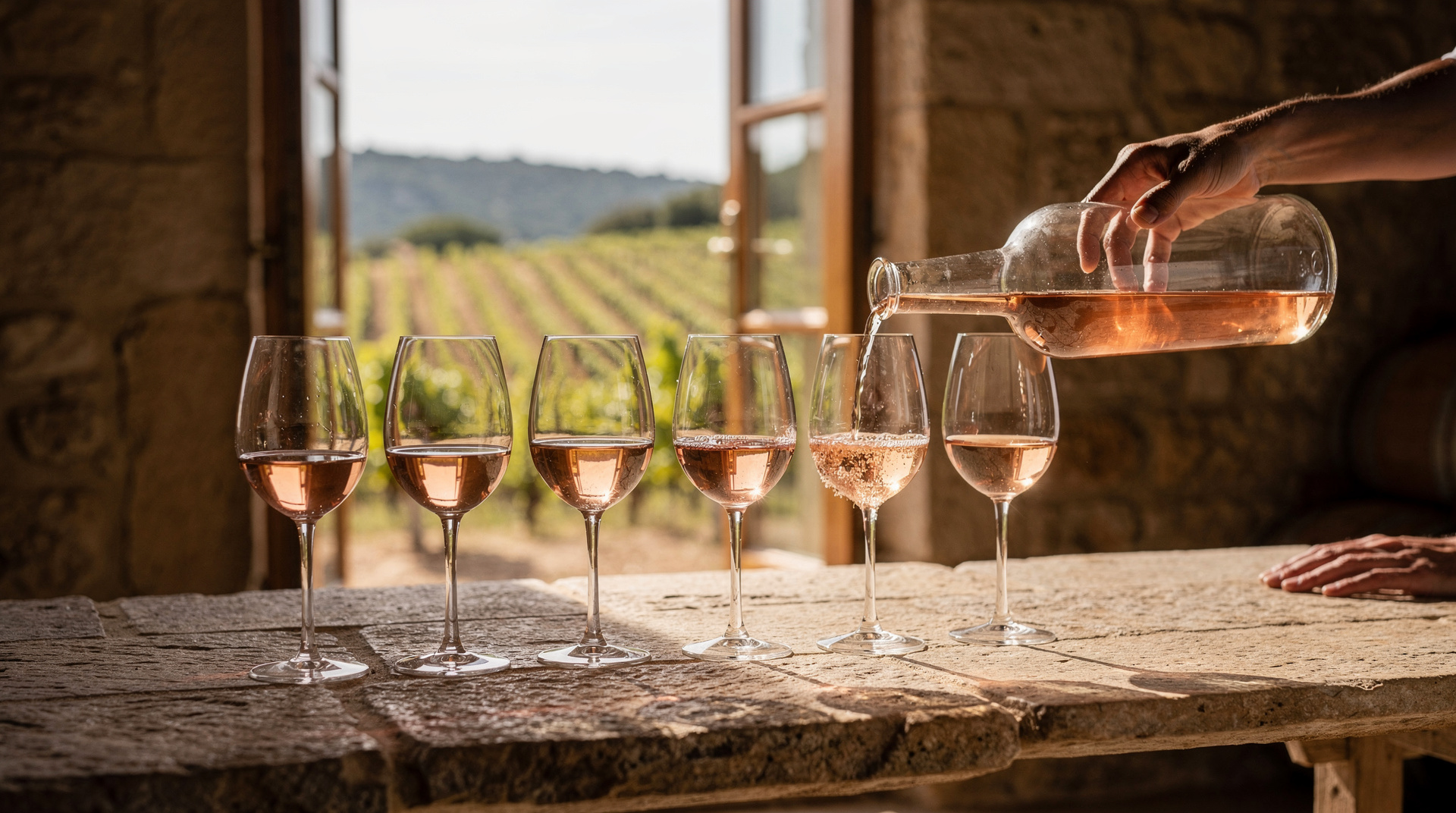
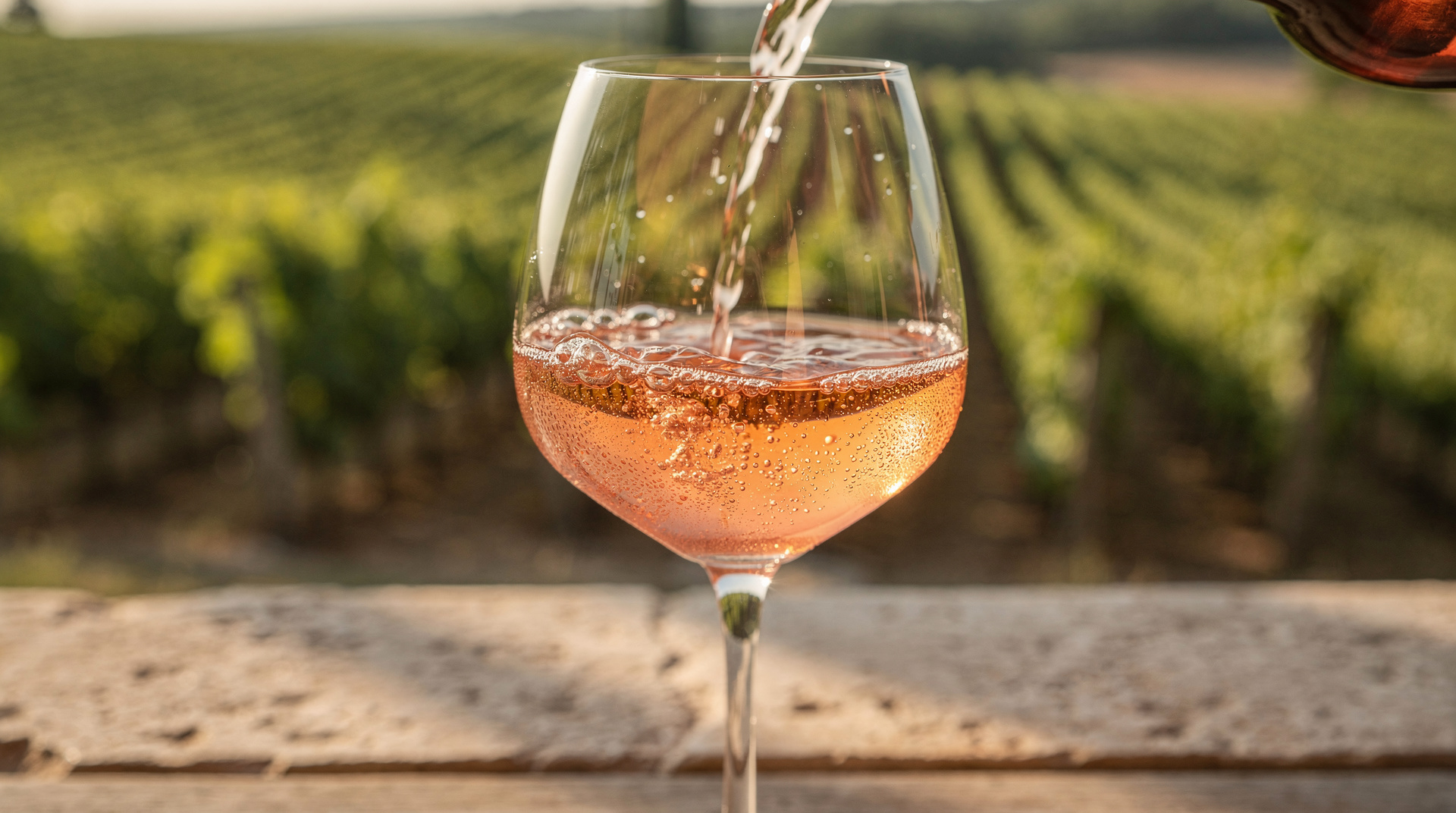
For visitors who want the wine style explained before choosing which route to prioritise, see the Provence rosé guide — since rosé dominates production on the coastal and inland routes, understanding what direct-press and AOC labelling mean makes the estate visits more rewarding.
Frequently asked questions about Provence wine routes
Do I need a car to follow the Provence wine routes?
For the self-drive wine circuits, yes — public transport does not serve the wine estates efficiently. However, organised tours from Marseille, Aix, and Avignon cover the key routes without requiring a car. The train connections to Cassis and Bandol allow two of the main appellations without driving.How many days do I need for a Provence wine tour?
A focused 3-day wine itinerary covers: Day 1 — Cassis and Bandol coast route. Day 2 — Coteaux d'Aix and Sainte-Victoire circuit. Day 3 — Châteauneuf-du-Pape and southern Côtes du Rhône from Avignon. This requires a car or a combination of trains and organised tours.What is the Côtes de Provence Sainte-Victoire wine route?
The Sainte-Victoire sub-appellation of Côtes de Provence covers the eastern Bouches-du-Rhône around Mont Sainte-Victoire. The wine route follows the D17 Route Cézanne east from Aix through Le Tholonet and the villages around the mountain, linking several estates that produce structured rosés and reds in a cooler microclimate than the coastal Var.What is the best Provence wine route for beginners?
The Bandol-Cassis coast route is the most accessible — two contrasting appellations, a coastal scenic route between them, and the TER train as a backup if driving is not preferred. Cassis whites in the morning, Bandol reds and rosé in the afternoon, with lunch at a port restaurant in between.Do I need a car to follow the Provence wine routes?
For the self-drive circuits, yes — public transport does not serve the wine estates efficiently. However, the TER train covers Cassis and Bandol from Marseille, and organised tours from Marseille, Aix, and Avignon cover the key routes.How many days do I need for a Provence wine tour?
A focused 3-day itinerary covers: Day 1 — Cassis and Bandol coast route. Day 2 — Coteaux d'Aix and Sainte-Victoire circuit. Day 3 — Châteauneuf-du-Pape and southern Côtes du Rhône.What is the Côtes de Provence Sainte-Victoire wine route?
The Sainte-Victoire sub-appellation of Côtes de Provence covers the eastern Bouches-du-Rhône around Mont Sainte-Victoire. The wine route follows the D17 Route Cézanne east from Aix through Le Tholonet and the villages around the mountain.What is the best Provence wine route for beginners?
The Bandol-Cassis coast route — two contrasting appellations, a coastal scenic route, and the TER train as a backup. Cassis whites in the morning, Bandol reds and rosé in the afternoon.Can I visit Provence wine estates without an appointment?
Some estates on the official Route des Vins de Provence accept walk-in visitors, especially larger producers with dedicated tasting rooms in Cassis and Bandol. Smaller estates, particularly in the Sainte-Victoire and Châteauneuf-du-Pape zones, generally expect a call or email ahead. When in doubt, book — it avoids arriving to a closed cellar door.What is the cheapest way to do a Provence wine route from Marseille?
The TER train to Cassis or Bandol (a few euros each way) plus walking to nearby tasting rooms is the lowest-cost option, avoiding both car rental and organised-tour prices. It limits you to the coastal route since the inland Sainte-Victoire and Châteauneuf circuits are not realistically reachable without a car or a booked tour.
Top experiences
Bookable activities with verified prices and instant confirmation on GetYourGuide.
Cassis, Bandol, Le Castellet wine tour: cliffs and vineyards
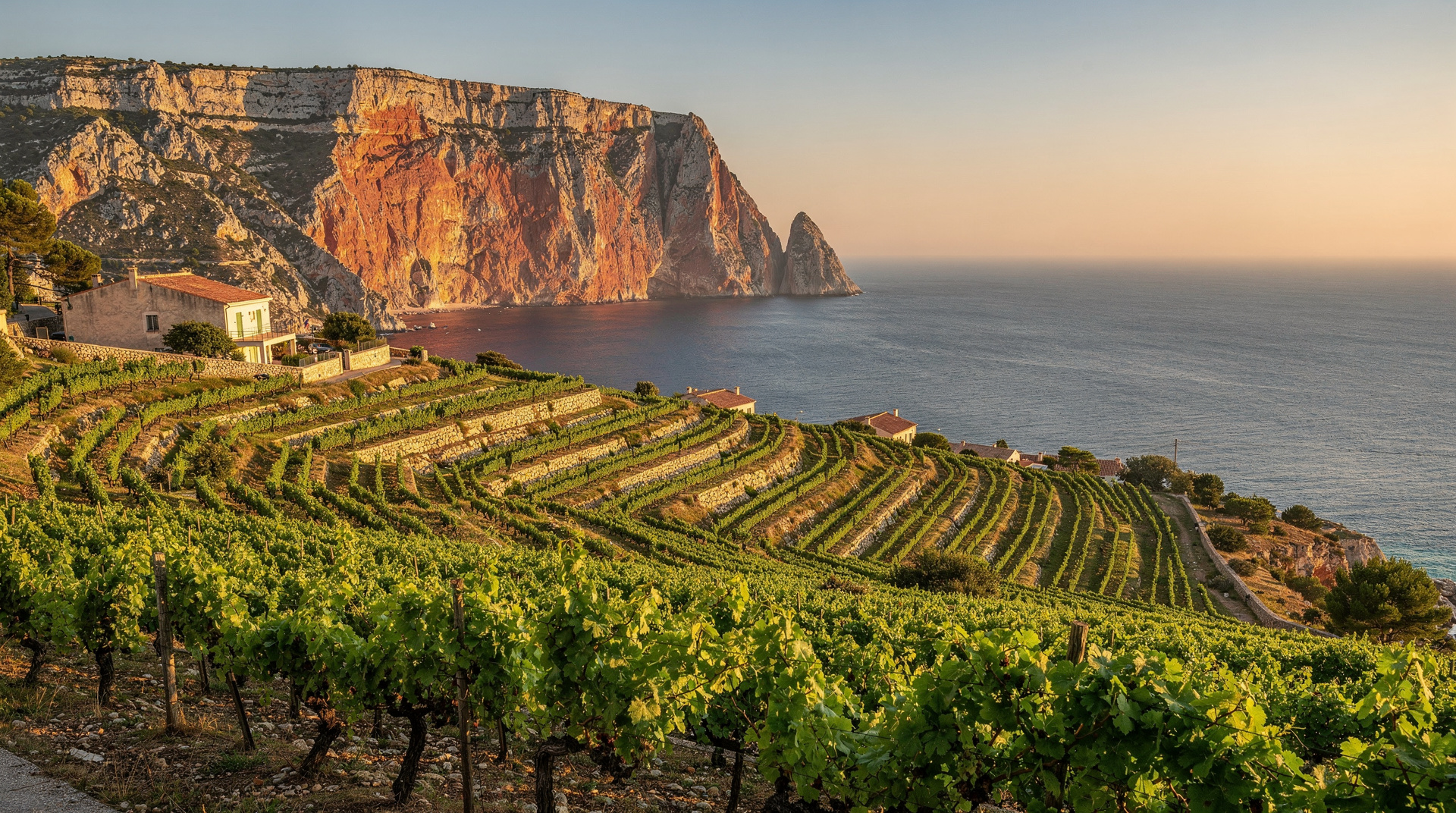
Bandol and Cassis: full-day wine tour from Marseille
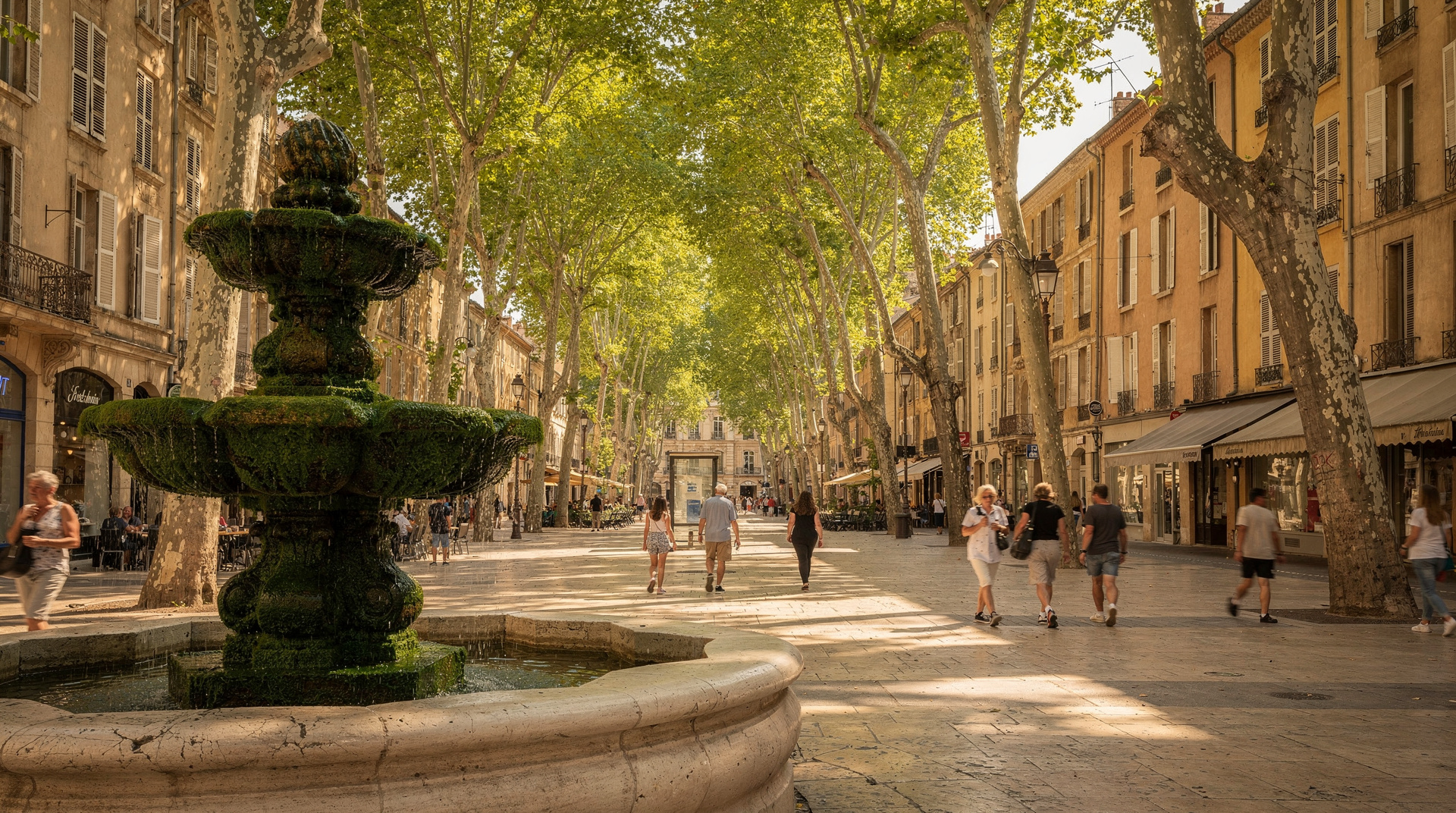
Aix-en-Provence: half-day wine tour in Cézanne's countryside
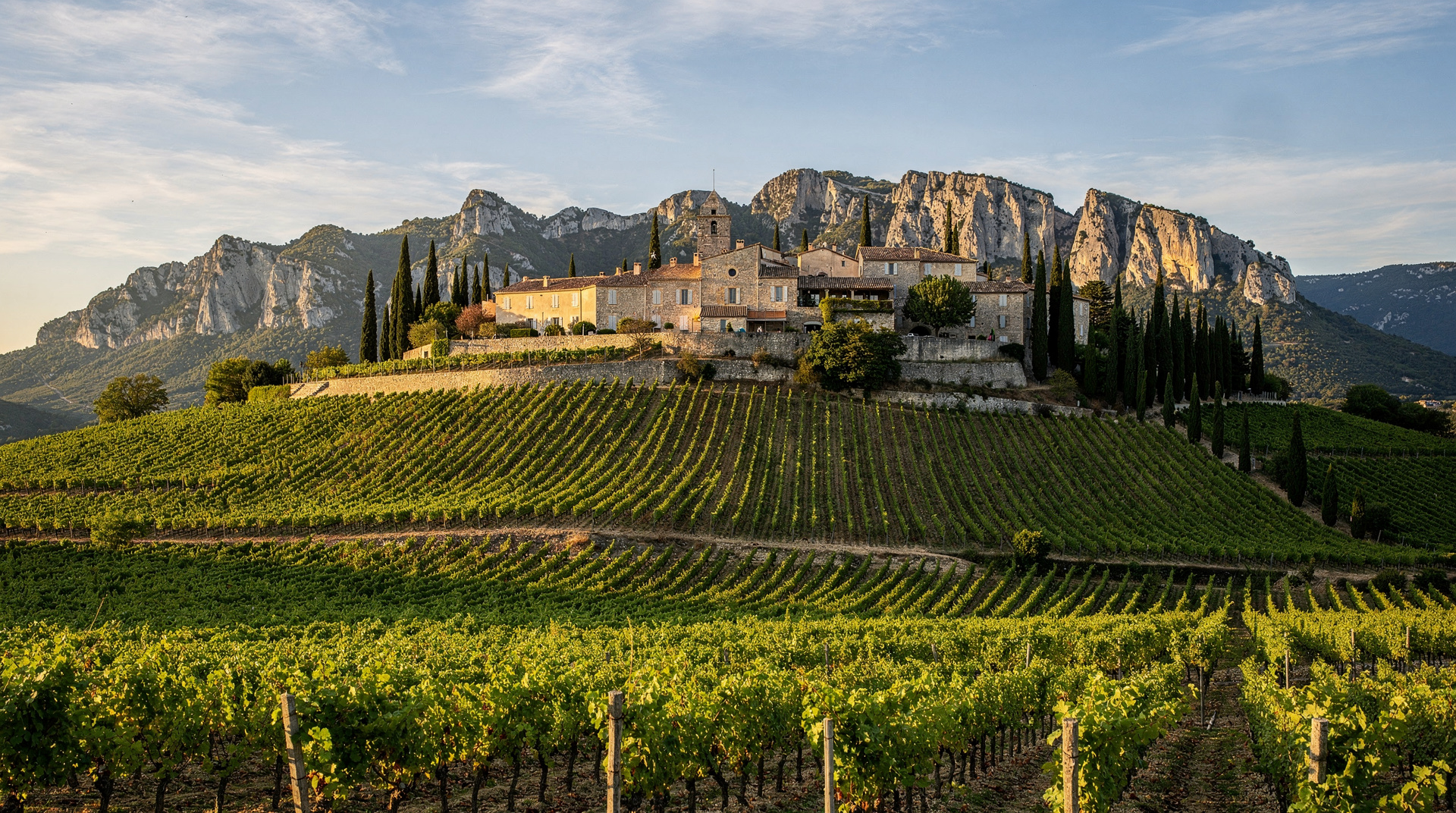
Marseille: Avignon and Côtes du Rhône wine-tasting day tour
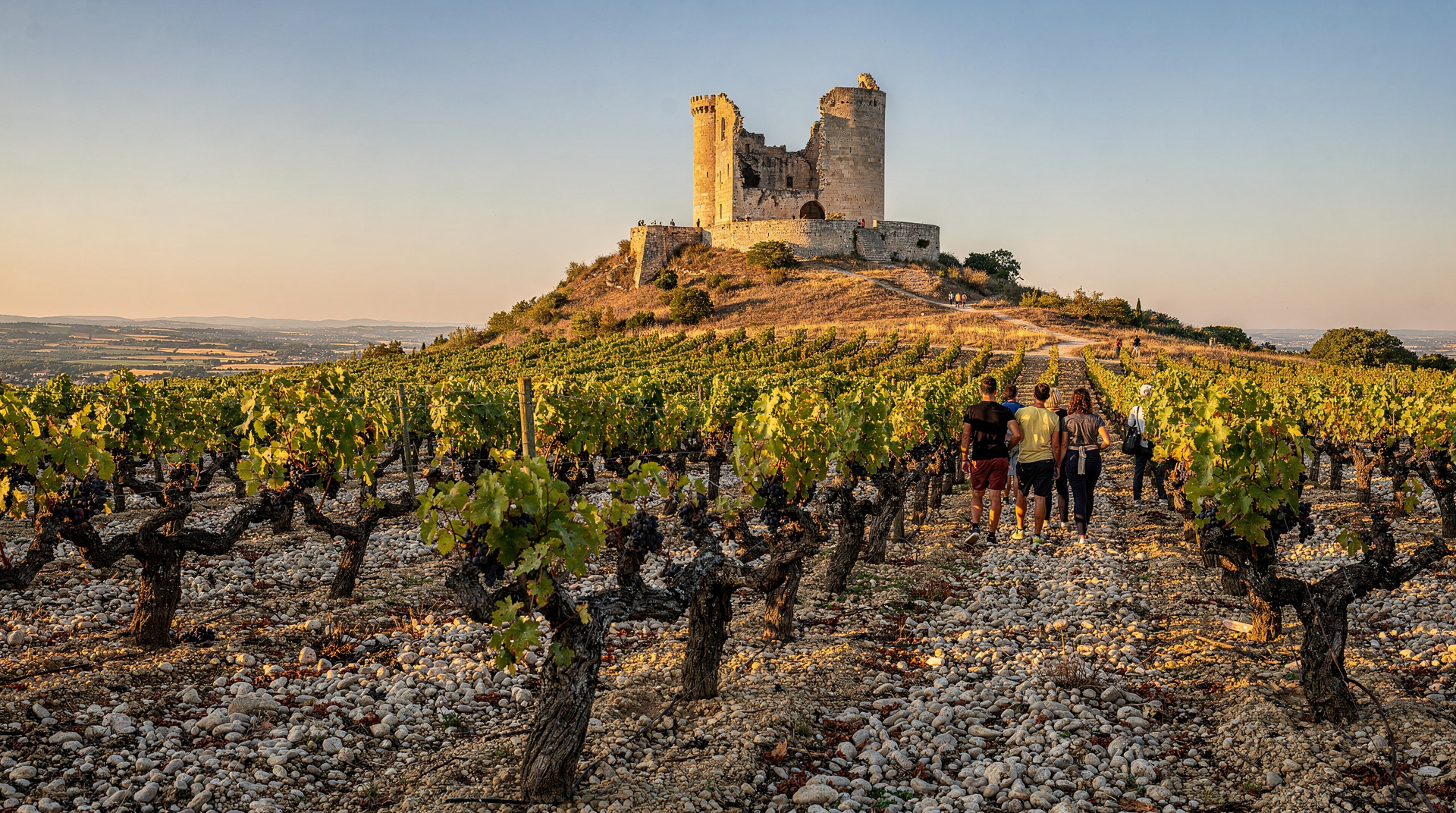
Avignon: full-day Châteauneuf-du-Pape wines & Luberon tour