Navettes and local sweets: Marseille's confectionery tradition
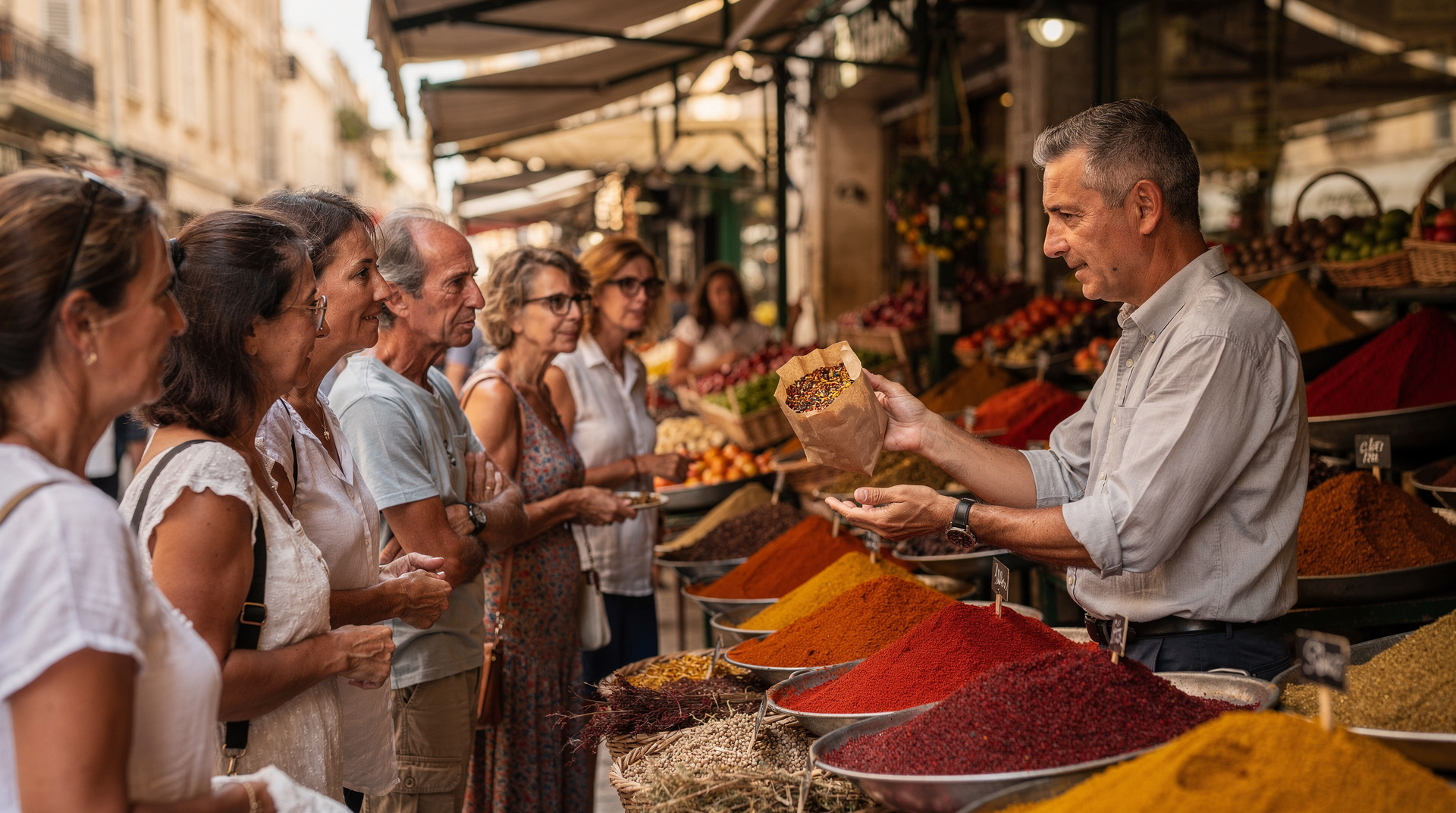
Marseille: walking food tour with tastings
What sweets and biscuits should I buy in Marseille?
Navettes from Four des Navettes on Rue Sainte — orange-blossom boat-shaped biscuits, baked since 1781. Chichi frégis at L'Estaque harbour. Calissons from Aix-en-Provence if you day-trip. Panissons (sweet chickpea biscuits) are less known but worth finding.
| At a glance | |
|---|---|
| Where | Four des Navettes, 136 Rue Sainte (7th arr.), 10 min walk from the Vieux-Port |
| Cost | Around EUR 8–15 per box of navettes; EUR 2–5 for chichi frégis; EUR 15–30 for a calisson box |
| Time needed | 30 min for the navette shop; a half-day if you add L’Estaque or Aix |
| Getting there | Bus 83 or walk to Rue Sainte; bus 35 from Vieux-Port for L’Estaque |
| Best time | Any season for navettes; February 2nd for the Candlemas blessing; summer weekends for L’Estaque’s fullest atmosphere |
The biscuit that has lasted 245 years
The navette is Marseille’s canonical edible souvenir — and the fact that the same bakery on the same street has been making them since 1781 is not marketing but documented history. The Four des Navettes at 136 Rue Sainte, in the 7th arrondissement between the Abbaye Saint-Victor and the Vieux-Port, is the oldest bakery in Marseille and produces its navettes from a recipe that has passed through three families without being written down.
This is a guide to what the navette actually is, what else Marseille and its region produce in the way of confectionery, and where to find the genuine article.
Navettes de Marseille
What they are: Navettes are dry, oblong biscuits shaped like small boats (navette means “shuttle” or “small boat” in French) with a slit down the middle. The flavour comes from orange blossom water (fleur d’oranger) and a small amount of anise. The texture is firm and dry — these are not soft cookies. They break cleanly and travel well; a tin of navettes survives a journey home significantly better than most food souvenirs.
The story behind the shape: The legend (not necessarily history) links navettes to the “barque of Bethany” — the boat in which, according to Provençal tradition, Mary Magdalene, Lazarus, and other figures from the New Testament arrived on the shores of Provence. A wooden statue of Mary, reportedly carried in an unmanned boat, is kept in the crypt of the Abbaye Saint-Victor, 200 metres from the Four des Navettes. The annual Chandeleur (Candlemas) blessing on February 2nd — when the Archbishop of Marseille comes to bless the oven and the navettes — continues this connection.
The oven: The round oven at Four des Navettes was built in 1781 on a Roman model and is still in use. The fact that a 245-year-old oven continues to produce the same biscuit is the kind of continuity that Marseille, despite its reputation for constant change, does occasionally maintain.
Where to buy: The only address for the original is at 136 Rue Sainte, 7th arrondissement — a 10-minute walk from the Vieux-Port or reachable by bus 83. The shop is small; in tourist season there may be a short queue. Other bakeries in Marseille sell navettes, but Four des Navettes is the reference.
Price: EUR 8–15 for a box of 12–24 navettes depending on size. They are genuine food, not decorative objects — eat them with coffee.
The Candlemas tradition: On February 2nd, the Archbishop’s blessing of the Four des Navettes oven is the formal opening of the navette season in Marseille. The queue forms before dawn. If you are in Marseille on that date, this is worth seeing.
Chichi frégis at L’Estaque
L’Estaque is a neighbourhood at the northwest edge of Marseille — a former fishing village that Cézanne and Braque both painted, and which retains a more authentic harbour character than the tourist-facing Vieux-Port. The local specialty is chichi frégis: fried dough spirals, dusted with sugar, sold hot from fryers at stalls on the harbour front.
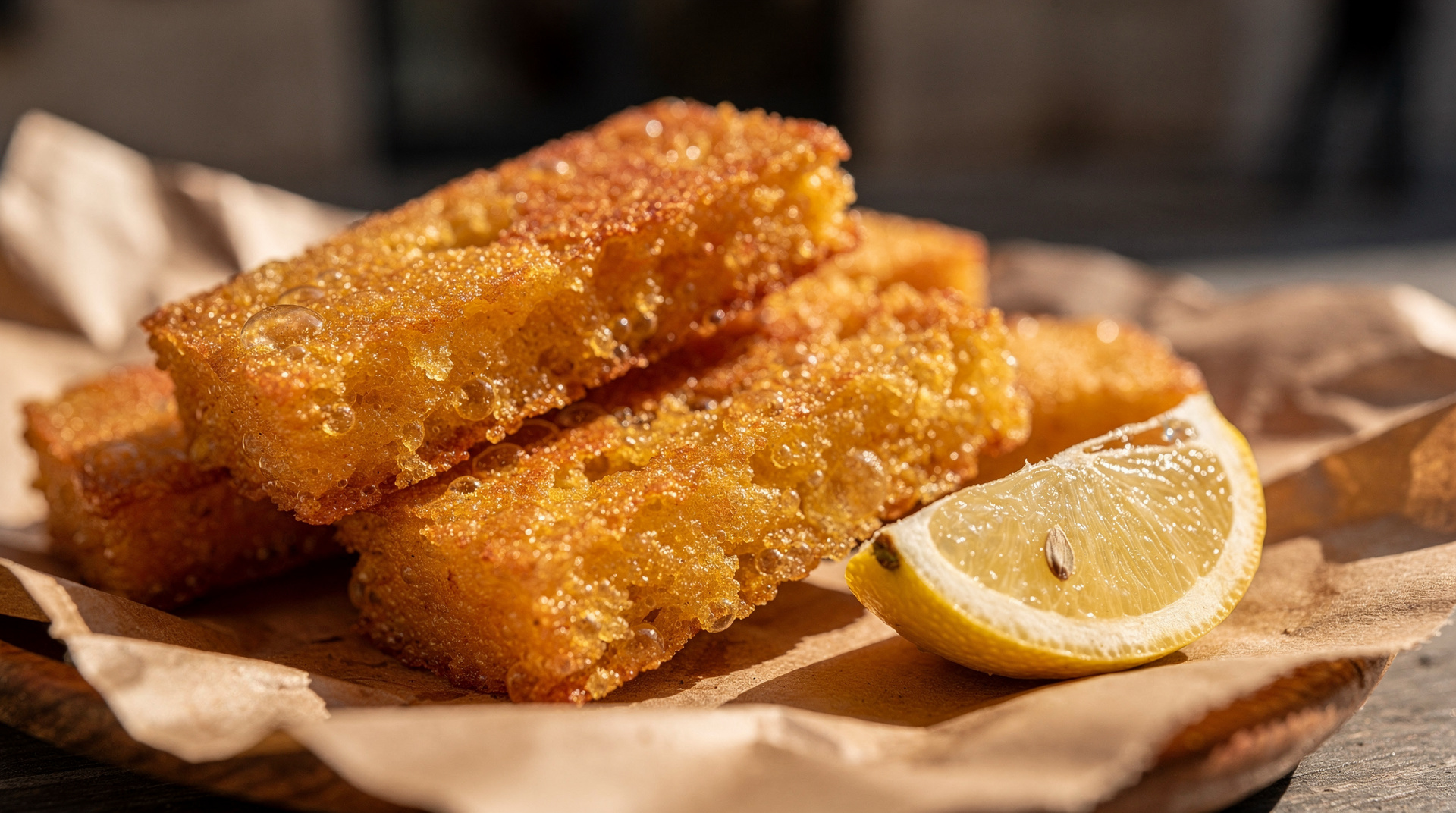
What they are: Essentially a French-Mediterranean beignet in spiral form, made from an orange-blossom-scented dough that is piped directly into hot oil and fried to a golden crisp. The outside is crunchy; the interior is tender and slightly chewy. The orange-blossom flavour connects them to navettes — both reflect the Provençal use of this fragrance in baked goods.
The history: Chichi frégis have been sold at L’Estaque for at least 150 years. The origin is disputed but the tradition is not — this is genuinely a local speciality that has not been exported or replicated elsewhere in France in any meaningful way.
Getting there: Bus 35 from Vieux-Port (Quai des Belges) to L’Estaque, approximately 20 minutes. The harbour is at the bottom of the hill from the bus stop. The chichi stalls are on or near the harbour front; you will smell them before you see them.
When to go: Available year-round, most associated with summer weekends when Marseille families make the half-day trip to L’Estaque. Weekday visits are quieter and the stalls still operate.
Price: EUR 2–5 for a portion. Eat immediately — they are not improved by cooling.
Calissons: Aix-en-Provence’s gift to the region
Calissons are the confection of Aix-en-Provence rather than Marseille, but they are available throughout the region and are closely associated with the Provençal confectionery tradition that also produces navettes.
What they are: Diamond-shaped sweets made from a paste of ground almonds and candied Provençal melon, iced with a thin layer of royal icing. The texture is soft and marzipan-like, with a flavour that is primarily almond with a floral melon sweetness and delicate orange or bitter almond notes depending on the producer.
The history: Calissons have been documented in Aix since the 15th century. The official story traces their introduction to the wedding feast of King René of Provence and Jeanne de Laval in 1454, though documentary evidence is more complex. What is certain is that calissons have been a signature Aix product for at least 500 years.
The blessing of calissons: Each September, the Bénédiction des Calissons at the Église de la Madeleine in Aix blesses the year’s production. This is one of the more unusual food traditions in France.
Where to buy in Marseille: The best calissons come from Aix’s specialist producers — Roy René and Confiserie Brémond Père et Fils are the reference names. In Marseille, calissons are available at good confiseries and at some market stalls, though the quality is less consistent than buying directly in Aix. The 40-minute train journey to Aix makes buying at the source practical.
Price: EUR 1.50–3 per calisson; boxes from EUR 15–30 for 12–24 pieces.
Panissons: sweet chickpea biscuits
Panissons are sweet biscuits made from the same chickpea flour base as panisses (the savoury chickpea fritters) — one of several cases in southern French cuisine where the same ingredient crosses the sweet/savoury divide. Panissons are typically flavoured with orange blossom or anise, dried rather than fried, and have a slightly crumbly texture.
Where to find them: Less ubiquitous than navettes, panissons are available at some Marseille specialty food shops and at markets in the Provence interior (Aix, Arles). They are not always prominently labelled — ask specifically.
What they taste like: Dry, slightly sweet, with the chickpea base giving a subtle nuttiness. The orange blossom or anise flavouring connects them to the broader Provence confectionery tradition.
Suce-miel
Suce-miel (literally “suck honey”) are small hard candies made from Provence honey — typically lavender honey from the Luberon or Valensole plateau. The format is simple: pure honey boiled to the hard crack stage and shaped into small pillows or sticks.
Where to find them: At honey producers in the Luberon and Valensole areas, at Aix markets, and at specialty food shops in Marseille that stock Provençal products. The Cours Julien organic market (Wednesday mornings) sometimes has honey producers offering suce-miel alongside their raw honey.
What to look for: The best suce-miel use lavender honey, which gives a floral, slightly aromatic sweetness different from generic candy. Avoid anything with added artificial flavouring — genuine Provence lavender honey needs nothing added.
Nougat de Montélimar: adjacent to the tradition
Nougat from Montélimar (about 2.5 hours north of Marseille on the Rhône corridor) is technically outside the Marseille-Provence confectionery canon but is so omnipresent in the region’s food culture — sold at every service station and market stall — that it deserves mention.
What it is: A chewy confection of honey, egg whites, sugar, and almonds (Montélimar has strict AOC rules about almond content — minimum 30% for the genuine article). The texture ranges from soft (easily bitten) to hard (requires effort). The almond flavour is dominant, with honey providing sweetness and floral depth.
What to buy: The best Montélimar nougat comes from artisan producers in the town itself — Chabert et Guillot and André Boyer are the historic reference names. In Marseille, the supermarket versions are serviceable. Avoid nougat with a ingredients list that includes things other than almonds, honey, egg whites, and sugar.
Practical buying guide
Four des Navettes: 136 Rue Sainte, 7th arrondissement. Open daily. The original navette; no serious alternative exists in Marseille.
Chichi frégis at L’Estaque: Bus 35 from Vieux-Port. Harbour front stalls.
Calissons: Best bought in Aix at Roy René or Brémond Père et Fils. Available in Marseille at specialty shops; quality is less consistent.
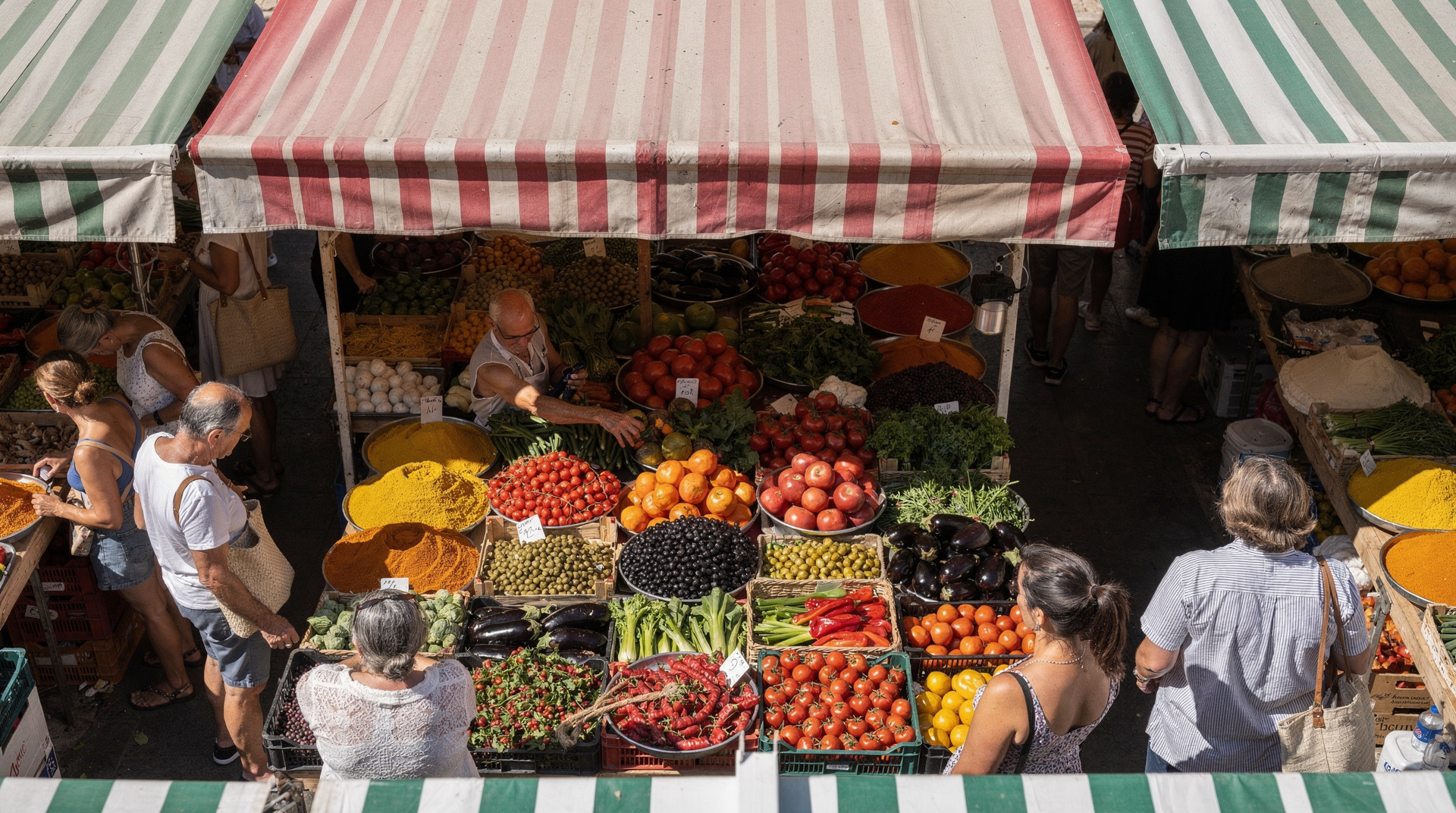
Market finds: The Cours Julien organic market (Wednesday), the Noailles market (Mon–Sat), and the Marché de la Plaine (Tue, Wed, Thu, Sat) all have vendors selling honey, artisan biscuits, and regional sweets at better prices than tourist shops.
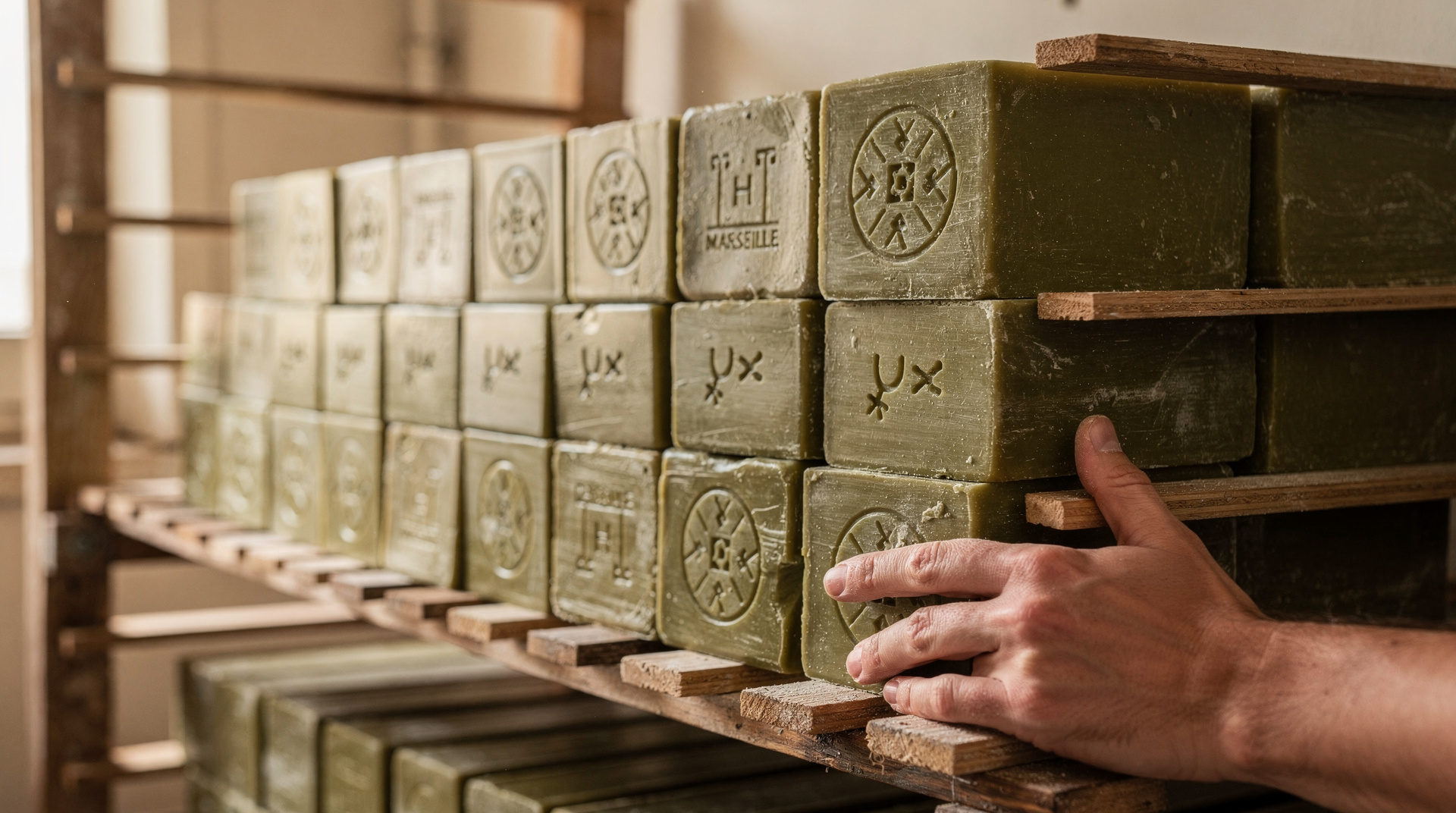
What to avoid: Lavender sachets and “artisanal” products in tourist-area shops that are mass-produced in quantities inconsistent with the “artisanal” claim. The savon de Marseille label on soap is particularly abused — the genuine soap (made with at least 72% olive oil, stamped with the cube and the weight) is different from the coloured decorative bars made with palm oil or synthetic ingredients that dominate tourist shops. The same cynicism applies to food products labelled “de Provence” or “de Marseille” without specific producer information. For savon de Marseille specifically, see our shopping guide.
See also the markets guide for where to buy regional food products, and the street food guide for the savoury side of the same tradition (panisses, chichi frégis as a street snack).
What to bring home: the edible souvenir guide
Marseille’s food products are among the most transportable in France — dry goods, preserved products, and biscuits that travel better than pastries or fresh food. A considered selection from markets and specialist shops produces a more interesting and representative collection than the tourist-shop default.
Best-value edible souvenirs:
- Navettes (Four des Navettes, EUR 8–15 per box): The canonical choice. Dry enough to survive in a bag for two weeks.
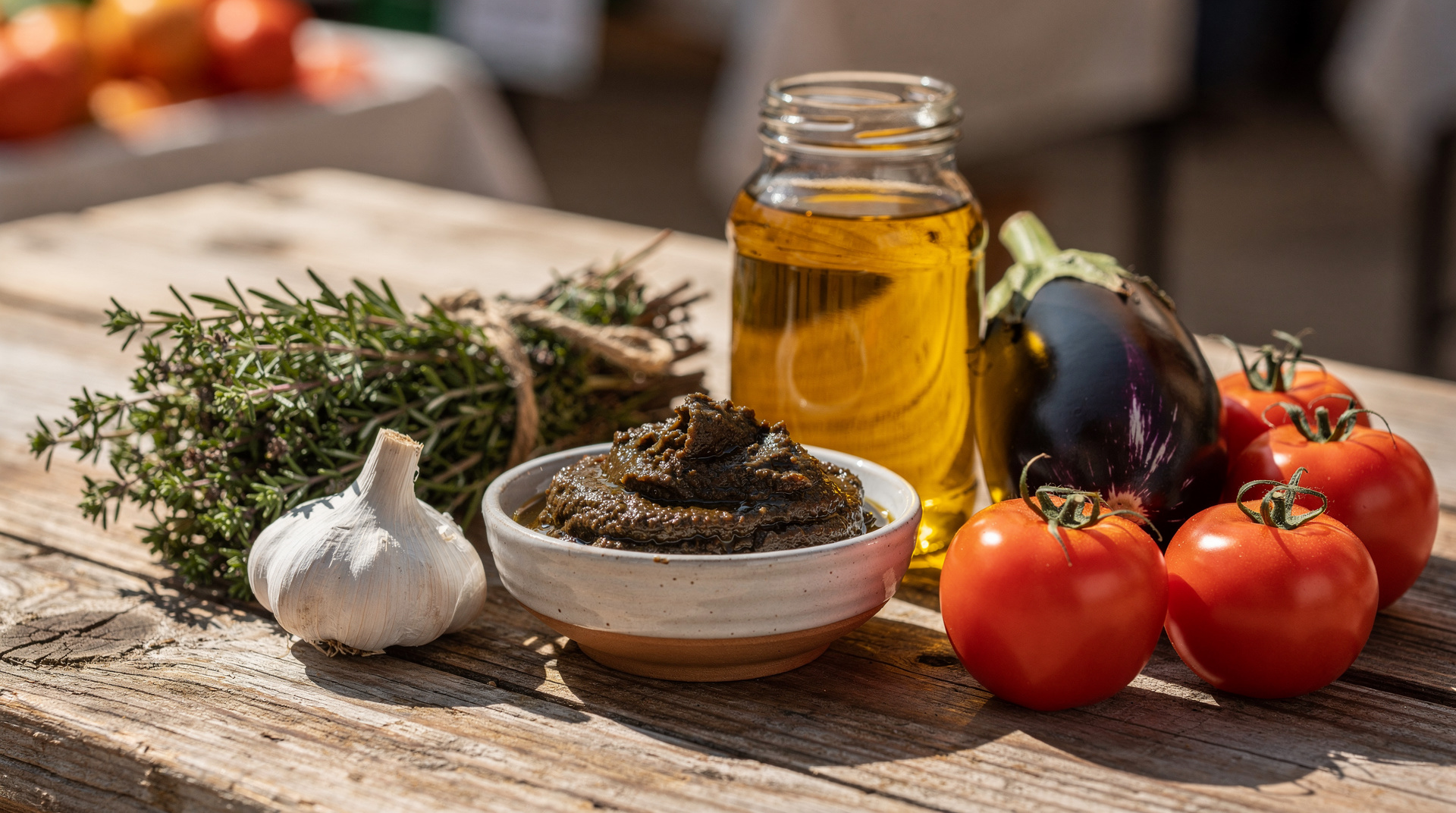
- Tapenade (Noailles market, EUR 4–8 per jar): Jarred olive tapenade from a market vendor keeps for months. Look for jars with minimal ingredients: olives, capers, olive oil, possibly anchovy.
- Herbes de Provence (bulk, from a Noailles or Cours Julien market stall, EUR 3–6 for a generous bag): Infinitely better than supermarket sachets.
Thyme, rosemary, summer savory, bay, and fennel — the real Provençal blend.
- Pastis (Henri Bardouin or Ricard, EUR 18–35 for 70cl): The Marseille spirit, available at wine shops and supermarkets, priced significantly below export markets.
- Calissons from Aix (Roy René, EUR 15–30 per box): The most elegant confectionery souvenir from the region.
What to avoid at tourist shops: Products labelled “artisanal de Provence” or “fabriqué à Marseille” that are produced in industrial quantities elsewhere and repackaged for tourists. Lavender sachets, decorative soap bars made from palm oil rather than olive oil, and generic “Provence” spice mixes are the most common offenders. Real Provençal products have a specific producer name and address on the label.
Comparing the region’s confectionery
| Sweet | Origin | Texture | Price | Where to find it |
|---|---|---|---|---|
| Navettes | Marseille (since 1781) | Dry, firm biscuit | EUR 8–15/box | Four des Navettes, Rue Sainte |
| Chichi frégis | L’Estaque | Fried, crisp outside, chewy inside | EUR 2–5/portion | L’Estaque harbour stalls |
| Calissons | Aix-en-Provence (15th c.) | Soft, marzipan-like | EUR 15–30/box | Roy René or Brémond in Aix |
| Panissons | Marseille/Provence interior | Dry, crumbly | Variable, ask specifically | Specialty shops, Aix/Arles markets |
| Suce-miel | Luberon/Valensole | Hard candy | Small, per bag | Honey producers, Cours Julien market |
Pairing the sweet trail with a day out
The navette shop on Rue Sainte sits close enough to the Vieux-Port and the Le Panier quarter that a confectionery-focused morning fits naturally into a wider walk: Four des Navettes, then north through Le Panier’s lanes, finishing at the Vieux-Port for lunch. For the L’Estaque half-day, pair the chichi frégis stop with a look at the harbour that inspired Cézanne and Braque before returning by bus.
If Aix is on your itinerary for calissons, the Aix day trip guide covers the full visit, and the bouillabaisse guide pairs well if you’re building out a full Marseille food day around the food tour guide.
Frequently asked questions about Navettes and local sweets
Do navettes and calissons contain nuts or common allergens? Navettes are typically nut-free (flour, orange blossom water, anise) but check with the bakery for the exact recipe, as processes may vary. Calissons are almond-based and are not suitable for anyone with a nut allergy. Suce-miel is honey-based and naturally free of nuts and gluten.
Can I find these sweets outside Marseille and Provence, like in Paris or online? Some specialty French food shops in Paris and other cities stock navettes and calissons, and Roy René ships calissons internationally through its website. The freshness and price are better bought locally, but they are not impossible to find elsewhere if you didn’t get a chance to buy in Provence.
Top experiences
Bookable activities with verified prices and instant confirmation on GetYourGuide.