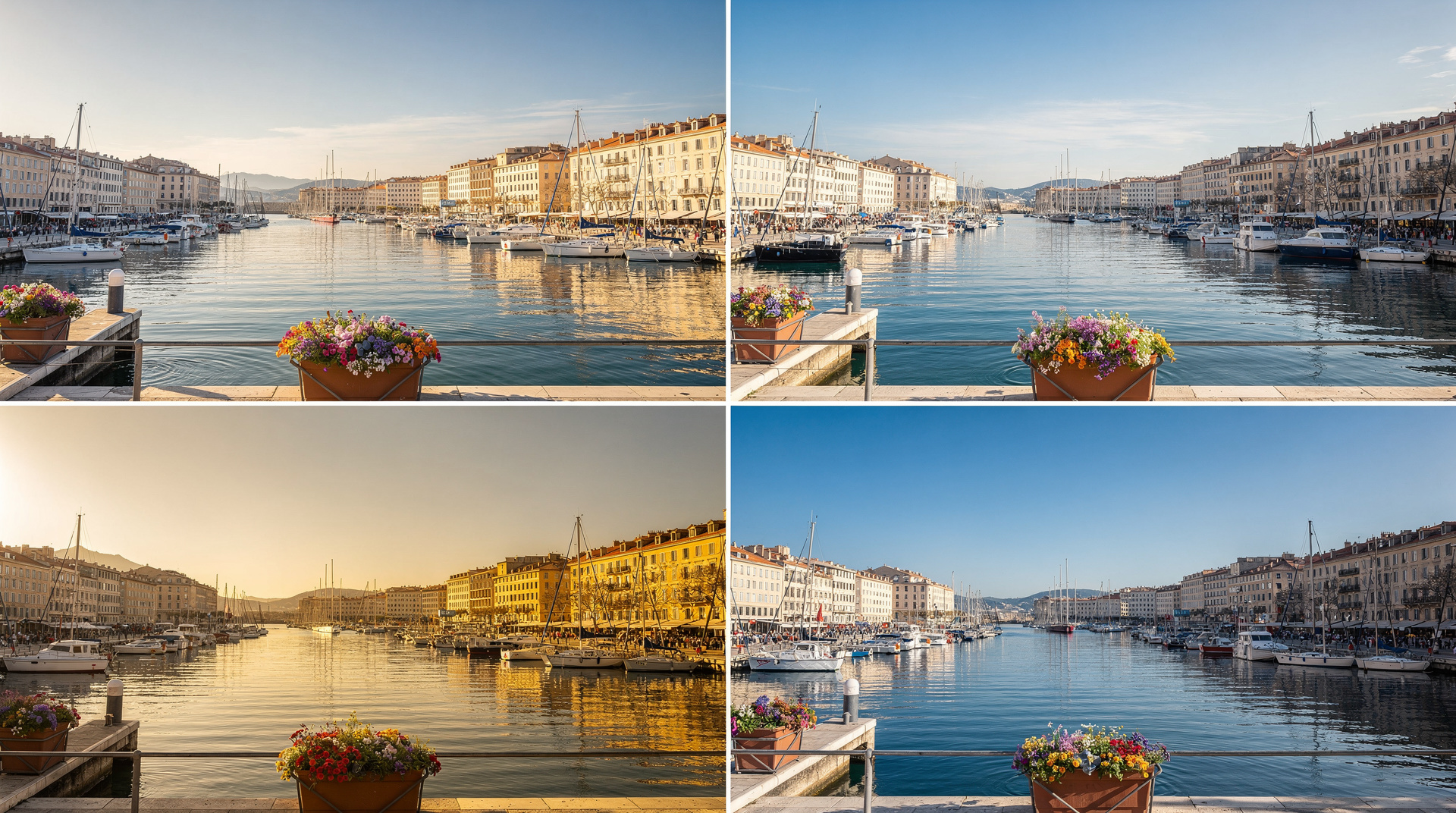
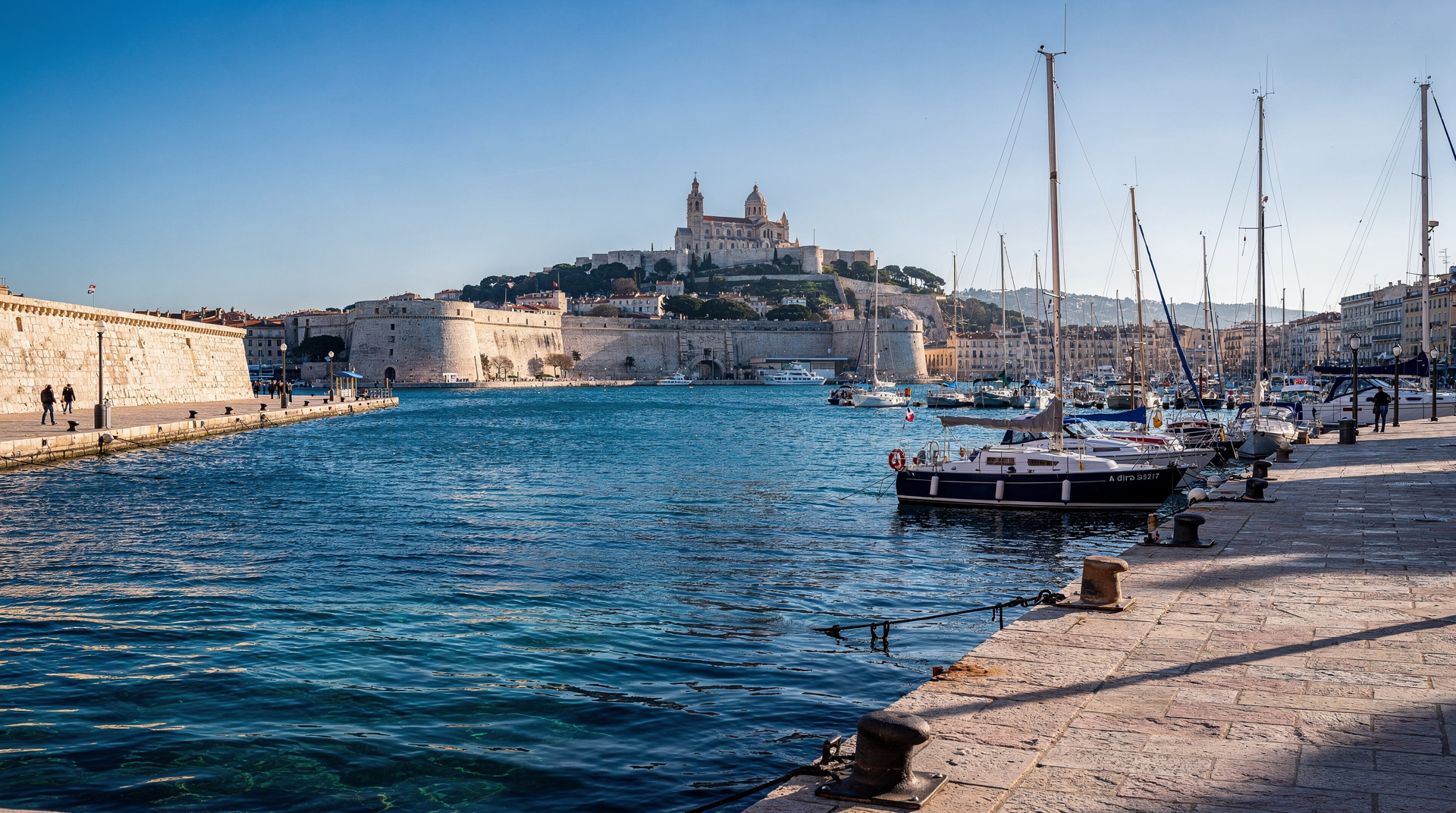
Marseille in spring: March, April, and May guide
Marseille: Calanques National Park guided hike
Duration: 5 hours
Is spring a good time to visit Marseille?
Yes — arguably the best season for active visitors. Calanques hiking trails are fully open, temperatures are 15-22°C, crowds are manageable, and prices are below summer peak. The sea is cool (14-18°C) but the light is exceptional. May is the best single spring month.
Why spring is the overlooked best season
| Temperatures | Around 14-24°C, rising through the season |
| Sea temperature | Around 13-19°C — cold, improving toward late May |
| Crowds | Low in March-April, moderate around May bank holidays |
| Cost | Below summer peak; roughly on par with or slightly above winter rates |
| Best month | May, for the balance of warmth, open trails, and manageable crowds |
| Getting around | Metro/tram/bus within the city; rental car or train useful for Luberon and Camargue day trips |
Visitors who discover Marseille in spring often say the same thing: they arrived expecting a shoulder-season version of summer and found something better. The combination of open hiking trails, comfortable temperatures, reasonable prices, and a city operating at a sustainable human pace makes April and May the most versatile months to visit Marseille.
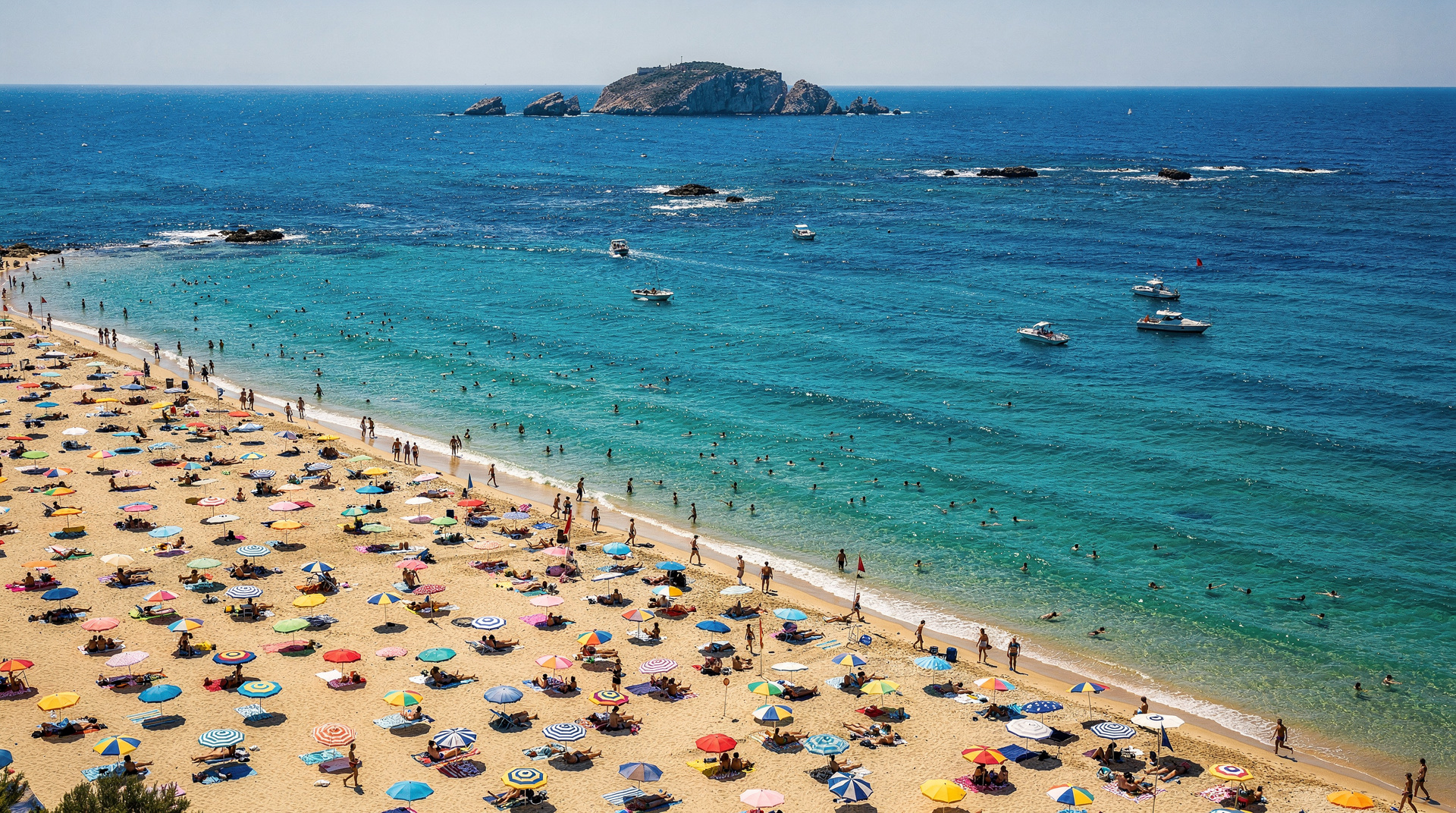
The one thing spring does not offer is warm sea swimming. The Mediterranean takes time to heat up — sea temperatures in March-April are 14-16°C, rising to 17-19°C by May. For most visitors, this is tolerable; for those whose trip depends on comfortable sea bathing, summer remains the relevant season.
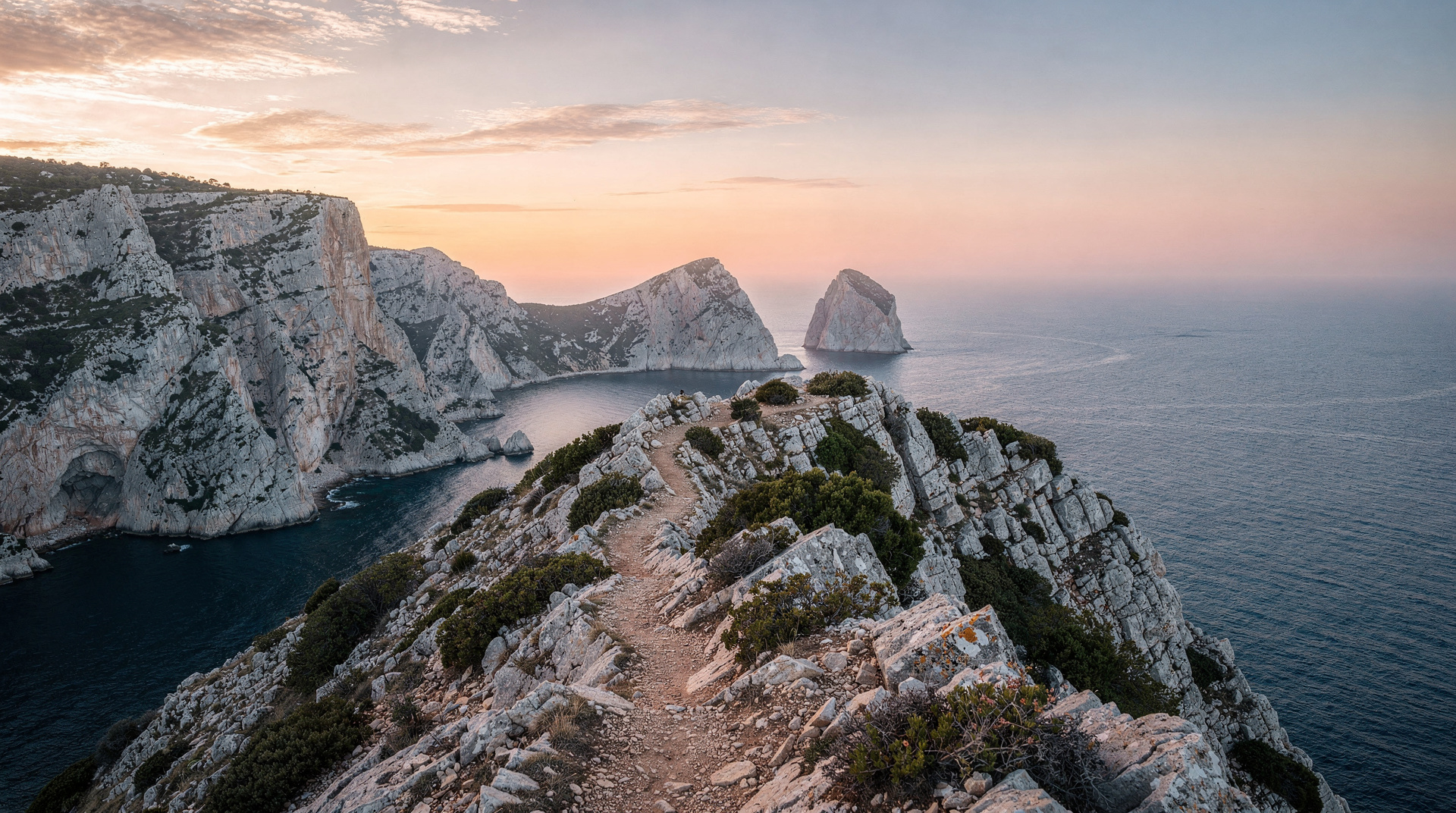
Everything else about spring is favourable: the light on the white limestone Calanques cliffs is exceptional, the city’s markets and outdoor café life revive visibly week by week, and the Luberon and Camargue day trip destinations are at their least crowded.
Month-by-month spring breakdown
March: the winter-spring transition
Temperatures: Average high 14-17°C, lows around 8°C. Cold spells possible with the mistral, but also bright, sunny days with warmth building. March in Marseille is variable.
Sea temperature: Around 13-14°C — cold, not swimmable for most people.
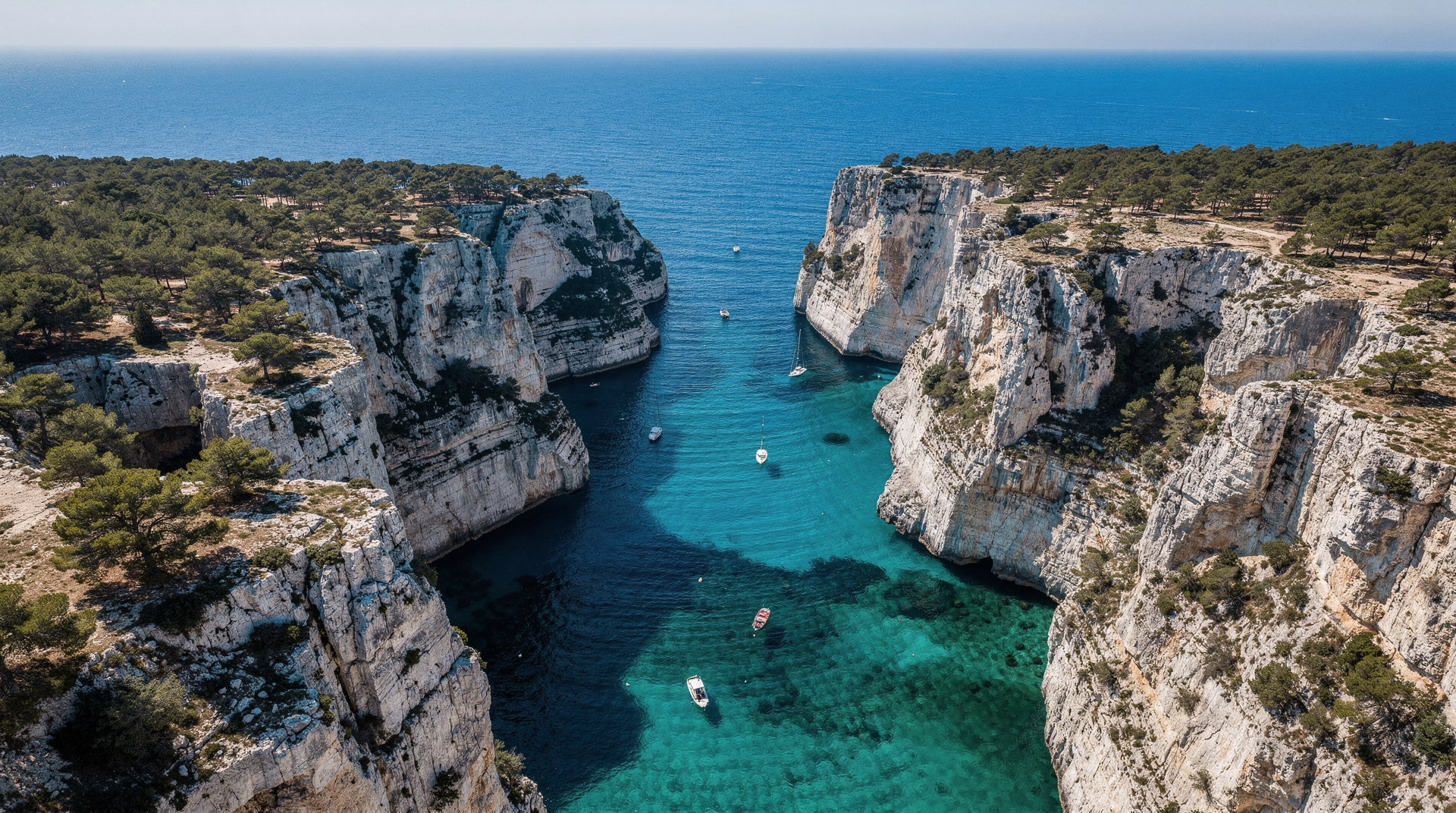
Calanques: Fully open. Zero fire risk in March. The spring wildflowers — wild orchids, cistus in blossom, rosemary flowering — appear on the limestone plateau from mid-March, making the Calanques trails particularly beautiful. This is the season when the garrigue smells most intensely of herbs and flowering scrub.
Crowds: Very low in early March, building around French school holidays (les vacances de février often extends to early March; les vacances de printemps zone-dependent but starting in April). Check the French school holiday calendar for 2026 to identify the busier March weeks.
Practical: March is a good hiking month — comfortable temperatures, open trails, no summer heat. Pack a windproof layer for the exposed limestone ridges on the Calanques trails (the mistral on the ridge in March can be biting).
Mistral note: The mistral — the cold, strong north-northwest wind — is more frequent in March than at any other time of year. Typically, a mistral episode lasts 3-6 days (odd multiples of 3 by tradition, though this is more legend than meteorology). On mistral days, the sky is intensely blue, the sea chops up and whitens, and temperatures feel 10°C colder than the thermometer says. Boat tours may be cancelled on strong mistral days.
April: the reliable spring choice
Temperatures: Average high 17-20°C, lows 12°C. Comfortably warm for outdoor activity without summer heat. Occasional rain (about 7 rain days in April on average).
Sea temperature: 15-16°C — cold but improving. The occasional bold swimmer enters the water by late April.
Calanques: Open and at their most photogenic. The spring light on the limestone — lower angle than summer, with long shadows defining the cliff faces — is particularly beautiful for photography. Wildflowers at their peak in early April.
Crowds: Low to moderate. The French spring school holidays (usually straddling April) bring some domestic tourism, but nothing approaching summer density. International visitors arrive in smaller numbers than May.
Day trips: All day trip destinations are at their best in April. The Luberon villages in April — no parking chaos, no summer crowds at Gordes and Roussillon, local life still functioning. The Camargue in April: flamingos present, migrant birds arriving, comfortable temperatures, minimal mosquitoes.
Avignon context: The Festival d’Avignon does not start until July. An April visit to Avignon means the Palais des Papes without queues, the old town at its most manageable.
May: the recommended month
Temperatures: Average high 21-24°C, lows 15°C. Genuinely warm outdoor temperatures. The outdoor café culture is in full swing.
Sea temperature: 17-19°C by mid-May. Optimistic swimmers take a dip; most people find it acceptable from the last week of May onward.
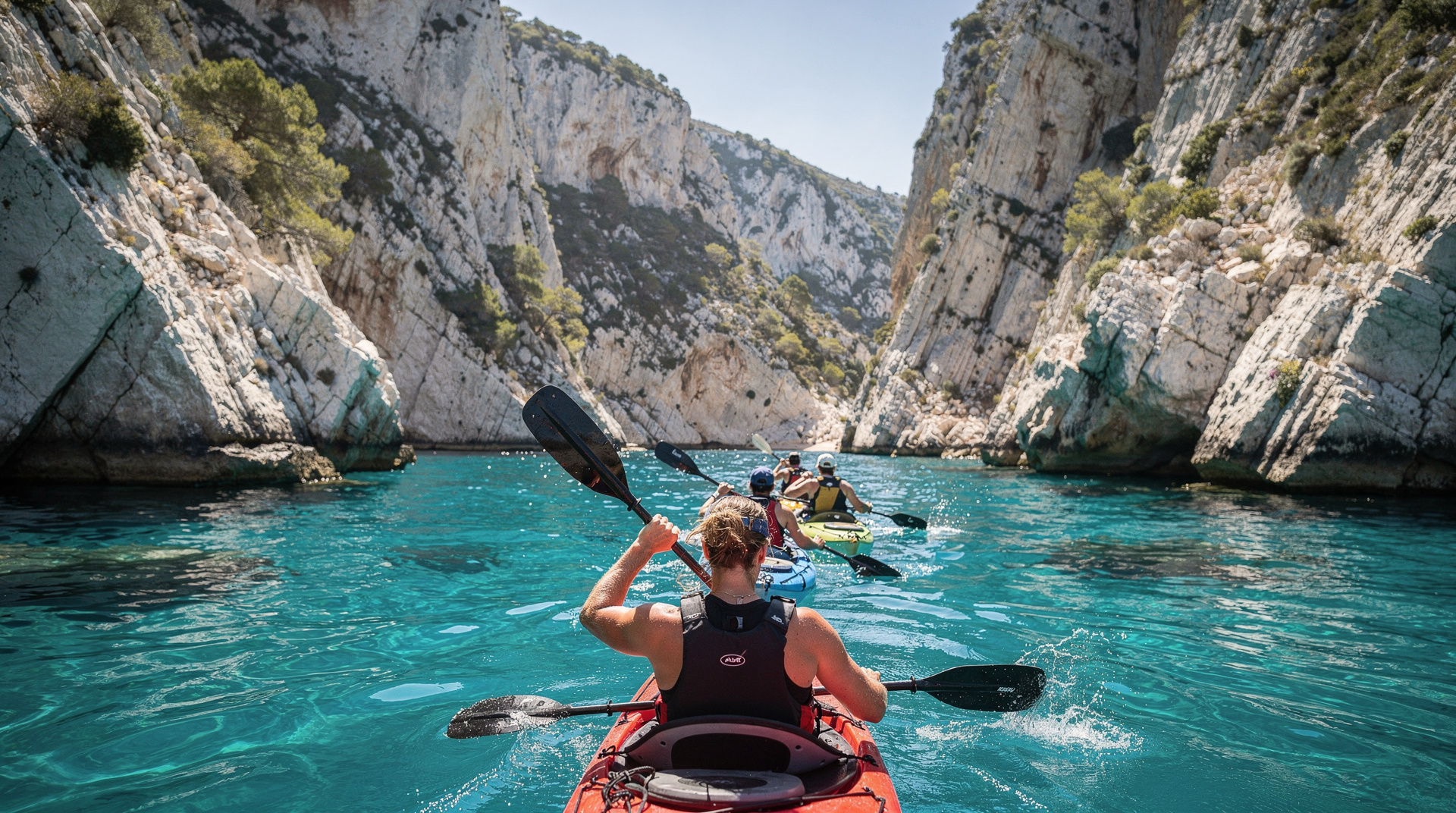
Calanques: Still open. The fire season does not start until June 1 — May is the last month of full, unrestricted Calanques hiking. The Calanques by kayak are particularly good in May — calm sea, comfortable temperatures, open access to all calanques without summer closure risk.
Crowds: Moderate and manageable. The Ascension weekend (a French bank holiday, moving date — in 2026 on May 14) and Whit Monday (June 9, 2026) bring domestic visitors. Around these bank holidays, accommodation books up in advance.
Lavender preview: The first lavender colour appears in the lower-altitude fields around Valensole in the last week of May — not full bloom, but enough to justify a drive to see the landscape building toward colour.
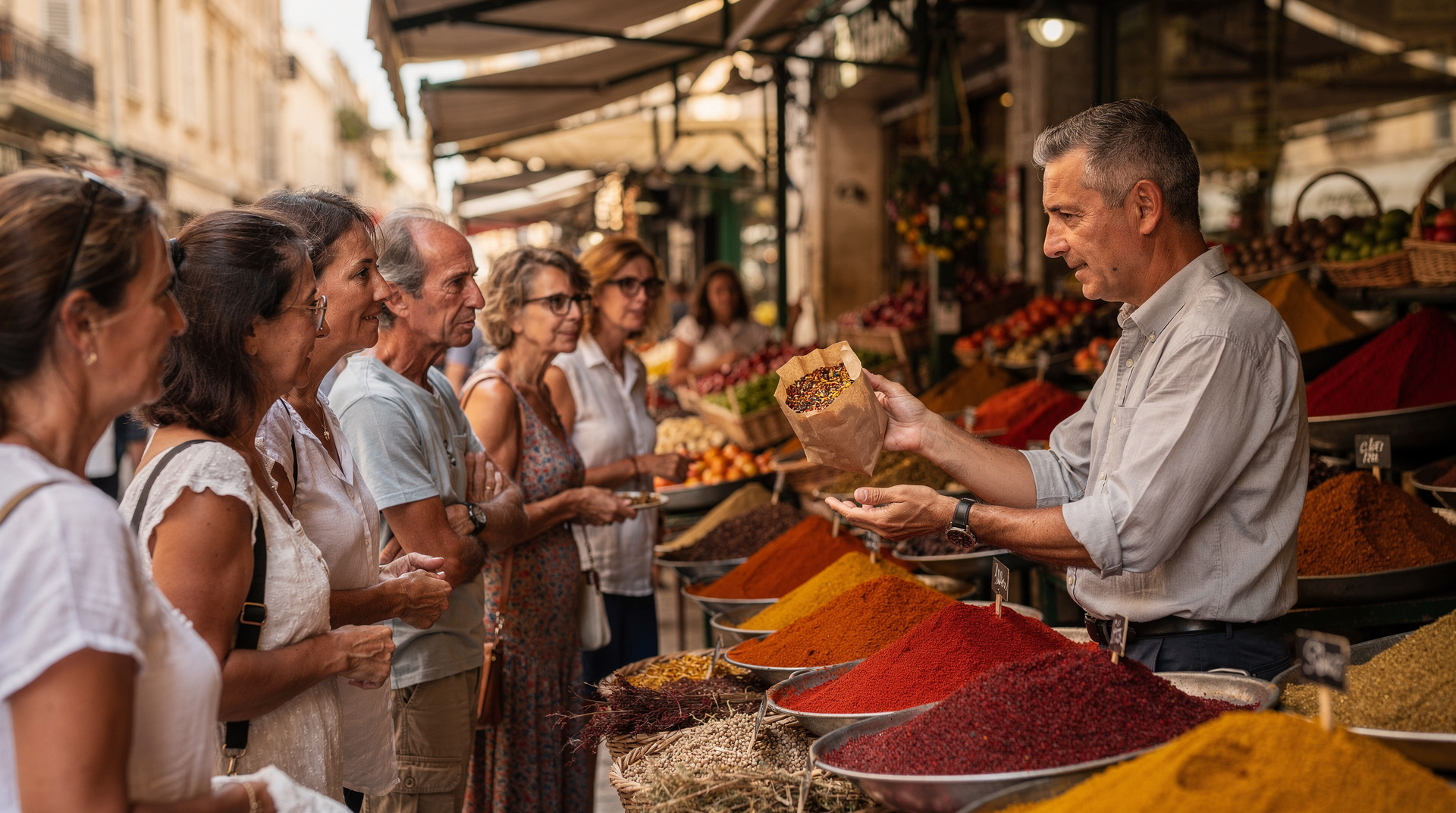
Best market day: May is the month when the Aix-en-Provence Saturday market reaches its full spring intensity — spring vegetables, local strawberries, first flowers, and the outdoor energy of a city fully woken up.
Outdoor festivals beginning: Some of the smaller Marseille neighbourhood festivals start in May. Check the Marseille tourism office website for current-year programming.
The mistral in spring: what to expect
The mistral is a north-northwest wind that funnels down the Rhône valley and across Provence at speed. In spring (particularly March), it is the most frequent and occasionally the most intense of the year.
A mistral episode typically lasts 3-6 days. During a strong mistral:
- Temperatures drop significantly (an April day can feel like February)
- The sky is extremely clear and blue (photographers consider strong mistral days for the light quality)
- The sea develops large swells and whitecaps; boat tours are often cancelled
- The exposed Calanques ridge trails are windy but walkable with the right clothing
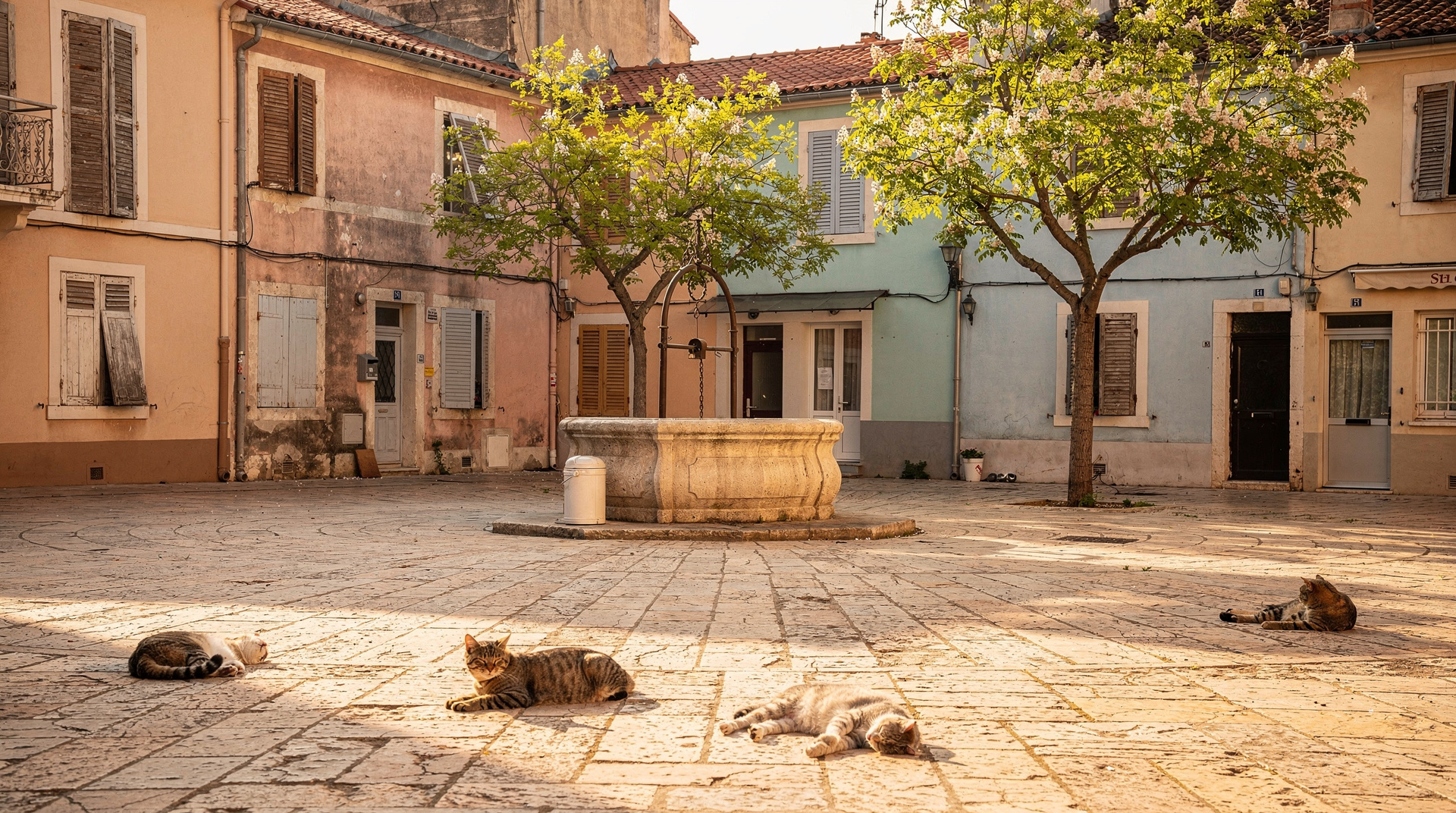
Practical advice: If you arrive and it is mistraling, adjust your plan toward sheltered city activities (Le Panier, museums, Cours Julien) and wait it out. Most episodes end within 3-6 days. The day after a mistral ends, the sea settles and the light is spectacular.
Hiking in spring: the Calanques trails
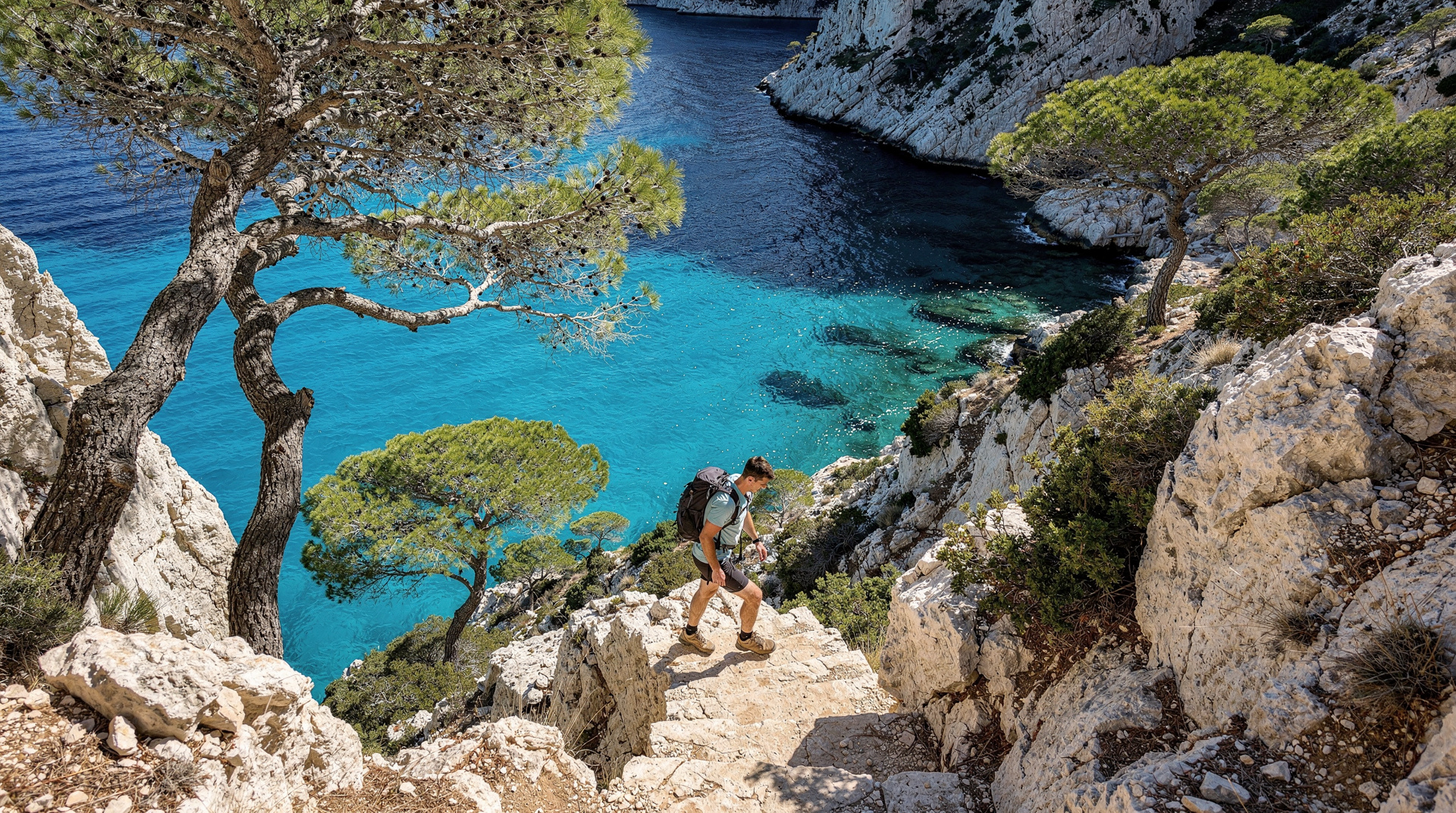
Spring is the best season for Calanques hiking — specifically April through May, before the heat and before the June fire season. The three flagship hikes are all at their best:
En-Vau from Cassis: A 4-5 hour round trip from the Port-Miou trailhead, the most spectacular calanque hike with a descent to the narrow, cathedral-like En-Vau cove. Spring light on the 300-metre cliff walls is extraordinary.
Sugiton from Luminy: The 45-minute walk from the Luminy campus bus stop to Sugiton calanque — the most accessible from Marseille. In spring, no reservation required and very few other people on the trail.
GR98 Marseille to Cassis: The full coastal trail between the two cities (20 km, 6-7 hours) is at its most pleasant in spring — wildflowers, open views, no summer heat on the exposed limestone plateau. See our GR98 guide.
For guided hiking options that provide transport and expert naturalist commentary, GYG operators run guided Calanques hikes from Marseille throughout the spring.
Sea temperature in spring: cold but worth knowing
The sea in spring is significantly cooler than summer. Monthly averages:
- March: ~14°C
- April: ~15°C
- May: ~17-18°C
For swimming: Most visitors find 17°C and above acceptable for a short swim; below that requires a wetsuit or considerable determination. The rocky entries along the Corniche (Malmousque, La Fausse Monnaie) and the Calanques swimming spots (reached by boat or on foot) are accessible but cold.
For kayaking: Sea kayak tours operate from April through October. The sea is calm and manageable in spring, and the Calanques are accessible without summer fire closure risk. This is the best season for kayaking.
Spring day trips
Luberon villages (April): The most uncrowded and pleasant time to visit. No parking chaos, no tour groups, local cafés and restaurants without the summer surcharge. The Thursday Roussillon market and Friday Lourmarin market are relaxed and authentic.
Avignon (April-May): No festival crowds, no accommodation shortage. The Palais des Papes without queues. The old town at its most liveable.
Camargue (April): Spring is the single best season for the Camargue wildlife — migrant birds are arriving, flamingos are present, the vegetation is fresh green. Mosquitoes are minimal or absent in April. The Pont de Gau bird park is excellent.
Cassis (May): Cassis in May is the best version of itself: the summer crowding has not arrived, the port restaurants have their full menus running, and the AOC wine tastings are available without reservation. Boat tours to the Calanques run without the summer booking crunch.
Spring events and practical notes
May bank holidays: France has multiple bank holidays in May — check the exact 2026 dates (Victory in Europe Day, Ascension, Whit Monday) and the French school holiday zones. The week around Ascension (May 14, 2026) sees some domestic tourism spike.
Accommodation: Available and reasonably priced in March-April; May starts to fill around bank holidays. The best Vieux-Port area properties are bookable with 2-4 weeks notice in April; May requires more lead time around holiday weekends.
Market produce: March sees the first spring vegetables; April brings local strawberries (fraises de Carros from the Var hinterland); May is the peak of the spring market — asparagus, early cherries, courgette flowers, and the full Provence herb range.
For a full seasonal comparison, see our best time to visit guide. For hiking logistics, see our Calanques hiking guide.
Spring vs. the other seasons at a glance
| Season | Sea temp | Calanques trails | Crowds | Price level |
|---|---|---|---|---|
| Spring (Mar-May) | 13-19°C | Fully open | Low-moderate | Below peak |
| Summer (Jun-Aug) | 22-25°C | Mostly closed (fire risk) | Highest | Peak |
| Autumn (Sep-Oct) | Warm, cooling | Reopening through Sept-Oct | Moderate | Above winter, below summer |
| Winter (Nov-Feb) | 12-15°C | Open | Lowest | Lowest |
Spring’s advantage over every other season is that it is the only period combining fully open Calanques trails with comfortable (not cold, not scorching) hiking temperatures — winter also has open trails but with shorter daylight and cooler air.
Getting to the Calanques and day trips in spring
Spring is a good season to go car-free for the city itself and rent a car only for day trips. The Calanques National Park trailheads at Luminy and Cassis are reachable by bus and train respectively, while the Luberon villages and the Camargue are more comfortably done with a rental car or a small-group tour, since spring’s public transport frequency to those areas is limited.
If you’re building a longer trip around spring conditions, our 5-day Provence itinerary and Calanques weekend itinerary are both built for this kind of pacing.
Top experiences
Bookable activities with verified prices and instant confirmation on GetYourGuide.