Château d'If by boat: the honest visitor guide
Marseille: set sail for the Château d'If and the Frioul Islands
How do you visit Château d'If?
By ferry from the Vieux-Port (Quai du Port, north quai). Return ferry approximately EUR 10.80. Monument entry is separate (purchased on the island, approximately EUR 7). Allow 20–30 minutes inside the fortress. Combine with Frioul Islands for a full half-day on the water.
| At a glance | |
|---|---|
| Where | Île d’If, a small island in the Bay of Marseille, ferry from the Vieux-Port |
| Cost | Around EUR 10.80 return ferry, plus around EUR 7 monument entry; around EUR 16.20 combined with Frioul |
| Time needed | 20–40 minutes inside the fortress; 1.5 hours solo round trip, 4–5 hours combined with Frioul |
| Getting there | Ferry from Quai du Port (north quai, near Fort Saint-Jean), around 20 minutes crossing |
| Best time | Calm-weather mornings; check wind forecasts, as the crossing and exposed terrace are affected by mistral |
What Château d’If actually is — and isn’t
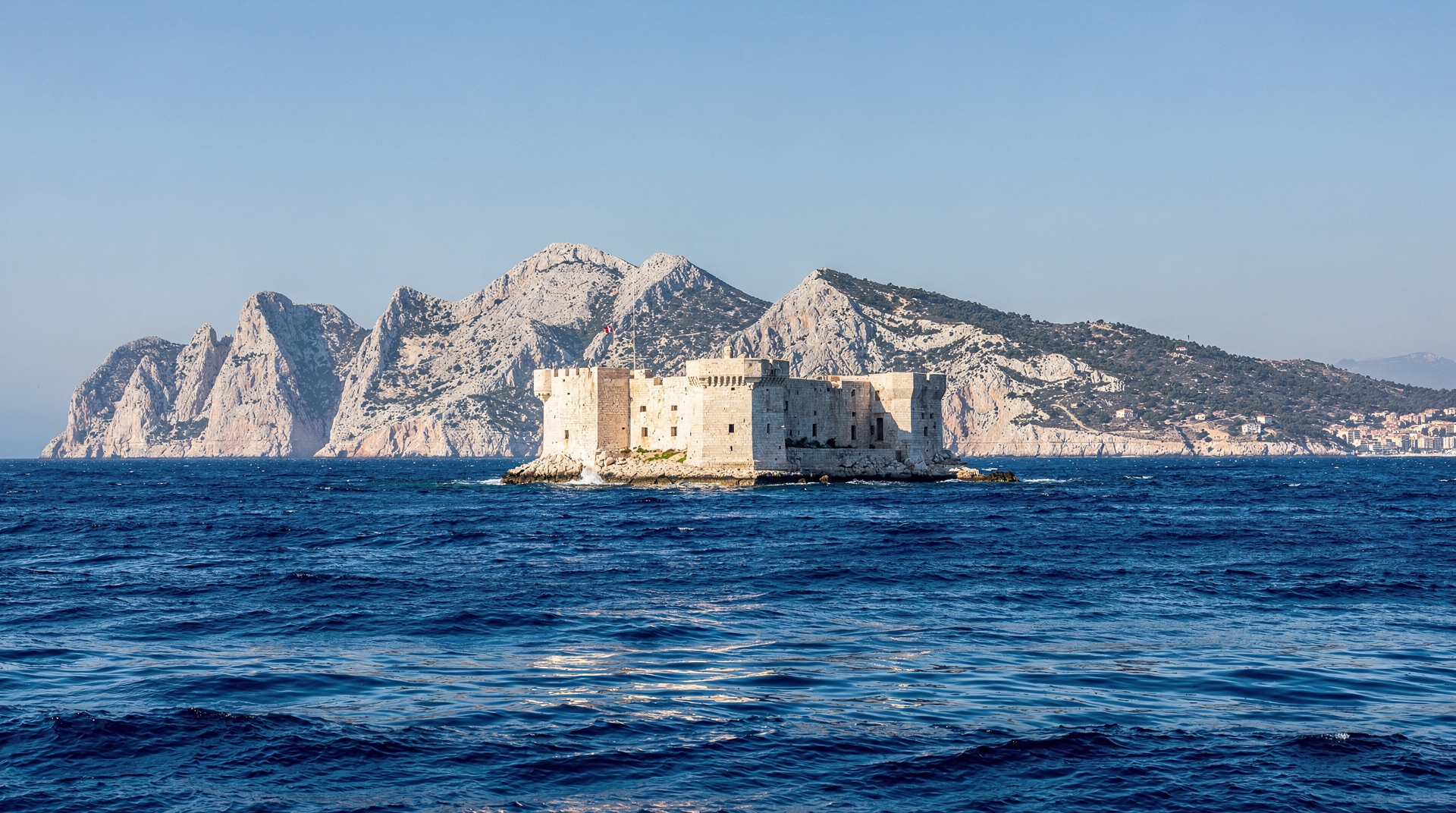
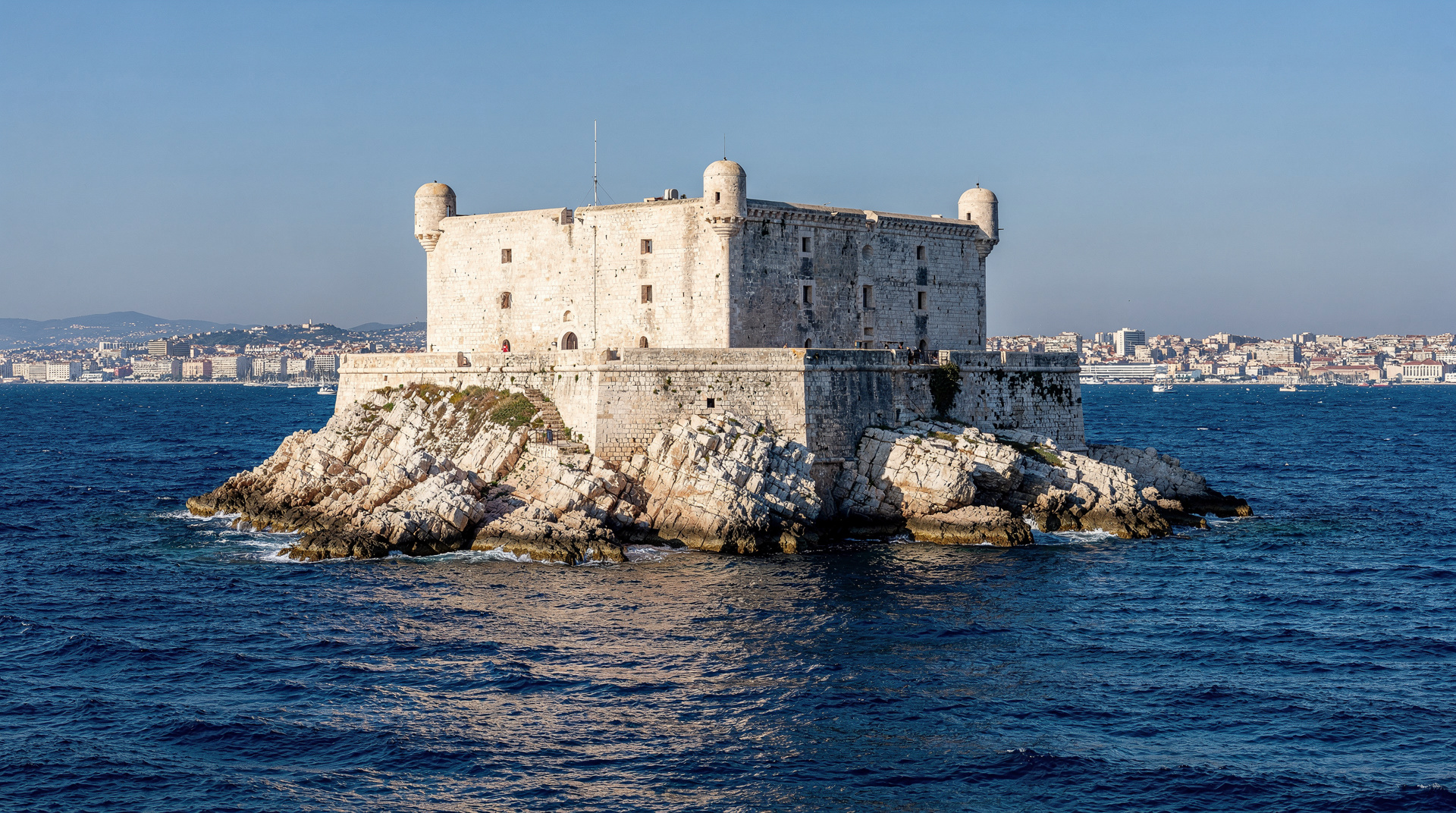
Château d’If is a 16th-century island fortress that spent most of its operational history as a state prison. It sits on a small rocky island (the Île d’If) in the Bay of Marseille, visible from the Vieux-Port. The fortress was built between 1524 and 1531 on the orders of François I as a defensive position — it never fired a shot in anger — and was converted to a prison almost immediately, housing Protestant prisoners, political detainees, and eventually becoming famous as the (fictional) setting of Alexandre Dumas’s novel The Count of Monte Cristo.
The island was open to visitors from the 19th century onward and is now managed by the Centre des Monuments Nationaux. It attracts a large number of visitors who arrive with a strong mental image of what they will see — a dramatic island prison, dungeons, the cell where Edmond Dantès was held — and leave with a slightly different experience.
Understanding what Château d’If delivers in reality helps you calibrate your visit correctly.
The indoor reality
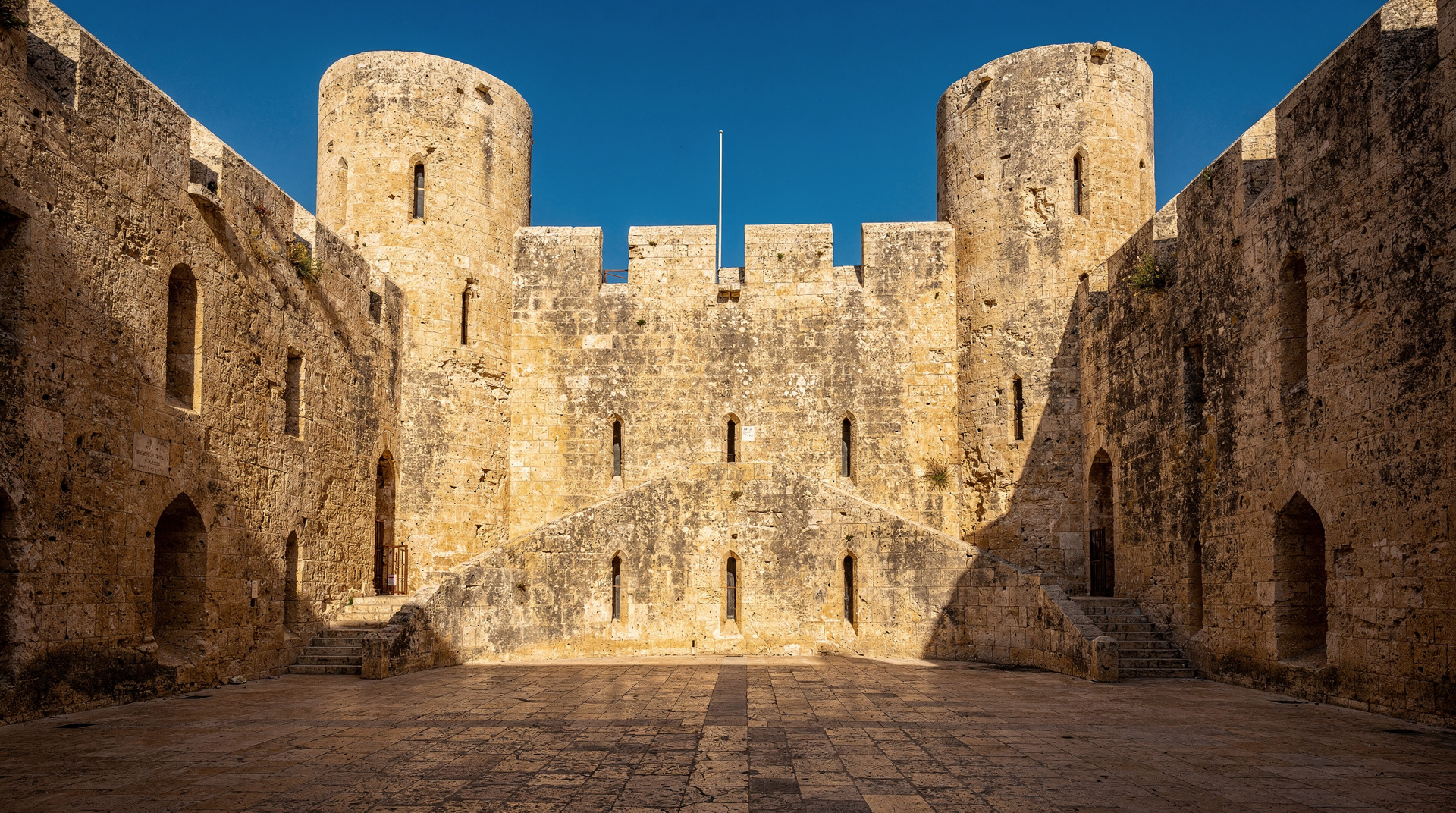
The fortress itself is not large. The interior consists of the main courtyard, three tiers of cell corridors (the lower cells are more impressive — the vaulted stone rooms are genuinely atmospheric), the terrace with views of the bay and Marseille skyline, and a small exhibition on the island’s history.
Time needed inside: 20–40 minutes is sufficient for most visitors. An hour if you read all the exhibition materials. There are no interactive displays, no reconstruction of prison life, no period furnishings. The cells are stone rooms with information panels. Some have the original painted inscriptions that prisoners left on the walls. The “Dantès cell” is labelled as such, but Dumas’s character was fictional — the cell exists only as a tribute to the novel.
The most common visitor experience: Arriving with high expectations from the literary association, spending 20–25 minutes in the cells and courtyard, spending 10–15 minutes on the terrace for the bay view, and leaving with mixed feelings. The views from the terrace are genuinely good. The interior is more austere than many expect.
Who leaves most satisfied: History enthusiasts and Count of Monte Cristo fans who have set realistic expectations. Those who treat it as a brief historical stop combined with the Frioul Islands ferry trip — rather than as a major standalone destination — consistently report the combination as worthwhile.
Getting there: the ferry
Operator: Frioul-If Express (lebateau-frioul-if.fr) — same operator as the Frioul Islands ferry.
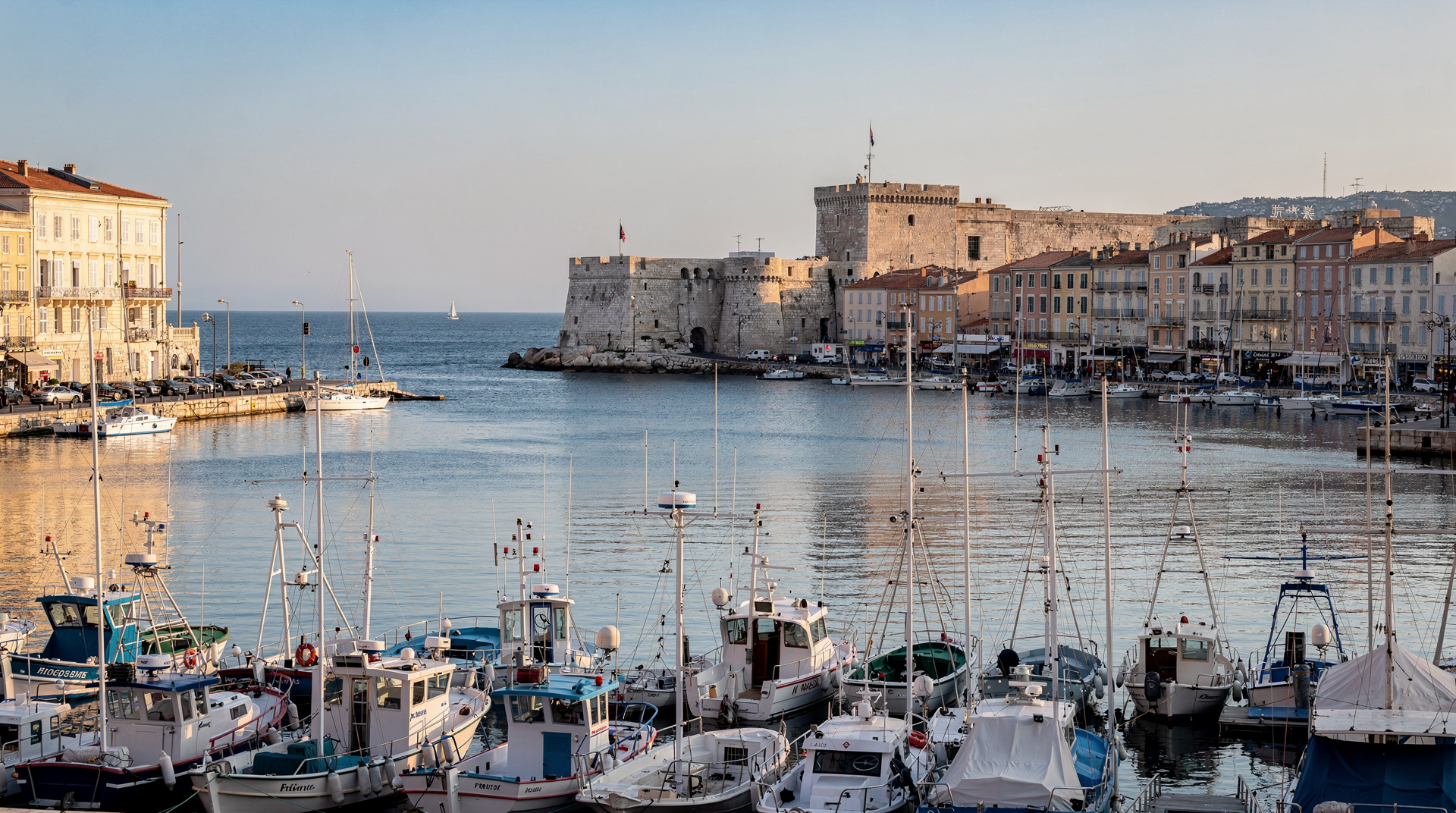
Departure point: Quai du Port (north quai of the Vieux-Port), near the Fort Saint-Jean. The same kiosk serves both Château d’If and Frioul departures.
Crossing time: Approximately 20 minutes to Château d’If (the island is closer to the Vieux-Port than the Frioul Islands).
Ferry ticket price: Approximately EUR 10.80 return per adult for Château d’If alone. Approximately EUR 16.20 for the combined Frioul + Château d’If ticket.
Monument entry: The ferry ticket does not include entry to the château itself. Monument entry is purchased separately on the island, managed by the Centre des Monuments Nationaux. Entry is approximately EUR 7 per adult. Children under 26 from EU countries enter free.
Schedule: Same ferry schedule as Frioul. In summer (June–September) ferries run approximately every 30–60 minutes during peak hours. Buy tickets in advance online to avoid queuing.
Solo Château d’If vs combined with Frioul
Solo Château d’If visit: Ferry there (20 min), 30–45 minutes inside the fortress, ferry back. Total time: 1.5 hours including wait time for ferries. Realistic and compact.
Combined Château d’If + Frioul: Ferry to Château d’If first, 30–40 minutes on the island, next ferry to Frioul (the service connects the two stops), 3–4 hours on the Frioul Islands swimming and walking, return ferry. Total: 4–5 hours. This is the recommended format — the Frioul swimming coves give the water experience that Château d’If itself cannot provide, and the combined ticket is only EUR 5.40 more than the Frioul-only ticket.
The honest verdict: Château d’If alone does not fill a half-day comfortably. The combination with Frioul gives the fortress its appropriate context — a 30-minute visit to a historically interesting but spatially limited fortress, followed by a full afternoon on the water.
The view from the fortress terrace
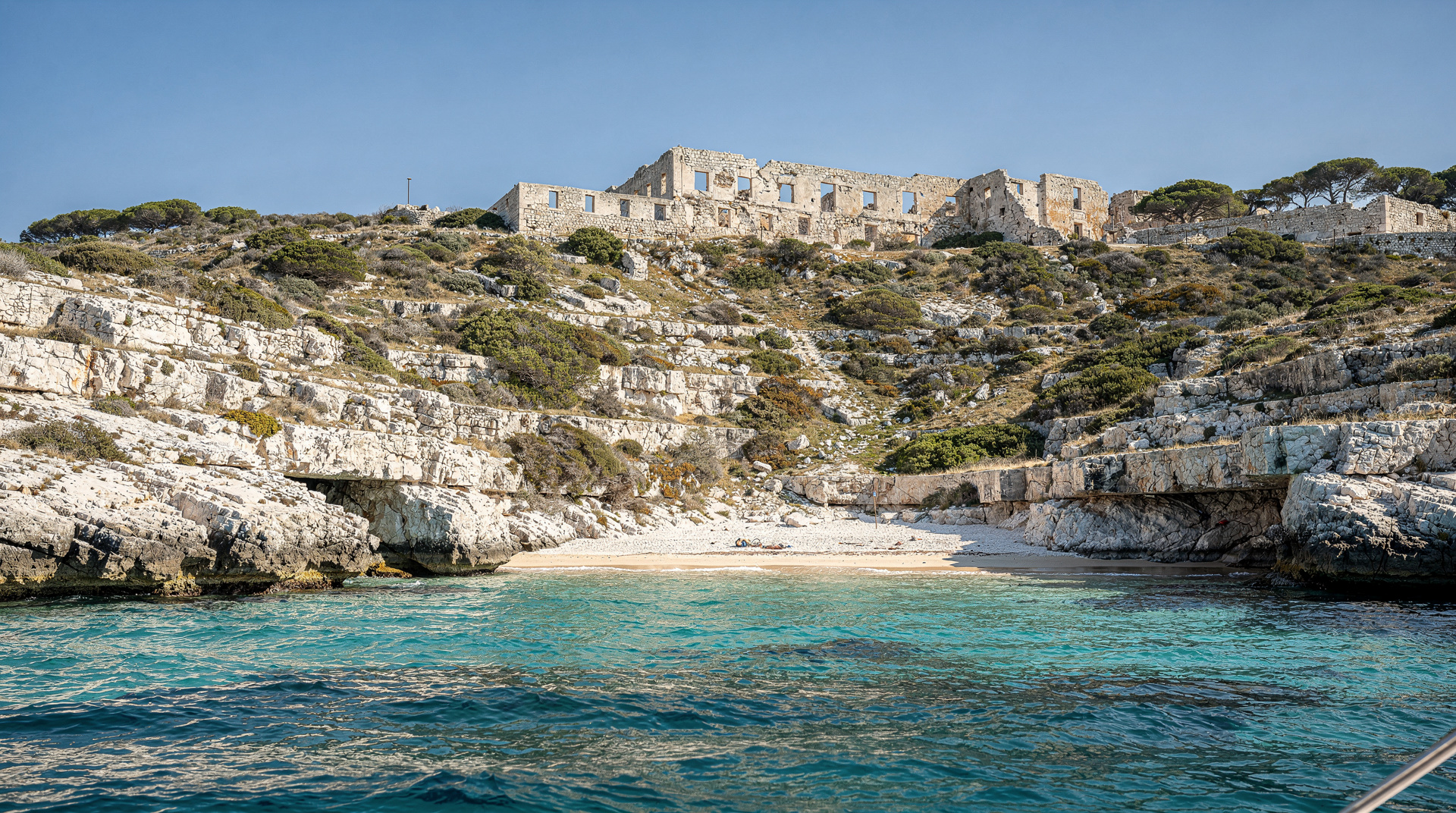
The terrace at the top of the fortress is the visual highlight of the visit. From here, the entire Bay of Marseille is visible: the city panorama to the east (Notre-Dame de la Garde on its hill, the MuCEM on the waterfront, the port cranes to the north), the Frioul Islands immediately west (Ratonneau and Pomègues with the Hôpital Caroline ruins visible), and the Calanques headland to the south.
This is one of the few places where you can see the Bay of Marseille geographically — the arc from the Calanques coastline to the Frioul and back to the city. It takes 10 minutes to photograph adequately and provides the single most memorable image of most Château d’If visits.
The Count of Monte Cristo connection
The novel by Alexandre Dumas (published 1844) is set partly at the Château d’If, where the protagonist Edmond Dantès is imprisoned unjustly. Dumas visited the fortress on a trip with the Prince of Joinville in 1841 and used it as inspiration. The novel’s fictional cell is labelled in the fortress with a placard.
The connection drives significant visitor numbers — particularly English-speaking visitors for whom the novel is a cultural reference. The reality of the castle is worth separating from the fiction: the actual historical prisoners held here included real political detainees, Protestant Huguenots after the Revocation of the Edict of Nantes, and the legendarily mysterious “Man in the Iron Mask” (though his imprisonment at If is historically disputed).
Practical information
Getting to the Quai du Port: From the Vieux-Port métro station, walk north along the Quai du Port approximately 10 minutes toward the Fort Saint-Jean. From MuCEM, cross the Saint-Jean footbridge and walk east along the quai (10 minutes). From Le Panier district: descend directly to the Quai du Port (5 minutes).
Opening hours: The Château d’If monument is typically open daily from 9:30 to 17:00 (winter) and 9:30 to 19:00 (summer). Check the Centre des Monuments Nationaux website for exact hours on your visit date.
Weather dependence: The Frioul-If Express cancels in rough sea conditions. The Château d’If island has no shelter from a strong mistral — the terrace is fully exposed. Wind forecasts matter more here than at most Marseille attractions.
The historical prisoners of Château d’If
The fortress was converted to a prison in 1540, almost immediately after its construction. Over the next 350 years, it held prisoners that the French state wanted isolated from the mainland without trial or fixed sentence. The conditions varied considerably by class — upper-class prisoners were given larger, lighter cells in the upper levels; ordinary prisoners were held in the darker lower cells (now the most atmospheric for visitors).
Notable historical prisoners:
The Protestant Huguenots imprisoned here after the Revocation of the Edict of Nantes (1685) — hundreds of Protestant pastors and community leaders were held here over the following decades. This is the most significant real chapter of the fortress’s prison history, largely obscured by the literary association.
The supposed “Man in the Iron Mask” — the famous masked prisoner of Louis XIV — is sometimes associated with Château d’If, but the historical evidence places his imprisonment primarily at Pignerol and Sainte-Marguerite, not If. The Château d’If connection appears to be apocryphal.
Honoré Gabriel Riqueti, Comte de Mirabeau — the future revolutionary orator — was briefly imprisoned at If in 1774 on a lettre de cachet from his father. He was there only briefly before being transferred.
The fictional prisoner: Edmond Dantès, the hero of Dumas’s The Count of Monte Cristo (published 1844), was imprisoned at Château d’If in the novel’s narrative for 14 years before his escape. Dumas visited the fortress in 1841 and used the isolation and history of the real prison as his setting. The labelled “Dantès cell” and the tunnel cut through the wall (supposedly representing the tunnel the fictional Abbé Faria dug between their cells) are the novel’s physical legacy at the fortress. The tunnel is real — it was cut during the 19th century as a tourist feature, not as a historical artifact.
The architecture: what to look for
The Château d’If consists of three towers surrounding a central courtyard, connected by curtain walls and entered through a single gate on the island’s eastern face. The construction is military Gothic — functional rather than decorative, built for artillery defense that it never needed to mount. The thickness of the walls (2–3 metres at the base) and the restricted window openings reflect the 16th-century understanding of cannon fire.
The lower cells are the most atmospheric — vaulted stone ceilings, small high windows, and the sound of the sea audible through the walls. The inscriptions and carvings left by prisoners on the cell walls are the most direct human testimony in the fortress. Some are elaborate — names, dates, prayers, drawings. They are the equivalent of the graffiti on any prison wall anywhere, but centuries older.
The terrace at the top is accessed via stone stairs. The parapet gives the panoramic bay view described above. The cannon emplacements (now empty) on the terrace corners show the original purpose — covering the sea approaches to the Bay of Marseille from east and west.
Combining Château d’If with the rest of Marseille
The typical efficient Marseille itinerary with Château d’If:
Morning (Château d’If + Frioul): Take the 9:30 ferry, stop at Château d’If (20 minutes on the island), continue to Frioul (3–4 hours including walking and swimming), return to the Vieux-Port by 15:00. Afternoon free for the Vieux-Port area or Le Panier.
Afternoon only (Château d’If): Take a midday ferry (12:00–14:00 departure), visit the fortress, return. Back at the Vieux-Port by 15:30–16:00. This fits naturally after a morning in Le Panier or MuCEM — see the Marseille planning guide for full day itineraries.
Sunset circuit: Some evening cruise operators include a circuit around Château d’If at dusk as part of the bay panorama, without landing. The fortress from the water at sunset — illuminated by the horizontal light, the Frioul silhouetted behind — is a valid way to incorporate Château d’If into an evening cruise without using the island visit time.
For the full Château d’If destination context, see the Château d’If guide. For the Frioul Islands visit planning, see the Frioul Islands guide and the Frioul boat guide. For other boat activities from the Vieux-Port, see the Calanques boat tour guide and the sunset cruise guide. For planning your Marseille time, see how many days in Marseille.
Frequently asked questions about Château d’If by boat
Do I need to buy the ferry ticket and the monument ticket separately?
Yes. The ferry ticket (around EUR 10.80 return, or EUR 16.20 combined with Frioul) only covers the boat crossing. Monument entry to the fortress itself, managed by the Centre des Monuments Nationaux, is purchased separately on the island for around EUR 7 per adult. Budget for both when planning the trip.
Is Château d’If worth it if I’ve already visited the Frioul Islands on a previous trip?
Marginally, and mainly for the Count of Monte Cristo association or the history of the Huguenot imprisonments. On its own the fortress is a compact 20–40 minute visit; if you have already done Frioul, a repeat Château d’If-only trip is a reasonable short addition to a Marseille day rather than a must-do. Compare with a sunset cruise that passes the fortress without landing, if you’d rather skip the entry fee and queue.
Booking tickets and avoiding queues
Both the ferry and the monument entry can be booked online in advance, and doing so is worthwhile in July and August when the Quai du Port kiosk queue can run 20–30 minutes at peak times. The ferry and monument tickets are sold separately by different operators (Frioul-If Express for the boat, the Centre des Monuments Nationaux for the fortress), so pre-booking both means two separate confirmations rather than one combined ticket.
In shoulder season (April–June, September–October), walk-up availability at the kiosk is usually fine, and pre-booking mainly saves the short wait rather than guaranteeing a spot. In winter, sailings are less frequent and weather-dependent, so checking the schedule the morning of your visit is worthwhile regardless of whether you’ve pre-booked.
Top experiences
Bookable activities with verified prices and instant confirmation on GetYourGuide.