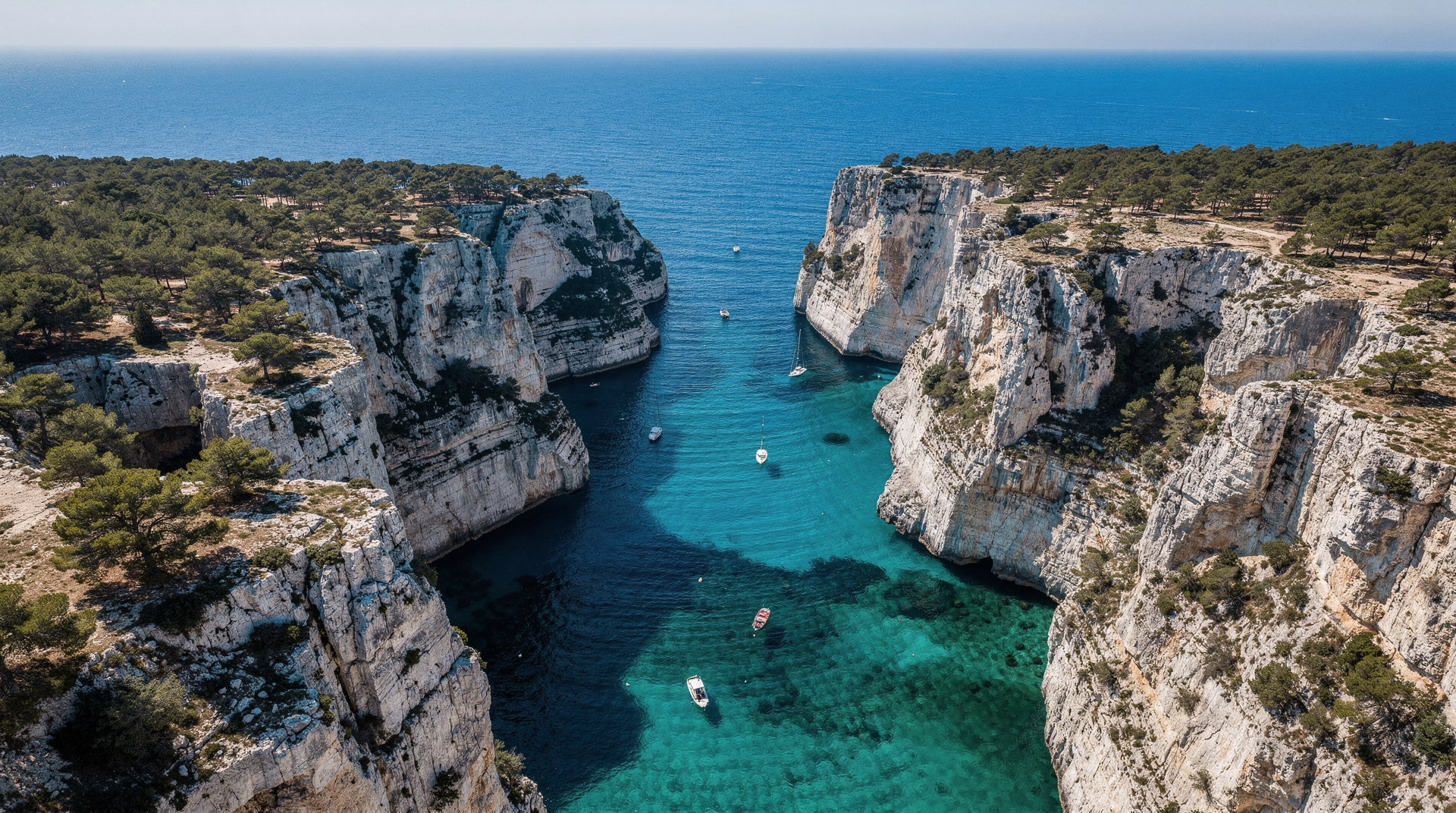
Château d'If, Marseille
Château d'If is the famous island fortress off Marseille — the Count of Monte-Cristo's fictional prison.
Marseille: Château d'If and Frioul Calanques sailing cruise
Quick facts
- Ferry from Vieux-Port
- ~15–20 min; ~EUR 11 return
- Entry ticket
- Separate from ferry; Centre des Monuments Nationaux
- Opening hours
- Daily, typically 10:30–18:00 (confirm before visiting)
- Free entry
- EU citizens under 26; heritage days
- Count of Monte-Cristo
- Alexandre Dumas set his 1844 novel here; fictional cells marked
The island that Alexandre Dumas made famous
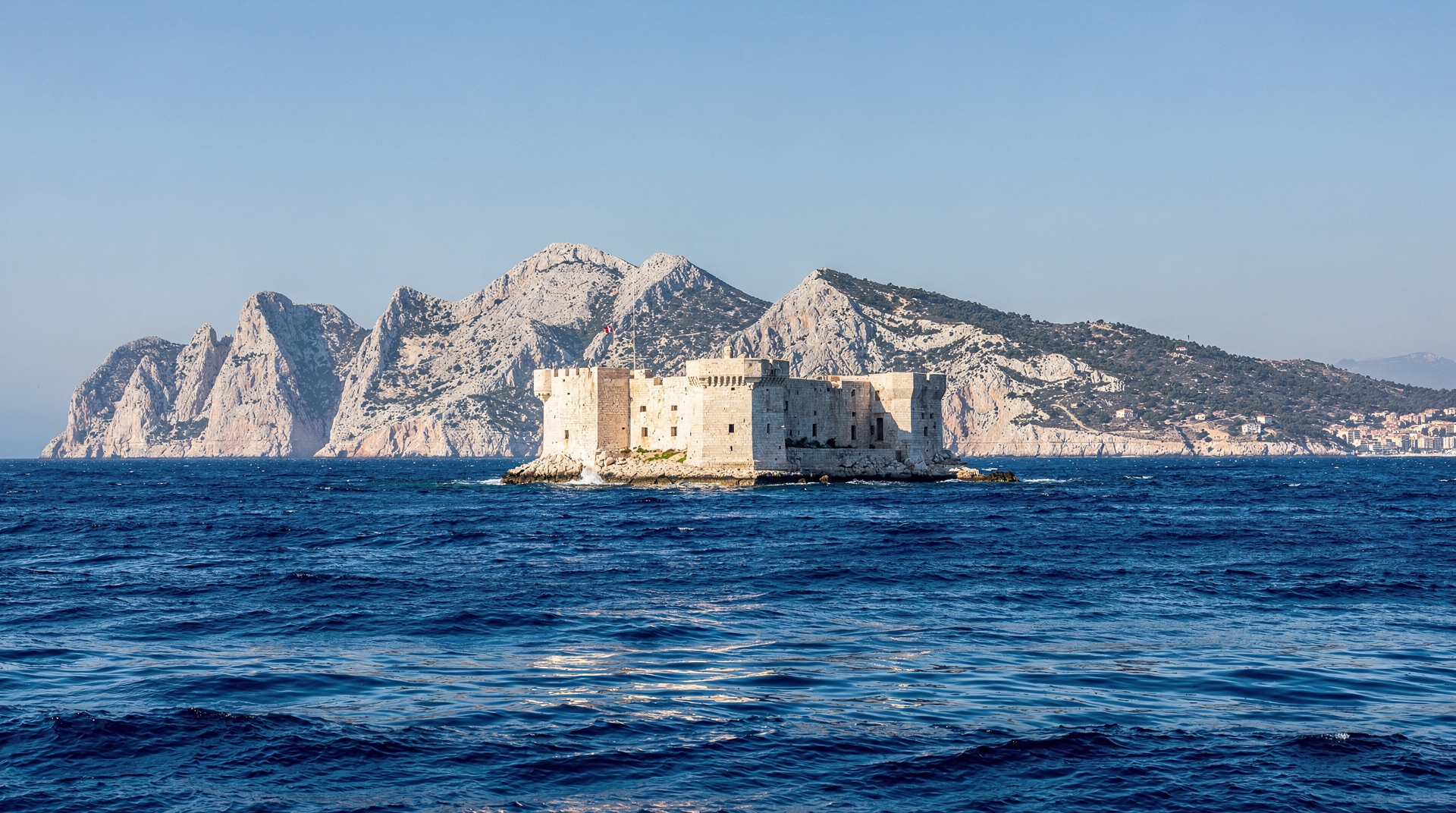
Château d’If sits on a tiny island in the Bay of Marseille — 1.5 kilometres from the Vieux-Port, small enough that the fortress occupies essentially the entire rocky surface. It was built between 1524 and 1531 on the orders of François I as a defensive outpost protecting the harbour entrance, and was converted to a prison almost immediately. For the next three and a half centuries it held, in various degrees of misery, religious prisoners, Protestants after the revocation of the Edict of Nantes, political prisoners from every regime France passed through, and ordinary criminals consigned there by lettre de cachet.
Alexandre Dumas set the early chapters of “Le Comte de Monte-Cristo” (1844) on the island, imprisoning his hero Edmond Dantès in a fictional dungeon for fourteen years. The novel’s plot is not historical, but the cells are real, and Dumas’s invention is plausible enough that the island has carried the literary association for 180 years. It is now one of the most visited monuments in the Provence-Alpes-Côte d’Azur region — not for its history per se, but for the combination of genuine medieval fortress, island isolation, panoramic views, and fictional romance.
At a glance
| Where | Île d’If, 1.5 km off the Vieux-Port, Marseille |
| Cost | Around 11 EUR return ferry, plus around 8-10 EUR fortress entry |
| Time needed | 2-3 hours including the ferry crossing |
| Getting there | Frioul-If Express ferry from Quai du Port, 15-20 minutes |
| Best time | Spring and autumn for cooler temperatures and smaller crowds |
The fortress: what you actually see
Château d’If is a square three-storey fortress with four round towers at the corners. The stone is grey-white limestone, weathered by salt air, and the scale from the ferry landing is impressive — the walls rise immediately from the rocky shore. Inside, the fortress has three levels of cells, varying considerably in quality according to the wealth and status of the prisoner:
Upper cells: These were for wealthy or high-status prisoners — larger, with windows facing the sea, and relatively tolerable conditions. Several have specific historical associations.
The “Dantès cell”: A room in the lower level is marked as Edmond Dantès’s fictional cell, and an adjoining tunnel leads to the cell of the Abbé Faria (his mentor in the novel). Both are fictional, but the cells are real and the story is told with enough historical context to make the visit feel grounded rather than purely Disney. This is what most visitors come for.
Lower dungeons: The actual lowest cells were reserved for those without money or influence. They are dark, low, and give an unambiguous picture of what 17th-century imprisonment meant in practice.
Rooftop terrace: The best single reason to climb to the top of the fortress. The view from the roof terrace encompasses the entire Bay of Marseille, the Frioul archipelago to the northwest, Notre-Dame de la Garde on its hill to the east, and on clear days the beginning of the Calanques ridgeline to the south-east.
Allow 1 to 1.5 hours inside the fortress. There is no café on the island — bring water.
Tickets and practicalities
Ferry: The Frioul-If Express departs from Quai du Port (Vieux-Port north shore) to Château d’If. Journey: 15–20 minutes. Return ferry ticket: approximately 11 EUR per adult. Tickets at the kiosk on the Quai du Port or online in advance.
Entry to the fortress: A separate ticket is required, managed by the Centre des Monuments Nationaux. Price is around 8–10 EUR per adult (verify current price at chateau-if.fr before visiting). EU citizens under 26 and on designated heritage days (typically European Heritage Days in September). Free for under 18s in EU.
Opening hours: Generally 10:30 to 18:00. The fortress is closed on certain Mondays in the off-season. Confirm at chateau-if.fr before your visit, as hours vary by season.
What to bring: Water (no facilities on the island), sunscreen (the roof terrace is fully exposed), comfortable shoes. The stairs inside the fortress are steep and uneven.
The ferry: what to expect
The Frioul-If Express ferry calls at Château d’If before continuing to the Frioul Islands, and returns in the reverse order. You can visit Château d’If only (get on and off at the island, taking a later return ferry), or combine it with the Frioul Islands by continuing on the same ferry and returning from Frioul.
The ferry is a standard passenger vessel, covered seating available. On the 15-minute crossing you get a progressively better view of the fortress appearing ahead of you — it is worth being on deck for the approach. From the island landing, the fortress walls are immediately above you on arrival.
In rough weather (strong mistral), ferries may be cancelled. Check conditions and the operator’s website (lebateau-frioul-if.fr) before the day.
Sailing to Château d’If
Beyond the public ferry, several sailing and boat tour operators run private charters and sailing experiences that include Château d’If and the Frioul Islands. These typically depart from the Vieux-Port or the Pointe Rouge marina and spend half a day or a full day on the water.
The sailing approach to Château d’If — arriving under sail as ships have for centuries, rounding the fortress at sea level — is a significantly different experience from the ferry. Several of the tours include swimming stops in the clear water around the island, which the public ferry does not.
Historical prisoners of Château d’If
Beyond the fictional Edmond Dantès, the actual prisoner record of Château d’If includes:
Honoré Mirabeau (1774–1775): The future revolutionary orator was imprisoned here at his father’s request after a debt dispute and a love affair. He used the time productively, writing.
Protestants after 1685: When Louis XIV revoked the Edict of Nantes, thousands of Protestants who refused to convert were imprisoned. Many died in the lower dungeons of Château d’If.
The Iron Mask controversy: A mysterious prisoner known as “l’homme au masque de fer” is associated with various French fortresses, including, in some versions, Château d’If. The historical record is murky; the romantic associations are not.
The fortress itself was decommissioned as a prison in 1871, having housed prisoners through the Revolution, the Empire, the Restoration, and the Third Republic.
Combining Château d’If with the Frioul Islands
Most visitors combine Château d’If and the Frioul Islands in a single half-day or full-day excursion. The ferry connects both, typically with a 20-minute stop at Château d’If before continuing to Frioul. From Frioul you return at your chosen ferry time.
A comfortable combined visit requires 4–5 hours from the Vieux-Port: 20 minutes ferry to Château d’If, 60–90 minutes inside the fortress, 25 minutes on to Frioul, 2–3 hours exploring and swimming at Frioul, and 30 minutes return ferry. This is a full half-day from the Vieux-Port.
For the full picture on the Frioul Islands, see our Frioul Islands guide. For context on the wider bay of Marseille and boat tour options, see the Château d’If by boat guide and our Frioul boat guide.
Is Château d’If worth visiting?
The honest answer depends on what you are looking for.
Worth it if: You have read The Count of Monte-Cristo (or are a fan of the novel), you are interested in the genuine history of French imprisonment, or you want to see the bay of Marseille from an unusual angle. The rooftop view back toward the city is excellent, and the lower cells are genuinely sobering. Budget 1.5 hours minimum.
Worth it even without the novel: The fortress is architecturally interesting, the island setting is striking, and the combination ferry to Frioul Islands adds sufficient additional content to justify the total excursion time.
Less worthwhile if: You have severe time constraints and are choosing between Château d’If and the Calanques. The Calanques are more scenically extraordinary. Château d’If is a historical complement to the Marseille urban visit, not a nature experience.
The standard tourist circuit — ferry from Vieux-Port, 90 minutes at the fortress, then Frioul Islands for a swim and lunch — is genuinely enjoyable and a good half-day from the city.
The island setting
Île d’If is tiny — about 3 hectares of rock. The fortress occupies the entire western and central portion of the island, with the remaining rocky shoreline forming a narrow circuit around the base of the walls. The sea around the island is clear enough to see the bottom in calm weather; the fortress walls rise directly from the waterline. The effect of being surrounded by water on all sides, with Marseille visible as a city panorama 1.5 kilometres to the east, gives the island a quality of genuine isolation that the short crossing time belies.
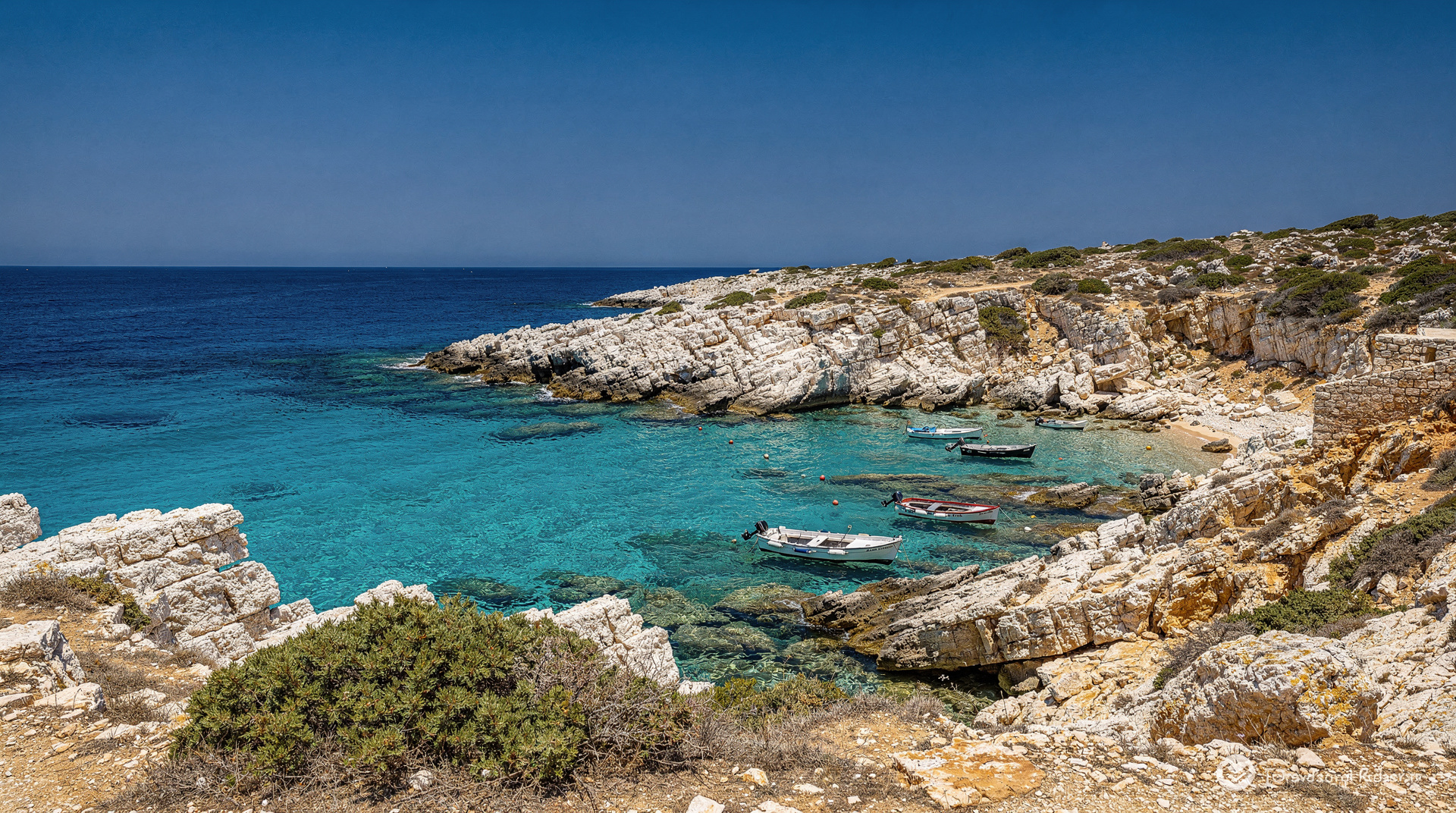
Swimming is not permitted at Château d’If. The island is managed as a heritage monument and the immediate waters are not designated for bathing. Continue to the Frioul Islands for swimming.
Practical comparison: public ferry vs guided sailing tour
Public ferry (Frioul-If Express): The economical choice. Ferry ticket plus fortress entry. You control your own time on the island. The ferry is functional and not scenic in itself. Good for independent travellers who want to manage their own schedule.
Guided sailing tour: More expensive, but includes the approach under sail, typically a longer time on the water, and often a circuit of both Château d’If and the Frioul Islands without ferry schedule constraints. The sailing approach — arriving as historical ships did — is meaningfully different from the motor ferry experience. Better for couples or those who want the maritime element as part of the experience rather than just transport.
Both options are referenced above in the tours section. See our full Château d’If guide for more detail on the monument’s interior and history.
Frequently asked questions about Château d’If
How long does a Château d’If visit take?
Budget 2 to 3 hours total from the Vieux-Port: about 20 minutes each way on the ferry, plus 60-90 minutes inside the fortress. Add another 2-3 hours if you continue on to the Frioul Islands on the same ferry line.
Is Château d’If worth it if I have not read The Count of Monte-Cristo?
Yes, though the experience is different. Without the novel, the appeal is the genuine 16th-century fortress architecture, the real history of French imprisonment through several regimes, and the rooftop view over the Bay of Marseille — all of which stand on their own regardless of Dumas.
Château d’If alongside the rest of Marseille
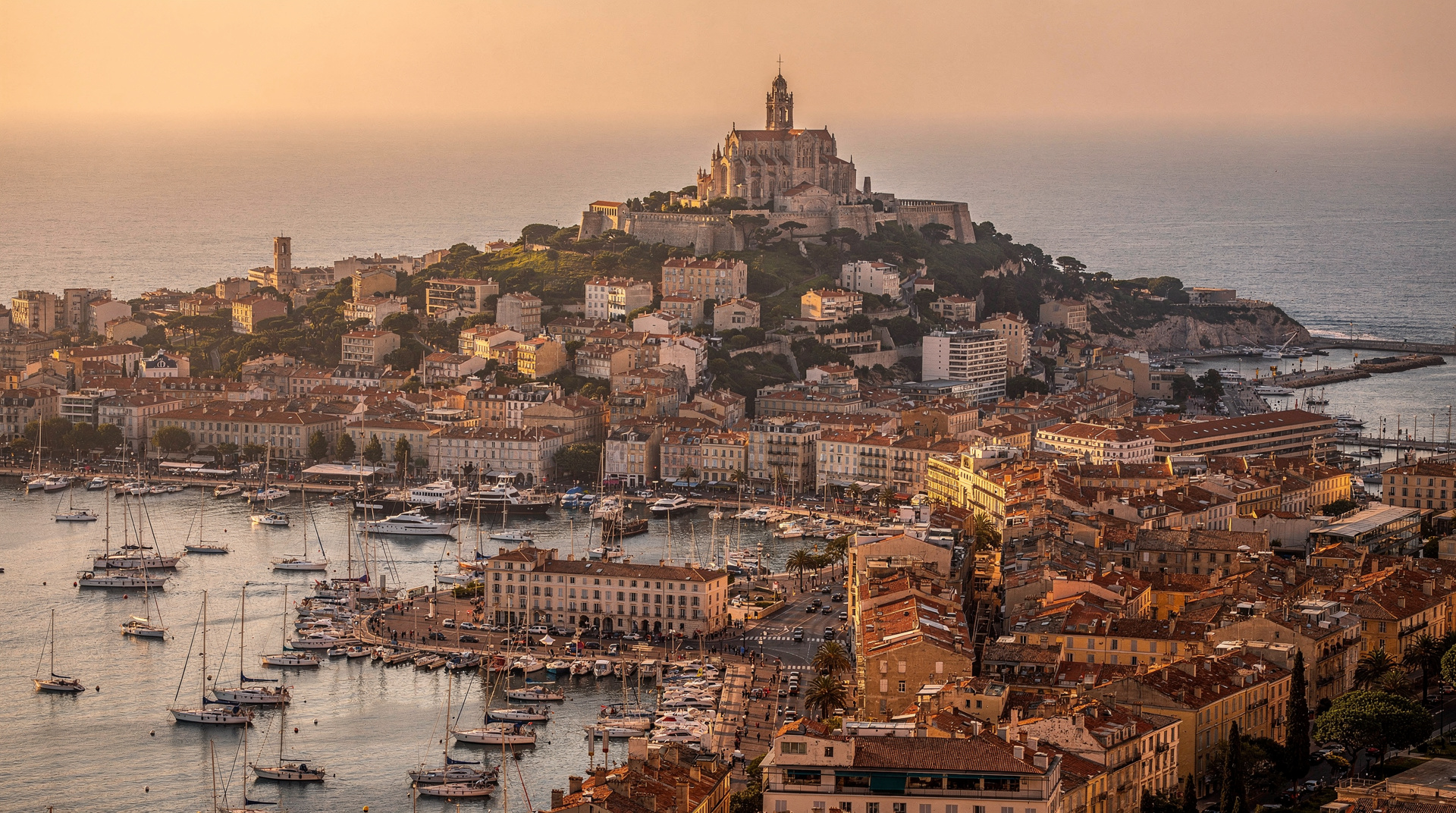
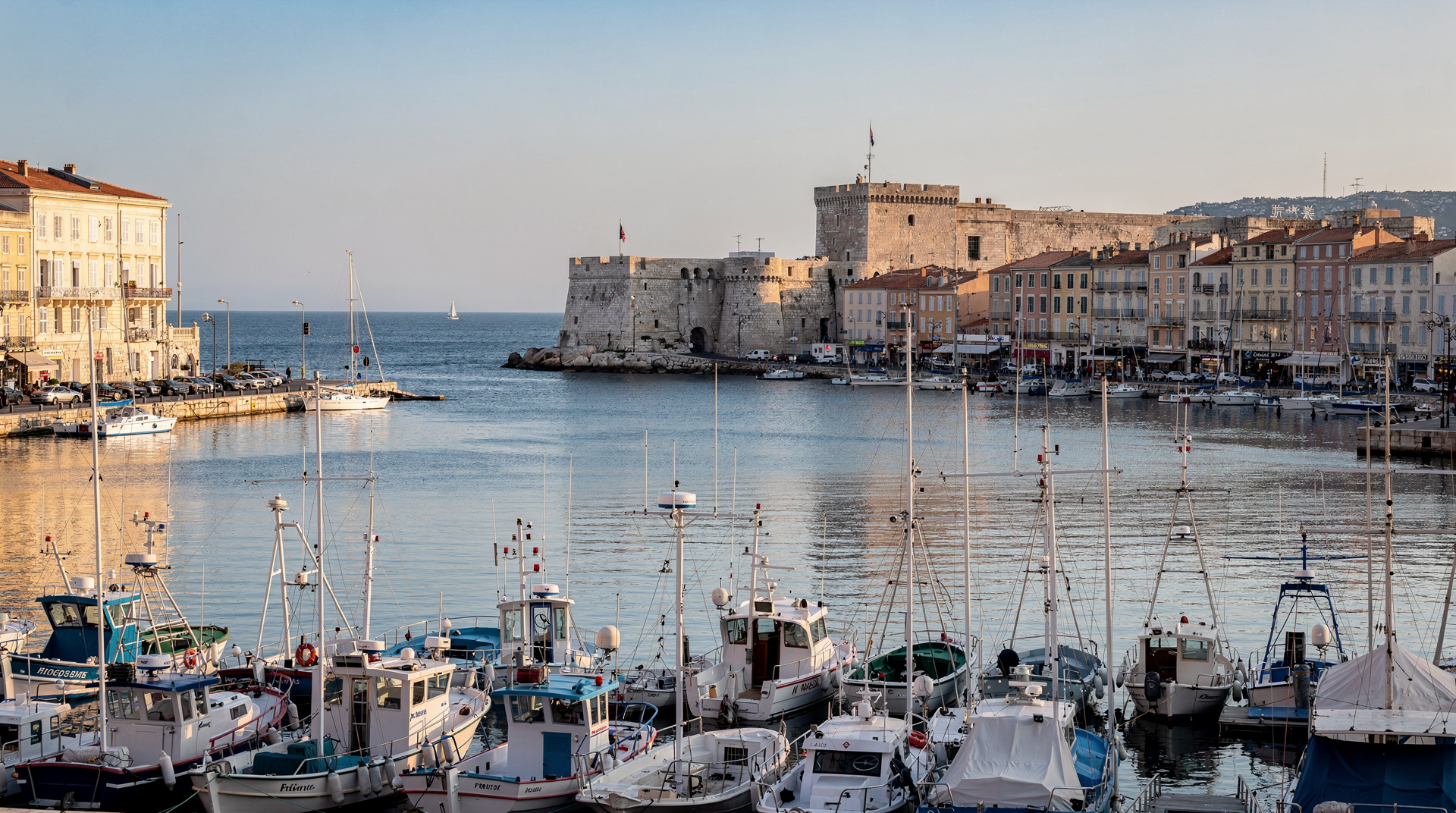
Château d’If works best as a half-day slotted into a longer Marseille stay rather than a reason to visit the city on its own. Pair it with the Vieux-Port itself in the morning — the ferry departs from the Quai du Port, so the fortress visit naturally bookends a walk around the harbour — and save the afternoon for Notre-Dame de la Garde or Le Panier.
Visitors with more time on the water should also weigh a trip to the wider Frioul Islands, reachable on the same ferry line, or the Calanques National Park for a nature-first alternative to the fortress’s history focus.
Top experiences
Bookable activities with verified prices and instant confirmation on GetYourGuide.