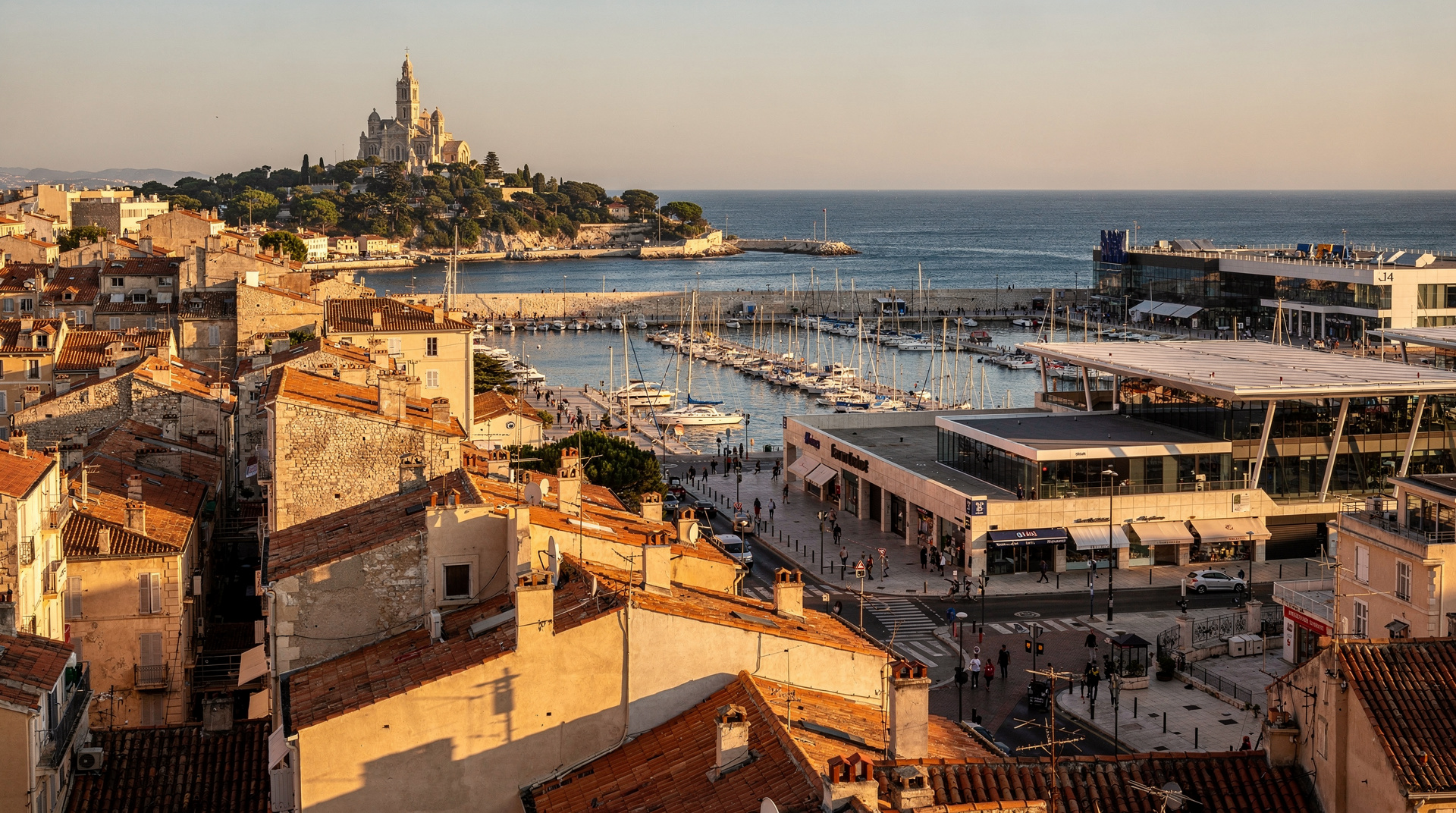
Best area to stay in Marseille for families
Marseille: old town outdoor escape game
Where is the best area to stay in Marseille with children?
Prado/Corniche for beach access and quiet residential life; Vieux-Port for walkability and central location (noisier at night). Avoid Belsunce/Saint-Charles area after dark. Apartments over hotels for families needing kitchen and extra space.
Marseille with children: what actually matters
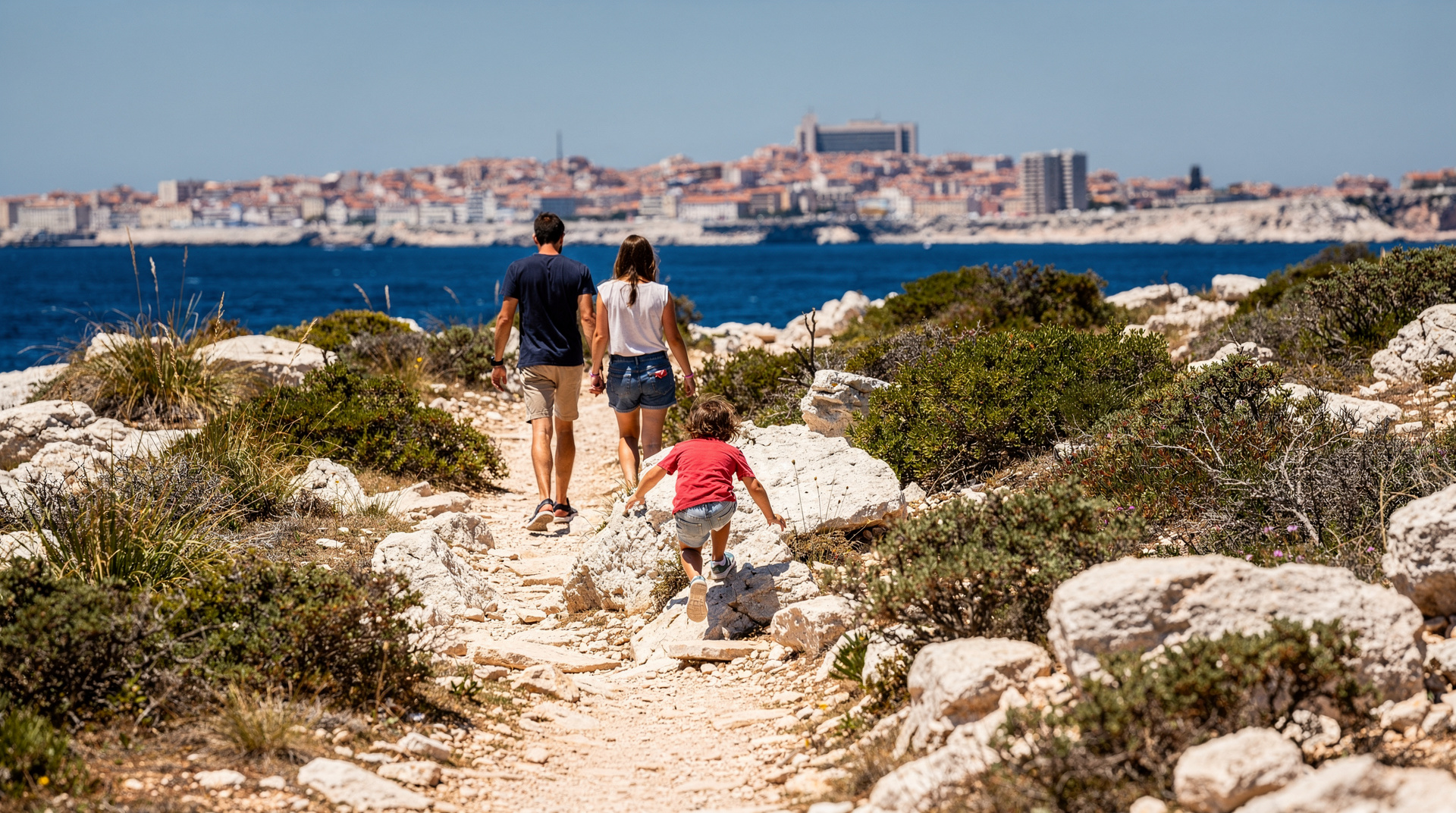
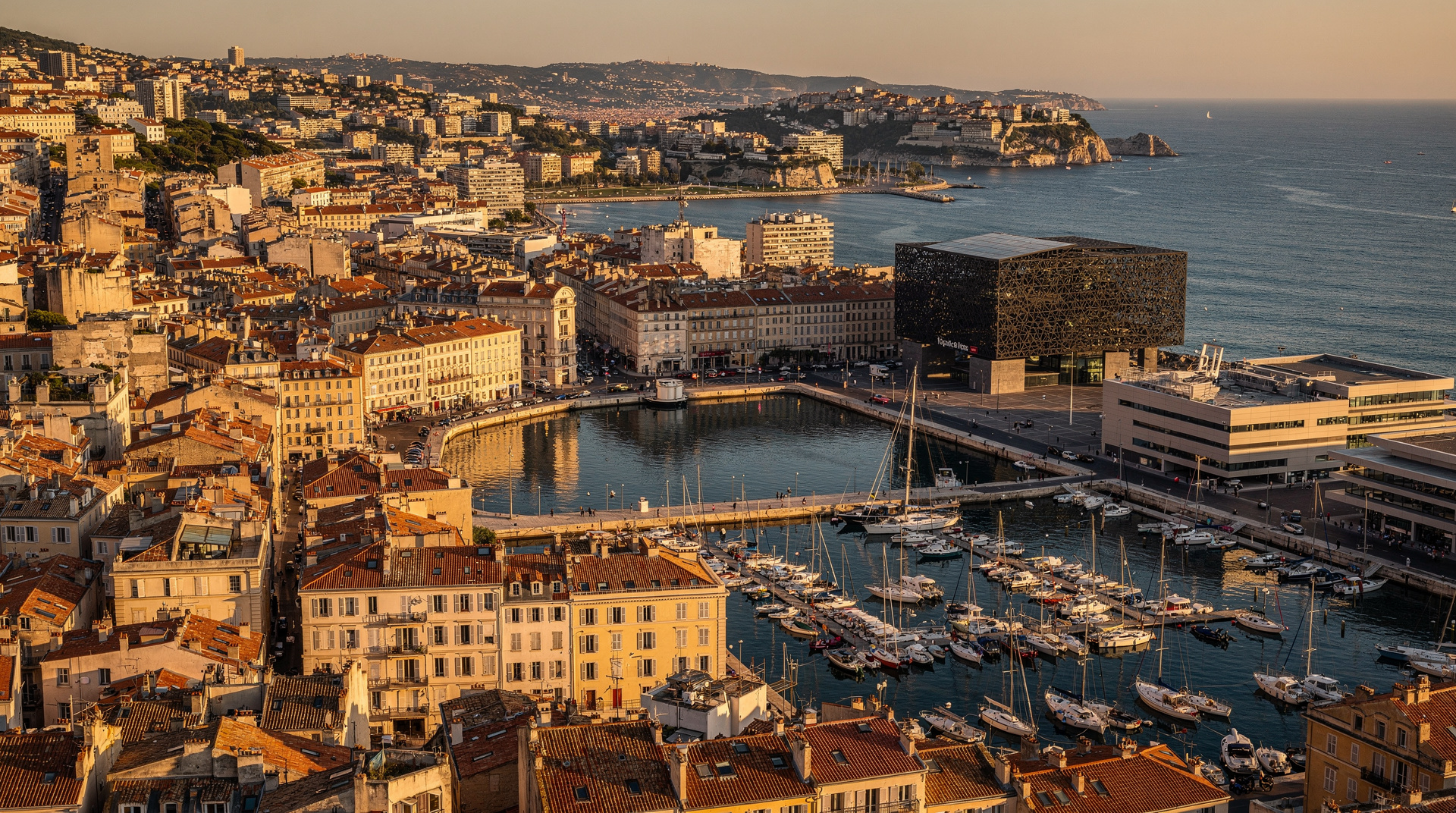
Marseille is a perfectly good destination with children — beaches, ferry rides, an outdoor escape game in the old city, the Frioul Islands, the MuCEM, the fish market at dawn — but it requires more logistical thought than a purpose-built family resort. The city is hilly and has some genuinely poor stroller terrain in certain neighbourhoods. Accommodation with family-sized rooms or apartments is available but less standardised than in some French destinations. And the neighbourhood you choose to base yourself in materially affects how stressful or relaxed the daily experience is.
This guide addresses the questions families actually have: which neighbourhood gives the best combination of beach access, walkability, transport connections, and reasonable noise levels; what type of accommodation works; and which areas to simply avoid when travelling with children.
| At a glance | |
|---|---|
| Where | Vieux-Port (central, walkable) vs Prado/Corniche (beach-access, residential) |
| Cost | Family hotel rooms and apartments vary widely by season; expect a premium in July–August, especially for beach-adjacent stays |
| Time needed | N/A — a base for the whole stay, not a single visit |
| Getting there | Both zones connect by metro/bus; Prado to Vieux-Port sights is a 20–30 minute bus or metro ride |
| Best time | Shoulder season (May–June, September) for quieter streets and easier family-room availability |
Vieux-Port vs Prado/Corniche at a glance
| Factor | Vieux-Port | Prado/Corniche |
|---|---|---|
| Beach access | 20–25 min walk to Catalans | 5–10 min walk to Prado beaches |
| Cultural sites | Walkable (Le Panier, MuCEM) | 20–30 min by bus/metro |
| Evening noise | Can be loud on the waterfront | Quiet, residential |
| Accommodation mix | Widest hotel selection | More apartments, fewer hotels |
| Best suited to | Older kids (8+), culture-first trips | Younger kids, beach-first trips |
The main choice: Vieux-Port area vs Prado/Corniche
For families, the decision essentially comes down to two zones with different trade-offs.
Vieux-Port area: the convenient but noisy option
Why families choose it:
- One métro stop from Gare Saint-Charles — you arrive with luggage and are immediately at your accommodation base
- Everything major is within walking distance: Le Panier (10 min), MuCEM (15 min), Notre-Dame de la Garde by bus (15 min), Frioul ferry departure (5 min walk)
- The widest selection of hotels of all categories
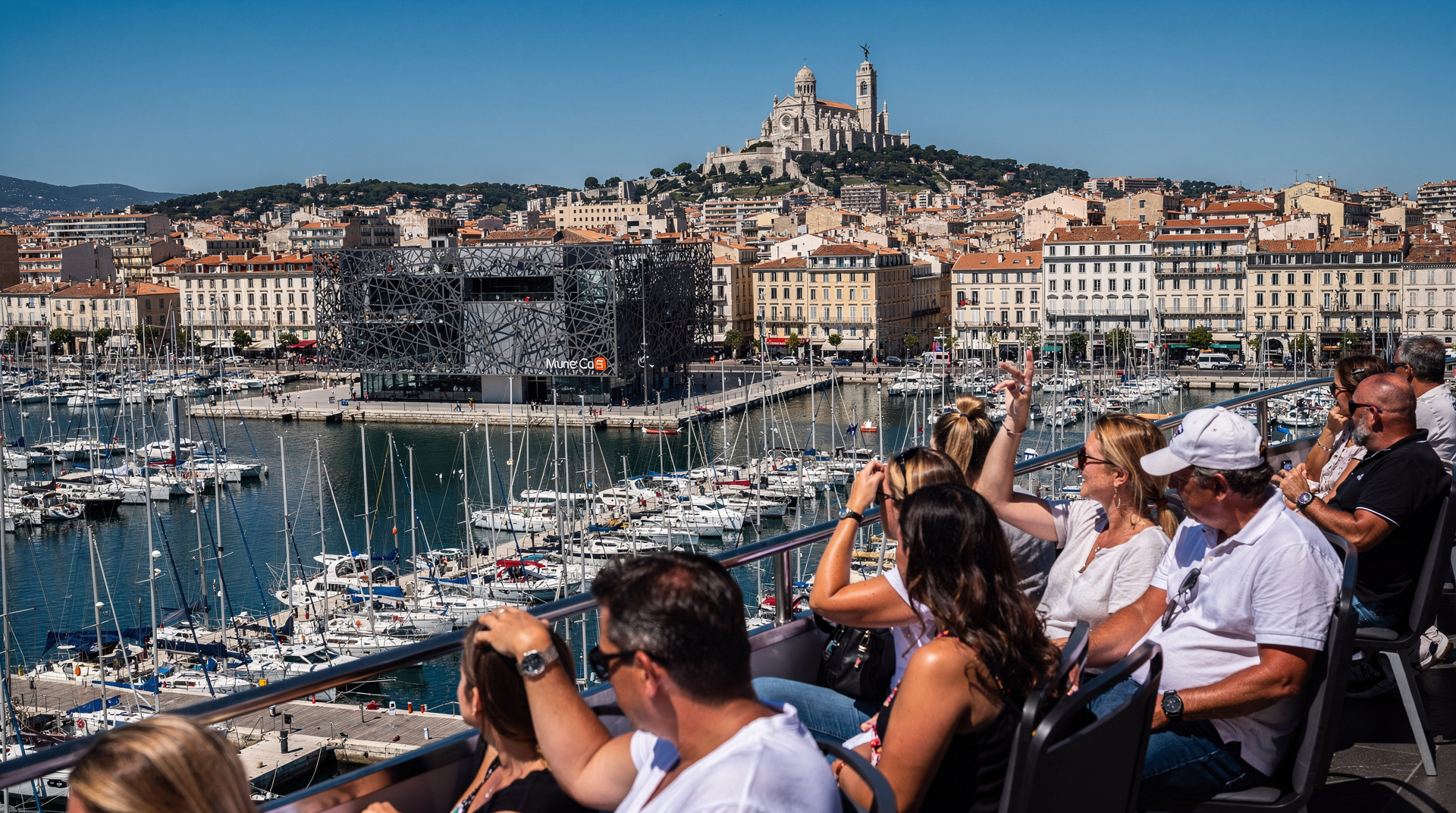
- The hop-on hop-off bus stops here and covers all the main family-accessible sights
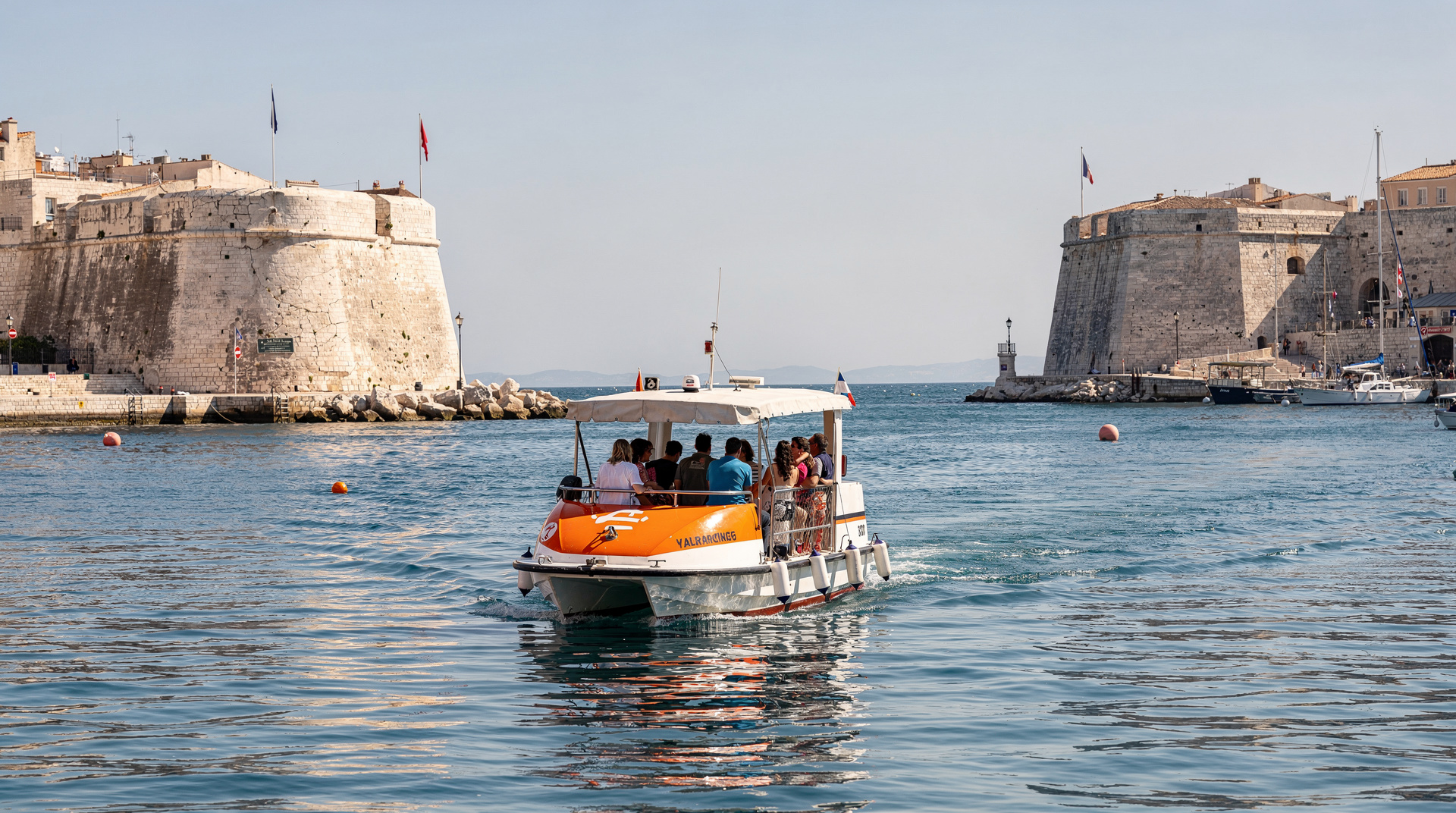
- The cross-harbour ferry — free and a 5-minute novelty for children — departs from the Quai des Belges
The downsides:
- Noise. The Vieux-Port bars and restaurants on the south quai (Quai de Rive Neuve) stay busy until midnight or later in summer. Hotels immediately on the waterfront can be genuinely loud on warm evenings. Internal rooms or rooms facing away from the quai are significantly quieter — request specifically when booking.
- Not a beach-walking-distance neighbourhood.
The nearest swimming beach (Catalans cove) is 20–25 minutes on foot. The Prado beaches require bus 83 (25–30 minutes).
- The fish market pickpocket concentration point — a minor practical concern when managing children and bags simultaneously
- Room sizes: older hotels near the Vieux-Port often have small standard rooms. Family rooms with 4 beds are available but limited — book well in advance.
Recommended for: Families with older children (8+) who can handle a 10-minute uphill walk to Le Panier, want maximum cultural coverage without a transport plan for everything, and are not disturbed by urban evening noise.
Prado/Corniche: the quieter beach-access option
Why families choose it:
- The Prado beaches are a 5–10 minute walk from accommodation in the 8th arrondissement — organised beaches with lifeguards, toilets, and beach gear rental in season
- The neighbourhood behind the Prado is residential Marseille — quieter at night, more normal local atmosphere, fewer tourist-facing businesses
- Parc Balthazar (behind the beaches) provides green space, a skate park, and room for children to run freely
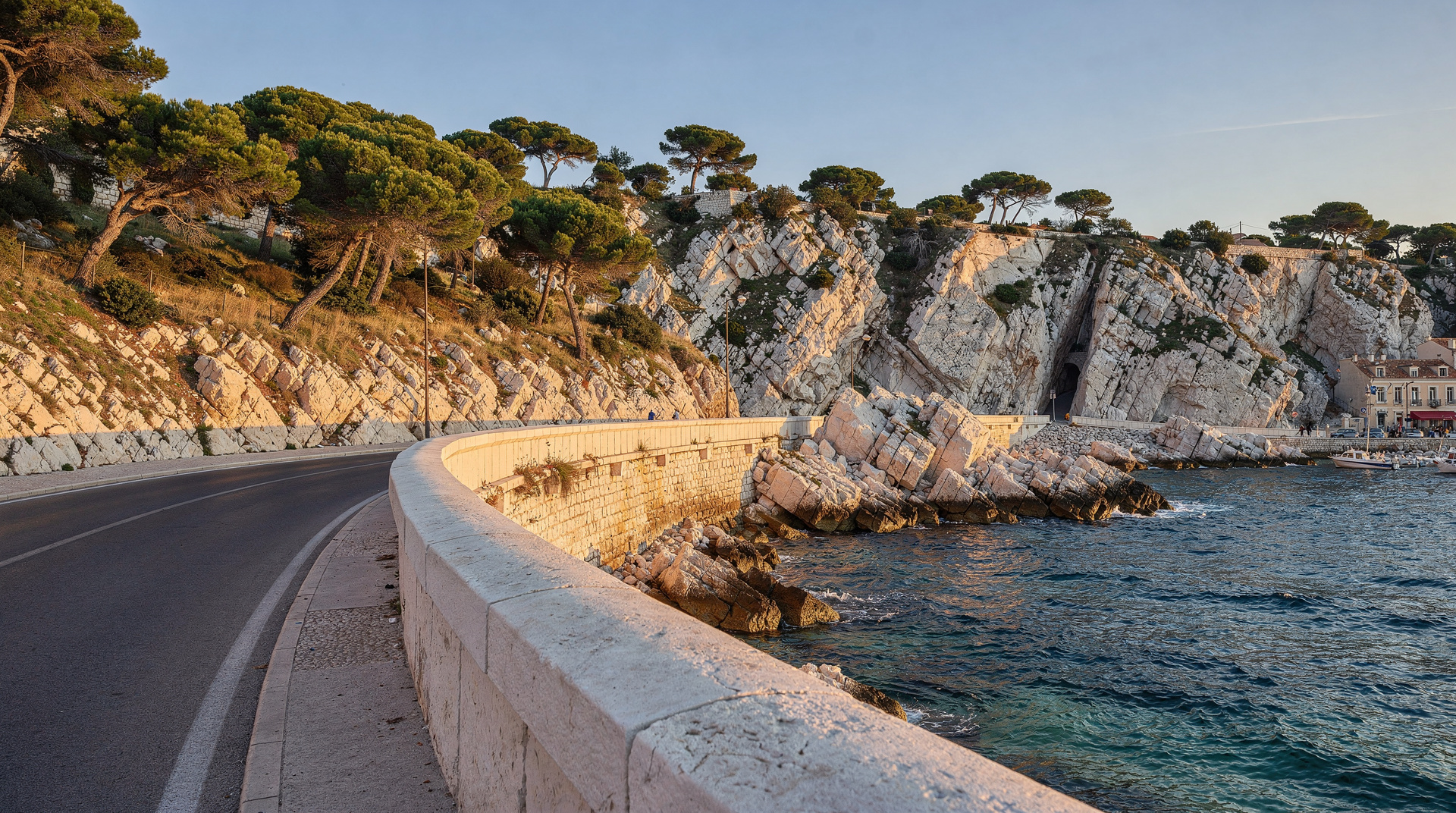
- The Corniche itself — either walked or cycled — gives a spectacular coastal route toward Vallon des Auffes and Catalans cove
The downsides:
- The main cultural sites (Vieux-Port, Le Panier, MuCEM) are 20–30 minutes away by bus or metro. Every cultural outing requires planning transport.
- Hotel selection is smaller than the Vieux-Port zone; more apartments and residence-style accommodation than traditional hotels
- The Prado beaches are artificial — constructed from landfill. Perfectly functional and safe for swimming, but not natural white-sand Mediterranean beaches
Recommended for: Families with younger children for whom the beach is the primary draw; those who want to cook some meals rather than eating out every night; and those who find urban noise a significant problem.
Accommodation types for families
Hotel family rooms
Most hotels in Marseille’s family categories offer “family rooms” as a 4-person configuration — typically either two double beds or a double bed with two singles in a larger room. These are genuinely available across the Vieux-Port and Prado zones, but:
- Book early, especially for July and August. Family rooms sell first.
- Room sizes vary dramatically. Some family rooms are generously sized; others are converted larger doubles where the extra beds make the space feel cramped. Check photos carefully and read recent reviews mentioning children.
- Cots (cribs) for infants are available on request at most hotels, but confirm when booking.
Apartments
For families of 4–6, or for stays of more than 3–4 nights, apartment rental is generally more practical than a hotel:
- A kitchen significantly reduces meal costs and the stress of finding restaurants that work for all ages at every meal
- More space per person at equivalent cost
- The flexibility of a fridge and washing machine is transformative on a longer trip
Marseille has significant apartment rental stock through the usual platforms. For families, the most productive areas to search:
- 7th arrondissement (between Vieux-Port and Endoume): good location, residential character, some apartment stock
- 8th arrondissement (Prado zone): best for beach-access apartments; search near Plage du Prado
- 6th arrondissement (Cours Julien orbit): functional for families who want the neighbourhood atmosphere but less suited to younger children (late-night noise on the Cours itself)
Residence hotels (aparthotels)
Several residence-style hotels in Marseille — particularly in the Joliette/Euroméditerranée zone and the Prado area — offer studio and two-bedroom apartment units with kitchenettes, weekly linen service, and hotel reception. These are a good middle ground: more space than a standard hotel, less commitment than a private apartment rental.
Stroller-friendliness: honest assessment
Marseille is a hilly city with variable surfaces. The stroller assessment by neighbourhood:
Vieux-Port quais (flat): Good. The south and north quais are flat, wide, and smooth. Easy stroller territory.
Le Panier: Poor to very poor. The lanes are narrow, often stepped (not ramped), and the gradients are steep. Le Panier is not stroller-accessible beyond the lowest levels. Baby carriers are strongly recommended for families visiting Le Panier with infants or toddlers.
Noailles and Canebière: Good. Flat, wide pavements, accessible for strollers.
Corniche and Prado beaches: Good. The Corniche road has a pedestrian-accessible path along the coastal side. The Prado beach access paths are flat. Vallon des Auffes requires descending steps (not stroller-friendly) — use a carrier or leave the stroller at the top.
Cours Julien: Moderate. The Cours square itself is flat. Some surrounding streets have inclines and uneven stone surfaces. Manageable for determined stroller users.
Notre-Dame de la Garde approaches: Very poor for strollers. The approach paths involve significant steps. Take the bus or petit train rather than attempting the foot approach with a stroller.
Which areas to avoid with children
Belsunce/Cours Belsunce (after dark): The market area north of Noailles is a perfectly functional day destination — excellent food, vibrant market culture — but the area at night is not where you want to be navigating with children. Avoid after 20:00.
The area immediately around Gare Saint-Charles (at night): The station itself is fine, but the streets immediately around it after dark have higher pickpocket activity and some street-sleeping. Use the metro and get to your neighbourhood rather than lingering in the station area at night.
Northern arrondissements (13th, 14th, 15th): These are peripheral residential districts with the city’s documented social and security challenges. There is no reason for tourists to visit these areas, and no reason to transit through them.
What children actually like in Marseille
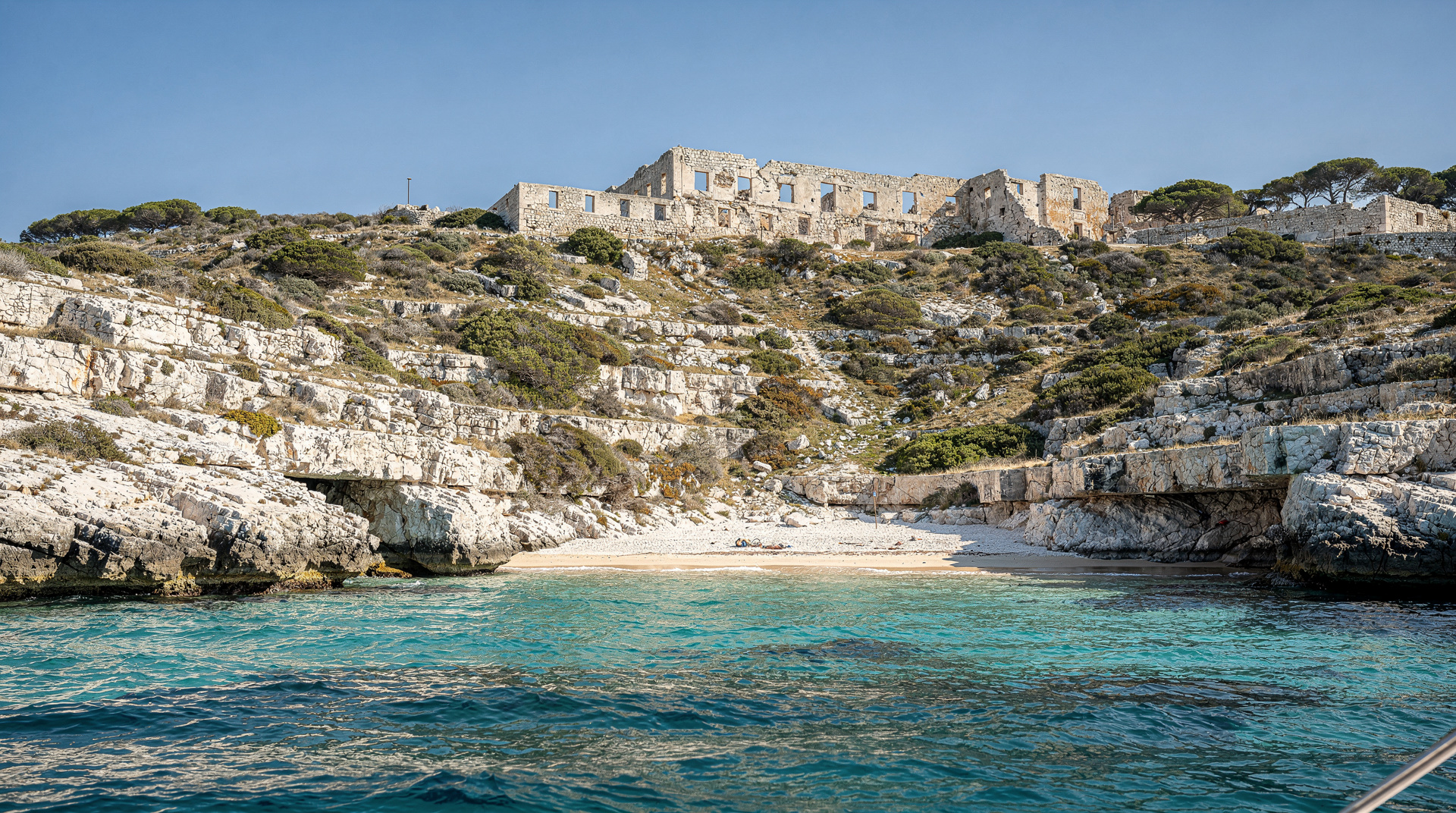
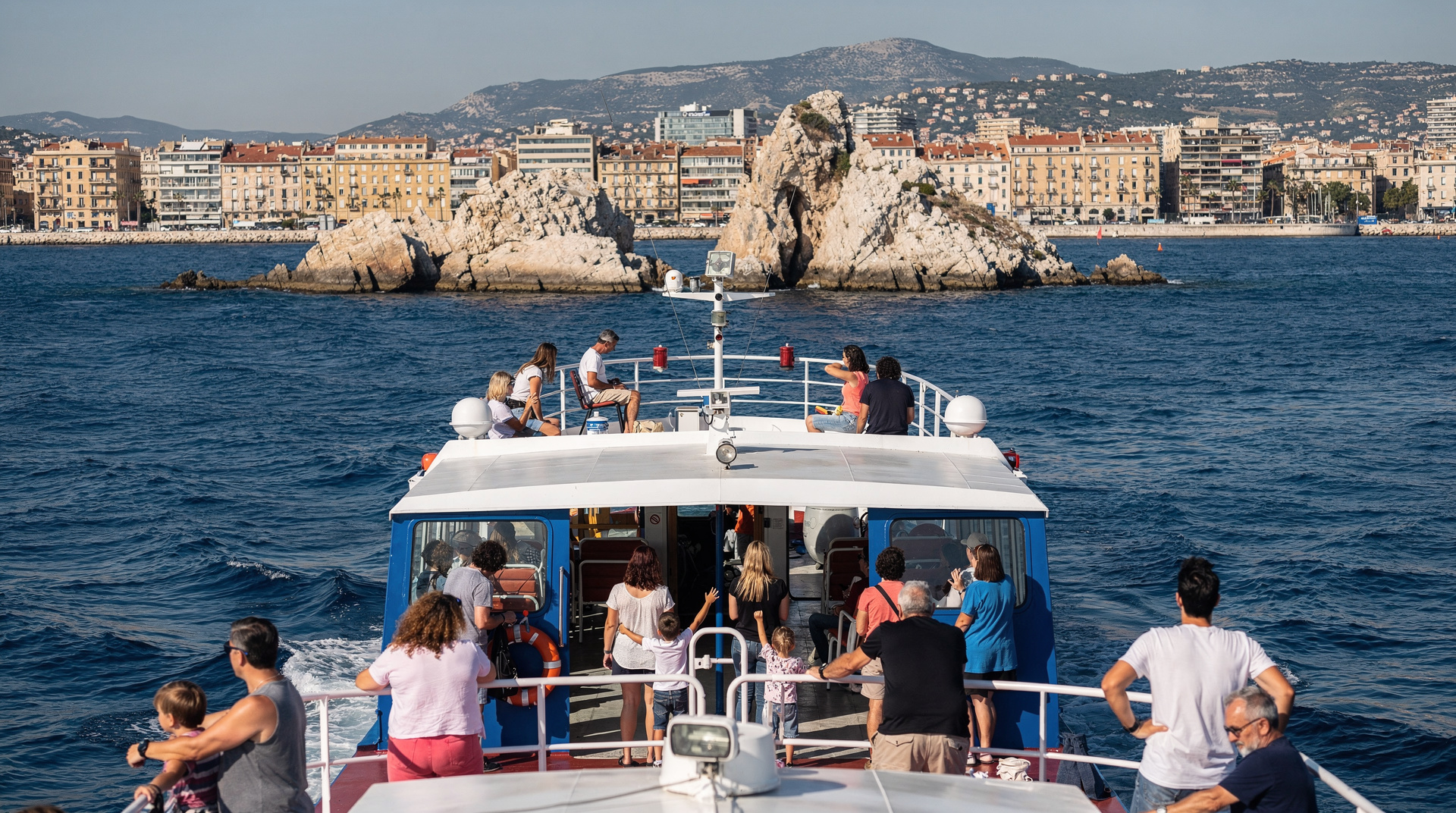
The Frioul Islands ferry: A 30-minute boat ride from the Vieux-Port, with Château d’If (the real-life prison from The Count of Monte Cristo) visible en route, and swimming in clear coves on the islands. This is one of the best child-friendly excursions in the city. Older children who know the Dumas story find the Château d’If genuinely engaging; the swim stop on the Frioul is perfect for all ages. See our ferry guide for logistics.
The fish market: Children generally find the Quai des Belges fish market fascinating — the scale of the fish, the activity, the unusual species. Arrive before 9:00 for maximum engagement. Hold hands in the crowd (pickpocket zone, as noted).
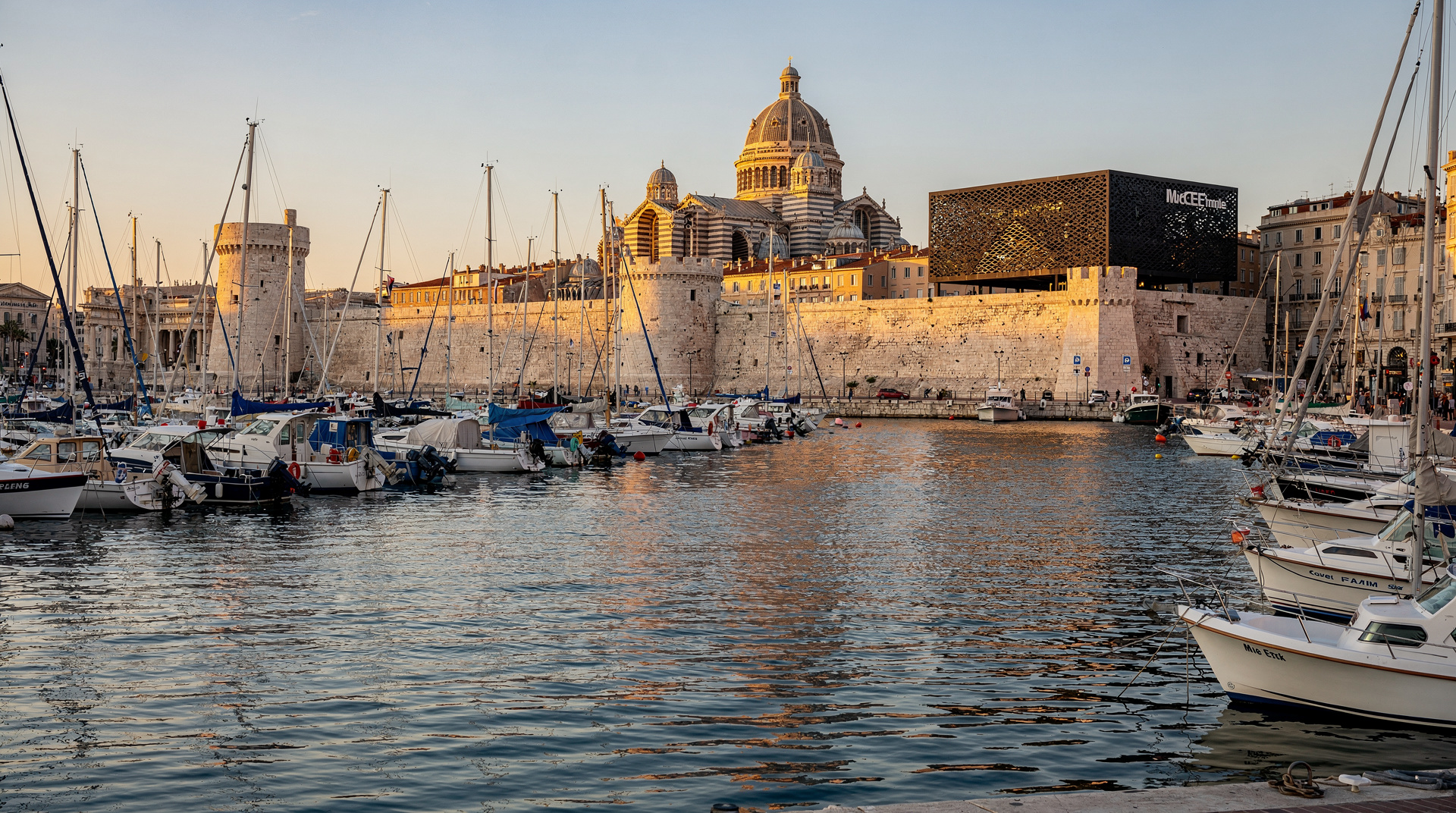
MuCEM: The museum has family-specific programming and the exterior architecture is reliably impressive to children who respond to scale and unusual shapes. Entry 11 EUR per adult; under-18 free. The suspended footbridge to Fort Saint-Jean, and the fort’s ramparts, produce reliable excitement.
The outdoor escape game in Le Panier: An outdoor puzzle trail through the old city, using smartphones and physical clues, takes 1.5–2 hours and works well for children aged 8–12. The combination of mystery narrative and neighbourhood exploration genuinely works as a family activity. Booking in advance on GetYourGuide.
Calanques by boat: A half-day boat tour from the Vieux-Port to the Calanques, with a swim stop in crystal-clear water at the base of white limestone cliffs, is one of the most visually impressive things you can do with children in Marseille. Morning tours depart around 9:00–10:00 and return by 13:00–14:00. Children need sun protection, sea legs, and the ability to sit on a boat for 30–40 minutes each way; beyond that, the swim stop generally produces universal delight.
The hop-on hop-off bus: Not the most efficient transport option, but it solves the logistical challenge of covering the main sites (Vieux-Port, Notre-Dame de la Garde, Corniche, Prado) without planning transport connections for each leg. Children often enjoy the open-top deck. 24-hour tickets at approximately 27 EUR per adult; check child pricing.
Planning the rest of the trip around your base
Once you have chosen a neighbourhood, the rest of the plan falls into place more easily. The Marseille neighbourhoods guide puts the two family zones in the context of the whole city, and the dedicated Prado and Corniche guide and Vieux-Port area guide go deeper on the streets, cafés and routines of each one. If you are still undecided between several parts of town, where to stay in Marseille compares every option, not only the family-friendly ones.
For days on the sand, the family beaches near Marseille guide helps you match a beach to the age of your children, and the Prado beaches guide is the natural companion if you base yourself in the 8th arrondissement. Families who want a second-day swim without a long journey will also find the Frioul Islands family day out easy to slot in from either base.
Getting around is the other piece that shapes a family stay. The getting around Marseille guide and the Marseille metro guide explain how to link your base to the sights, which matters most if you pick the Prado side and need a reliable way back to the old town. For ideas on what to do once you are there, Marseille with kids and the kid-friendly Calanques guide cover the activities children tend to remember best.
If you want the days sketched out for you, the three days with family itinerary turns these ideas into a ready-made plan. And if your party includes cautious parents, the Marseille pickpocket zones guide is worth reading before you arrive, while the neighbourhood of Le Panier deserves a look on the map before you decide how much of it to attempt with small children.
Frequently asked questions about Marseille with families
What age is appropriate for Marseille?
Marseille works well for families with children from around 5 years old and up. Toddlers are manageable if you stay near the Prado beaches (flat, open space, water access) and avoid the hilly quarters. Older children and teenagers find more to engage with — the history, the boat trips, the street art — and enjoy the city’s character more readily.
Is Marseille a safe city for a family holiday?
Yes, within the tourist areas. The risks are pickpocketing (manageable with standard precautions), not violence. The northern arrondissements are not tourist areas and require no consideration. Le Panier during the day, the Vieux-Port, Cours Julien in the early evening, and the Corniche/Prado zone are all family-appropriate environments.
Can we visit the Calanques with children?
By boat, absolutely — and it is one of the best Marseille experiences for children of all ages. Hiking the Calanques with children depends on the age and fitness of the child. Sugiton from Luminy (45 min each way) works from around age 8+ with good hiking ability. En-Vau from Cassis (3–4 hours) suits fit children of 12+. Always carry water and sun protection; the limestone terrain is exposed.
Is the Vieux-Port too noisy for children to sleep?
In summer, hotels directly on Quai de Rive Neuve or Quai du Port can be genuinely noisy until midnight. One or two streets back from the waterfront, noise levels drop significantly. Specify “quiet room” or “interior room” when booking. Alternatively, the Prado/Corniche accommodation is quieter by nature.
Where is the nearest sandy beach to the Vieux-Port?
Catalans beach (Plage des Catalans) is approximately 20–25 minutes on foot along the Corniche from the south quai of the Vieux-Port, or about 10 minutes by bus 83. It is a small beach by Mediterranean resort standards but has lifeguards in season and clean, calm water. For larger organised beach space, the Prado beaches are 25–30 minutes by bus from the Vieux-Port.
Should we split our stay between both neighbourhoods?
For trips of 5 nights or more, splitting the stay — 2–3 nights near the Vieux-Port for the culture and old-town sights, then 2–3 nights near the Prado for beach time and a slower pace — works well and avoids the daily transport trade-off entirely. For shorter trips, pick one base and accept the compromise; the packing and unpacking cost of splitting a 3-night stay usually outweighs the benefit.
Is Le Panier worth visiting with a stroller-age child?
Yes, but plan around the terrain rather than against it. Use a baby carrier instead of the stroller for the lanes themselves, and leave the stroller at a café near the Vieille Charité if you want to explore on foot. Combining Le Panier with the flat Vieux-Port quais either side keeps the outing manageable — see our Le Panier guide for a route that limits the steepest sections.
Top experiences
Bookable activities with verified prices and instant confirmation on GetYourGuide.