Getting around Marseille
Marseille: CityPass (24, 48 or 72 hours) with public transport
What is the best way to get around Marseille?
The métro (M1/M2) and trams cover the main tourist corridor efficiently. A day pass at 5.20 EUR beats single tickets if you make 3 or more trips. On foot is best within the Vieux-Port–Le Panier–MuCEM triangle.
Marseille’s transport network explained
Marseille is a large city — France’s second biggest — but the parts visitors actually use are compact and well connected by public transport. The Régie des Transports Métropolitains (RTM) runs the entire network: two métro lines, three tram lines, a dense bus network, and the iconic cross-harbour ferry at the Vieux-Port. In 2025, the RTM also absorbed the city-wide electric bike-share system (levélo).
The good news: you do not need a car in Marseille. The main tourist sites — Vieux-Port, Le Panier, MuCEM, Notre-Dame de la Garde, Cours Julien, the Prado beaches — are all reachable by public transport or on foot from a central hotel.
This guide covers every mode in detail, with 2026 prices and honest assessments of when each mode works and when it does not.
At a glance
| Best for tourists | Métro + tram within the Vieux-Port–Le Panier–MuCEM–Cours Julien triangle |
| Single ticket | around 1.80 EUR (1h30, all modes) |
| Day pass | around 5.20 EUR (worth it from 3+ trips) |
| Car needed? | No for the city; useful for Calanques from Les Goudes/Luminy or day trips |
| Airport to centre | Bus/train around 30-45 min, taxi around 50-60 EUR |
| Late night | Trams run to around 01:00; métro closes earlier Mon-Thu |
RTM ticket prices 2026
All RTM tickets cover all modes (métro, tram, bus, and the Vieux-Port cross-harbour ferry) for a single flat price.
| Ticket type | Price | Best for |
|---|---|---|
| Single ticket (1 h 30 validity with transfers) | 1.80 EUR | One or two trips |
| Carnet of 10 tickets | 15.20 EUR | Several days spread out |
| Pass 24h | 5.20 EUR | 3+ trips in one day |
| Pass 72h | 10.80 EUR | 3-day stay |
Day-pass math: If you take 3 trips in a day (say: hotel to Vieux-Port, Vieux-Port to Joliette/MuCEM, MuCEM to Cours Julien by foot then bus back), the 5.20 EUR day pass saves you over buying single tickets. Most visitors making a full day of sightseeing will exceed 3 RTM trips easily.
Free travel: Since September 2025, the RTM has extended free travel to passengers aged 65 and over, and to children under 11. No card required — simply validate or board (bus) and if challenged, show ID confirming your age.
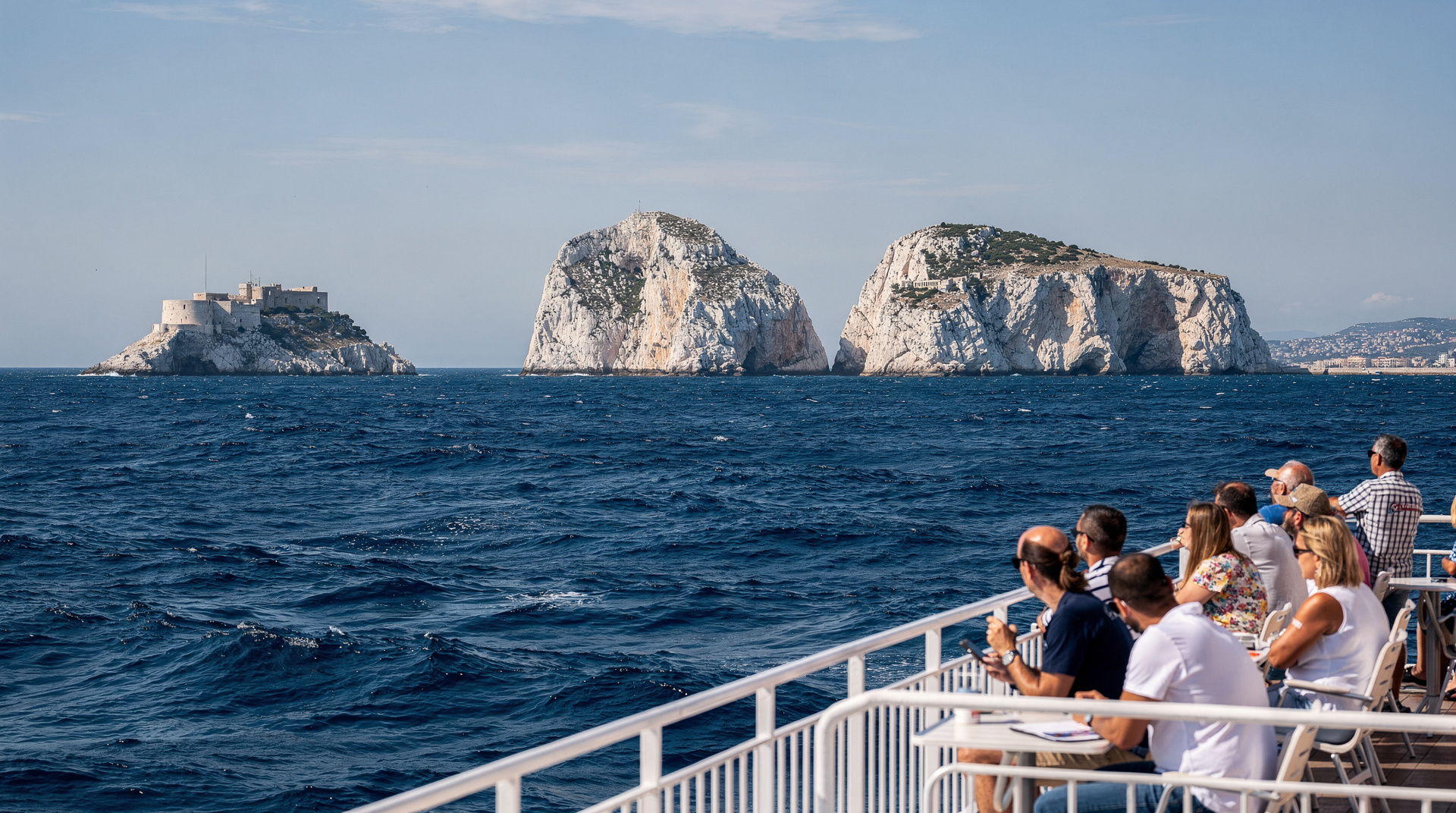
City Pass: The Marseille City Pass (24h/48h/72h) includes unlimited RTM travel plus entry to most municipal museums and a boat trip to Château d’If or the Frioul Islands. The 24-hour pass is 27 EUR — only makes sense if you are using at least the transport, one museum, and the boat on the same day. See our comparison in the FAQ section below.
Tickets are sold at métro station machines, tobacconists (tabacs) displaying the RTM sticker, and online via the RTM app (load to an Andante smart card). The Marseille Tourism Office on La Canebière also sells passes.
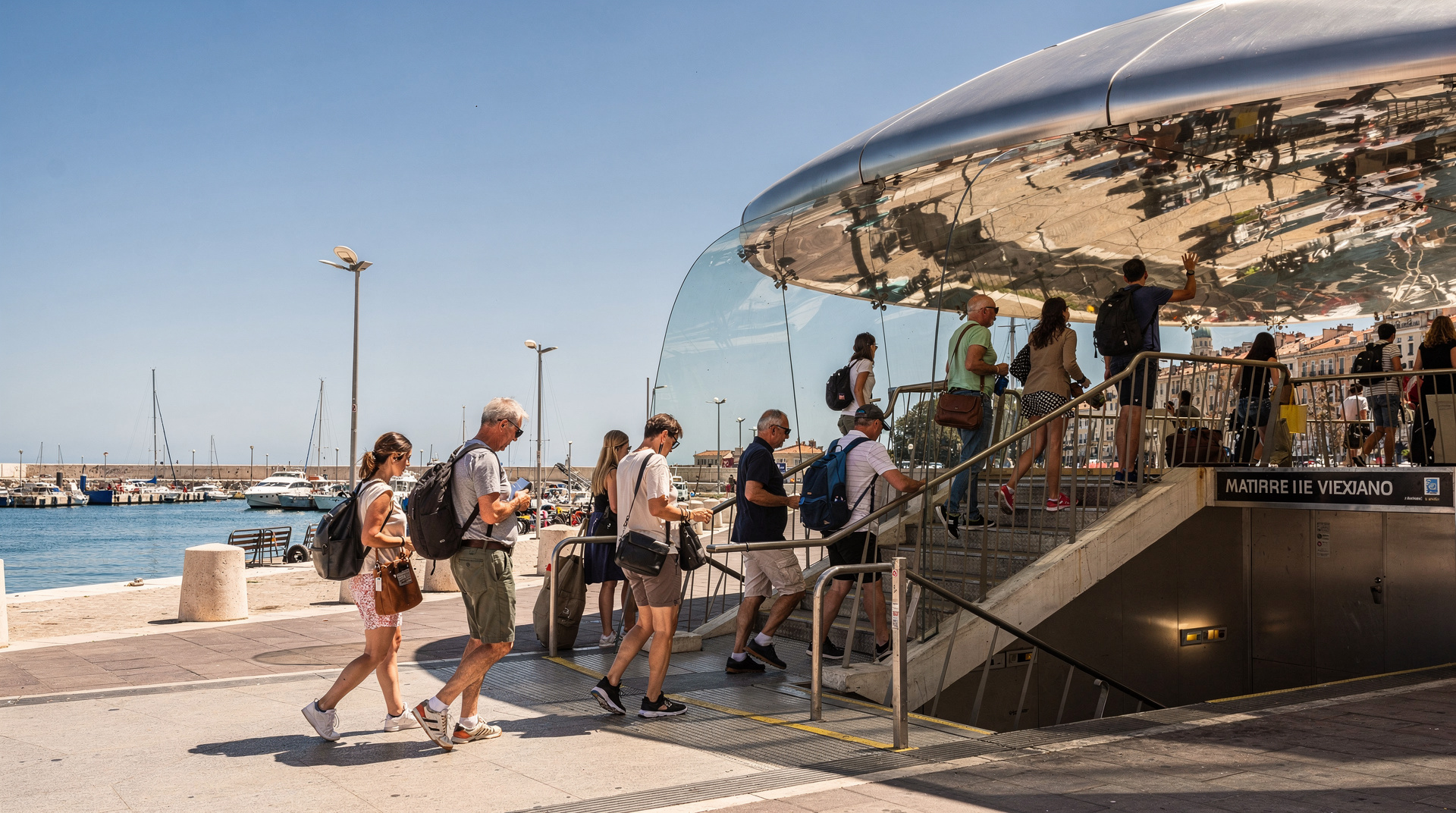
The métro: M1 and M2
The two métro lines are the backbone of movement for tourists and commuters alike. Both lines are rubber-tyred (not iron wheels), which makes them quieter than typical European metro systems but also means they feel slightly different underfoot.
M1 (blue line): Runs roughly east-west through the city centre. Key tourist stops:
- Gare Saint-Charles — the main train station
- Vieux-Port — the fish market end of the Old Port, and the starting point for most city exploration
- Noailles — edge of the city-centre shopping and market zone
- Castellane — main transfer point for the south
M2 (red line): Runs north-south. Key tourist stops:
- Joliette — nearest to MuCEM and the cruise terminal
- Noailles — (shared interchange with M1)
- Notre-Dame du Mont – Cours Julien — the bohemian quarter
- Rond-Point du Prado — for the Prado beaches and Corniche
The M1 and M2 share the Noailles and Saint-Charles stations, making the intersection between the train station and the Vieux-Port a single-stop ride.
Operating hours: Monday to Thursday, first departure around 05:00, last departure around 21:30 (NEOMMA infrastructure works have temporarily moved the Monday–Thursday evening closure earlier — confirm on rtm.fr before a late night out). Friday through Sunday: last departures at approximately 00:30.
After the last métro Monday–Thursday, relay buses (Bus Relais) run every 10 minutes until around 00:30, covering the same routes. On nights Thursday–Sunday, Night Bus lines N1 and N2 operate from the Vieux-Port at 01:30, 02:30, 03:30, and 04:30.
Safety on the métro: Pickpocketing occurs on the métro, particularly on M2 between Noailles and Joliette. Standard precautions apply: bag across the chest, phone in a front pocket, be aware of unusual crowding around you at stations. This is not a dangerous system — it is a busy urban metro with the same risk profile as Paris or Rome. Do not let this stop you using it.
Accessibility: Both lines are equipped with lifts at major stations, though not universally. Saint-Charles, Vieux-Port, Joliette, and Castellane are fully accessible. Check the RTM accessibility map for specific stations before planning around a wheelchair or pushchair.
The tram network: T1, T2, T3
Marseille’s modern tram system, opened in 2007 and expanded in January 2026, now covers 19.2 km with three lines and 32 stations.
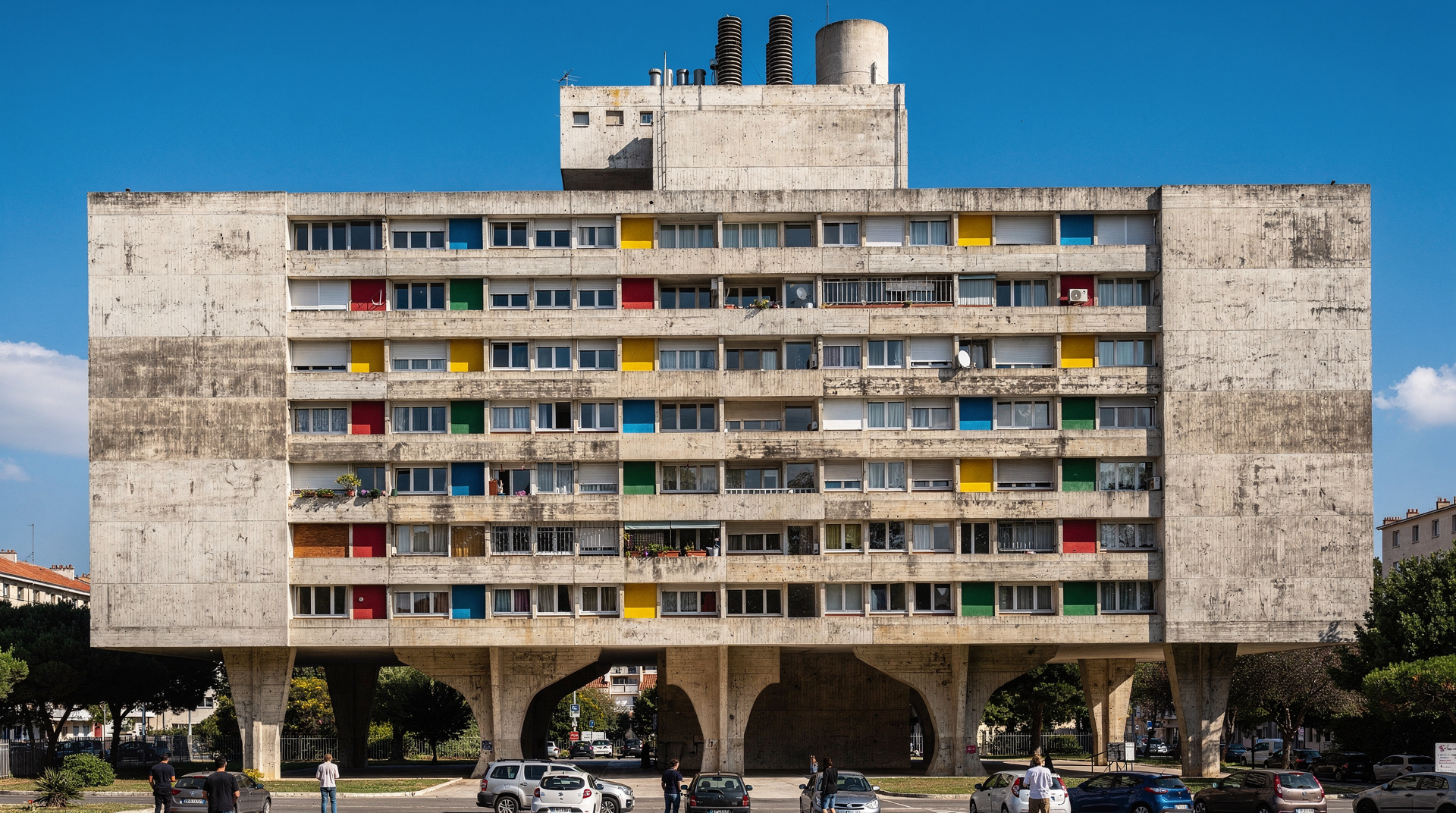
T1: Connects Les Caillols in the east to Noailles in the centre. Passes through La Blancarde (train station for Aix/Cassis TER services) and Réformés Canebière (for the Cours Julien area). Useful for reaching the Cité Radieuse (Le Corbusier) via the Michelet-Corbusier stop.
T2: Links Arenc Le Silo in the Euroméditerranée district to La Blancarde. Passes through Joliette (for MuCEM and cruise terminal), République, and Cinq-Avenues Longchamp (for Palais Longchamp). Effectively connects the northern waterfront cultural zone to the eastern residential zone.
T3: The most recently extended line (January 2026 southern extension to La Gaye). Useful for reaching the Stade Vélodrome area.
The trams run from approximately 05:10 to 01:00 daily, making them the best option for late evenings when the métro has closed. RTM tickets are valid across tram and metro without distinction.
Bus network
Marseille has an extensive bus network, but unless you are doing something specific — Notre-Dame de la Garde via bus 60, Luminy campus for Calanques hiking via bus 21, the beach zones via bus 83 — the métro and trams are faster and simpler for most tourist journeys.
Useful bus lines for tourists:
- Bus 60: From Vieux-Port to Notre-Dame de la Garde (15 min), useful alternative to the petit train or taxi
- Bus 21: From Castellane métro to Luminy campus (for Sugiton Calanque hiking trailhead)
- Bus 83: Operates along the Corniche toward the Prado beaches and Pointe Rouge
All buses use the same RTM tickets. Validate in the machine on board when entering.
The Vieux-Port cross-harbour ferry
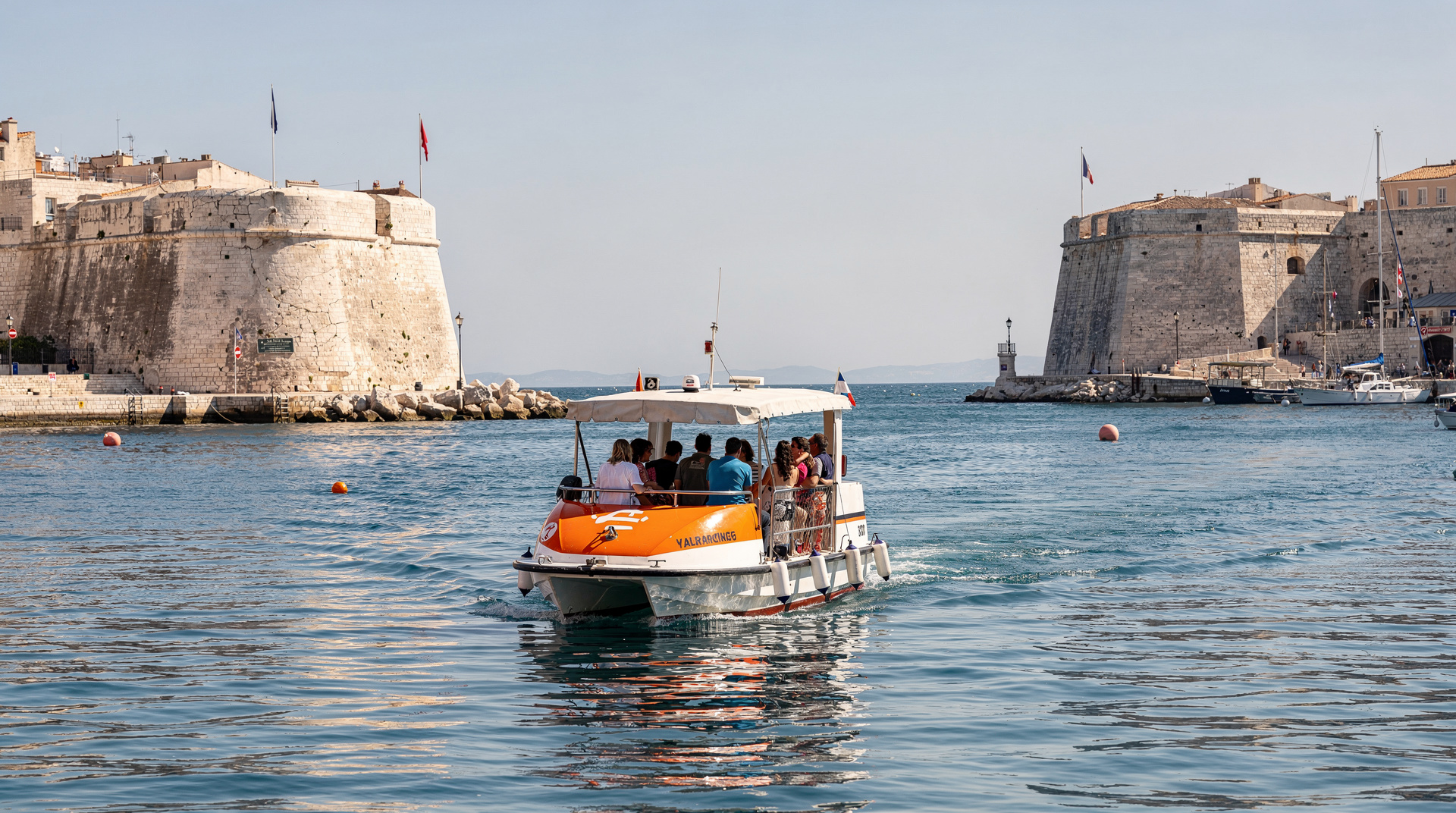
The navette du Vieux-Port is genuinely one of the best things about Marseille. A free cross-harbour ferry service runs continuously between the north quai (Quai des Belges, the fish market end) and the south quai (Quai de Rive Neuve). The crossing takes about 5 minutes.
It is included in all RTM tickets, passes, and the City Pass — but since 2025, it has been free for everyone with no ticket required. Simply board and cross.
Why it matters: Walking around the perimeter of the Vieux-Port takes 20–25 minutes. The ferry does it in 5. Locals use it constantly; tourists regularly miss it. If you are staying near Quai de Rive Neuve and want to reach the fish market, Le Panier, or MuCEM, the ferry is faster than any other option.
The ferry runs throughout the day and into the evening. Check the RTM website for the precise last departure, as it varies by season.
LeVélo: the electric bike-share system
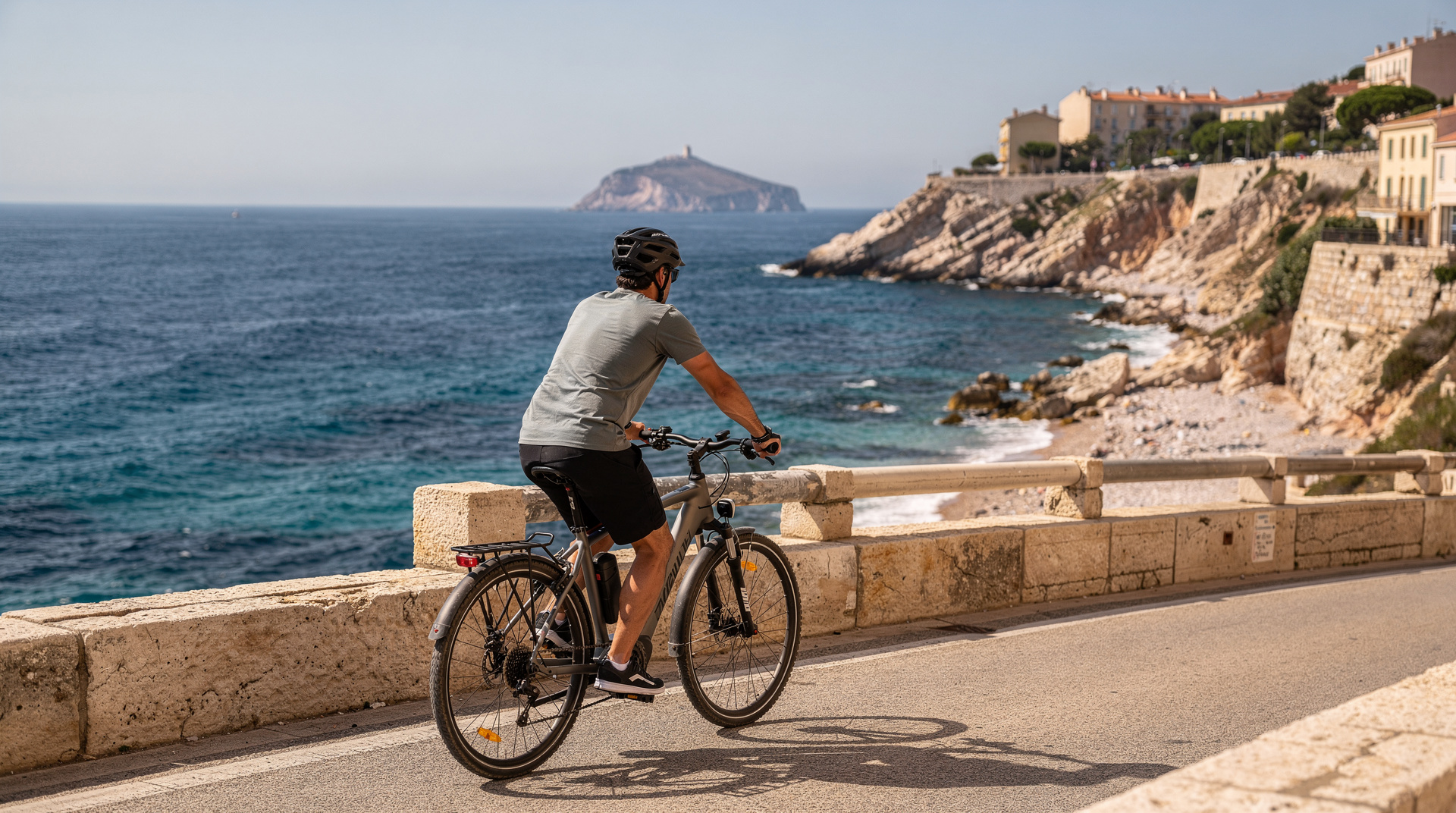
Marseille’s bike-share service, now called levélo, switched to an all-electric fleet in 2024. There are approximately 200 stations and 2,000 e-bikes across the city.
Pricing: 1 EUR for the first 30 minutes of a single trip, then 0.05 EUR per minute beyond 30 minutes. For daily users, a subscription with 4 free daily 30-minute rides is available, but this requires an account setup. For one-off tourist use, the pay-as-you-go rate is practical for short hops.
How to access: Via the levélo smartphone app, or with an NFC-enabled bank card at the station terminal. No physical membership card is required for occasional use.
Practical reality: The system works well for flat or slightly hilly urban terrain. The e-assist helps on the climbs toward Le Panier or Notre-Dame de la Garde, which would be brutal on a non-assisted bike. Stations near the Vieux-Port, Joliette, and Cours Julien are well-stocked during the day.
Marseille is not a flat city — the hills between the Vieux-Port and Le Panier, or the climb to Notre-Dame de la Garde, are significant. The e-bikes make these manageable, but cycling Marseille requires accepting that you will encounter some elevation.
E-scooters
Both Lime and Tier operate electric scooter fleets in Marseille as of 2026. Scooters are found across the central arrondissements and require the respective app and a payment method.
Scooters are practical for flat coastal stretches — along the Corniche, around the Joliette waterfront — but less suited to the hillier parts of the city. Parking is regulated to specific zones; leaving a scooter outside a designated area incurs a fine.
A self-guided e-scooter tour is a good option for those who want to see the city from street level without walking the full distance — particularly useful for covering the distance between the Vieux-Port and the Prado beaches in one fluid session.
On foot: walking times between key sites
Marseille rewards walking in the central zones. Realistic times:
| From | To | Walking time |
|---|---|---|
| Gare Saint-Charles | Vieux-Port | 15 min (downhill) |
| Vieux-Port (Quai des Belges) | Le Panier entry | 10 min (uphill) |
| Vieux-Port | MuCEM/Fort Saint-Jean | 15 min |
| Vieux-Port | Notre-Dame de la Garde | 40 min (steep) |
| Vieux-Port | Cours Julien | 15 min |
| MuCEM | Joliette (tram) | 10 min |
| Cours Julien | Prado beaches | 35 min |
The area bounded by Vieux-Port, Le Panier, MuCEM, and Cours Julien is compact and walkable if you are comfortable with hills. Beyond this zone — Corniche, Prado, Notre-Dame de la Garde — the distances are real, and public transport is more practical than a 40-minute walk in the heat.
Taxis and Uber/VTC
Taxis are regulated in Marseille with fixed tariff zones. From Gare Saint-Charles to the Vieux-Port, a taxi costs roughly 10–15 EUR. From the airport to the city centre: approximately 50–60 EUR.
Uber operates in Marseille, along with several VTC (private hire vehicle) services. Note: there have been documented cases of unregistered VTC drivers using counterfeit platform stickers. Use the official Uber app to request rides, and verify the plate number before entering a vehicle. This is a precaution rather than a regular occurrence — the vast majority of rides are normal.
Night transport: When the métro closes Monday–Thursday, a taxi or VTC is more predictable than the relay bus network for getting back to a hotel quickly. Budget approximately 10–15 EUR for a cross-city night ride.
Hop-on hop-off bus
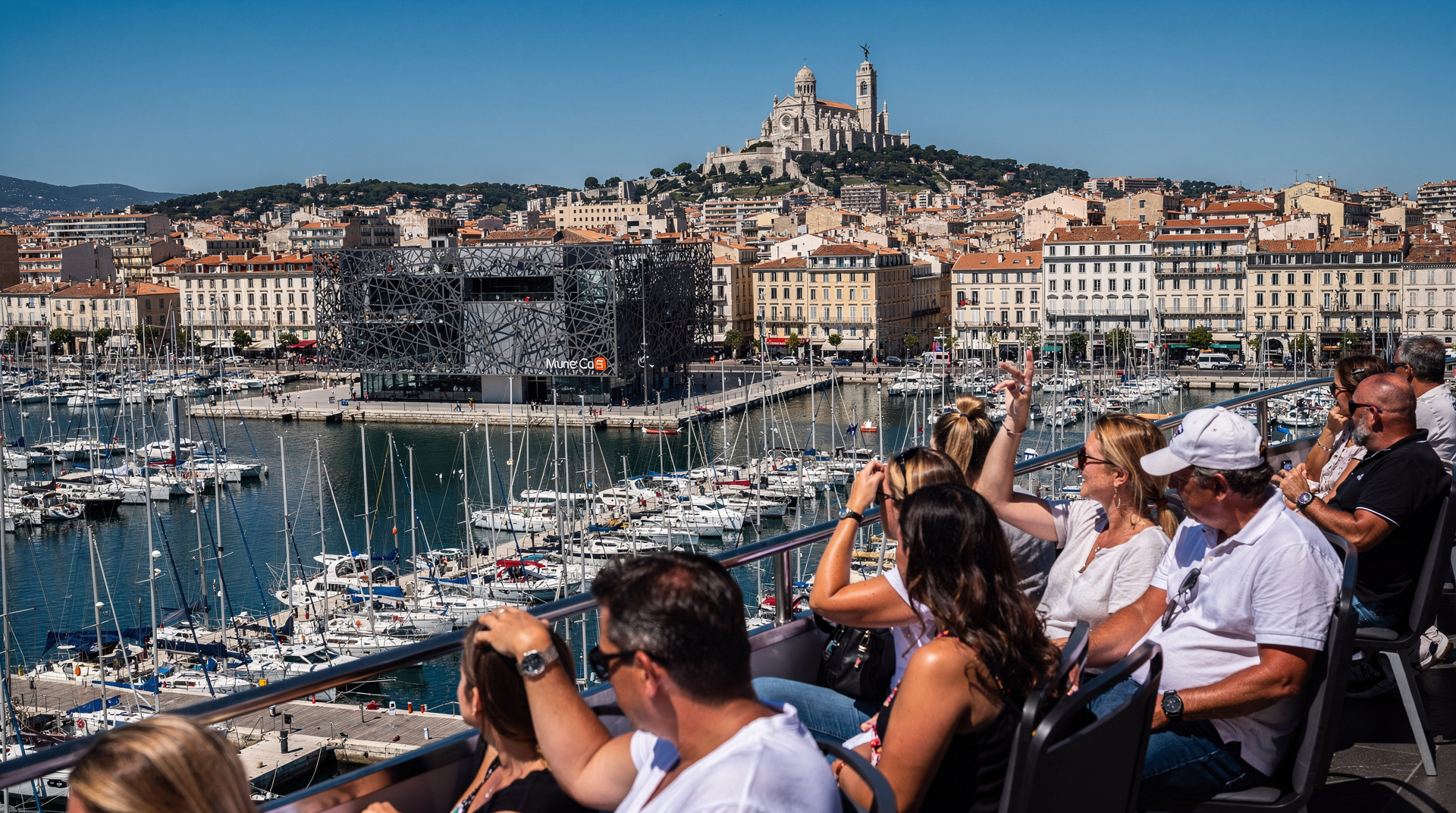
City Sightseeing operates hop-on hop-off buses covering the main tourist circuit: Vieux-Port, Le Panier, Notre-Dame de la Garde, Prado beaches, Corniche, and the Joliette. Tickets are around 27 EUR for 24 hours.
The hop-on hop-off is not the most efficient transport option (it is slow in traffic), but it solves the logistical problem for visitors who want to see Notre-Dame de la Garde and the Corniche without navigating multiple bus or metro connections. It is particularly useful for cruise visitors with limited time and no desire to plan connections.
Getting beyond the city: day trips without a car
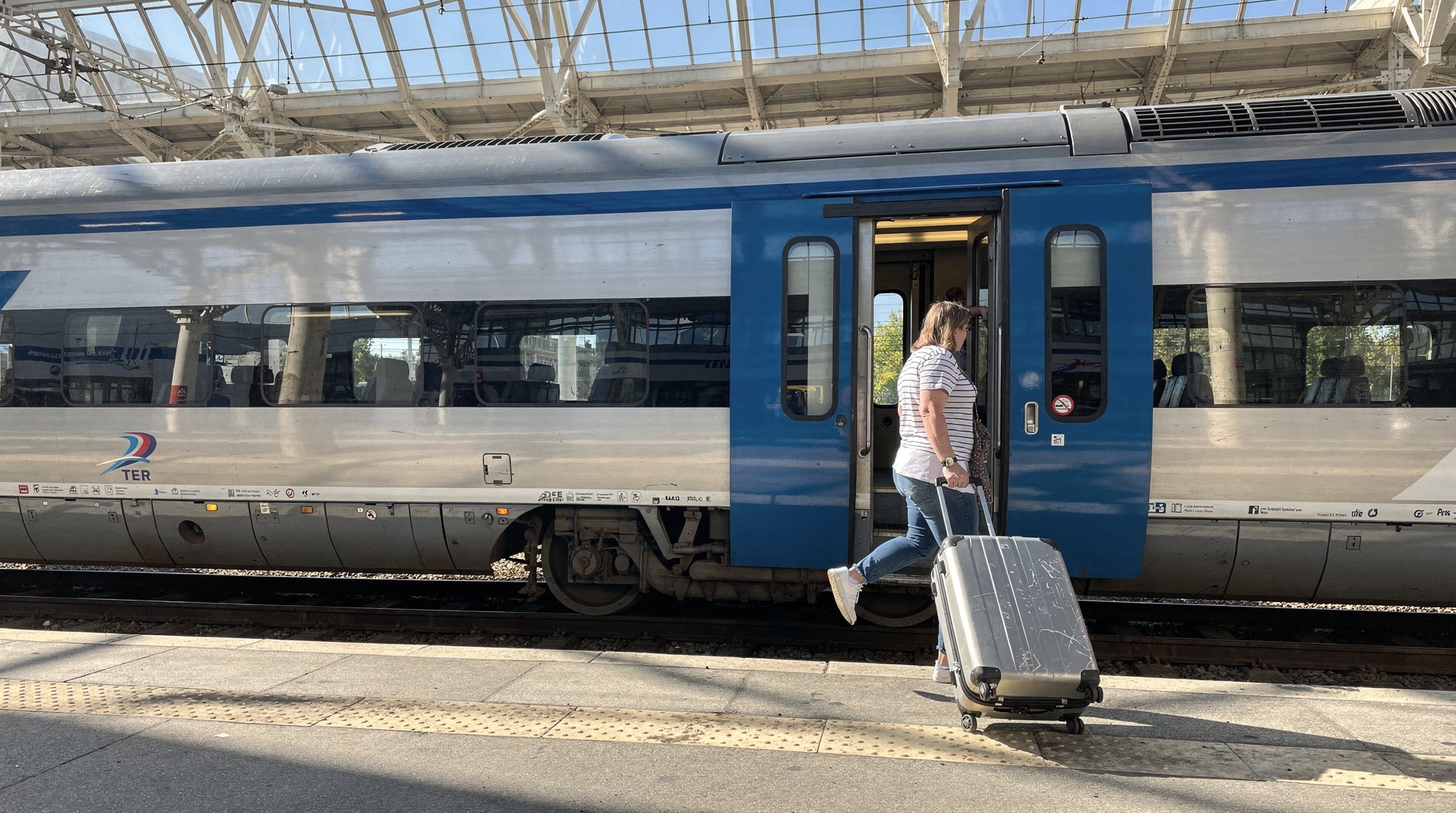
RTM tickets stop at the city boundary, but the TER regional rail network picks up where they leave off. Marseille Saint-Charles is the hub for reaching Cassis (around 35 minutes, see our Marseille-to-Cassis transport guide), Aix-en-Provence (around 40 minutes on the Aix train route), and further afield toward Avignon. Arriving from Paris, the TGV to Marseille lands directly at Saint-Charles, putting you one métro stop from the Vieux-Port.
For visitors weighing whether a rental car is worth it at all — for the Calanques trailheads at Les Goudes or Luminy, or for reaching the Luberon and Camargue — see our dedicated car-in-Provence guide for an honest cost and hassle breakdown.
Frequently asked questions about getting around Marseille
Is the Marseille métro safe?
Yes, for the overwhelming majority of journeys. The real risk is pickpocketing on crowded trains and at busy stations like Noailles. Use common sense — secure your bag, keep your phone out of view in crowded cars — and you will have no problems. The métro is perfectly safe for solo travellers, couples, and families.
Do I need a car to get around Marseille?
No. Within the city, a car is a disadvantage — parking is expensive and scarce, traffic can be chaotic, and the central sights are more easily reached by métro, tram, or on foot. A car becomes useful if you want to reach the Calanques from Les Goudes or Luminy, or for day trips to the Luberon, Verdon, or Camargue. See our guide to driving in Provence for the honest breakdown.
Can I use a single ticket for a transfer between métro and bus?
Yes. A single RTM ticket (1.80 EUR) gives you 1 hour 30 minutes of travel with unlimited transfers between métro, tram, bus, and the Vieux-Port ferry, as long as you do not exit to street level and re-enter at the same station.
What time does the Marseille metro close?
Monday through Thursday: last departures from terminals are around 21:30, with relay buses taking over until 00:30. Friday through Sunday: last departures around 00:30. Note that the early Monday–Thursday closure is linked to the NEOMMA metro modernisation project. Verify current times at rtm.fr before planning a late night out.
Is the Marseille City Pass worth buying?
It depends on your programme. The 24h pass at 27 EUR includes unlimited RTM transport (worth 5.20 EUR per day otherwise), one boat trip (Frioul or Château d’If — worth approximately 11 EUR for the ferry alone), and several municipal museum entries. If you plan to use all three on the same day, it pays off. If you are mainly interested in transport and one museum, buying individually is comparable. See the how many days guide for itinerary-based pass logic.
What is the cross-harbour ferry at the Vieux-Port?
The navette du Vieux-Port is a free cross-harbour ferry crossing the Vieux-Port in 5 minutes between Quai des Belges (north side, fish market end) and Quai de Rive Neuve (south side). It runs throughout the day and early evening. It is free for everyone, no ticket needed. Locals use it constantly; most tourists miss it. If you are on the south side of the harbour and need to reach Le Panier or MuCEM, use the ferry rather than walking the perimeter.
How do I get from Gare Saint-Charles to the Vieux-Port?
Walk downhill in 15 minutes (the station is on a hill; it is all downhill to the port), or take the M1 métro one stop to Vieux-Port station. The métro is slightly faster and avoids the heat in summer, but the walk is pleasant on a mild morning and gives you a first view of the city.
Are Lime and Tier e-scooters available in Marseille?
Both operate in Marseille as of 2026. They are useful for flat coastal routes (Corniche, Joliette waterfront) and short cross-city hops. Hilly zones around Le Panier and Notre-Dame de la Garde are less suitable for scooters. Always park in designated zones to avoid fines.
How do I get from Marseille to the Calanques without a car?
For Sugiton and Morgiou, take the métro to Castellane then bus 21 to Luminy (about 30-35 minutes total). For the Cassis-side calanques (Port-Miou, Port-Pin, En-Vau), take the TER train to Cassis station, then a short taxi or walk to the port. Neither approach requires a rental car. See the Calanques hiking guide for trailhead detail.
Is it worth renting a car just for getting around Marseille itself?
No. Within the city, a car is a liability — parking is scarce and expensive, and traffic in the centre is often slow. Public transport and walking cover every central sight. Only rent for the specific days you need to reach a Calanques trailhead by road or take a day trip into the Luberon, Camargue, or Verdon; see do you need a car in Provence for the full breakdown.
Top experiences
Bookable activities with verified prices and instant confirmation on GetYourGuide.