Marseille vs Aix-en-Provence: which city should you visit?
From Marseille: Cassis and Aix-en-Provence full-day tour
Duration: 8 hours
Should I visit Marseille or Aix-en-Provence?
Marseille if you want a real, complex city with the Calanques, multicultural food, and gritty Mediterranean character. Aix-en-Provence if you want a polished Provençal town with Cézanne, café culture, and elegant streets without urban intensity. Most people who stay longer than three days benefit from both.
At a glance
| Marseille | Aix-en-Provence | |
|---|---|---|
| Character | Raw, multicultural, port city | Elegant, orderly, bourgeois |
| Beach access | Yes — Prado beaches, Corniche, Calanques | None |
| Best for | Coast, Calanques, food adventurers | Luberon day trips, lavender, refinement |
| Getting between them | Bus around 40 minutes, train around 40–45 minutes with a transfer | Same |
| Typical budget accommodation | More available, generally cheaper | Fewer options, generally pricier |
Two cities that share a département and almost nothing else
Marseille and Aix-en-Provence are 30 kilometres apart. They are connected by one of the most frequent rail and bus services in the south of France. They share the same Bouches-du-Rhône département, the same Provençal sunshine, and the same proximity to the Calanques. In almost every other way, they are strikingly different cities — different in feel, in social composition, in food culture, in tempo, and in what they offer a visitor.
This comparison is not about which is objectively better. It is about which is better for you, given what you are looking for.
Character and atmosphere
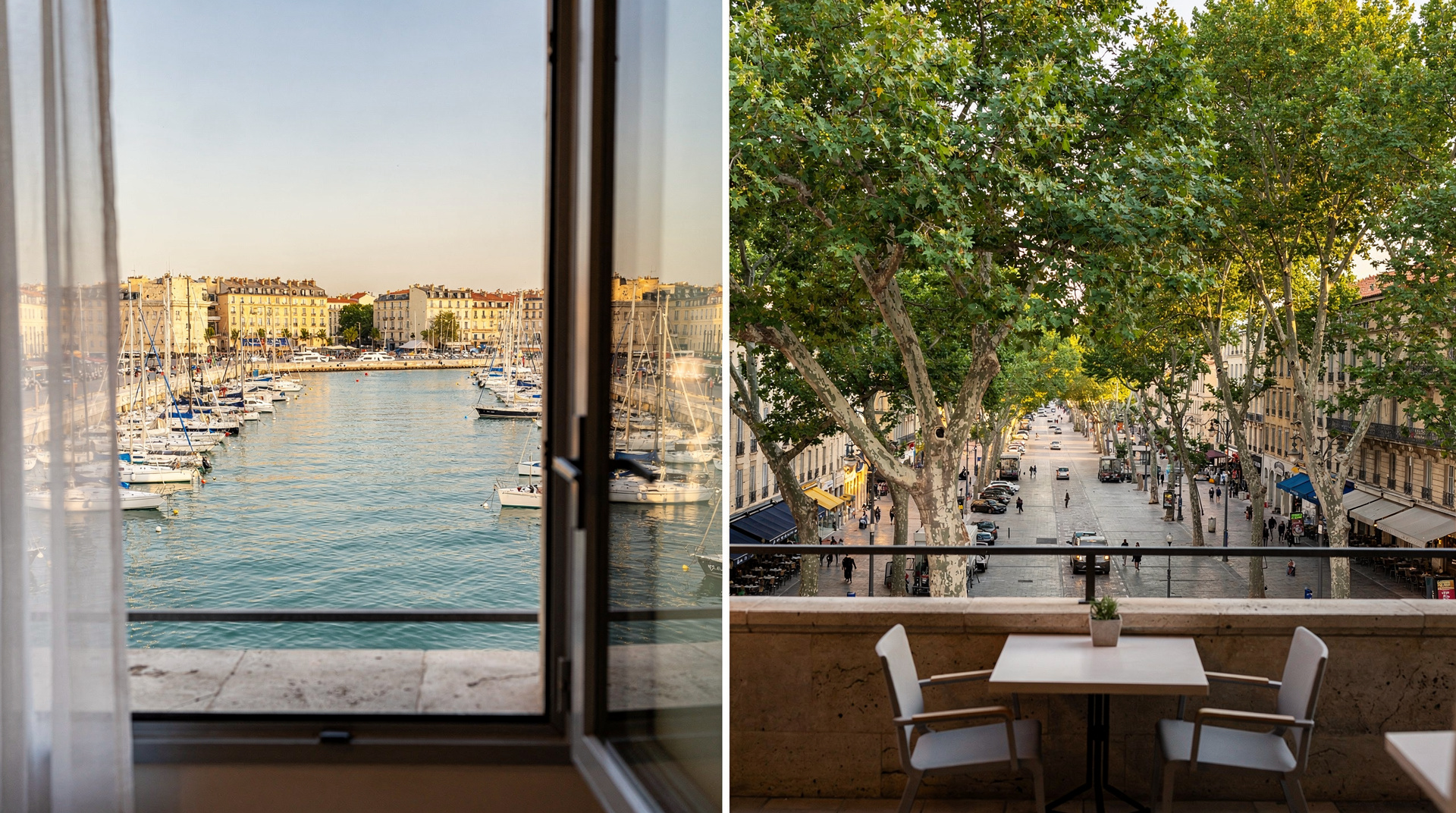
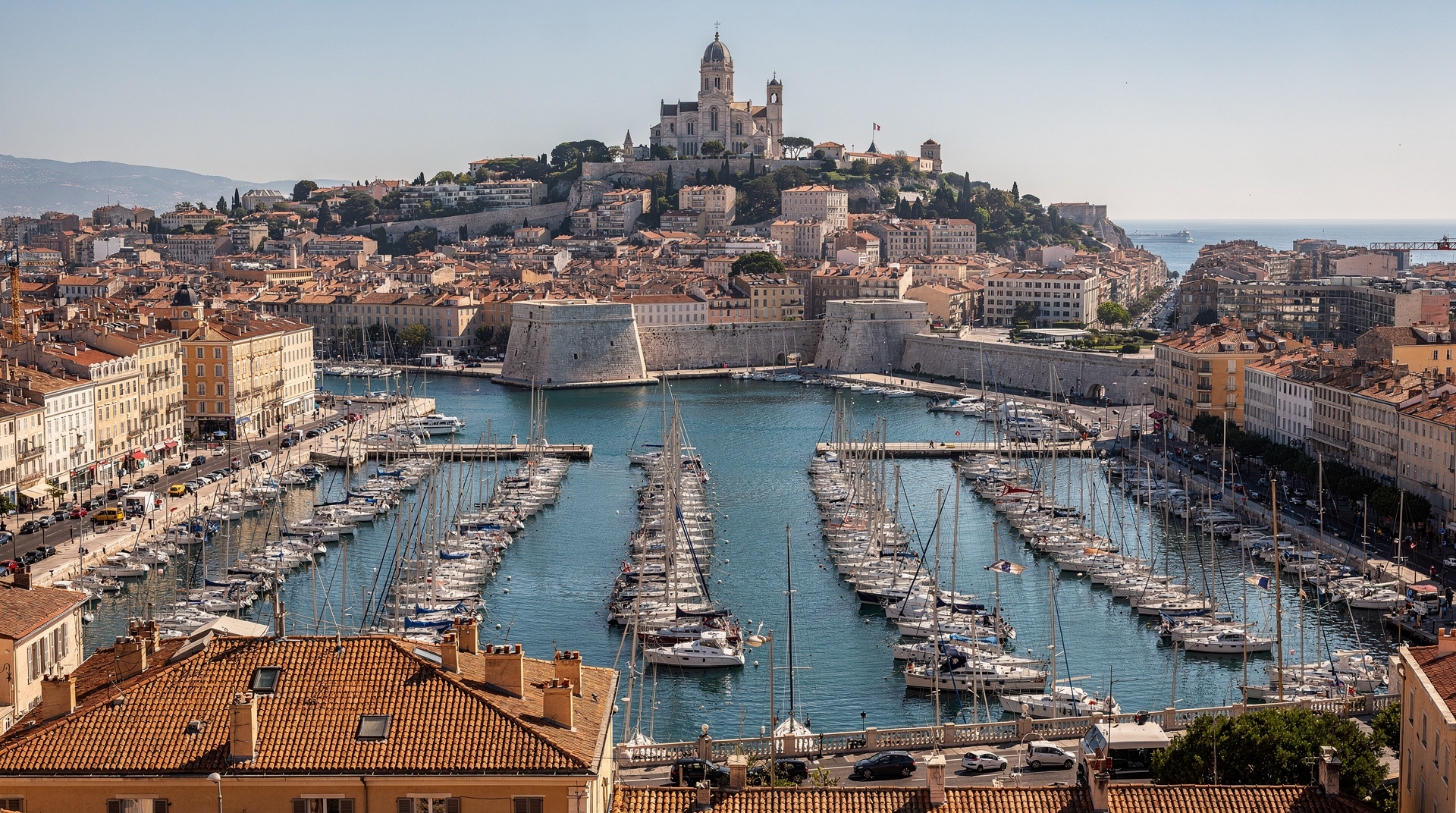
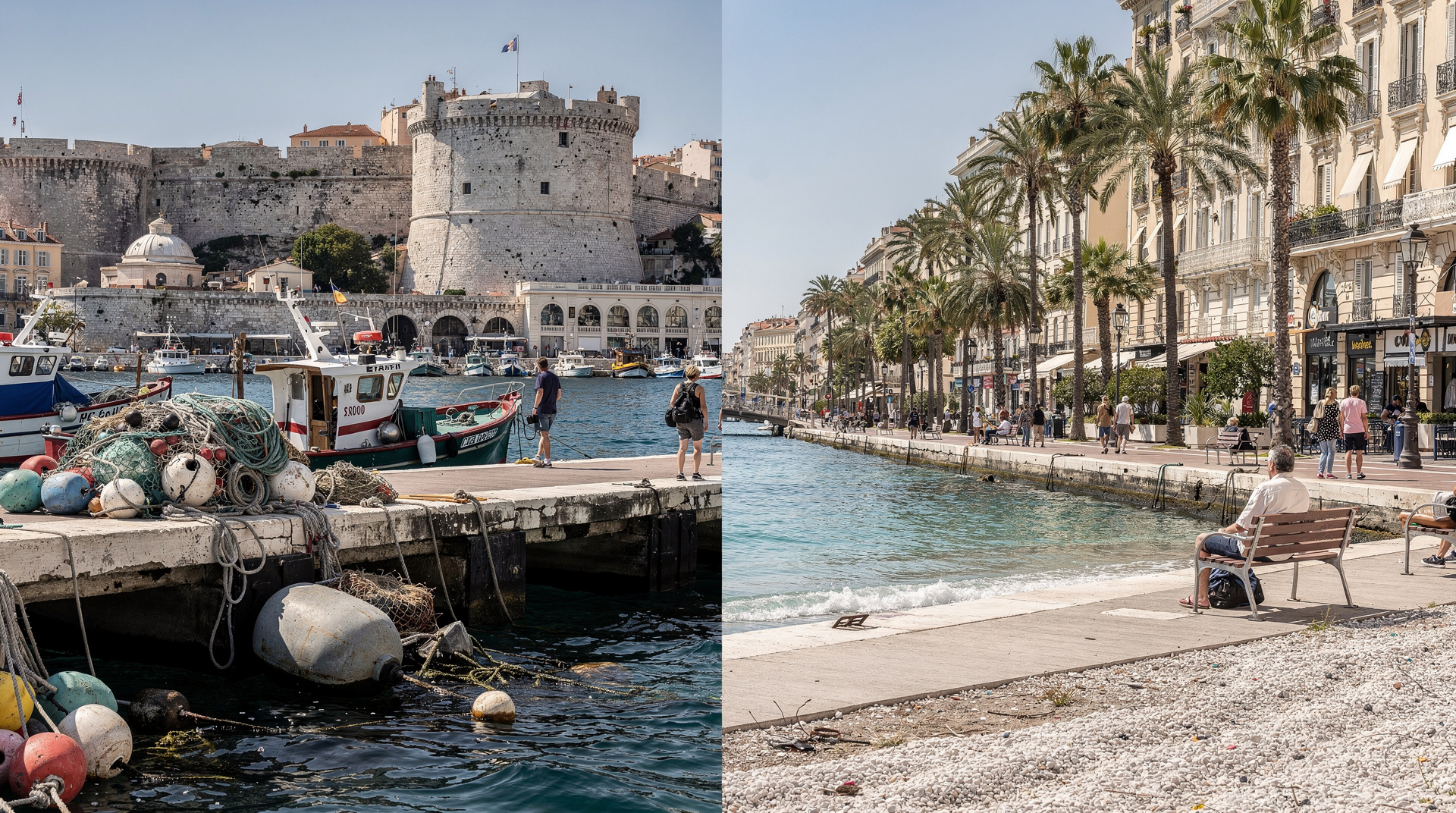
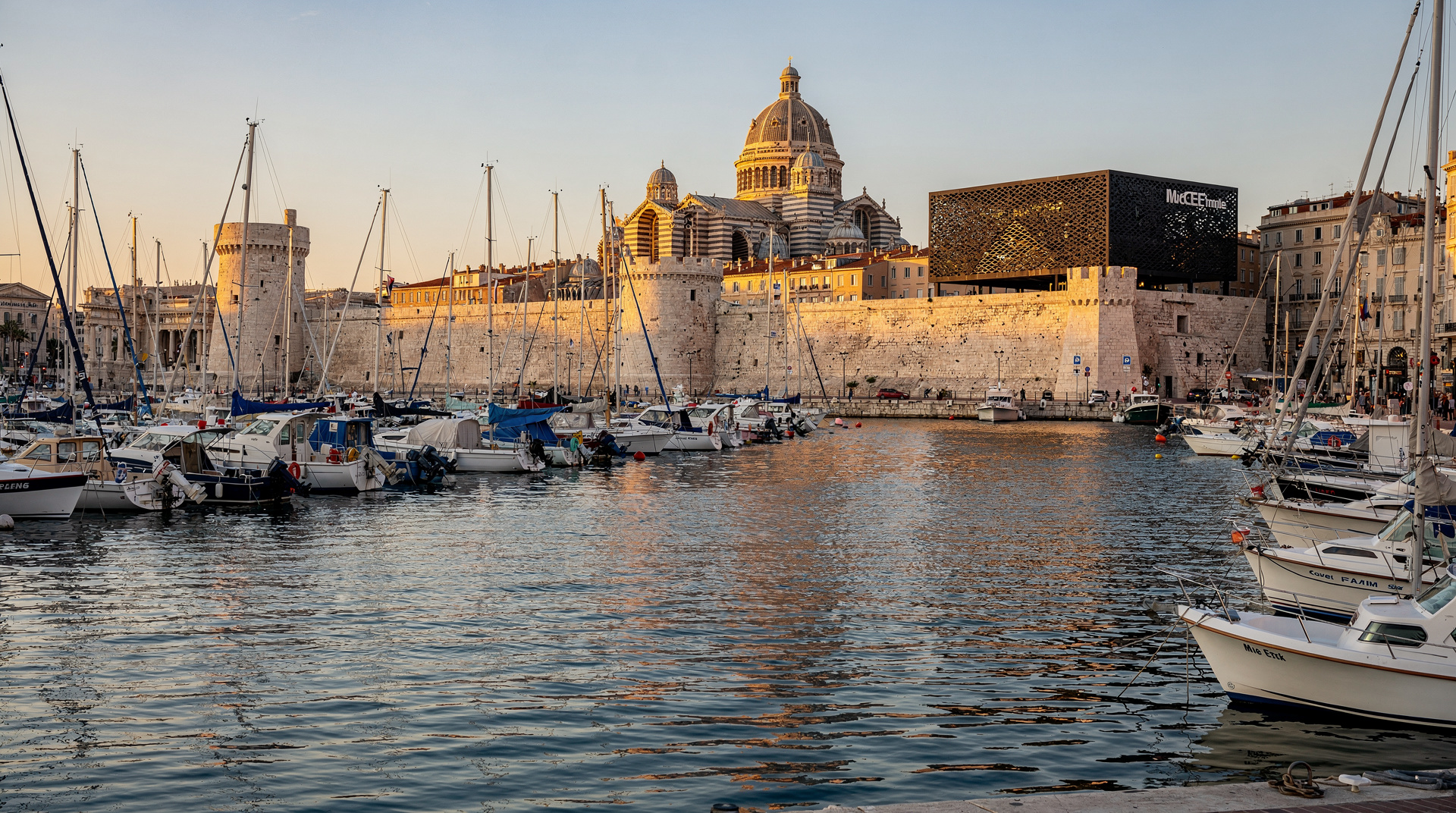
Marseille: Loud, complex, working-class and wealthy in the same block, multicultural in a way that is visible and audible everywhere, geographically defined by the sea. The Vieux-Port is a real fishing port, not a decoration. The Noailles market is North African and Mediterranean and Provençal at once. Le Panier has the layered texture of a neighbourhood that has been inhabited continuously since the ancient Greeks arrived in 600 BC. The city does not perform for visitors; it exists on its own terms.
This can be disorienting. First-time visitors expecting a curated Mediterranean experience are often surprised by Marseille’s rawness — the noise, the traffic, the areas that look rough, the aggressive approach drivers take. Those who engage with it on its own terms almost universally leave with a stronger impression of Marseille than of any polished French tourist city they have visited.
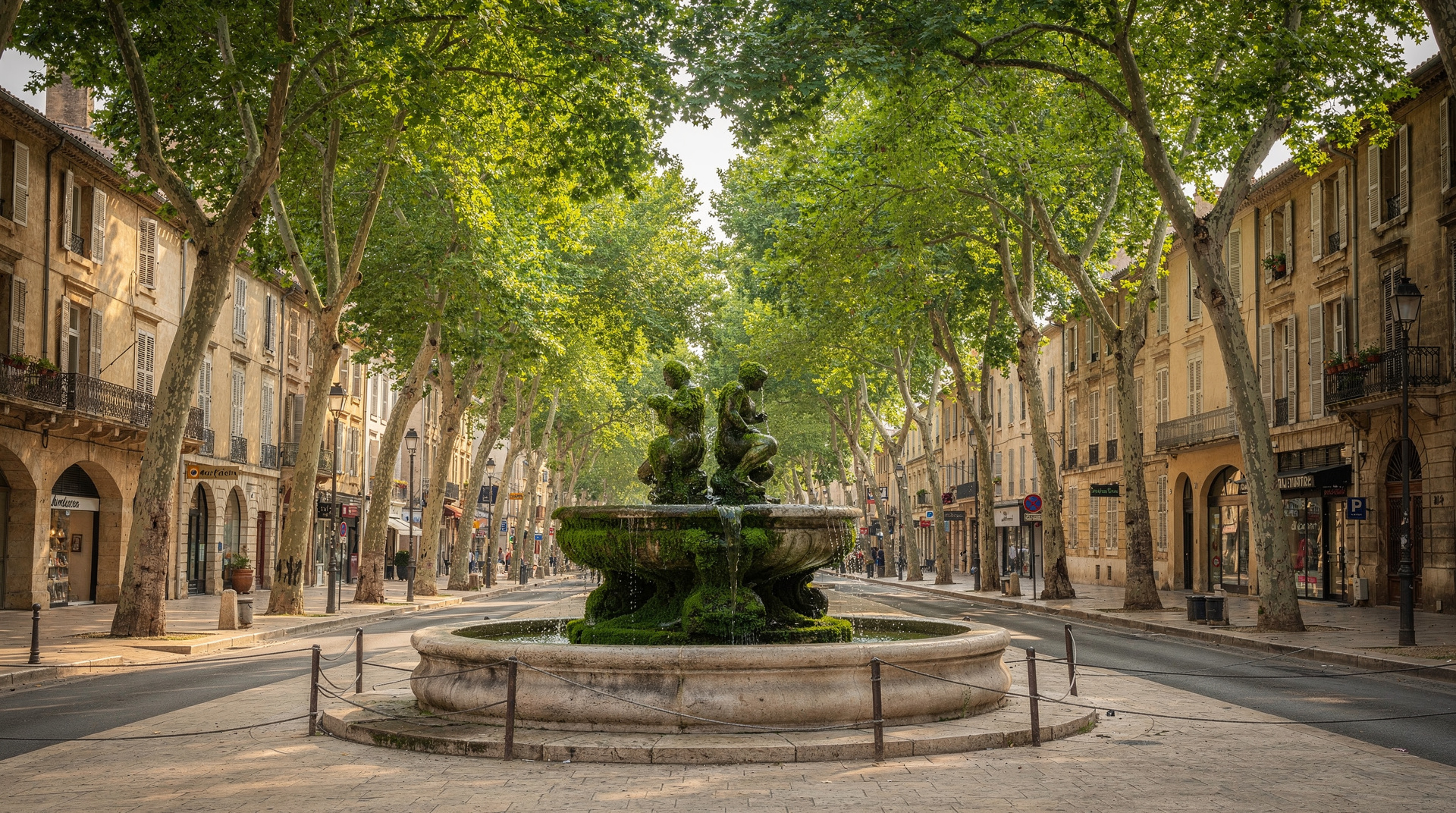
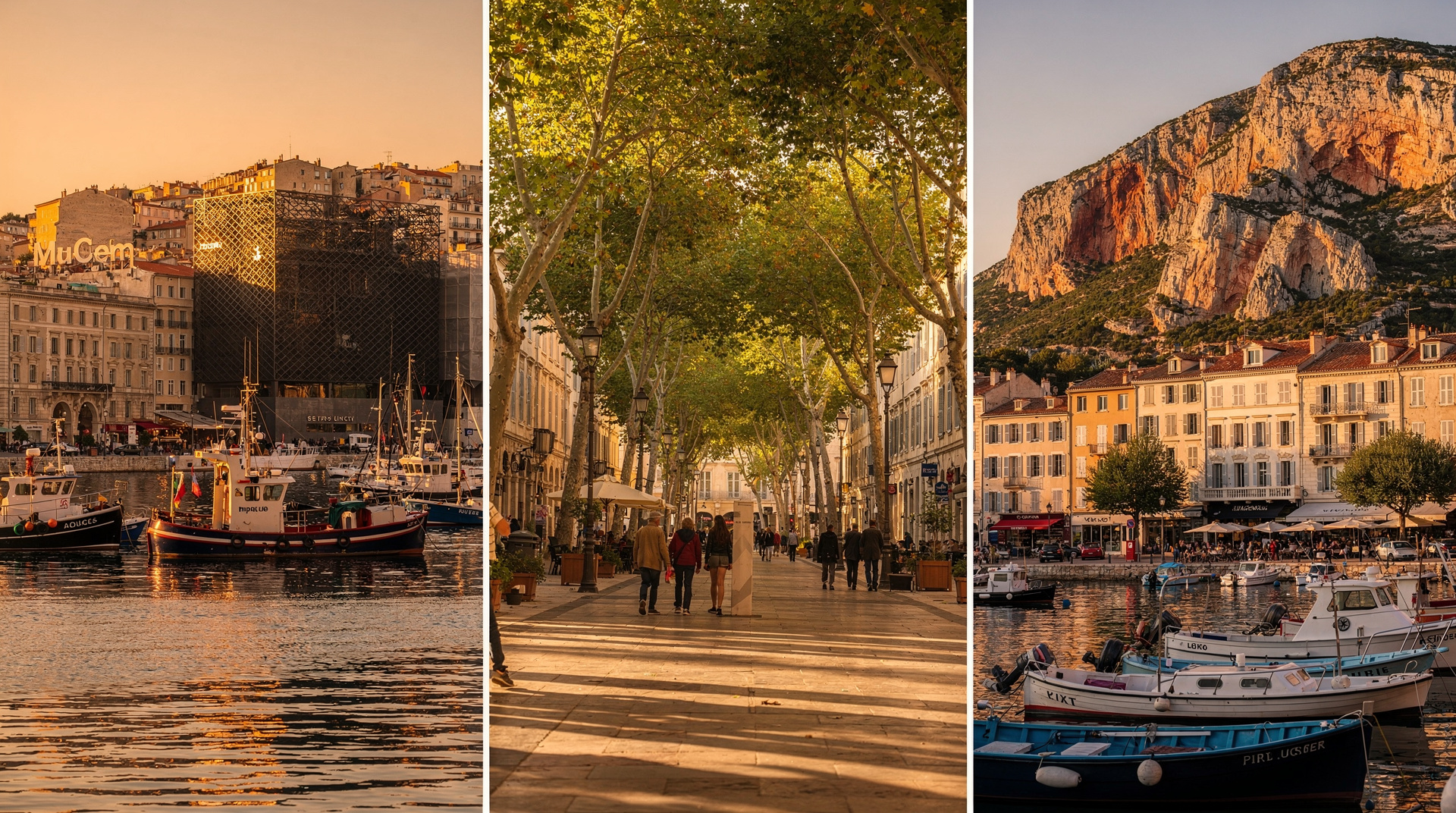
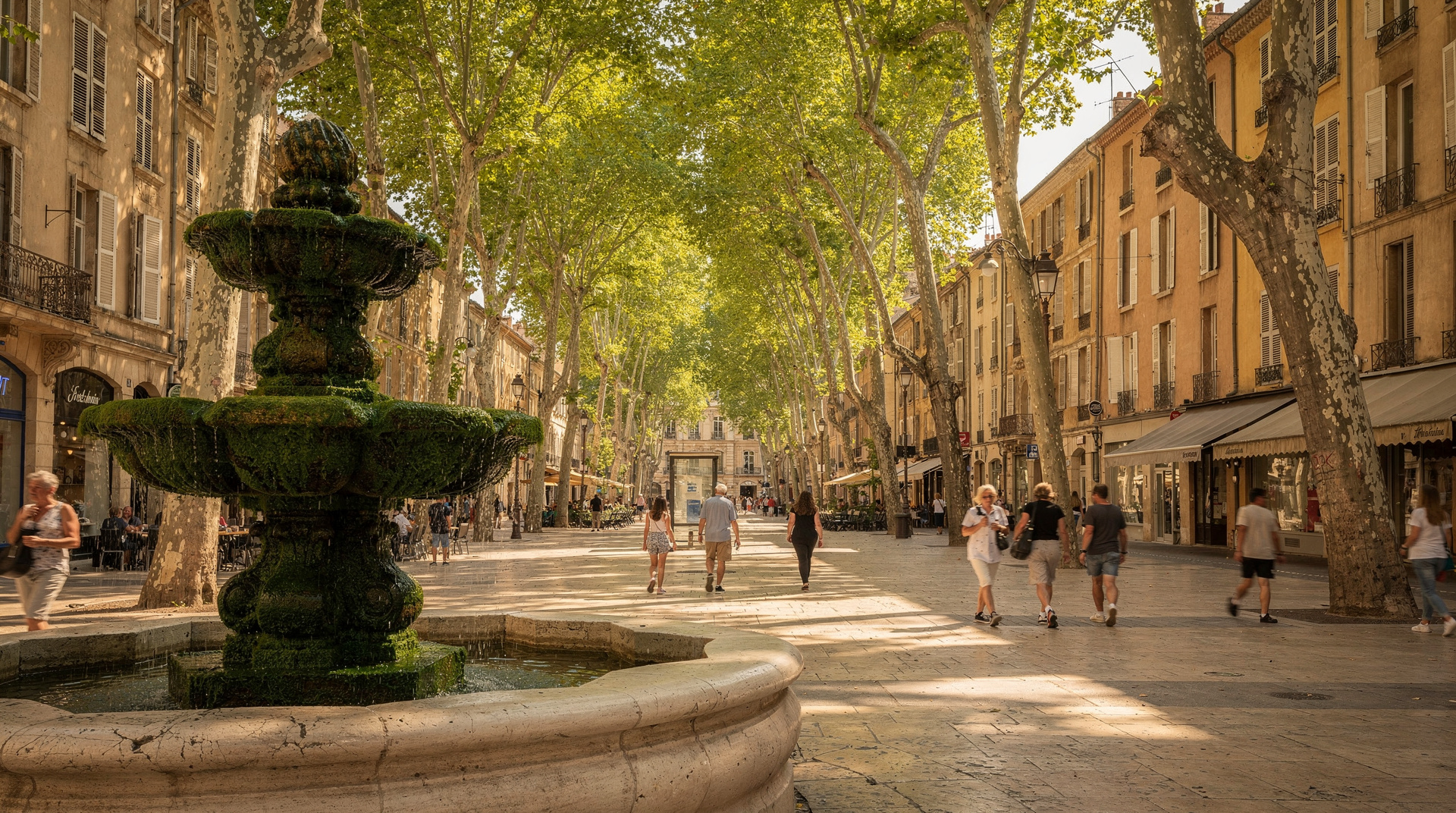
Aix-en-Provence: Orderly, elegant, unhurried, and unmistakably bourgeois. The Cours Mirabeau — the grand avenue of plane trees, café terraces, and 17th-century mansions — is genuinely beautiful. The old town behind it has excellent Provençal architecture, good museums (the Granet museum is strong), and a daily market that is organised and high-quality. Aix is wealthy and presents itself as such. It is one of the most visually complete old town centres in southern France.
It is also, depending on your taste, slightly sanitised. The “rough” that gives Marseille its character is absent. Aix’s multicultural dimension exists but is less visible in the tourist zones. The central pedestrian streets can feel homogeneous — boutiques, cafés, and tourist shops in a very well-maintained setting.
Food scene comparison
Marseille’s food advantages: The city has the best fish market in the south of France (Quai des Belges, mornings). The real bouillabaisse experience — with advance booking at a Charter signatory restaurant — is unique to Marseille. The Noailles market sells ingredients and prepared food from North Africa, the Levant, and the Mediterranean that are unavailable elsewhere in the region. The street food culture is genuinely interesting. Budget eating is possible in ways that it is not in comparable tourist cities.
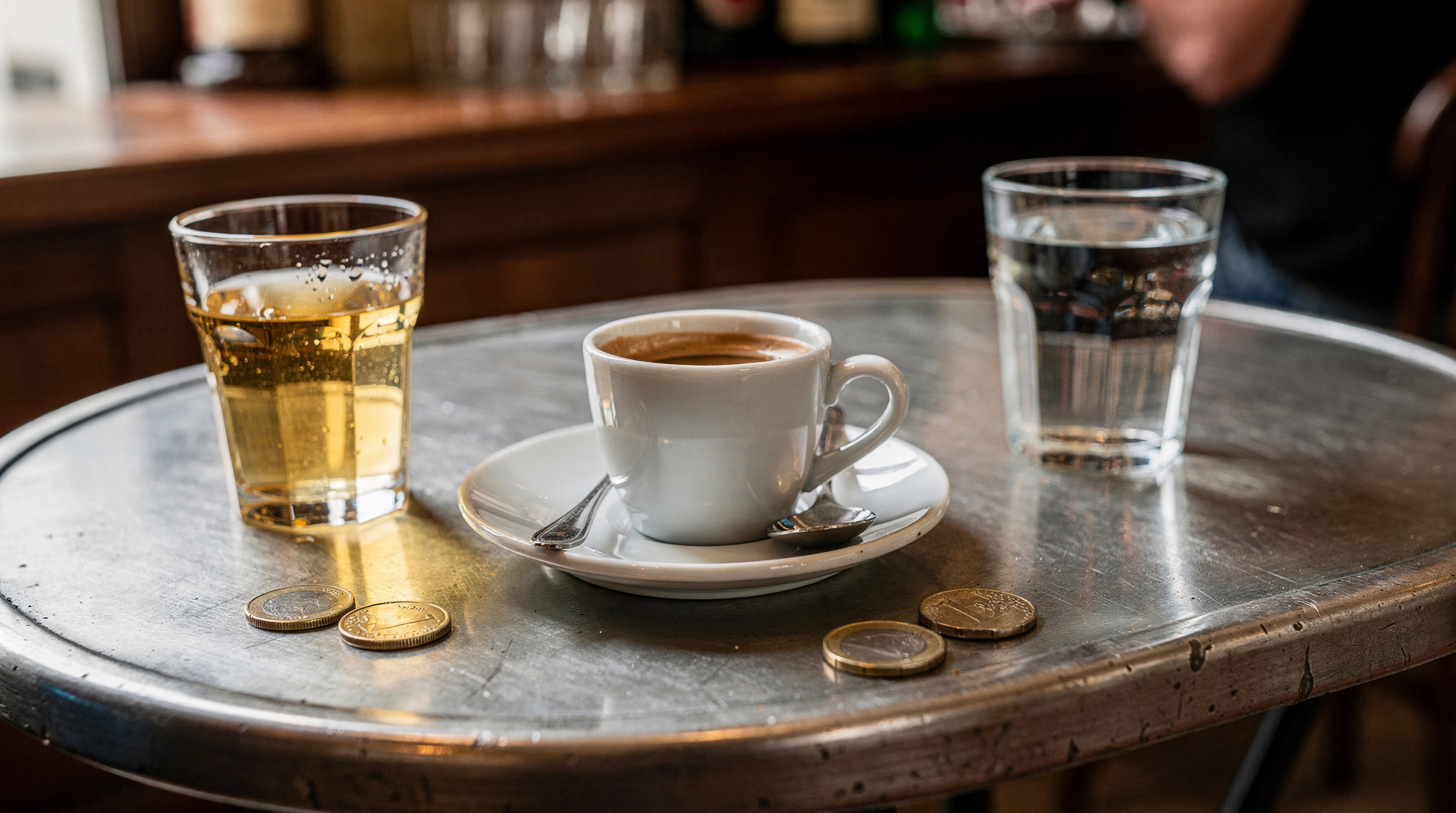
Aix’s food advantages: The formal Provençal dining tradition is stronger. The market on the Place Richelme is one of the best daily produce markets in France. Aix is where you find the best calissons (almond-and-melon confection, the city’s signature sweet), and where the café culture is most refined. Restaurant quality in the mid-range is consistently higher than in Marseille’s tourist zone, though Marseille’s best neighbourhood restaurants are competitive.
If food drives your choice, read bouillabaisse in Marseille before booking anywhere, browse the Marseille markets guide for the everyday side of the city, and see navettes and local sweets for the sweet tradition that rivals Aix’s calissons.
Beaches and coast
Marseille wins this comparison without contest. Aix-en-Provence has no beach. It has the river Arc and the landscape of Mont Sainte-Victoire, which are excellent in different ways, but if Mediterranean coast is part of your trip logic, Aix cannot provide it.
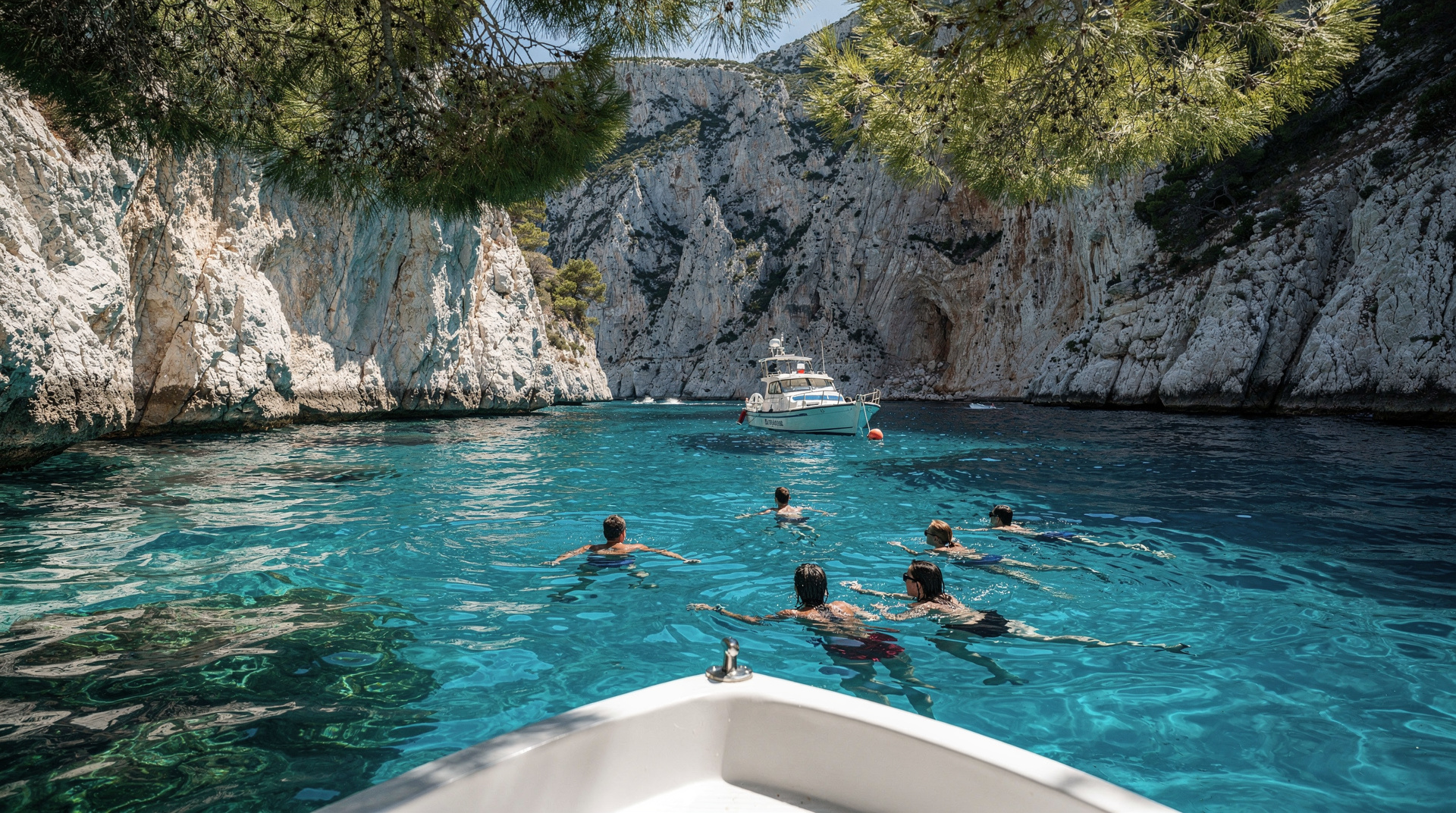
Marseille has the Prado beaches (urban, sandy, accessible by bus), the Corniche coast, and — 20 kilometres to the south — the entire Calanques National Park with its turquoise coves. The most dramatic coastal swimming in France is reachable by public transport from the Vieux-Port.
Cassis — 30 minutes from both cities, though slightly closer to Marseille — splits the difference if you want a beach with Provençal village charm.
If swimming is a priority, start with our best beaches in Marseille and the Calanques boat vs hike comparison, then see the Cassis day trip guide for the village option. Whichever way you go, the coast is a reason to sleep in Marseille rather than Aix.
Day trips and regional access
From Marseille: Cassis (35 minutes by train), La Ciotat (50 minutes), the Calanques (on foot from the southern arrondissements), Arles (1 hour by train), Avignon (1 hour by TGV), Aix (40 minutes by bus).
From Aix-en-Provence: The Luberon villages (40–60 minutes by car — Gordes, Roussillon, Lourmarin), Valensole lavender (1 hour by car in season), Avignon (45 minutes by train or car), Marseille (40 minutes by bus).
The pattern: Marseille is better for coastal excursions; Aix is better for inland Provence. If your trip prioritises the Luberon circuit or lavender season, Aix is the more efficient base. If the Calanques and the coast are central, base in Marseille.
To go deeper on either side, the Aix-en-Provence day trip guide covers the town on a single visit, while the Luberon villages day trip and the lavender season guide explain what the inland circuit involves. Whether you need wheels for it is answered in do you need a car in Provence.
Prices
Both cities have a tourist core where prices are elevated. Aix’s Cours Mirabeau restaurant terraces charge Paris-level prices for location. Marseille’s Vieux-Port strip is expensive and mediocre.
Away from the tourist core, Marseille has genuinely affordable eating at the Noailles market, the neighbourhood restaurants of Cours Julien, and the boulangeries throughout the 1st and 6th arrondissements. Budget travellers find Marseille easier to navigate cheaply than Aix, which has fewer affordable restaurant options away from the tourism centre.
Mid-range hotel prices are broadly comparable. Budget accommodation (hostels, budget hotels) is easier to find in Marseille.
Transport and practicality
Both cities are easily reached from major transport hubs. Marseille has the larger airport (Marseille-Provence MRS), with international and domestic connections. The TGV from Paris takes around 3 hours to Marseille Saint-Charles and 3 hours 20 minutes to the Aix-en-Provence TGV station (which is 15 minutes from the town centre by bus).
Getting around: Marseille has a metro (M1, M2), trams, and buses — a usable urban public transport network. Aix has no metro and a smaller bus network; the old town is walkable and most visitor activity is on foot. Neither city is particularly car-friendly in the centre; a car becomes useful for Provence day trips from Aix, and for some Calanques access from Marseille.
The verdict by traveller type
Choose Marseille if:
- You want the Calanques
- You want a city with authentic, complex character rather than a curated one
- You are interested in multicultural food culture and markets
- You have three or more days and want a destination with depth
- You are comfortable in urban environments with variable aesthetics
Choose Aix-en-Provence if:
- You want a relaxed, elegant Provençal base for Luberon day trips
- You prefer the ordered beauty of a historic centre to the complexity of a major port city
- You are visiting with children who need manageable, calm spaces
- You are visiting for a romantic weekend with refinement as a priority
- You have limited time and want a “Provence in a box” experience
Choose both if: You have five or more days and want the full picture of what this corner of France offers. Start in Marseille for the coast and the city energy; move to Aix for the Provence interior. The 40-minute bus connection makes the transition simple.
What each city does with culture
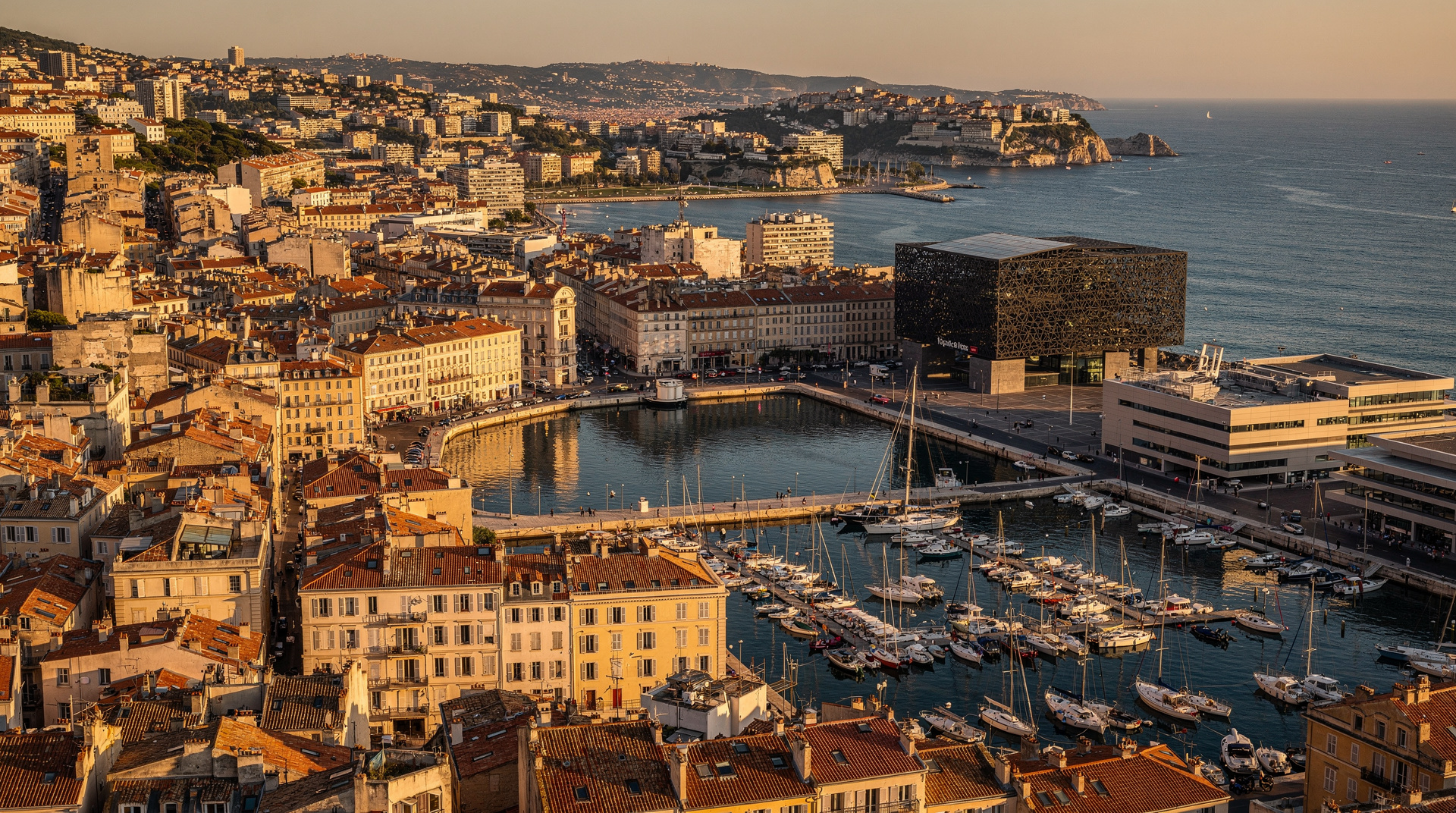
Marseille’s cultural depth: The MuCEM — Museum of the Civilisations of Europe and the Mediterranean — is one of the finest museums in France and genuinely world-class. The permanent collection explores the shared cultural history of the Mediterranean basin from prehistoric times to the present; the building itself (a concrete lattice cube connected by a suspended walkway to the medieval Fort Saint-Jean) is iconic. Entry EUR 11; free on the first Sunday of the month. The Musée d’Histoire de Marseille has Roman-era remains visible through glass floors. The street-art scene in Cours Julien and surrounding neighbourhoods is one of the most developed in France.
Aix’s cultural depth: The Atelier Cézanne — Paul Cézanne’s preserved studio, on the hill north of the city — is the most important single cultural site in Aix. Cézanne lived and worked in Aix for most of his life; Mont Sainte-Victoire (visible from the city) appears in dozens of his most important paintings. The Musée Granet (fine arts) is strong. The Festival International d’Art Lyrique d’Aix-en-Provence (opera festival, July) is one of Europe’s premier opera festivals and dramatically raises the cultural profile of the city in summer.
For more on the Marseille side, the MuCEM guide and the Marseille museums guide help you plan visits, and the Aix-en-Provence destination page gives the equivalent overview for the other city.
Architecture: port city vs elegant town
Marseille’s architecture is layered and uneven. The Vieux-Port was largely rebuilt after wartime destruction — you can see the 1950s reconstruction in the apartment blocks that replaced the demolished quarter north of the quai. Le Panier preserves older fabric: 17th and 18th-century buildings on lanes that follow the medieval street plan. The Cité Radieuse — Le Corbusier’s iconic apartment block, a UNESCO World Heritage Site — is visible from the Corniche and open for visits. The MuCEM’s concrete latticework and the new Docks de la Joliette business district represent very contemporary architecture.
Aix’s old town is more coherent: 17th and 18th-century hôtels particuliers (private mansions with grand doorways and inner courtyards) line the streets south of the Cours Mirabeau. The Cours Mirabeau itself — bordered by plane trees that form a canopy overhead, flanked by the grand facades of the old institutions — is one of the most attractive urban avenues in France. Aix rewards slow walking and looking up at door lintels and ironwork.
Shopping comparison
Both cities have good shopping, for different things.
Aix: The pedestrian streets of the old town have a high density of independent boutiques, fashion, and food shops. The Provençal market is the best in the region for produce and regional products (calissons, olive oil, honey, lavender). The market takes place on Tuesday, Thursday, and Saturday on the Place Richelme. Saturday mornings draw the most stalls and the most variety.
Marseille: The Noailles market is better for everyday food — more variety, lower prices, more authentic. For savon de Marseille (the real kind), the Le Sérail factory shop is in the 3rd arrondissement. Le Panier has independent artisan boutiques. The Cours Julien area has vintage shops, record stores, and the kind of second-hand and independent retail that a younger, more eclectic demographic produces.
Making the choice
The traveller who finds Marseille uncomfortable is someone who needs their destinations to be curated, coherent, and polished. There is nothing wrong with this — it is a legitimate travel preference, and Aix delivers it very well. The traveller who finds Aix slightly dull is someone who needs texture, contradiction, and the feeling of a place that has not been arranged for their benefit. Marseille delivers this.
Most people who spend time in both cities come away with a clearer sense of what they prefer in a travel experience — and a strong recommendation of the one that matched their temperament.
For the specific question of which to use as a base, see our dedicated Marseille vs Aix basing guide. For getting between the two cities, see transport options.
If you are still weighing where to sleep, the Marseille neighbourhoods guide, the Vieux-Port and Le Panier pages show what each Marseille base feels like, and how many days in Marseille helps you decide how much time the city deserves before adding Aix.
What a combined itinerary actually looks like
For travellers who want both without overcomplicating logistics, the most efficient pattern is basing in Marseille for two or three nights (Vieux-Port, Le Panier, Calanques or Cassis) and adding a single full day in Aix via the bus or train, rather than relocating hotels mid-trip. This avoids repacking and lets you keep the Marseille-side Calanques boat tour or hike on a flexible weather-dependent day. Our Marseille-Aix-Cassis 3-day itinerary lays out a version of this that also fits in Cassis.
Budget-wise, the two cities land in a similar range overall, though the balance of where the money goes differs — see our Marseille trip cost guide for the detailed breakdown, which also covers day-trip costs to Aix specifically.
Frequently asked questions about Marseille vs Aix-en-Provence
Which city is better for a first visit to Provence?
Marseille gives you the more distinctive experience — nothing in France is quite like it. Aix-en-Provence is easier and more conventionally charming but can feel like a polished version of many southern French cities. If you have only one choice, Marseille is the bolder and more memorable option. If you are new to France entirely, Aix's gentler pace may be a better entry point.Is Marseille or Aix better for day trips into Provence?
Aix is slightly better positioned for the Luberon, lavender fields, and inland Provence — the Luberon villages are 40–60 minutes from Aix by car versus 60–80 minutes from Marseille. Marseille is significantly better positioned for the Calanques, Cassis, La Ciotat, and the coastal zone. If your Provence fantasy is lavender and perched villages, base in Aix. If it is turquoise water and coastal hiking, base in Marseille.Which city is more expensive?
They are broadly comparable at the mid-range level. Aix tends to have slightly higher restaurant prices in the central streets — a lunch in Place de l'Hôtel de Ville or near the Cours Mirabeau costs more than a comparable lunch in Cours Julien. Marseille has more price variation — its tourist zone is expensive but its neighbourhood restaurants and markets are cheaper than Aix. Budget accommodation is more available in Marseille.Can I visit both Marseille and Aix-en-Provence in one trip?
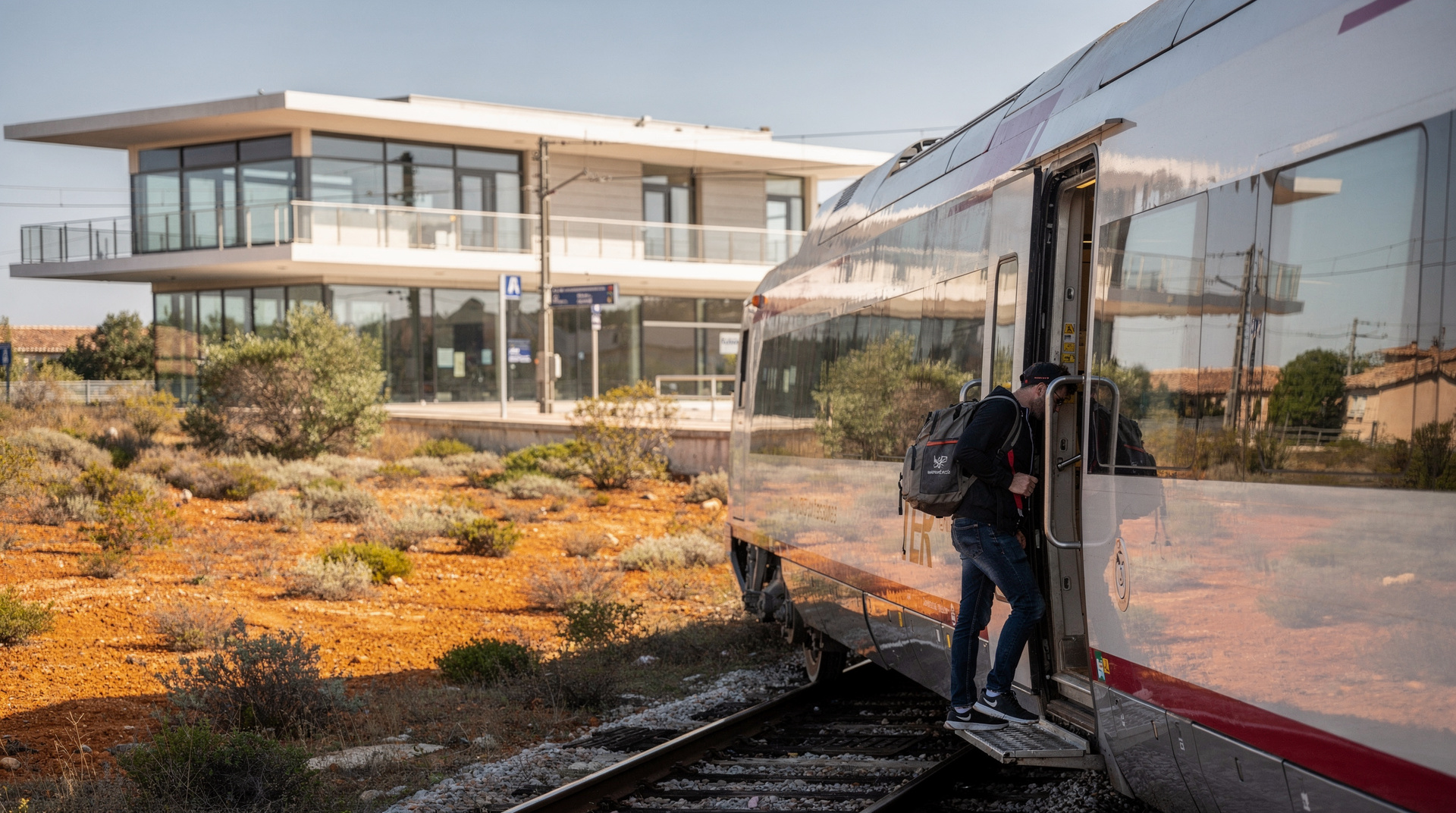
Yes, and most visitors on a week's itinerary should. The TGV/TER train from Marseille Saint-Charles to Aix-en-Provence TGV takes around 12 minutes; the bus takes 40 minutes. They are easy day-trip distance from each other, and basing yourself in one and doing a half-day in the other is entirely practical. Alternatively, base in Marseille and do Aix as a full day trip.Which city has better food?
They serve different food cultures. Marseille has the bouillabaisse tradition, the best seafood market in France, North African street food at Noailles, pastis culture, and a raw authenticity to its restaurant scene. Aix has better Provençal cuisine in the formal sense — calissons, market restaurants on the Cours Mirabeau, refined southern French cooking. For food adventurers, Marseille. For conventional French dining quality, Aix.Is it easy to visit Aix-en-Provence as a day trip from Marseille without a car?
Yes. The bus takes around 40 minutes and runs frequently throughout the day; the train (via Aix-en-Provence TGV station, 15 minutes from the centre by shuttle bus) is faster city-centre to city-centre in some cases but involves an extra transfer. Most visitors find the direct bus simpler for a single day trip with no car.Which city has better nightlife?
Marseille, clearly. The Cours Julien neighbourhood has a dense concentration of bars, live music venues, and a younger crowd that keeps going well past midnight. Aix's nightlife is quieter and more café-terrace oriented — pleasant for an evening drink but not built around late bars or clubs. If nightlife matters to your trip, base in Marseille and treat Aix as a day trip.
Top experiences
Bookable activities with verified prices and instant confirmation on GetYourGuide.
From Marseille: Cassis and Aix-en-Provence full-day tour

Aix-en-Provence: Provençal market walking tour with tastings
Aix-en-Provence: electric tourist train, Paul Cézanne route
Marseille: Vieux-Port & Le Panier walking tour
Marseille: iconic Calanques boat tour with swimming