Les Catalans beach guide: Marseille's urban sand beach near the Vieux-Port
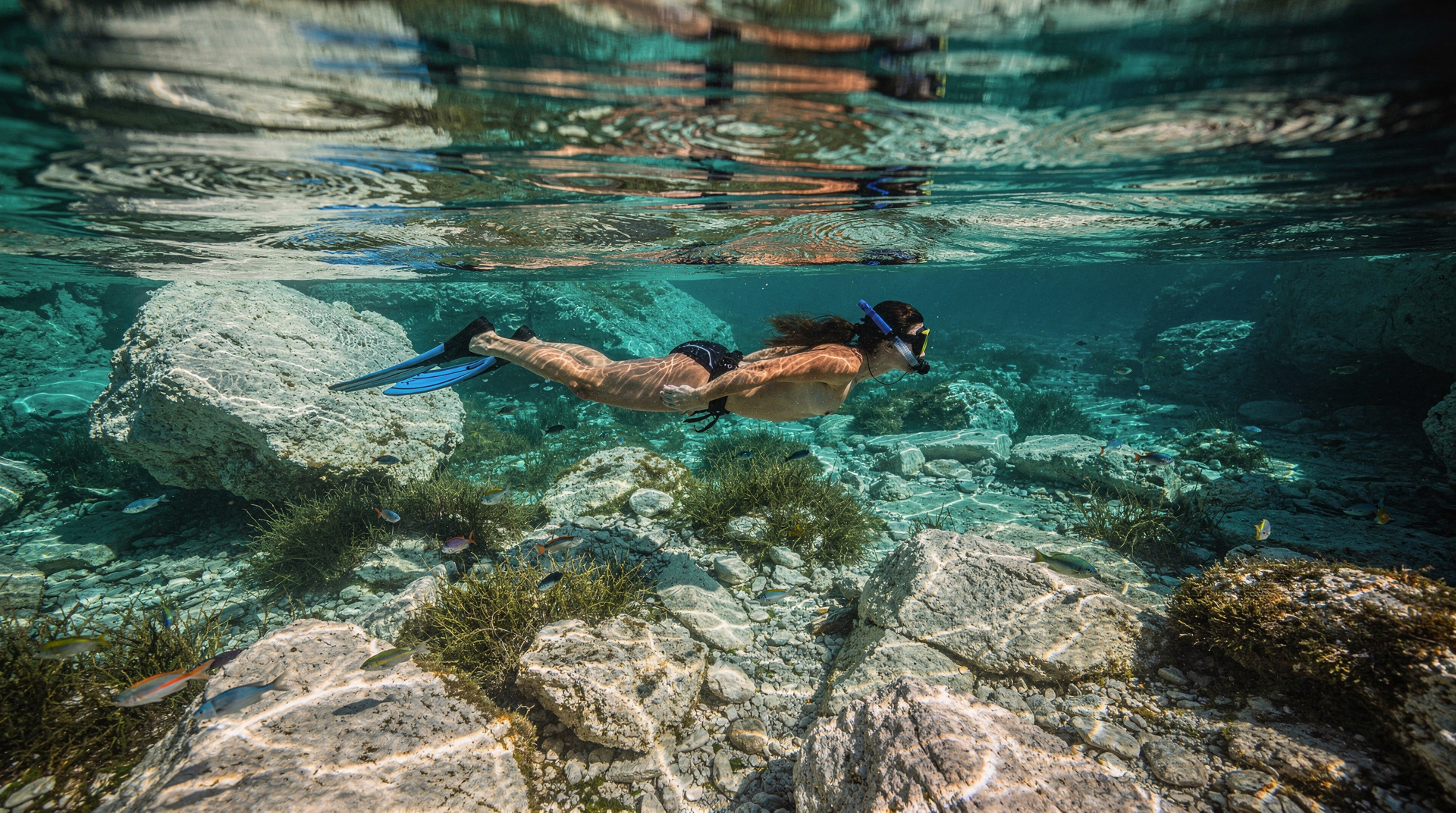
Marseille: Endoume snorkelling experience with picnic
Is Catalans beach worth visiting in Marseille?
Yes for a convenient swim close to the historic centre — 20 minutes on foot from the Vieux-Port, good water quality, lifeguards in summer. Honest limitation: it is small and very crowded on summer weekends. Go early (before 10:00) or on a weekday. For a fuller beach day, the Prado beaches offer more space.
Marseille’s oldest beach
| At a glance | |
|---|---|
| Where | Corniche Kennedy, about 1.5 km south of the Vieux-Port |
| Cost | Free (public beach); around EUR 20-30/person for the private beach club section |
| Time needed | Anywhere from 30 minutes for a quick swim to a full morning or afternoon |
| Getting there | 20-minute walk from the Vieux-Port, or bus 83 from Castellane/Vieux-Port |
| Best time | Before 10:00 or after 16:00 in July-August; anytime May-June or September |
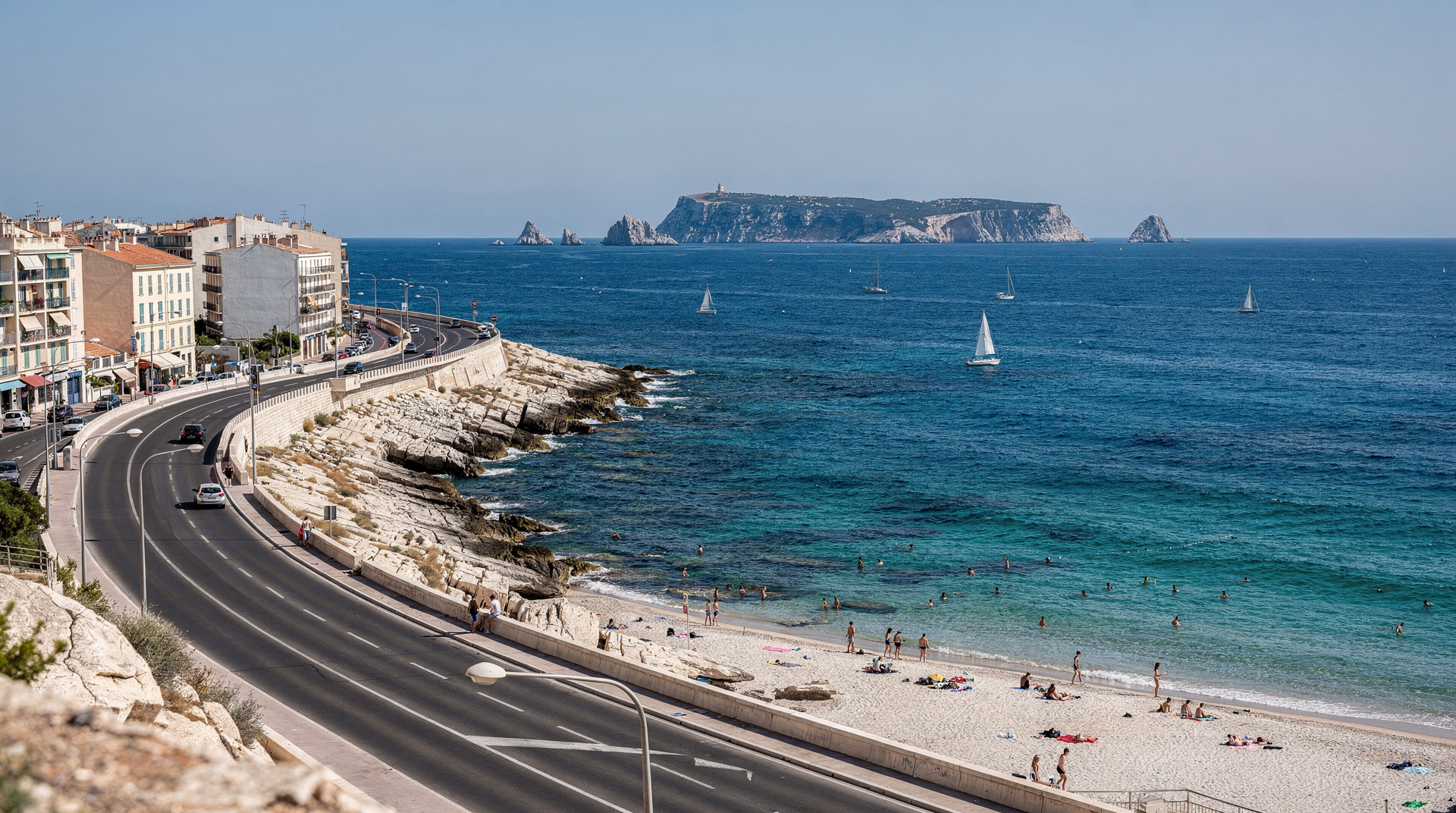
Anse des Catalans occupies a small bay on the Corniche Kennedy, approximately 1.5 kilometres south of the Vieux-Port and 20 minutes on foot along the coastal road. It is the oldest official swimming beach in Marseille — the bay has been used for sea bathing since the early 19th century, when it was settled by Catalan fishermen from Barcelona and the Spanish coast. The name has stuck through two centuries of city growth around it.
Catalans is a city beach in the literal sense: surrounded by apartment buildings, within earshot of the Corniche road traffic, with café terraces on the beach perimeter rather than calanque silence. This is not a negative — it is simply the character of the place. Catalans is where Marseille people swim when they have a free afternoon and do not want to take a bus to the Prado or a boat to the Calanques. Its virtue is immediacy and the quality of the water, not scenery or space.
The beach itself: honest dimensions
The beach is small. At its widest point, Catalans measures perhaps 70–80 metres across and 20–30 metres from the water to the back retaining wall. The surface is a mix of sand and fine pebble — predominantly sandy but with pebble patches near the rock sections at either side. At the Vieux-Port end (north side), a rocky section extends into the water suitable for jumping and diving; the main swimming area is central.
At low tourist season in May or September, the beach is uncrowded and genuinely pleasant: chairs, a café, the Corniche road behind, and clear water in front. At 11:00 on a Saturday in July, every square metre of sand is occupied. The summer crowd reality at Catalans is intense because the beach is small and centrally located — every tourist who wants a quick swim near the Vieux-Port ends up at Catalans.
The early solution: The beach at 08:00 on any day in July is peaceful. By 10:00 it is busy. By noon it is at capacity. If Catalans is your plan, arrive before 10:00.
Facilities and services
- Lifeguard: Post present mid-June to mid-September, approximately 10:00–19:00. The swimming zone is flagged — green (safe), yellow (swim with caution), red (prohibited) according to conditions.
- Beach restaurants and cafés: Several establishments on the Corniche side of the beach serve food and drinks from early morning. The quality varies — the best bet is a café au lait and croissant in the morning, a simple salade niçoise for lunch, rather than the tourist menu options.
- Volleyball court: One volleyball court at the north end of the beach, free to use when not in organised use.
- Outdoor showers: Basic cold-water showers at the beach perimeter.
- Toilets: Available at the beach; quality varies by season and maintenance.
- No parking directly adjacent: The Corniche road has no dedicated parking for Catalans beach. Street parking on the Corniche fills quickly in summer. The best option is to walk.
Plage des Catalans private section
A portion of the beach is occupied by a private beach club (plage privée) — Plage des Catalans — which rents sunloungers and parasols and operates food and drinks service. This is the “paid beach club option” referenced in many online descriptions of Catalans.
The private section is smaller than the public beach and charges approximately EUR 20–30 per person for a sunlounger setup. The service level is consistent with a mid-range beach club: numbered loungers, beach service, and a more comfortable physical setup than the public sand section. The water is identical — you are in the same bay.
For a quick swim or a weekday morning at the beach, the free public section is entirely adequate. For visitors who want a comfortable full-day setup with table service, the private club removes the logistics of bringing your own equipment. The choice depends on preference and budget rather than any quality difference in the experience.
Water quality and conditions
Catalans water quality is generally good — it receives regular EU bathing water quality monitoring from the city. After heavy rain (which triggers urban runoff from Marseille’s drainage network), quality can temporarily deteriorate; the city posts real-time monitoring results on the bathing water quality website. On clear-weather days, the water is clean and visibility is 3–5 metres over the sandy and rocky bottom.
The bay has a moderate slope — the depth at 10 metres from shore is approximately 1–1.5 metres in the main swimming zone, increasing to 3–4 metres at the outer swimming buoys. Suitable for children who can swim, less suitable for very young non-swimmers in the deeper outer zone. The lifeguarded zone is clearly flagged.
Swell is generally minimal at Catalans due to the sheltered position relative to the Pharo headland. In strong southerly or easterly winds, some wave action reaches the beach but nothing dangerous for competent swimmers.
Jellyfish: As at all Marseille coastal points, occasional jellyfish (Pelagia noctiluca) appear in July–August. Check with the lifeguard on the day. The beach flag system does not specifically flag jellyfish presence — ask verbally if you are concerned.
Getting there
On foot from the Vieux-Port: 20 minutes south along the Corniche Kennedy. From the Vieux-Port quai, take the Rue de la Corse or the Rue de la Répuplique toward the Pharo headland, then join the Corniche road and walk south. The beach entrance is visible from the road.
By bus: Bus 83 (Corniche Kennedy line) stops close to Catalans. Board at Castellane (line 1 métro) or at Vieux-Port and alight at the Catalans stop. The bus runs every 10–15 minutes in summer.
By bicycle: Le Vélo bike-share has stations on the Corniche. The cycle path runs past Catalans. From the Vieux-Port, 10 minutes by bicycle.
By car: Not recommended. No parking adjacent to the beach. Parking is available on streets further from the Corniche but requires a 10–15 minute walk in addition to finding a space — which in summer is not guaranteed.
Catalans vs Prado: choosing between the two
| Factor | Catalans | Borély (Prado) |
|---|---|---|
| Distance from Vieux-Port | 1.5 km (20 min walk) | 5 km (25 min by bus) |
| Beach size | Small | Large |
| Sand quality | Mixed sand/pebble | Fine sand |
| Lifeguard | Yes (summer) | Yes (summer) |
| Facilities | Basic | Full (showers, toilets, restaurants) |
| Summer crowding | Very intense | Busy but more space |
| Adjacent park/activities | Corniche promenade | Parc Borély |
| Car-free access | Easy (walk) | Good (bus 83) |
For visitors staying near the Vieux-Port who want a quick sea swim: Catalans. For a proper beach day with space to spread out, activities, and facilities: Borély at the Prado. These are genuinely different experiences for different circumstances.
See our best beaches in Marseille master guide and the Prado beaches guide for the broader comparison. The Corniche and Prado destination guide covers the full coastal stretch from Catalans through to Les Goudes.
Seasonal variation at Catalans
Spring (April–May): Uncrowded, pleasant temperatures for walking on the Corniche. Water still cold (15–17°C) — most locals are not swimming yet. The beach infrastructure (lifeguard, restaurants) has not fully opened for the season.
Early summer (June): The beach begins filling. Lifeguard post opens mid-June. Water reaches 20°C — comfortable for swimming. The best period: busy enough to feel alive, not crowded enough to be unpleasant.
July–August: Peak pressure. The beach at 09:00 is manageable; by 11:00 it is at capacity. The Corniche road traffic is heavier. If you want Catalans in summer, the strategy is simple: arrive early and leave before noon, or come in the late afternoon (16:00–18:00) after the peak.
September–October: The locals’ favourite period. Water stays at 22–23°C — warmer than June — but the crowds thin dramatically. Catalans in September on a weekday is what the beach is actually like for people who live nearby: a few dozen swimmers, a café, and the Corniche to walk back along afterward.
Snorkelling from Catalans
The rocky section at the north end of Catalans (toward the Pharo headland side) provides the best snorkelling directly accessible from the beach. The rock bottom begins immediately past the sandy section, with sea urchins visible on the limestone, bream schooling around the rock outcrops, and occasional octopus under the larger rocks at 3–5 metres depth.
The visibility at Catalans is good but not exceptional — the proximity to the urban environment means some particulate matter in the water compared with the Calanques. A mask and fins transform a swim here from purely recreational to genuinely observational. For the richest snorkelling near Marseille, see our snorkelling guide, which covers the Endoume zone, Frioul Islands, and the Calanques options.
Walking the Corniche from Catalans
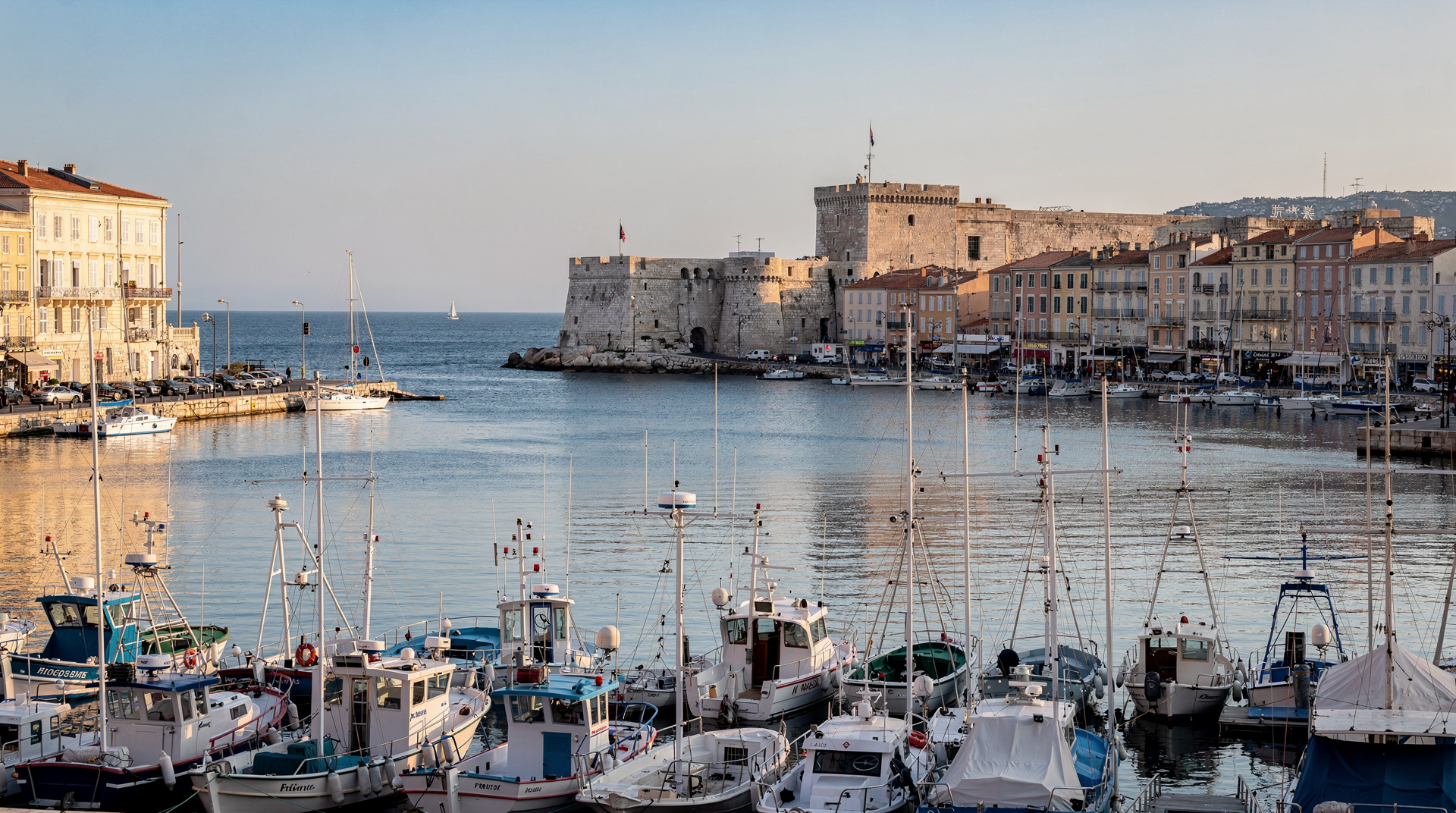
The 20-minute walk from the Vieux-Port to Catalans passes the Pharo headland (gardens with the best view of the entrance to the Vieux-Port from outside), the Monument aux Morts de l’Armée d’Orient, and the bridge over the Vallon des Auffes — one of the most picturesque corners of Marseille, a handful of fishing boats and restaurant terraces in a tiny inlet below the road. This walk alone is worth the time even if you end up at Catalans for only 30 minutes. Return on bus 83 or on foot — the Corniche in the evening, with the sea on your left and the sunset building, is a consistently good walk.
Combining Catalans with the rest of the day
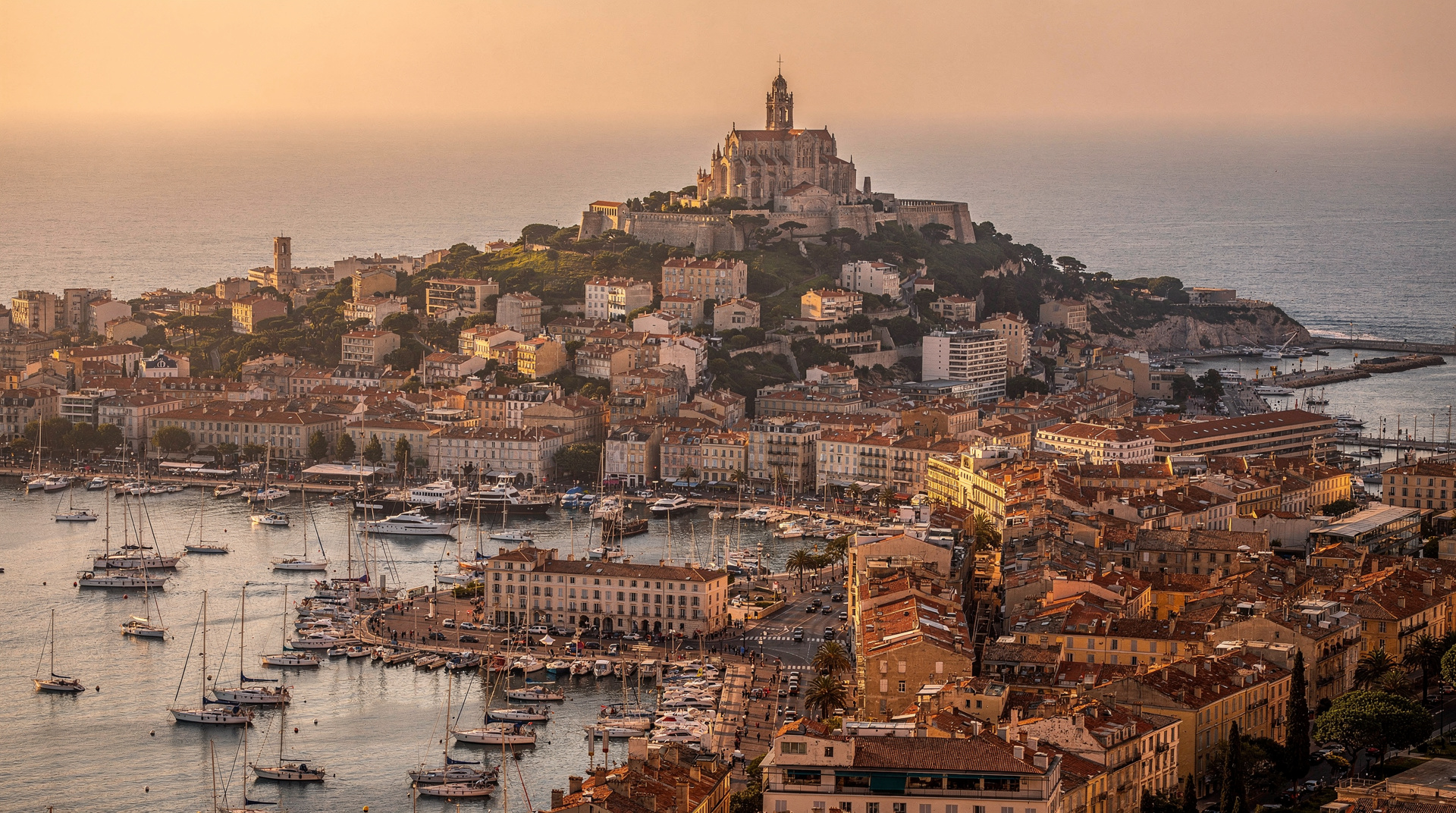
Because Catalans sits directly on the walking route between the Vieux-Port and Notre-Dame de la Garde, it works well as a mid-route stop rather than a destination in its own right.
A morning swim at Catalans followed by the climb up to the basilica (or a bus 60 connection from nearby) is a natural sequence — see the Day 1 structure in our 3-day Marseille planning guide for how this fits into a longer itinerary. If a swim isn’t essential and you’d rather prioritise sand and space, the best beaches in Marseille guide ranks all the city’s options side by side.
Frequently asked questions about Les Catalans beach guide
Is Catalans beach good for children? For children who can already swim, yes — the lifeguarded main zone (summer) and the shallow water close to shore work well. The deeper outer swimming zone (3-4 metres at the buoys) is less suitable for very young non-swimmers; stay in the shallower, closer-in area.
Can you rent sunbeds at Catalans? Only through the private Plage des Catalans beach club section, at around EUR 20-30 per person for a sunlounger setup. The free public section has no rental infrastructure — bring your own towel or mat.
Top experiences
Bookable activities with verified prices and instant confirmation on GetYourGuide.