Best beaches in Marseille: Prado, Catalans, Pointe Rouge, Les Goudes, and the Calanques
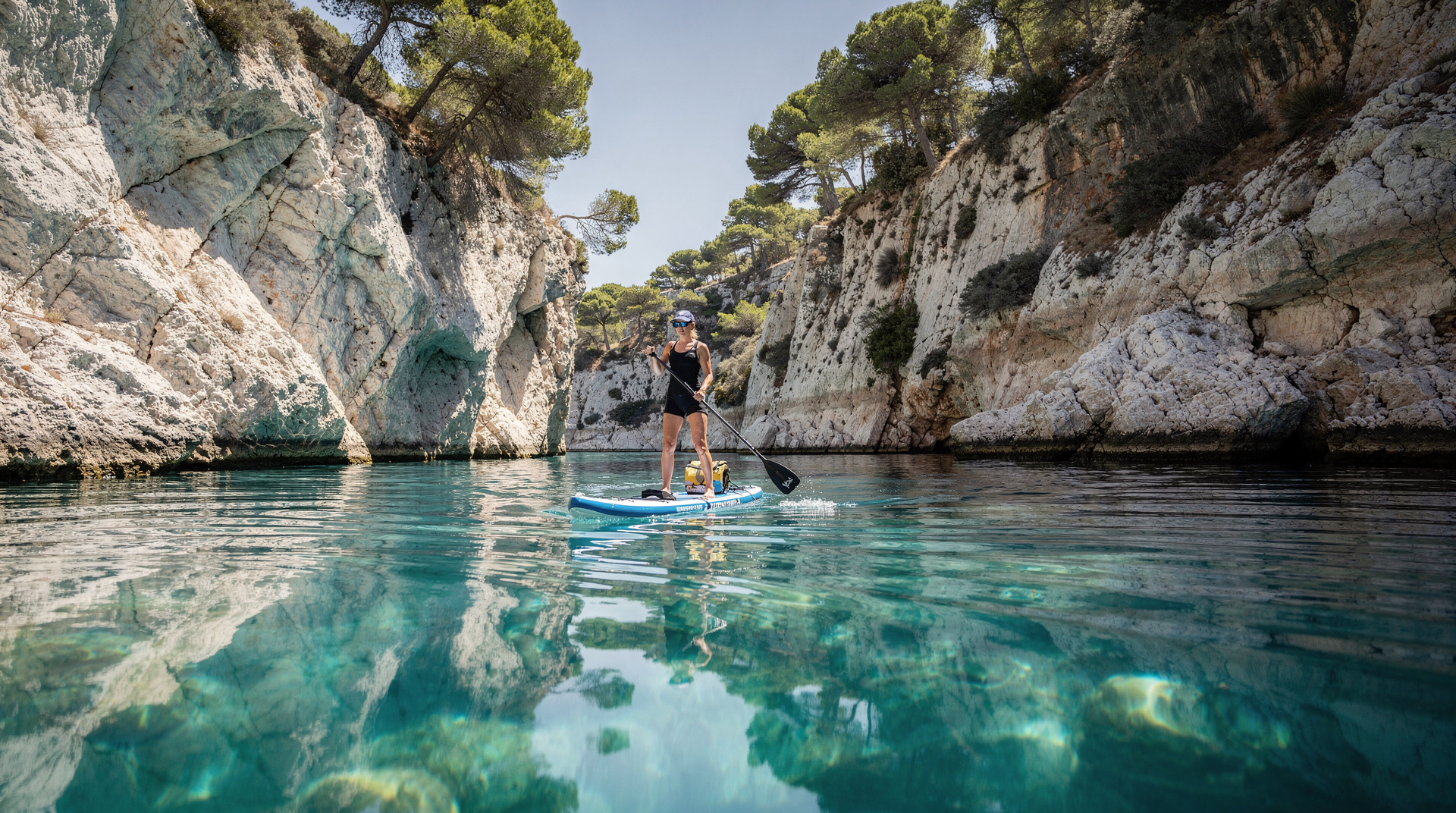
Marseille: stand-up paddle tour — Les Goudes to the Calanques
Duration: 2 hours
What is the best beach in Marseille?
Plage du Borély (part of the Prado beach chain) is the best family beach in the city — sandy, lifeguarded, clean, and accessible by bus. For the most scenic swimming, the Calanques calanques (En-Vau, Port-Pin, Sormiou) are extraordinary but require a boat, kayak, or hike to reach. Les Catalans is the closest sandy beach to the Vieux-Port, 20 minutes on foot.
The beach geography of Marseille
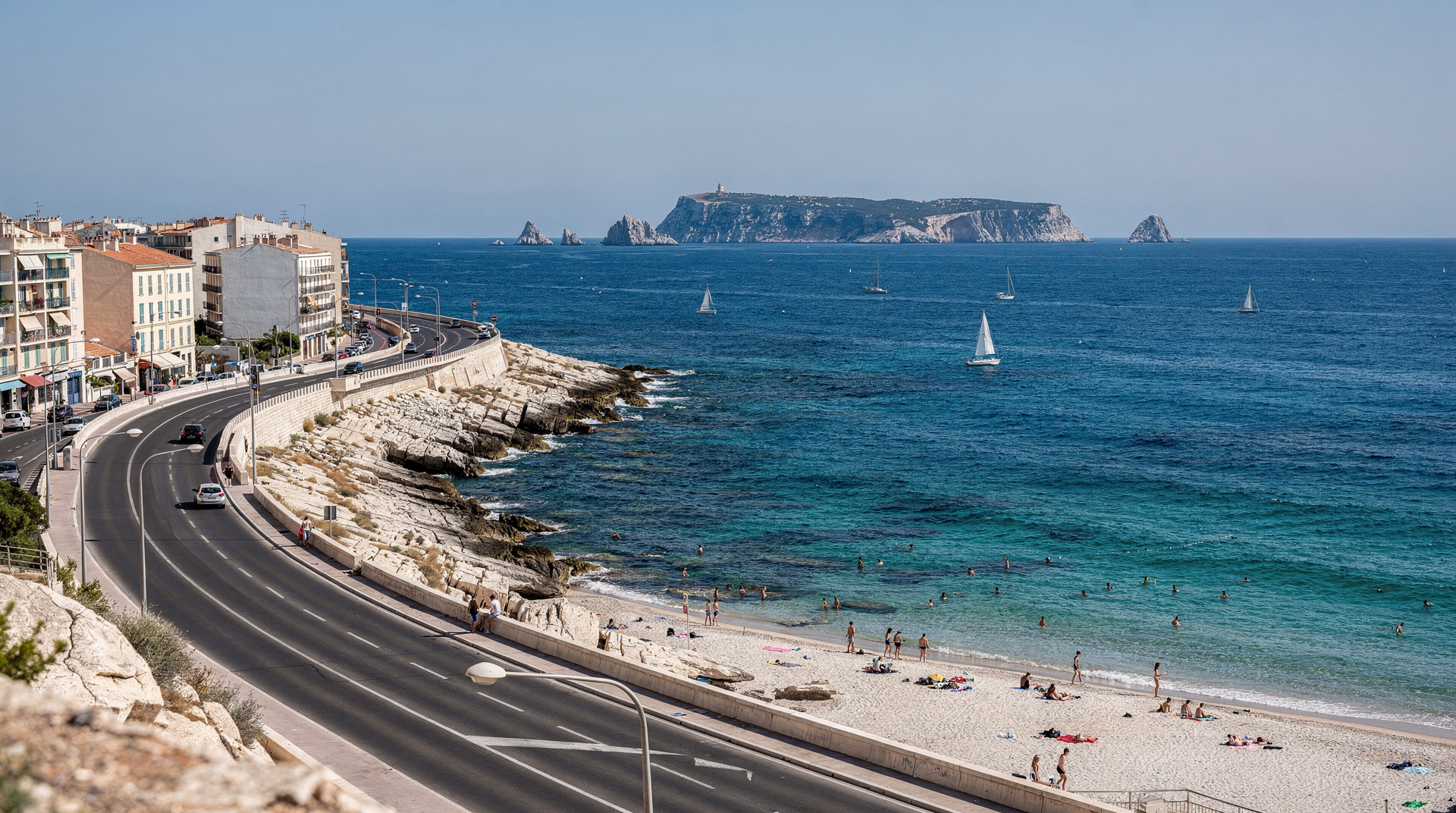
Marseille’s coastline runs roughly 57 kilometres if you count every inlet, cove, and headland between the Côte Bleue in the north and the Calanques in the south. For a city of nearly a million people, the variety of swimming environments within reach is extraordinary: artificial sandy beaches for families, rocky urban platforms for local swimmers, sheltered village harbours, and 20 kilometres of national park coastline with water clarity that exceeds most Mediterranean resorts.
Understanding which beach suits which purpose is the key practical question for visitors. This guide runs through every significant option honestly — distances, access, water quality, crowding, facilities, and who each beach is actually best for.
| At a glance | |
|---|---|
| Where | City beaches from Catalans to Pointe Rouge, plus Les Goudes and the Calanques further south |
| Cost | Free public access everywhere; private beach club sunloungers around EUR 15–25 for two per day |
| Time needed | An afternoon for a city beach; a half or full day for Les Goudes or the Calanques |
| Getting there | Bus 83 (Corniche/Prado), tram T2 (Prado), bus 20 (Les Goudes), boat or hike (Calanques) |
| Best time | July to early October for warmest water; before 10:00 or on weekdays to avoid Prado crowds |
Beach comparison at a glance
| Beach | Type | Facilities | Crowds | Best for |
|---|---|---|---|---|
| Les Catalans | Sand/pebble | Lifeguard, cafés | High, especially weekends | Quick swim near Vieux-Port |
| Endoume | Rocky | None | Low | Snorkelling, local atmosphere |
| Plage du Borély | Sand | Full (lifeguard, showers) | High in summer | Families, comfort |
| Pointe Rouge | Sand | Water-sports rental | Moderate | Active travellers, watersports |
| Les Goudes | Rocky coves | None | Moderate, hard to reach | Views, avoiding tourist infrastructure |
| En-Vau / Port-Pin | Pebble | None | Low (effort required) | The most scenic swim in the region |
Les Catalans: closest to the Vieux-Port
Anse des Catalans is the oldest official beach in Marseille and the closest to the historic centre — approximately 1.5 km south of the Vieux-Port, reachable on foot in 20 minutes via the Corniche Kennedy. It dates to the 19th century, named after the Catalan fishermen whose community settled here.
The beach is narrow and a mix of sand and pebble. A lifeguard post operates in summer (mid-June to mid-September). There are beach restaurants and cafés directly adjacent, and a volleyball court. The water quality is generally good.
Who it suits: Visitors who want to swim without leaving the city centre. Ideal if you have only a few hours and do not want to navigate public transport to the Prado. The local crowd is a mix of city residents and tourists — the atmosphere is urban and social rather than scenic.
Honest limitation: Catalans gets extremely busy on summer weekends and public holidays. The beach surface is not large, and by 11:00 on a hot July Saturday it is packed. Come early or midweek.
Getting there: Walk south from the Vieux-Port along the Corniche Kennedy (20 minutes). Bus 83 stops nearby. No car parking immediately adjacent — use public transport.
Corniche and Endoume: rocky swimming
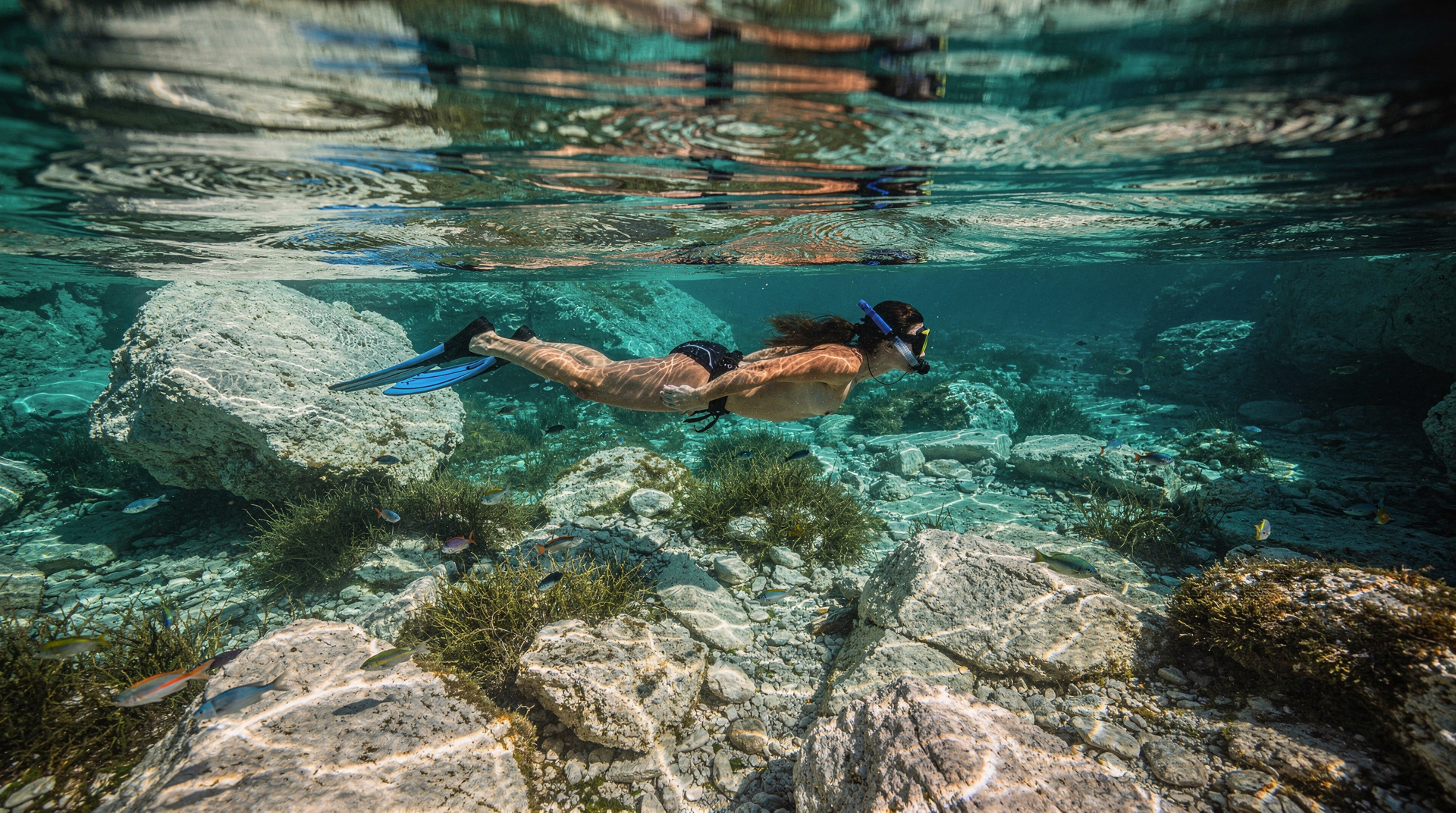
From Catalans south along the Corniche Kennedy, the coastline transitions to rocky platforms and outcroppings used for swimming by locals. The Endoume section — around the Endoume promontory below the Roucas-Blanc district — has the best snorkelling accessible from the city. The water is clear over a rocky bottom at 3–8 metres depth, and the marine life (sea urchins, bream, octopus, sargasso beds) is genuinely interesting for mask-equipped swimmers.
These rocky sections have no facilities, no lifeguards, and no sand. They are where Marseille residents go on weekday lunch breaks and summer evenings. The absence of beach infrastructure is the point — this is swimming as a local activity, not a tourist experience. A guided snorkelling session at Endoume covers this section with equipment and ecological interpretation. See our snorkelling guide for details.
Prado beaches: the family infrastructure
The Prado beach zone is Marseille’s main organised beach area — approximately 3.5 km of sandy waterfront in the southern 8th arrondissement, created in the 1970s from landfill material excavated during metro construction. The beaches are entirely artificial in origin but entirely functional in operation: clean sand, lifeguards in season, facilities, restaurants, and public transport access.
Plage du Borély (Prado Nord)
The most northern and longest section of the Prado chain. Clean sand, wide enough to spread out even on busy summer days, dedicated volleyball and pétanque areas, lifeguards from mid-June to mid-September (approximately 10:00–19:00). Public showers (free) and toilet facilities are present. Several beach restaurants and snack bars operate in season.
Water quality at Borély consistently receives good EU bathing water results. The seabed is sandy with a gradual slope — safe for children and non-strong swimmers.
Pavillon Bleu status: Borély does not appear on the 2026 Pavillon Bleu list for Bouches-du-Rhône (the certified Marseille-region beaches are Cassis’s Bestouan and Grande Mer, La Ciotat’s Cyrnos, and several others outside the city). The Prado beaches receive good bathing water quality ratings through the EU monitoring system but not the Pavillon Bleu label.
Plage de Bonneveine and the middle sections
South of Borély, the Prado continues through Bonneveine and toward Pointe Rouge. Bonneveine is slightly less crowded than Borély and has the same facilities profile. The intermediate sections attract a younger crowd, particularly around the beach volleyball courts and the paddle boarding rental points.
Pointe Rouge
At the southern end of the Prado chain, Pointe Rouge is the most activity-oriented beach — the base for SUP, kayak, and water sports rental operations, and the departure point for some Calanques boat tours. The marina at Pointe Rouge is also where several diving clubs operate. The beach itself is sandy but smaller than Borély.
Getting to the Prado beaches: Bus 83 along the Corniche from the Vieux-Port (stops at all main beach sections, about 20–30 minutes). Tram T2 to Rond-Point du Prado then walk or pick up bus 83 or 19. Car: paid parking in summer, difficult on weekend afternoons — arrive before 10:00.
Private beach clubs (concessions) on the Prado
Some sections of the Prado have private beach concessions that occupy a portion of the public beach with paid sunlounger areas. These operate from May to September. A typical sunlounger-plus-parasol setup costs EUR 15–25 for two per day. The private sections are optional — the adjacent public beach is always free, with the same water quality.
Private beach clubs typically offer additional services (drinks service, showers, towel rental, table service lunch) that justify the premium for some visitors. For families who want a full comfort experience without managing equipment, they are practical. For budget travellers or those who prefer to spread out on public sand, the free sections are perfectly adequate.
Les Goudes: the end-of-city coves
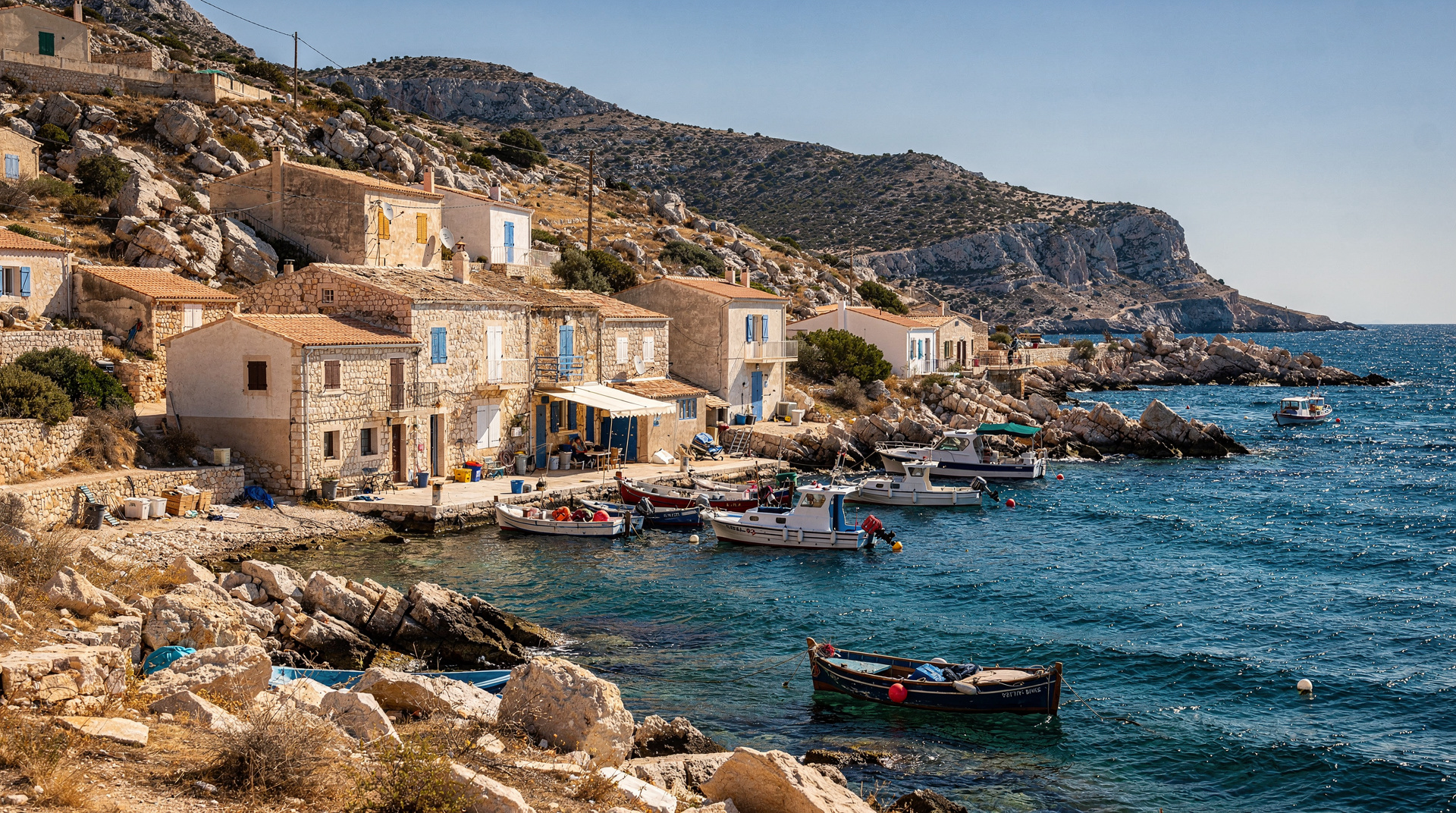
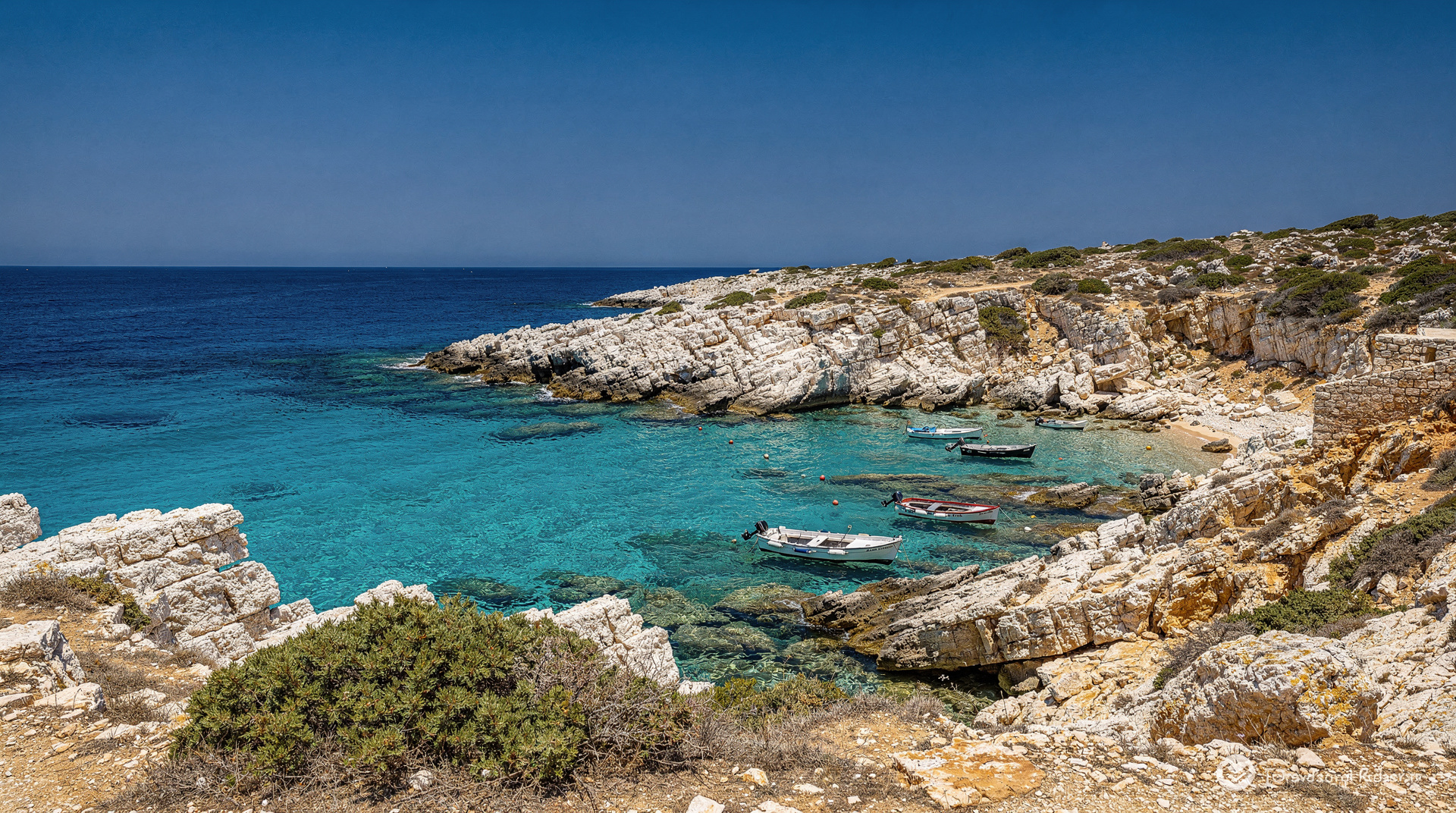
Les Goudes is the southernmost settlement of Marseille — a cluster of fishermen’s houses at the start of the Calanques — and offers small rocky swimming coves rather than beach infrastructure. The swimming spots (Les Goudes beach itself and La Maronaise) are unlifeguarded, rocky, and packed on summer weekends. Their appeal is the water quality, the absence of tourist infrastructure, and the views across the Bay of Marseille.
Getting to Les Goudes in summer requires planning: parking is brutally limited (road restrictions apply from June 15 to August 31), and Uber/ride-share is unreliable for this address. Bus 20 from Rond-Point du Prado is the solution — 30–40 minutes, straightforward, and avoids the parking problem entirely.
See the Les Goudes guide for the full picture of the village, access, and the sunset experience that makes the bus journey worthwhile.
Calanques beaches: the prize, with effort required
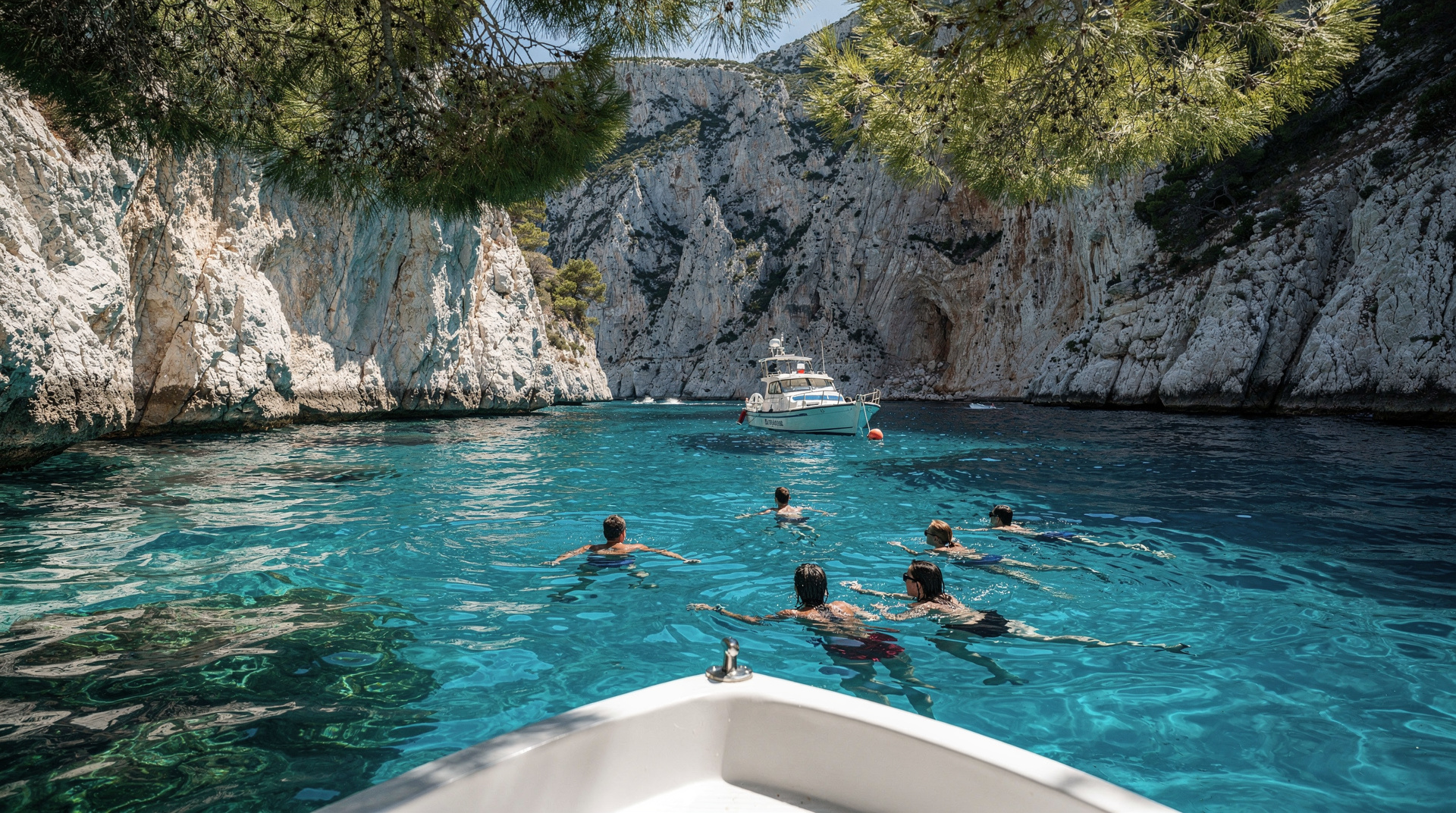
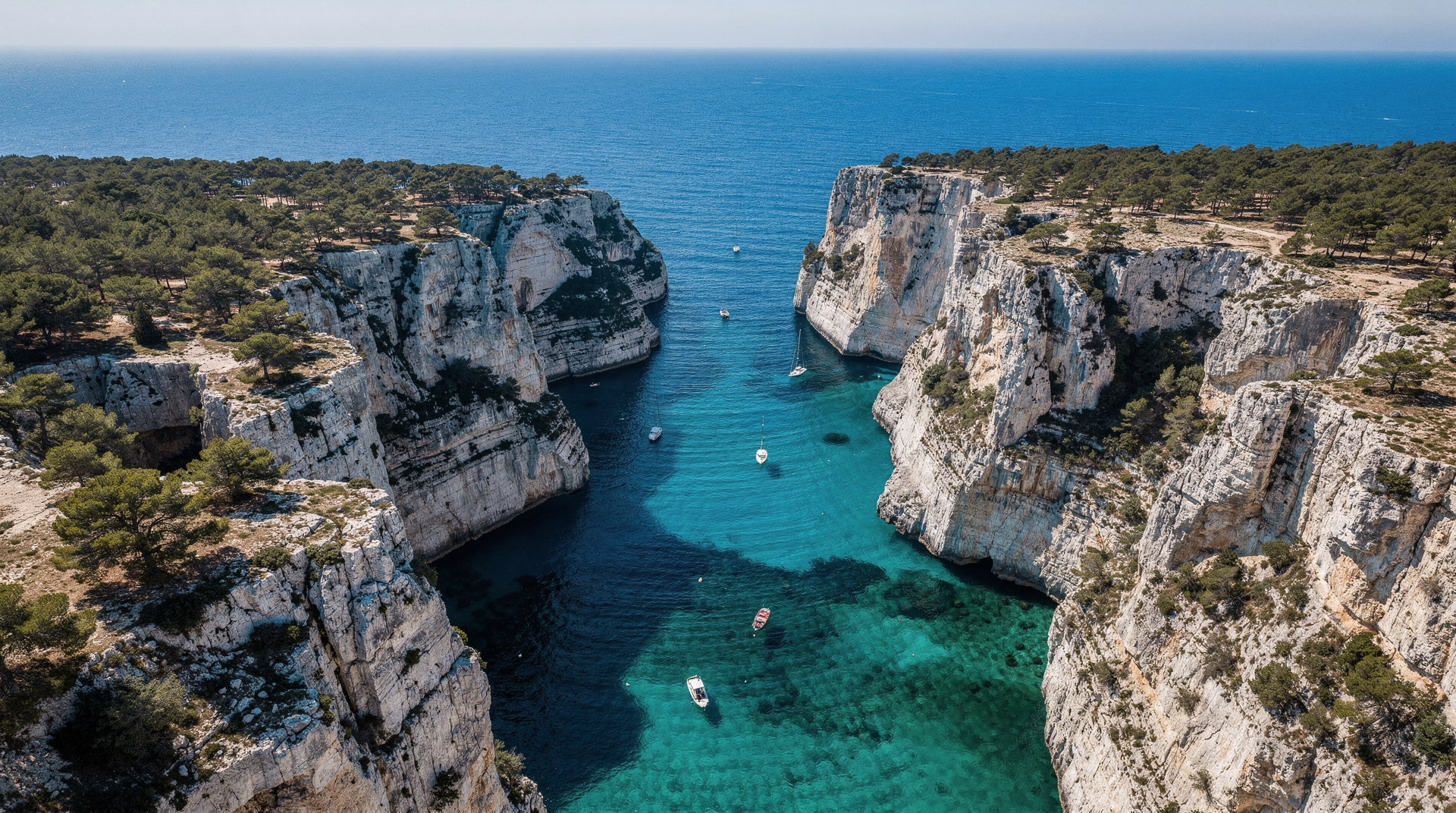
The most beautiful swimming in the Marseille region is inside the Calanques National Park — at En-Vau, Port-Pin, Sormiou, and Morgiou. The combination of white limestone cliffs, turquoise water, and the complete absence of beach infrastructure (no umbrellas, no private clubs, no DJ) is what draws visitors willing to make the effort.
The effort: None of the Calanques beaches are reachable without either a boat (tour or kayak) or a significant hike. In summer (July–August), hiking access is further restricted by fire closures. The Calanques are extraordinary precisely because they filter out the casual visitor.
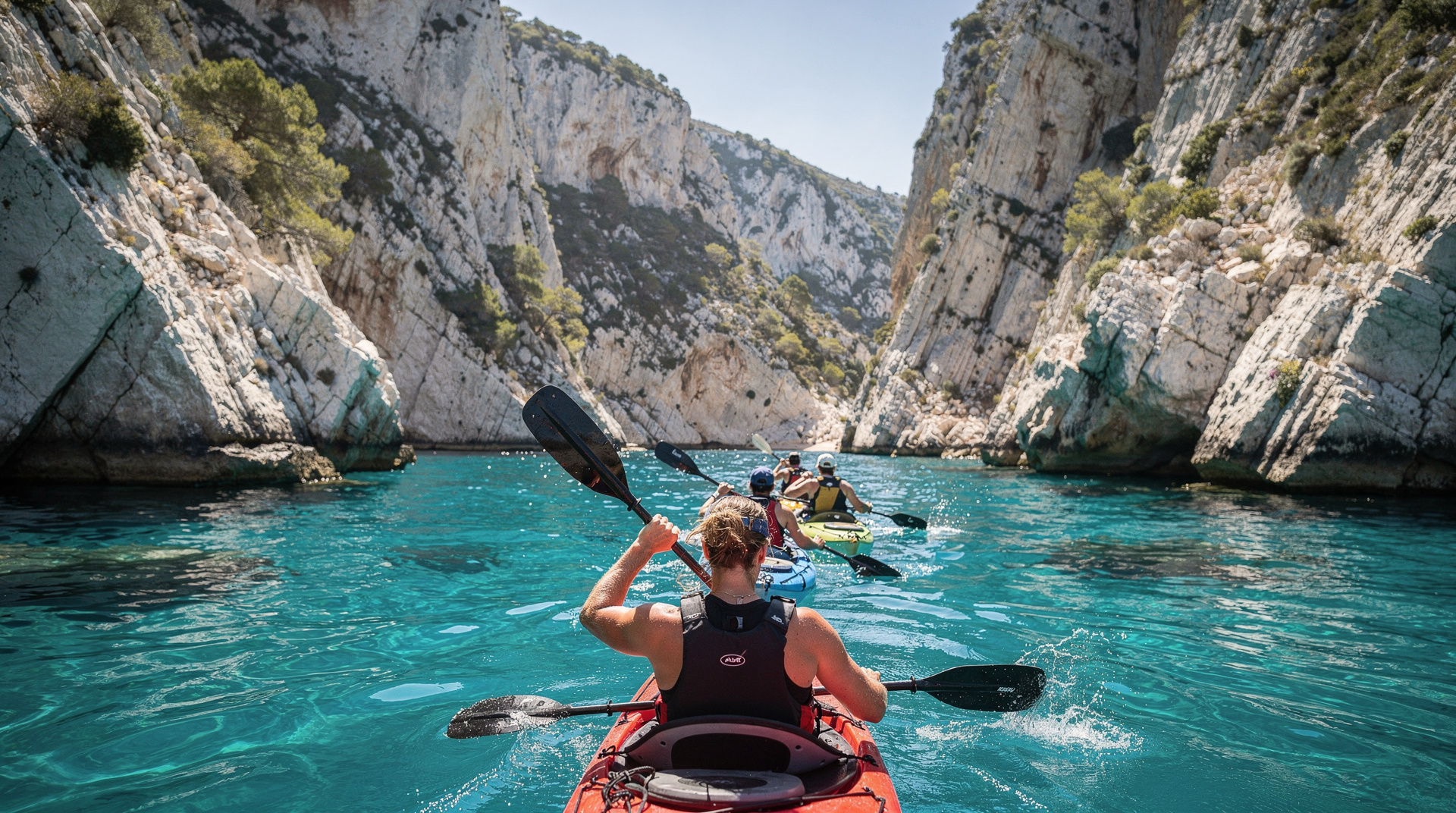
En-Vau: The finest beach in the Calanques system — a small pebble beach between vertical white cliffs at the end of the most dramatic inlet in the park. Accessible by kayak from Cassis (1.5–2 hours of paddling), boat tour, or a 2-hour steep hike from above Cassis. The water colour in the En-Vau inlet — photographed from a thousand angles but never quite captured — is genuinely improbable in person.
Port-Pin: Broader than En-Vau, with a pebble beach framed by pine trees and calm water. Accessible from Cassis by foot (45 minutes past Port-Miou) or kayak. The best family-appropriate Calanques beach option.
Sormiou: A broader calanque with pebble coves and a handful of seasonal restaurants — one of the few places in the Calanques where you can eat with your feet near the water. Accessible by e-bike from Marseille (the guided tour is the practical approach), boat tour, or in spring/autumn by car and walk.
Morgiou: The quietest accessible calanque. Longer hike approach (1.5–2 hours from the road head). Rewarding for those who want solitude.
For the complete Calanques access guide — summer fire closures, how to reach each calanque, boat vs hike vs kayak — see the Calanques National Park guide. For beaches specifically inside the park, see our Calanques beaches guide.
Practical summer planning
Water temperature: May 17°C, June 20°C, July–August 23–24°C, September 22°C, October 19°C. Most comfortable swimming is July through early October.
Jellyfish: Pelagia noctiluca (mauve stinger) blooms occur in the Mediterranean in some years, with 2025 seeing significant blooms between Monaco and Marseille. Blooms are unpredictable — check with beach staff on the day. A thin wetsuit provides meaningful protection. Not every summer involves jellyfish at every beach; it varies by week and by site.
Summer overcrowding at the Prado: July and August weekends bring very large crowds to Borély and Bonneveine. Weekdays are significantly calmer. The solution is either early arrival (before 10:00) or choosing the Calanques and Les Goudes alternatives that require more effort to reach.
Getting around without a car: Bus 83 is the essential Corniche bus — it connects the Vieux-Port area to the Prado, Catalans, and Pointe Rouge. Tram T2 reaches Prado. Bus 20 goes to Les Goudes. For the Calanques, boat tours and guided kayak tours from the Vieux-Port or Cassis are the car-free options.
Choosing between the city beaches
If you want more detail on a specific stretch, there are dedicated pages. The Les Catalans beach guide goes deeper on the closest sand to the Vieux-Port, while the Prado beaches guide and the Corniche and Prado beaches destination page cover the organised stretch in more detail. Travelling with children, the family beaches guide helps you weigh facilities against crowds.
Getting on the water instead
Swimming from the shore is only one way to enjoy the coast. If you would rather paddle than lie on sand, the guide to kayaking the Calanques and the stand-up paddleboarding guide explain what each option involves, and both give you access to coves that walkers rarely reach.
Picking a calanque for your swim
The Calanques differ a lot in effort and atmosphere, so it is worth choosing deliberately. The which calanque to visit guide compares them side by side. If En-Vau is the draw, read the En-Vau hike guide first; for the broader, more accessible cove with restaurants, the Sormiou hike guide is the better starting point.
Beyond Marseille: the Cassis alternative
If the Marseille beaches feel too crowded or too urban, Cassis — 30 minutes east by train — offers two Pavillon Bleu-certified beaches (Bestouan and Grande Mer) and direct access to the En-Vau side of the Calanques without the city detour. It is a genuinely easy day trip and, for some visitors, a better base entirely if beaches are the priority. See the Cassis day trip guide for the full comparison, and the Cassis beaches guide for how its two beaches differ.
Frequently asked questions about Best beaches in Marseille
Are Marseille beaches free?
The main Prado beaches (Borély, Bonneveine, Pointe Rouge) and Catalans are free public beaches. Some sections have private beach clubs (concessions) that charge for sunlounger rental — you can always access the public section of the same beach for free. The Calanques beaches are always free; no private concessions operate inside the national park.Which Marseille beaches have lifeguards?
The Prado beaches (Borély, Bonneveine, Pointe Rouge) are lifeguarded from mid-June to mid-September, approximately 10:00–19:00. Catalans has a lifeguard post in summer. Endoume rocky sections, Les Goudes coves, and all Calanques beaches are unmonitored. Always swim within your depth and with awareness at unguarded beaches.Do any Marseille beaches have Pavillon Bleu certification?
In 2026, no Marseille city beaches appear on the Bouches-du-Rhône Pavillon Bleu list — the certified beaches in the department are at Cassis (Bestouan, Grande Mer), La Ciotat (Cyrnos), and several other municipalities. The Prado beaches receive good EU bathing water quality ratings but not the Pavillon Bleu label. Cassis's two beaches are certified.Is the water clean at Marseille beaches?
Water quality at the main Prado beaches consistently receives good EU bathing water quality results. Catalans and Endoume are generally good; occasional poor results after heavy rain (sewage overflow from the urban catchment) are flagged on the city beach monitoring website. The Calanques water quality is excellent — the marine reserve and absence of urban runoff produce some of the cleanest water in the region.What is parking like at Marseille beaches in summer?
Difficult at all beach zones from June through August. The Prado beaches have paid parking that fills quickly on summer afternoons — arriving after noon on a summer weekend risks an hour or more searching. Public transport (bus 83 along the Corniche, bus 19 to Prado, tram T2 to Rond-Point du Prado) genuinely works well. For Catalans, walking from the Vieux-Port (20 min) is the smartest option.Are Marseille beaches free?
The main Prado beaches (Borély, Bonneveine, Pointe Rouge) and Catalans are free public beaches. Some sections have private beach clubs (concessions) that charge for sunlounger rental — you can always access the public section of the same beach for free. The Calanques beaches are always free; no private concessions operate inside the national park.Which Marseille beaches have lifeguards?
The Prado beaches (Borély, Bonneveine, Pointe Rouge) are lifeguarded from mid-June to mid-September, approximately 10:00–19:00. Catalans has a lifeguard post in summer. Endoume rocky sections, Les Goudes coves, and all Calanques beaches are unmonitored. Always swim within your depth and with awareness at unguarded beaches.Do any Marseille beaches have Pavillon Bleu certification?
In 2026, no Marseille city beaches appear on the Bouches-du-Rhône Pavillon Bleu list — the certified beaches in the department are at Cassis (Bestouan, Grande Mer), La Ciotat (Cyrnos), and several other municipalities. The Prado beaches receive good EU bathing water quality ratings but not the Pavillon Bleu label. Cassis's two beaches are certified.Is the water clean at Marseille beaches?
Water quality at the main Prado beaches consistently receives good EU bathing water quality results. Catalans and Endoume are generally good; occasional poor results after heavy rain (sewage overflow from the urban catchment) are flagged on the city beach monitoring website. The Calanques water quality is excellent — the marine reserve and absence of urban runoff produce some of the cleanest water in the region.What is parking like at Marseille beaches in summer?
Difficult at all beach zones from June through August. The Prado beaches have paid parking that fills quickly on summer afternoons — arriving after noon on a summer weekend risks an hour or more searching. Public transport (bus 83 along the Corniche, bus 19 to Prado, tram T2 to Rond-Point du Prado) genuinely works well. For Catalans, walking from the Vieux-Port (20 min) is the smartest option.Which Marseille beach is best for a half-day trip without a car?
Les Catalans, since it is a 20-minute walk from the Vieux-Port and needs no bus or tram. For organised family infrastructure, take bus 83 to the Prado beaches instead — still car-free and about 20-30 minutes from the Vieux-Port.
Top experiences
Bookable activities with verified prices and instant confirmation on GetYourGuide.