Arles Roman monuments: the complete UNESCO guide
Arles: private guided tour — history & culture
Duration: 2 hours
What are the best Roman monuments in Arles and how do I see them?
The amphitheatre (1st c. AD, still in active use) is the unmissable start. The antique theatre, cryptoporticus, and Alyscamps necropolis are all within 15 minutes' walk. The Musée Départemental Arles Antique (the blue building by the Rhône) houses the Caesar bust and a complete Roman barge. All UNESCO-listed since 1981.
The best Roman city you can walk around in a day
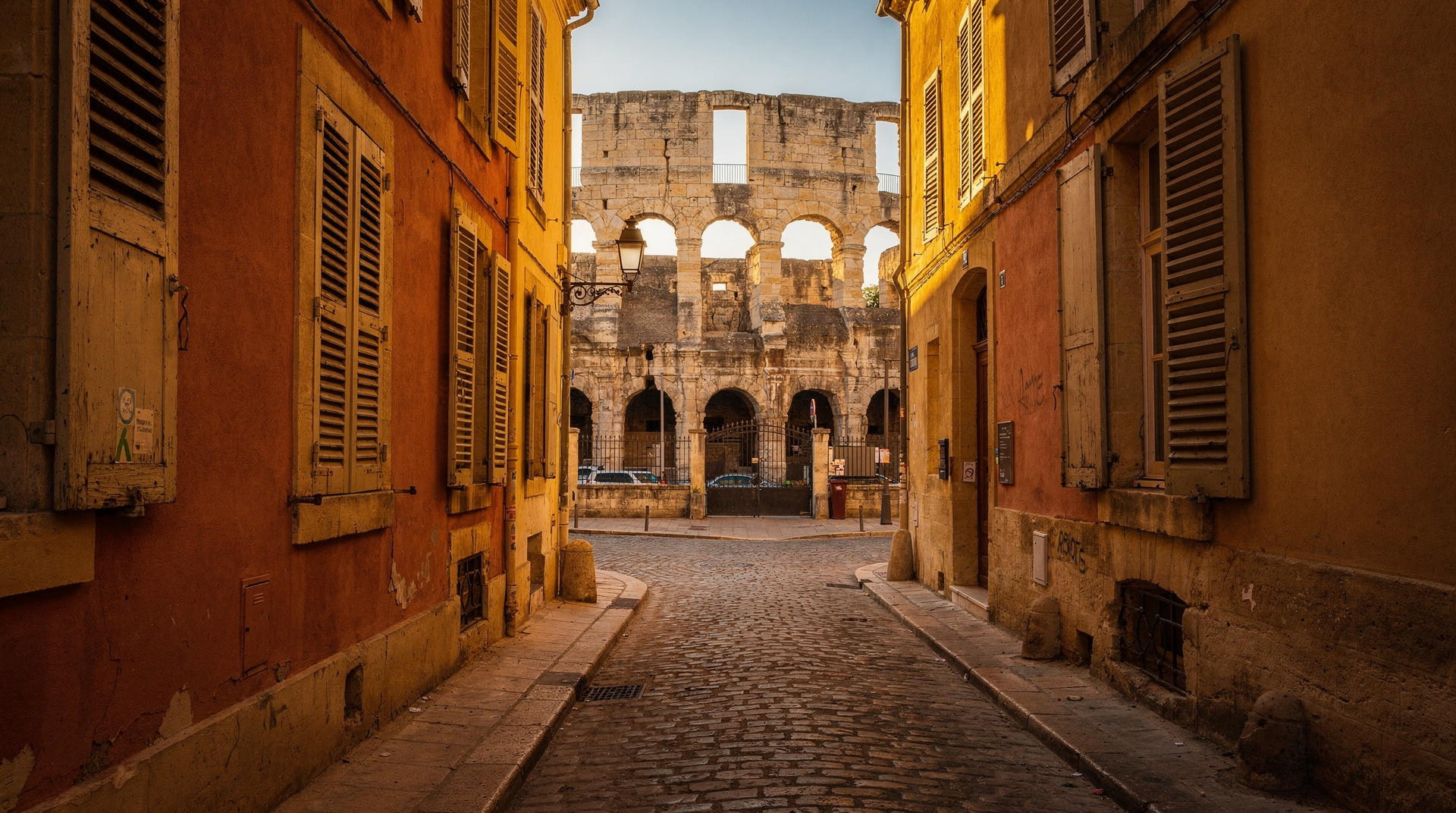
Arles is compact. The old town — the entire historic core that holds 2,000 years of layered occupation — fits inside a 15-minute walk. The Roman monuments are not spread across a landscape that requires a car; they are embedded in the functioning city, surrounded by cafés, market squares, and the working streets of a Provençal town that has simply refused to let its ancient past become a separate attraction.
The UNESCO World Heritage inscription of 1981 covers the Roman and Romanesque monuments of Arles collectively — recognising not any single building but the ensemble: the amphitheatre, the ancient theatre, the cryptoporticus, the thermal baths of Constantine, the Alyscamps necropolis, and the city’s surviving medieval monuments. Together they constitute one of the most complete Roman urban legacies still readable in a living city.
From Marseille, Arles is approximately one hour by train. The full Roman circuit described here fills a day comfortably without feeling rushed. See also our Arles destination guide for the complete picture including Van Gogh and the contemporary arts scene.
| Where | Arles old town, Bouches-du-Rhône, UNESCO-listed since 1981 |
| Cost | Combined monuments pass around EUR 16-18; Musée Arles Antique around EUR 8; Alyscamps around EUR 5; full circuit roughly EUR 25-30 per person |
| Time needed | 5-6 hours for the full Roman circuit; 2-3 hours for the amphitheatre and museum alone on a half-day visit |
| Getting there | TER train from Marseille Gare Saint-Charles, around 1 hour, then a 10-minute walk to the amphitheatre |
| Best time | Outside the Féria bullfighting weekends (Easter, September) for full monument access; spring or autumn for comfortable walking between sites |
The amphitheatre: Roman engineering that still works
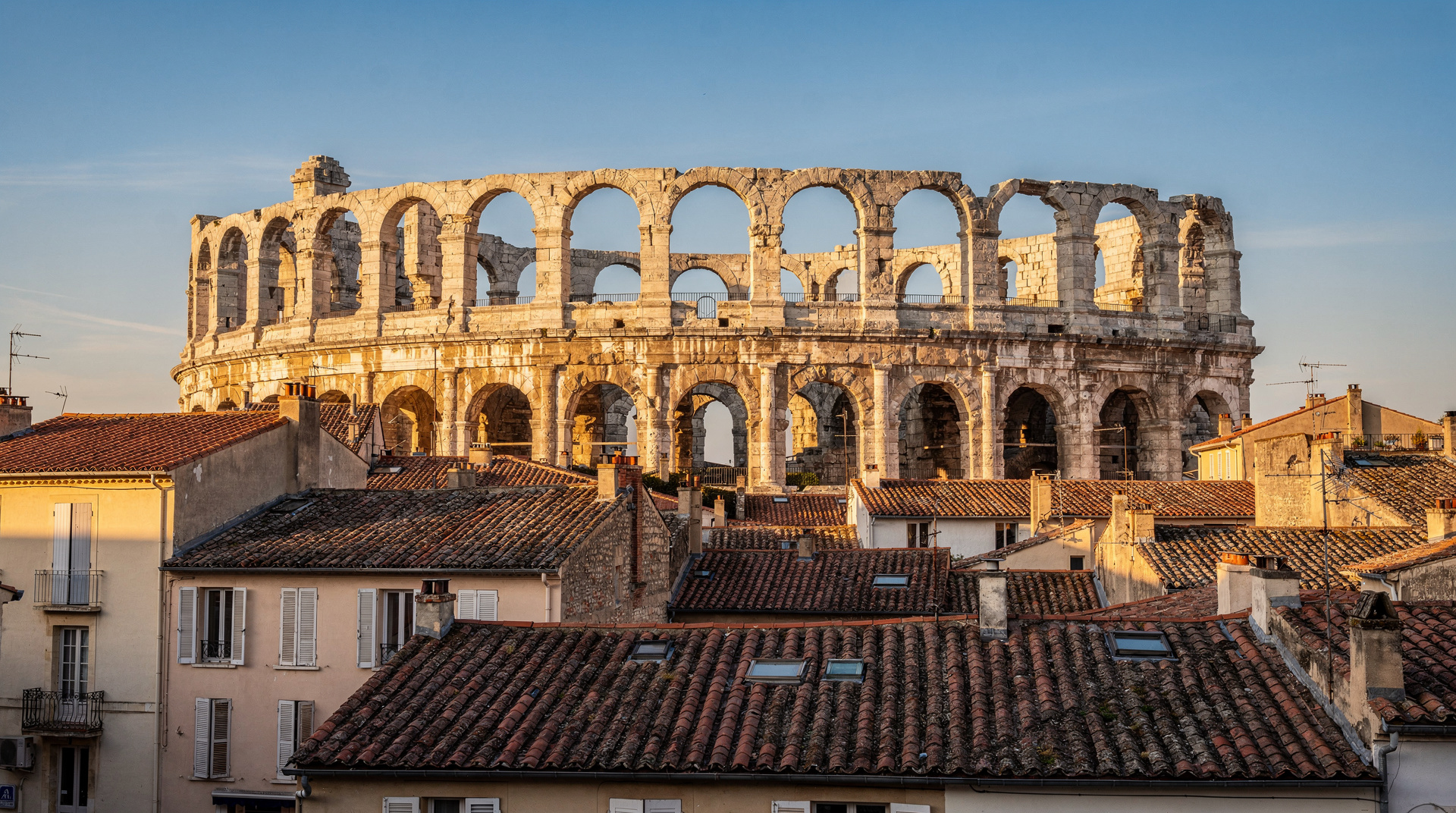
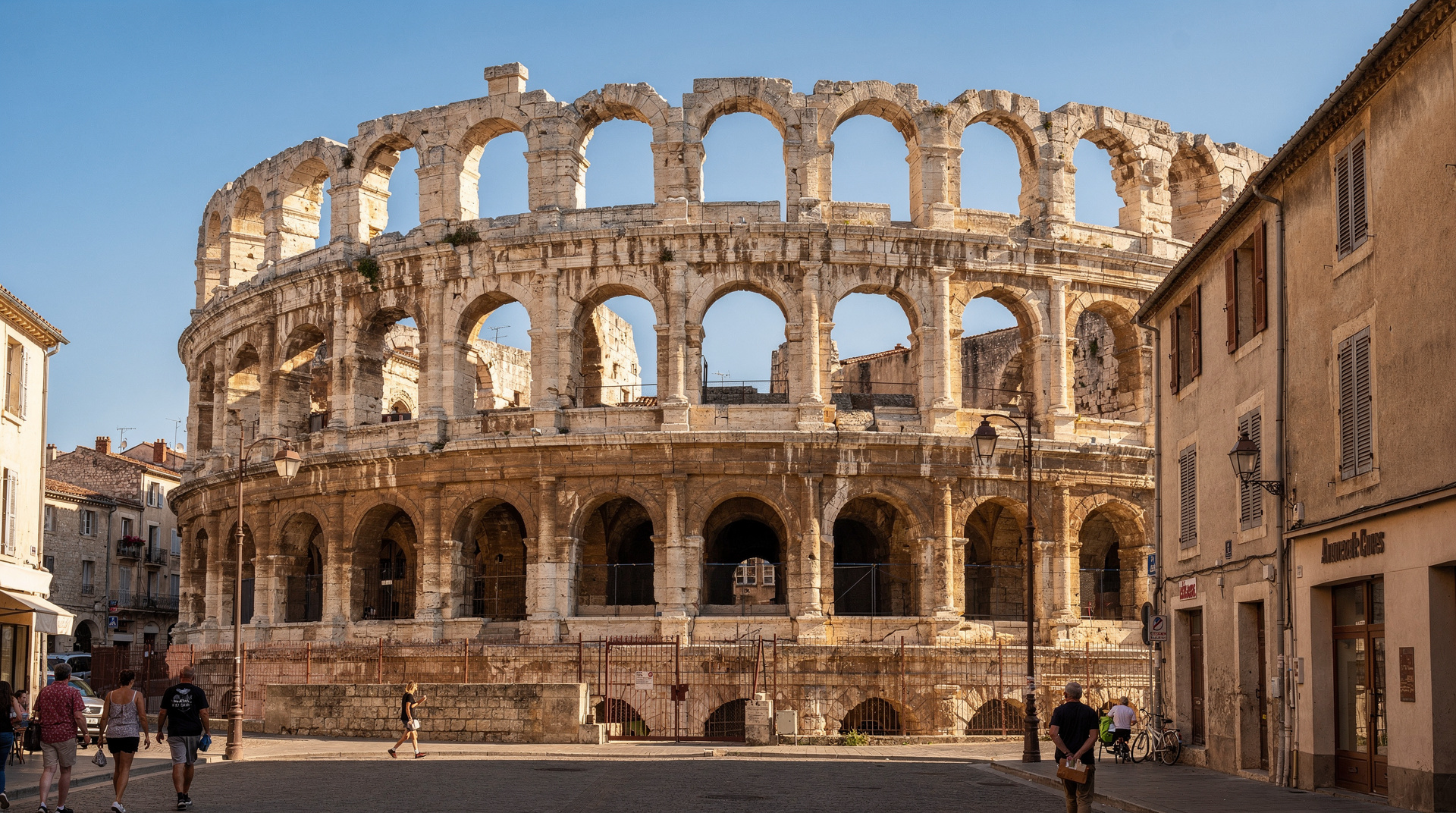
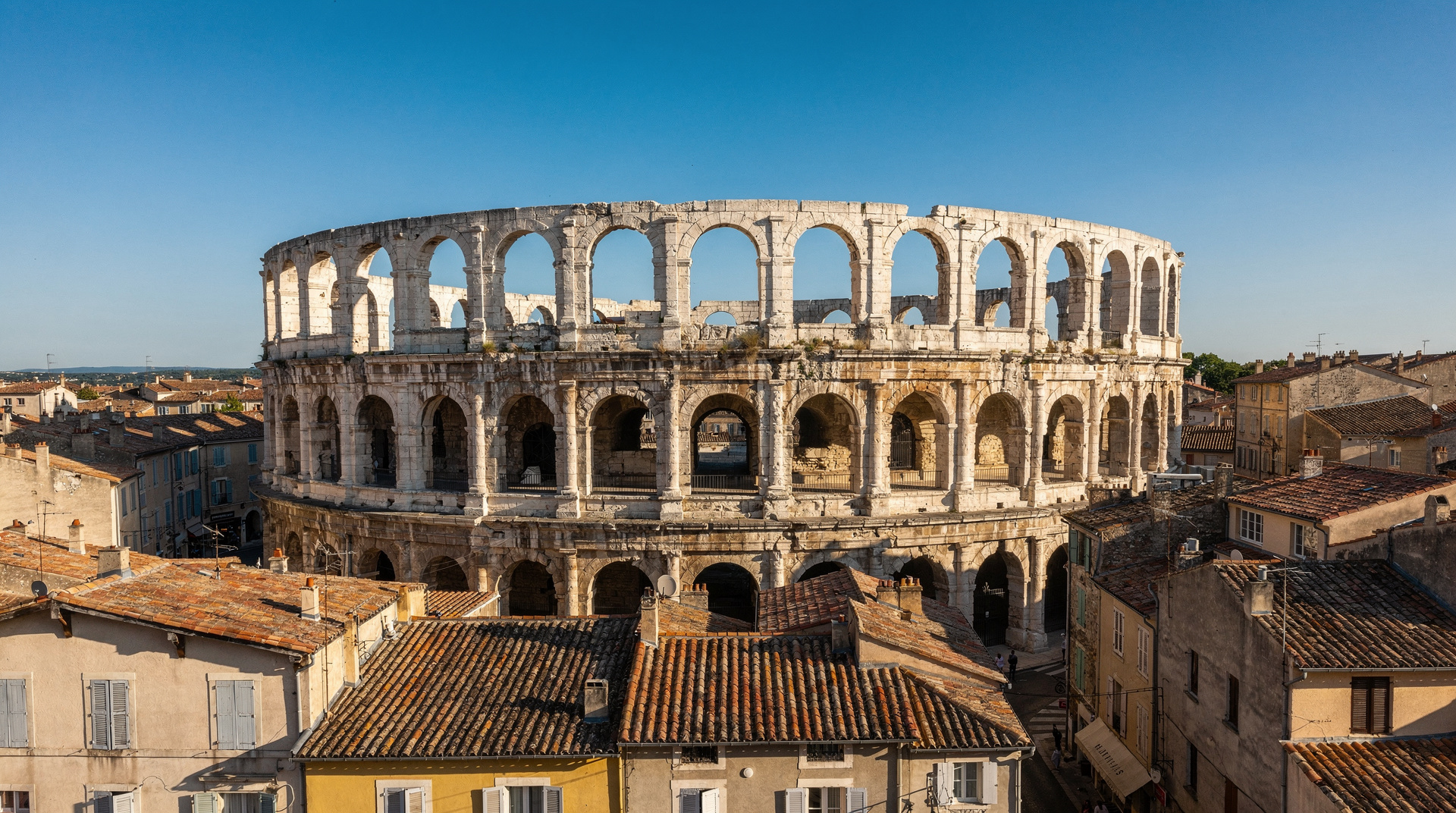
The Arènes d’Arles dates from around 90 CE and was built to seat approximately 20,000 spectators. It is the largest Roman building in Provence and one of the best-preserved arenas in the world — not through exceptional archaeological conditions but through the remarkable fact of continuous use.
During the Middle Ages, the entire amphitheatre was incorporated into the city as a self-contained neighbourhood: houses, a church, and a small village occupied the seating tiers and the arena floor. Two of the original medieval towers at the top of the outer wall remain, the legacy of that occupation. The 19th-century archaeological programme cleared the houses and restored the arena, but the towers stayed — visual evidence that the monument was lived-in rather than abandoned.
The amphitheatre remains in active use today. The Féria d’Arles (typically Easter weekend in April and September) fills the arena for traditional bullfights (corridas). Concerts and other events use it throughout the year. During performances, visitor access is restricted or closed — check the Arles tourism website before visiting if your dates coincide with the Féria period.
Visiting in 2026:
- Open daily. May–September: 9:00–19:00. March–April and October: 9:00–18:00. November–February: 10:30–16:30.
- Entry EUR 11 adult, EUR 9 reduced. Children under 18 free.
- The combined monuments pass (EUR 16–18) covers the amphitheatre, antique theatre, cryptoporticus, and Constantine baths — buy it at the amphitheatre ticket office if visiting two or more sites.
What to do inside: Climb to the upper tiers. From the highest accessible seats, the panorama over the old town and the Rhône plain is one of the best free bonuses of any ancient monument in France. The scale of the engineering becomes clear only from above — the ellipse of the arena, the geometry of the seating, the engineering of the vaulted passages beneath.
Spend time in the vaulted corridors at ground level. The stone is the original Roman construction. The graffiti carved into the walls by medieval inhabitants who lived here is as historically legible as the Roman masonry, and more personally immediate.
The antique theatre: two columns and everything they imply
The Théâtre Antique was built slightly earlier than the amphitheatre — around 30–20 BCE, during the reign of Augustus. It seated 10,000 spectators and was one of the most significant performance venues in Roman Gaul. Of this theatre, almost nothing survives above foundation level: two columns of the original stage wall still stand, with column drums and architectural fragments scattered around them. The rest was quarried for building material during the Middle Ages.
The two standing columns — 17 metres high, isolated against the Provençal sky — are among the more moving Roman remains in France precisely because of their isolation. They represent not the monument as it was but the monument as time has made it: enormous technical achievement reduced to two vertical survivors and an argument about scale.
The theatre is still used for performances during the summer season. The Rencontres d’Arles photography festival (July–September) uses it for opening events.
Entry: Included in the combined monuments pass, or approximately EUR 5–7 separately. Located 5 minutes’ walk from the amphitheatre.
The cryptoporticus: Rome underground
Beneath the Place du Forum — Arles’s central square, where cafés and the Van Gogh connection overlap with Roman geology — lies one of the most unusual Roman monuments in France.
The cryptoporticus is a double U-shaped underground gallery built in the 1st century BCE to support the foundations of the ancient forum above. The galleries are approximately 3 metres wide, 4 metres high, and run for roughly 100 metres in each arm. They were used variously as storage, as granaries, and possibly as refuge during the summer heat — the underground temperature is consistent year-round at around 12–14°C.
The current experience is atmospheric rather than spectacular: dim stone corridors, the smell of old limestone, small windows set high in the walls. No theatrical lighting or reconstruction, which is the correct choice. This is what a Roman underground utility structure looked like and felt like.
Entry: Included in the combined monuments pass. The entrance is at the tourist office on the Place du Forum.
The thermal baths of Constantine
The Bains de Constantin (Constantine’s baths) are the largest remaining Roman thermal bath complex in Provence. Built in the early 4th century CE, they covered roughly 1,200 square metres. The surviving portion — about a third of the original — includes the caldarium (hot room) with its preserved hypocaust heating system visible beneath the floor, and sections of the laconicum (steam room).
The scale and the engineering are impressive. The hypocaust — a sub-floor heating system using channels through which hot air circulated — is well preserved and clearly explained. The bath complex predates the Byzantine emperor Constantine’s period in Arles (the city was his preferred western capital for several years in the 4th century CE) and may not be directly connected to him, but the association has persisted.
Entry: Included in the combined monuments pass. Located on the north side of the old town near the Rhône.
The Alyscamps: sarcophagi and sacred ground
The Alyscamps (from Elysii Campi — Elysian Fields) is a Roman necropolis turned early Christian pilgrimage site turned medieval aristocratic burial ground turned Romantic painting location. The surviving avenue of sarcophagi runs through what was once one of the most prestigious burial sites in the ancient Mediterranean world.
The original Roman necropolis was established outside the city walls, as was standard Roman funerary practice. It grew into a significant site by the 2nd and 3rd centuries CE, attracting burial from across the region — transport of bodies to Arles for burial in the Elysian Fields was standard practice, some of them arriving by boat down the Rhône. The site’s prestige was such that Charlemagne ordered prominent Frankish nobles buried here.
The Christianisation of the site — beginning in the 4th century with the burial of Genesius, a Christian martyr — transformed it from a Roman civic space into a pilgrimage site. The medieval church of Saint-Honorat still stands at the end of the sarcophagus avenue.
In October 1888, Vincent Van Gogh and Paul Gauguin painted the Alyscamps together — producing works that are now in separate collections. The avenue of sarcophagi they painted is the same one you walk through.
Entry: EUR 5 approximately. The site is 15 minutes’ walk south-west of the amphitheatre.
Musée Départemental Arles Antique: the blue building by the Rhône
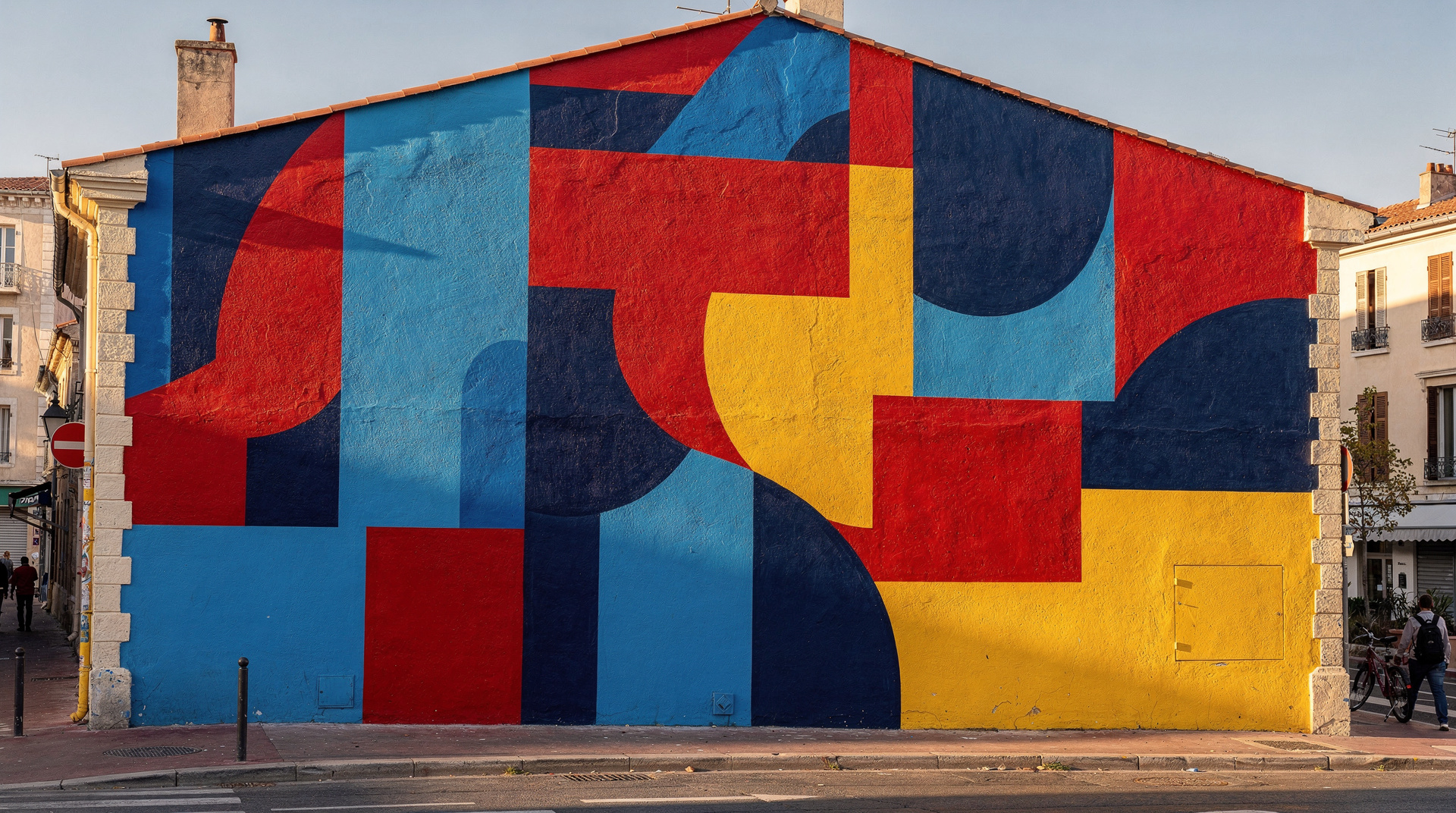
The Musée Départemental Arles Antique is housed in a distinctive contemporary building — designed by Henri Ciriani (1995) — on the banks of the Rhône just west of the old town. The building is unmistakable: an angular, electric-blue structure that announces its presence emphatically against the Rhône landscape.
Inside, the museum holds the most important collection of Roman antiquities in Provence. Key highlights:
The Caesar bust: Discovered in the Rhône in 2007 during dredging operations, this marble portrait bust — 46 cm high — has been identified by a significant group of archaeologists as a contemporary portrait of Julius Caesar dating from around 46 BCE. If the identification is correct, it is the oldest known portrait of Caesar made during his lifetime. The attribution remains debated, but the object is remarkable regardless: a finely carved marble portrait of a specific individual, recovered from the river of a city where Caesar spent significant time.
Arles Rhône 3: A 31-metre Roman merchant vessel recovered from the Rhône between 2004 and 2011, displayed in its entirety in a climate-controlled hall. The vessel dates from the 1st century CE and is the most completely preserved Roman river barge in existence. The scale — 31 metres long, with the wooden planking and iron cargo fittings intact — is extraordinary.
The mosaic collection: The museum holds one of the largest and finest collections of Roman mosaics in France, including several geometric floor mosaics from Arles townhouses.
The sarcophagus collection: Hundreds of sarcophagi from the Alyscamps and other Arles necropolises, organised chronologically from the 1st to 5th centuries CE.
Entry (2026): EUR 8 adult. Free for under-18 and first Sunday of month. Hours: Tuesday–Sunday 9:30–18:00 (last entry 17:30). Closed Tuesdays and public holidays. Allow: 90 minutes to 2 hours.
Planning the full Roman circuit
A realistic sequence for visiting the Roman monuments in a single day from Marseille:
09:30 Arrive by train from Marseille Saint-Charles (1 hour journey). Walk 10 minutes to the amphitheatre. 10:00–11:30 Amphitheatre — buy the combined monuments pass at the ticket office. 11:30–12:00 Antique theatre (5 minutes from the amphitheatre). 12:00–12:30 Cryptoporticus beneath the Place du Forum (5 minutes from the theatre). 12:30–13:30 Lunch on the Place du Forum or the Boulevard des Lices (Saturday market, if applicable). 13:30–15:00 Musée Départemental Arles Antique (15-minute walk from the forum along the Rhône). 15:00–15:45 Alyscamps (15 minutes from the museum, 15 minutes back to the station). 16:15 Return train to Marseille.
This circuit gives genuine time at each major monument and covers the UNESCO ensemble completely. The Constantine baths can replace the Alyscamps if you prefer more classical architecture to medieval atmosphere; both are included in the pass.
For the day trip logistics from Marseille — train times, the Van Gogh connection, and the Luma Arles arts campus — see our complete Arles guide. For the broader Roman landscape of Provence including Nîmes and the Pont du Gard — the other two elements of the UNESCO Roman triangle — see our Nîmes guide and Pont du Gard guide.
Fitting the monuments around Van Gogh and the market
The Roman circuit does not have to be a standalone visit. Arles’s other major draw, the Van Gogh trail, threads through the same streets — Place du Forum sits directly above the cryptoporticus, and the Alyscamps is one of the locations Van Gogh and Gauguin painted together. If you want the fuller day-trip framing, including how to combine the Roman sites with the Van Gogh trail and, on a Saturday, the market at Boulevard des Lices, see our general Arles day trip guide.
Choosing between the Roman sites of Provence
Arles is one point in a wider Roman landscape that also includes Nîmes (30 minutes away by direct train) and the Pont du Gard (45 minutes by car). If you’re deciding how to split your time, the amphitheatre ensemble in Arles gives you the most complete urban Roman experience, Nîmes gives you the single best-preserved arena and temple, and the Pont du Gard gives you the most spectacular individual engineering achievement. Our Avignon day trip guide covers tours that combine several of these sites for visitors without a car.
Reading Roman Arles alongside the rest of your trip
The Roman circuit sits comfortably inside a wider Provence plan. If Arles is one stop among several, our Marseille day trips overview helps you weigh it against the other options, and the Marseille to Avignon transport guide is a useful reference for rail connections in the same part of the Rhône valley.
For the Van Gogh side of the town, the dedicated Van Gogh in Arles guide follows the painter’s footsteps, and the Van Gogh pilgrimage blog post gives a personal account of walking the same streets. Neighbouring Les Baux and Saint-Rémy make a natural pairing if you have a second day, and the Camargue day trip shows the wilder landscape just south of the city.
If you are building a longer stay, the Marseille and Provence five-day itinerary shows how Arles fits between the coast and the inland villages. Travellers without a car should also read do you need a car in Provence before deciding how to link the Roman sites.
Frequently asked questions about Arles Roman monuments
How much does it cost to visit the Roman monuments in Arles?
The Arles amphitheatre costs EUR 11 adult, EUR 9 reduced. A combined pass covering the amphitheatre, antique theatre, cryptoporticus, and other managed Arles monuments is available (typically EUR 16–18) — worth buying if you plan to visit three or more sites. The Musée Départemental Arles Antique costs EUR 8 adult. Children under 18 free throughout.When are the Arles Roman monuments open?
Amphitheatre: daily 9:00–19:00 May–September, 9:00–18:00 March–April and October, 10:30–16:30 November–February. Musée Arles Antique: daily except Tuesday 9:30–18:00. Combined Arles monuments pass: check the Arles tourism office for the current list of included sites.Can the Arles amphitheatre close for events?
Yes. The amphitheatre is a functioning venue — bullfights (Féria d'Arles, typically Easter weekend and September) and concerts close it to general visitors during performance periods. Check dates before visiting if your trip falls in April, May, or September.What is the Caesar bust at the Musée Arles Antique?
A marble portrait bust discovered in the Rhône in 2007, identified by many archaeologists as a portrait of Julius Caesar dating from around 46 BCE — which would make it the oldest known contemporary portrait of Caesar. The identification remains debated among scholars but the bust is a remarkable object regardless of the attribution. The Rhône barge (Arles Rhône 3, a 31-metre merchant vessel from the 1st century CE) is in the same museum.What is the Alyscamps in Arles?
Les Alyscamps (from the Latin Elysii Campi — Elysian Fields) is a Roman and early Christian necropolis that was one of the most famous burial sites in the ancient Mediterranean. The surviving avenue of sarcophagi dates from the 1st to 4th centuries CE. It was so prestigious that Charlemagne chose it for prominent burials. Van Gogh and Gauguin painted it together in October 1888.How long does it take to visit all the Roman monuments in Arles?
A full Roman circuit — amphitheatre (90 min), antique theatre (30 min), cryptoporticus (30 min), Alyscamps (45 min), Musée Arles Antique (90 min) — requires 5–6 hours with walking between them. This is a full day. The amphitheatre alone is worth 90 minutes; the museum alone is worth 2 hours. For a half-day, do the amphitheatre and the museum.Are the Arles monuments better than Nîmes?
Different rather than better. Arles has the more complete urban Roman ensemble — the monuments are embedded in a living city in a way Nîmes's arena is not. Nîmes has the better-preserved individual arena (the Arènes de Nîmes is in better structural condition than the Arles amphitheatre) and the extraordinary Maison Carrée temple. The Pont du Gard is technically not in either city but is the most impressive single Roman engineering work in France. If choosing between Arles and Nîmes for a single day trip from Marseille, Arles wins for the combination of Roman history, Van Gogh, and the Musée Arles Antique.What is the best Roman monument in Provence?
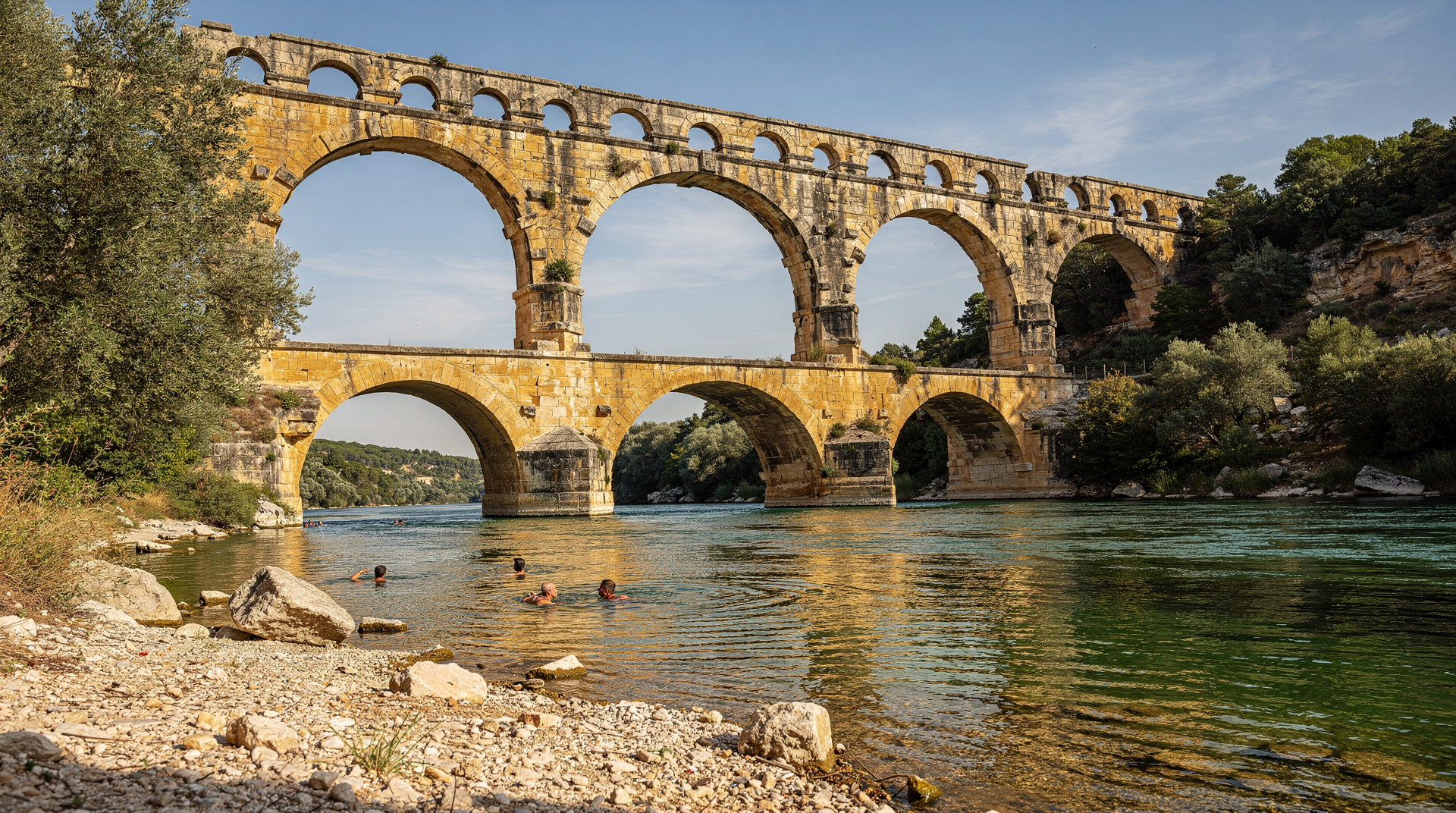
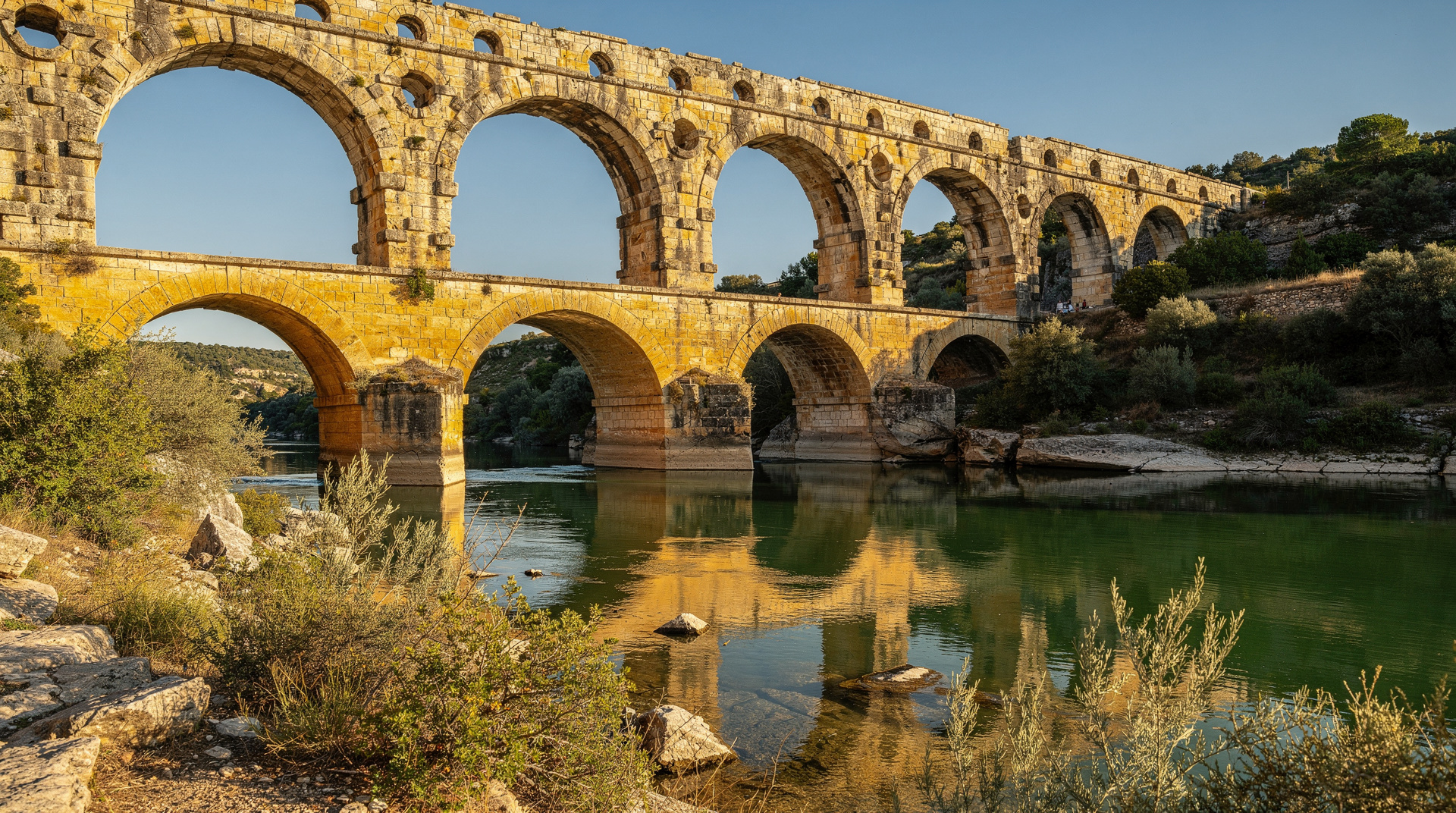
For engineering ambition: the Pont du Gard (1st century CE aqueduct, three tiers of arches, 50 metres high). For urban scale and completeness: the Arles amphitheatre ensemble. For individual monument preservation: the Maison Carrée in Nîmes (a near-complete Roman temple from the 1st century BCE, the best-preserved in the world). All three are within day-trip distance of Marseille.How do I combine Arles with other Provence Roman sites?
By car, the Nîmes arena is 30 minutes from Arles, and the Pont du Gard is 45 minutes from Arles — combining all three is feasible in a long day if you start early from Marseille. By train, Nîmes is 30 minutes from Arles (direct), making an Arles morning and Nîmes afternoon feasible. Avignon provides tours combining Pont du Gard, Nîmes, and Orange in a single day for visitors without a car.Is the combined monuments pass worth it in Arles?
Yes, if you plan to see three or more sites. At around EUR 16-18, the pass covers the amphitheatre, antique theatre, cryptoporticus, and Constantine baths — buying those separately would cost more and take longer at each ticket window. It does not include the Musée Départemental Arles Antique or the Alyscamps, which are ticketed separately.What should I see first in Arles if I only have half a day?
Start with the amphitheatre — it's the largest and most impressive single monument and gives you the clearest sense of Roman Arles at scale. Follow with the antique theatre and cryptoporticus, both a few minutes' walk away. If time remains, the Musée Départemental Arles Antique is worth prioritising over the Alyscamps for a half-day visit, since it houses the Caesar bust and the Roman barge.
Top experiences
Bookable activities with verified prices and instant confirmation on GetYourGuide.