Orange Vélodrome, Marseille
The Orange Vélodrome is home to Olympique de Marseille — France's most passionate football club. Stadium tour guide, match-day reality, architecture.
Marseille: OM stadium tour at the Orange Vélodrome
Duration: 1.5 hours
Quick facts
- Capacity
- 67,394 — largest club stadium in France
- Stadium tour duration
- ~1.5 hours
- Stadium tour price
- ~EUR 24 adults
- Location
- 8th arrondissement; tram T2 to Rond-Point du Prado
- Club
- Olympique de Marseille (OM)
More than a stadium
The Orange Vélodrome — “Le Vélodrome” to everyone in Marseille — is not merely a sports venue. It is the centre of gravity of Marseille’s identity in a way that few stadiums in Europe can match. Olympique de Marseille is the only French club to have won the UEFA Champions League (1993), the only professional club in France that its city genuinely revolves around emotionally, and the club whose home matches produce an atmosphere that French football commentators have called the loudest in the country.
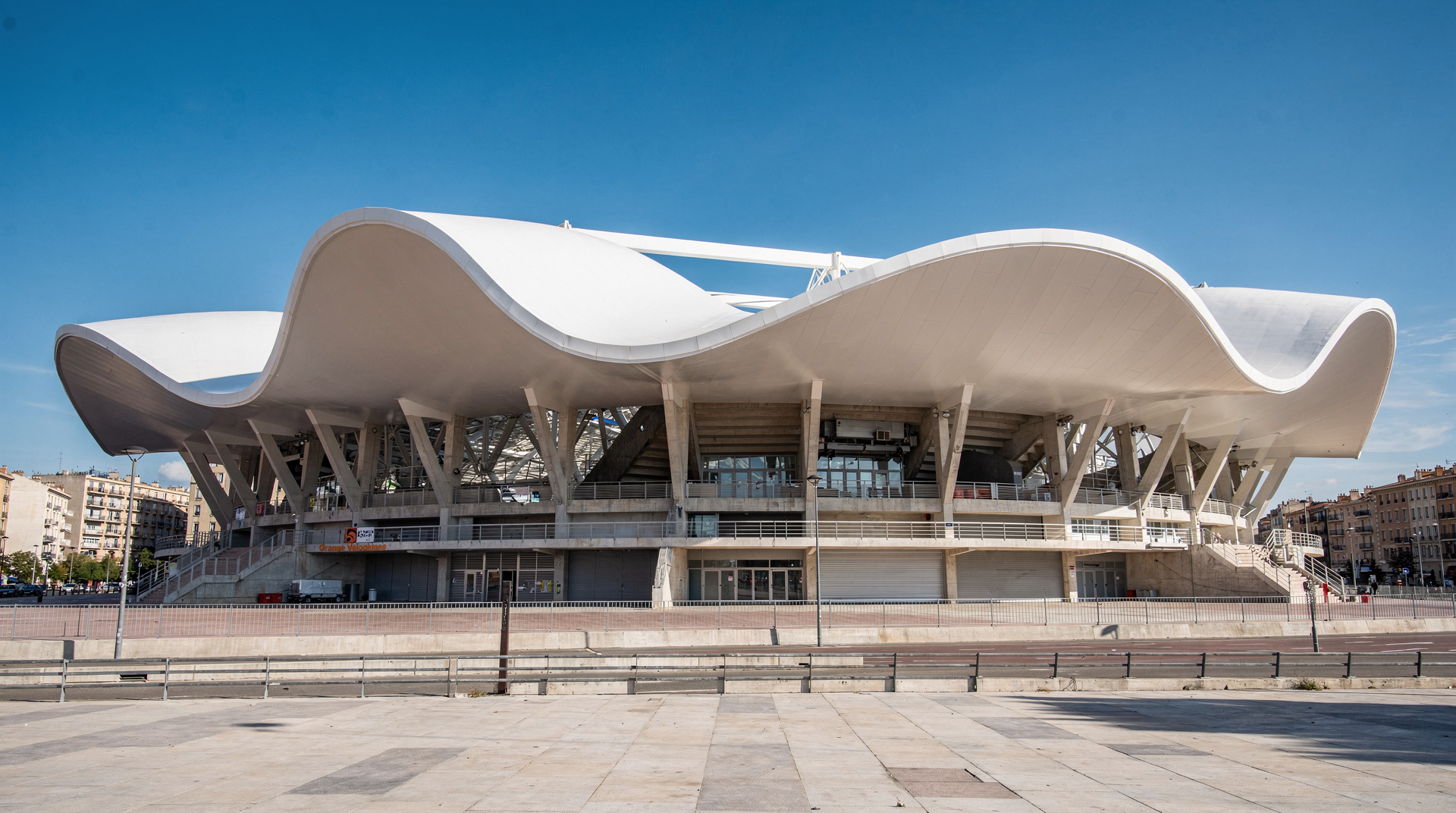
With a capacity of 67,394, the Vélodrome is the largest football club stadium in France. It was completely rebuilt and roofed for UEFA Euro 2016 — the new white tensile fabric roof gives the exterior a distinctive rippled appearance and the interior an acoustic quality that amplifies crowd noise significantly. On a match day, a full house here is genuinely loud.
For visitors who are football fans, this is a meaningful destination. For those who are not, the architecture and the Marseille-football-identity angle make the stadium tour more interesting than most.
| At a glance | |
|---|---|
| Where | 8th arrondissement, near the Prado beaches, tram T2 to Rond-Point du Prado |
| Cost | Stadium tour around €24 adults; match tickets from around €20 (upper tier) to €80–120 (central) |
| Time needed | 1.5–2 hours for the tour; add 2–3 hours around kick-off for a match |
| Getting there | Tram T2 or métro to Rond-Point du Prado, then a 10-minute walk |
| Best time | Any day for the tour; a home match for the full atmosphere, booked well ahead |
The stadium tour
The guided tour of the Orange Vélodrome takes approximately 1.5 hours and covers the pitch-side area, the players’ tunnel and changing rooms, the press conference room, the VIP hospitality areas, and the club museum (which covers OM’s history from its founding in 1899 through to the 1993 Champions League triumph and beyond).
The tour runs daily, typically at multiple times from 10:00 to 16:00. Prices in 2026 are around 24 EUR per adult, with reduced rates for children. Tours run on match days only on a limited basis — check the schedule before booking if you plan to combine a tour with a game.
The changing room section is one of the highlights — the contrast between the functional workspace of professional football and the stadium grandeur above is more interesting than the generic “here is the dugout” experience common at many grounds.
Attending a match: the honest picture
An Olympique de Marseille home match at the Vélodrome is a genuine piece of French cultural experience — significantly more intense than most top-flight European football from a crowd atmosphere perspective.
Tickets: Prices range from 20 EUR (upper tier, less central) to 80–120 EUR for good central seats. Popular matches — particularly derbies and European games — sell out well in advance. For the Classique against Paris Saint-Germain, ticket availability months ahead is the realistic situation. Check the official OM website (om.fr) for availability.
The Virages (supporter ends): The north and south standing sections behind the goals are where the organised supporter groups create the atmosphere. The noise and constant standing make them unsuitable for young children but genuinely exciting for anyone interested in supporter culture. Standing tickets are cheapest.
Practicalities: Arrive at least 60 minutes before kick-off. The métro and tram combination is the standard approach (tram T2 to Rond-Point du Prado, then a 10-minute walk). Don’t wear opposition colours outside the stadium.
Language: Match-day atmosphere is entirely in French, with the sung chants, call-and-response routines, and crowd interactions that OM’s ultras have developed over decades. You do not need to understand them to experience the atmosphere, but knowing “Allez l’OM” is enough to participate.
The architecture
The Vélodrome’s current form dates from the 2011–2014 reconstruction, which kept the original bowl but added the distinctive white roof structure. The roof is a tensile membrane — a structural fabric stretched over a steel frame — covering the entire seating area without visible internal supports, which gives the interior an open, light-filled quality unusual in large stadiums.
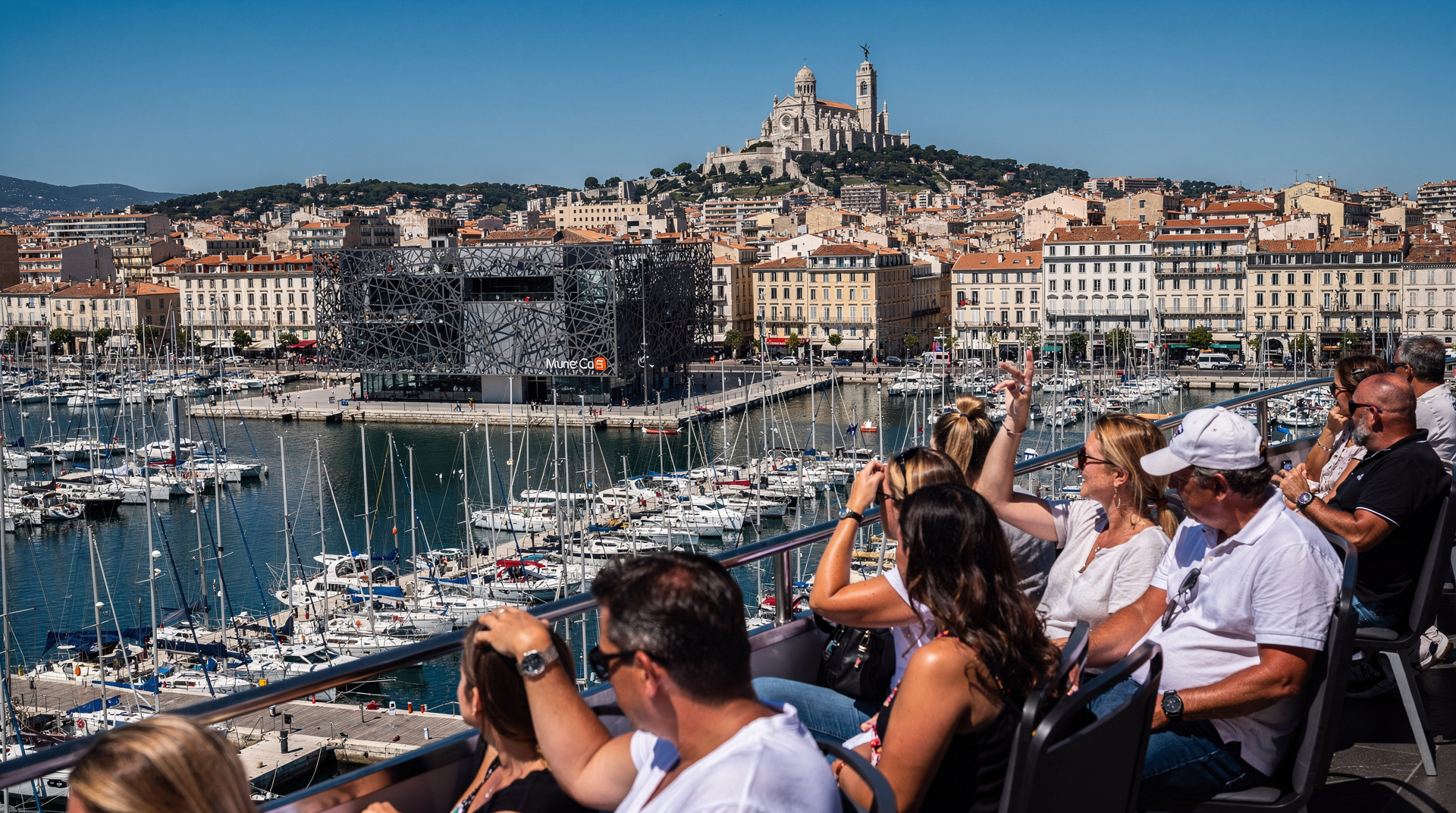
Architecturally, it is not a landmark on the level of some recent stadium construction in Europe, but the roofline from the exterior — particularly when lit at night — is genuinely distinctive against the Marseille skyline. The hop-on hop-off bus includes a pass near the exterior.
Getting to the Vélodrome
Tram T2 from the Joliette or Castellane runs to Rond-Point du Prado, from which the stadium is a 10-minute walk.
Métro to Rond-Point du Prado (M2), then walk or take a connecting bus.
On match days the combination of tram and walking is faster than any car-based approach — traffic around the stadium is predictably chaotic in the 90 minutes before kick-off and 45 minutes after.
The club museum in more depth
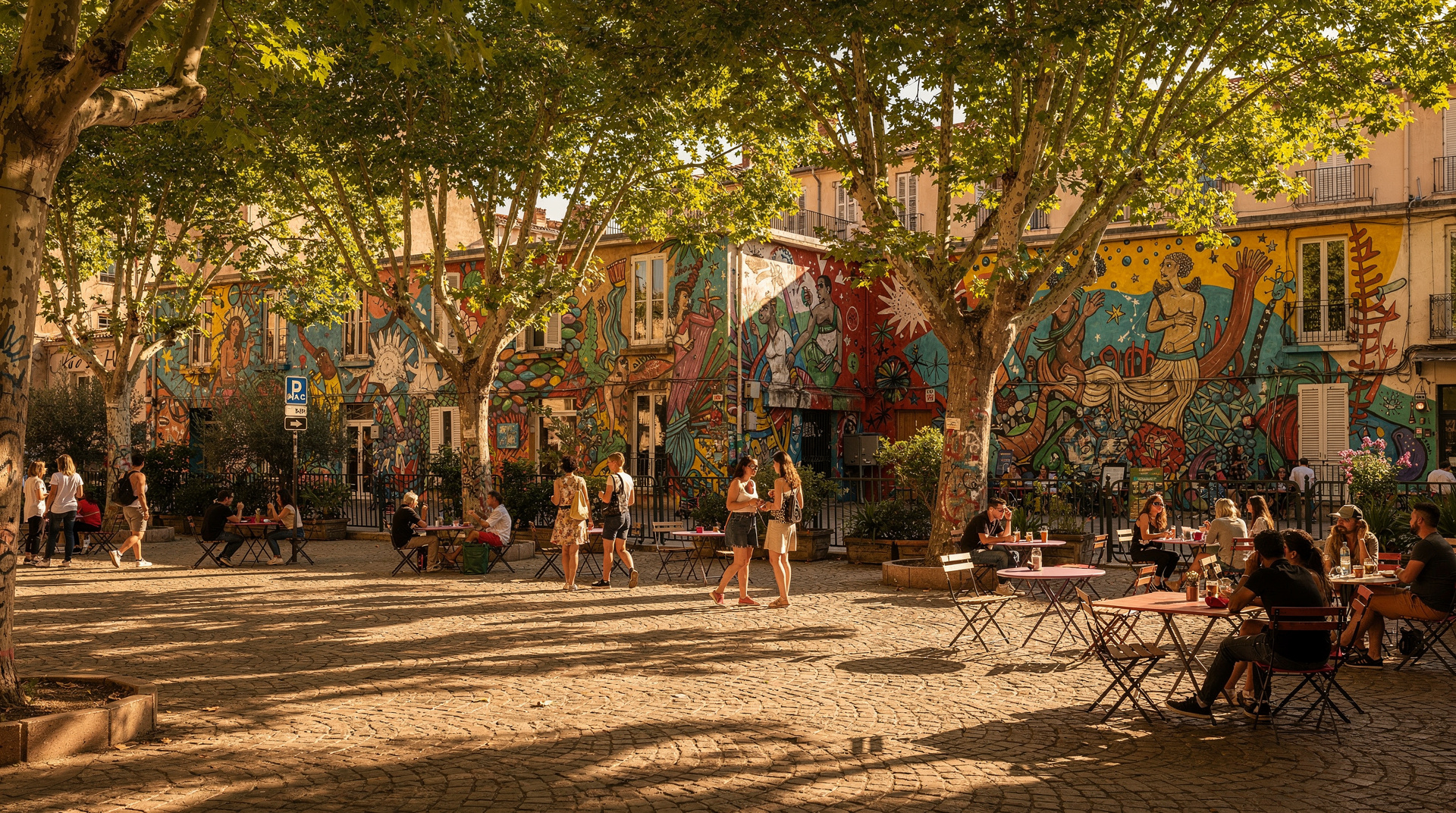
The museum section of the tour is worth lingering in rather than rushing through. Trophy cabinets, historic shirts, and photographic archives trace OM’s identity from its 1899 founding through the 1993 Champions League win in Munich — still the club’s defining moment and the one non-fans will hear referenced constantly around the city, including in murals near Cours Julien. For supporters, the section on the club’s ultras culture and the Virages’ choreography history adds context that makes match day, if you attend one afterward, easier to read and appreciate.
Eating and drinking around the stadium
The immediate stadium surroundings are not a dining destination — most restaurants worth the detour are back toward the Prado beaches or the city centre. On match days, cafés and brasseries near Rond-Point du Prado fill quickly with supporters from about two hours before kick-off; arriving early to eat before the crowds is the more comfortable approach. For a proper pre-match or post-tour meal, see our best restaurants in Marseille guide, and for a coffee stop on the way, best cafés in Marseille.
Combining the Vélodrome with other sites
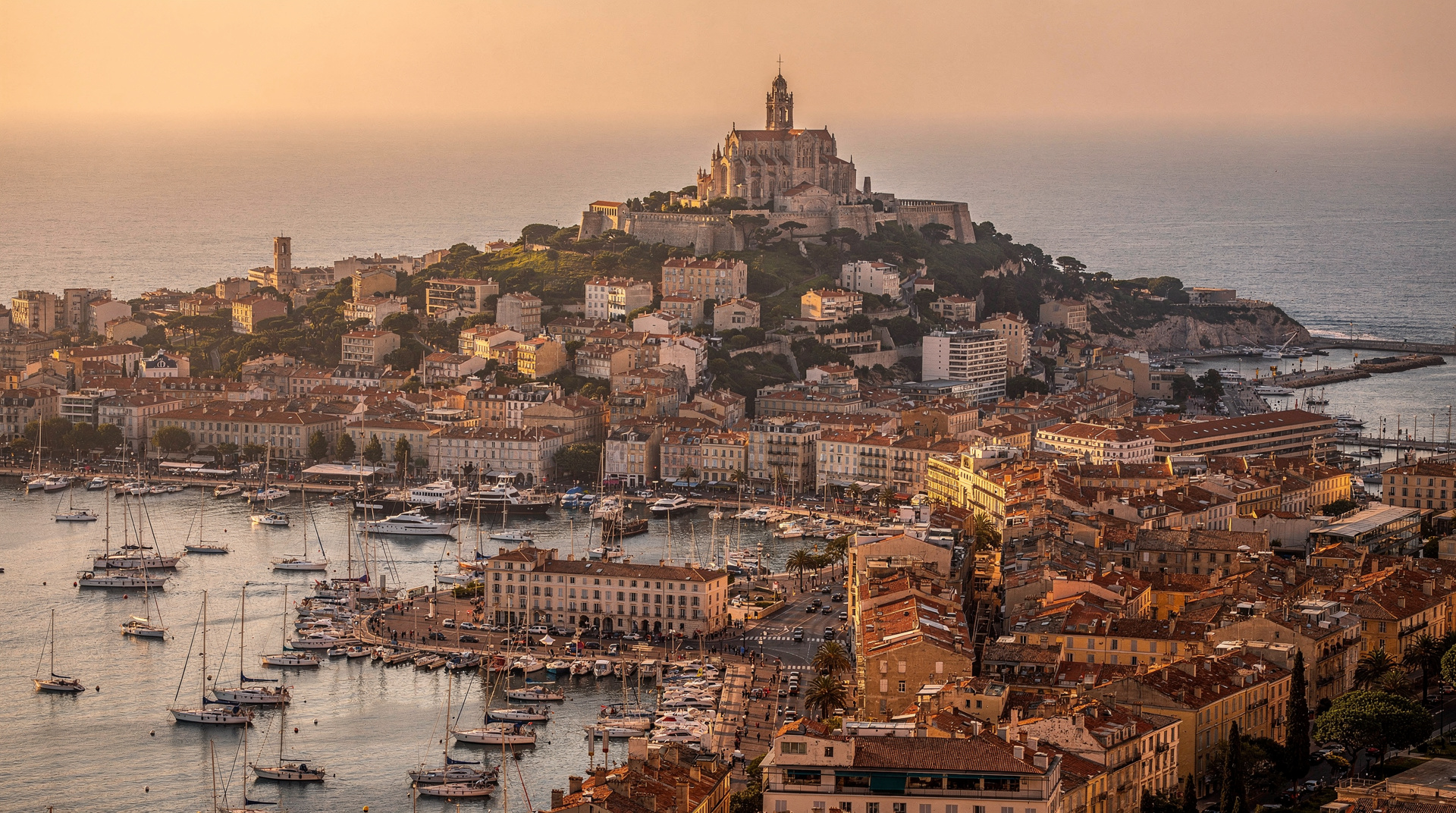
The stadium sits in the 8th arrondissement, adjacent to the Prado beach zone. A logical sequence: morning at the Vieux-Port and Le Panier, lunch near the Prado, stadium tour in the afternoon (2–3 hours), and an early evening walk along the Corniche before returning to the centre. Football fans with a full day could also fold in Notre-Dame de la Garde in the morning for the panoramic city view before heading south to the stadium.
For the full Marseille guide with all major sites and logistics, see the main city page.
Why football matters so much here
To understand why a stadium visit can feel more charged in Marseille than in most cities, it helps to read the club against the city’s history. Marseille has long been a port, a place of arrivals and mixed communities, and the club has become one of the few things that brings very different neighbourhoods into the same stand. Our Marseille history guide gives the longer background, and the neighbourhoods guide helps you see why supporters from the northern districts, the Panier and the southern beach quarters all claim the same club as their own.
You will notice the club’s colours well beyond the stadium: scarves in café windows, murals on gable walls, shirts worn by people of every age on the métro. If you want to see this street-level side of the city, the street art guide and the Cours Julien guide are good companions to a stadium visit, since football imagery turns up regularly among the murals.
Planning your visit around the calendar
The right moment depends on what you want from the stadium. A tour on an ordinary day gives you calm and time to look at the details, while a home match gives you noise, colour and a crowd that sings for most of the evening. If you are choosing between the two, think about the rest of your trip: a match evening takes over the late afternoon and night, so it is easier to enjoy if the earlier part of the day is light.
Season matters for the rest of your plans too. Our best time to visit Marseille guide explains how the weather shapes sightseeing, and the events calendar is worth a look before you fix dates, because a big fixture or festival weekend changes how busy hotels, trams and restaurants feel. If you are building the stadium into a longer stay, the three-day planning guide and the one-day itinerary show where an afternoon at the Vélodrome fits without crowding out the headline sights.
Getting around without a car
The stadium is one of the easiest big sights to reach by public transport, and arriving that way is part of the sensible approach on any day. The metro guide explains the lines and ticketing, and the wider getting around Marseille page covers trams, buses and the ferry if you are connecting the stadium to other districts. If you are arriving from the airport or by rail, the airport to city guide will get you to the centre first, from where the stadium is a short hop south.
Where to stay for a match weekend
If a home fixture is the reason for your trip, staying in the centre or near the Vieux-Port keeps you close to restaurants and the transport lines that run to the stadium. The where to stay guide compares the main areas, and the Vieux-Port area guide shows what the waterfront offers for evenings before and after a game. Staying near the Prado puts you closer to the stadium, but you give up some of the atmosphere of the old centre.
Bringing family or a mixed group
A stadium tour suits groups where only some people follow football, because it is as much about the building and the behind-the-scenes spaces as about the sport. Children usually enjoy walking out toward the pitch and seeing the places normally reserved for players. For ideas that keep everyone happy afterwards, our Marseille with kids guide lists activities that pair well with a stadium visit, and the beaches guide points to the nearby sand and sea for a relaxed finish to the day.
Staying comfortable and safe on a busy day
Large crowds attract pickpockets in any city, and match days are no exception on trams and around busy stops. Keep valuables out of back pockets and zip your bag, a habit that costs nothing. Our pickpocket zones guide shows where to be most alert, and the is Marseille safe guide puts the city’s reputation into a calmer perspective. In practice, the stadium area on a match day is busy, loud and good-humoured, and ordinary common sense is all you need.
Frequently asked questions about the Orange Vélodrome
Do I need to book the stadium tour in advance?
It’s recommended, especially in peak season (spring and summer) and around school holidays, when tour slots can sell out. Advance booking also guarantees your preferred time slot rather than whatever is left on the day.
Is the Orange Vélodrome tour worth it if I’m not a football fan?
Yes, modestly. The architecture — particularly the tensile roof structure and the changing-room-to-grandstand contrast — has appeal beyond football interest, and the museum’s history section works as a lens into Marseille’s civic identity. It is not essential, but it is a reasonable 1.5–2 hour addition for visitors with time to spare.
Top experiences
Bookable activities with verified prices and instant confirmation on GetYourGuide.