New hotels in Marseille and Provence — what has opened recently
Marseille: Cityrando — Le Vieux-Port, Le Panier, La Joliette
A note on method
We only include confirmed openings in this piece. Marseille’s hotel development pipeline has been active since the 2013 Capital of Culture boom accelerated investment in the city, but announcements and actual openings are different things. What follows is based on properties we have verified as open or confirmed for 2025–2026. We will update this piece as the year progresses.
| At a glance | |
|---|---|
| What’s covered | Confirmed hotel openings/renovations in Marseille and the immediate region, 2025–2026 |
| Price bands mentioned | roughly EUR 120–180/night mid-range gap, EUR 200+ for heritage Vieux-Port properties |
| Where the real gap is | design-forward mid-range, and rural/coastal stays near the Calanques trailheads |
| Best time to book | well ahead for July–August; December–February sees the lowest rates |
| Nearby base worth considering | Cassis, 35 minutes by train, for a Calanques-focused trip |
The Grand Hôtel Beauvau: a historic property refreshed
The Grand Hôtel Beauvau on the Vieux-Port is not a new hotel — it is one of the oldest in Marseille, with a history stretching back to the 19th century and a guest list that has included Frédéric Chopin and George Sand. It belongs to the Accor MGallery collection of boutique heritage hotels.
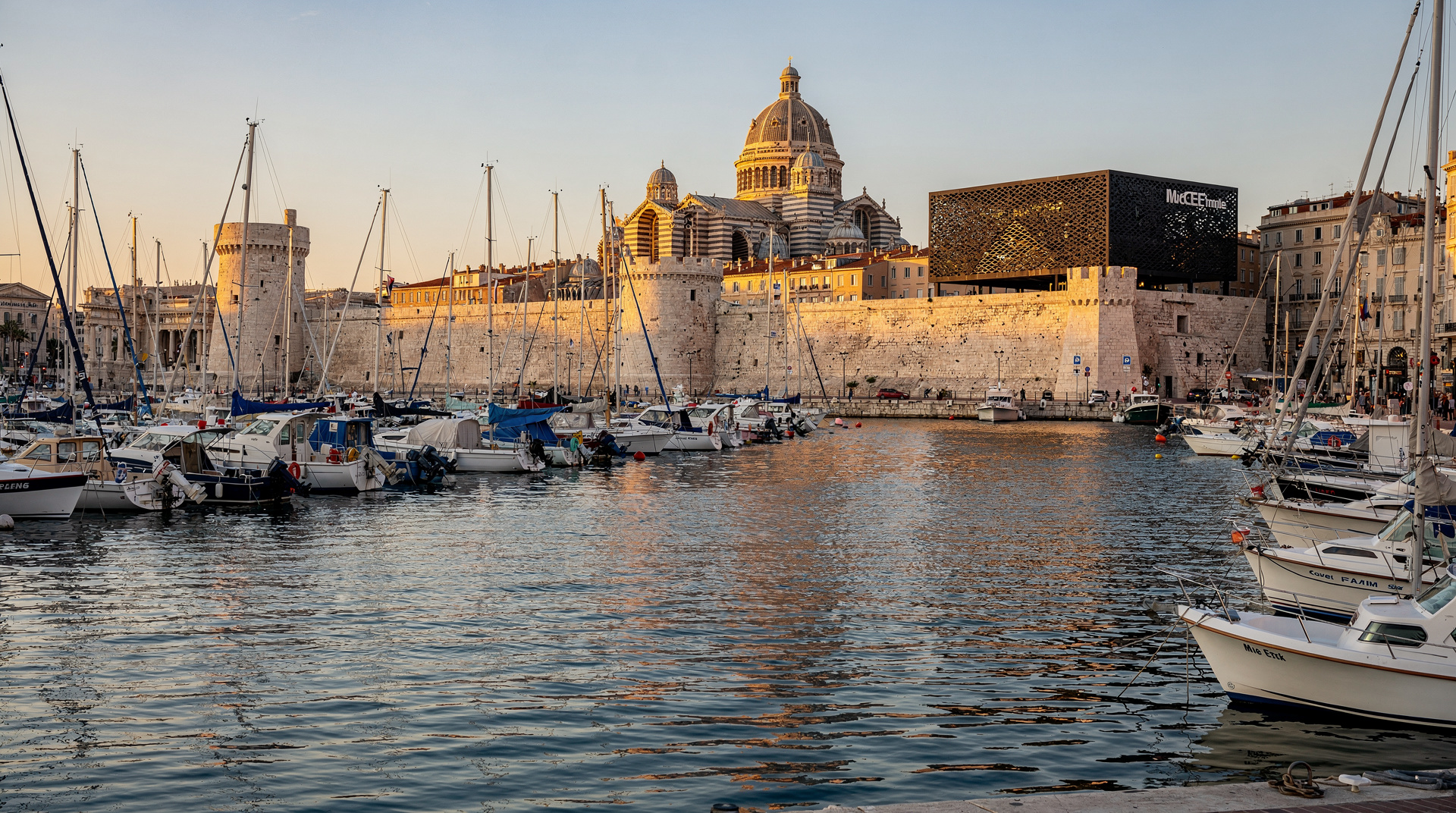
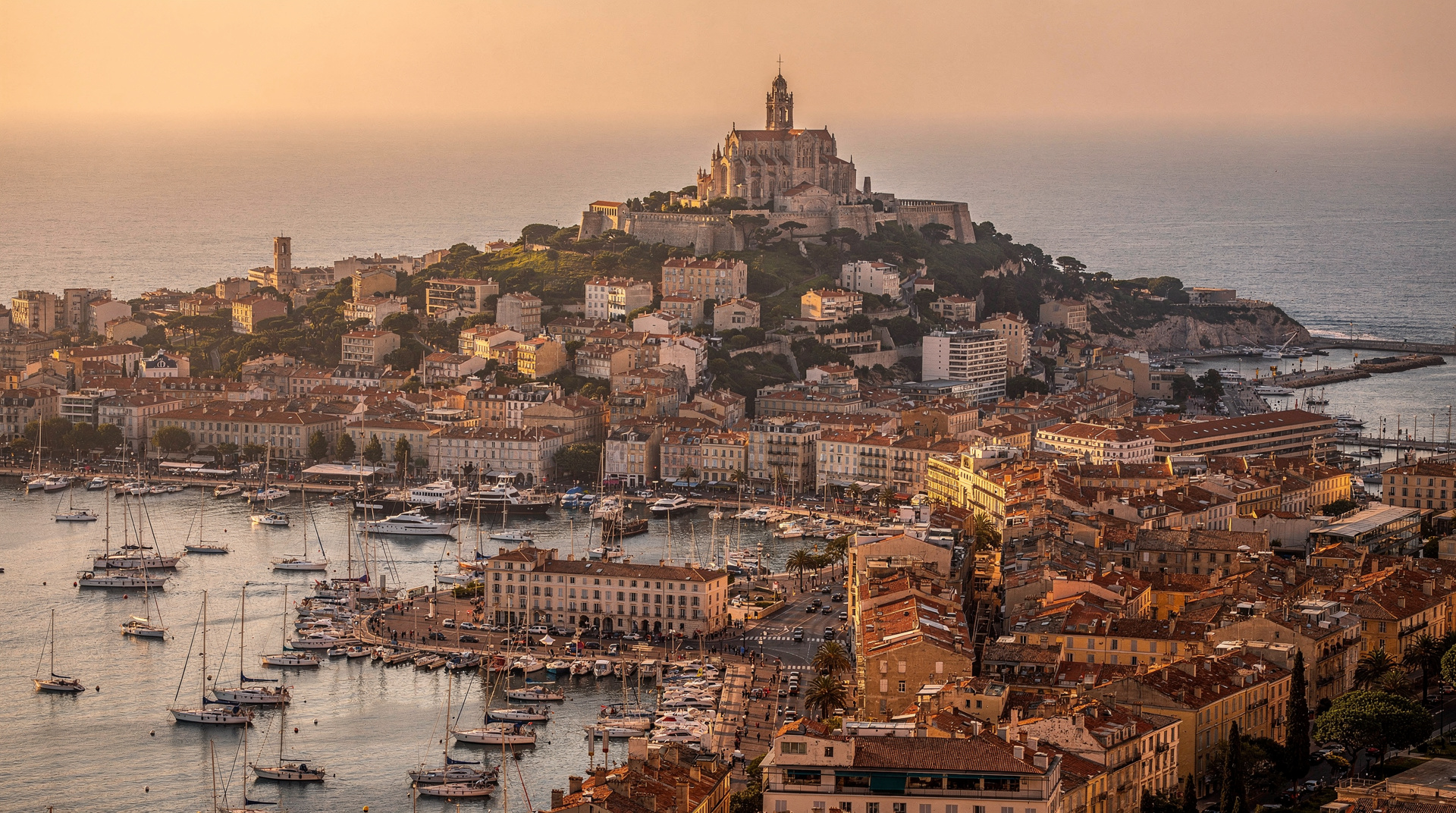
What makes it relevant in 2026 is that the property completed a significant renovation of its bar and public areas in early 2025, updating the Beauvau Bar and refreshing several room categories while retaining the historic character of the building. The location — directly on the Quai Belges at the head of the Vieux-Port — is unequalled for views of the harbour and the two forts at the port mouth. It is the best-positioned hotel in central Marseille.
The renovation did not fundamentally change what the Beauvau is: a four-star heritage property with the specific character that comes from a building that has absorbed a century and a half of Marseille history. Rooms vary considerably in size and view; ask specifically for a harbour-facing room when booking. Rates in season are substantial by Marseille standards — budget upward of EUR 200 per night for a harbour view.
Hôtel Amista: a small boutique near the Vieux-Port
The Hôtel Amista (formerly Hôtel Saint Louis) opened in summer 2025 with 24 rooms and a design sensibility that is intimate and personal rather than corporate. Located near the Vieux-Port, it is a small property designed for travellers who want a boutique experience rather than a full-service hotel infrastructure.
With 24 rooms, it will not suit every type of visit. But for couples and solo travellers looking for design, character, and a central location without paying heritage hotel rates, it represents a genuinely interesting addition to the Marseille hotel scene.
On the question of new luxury openings in Marseille city
There is a fair amount of speculation in the travel press about luxury hotel projects in Marseille — pipeline properties, announced projects, renderings published without confirmed opening dates. We have deliberately excluded these from this piece. A project that has been announced for 2025 but has not yet opened by early 2026 is not a hotel opening.
What we can say is that Marseille’s accommodation scene has been developing steadily since 2013, with the most significant growth in the mid-range design hotel category. The city’s traditional character (rough-edged, port-city unpretentious) has been a complication for ultra-luxury hotel development of the kind that has succeeded in Monaco, Cannes, and Saint-Tropez. Whether this represents a gap in the market or an appropriate fit between the city’s character and its accommodation offer is a genuine question.
Just outside Marseille: Zannier Bendor on Île de Bendor
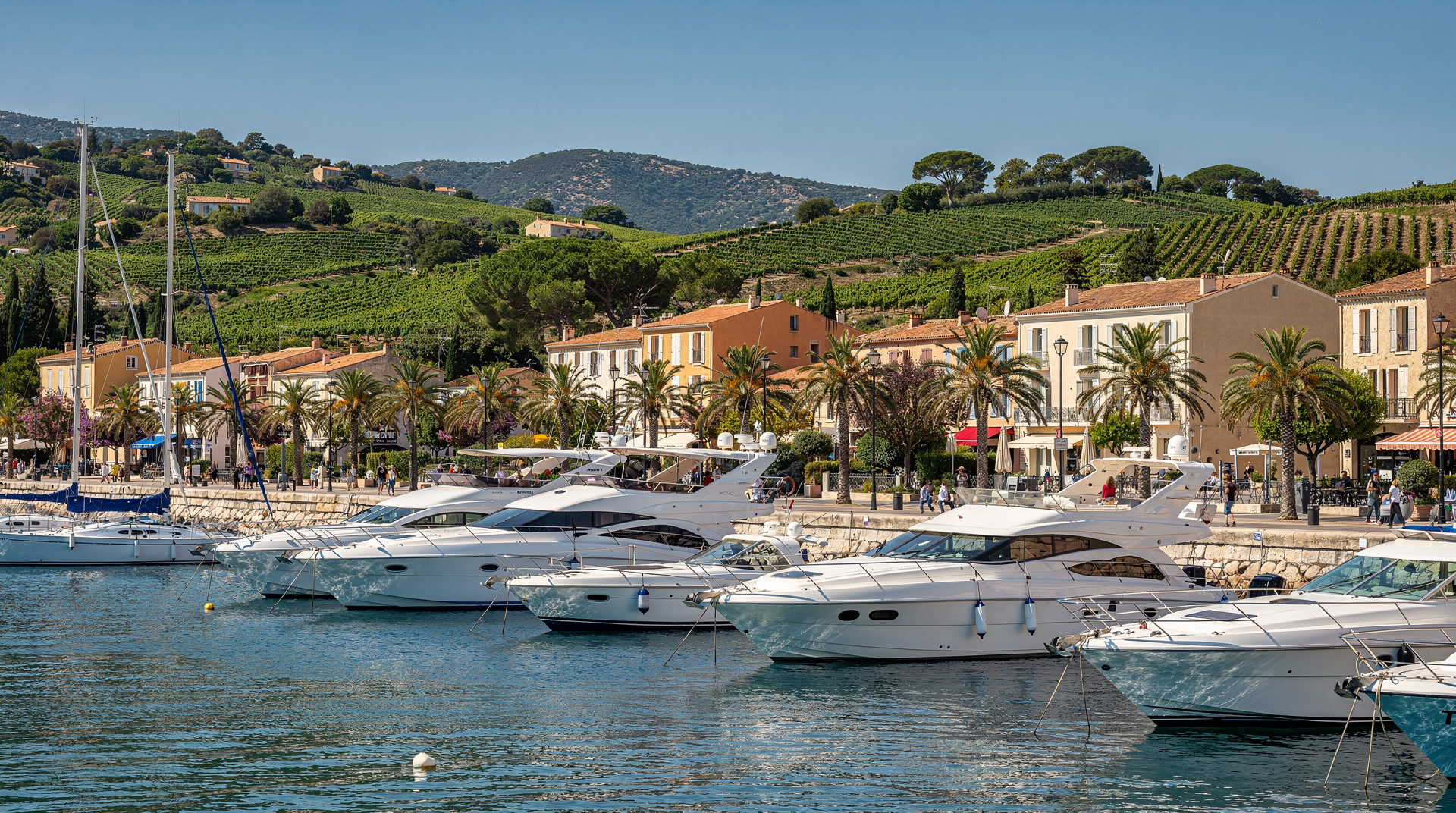
The most significant luxury hotel opening in the broader Marseille region in 2026 is not in the city itself. Zannier Hotels — the Belgian luxury group known for their African safari lodges and European properties — opened Zannier Bendor on Île de Bendor in 2026. The island (near Bandol, about 50 km west of Marseille) was developed by the Ricard family in the 1950s and has long had a resort character; the Zannier project reimagines it as a 93-key boutique hotel spread across what is described as a Provençal village format, with multiple restaurants, a diving centre, a wellness spa, and direct beach access.
Getting there requires a short boat crossing from Bandol — which itself is 50 minutes by TER train from Marseille. The island’s small scale (less than 400 metres long) and its positioning within the Provence wine coast make it a fundamentally different proposition from a city hotel: this is a retreat, not a base for city exploration.
The Zannier brand operates at the upper end of the luxury spectrum. Expect rates to reflect this. We have not yet visited, but the concept — a private Mediterranean island reimagined as a Provençal hotel village — is coherent and the Zannier track record in other destinations has been strong.
The three properties compared
| Property | Type | Location | Rough rate | Best for |
|---|---|---|---|---|
| Grand Hôtel Beauvau | Heritage 4-star, renovated 2025 | Vieux-Port, Quai Belges | from EUR 200+/night | Harbour views, history, central base |
| Hôtel Amista | 24-room boutique | Near Vieux-Port | mid-range | Couples/solo travellers wanting design over scale |
| Zannier Bendor | 93-key luxury resort | Île de Bendor, near Bandol | upper luxury | A standalone retreat, not a Marseille base |
What is actually missing in Marseille accommodation
Marseille remains underserved in two categories.
The first is genuinely design-forward mid-range hotels (EUR 120–180 per night) that are located in the most interesting neighbourhoods — Cours Julien, the upper Panier, the Corniche. Most of the city’s interesting accommodation is either expensive (the heritage properties near the Vieux-Port) or basic (the budget hotels around the station). The middle ground, where design-conscious travellers who are not spending on full luxury want to be, is thin.
The second is rural and coastal accommodation within easy distance of the Calanques. The area between Marseille’s southern edge and Cassis — the stretch of coast where the Calanques actually are — has very limited accommodation. Visitors who want to start calanque hikes early in the morning are almost always commuting from Marseille or Cassis rather than staying at the trailhead. This is a genuine gap.
The longer-term picture
The context that matters for understanding Marseille’s hotel development is the 2013 Capital of Culture renovation, which catalysed investment in the city’s accommodation infrastructure and set off a development cycle that is now in its second decade. The first wave brought the renovation of older properties near the Vieux-Port and the creation of several new design hotels in the Joliette-MuCEM district. The second wave — broadly 2019 to the present — has been slower, affected by the pandemic, and more focused on boutique and lifestyle properties than on large-scale hotel projects.
The third wave — anticipated for 2026 and beyond — is more speculative. There are announced projects in the northern waterfront development zone (the Euroméditerranée district, which has been under development since the 1990s) and in the Cours Julien area. Whether these materialise on schedule is a genuine question; hotel development timelines in France are notoriously unpredictable.
Practical advice for booking in 2026
Book well ahead for summer: Marseille hotel capacity has not expanded as fast as visitor numbers. July and August see genuine occupancy pressure across all categories.
Consider neighbourhood over proximity to the Vieux-Port: The Vieux-Port location sounds logical but the neighbourhood itself is busy and, late at night, noisy. Cours Julien, Cinq-Avenues, and the Corniche area offer better residential character and — in the case of the Corniche — beach access.
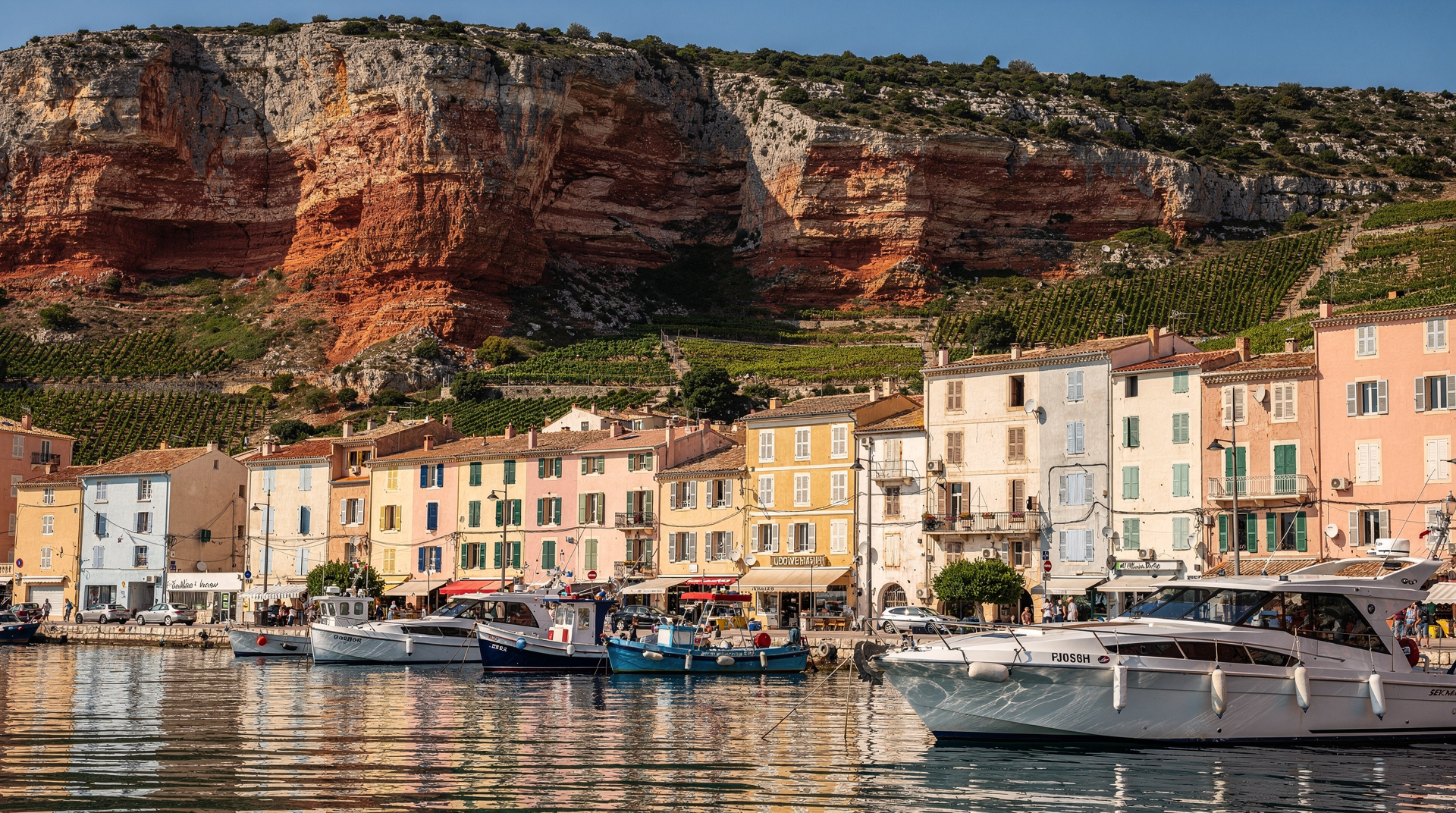
Cassis as an alternative base: Cassis, 35 minutes by train, has a smaller hotel stock but often better value for a Calanques-focused trip, particularly in the shoulder season. See our Cassis day guide for context.
Check renovation schedules: Several older Marseille properties have been in rolling renovation since 2022. Ask directly before booking whether work is ongoing that affects common areas or room categories.
Off-season rates: December through February hotel rates in Marseille are significantly lower than summer. Our winter in Marseille piece makes the case for a cold-season visit, and the accommodation savings are one of the arguments.
For the full accommodation overview, our Marseille destination guide covers where to stay by budget and neighbourhood in detail. Our best area to stay for families guide covers a use case not addressed by any of the openings above, and winter in Marseille makes the off-season accommodation case in more detail.
Why we did not include the Euroméditerranée rumours
Every year the travel press publishes renderings for hotel projects in Marseille’s northern waterfront redevelopment zone. Some of these will eventually open; most will slip their announced dates by a year or more, which is normal for French hotel development and not specific to Marseille. We track these but do not report them until a property has an actual opening date confirmed by the operator, not just a press release. This is why this piece is shorter than some hotel round-ups you will find elsewhere — we would rather under-report than send you chasing a property that will not open until 2028.
Frequently asked questions about New hotels in Marseille and Provence — what has opened recently
Are there any new luxury hotels opening in Marseille city itself in 2026? Not that we can confirm as actually open. The most significant 2026 luxury opening in the wider region, Zannier Bendor, is on Île de Bendor near Bandol, not in Marseille. Projects announced for the city’s Euroméditerranée zone remain unconfirmed as of this update.
What is the best area to stay in Marseille for a first visit? The Vieux-Port is the most central and has the best-known heritage hotel (Grand Hôtel Beauvau), but Cours Julien and the Corniche offer a quieter, more residential alternative with easier beach access; see our Marseille destination guide for a full neighbourhood breakdown.
Top experiences
Bookable activities with verified prices and instant confirmation on GetYourGuide.