Valensole lavender tour from Marseille: our top pick reviewed
From Marseille: Valensole lavender full-day tour
Duration: 9 hours
Provence’s defining summer image — earned on the right day
The purple lavender fields of the Valensole plateau are the most reproduced image in all of Provençal tourism. They are also, genuinely, one of the most beautiful landscapes in Europe — but only for about three weeks every year. The Valensole lavender full-day tour from Marseille is the right way to access this landscape without a rental car. The critical question is timing.
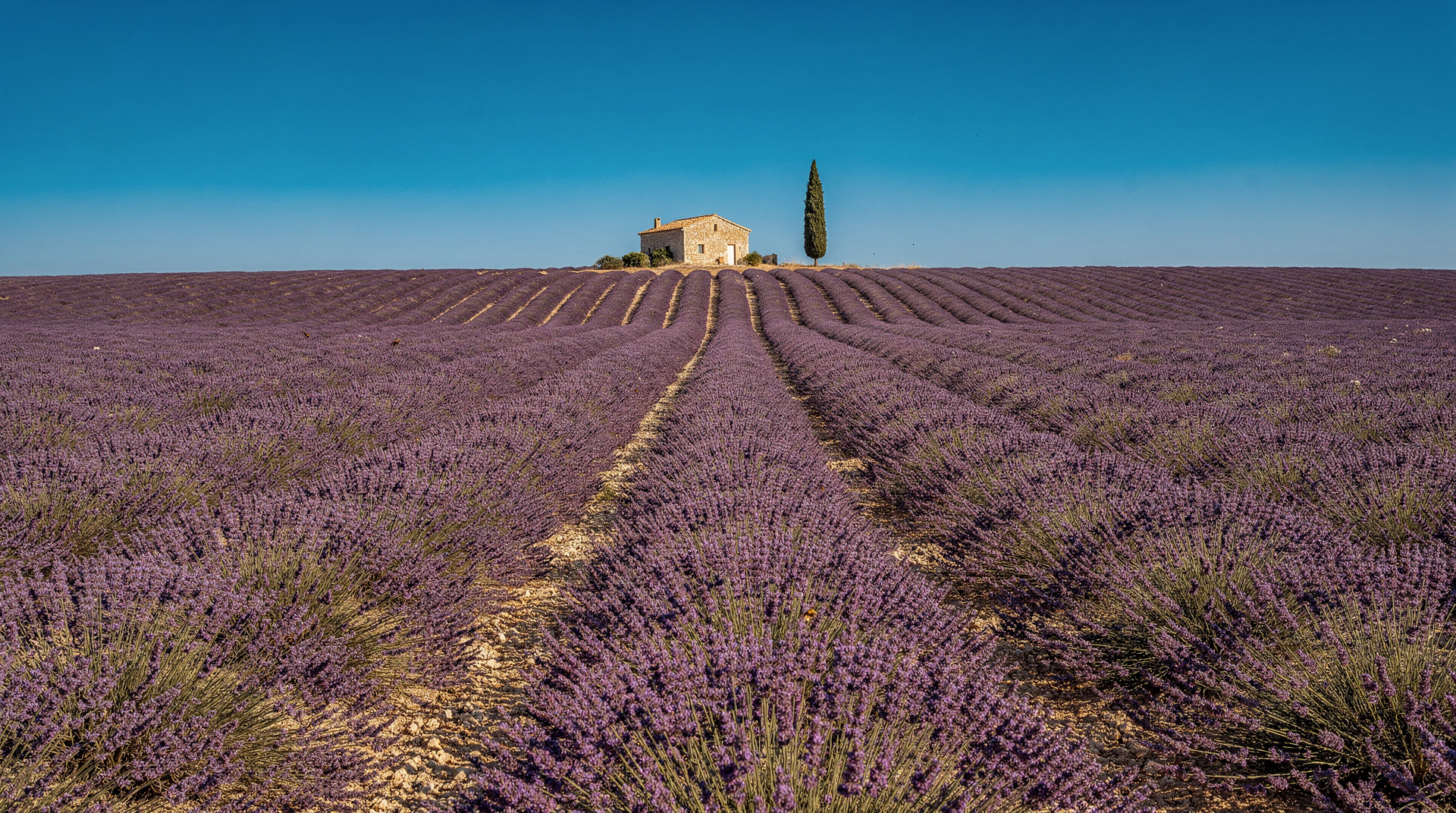
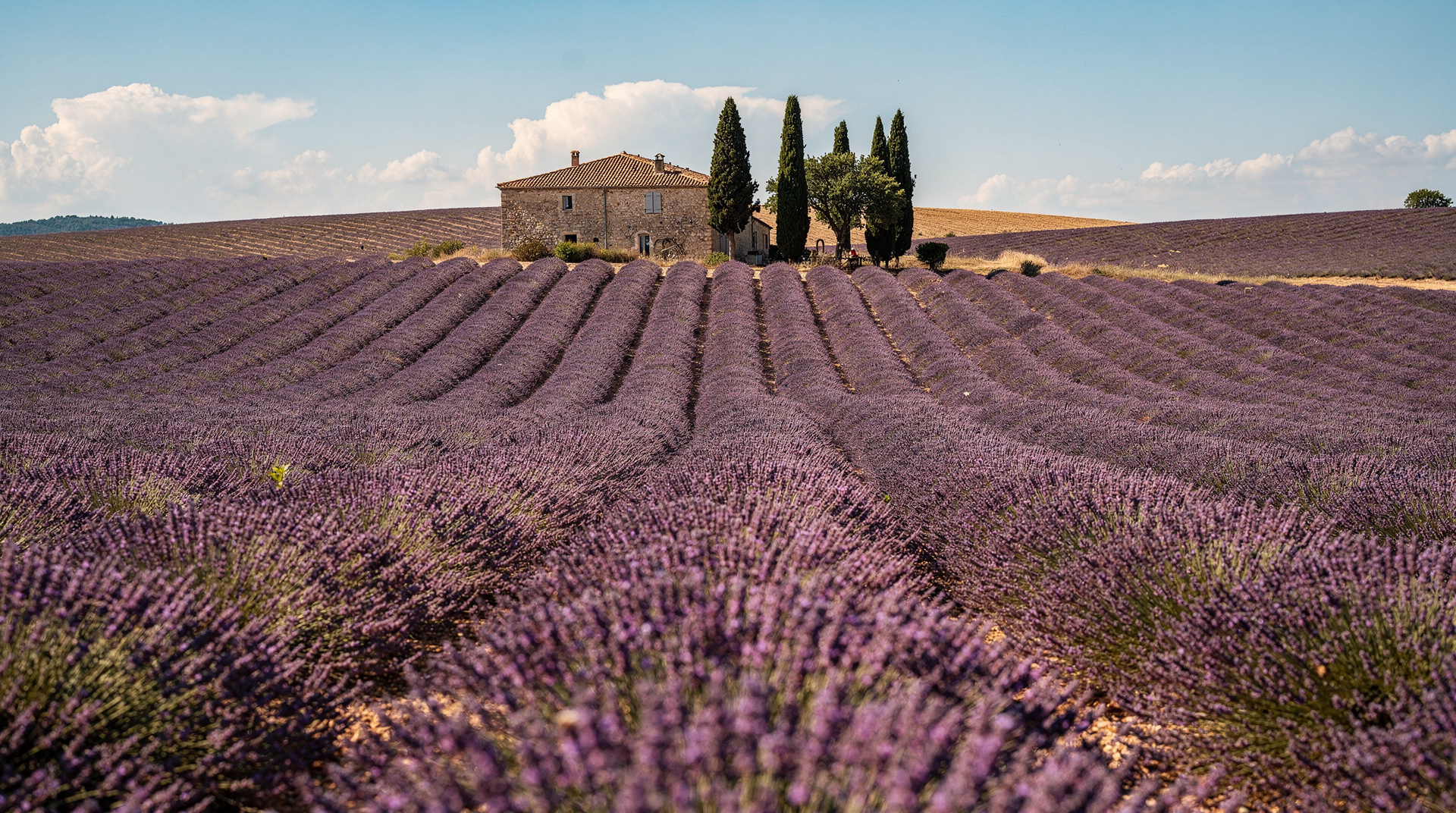
Verdict: One of the best day trips from Marseille — but only if you visit in the bloom window (mid-June to mid-July). Outside that window, save the day for something else. In season, the plateau is genuinely extraordinary: 20,000 hectares of rolling purple on a high tableland above Moustiers, with the pre-Alps visible in the distance.
What this tour includes
The full-day tour departs from Marseille and drives approximately 2 hours to the Valensole plateau, stopping for time in the lavender fields and typically including a visit to a local lavender distillery or cooperative before returning.
Duration: 9 hours total including travel.
Typical stops:
- Valensole village (small provençal village in the heart of the plateau)
- Lavender fields (cooperative or distillery with authorised field access)
- Moustiers-Sainte-Marie (some tours, not all — check itinerary)
- Lavender product shopping at the cooperative store
What is included:
- Transport from Marseille in air-conditioned vehicle
- English-speaking guide
- Time in the lavender fields with authorised access
- Stop at a local lavender distillery or cooperative
- Distillery explanation of lavender oil production process
What is not included:
- Meals — lunch stop in Valensole village or Moustiers at your expense
- Lavender products or souvenirs
- Entry to Moustiers village parking or any paid attraction
Group size: Small-group format (8–16) is typical from Marseille. Larger coach options exist — the small group format allows for more flexible field stops.
Why we recommend it
1. The plateau in full bloom is genuinely spectacular. The Valensole plateau sits at 500–600 metres altitude and stretches for 20,000 hectares. When lavender is in bloom across that scale — row after row of purple to every horizon — it is not a single Instagram shot but a total immersion in colour and scent. The air on the plateau in late June smells like concentrated perfume. This is not hyperbole.
2. Distillery access adds substance. A lavender essential oil distillery shows you how the 30-cm flower stalks are processed: the traditional steam-distillation method, the ratios (about 150 kg of flowers to 1 litre of essential oil), and the difference between true lavender (lavandin) and fine lavender (lavande fine). The cooperative stores sell products at producer prices — noticeably cheaper than tourist shops in Marseille or Aix.
3. The drive is scenic. The route from Marseille passes through Aix-en-Provence and climbs into the pre-Alpine hills. The landscape transition from Mediterranean scrub to high-plateau agriculture is itself interesting — the guide contextualises it.
4. No car, no stress. The Valensole plateau is accessible by car only — no train or bus connects Marseille to Valensole. A guided day trip is the only realistic car-free option. Rental car is an alternative for those comfortable driving on French rural roads.
5. Moustiers combination. Some tours include Moustiers-Sainte-Marie — a medieval village suspended between two cliff faces connected by an iron star (a local legend says a knight hung it there before a crusade). The village is spectacular and adds a non-lavender dimension to the day.
How it compares to alternatives
Aix-en-Provence lavender full-day tour departs from Aix rather than Marseille — same plateau, slightly shorter travel time (90 minutes vs 2 hours). If you are staying in Aix, this is the better departure. The itinerary is similar.
Lavender tour to Sault, Roussillon and Gordes covers the eastern Luberon lavender country — the Sault plateau (different from Valensole, higher altitude, later bloom, peaking around 14 July) and the ochre villages. A different landscape with a different character. Roussillon’s red and orange ochre contrasting with the surrounding lavender is one of the most striking colour combinations in French landscape.
Half-day from Aix to Valensole covers the plateau in 3.5 hours from Aix — useful for those who are already in Aix and want a morning or afternoon session. From Marseille, the travel time makes this impractical.
For everything about when to visit and what to expect, see our lavender season in Provence guide.
Practical info
Timing is everything. The single most important planning decision for this tour is when you go. Mid-June to mid-July is the window; the week around the summer solstice (June 21) is typically peak bloom. Check the current year’s forecast — lavender blogs and the Office de Tourisme de Valensole post weekly bloom updates in June.
What to bring:
- Camera with a wide lens — the fields are vast and benefit from wide-angle composition
- Comfortable walking shoes for field edges (loose earth, uneven terrain)
- Light jacket — the plateau at 500 metres can be cool in the morning even in June
- Cash for the cooperative store (some products are cash-preferred)
- Water and snacks — the plateau has limited café options
Heat in summer: Late June and July on the Valensole plateau can be very hot by midday (32–38°C). Tours typically schedule field time in the morning before 11 am for this reason. Bring sun protection and hydration.
Photography ethics: Stay at field edges. Do not enter crop rows. The farmers who allow tours on their land do so as a courtesy. Walking between the plants damages the roots and bruises the flowers. Telephoto lenses or a drone (if legally permitted with the operator’s permission) are the tools for the field interior shot — not trampling into the rows.
Booking lead time: Book 2–3 weeks ahead for peak bloom dates (late June to mid-July). These are the most popular dates and tours fill quickly. Shoulder dates (mid-June, mid-July) allow 1 week notice.
Compare alternative tours
| Tour | Duration | Rating | Price | Highlights | |
|---|---|---|---|---|---|
| From Marseille: Valensole lavender full-day tour | 9 hours | — | — | — | Check |
| From Aix-en-Provence: Valensole lavender full-day tour | Full day | — | — | — | Check |
| From Marseille: lavender tour to Sault, Roussillon & Gordes | 9 hours | — | — | — | Check |
| From Aix: half-day trip to Valensole lavender fields | 3.5 hours | — | — | — | Check |
Frequently asked questions about Valensole lavender tour from Marseille
When is lavender in bloom at Valensole?
The Valensole plateau typically blooms from mid-June to mid-July, peaking in the last week of June and first week of July. The exact timing shifts by 1–2 weeks depending on the year's winter and spring temperatures. By late July most fields are harvested. If your visit is outside this window, the plateau is still beautiful — rolling blue-grey ridges of alfalfa and wheat — but not for lavender photography.How far is Valensole from Marseille?
Approximately 2 hours by car (around 130 km north-east). The drive goes through Aix-en-Provence and into the pre-Alps, climbing toward the plateau at around 500 metres altitude. The guided day tour takes about 9 hours total, including the return journey.Is the lavender tour worth it outside the bloom season?
Honestly, no — if lavender in bloom is the main reason you are going, visiting outside mid-June to mid-July is disappointing. The plateau is attractive but unremarkable without the purple colour. Some tours operate year-round and combine Valensole with other stops (Moustiers-Sainte-Marie, Gorges du Verdon) that are worth visiting independently of the bloom season.What else is there to see near Valensole beyond lavender?
Moustiers-Sainte-Marie, one of France's most beautiful villages, is 25 km from Valensole — a dramatic canyon setting, faïence pottery workshops, and a star suspended between the cliffs. The Gorges du Verdon (the Grand Canyon of Europe) is 45 minutes further. Some day tours combine Valensole with Moustiers; the full Verdon experience requires a separate day.Can I photograph in the lavender fields, or is it restricted?
Lavender fields in Provence are working agricultural land. Entering the crop rows for photography (the Instagram 'infinity field' shot) damages the plants and is discouraged by farmers. Most farms tolerate visitors at the field edges. Some lavender distilleries around Valensole allow access to their fields for a small fee. The guided tours typically include a stop at a cooperative or distillery where field access is sanctioned.Is there a half-day lavender tour option?
Yes — the half-day trip from Aix-en-Provence to Valensole lavender fields covers the plateau in 3.5 hours, departing from Aix rather than Marseille. This is useful if you are based in Aix or want to combine it with an Aix morning. From Marseille, the travel time makes a half-day format impractical — the full day is the right format for a Marseille departure.What if the lavender is not in bloom when I arrive?
Lavender does not hold its exact peak date from year to year. If you arrive and the bloom has already started to fade, the fields will still have colour but the intensity drops. Most tour operators do not offer refunds for early or late blooms — weather is outside their control. Travel insurance covering trip disruption is worth considering for bloom-dependent trips.Is Valensole the best lavender destination in Provence?
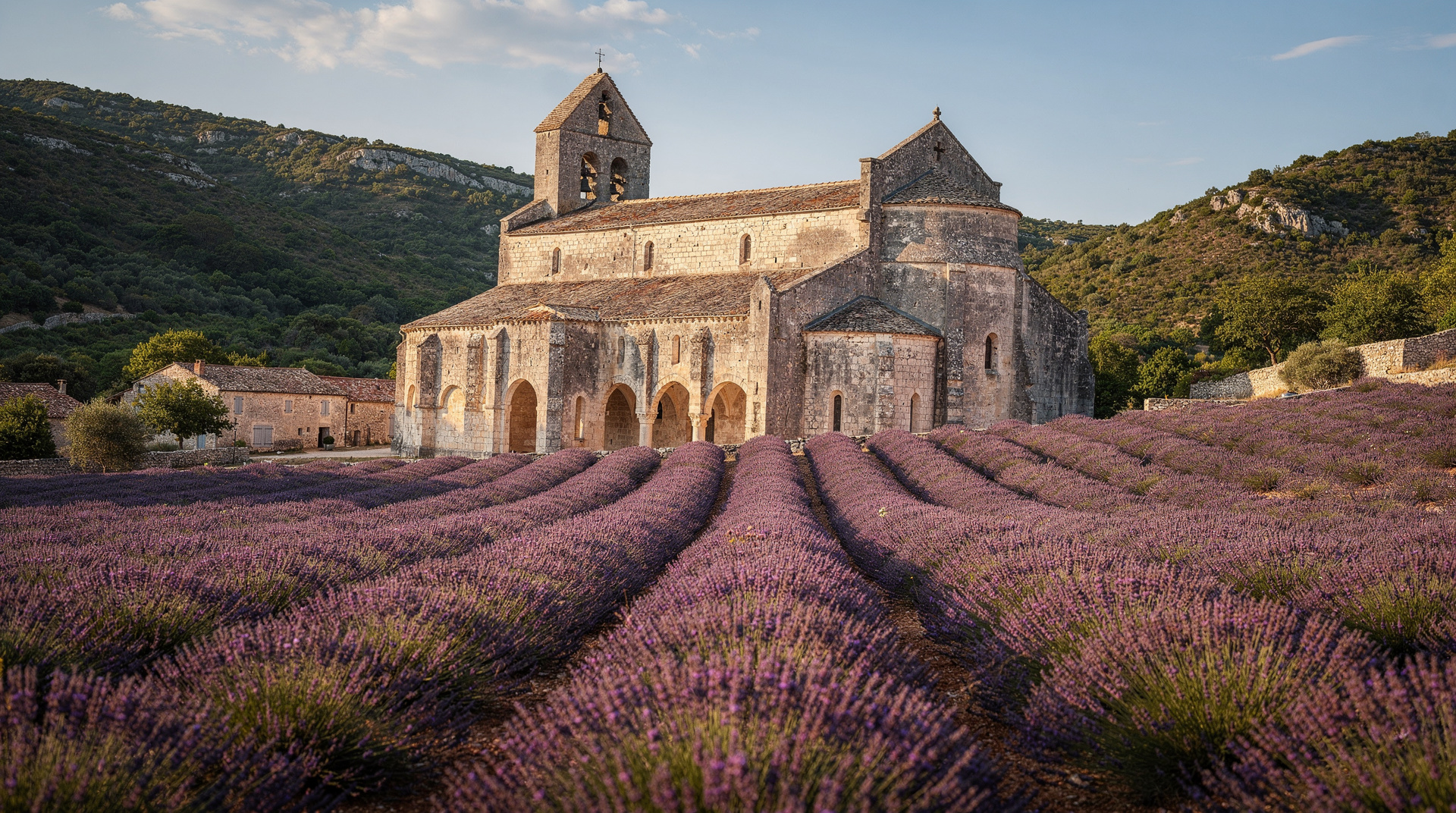
Valensole has the largest single continuous plateau of lavender cultivation — the scale is unmatched. Sault (in the Vaucluse, further north) has equally beautiful fields but a later bloom (peaking around 14 July) and a wilder, more remote feel. The area around Sénanque abbey (near Gordes, Luberon) is more photogenic but much smaller in scale — the fields surround the Romanesque abbey for a compositional frame that Valensole lacks. Serious lavender travellers visit all three; for a single day trip, Valensole delivers the most immersive scale.Can I buy lavender products directly from the farm?
Yes — most distilleries and cooperatives visited on the tour have a shop selling essential oils, soaps, sachets, and lavender honey. Prices are producer prices, significantly below what you pay in Marseille's tourist shops or Aix's markets. Budget EUR 30–60 if you plan to buy gifts. The essential oil is the best-value purchase — a 10ml bottle of pure lavender oil from the plateau typically costs EUR 8–15.Does the tour go to Moustiers-Sainte-Marie?
Some tours include Moustiers; others focus purely on Valensole. Check the specific itinerary before booking. Moustiers adds 2 hours to the day (driving and village time) and is worth it — the village setting is extraordinary. If Moustiers is a priority, the Verdon and Moustiers day tour from Aix-en-Provence is a dedicated alternative.Is this tour available in winter?
The Valensole lavender tour operates only during lavender season (typically June through mid-July). Outside the bloom window, tour operators may offer a "Valensole and Moustiers" tour that covers the plateau and the surrounding Verdon country — a different experience, less specifically about lavender.