A family day out on the Frioul Islands: everything you need to know
Marseille: Frioul Islands boat tour with swim stop
Duration: 2 hours
Is a Frioul Islands day trip good for families?
Excellent — one of the best family half-days in Marseille. The ferry is an event in itself for children. The islands have swimming coves, rocky paths, fortress walls to explore, and a total absence of cars. Bring everything you need (water, food, sun cream) because there is almost nothing to buy on the islands.
Why the Frioul is special for families
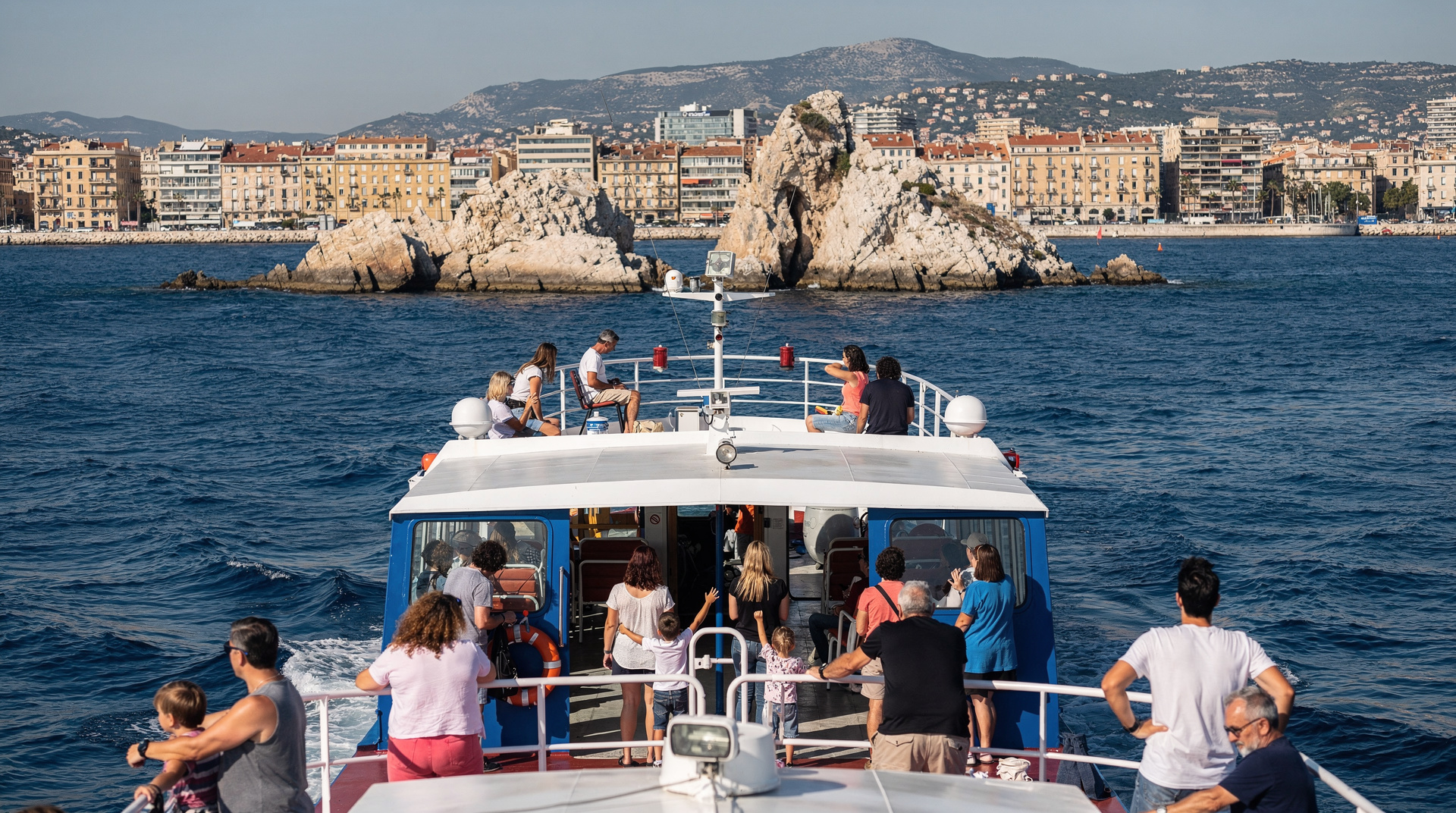
The Frioul Islands — a small archipelago 3 kilometres offshore from the Vieux-Port — produce a family day that works across a wide age range for one simple reason: the boat ride is already an adventure. Most children who have not been on a working boat before find the Frioul If Express ferry (a real public-service vessel, not a tourist reproduction) genuinely exciting. The city recedes. An island arrives. This narrative — going somewhere by boat — is powerful for children in a way that even the most spectacular city attraction rarely is.
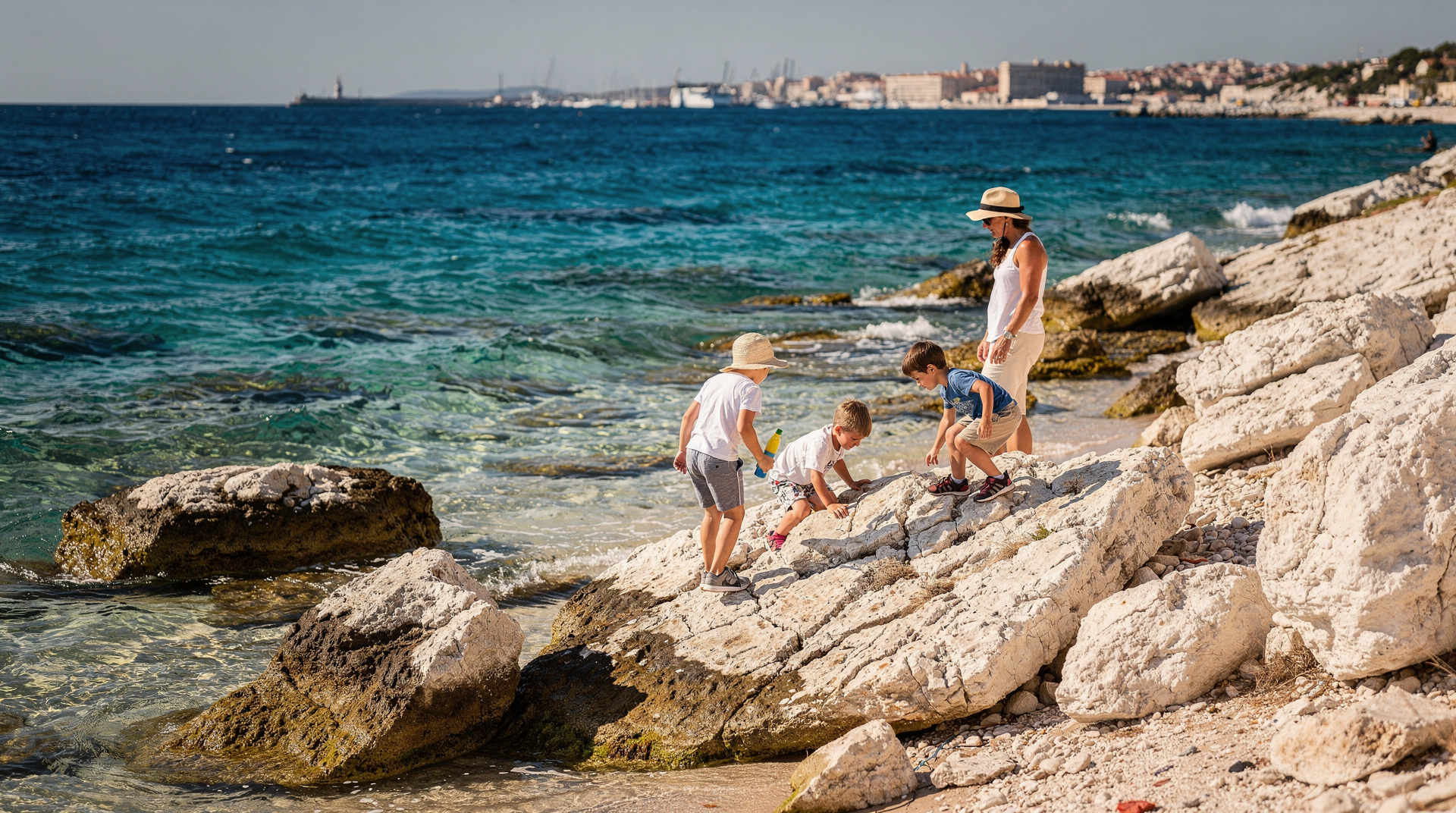
What the islands deliver once you arrive reinforces this: rocky beaches with clear water, fortification walls to scramble on, WW2 bunkers visible from the paths, walking routes with views back to Marseille, and total quiet. No cars, no traffic noise, no street commerce (almost). The Frioul is a natural geography that children explore instinctively.
At a glance
| Where | Frioul-If Express ferry from Quai de la Fraternité, Vieux-Port |
| Cost | Around EUR 10.80 return per adult; children under 4 free; family rates at the counter |
| Time needed | Half-day (4–5 hours) for under-7s; full day (6–8 hours) for ages 8+ |
| Getting there | 30-minute ferry crossing, no car needed |
| Best time | First morning ferry in July–August to beat both the heat and the crowds at the swim coves |
The ferry — what to know
Operator: Frioul If Express (RTM city ferry service). Departs from Quai de la Fraternité, Vieux-Port.
Journey time: 30 minutes to the Frioul Islands (Pomègues and Ratonneau); add 15 minutes if the ferry stops at Château d’If en route.
Frequency: Roughly every 1–2 hours in summer (June–September); less frequent in winter. Check the RTM website or timetable boards at the Vieux-Port departure point.
Fares (approximate 2026): Around EUR 10.80 round trip per adult. Children under 4 travel free. Family rates available — check current pricing at the RTM Frioul counter at the Vieux-Port. The combined Château d’If + Frioul ticket is around EUR 16.20 per adult.
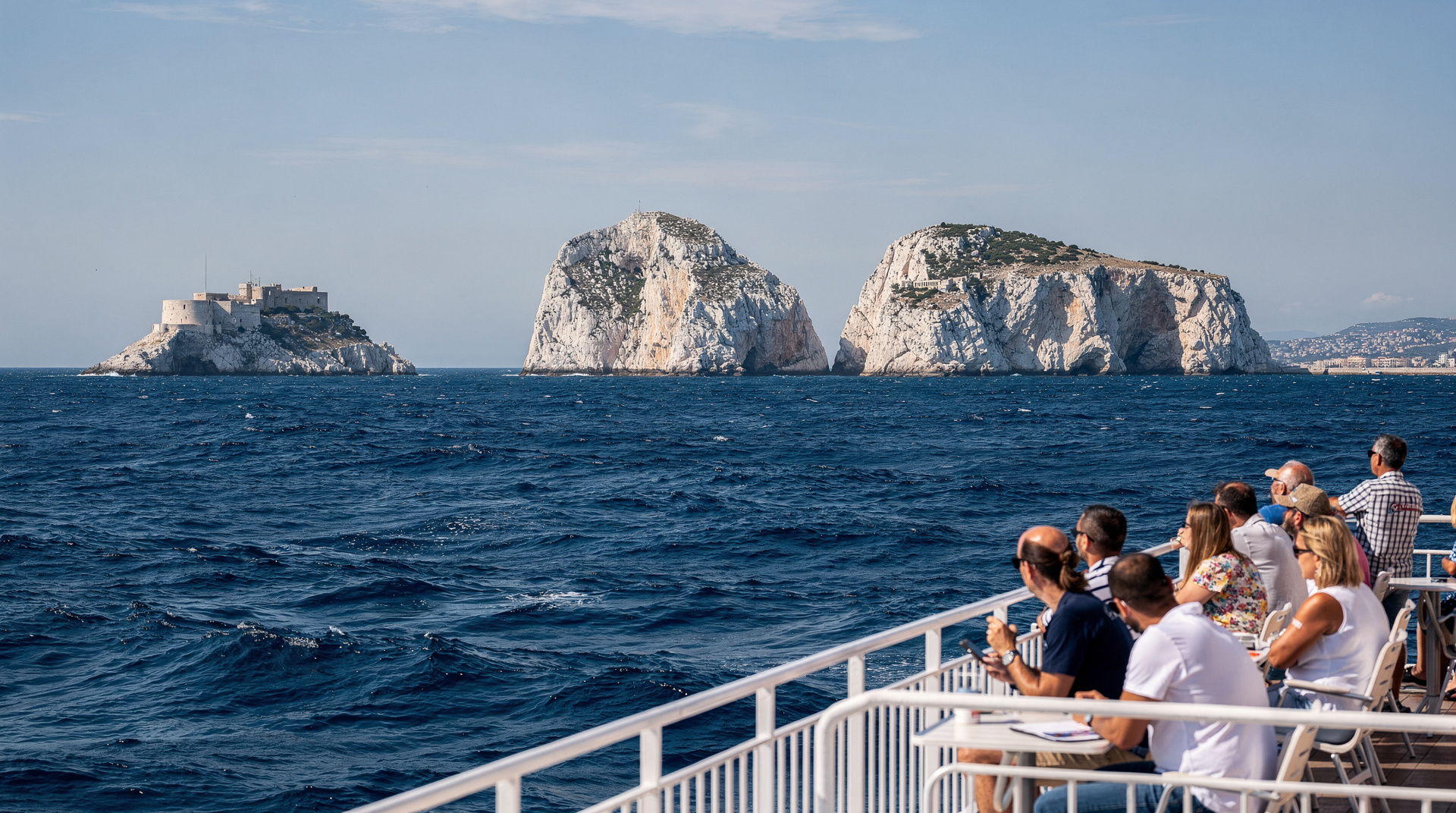
The ferry experience for children: A 30-minute open-sea crossing on a real ferry with deck railings, sea spray, and the city skyline receding behind you. For children aged 3 and above, this is often the highlight of the day in itself. Sit on the upper deck for the best views. Keep a hand on young children in choppy weather — the deck has railings but the motion of the boat is real.
Booking: The standard Frioul ferry does not require advance booking — you buy tickets at the Vieux-Port counter or via RTM. In high summer (July and August), arrive 20 minutes before departure as queues can build. Boat tour versions (via GetYourGuide) include the ferry equivalent and often a guided swim stop.
The islands — what you will find
The Frioul archipelago consists of two main islands connected by a built causeway: Pomègues (the larger, southern island) and Ratonneau (the northern). The ferry docks at Port du Frioul, on the channel between the two islands.
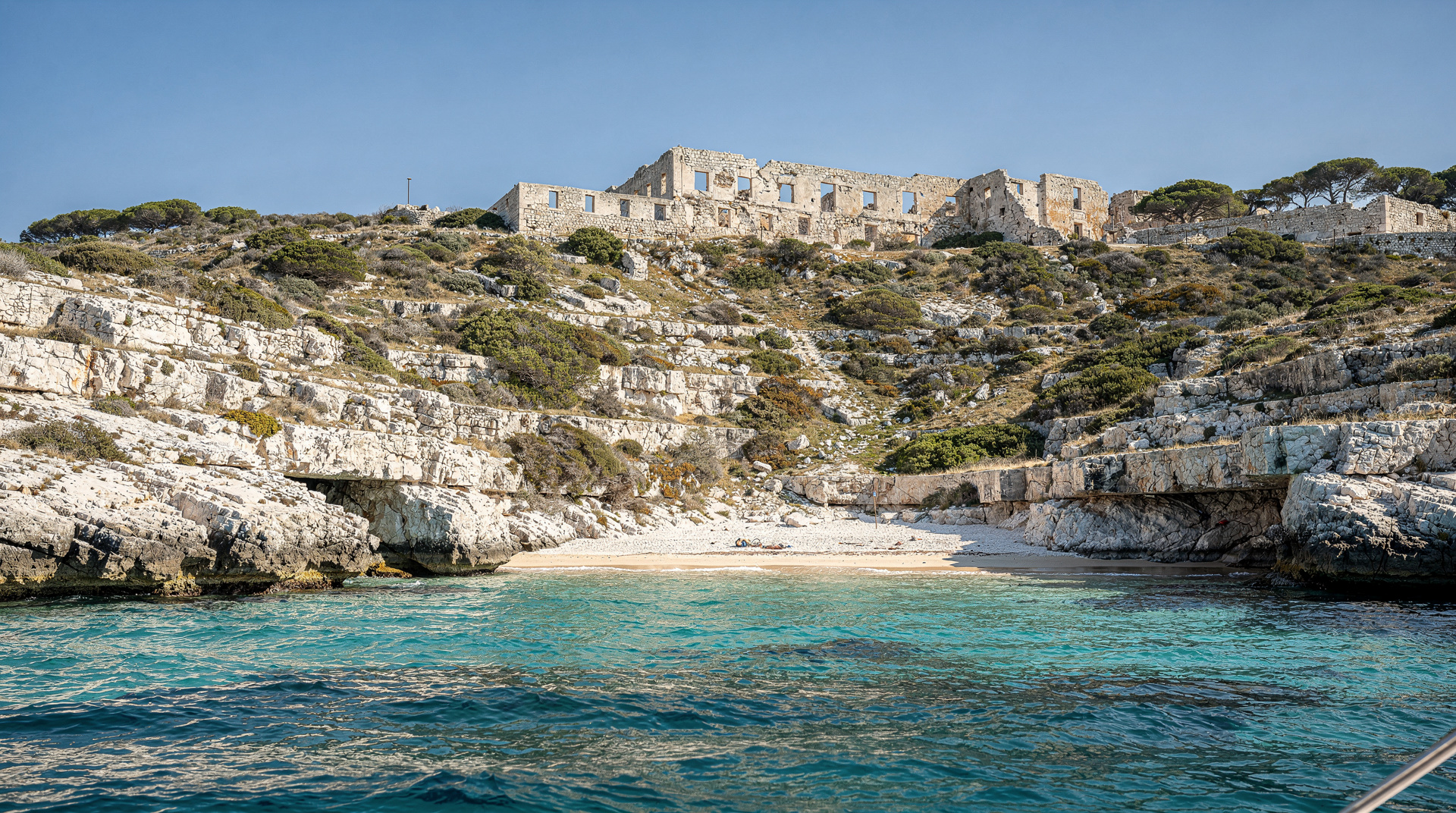
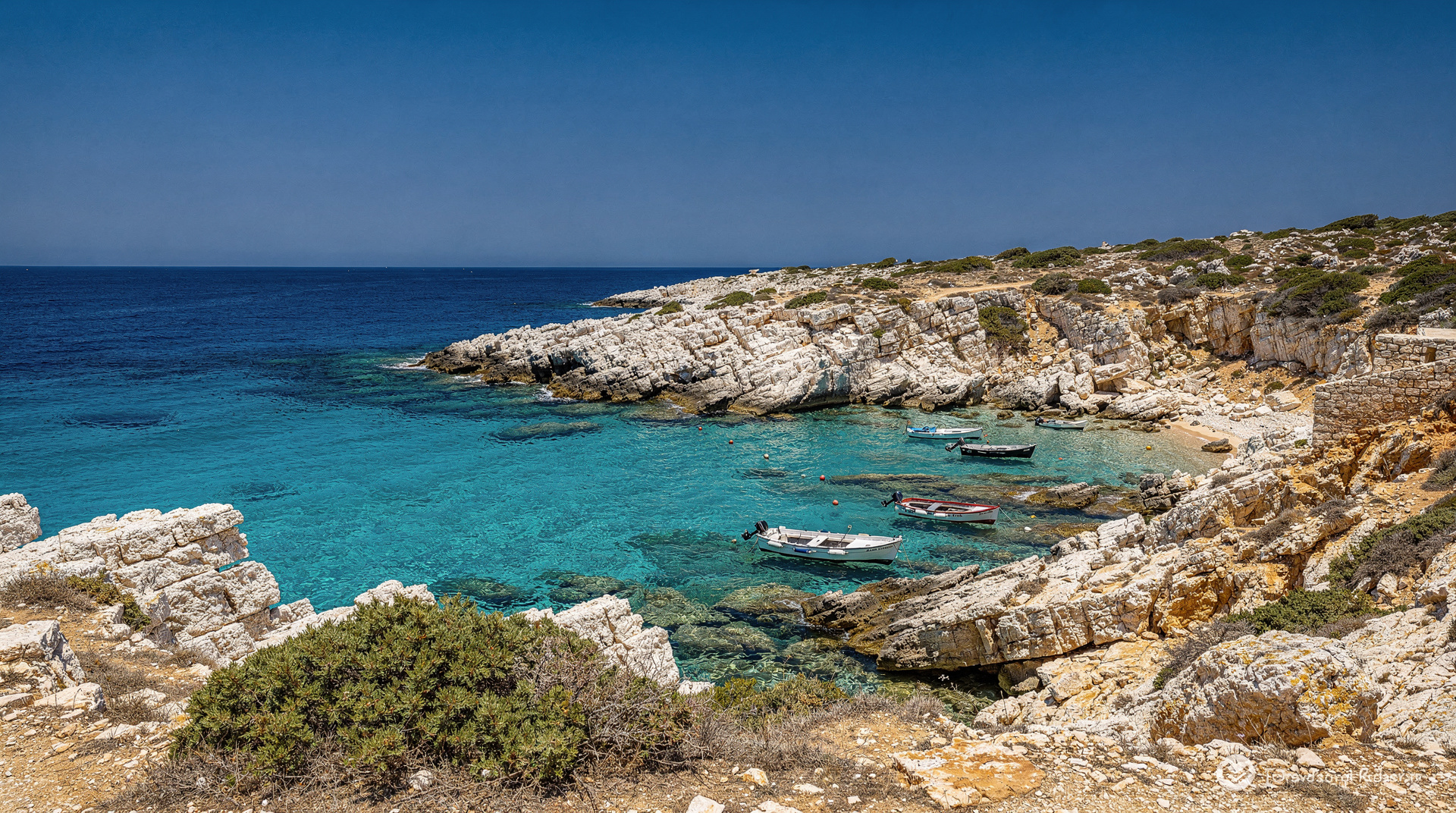
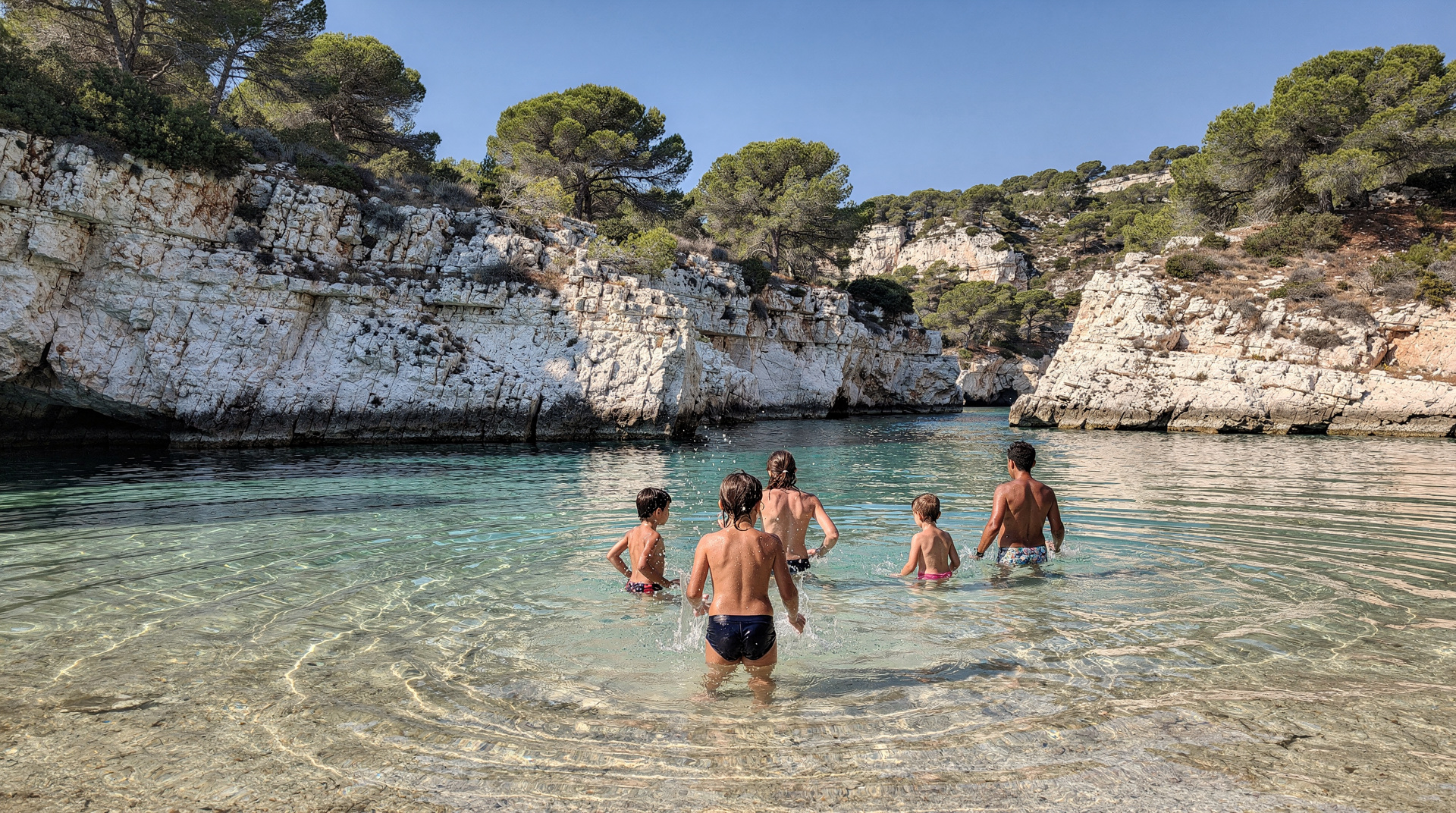
Swimming coves: The clearest swimming is at the Anse de Palama on Ratonneau — a naturally sheltered cove with rocky entry and clear water, 15 minutes on foot from the ferry dock. The Anse de Morgeret on Pomègues is larger and slightly more accessible. Neither has a lifeguard — swimming is self-supervised. The water is clear, relatively shallow near the rocks, and warm from late June through October.
For children who need calm, shallow water: the harbour-side area at Port du Frioul has calmer water than the outer coves, though less dramatic scenery. In a short-wave swell day, the inner harbour is more suitable for young children than the exposed outer coves.
The fortress — Caroline Hospital: The large fortress on Ratonneau, the Hôpital Caroline, was built as a quarantine hospital in the 19th century to isolate passengers from ships arriving with plague. It was later used in WW2. Much of it is now partly accessible — the vaulted corridors, the exterior walls, and the observation positions — and is genuinely interesting for children aged 8 and above who like historical exploration. It is architecturally dramatic: large limestone arches, grass growing through the floors, views across the harbour from the upper walls.
WW2 history: The islands were fortified by both the French navy and the German occupation, and the traces of this are visible in the landscape — concrete blockhouses, gun emplacements, and observation positions cut into the limestone. For children interested in military history or exploration, these are interesting to find on the walking paths.
Walking paths: The islands are small enough to explore substantially in 2–3 hours on foot. The main walking route from the ferry dock to Ratonneau’s northern point and back is around 4 km with modest elevation change. This is manageable for children aged 7 and above at a family pace. For younger children, the area immediately around the dock and Port du Frioul beach is sufficient for a half-day.
The picnic imperative
There is no supermarket, no well-stocked café, and no reliable snack provision on the Frioul Islands. There is one small café/bar near the ferry dock that operates in summer and has limited provisions. That is it.
Bring everything. Water (minimum 1.5 litres per person on a summer day — more if hiking the outer paths), sun cream (applied before the ferry, reapplied on the island), hats, food for lunch and snacks, a small first-aid kit (for the inevitable scraped knee on rocky terrain), swimming kit and a small towel per person.
Picnic logistics: The best picnic spot is the Anse de Palama after swimming — bring a waterproof bag to carry everything to the cove. Alternatively, picnic in Port du Frioul harbour area with views of the anchored boats. Do not plan to buy lunch on the islands.
Footwear: Water shoes or closed sandals for the rocky swimming entries. Trail runners or comfortable walking shoes for the paths. Flip-flops are not suitable footwear for the outer walking routes.
Full day vs half day
Half-day (4–5 hours total): Sufficient to take the ferry, spend 2 hours on the island (swimming + harbour walk), and return comfortably. Best for families with children under 7 or for those who want to continue with other activities in Marseille in the afternoon.
Full day (6–8 hours total): Allows swimming, a proper walk to the outer coves, exploration of the Hôpital Caroline, lunch on the island, and a return on a later ferry. Best for families with older children (aged 8+) and for those who want to feel they have genuinely explored the archipelago.
Recommended schedule for a full family day:
- 09:30: ferry from Vieux-Port
- 10:00–10:30: arrive, walk to Anse de Palama (15 min), set up
- 10:30–12:30: swimming, exploration of the cove, children exploring rock pools
- 12:30–13:30: picnic lunch
- 13:30–15:00: walk to Hôpital Caroline ruins and outer paths (ages 7+), or harbour area with younger children
- 15:00–16:00: return walk to ferry dock
- 16:00–16:30: wait for return ferry, ice cream from the dock café if open
- 17:00: arrival back at Vieux-Port
Combining with Château d’If
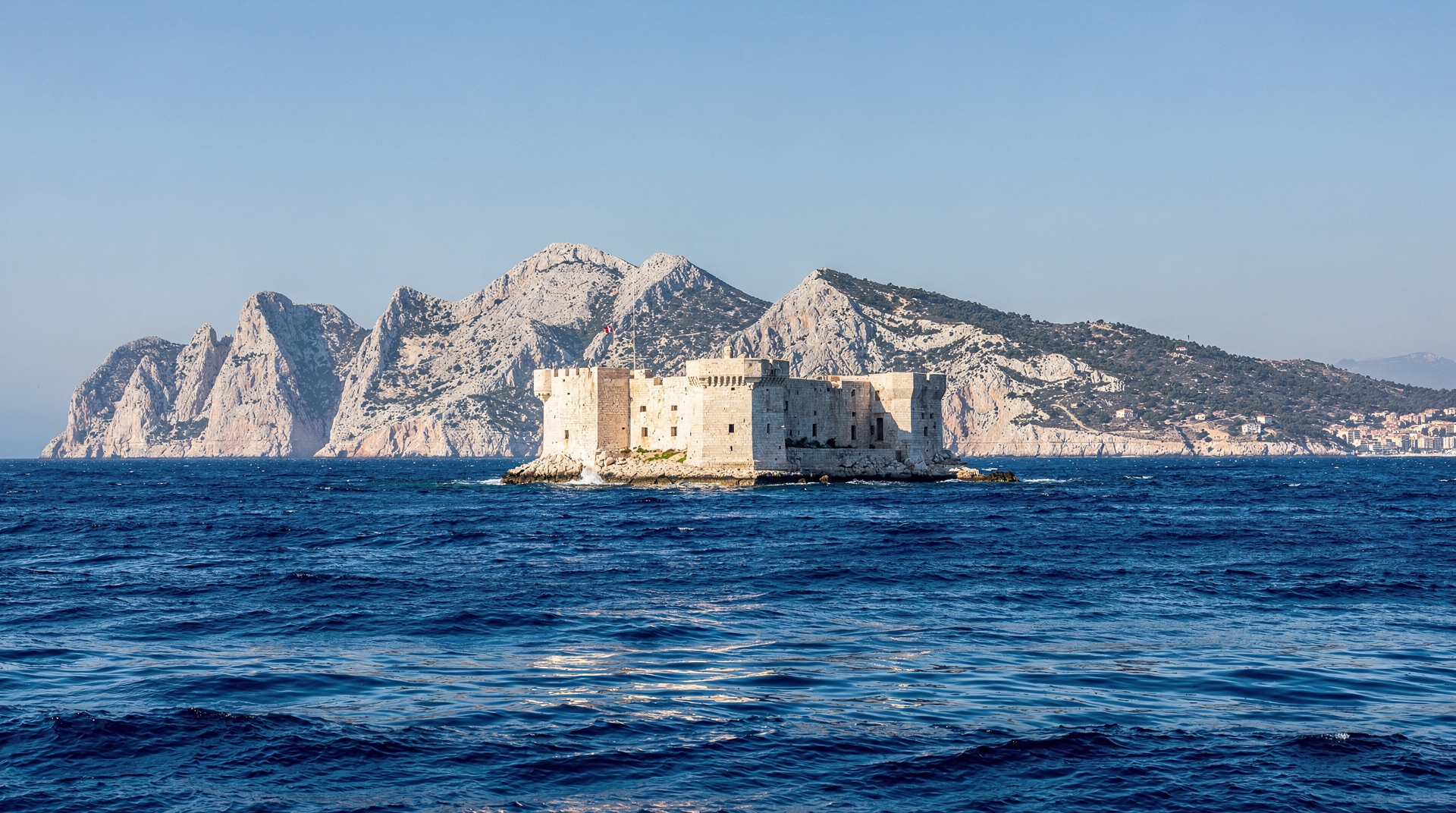
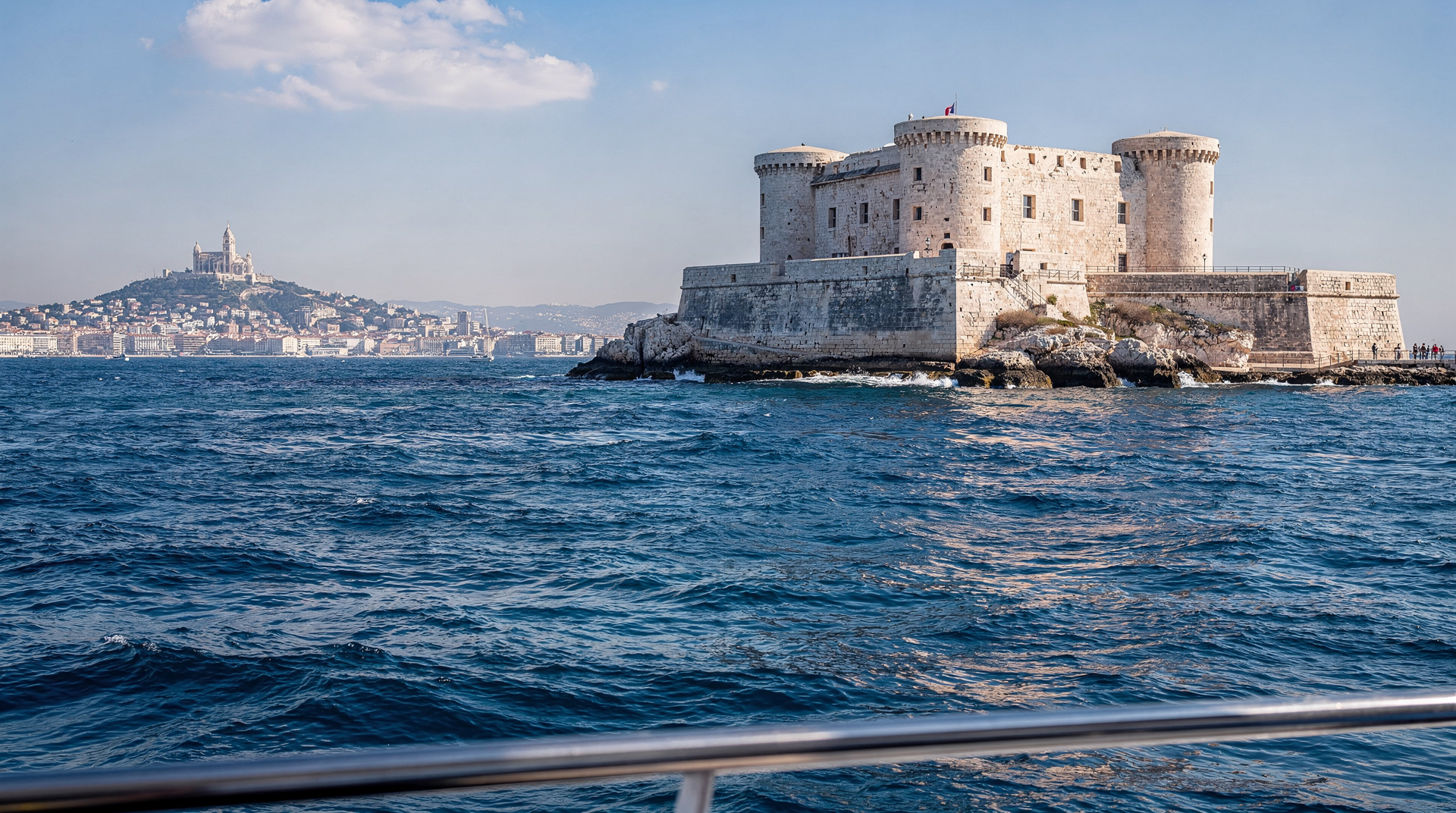
The Château d’If — the island fortress from Alexandre Dumas’s Count of Monte Cristo — is a 15-minute detour on the ferry route. The combined ticket includes both Château d’If and the Frioul. For children who know the story (typically aged 10+), the island prison is atmospheric and interesting. For younger children, it is a bare stone fortress that is less compelling than the swimming coves.
Practical note: A combined Château d’If and Frioul day is a full day — plan 1 hour at Château d’If (the island is small; you do not need more) and 4 hours on the Frioul. This works for families with older children who can sustain a full day of active exploration. For younger children, skip Château d’If and maximise time at the Frioul swimming coves.
What to watch out for
Sun exposure: The Frioul Islands have almost no shade outside the built ruins. On a summer day (July–August), 11:00–15:00 is genuinely intense. Build a genuine midday rest into the plan — the harbour café area has some shade, or the interior of the Hôpital Caroline provides cover.
Sea conditions: On mistral days (the cold, dry north wind that affects Marseille), the crossing can be rough and the outer coves choppy. Check the weather before going. The inner harbour area is calmer in any conditions.
Children in water: No lifeguard is present anywhere on the islands. Rocky entry means children should wear water shoes and adults should assess depth and current before children enter. The inner harbour area is calmer; the outer coves can have a gentle surge around the rocks that requires adult supervision for young swimmers.
The Frioul Islands in context: what makes them special
The Frioul Islands feel remote in a way that is remarkable for a place 3 kilometres from a city of 900,000 people. The combination of factors that produces this feeling — no cars, no commercial development, limited facilities, rocky wild landscape, clear sea — is almost impossible to find so close to a major European city.
The islands’ character comes partly from their history. Ratonneau and Pomègues were connected by a built causeway (the Caroline jetty) in the 19th century to create the large quarantine facility — the Hôpital Caroline — that isolated arriving passengers from plague-affected ships. The quarantine history meant no permanent residential settlement was allowed to develop. The military use in WW2 added fortifications but no housing. The result is an archipelago that remains essentially uninhabited despite centuries of use, and this uninhabited quality is exactly what makes it feel like an escape.
Wildlife on the Frioul Islands
The Frioul Islands are a nature reserve and home to several seabird colonies that are not commonly seen on the mainland coast. The yellow-legged gull (goéland leucophée) nests here in large numbers and is visible at close range throughout the island — close enough to study without binoculars. The Yelkouan shearwater, a Mediterranean endemic, also nests on the Frioul, though it is harder to spot.
For children with any interest in natural history, the birdlife is a genuine bonus — the islands are one of the few places in the Marseille area where seabirds are habitually unafraid of human presence. Bring binoculars if you have them; they significantly enrich the island walking.
Managing the midday heat (summer visits)
In July and August, the Frioul Islands in midday are genuinely exposed. The vegetation is low Mediterranean scrub — very little shade outside the Hôpital Caroline ruins and a few corner areas of Port du Frioul. From approximately 12:00 to 16:00, the sun on open limestone is intense.
Practical midday strategies:
- Schedule swimming during the middle of the day — the water provides the cooling that the land does not
- The interior of the Hôpital Caroline provides shade in its vaulted spaces — this is a good midday stop for families with younger children
- The café at Port du Frioul (seasonal, limited menu) has a shaded terrace area
- The path around the western edge of Ratonneau has some low pines that provide partial afternoon shade
A family that arrives at 10:00, swims from 11:00 to 13:00, picnics in the Caroline interior from 13:00 to 14:30, and then does the outer path walk in the cooler late afternoon before a 17:00 return ferry is using the island’s resources sensibly in summer.
Boat tour alternatives to the standard ferry
The standard RTM Frioul If Express is a public ferry — efficient, inexpensive, and reliable. Several tour operators also offer guided versions of the same journey that add a swimming stop at the Calanques entrance or additional narration. These are more expensive (EUR 30–55 per adult versus EUR 10.80 for the public ferry) but provide a more structured experience with swimming gear included and a guide explaining the islands and the surrounding coastline.
For families who want the Frioul Islands as part of a broader half-day coastal experience — rather than simply as a destination to explore independently — a boat tour version may be more satisfying. For families who want to explore at their own pace (which works better with mixed-age children), the standard ferry is more flexible.
The Frioul boat tours on GetYourGuide include swim-stop variants that anchor near the Calanques entrance on the way to or from the Frioul — giving you both the boat experience and a swimming stop in clear open-sea water. This adds around an hour to the total trip time.
For the overall Marseille family picture — all activities, age recommendations, and practical logistics — see our family activities guide. For the detailed ferry logistics (timetable, pricing, how to get to the departure point), see our Frioul ferry guide.
If the family wants sand instead of rock
The Frioul coves are rocky and pebbly, not sandy — a fine trade for older children who enjoy scrambling and snorkelling, but not what every family wants for a beach day with young toddlers. If sand and a gradual shallow entry matter more than the boat adventure, our family beaches near Marseille guide covers the Prado beaches and other sandy alternatives on the mainland. For families weighing the Frioul against a boat trip into the Calanques instead, the two are genuinely different experiences — the Frioul is walkable and self-paced, while a Frioul boat tour or Calanques boat tour is guided and time-boxed.
Where the Frioul fits in a wider family trip
A day on the islands rarely stands alone. Most families slot it into a longer stay, and it pairs well with the quieter days around it. If you are still choosing a base, our guide to the best area to stay for families explains which neighbourhoods keep the Vieux-Port ferry within easy reach of tired children. The Vieux-Port destination page describes the quay where the boat leaves, and the Frioul Islands destination page gives the wider picture of what the archipelago offers.
For a full plan that places the islands among other child-friendly days, the three days in Marseille with family itinerary shows how to balance a boat day against calmer city and beach days. Families who want a second boat-and-swim outing can compare it with the kid-friendly Calanques guide, which covers the mainland coves that suit children. If the island day leaves you curious about the other fortress in the bay, the Château d’If guide helps you decide whether it is worth a separate visit.
After a morning of swimming and scrambling, children usually want something simple to eat back on the mainland. Our Vieux-Port area guide is a good place to look for an easy evening near the quay, and the Marseille with kids guide collects more ideas for the days when the weather or the mistral keeps you off the water. A lazy afternoon after the ferry also works well alongside the Prado beaches guide if the children still have energy for sand.
Frequently asked questions about A family day out on the Frioul Islands
What is the minimum age for a Frioul Islands family day?
There is no strict minimum, but the islands work best from around age 3, once a child can manage a 30-minute open-deck ferry crossing and some walking on uneven limestone paths. For babies and very young toddlers, the half-day plan (ferry, harbour-side paddling, ferry back) is more realistic than a full day of hiking to the outer coves.Are there toilets and shade on the Frioul Islands for children?
Toilets are available at Port du Frioul near the ferry dock. Shade is limited outside the vaulted interior of the Hôpital Caroline and a shaded terrace at the seasonal harbour café — most of the island is open scrubland with little natural cover, so bring a sun hat, sunscreen, and reapply through the day.
Top experiences
Bookable activities with verified prices and instant confirmation on GetYourGuide.