Cassis vs La Ciotat: two very different seaside towns
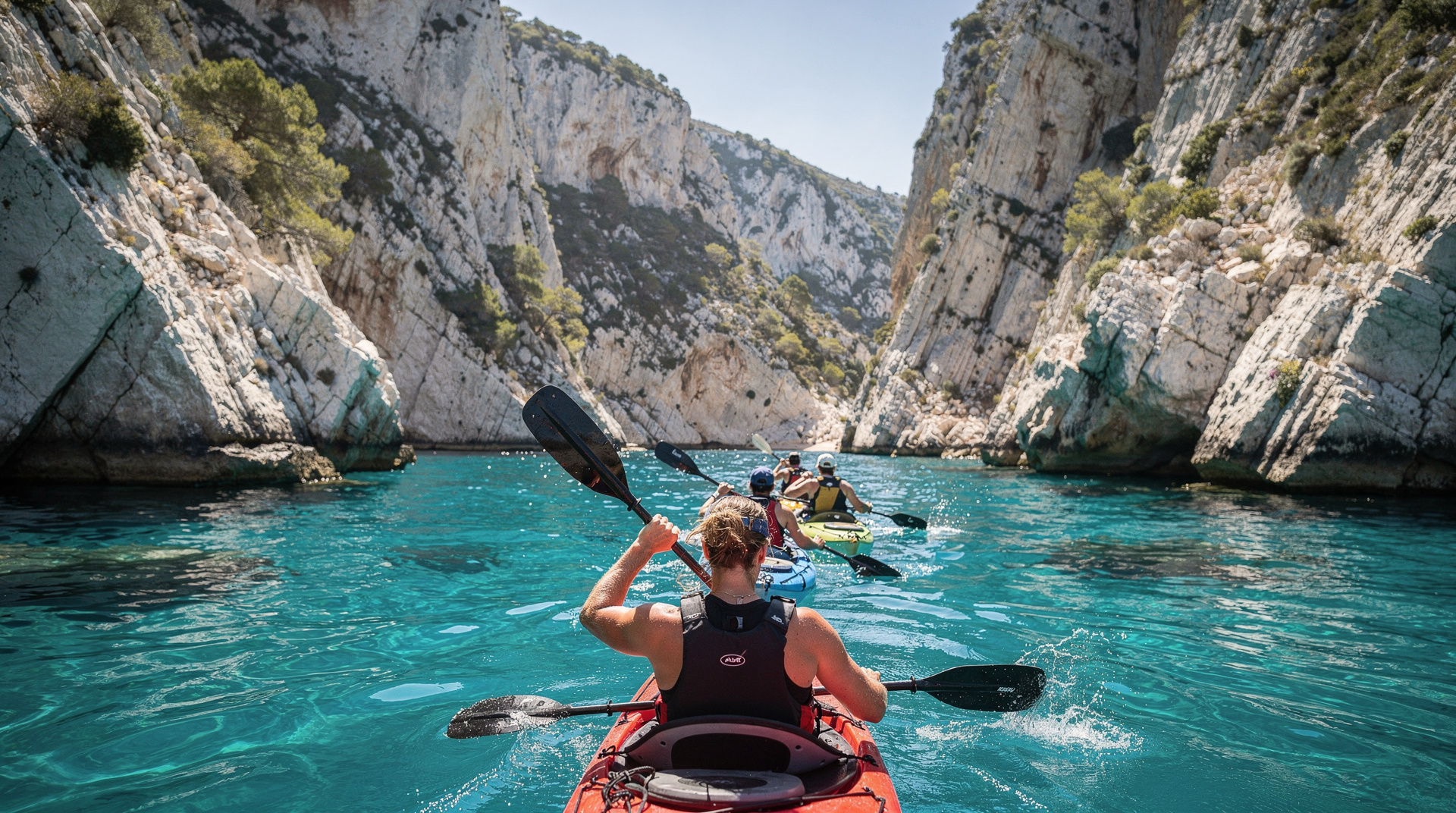
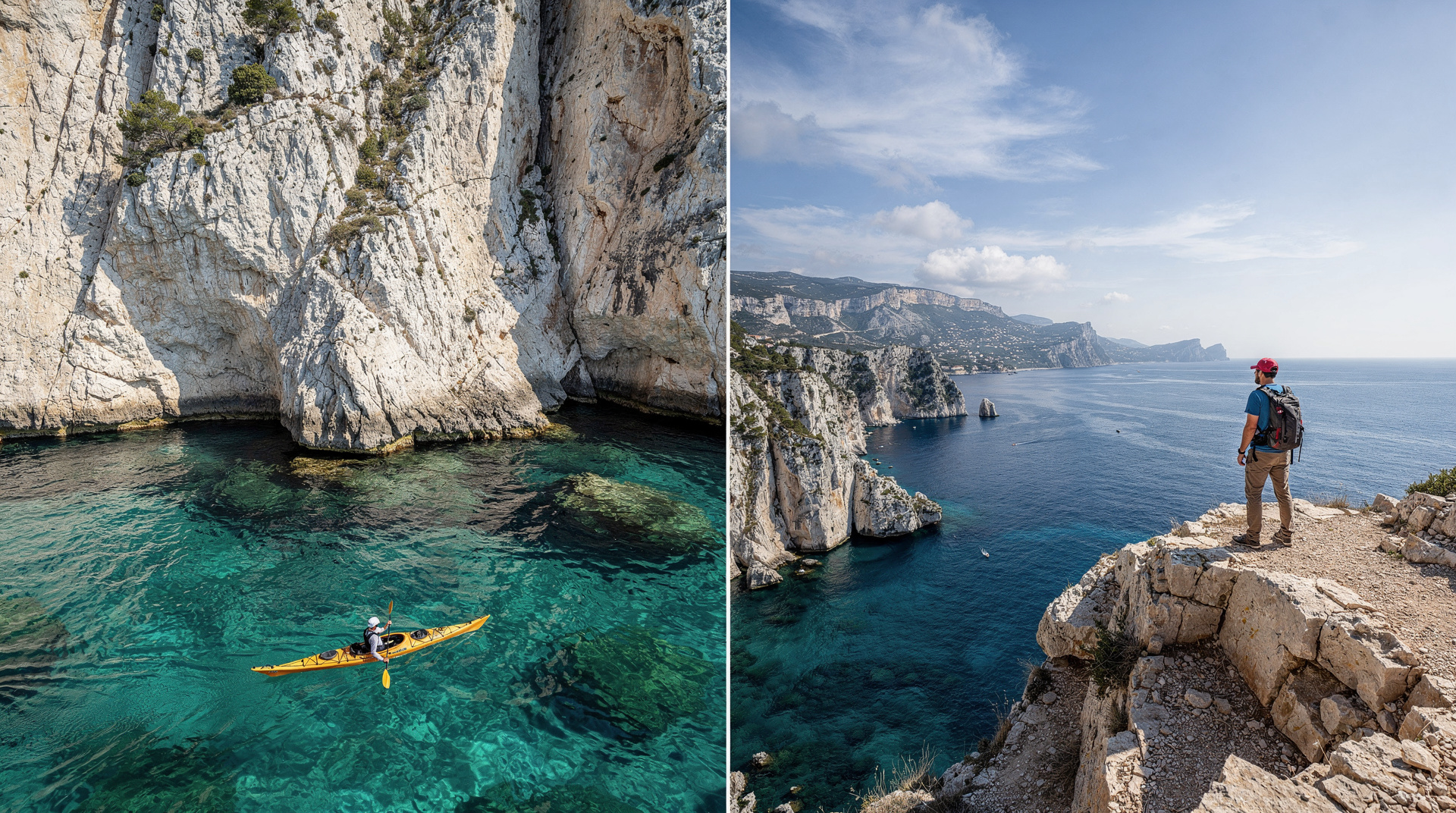
Cassis: Calanques National Park sea-kayaking tour
Duration: 3-7 hours
Should I visit Cassis or La Ciotat?
Cassis if you want a beautiful, expensive Provençal port with Calanques access and great wine. La Ciotat if you want a real working town with shipyard history, Lumière brothers heritage, genuinely good beaches, and prices that reflect local rather than tourist demand.
Ten kilometres, two different worlds
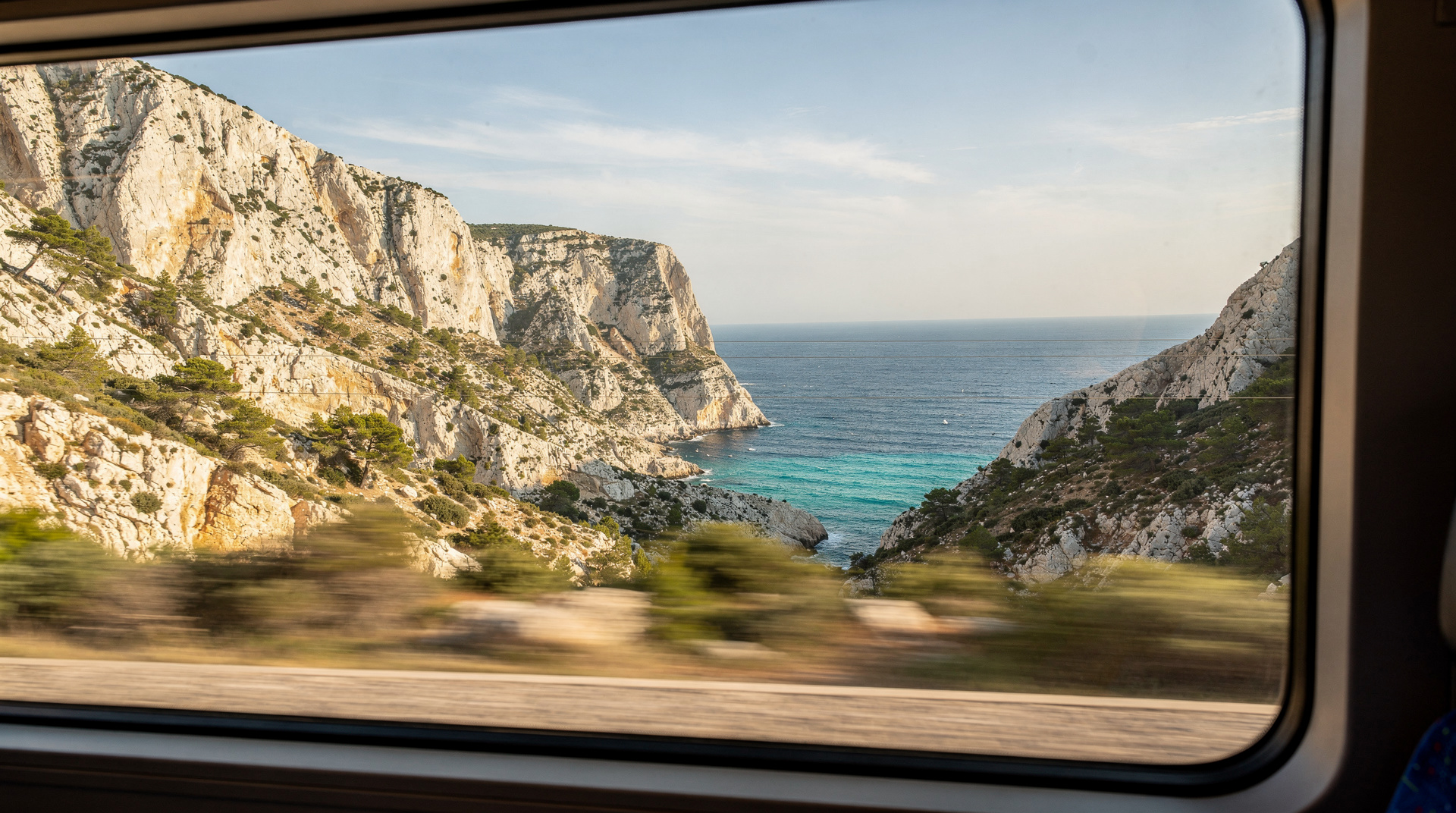
Cassis and La Ciotat sit 10 kilometres apart on the same stretch of coastline between Marseille and Toulon. They share the same blue Mediterranean, similar limestone geology, and proximity to the Calanques National Park. In almost every other respect — social character, visitor profile, prices, things to do — they are strikingly different.
Cassis has become one of the most photographed small ports in France. La Ciotat has a history as one of France’s most important shipbuilding towns — and a claim to a piece of cinema history that most visitors do not know about.
Neither is objectively better. They offer different things, at different prices, to different travellers.
| At a glance | |
|---|---|
| Where | Cassis and La Ciotat, 10 km apart between Marseille and Toulon |
| Cost | Cassis runs noticeably higher (port-side restaurants, tourist demand); La Ciotat is priced more like a local town |
| Time needed | Half a day for either; a full day to combine both |
| Getting there | TER train from Marseille Saint-Charles to either station (Cassis around 35 min, La Ciotat around 50 min) |
| Best time | May, June, or September for both — avoids the worst of the July-August Cassis crowds |
Cassis: the postcard port, honestly assessed
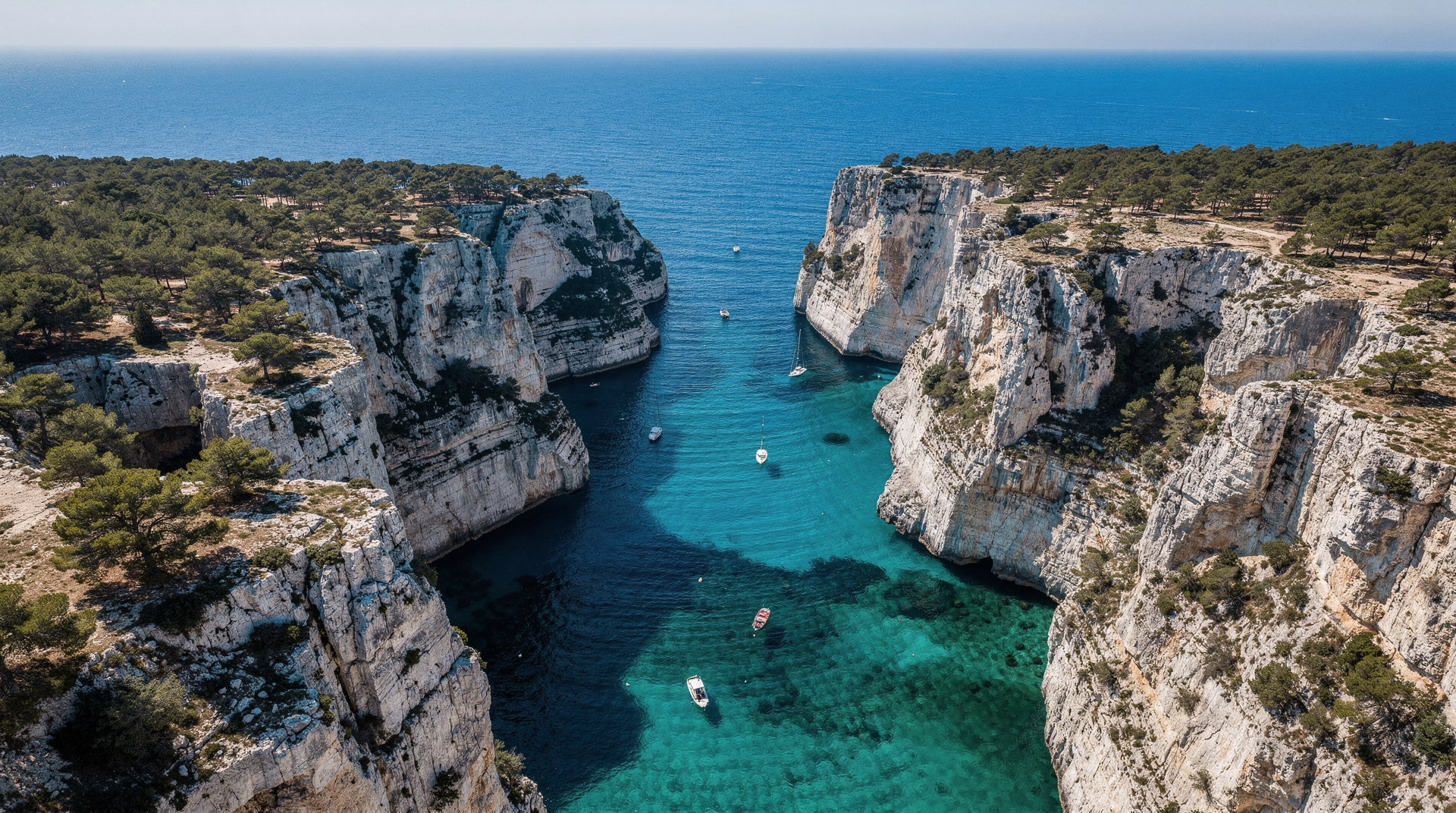
What Cassis actually is: A small port town of around 7,500 residents, backed by the Cap Canaille — the highest sea cliff in France at around 400 metres — and adjacent to the eastern entrance to the Calanques National Park. The port is undeniably beautiful: colourful fishing boats, restaurants along the waterfront, ochre and pale stone buildings, and a quality of light that makes every photograph look effortlessly good.
What makes it worth visiting:
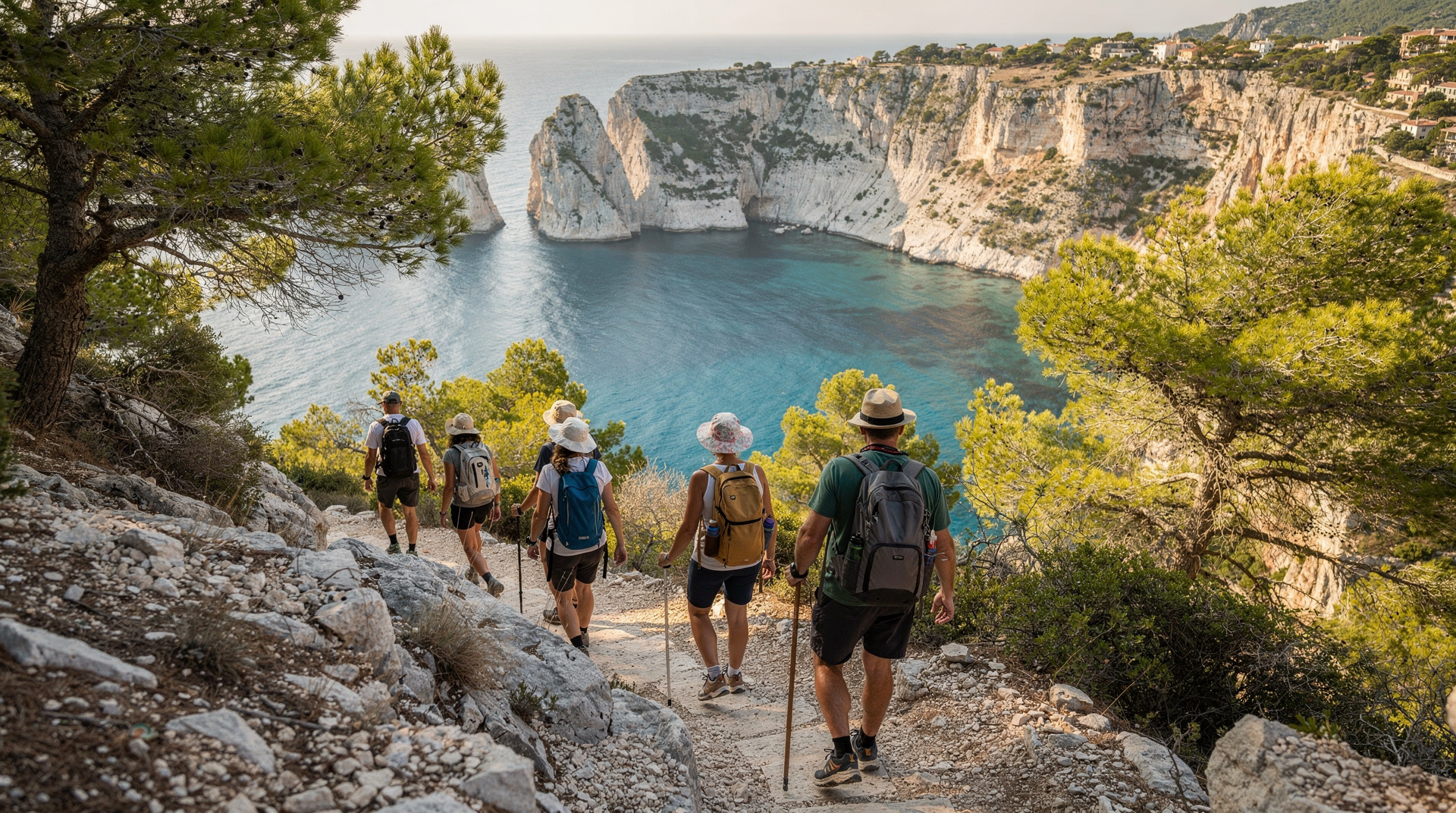
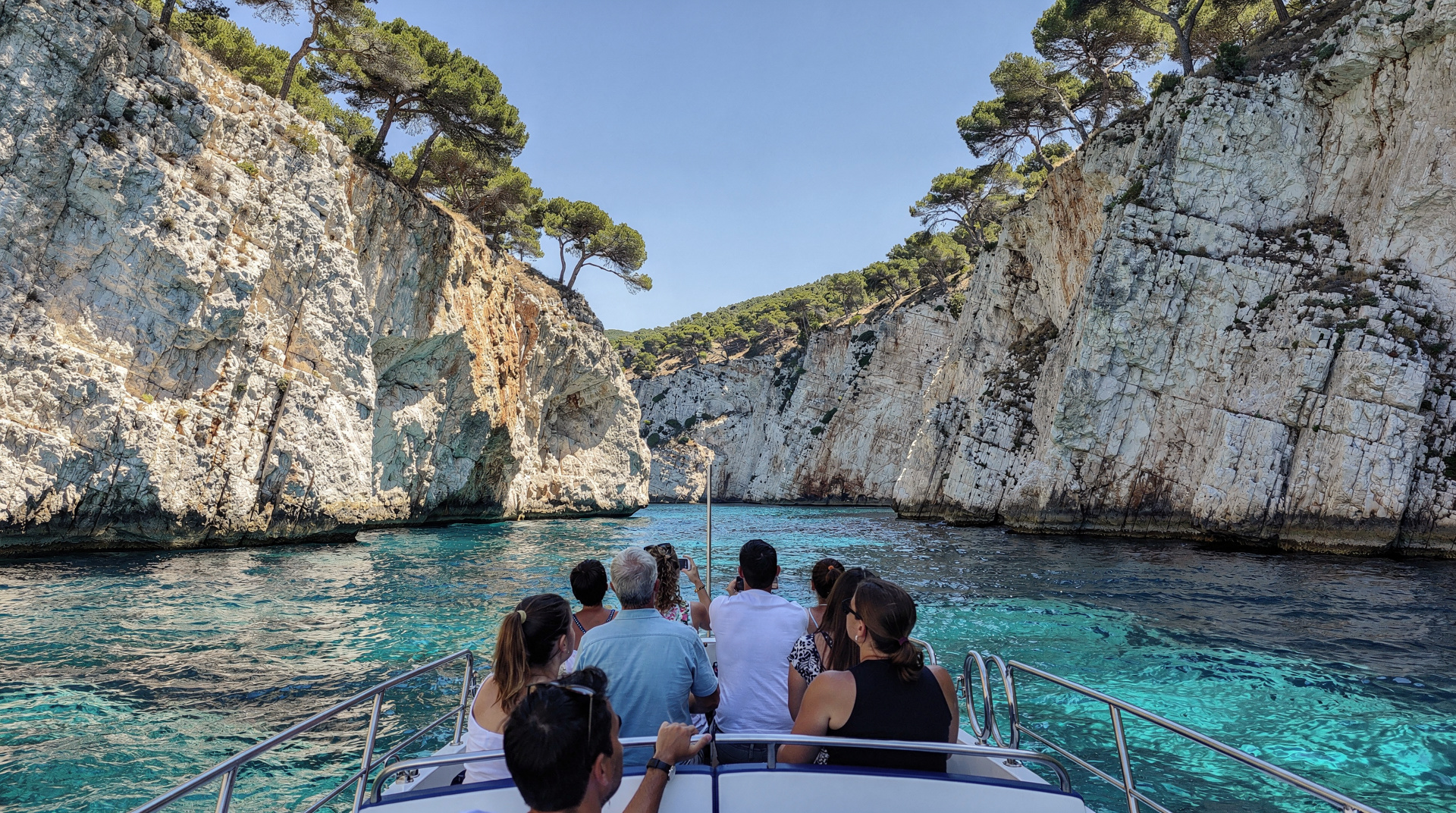
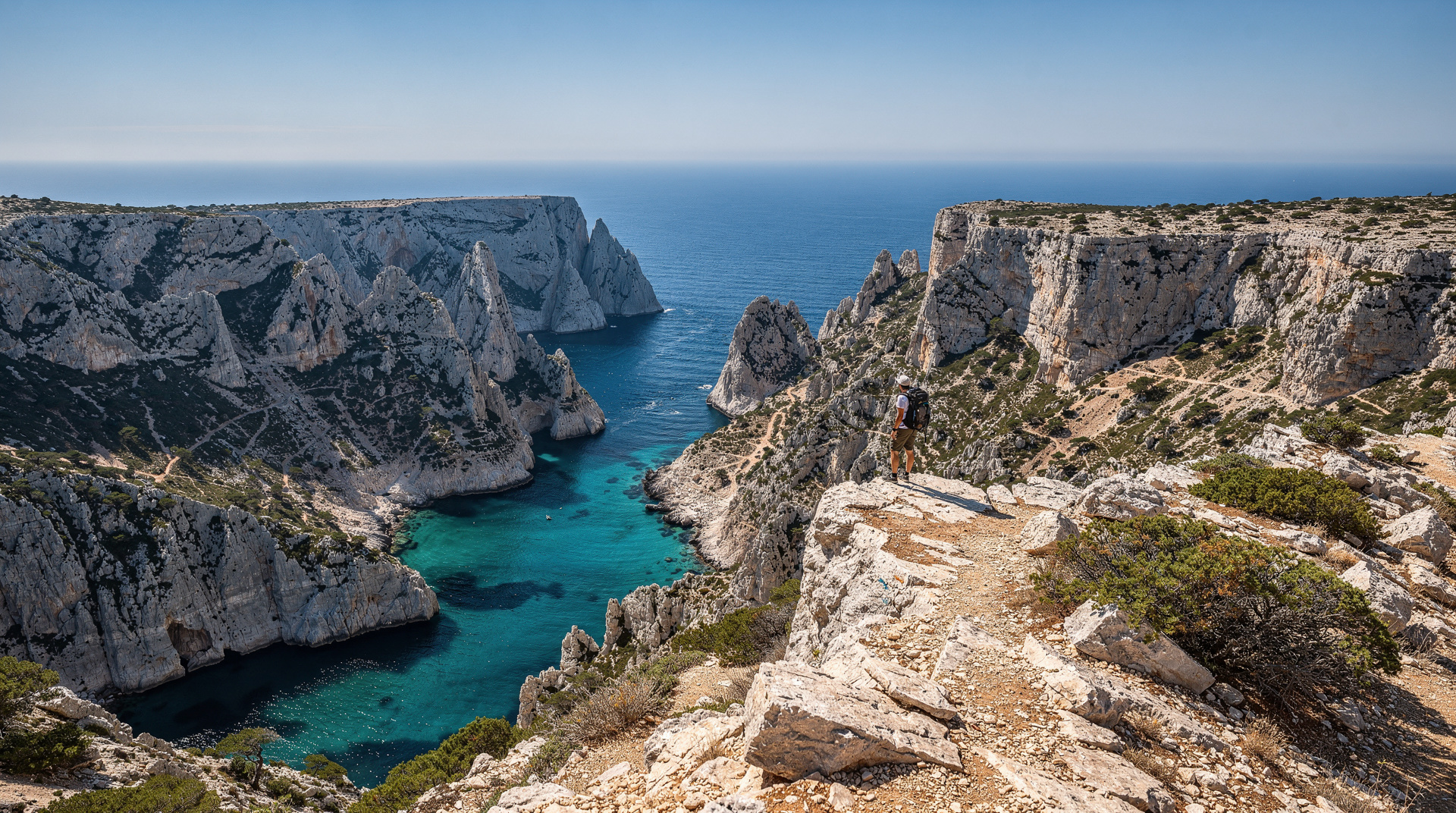
The Calanques access is Cassis’s primary distinction from a practical standpoint. The Calanques of Port-Miou, Port-Pin, and En-Vau are accessible by trail from the town (Port-Miou is 20 minutes on foot), or by boat from the port. This means a Cassis day trip is simultaneously a town visit and a Calanques visit — something the Marseille-side approach (metro to bus to Luminy) does not offer in the same integrated way.
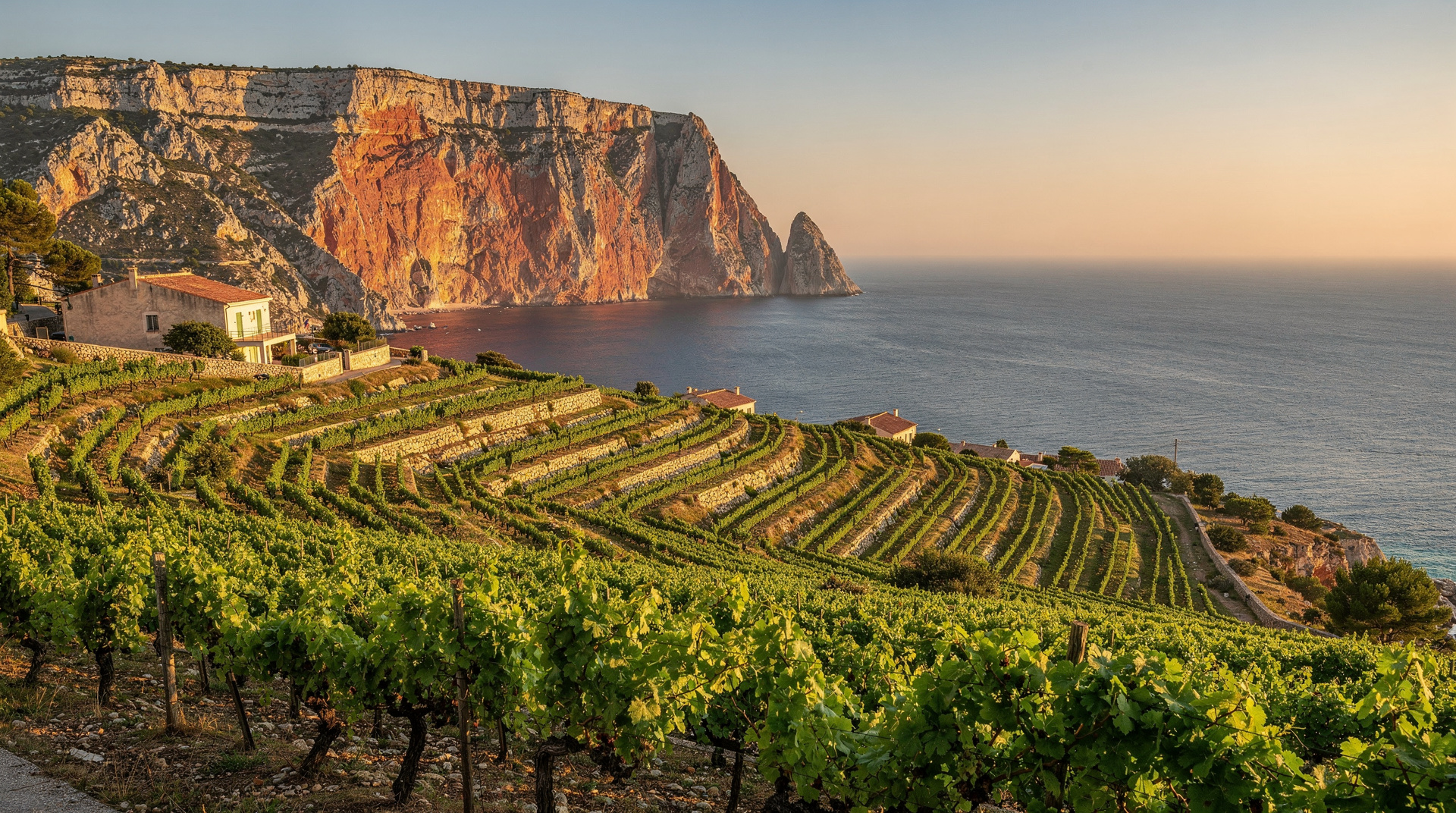
The Cassis AOC wine is genuinely excellent and specific to this small production zone around the town. The dry white (predominantly Marsanne, Clairette, and Ugni Blanc) is one of the better food wines produced in Provence, particularly with seafood. A visit to a Cassis winery by electric buggy — one of the more enjoyable active-tourism experiences in the area — takes you through vineyards between the town and Cap Canaille and includes tastings.
The honest problem with Cassis: It is extremely popular and has become visibly oriented toward tourist commerce. The port-side restaurants are expensive and inconsistent — the waterfront setting adds a premium that the food sometimes does not justify. In July and August, parking is genuinely impossible (use the train or bus from Marseille — 35 minutes), and the port becomes very crowded between 11:00 and 17:00.
Cassis is at its best in May, June, or September: the crowds are more manageable, the weather is still excellent, and the hiking and water activities can be enjoyed without the August intensity. At peak summer, it is a beautiful place that has been somewhat overwhelmed by its own success.
Getting there: Train from Marseille Saint-Charles (35 minutes, around EUR 6). Bus from Marseille (longer but more frequent). By car, parking is difficult in summer — the train is strongly recommended.
La Ciotat: the real town no one tells you about
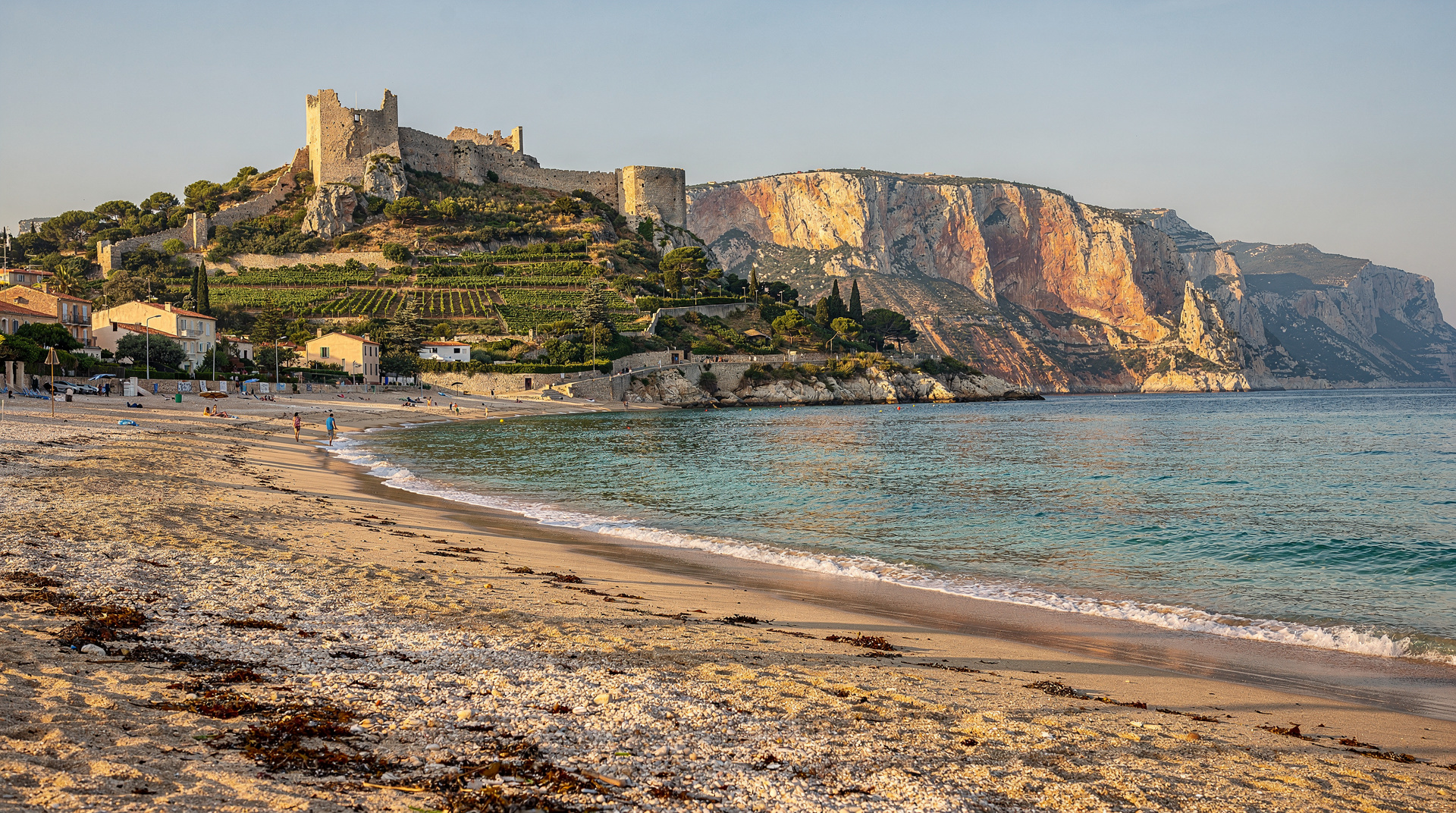
What La Ciotat actually is: A working port town of around 35,000 residents, with a shipyard history that stretches back centuries and a more recent transformation into a pleasure-boat marina and residence for families priced out of Cassis. It is not a tourist town in the conventional sense — there are tourist attractions, but the town’s primary identity is local, industrial, and residential.
The Lumière brothers connection: In 1895, Louis and Auguste Lumière filmed “L’Arrivée d’un train en gare de la Ciotat” — one of the earliest motion pictures ever made — at La Ciotat’s railway station. The Eden cinema in La Ciotat, where one of the first public screenings took place in 1899, is now a UNESCO-listed cultural heritage site and still operating as a cinema. For cinema history, La Ciotat is a genuine pilgrimage destination. For everyone else, it is an interesting footnote and a pleasant reason to look up from the beach.
The beaches: La Ciotat’s beaches are significantly better for conventional beach-going than Cassis’s. The Plage du Mugel, the Plage de la Baie, and the coves around the Ile Verte (accessible by a short boat ride) are sandy or sandy-pebble, accessible without booking or paying, and provide the relaxed beach day that Cassis’s expensive waterfront does not facilitate as naturally.
Calanques access: La Ciotat is within the Calanques National Park zone and has its own guided kayak and boat tours accessing the eastern Calanques and the Ile Verte area. These are less visited than the Cassis-side or Marseille-side Calanques and provide a good alternative for those who want the coastal experience without the crowds of the more famous access points.
Prices: Markedly lower than Cassis. A lunch in La Ciotat — at a genuinely good local brasserie or at one of the port-side restaurants serving fresh fish — costs measurably less than the equivalent in Cassis. The town feels like it is priced for its residents rather than for arriving tourists, which is increasingly rare in the coastal zone between Marseille and Toulon.
Cassis in depth: what the port actually offers
The port and its boats: The working boats at Cassis are mostly leisure craft and a small remaining fishing fleet, but the port retains a working feel that many comparable Provençal ports have lost entirely. Fishing boats come in during the morning with the night’s catch, and there is a small fish market adjacent to the harbour. This is a modest affair compared to Marseille’s Quai des Belges, but it gives the port a credential beyond the restaurant terraces.
Cap Canaille: The limestone cliff behind Cassis, at around 394 metres the highest sea cliff in France, is visible from the port and from the beach. Walking up to Cap Canaille from Cassis takes approximately 2 hours and rewards with a panoramic view over the entire coastline from the Calanques to La Ciotat. The view from the top across to the Calanques and back toward La Ciotat is one of the most spectacular vantage points on the French Mediterranean.
The village behind the port: Cassis has a small historic centre — a few streets of Provençal architecture, a castle (now a hotel, not open to the public), the main market square — that is worth spending an hour in. The market takes place Wednesday and Friday mornings.
La Ciotat in depth: history and the cinema connection
The Lumière brothers in La Ciotat: In the summer of 1895, Louis and Auguste Lumière brought a prototype cinematograph to their family villa in La Ciotat. They filmed “L’Arrivée d’un train en gare de La Ciotat” (a train arriving at the station — the legend that audiences fled the screen is probably exaggerated but reflects the shock of the medium) and other early films at the town’s locations. On 21 September 1895, the Eden cinema hosted what is now acknowledged as one of the first public cinema screenings in history, predating the famous Paris Lumière screening by a few months. The Eden (now UNESCO-listed) continues to operate as a cinema — an extraordinary continuity.
The shipyard heritage: La Ciotat’s shipyard was one of the most important in France for over a century, building ships including France’s first nuclear submarine. The yard closed in 1990 with devastating employment consequences for the town; the process of industrial conversion (now a luxury yacht repair and maintenance facility) and the social recovery are still visible in the town’s character. The massive cranes at the northern end of the port are a significant industrial landmark and a reminder of what the town was built around.
The practical comparison
| Factor | Cassis | La Ciotat |
|---|---|---|
| Calanques access | Best in the area (Port-Miou, Port-Pin, En-Vau) | Good eastern Calanques and Ile Verte |
| Beach quality | Small, crowded in summer | Larger, more spacious, more relaxed |
| Prices | High (tourist economy) | Moderate (local economy) |
| Visual charm | Very high (photogenic port) | Moderate (working town with good corners) |
| Crowds (summer) | High to very high | Moderate |
| Wine | Excellent Cassis AOC | No distinctive local production |
| Cultural heritage | Cave/cliff/Calanques | Eden cinema, Lumière heritage |
| Getting there | Train 35 min from Marseille | Train 50 min from Marseille |
Which day trip to do
Choose Cassis if: You want the most photogenic Provençal port on the coast, you plan to hike or kayak the eastern Calanques (Port-Miou, Port-Pin, En-Vau), or you want to do a Cassis wine tasting tour. Come in spring or early autumn to avoid the worst of the summer peak. Do not drive — take the train.
Choose La Ciotat if: You want a genuine beach day without premium tourist prices, you are interested in the Lumière brothers history, you want to kayak or boat through quieter coastal zones, or you are looking for a day trip that feels like discovering something rather than visiting somewhere famous.
Do both if: You have a flexible itinerary and are spending a week or more in the Marseille area. They are 10 km apart and the train from Marseille stops at both. A combined day — morning in Cassis for the port and a short Port-Miou walk, lunch in La Ciotat for a beach afternoon — is a natural and very pleasant structure.
The wine question
Cassis has one of the smallest AOC appellations in France — around 200 hectares of vines producing approximately 800,000 bottles per year. The white wines, made primarily from Marsanne, Clairette, and Ugni Blanc, are among the best food wines produced in Provence: dry, mineral, with citrus and herbal notes that work particularly well with seafood and fish. The rosés and reds are less distinguished.
The appellation’s size means Cassis AOC wine is hard to find outside the region. Buying directly from a winery in Cassis — the vineyards are mostly between the town and Cap Canaille — is one of the better-value wine experiences in the south of France. The electric buggy winery tour is a genuinely pleasant way to access them without needing a car.
La Ciotat has no equivalent wine culture. It is not a wine destination.
What each town looks like
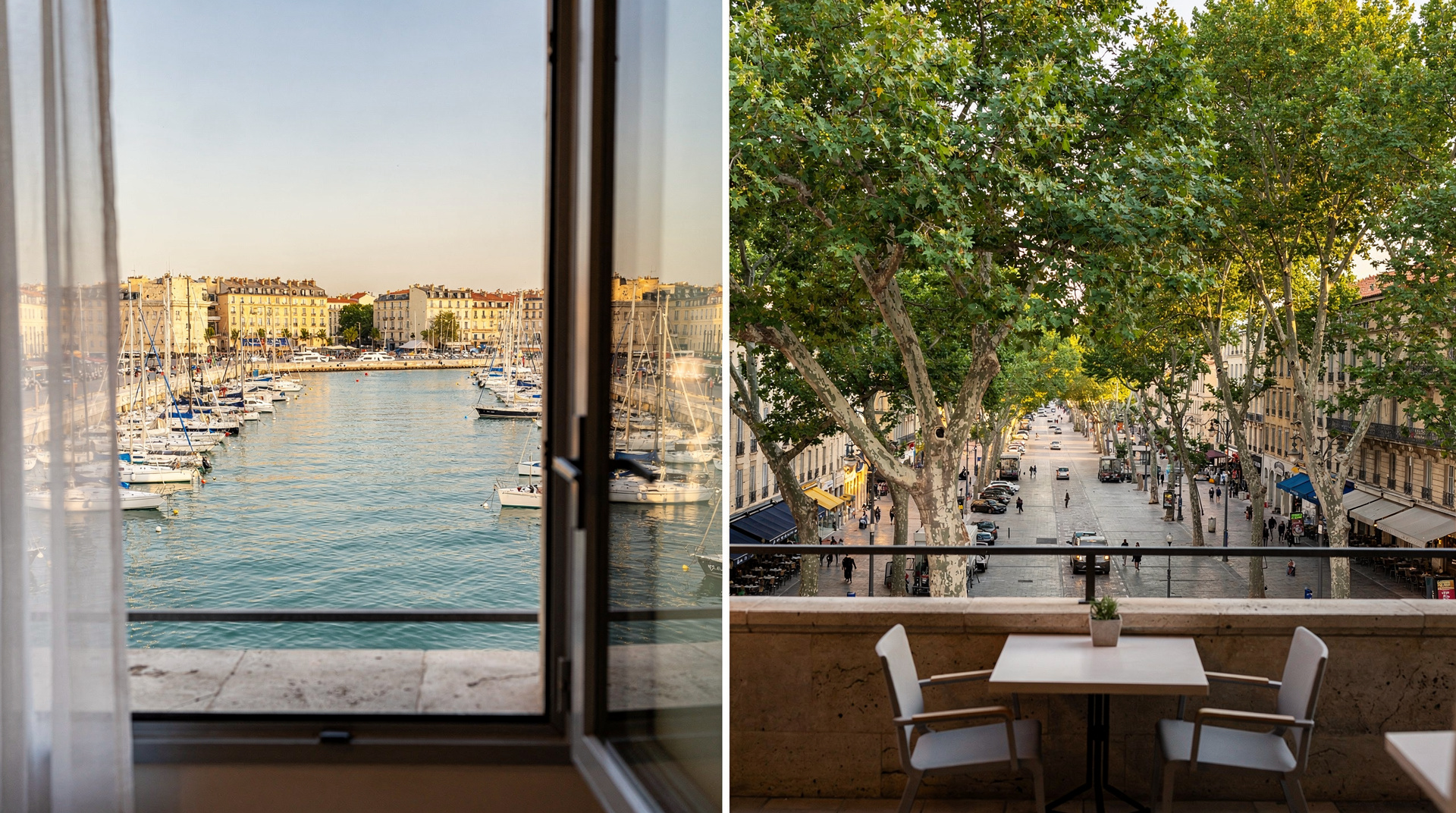
Cassis: The port is genuinely picturesque — small-scale, colourful boats, restaurants with blue and white awnings, the dramatic limestone cliff of Cap Canaille visible behind the town. It photographs extremely well and has been doing so for over a century (Cézanne painted here; Dufy painted here). The old town behind the port is smaller and less dramatic than Aix or Marseille’s Panier, but has a pleasant scale and a market on Wednesday and Friday mornings.
The beach at the Plage de la Grande Mer (immediately west of the port) is the most accessible in Cassis — pebble, not sand, and busy in summer. The calmer Plage de Bestouan is 10 minutes’ walk east. For better beaches, Port-Pin is the obvious destination — but it requires the hike.
La Ciotat: The town has a scruffy charm in its older quarters near the port — less curated than Cassis, with the shipyard cranes still visible at the northern end of the port as a reminder of the industrial history. The Eden cinema building (the original Lumière screening venue) is on the boulevard des Ligurians and worth passing. The old port area has a working character that Cassis’s waterfront has largely lost.
The town centre has the practical infrastructure of a real town — supermarkets, pharmacy chains, ordinary cafés alongside tourist restaurants — which is either a feature or a drawback depending on your expectations.
The honest summary
Both towns are worth visiting. Neither is the other. The comparison is most useful for visitors who are choosing how to spend a half-day or day trip from Marseille — and for them, the honest advice is this: if you are going to kayak, do both (the combined water access from both sides covers different Calanques); if you are going to the beach, La Ciotat; if you are going for the visual pleasure of a Provençal port and the wine, Cassis.
For transport between Marseille and both towns, see our Cassis transport guide. For the Calanques options from Cassis specifically, see which Calanque to visit. For Cassis beaches in more detail, see Cassis beaches guide.
Adding Cap Canaille to either day
Whichever town you choose, the Route des Crêtes corniche linking them passes over Cap Canaille — at around 394 metres, the highest sea cliff in mainland France — and is worth building into the day regardless of your base. From Cassis it’s a short drive or a demanding hike (see our Cap Canaille hike guide for the full route breakdown); from La Ciotat the approach is the reverse direction along the same road. A combined day — Cassis in the morning, the Route des Crêtes at midday, La Ciotat beaches in the afternoon — uses the geography well and avoids doubling back.
For a full day trip itinerary structured around Cassis specifically, see our Cassis day trip guide, which covers the boat tours, wine tasting, and timing in detail.
Where to go from here
If Cassis is your pick, the Cassis destination page gives the wider picture of the town, and the Cassis wine guide goes deeper on the appellation and how to taste without a car. If you are leaning towards La Ciotat, the La Ciotat destination page is the place to start.
Water-minded readers will want to compare the options before committing: our Calanques boat vs hike guide helps you choose how to see the coves, and the Cassis vs Marseille Calanques boat comparison shows how a departure from Cassis differs from one out of the Vieux-Port. Anyone planning to walk should read the Calanques hiking safety guide first, and the summer access rules matter if you travel in July or August.
If you would rather fold both towns into a longer stay, the Marseille and Cassis in two days itinerary and the Marseille, Aix and Cassis in three days itinerary show how a coastal day fits around the city. For a wider sense of the other options out of town, browse our day trips from Marseille overview, and read A perfect day in Cassis for a first-hand account of how a day in the port can unfold.
Frequently asked questions about Cassis vs La Ciotat
Which town is cheaper, Cassis or La Ciotat? La Ciotat, clearly — its restaurants and general prices reflect a local working-town economy rather than Cassis’s tourist-driven port, where waterfront dining carries a premium.
Can I visit Cassis and La Ciotat in the same day? Yes — they’re 10 km apart and both on the same Marseille TER line, or linked by the Route des Crêtes if driving. A combined day (Cassis port and Calanques in the morning, La Ciotat beach in the afternoon) is a natural, comfortable structure.
Top experiences
Bookable activities with verified prices and instant confirmation on GetYourGuide.