Saint-Rémy-de-Provence
Saint-Rémy-de-Provence guide — plane-tree squares, Van Gogh's asylum at Saint-Paul-de-Mausole, Glanum Roman ruins, and the Wednesday market.
From Marseille: Arles, Les Baux & Saint-Rémy full-day tour
Duration: 8 hours
Quick facts
- Distance from Marseille
- ~1 h 15 by car via A7 and D17
- Glanum entry
- EUR 8 adult; open daily April–October 9:30–18:00
- Saint-Paul-de-Mausole
- Free to walk the garden and cloister; small museum EUR 5
- Market
- Wednesday morning — one of the best in Provence
At a glance
| Where | Northern edge of the Alpilles, around 1 h 15 from Marseille |
| Cost | Glanum around EUR 8; Saint-Paul-de-Mausole garden free, museum around EUR 5 |
| Time needed | Half a day for the centre and one site; a full day with Les Baux |
| Getting there | Car or organised tour — no direct train from Marseille |
| Best time | April–October; Wednesday morning for the market |
The town at the foot of the Alpilles
Saint-Rémy-de-Provence sits at the northern edge of the Alpilles massif, where the limestone ridge gives way to the flat Rhône plain. It is a small Provençal market town — around 10,000 people — with a character shaped by the plane trees that shade its boulevards, the Wednesday market that draws half the region, and two significant historical layers: the Roman ruins of Glanum and the year Van Gogh spent in the asylum here in 1889–1890.
Visitors often pair it with Les Baux-de-Provence (10 km south), which is logical — both sites are southeast of Avignon, northwest of Arles, and connected by the D5 through the Alpilles. The combination of Saint-Rémy in the morning and Les Baux in the afternoon (or vice versa) is a full day that covers Roman history, Van Gogh, medieval ruins, and an immersive art experience.
Getting here from Marseille
Saint-Rémy-de-Provence has no direct train service from Marseille. The options are:
By car: Around 1 hour 15 via the A7 toward Avignon, then the D17 or D5 through the Alpilles. The approach from the south along the D5, through the white limestone outcrops of the Alpilles, is one of the most scenic drives in Provence.
By organised tour: Day tours from Marseille typically combine Arles, Les Baux, and Saint-Rémy in a single day. If you have no car, this is the most practical option and provides a good pace of the three sites.
Van Gogh at Saint-Paul-de-Mausole
After the episode in Arles in December 1888, Van Gogh admitted himself voluntarily to the Monastère de Saint-Paul-de-Mausole — a psychiatric hospital 1 km south of Saint-Rémy’s centre, in a 12th-century monastery building. He remained from May 1889 to May 1890, during which time he produced 150 paintings and 100 drawings, including The Starry Night (now at MoMA in New York), Irises (Getty Museum), and Wheat Field with Cypresses (National Gallery, London).
The hospital is still a functioning psychiatric facility. The part open to visitors includes the Romanesque cloister, the chapel, the small garden where Van Gogh worked, and his recreated room with a copy of the Bedroom in Arles. The experience is atmospheric in a way that the Van Gogh panels in Arles are not — the scale of the cloister garden, the view through the window of Van Gogh’s room to the Alpilles, and the quiet of the monastery grounds give the visit a different texture.
Practical notes: Free to walk the garden and cloister. The small museum inside the monastery covers Van Gogh’s stay and his works from this period; entry around EUR 5 adult. Open daily April through October; reduced hours in winter. Allow 45 minutes to 1 hour.
Immediately outside the monastery entrance stands the Glanum triumphal arch and the mausoleum of the Julii (first century BCE) — two of the best-preserved Roman monuments in Provence, standing roadside with no barriers or queuing. These are free to view from the road.
Glanum Roman ruins
Two kilometres south of Saint-Rémy’s centre, the archaeological site of Glanum reveals a Greco-Roman city founded by a Greek colony in the 3rd century BCE and occupied continuously through Roman times until its abandonment in the late 3rd century CE. The visible remains include a sanctuary, forum, thermal baths, temples, and houses — a genuine city plan, not isolated monuments.
Glanum was not rediscovered until 1921 and excavations are ongoing. The site is one of the most complete Hellenistic and Roman urban sites in France, comparable to Vaison-la-Romaine for its archaeological depth.
Visiting in 2026:
- Open daily April through October 9:30–18:00 (daily from May 2; last admission 45 minutes before closing).
- November through March: Tuesday–Sunday 10:00–17:00.
- Entry EUR 8 adult; free under 18 and EU citizens under 26.
- Audio guide available in French, English, German, Spanish, Italian (EUR 3).
- Combined ticket with other regional monuments available — ask at the ticket desk.
- Allow 1 to 1.5 hours.
The site plan requires some imagination — ruins without reconstruction assistance can be difficult to read. The audio guide or a site map from the ticket desk makes the difference between a confusing walk through old stones and a comprehensible ancient city.
The old town and the Wednesday market
Saint-Rémy’s centre is the familiar Provençal pattern: a circular boulevard of plane trees (the Boulevard Mirabeau–Marceau circuit) enclosing a compact old town of narrow streets, small squares, and artisan shops. The Hôtel Mistral de Mondragon on the Rue du Parage is the local historical museum (Musée des Alpilles, permanent exhibitions on the Alpilles landscape and local history).
The Wednesday market is the main event. It fills the Boulevard Mirabeau and the central streets with produce, flowers, clothing, antiques, cheese, and every category of Provençal food product. It is large, busy, and genuine — this is where people from the surrounding villages actually shop, not a tourist-facing artisan market. Arrive by 09:00 for the best produce and the least crowded movement through the stalls. The market winds down around 13:00.
A morning arrival on a Wednesday — market first, Glanum and Saint-Paul-de-Mausole after lunch — is the optimal Saint-Rémy itinerary.
The Alpilles backdrop
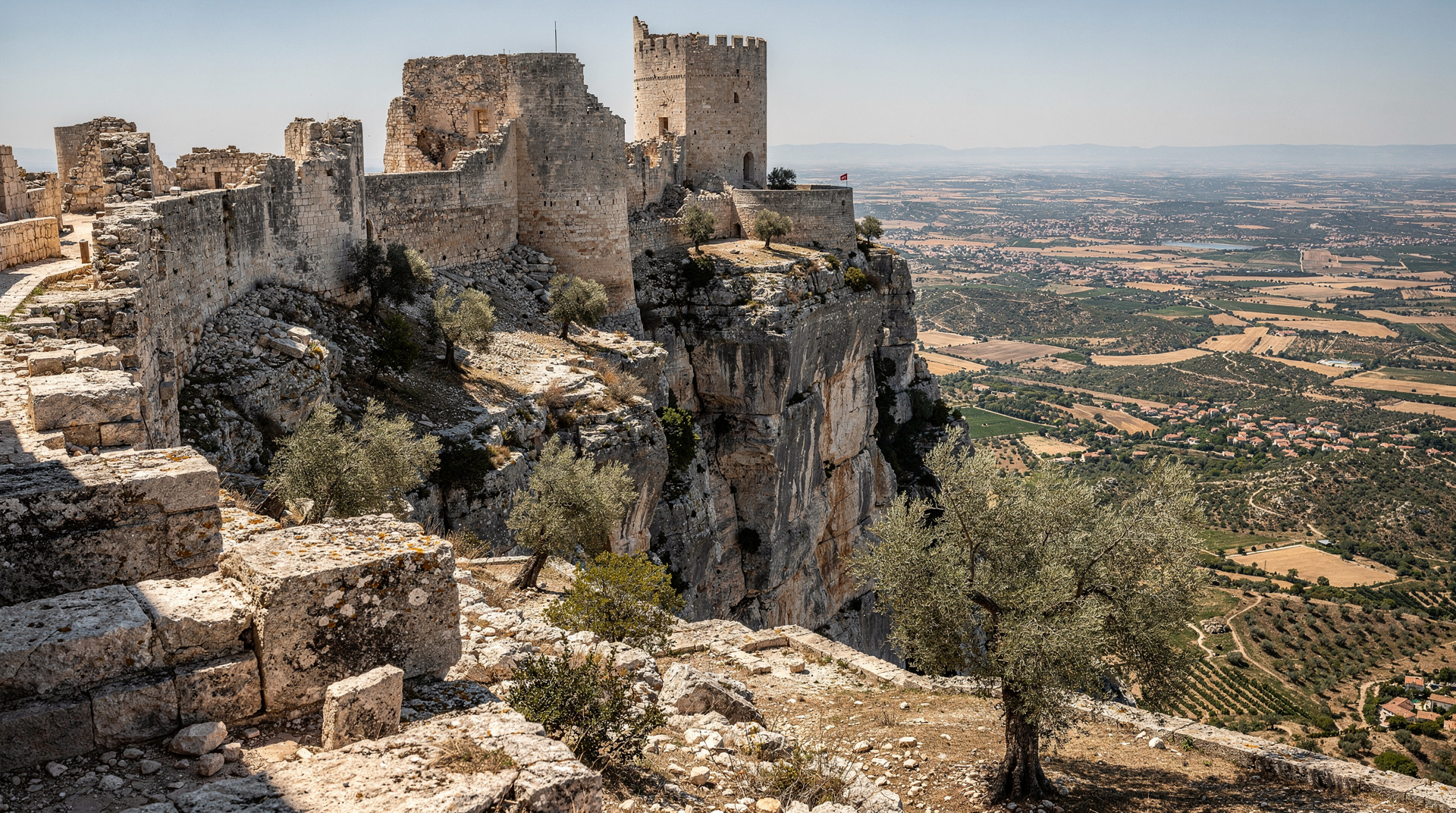
The white limestone outcrops visible to the south of Saint-Rémy are the northern edge of the Alpilles — a small mountain range, roughly 25 km long, that provides the backdrop for the Van Gogh paintings made here and the photographic character of the wider area. The D5 through the Alpilles from Saint-Rémy to Les Baux passes through this landscape directly; the drive is 10 km and worth doing slowly with stops at the viewpoints over the valley.
Several marked walking trails from Saint-Rémy enter the Alpilles directly — the GR6 passes through the range. The terrain is scrub limestone, dry in summer and requiring water and sun protection. In spring (April–May) the Alpilles bloom with wildflowers and the colour contrast with the white rock is at its best.
Combining Saint-Rémy with nearby destinations
Saint-Rémy + Les Baux: The natural full-day combination. 10 km apart on the D5. Morning in Saint-Rémy (market on Wednesdays, Glanum, Saint-Paul-de-Mausole), afternoon at Les Baux (Château and Carrières des Lumières). Return to Marseille via Arles or directly.
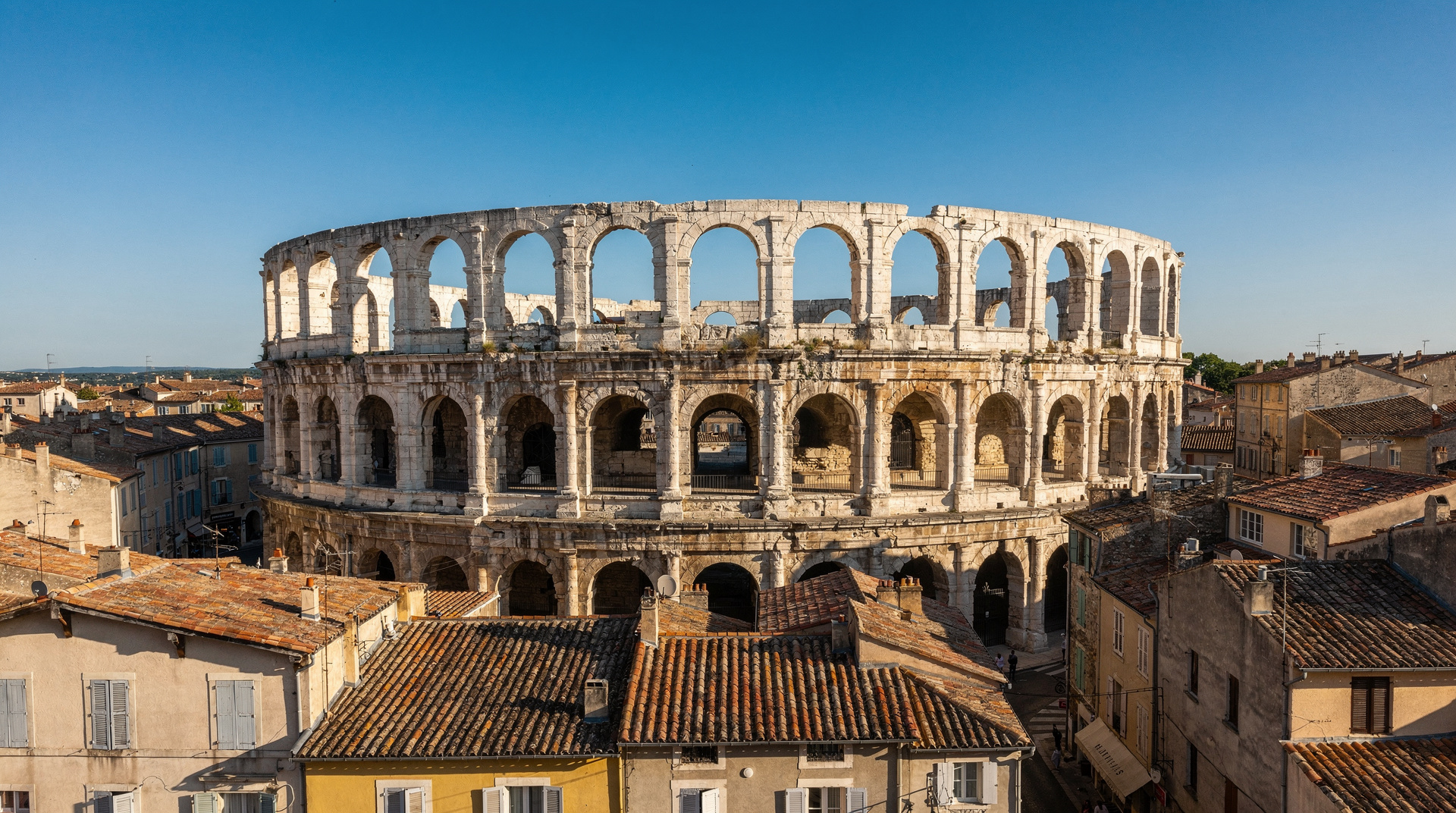
Saint-Rémy + Arles: Arles is 25 km west via the D99. Both are Van Gogh connected, Roman, and complementary in character. Arles in the morning (amphitheatre, Fondation), Saint-Rémy in the afternoon (Glanum, monastery). This is a full day.
For day trip planning from Marseille combining multiple Alpilles destinations, see our day trips from Marseille guide and the Arles day trip guide.
Practical information for Saint-Rémy-de-Provence
Parking: Saint-Rémy’s centre has several large car parks on the Boulevard Marceau and Mirabeau circuit. Parking is generally manageable outside July–August. On Wednesday (market day) the car parks fill by 09:30 — arrive early or use the car parks south of the centre near the Glanum road.
The Van Gogh panel trail: The tourist office on Place Jean Jaurès distributes the free Van Gogh trail map, which shows all 15 panel locations in the town and immediate surroundings. The trail is a 30–45 minute walk if done in sequence; the panels are bilingual (French and English). The monastery and Glanum panels (outside the town centre) require the car or a 20-minute walk south.
Glanum combined visit: The triumphal arch and mausoleum of the Julii (the “Antiques”) stand immediately adjacent to the Glanum entrance road and are free to view from the road at any time. They are among the best-preserved Roman funerary and triumphal monuments in France — the mausoleum in particular (4-storey, with relief sculptures) is extraordinary. Even if you do not enter the Glanum site, stopping to see the Antiques costs nothing.
Saint-Rémy food: The Wednesday market (until 13:00) is the best source of local produce. The town centre has several good restaurants in the streets around the Hôtel de Sade and Rue Carnot. Provençal cuisine here leans on Alpilles olive oil (the valley has its own AOC), local vegetables, and lamb from the garrigue — look for “agneau des Alpilles” on menus.
Nostradamus: Michel de Nostredame (Nostradamus) was born in Saint-Rémy in 1503. A plaque marks his birthplace on the Rue Hoche. The connection is real — the town is proud of it, if more circumspectly than Pagnol-era Aubagne is proud of its own native son.
The Alpilles Regional Nature Park
Saint-Rémy is the northern gateway to the Parc Naturel Régional des Alpilles, a 77,000-hectare protected area extending across the limestone ridge. The park encompasses the landscape of Van Gogh’s paintings — the twisted cypresses, the olive groves, the white rock outcrops — and protects one of the most biodiverse garrigue ecosystems in Provence.
Walking trails from Saint-Rémy into the park are marked from the town’s southern edge. The GR6 long-distance path crosses the Alpilles from Saint-Rémy toward Les Baux; shorter circuits (2–4 hours) into the rock outcrops above the town offer the landscape Van Gogh painted from below — the same ridge that appeared in so many of his asylum canvases, seen now from above.
Spring (April–May) is the most rewarding season for Alpilles walking: wildflowers on the garrigue, cooler temperatures, and the quality of light that made this corner of Provence the most painted landscape of the late 19th century.
Planning a day: Saint-Rémy, Les Baux, or both
A single day from Marseille can realistically cover Saint-Rémy alone at an unhurried pace, or Saint-Rémy plus Les Baux-de-Provence if you start early and accept a fuller schedule. Saint-Rémy alone suits travellers most interested in Van Gogh and Roman history with time for the market; adding Les Baux brings a medieval hilltop citadel and the Carrières des Lumières immersive art show, but pushes the day toward 10–11 hours door to door from Marseille. For a wider comparison of Alpilles day-trip pacing, see our day trips from Marseille guide.
Going further: Van Gogh, the car question and nearby stops
If the asylum is what draws you here, read the Van Gogh in Arles guide alongside this page: the two towns tell the two halves of the same story, and the Van Gogh pilgrimage blog post shows how one traveller linked them. For the practical side of a Saint-Rémy and Les Baux day, the Les Baux and Saint-Rémy day trip guide covers the pacing in more detail.
Whether you need to hire a car is the first question for most visitors. Our guide to needing a car in Provence weighs it honestly, and the answer for Saint-Rémy leans towards yes if you want to move freely between the town, the monastery and the Alpilles viewpoints.
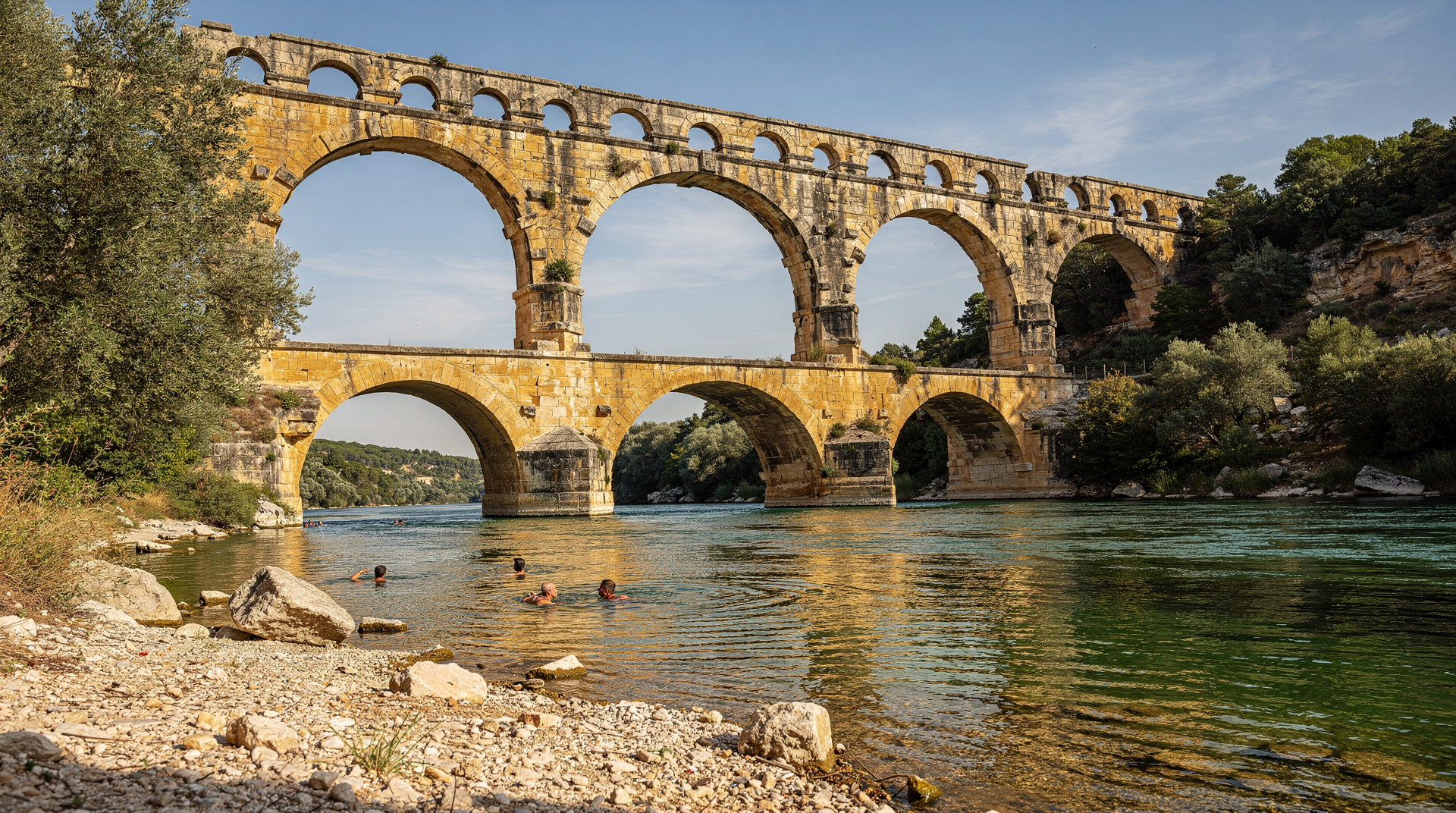
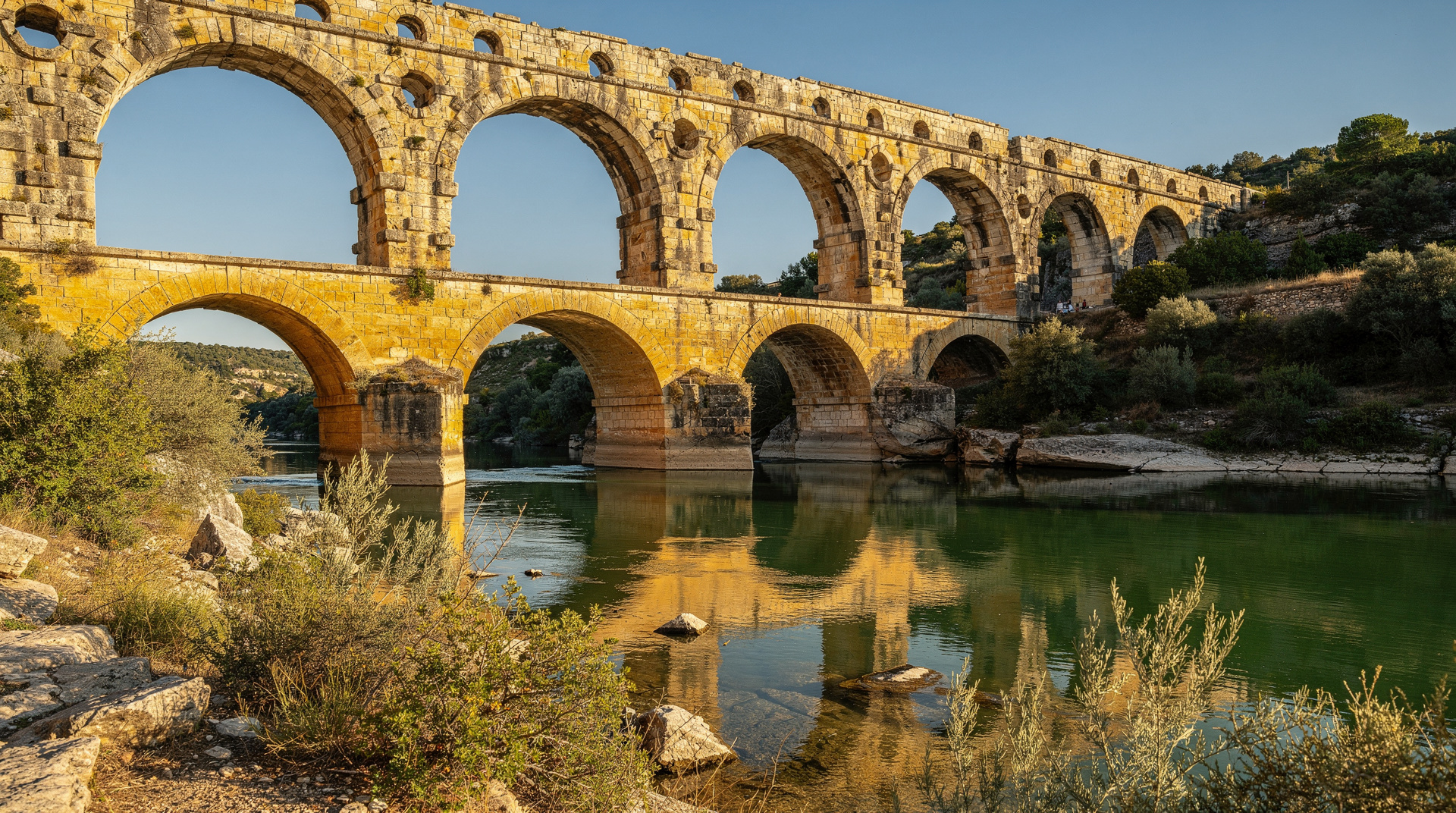
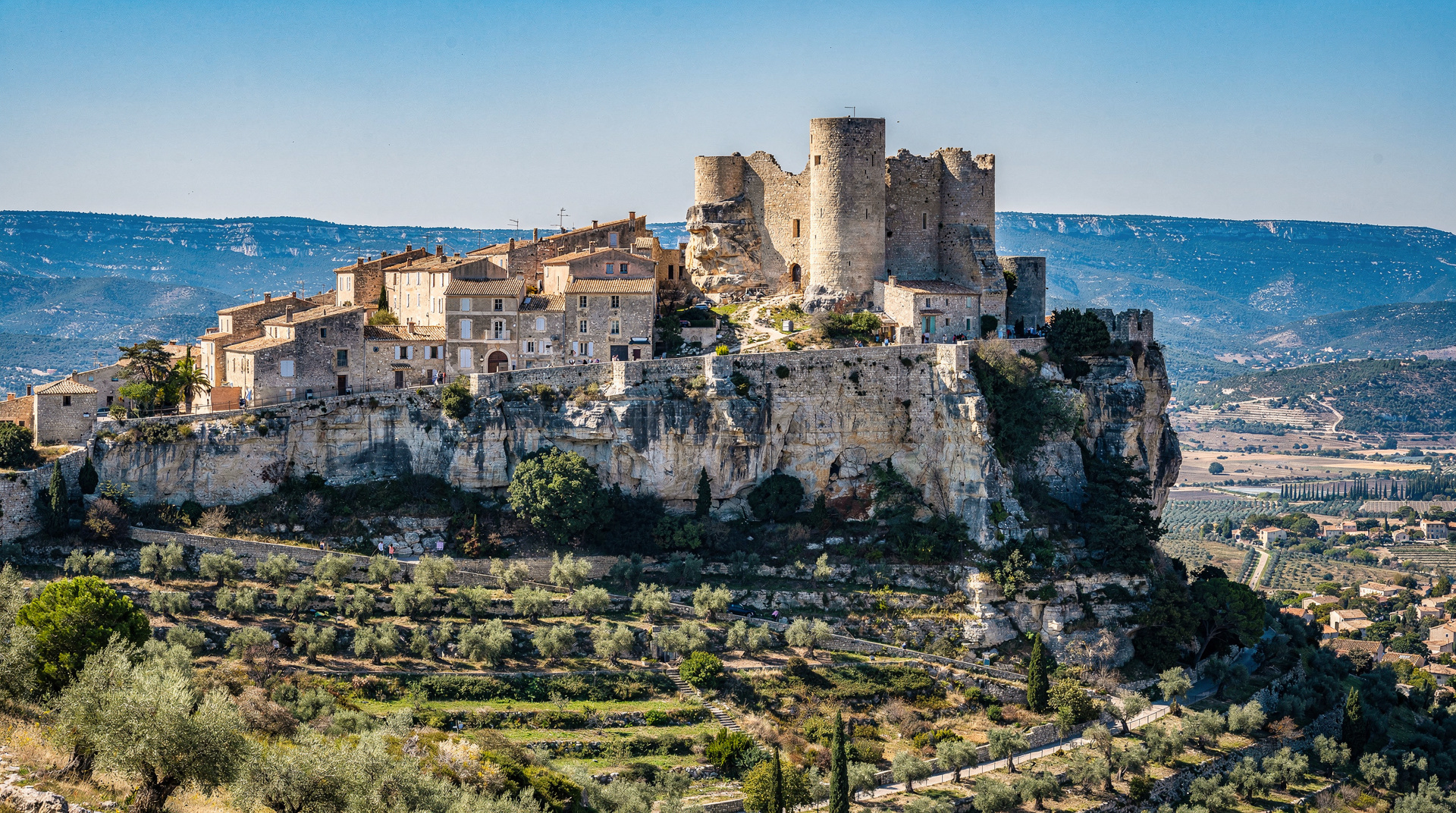
Other stops fit naturally around Saint-Rémy. Avignon and Arles both sit on the edge of the Alpilles, the Camargue opens up a very different landscape of wetlands, and the Pont du Gard adds another Roman monument to a Provence itinerary. Visitors who want hilltop villages rather than ruins can head for the Luberon.
If Saint-Rémy is one stop in a longer trip, the five-day Marseille and Provence itinerary and the Provence road trip both place it within a wider route. In early summer, the lavender season guide helps you decide whether to build the fields into the same trip.
Frequently asked questions about Saint-Rémy-de-Provence
Is Saint-Rémy-de-Provence worth visiting if you’re not especially interested in Van Gogh? Yes — Glanum is a substantial Roman archaeological site independent of the Van Gogh connection, and the Wednesday market is one of the best in Provence regardless of the artistic history. The town itself, with its plane-tree boulevards, is pleasant to wander even without visiting either site.
Can you visit Saint-Rémy without a car? Not easily on your own — there is no direct train from Marseille. Organised day tours from Marseille or Avignon are the practical alternative, typically combining Saint-Rémy with Arles or Les Baux, as covered in our Arles day trip guide.
Top experiences
Bookable activities with verified prices and instant confirmation on GetYourGuide.